Best Outdoor Light Bulbs for Porches and Yards
Find the best outdoor light bulbs for a porch, driveway, pathway, or security zone, with clear advice on lumens, wet ratings, sensors, and smart features.

The best outdoor light bulb is not automatically the brightest one. A 1,300-lumen flood in a shallow porch lantern can create glare, while a modest warm bulb aimed down at the threshold can make the same entrance easier to use. The right choice depends on the job, the socket, the fixture’s weather rating, and whether you need steady light, motion-triggered light, or automation.
This guide compares six useful options across those decisions. It includes true screw-in bulbs as well as two integrated lights that are better solutions for a pathway or a dark security zone. That distinction matters: a bulb cannot solve a fixture with a poor beam, a corroded socket, or no suitable junction box.
Quick picks: the right light for each outdoor job
| Pick | Best for | Type | Published output | Main trade-off |
|---|---|---|---|---|
| GE Cync Full Color PAR38 | Smart porch or patio flood | E26 PAR38 LED | 1,300 lumens | Not for enclosed fixtures; app and Wi-Fi add complexity |
| Sylvania Night Chaser PAR38 | Bright driveway or floodlight replacement | E26 PAR38 LED | About 2,650 lumens | Can feel harsh in cool white; needs a PAR38-rated fixture |
| Sengled Dusk-to-Dawn | Automatic porch or garage light | E26 LED with photocell | About 1,200 lumens | No app or voice control; sensor needs a clear view of daylight |
| Mr Beams MB360XT | Renter-friendly side yard or shed | Battery integrated LED | 200 lumens | Narrower coverage and battery replacement |
| LEONLITE motion floodlight | Focused security coverage | Hardwired integrated LED | About 1,800 lumens | Installation is more involved than changing a bulb |
| Philips Hue Calla | Designed pathway and landscape lighting | Low-voltage smart fixture | 640 lumens | Expensive for long paths and full features need the Hue ecosystem |
Treat the numbers as starting points, not a promise of identical brightness. A bulb’s lens, reflector, beam angle, mounting height, and surrounding surfaces can make two products with the same lumen rating look very different. For a small entry, controlled light is often more comfortable than a flood aimed straight at eye level.
How we reviewed outdoor bulbs and lights
I compared these products by the things that cause outdoor-lighting disappointment after installation: physical fit, actual use case, brightness, color, weather exposure, controls, installation burden, maintenance, and the consequences of failure. Manufacturer specifications are treated as specifications, not as proof that every home will see the same coverage. Published product-test reporting is useful for understanding setup and runtime, but it cannot replace checking your own socket, wall, shade, trees, or local code.
The selection also follows a simple rule: each pick must solve a different problem. The GE Cync is for people who want a conventional screw-in flood bulb with smart color and scheduling. The Sylvania is the straightforward high-output choice. Sengled removes the nightly switch ritual. Mr Beams helps where wiring is not practical. LEONLITE and Hue Calla are included because some outdoor jobs need a complete fixture, not a more powerful bulb.
Responsible lighting is part of performance. DarkSky International’s framework recommends that outdoor light be useful, targeted, low level, controlled, and warm-colored whenever possible. Those principles are practical shopping criteria: point the beam at the step or path, use only as much output as the task needs, and avoid leaving a high-output flood on all night when a motion sensor would do.
Read the socket and fixture before shopping
For a current example of how one smart outdoor bulb handles these constraints, see GE Lighting’s Cync PAR38 specification page, which lists its base, output, wet rating, and enclosure warning.
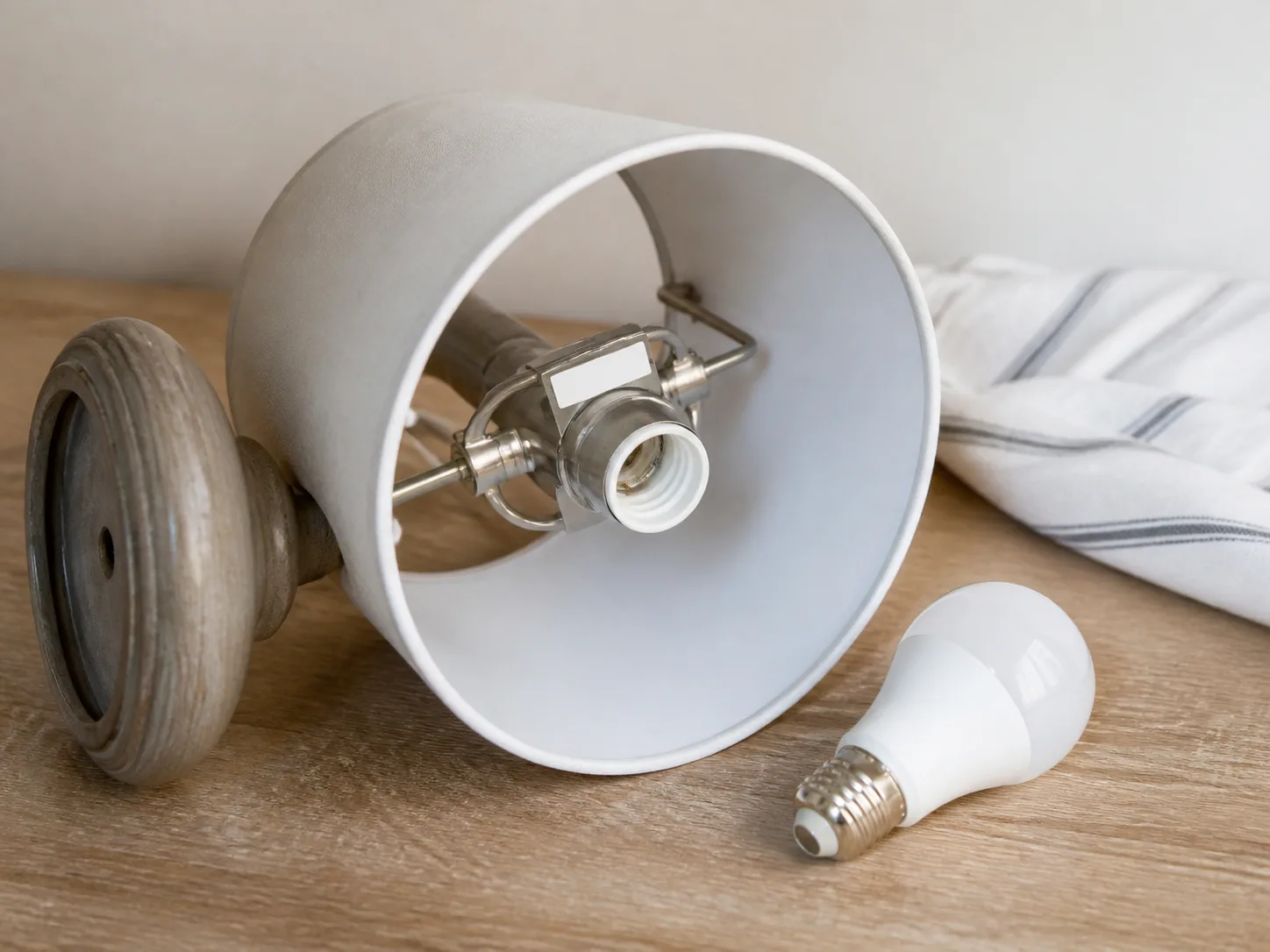
Start at the fixture, not the product page. Turn off power and identify the base, usually an E26 medium screw base in North American porch and flood fixtures, then check the shape the housing accepts. An A19 bulb is the familiar rounded general-purpose shape; a PAR38 is wider and directional, and may not fit beneath a small glass globe or shallow lantern.
Next, read the fixture label for maximum wattage, voltage, dimmer compatibility, and whether it is rated for damp or wet locations. The fixture’s rating controls the installation even if the bulb itself is marketed as weather resistant. A wet-rated bulb in an indoor-only or damaged outdoor socket is not a safe upgrade.
Finally, check enclosure instructions. Smart bulbs often have electronics that need airflow. GE’s current Cync PAR38 specifications list outdoor and wet use but explicitly say the bulb is not for enclosed fixtures; trapping heat behind glass can shorten its life or cause unreliable connectivity. If the fixture is fully enclosed, choose a bulb whose packaging specifically permits that use.
Compare lumens, beam angle, and color together
The residential lumen ranges below are planning guidance rather than electrical requirements. Bob Vila’s outdoor-lighting test guide also explains why beam spread and operating mode change the result in a real yard.
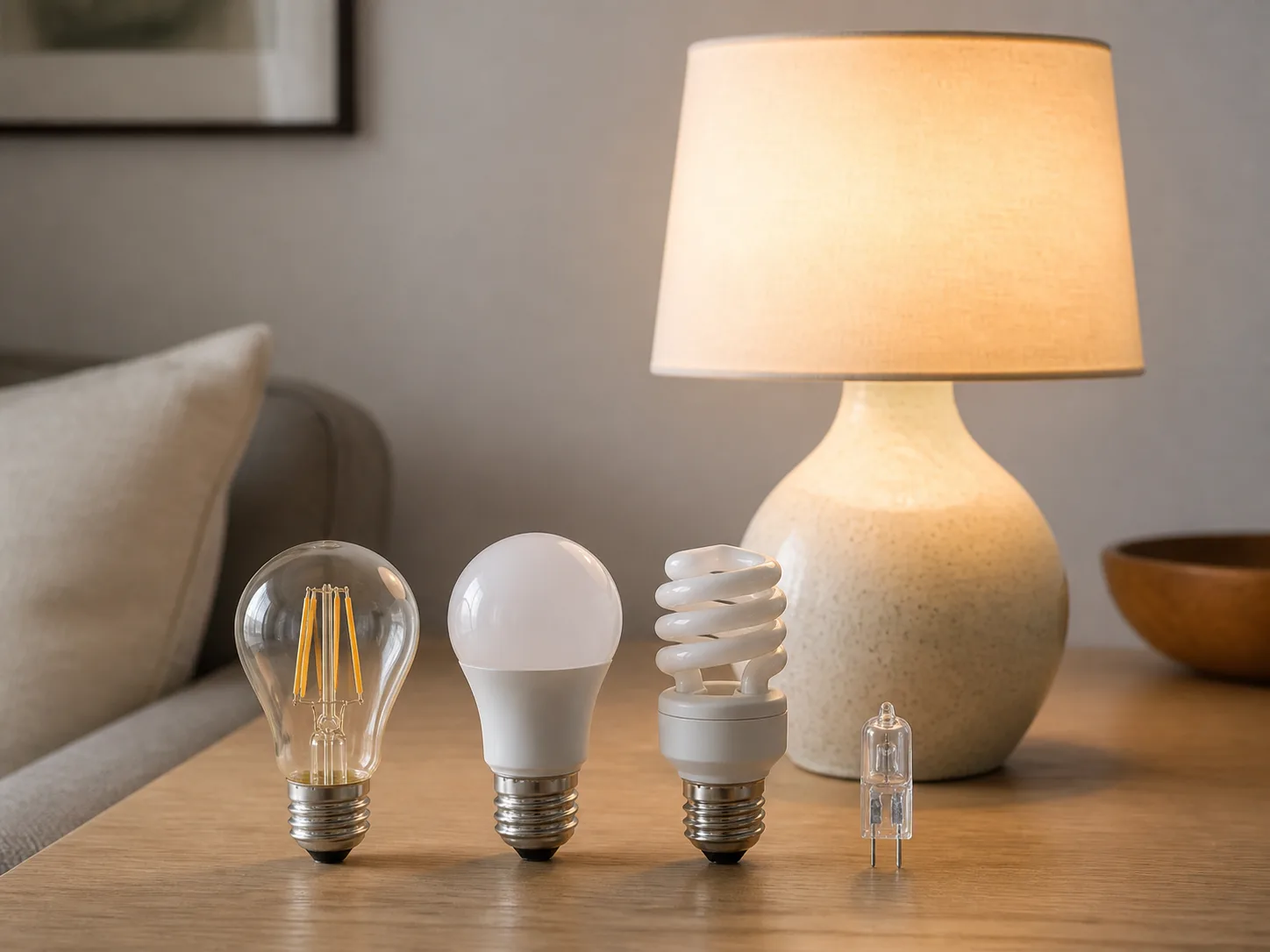
Lumens measure light output; watts measure energy use. Use lumens to compare LED brightness, then ask where that light goes. A broad, frosted A19 can make a porch pleasant but may not project down a long driveway. A PAR38 reflector can look much brighter on one target because more of its output is directed forward.
As a working range, roughly 450–800 lumens is usually enough for a small covered entry or decorative sconce, 800–1,500 lumens suits a larger porch or garage approach, and a driveway or security flood may need more—provided the beam is aimed and the fixture can handle it. Product-testing guidance from Bob Vila similarly notes that many residential users land around 700–1,300 lumens for floodlighting, while beam spread changes how bright the result feels. These are planning ranges, not code requirements.
Color temperature is measured in Kelvin. Around 2,700–3,000K produces a warmer amber-white light that tends to flatter brick, wood, and planting beds. Around 4,000–5,000K looks cooler and can make edges and surfaces easier to distinguish, but it may feel clinical or glaring at a front door. DarkSky’s warm-colored principle is a useful tie-breaker when two bulbs meet the same visibility need.
The overlooked specification is beam spread. A narrow beam can throw light farther but create hot spots and hard shadows; a wider beam covers more area with lower intensity per point. If you are lighting stairs, favor even coverage and a shielded angle. If you are lighting a gate or a driveway edge, a controlled flood may be more useful than a bare omnidirectional bulb.
The six best outdoor light bulbs and lights
1. GE Cync Full Color PAR38: best smart outdoor bulb
The GE Cync Full Color PAR38 is the most flexible screw-in option here when a covered or open outdoor flood fixture needs scheduling, remote control, and color adjustment. GE lists a medium E26 base, PAR38 shape, 15 watts, 1,300 lumens, wet outdoor rating, app dimming, Bluetooth and Wi-Fi communication, and compatibility with Alexa and Google Assistant. The product page also says it is not enclosed-fixture rated, so do not treat “outdoor” as permission to use it inside a sealed lantern.
The practical advantage is control. You can create a low warm setting for ordinary evenings, raise brightness for a gathering, or schedule the light so it is not running from dusk until morning. Color scenes are fun for a patio or holiday display, but the feature with the greatest everyday value is often the ability to turn the light off remotely when it was left on.
The limitation is that a smart bulb cannot improve a bad fixture location. A metal flood housing aimed into a neighbor’s window will still be intrusive, only now it is easier to control from your phone. The app, Wi-Fi band, and assistant compatibility also add failure points that a simple photocell bulb does not have. Choose it for a reachable E26 fixture where you will actually use schedules or scenes; skip it for a sealed lantern, weak Wi-Fi corner, or one light that only needs automatic on/off.
2. Sylvania Night Chaser PAR38: best bright replacement bulb
For a driveway, rear gate, or large covered patio that accepts a PAR38 bulb, the Sylvania Night Chaser is the uncomplicated high-output choice. The reviewed version is marketed at about 2,650 lumens, 5,000K daylight color, dimmability, a 23-watt draw, and wet-rated indoor/outdoor use. Its reflector form concentrates light more effectively than a general-purpose A19, which is why it can make a long approach feel more usable without installing a new fixture.
The best reason to choose it is reach. If a 600- or 800-lumen porch bulb disappears into the darkness beyond your steps, a PAR38 flood can put useful light on the destination rather than merely brightening the fixture itself. It is also a better fit for a traditional switch than a smart product: screw it in, set the fixture, and use the existing control.
The trade-off is visual comfort. Five-thousand-K light can be unforgiving against pale siding, and a bright exposed bulb can produce glare that reduces what you can see beyond it. Aim the fixture downward, use its hood or shield, and do not select this output for a small entry lantern simply because the number looks impressive. Confirm the exact package’s wet rating, beam angle, dimmer compatibility, and warranty before ordering because Night Chaser variants differ.
3. Sengled Dusk-to-Dawn: best automatic porch bulb
The photocell-versus-color trade-off is also reflected in a recent outdoor-bulb comparison from Talk of the House: automatic 5,000K bulbs are practical for visibility, while warmer decorative bulbs are more comfortable for entertaining.
The Sengled Dusk-to-Dawn LED bulb is the practical choice for a porch, garage coach light, or side door where the goal is simply “on after dark, off after sunrise.” Its built-in photocell removes the need to remember a switch or install a separate timer. Published versions list an E26 base, roughly 1,200 lumens, a daylight-like 5,000K output, and a rated life of up to about 25,000 hours.
Photocells work best when the sensor can see the sky. A bulb installed inside a deeply shaded fixture, behind dark glass, or near another bright lamp may switch on too early, too late, or cycle unexpectedly. If your porch light shines directly onto the sensor, move or shield the competing light before deciding the bulb is defective.
This is not the pick for a warm, low-glare front entrance or a smart-home scene. Its daylight color favors visibility, and it has no app or voice control. It is a strong fit when you want a self-contained routine at a sensible cost, especially in a fixture that is already in the right place and does not need dimming.
4. Mr Beams MB360XT: best battery motion light
Check the current MB360XT listing for the available finish, model number, and package details before buying; battery-light listings can change even when the model name stays the same.
The Mr Beams MB360XT is not a screw-in bulb, but it solves a common outdoor-lighting problem better than one: adding light to a shed, rental, side passage, or fence where there is no convenient wired socket. The integrated LED produces 200 lumens, runs on three D-cell batteries, detects movement from roughly 35 feet away in published specifications, and has an adjustable head for aiming.
Its strength is low-commitment installation. A renter can mount it without opening a junction box, and a homeowner can put light exactly where a permanent fixture would be expensive. Motion activation also uses far less energy than leaving a bulb on all night, which helps battery life and limits unnecessary light.
The narrow beam is both the point and the limitation. It is useful for a gate latch, shed door, bins, or a short side path, but it is not a substitute for even pathway lighting or a flood that covers a whole yard. Battery performance varies with trigger frequency, cold weather, and the quality of the cells. Mount it so people approach across the sensor’s field rather than directly toward it, and keep foliage from waving in front of the detector.
5. LEONLITE LED Motion Sensor Floodlight: best focused security light
When the dark area is large, exposed, or genuinely important to monitor, the LEONLITE LED Motion Sensor Floodlight is a better category of tool than a brighter screw-in bulb. The reviewed model uses two adjustable heads, offers about 1,800 lumens from a 20-watt LED system, and provides motion, manual, and dusk-to-dawn operating modes. Its adjustable range and heads let you cover a garage apron, side yard, or blind corner without flooding every neighboring window.
This pick makes sense when you already have a suitable junction box or are prepared to have one installed. A hardwired fixture avoids battery changes and can deliver more consistent output than a solar or battery unit. The ability to choose motion-only instead of all-night operation is also valuable: a security zone can be visible when someone enters without turning the property into a permanent white stage.
The downside is installation and appearance. It is a functional security fixture, not a decorative porch light, and hardwiring is not the moment to improvise if you are unsure about electrical work. Set the sensor conservatively at first. Vibration, moving branches, pets, and heat sources can create false triggers, while a sensor aimed down a busy street may react to movement you never intended to light.
6. Philips Hue Calla: best pathway lighting system
The output, low-voltage format, and outdoor construction described here come from the Philips Hue Calla product information. It is a fixture system, not an E26 replacement bulb.
The Philips Hue Calla is an integrated low-voltage pathway fixture rather than a replacement bulb, and that is exactly why it belongs in this list. A path needs even, low-level illumination from several points; one oversized bulb mounted at a wall often creates a bright entrance and dark gaps along the walk. The Calla provides 640 lumens, stakes into the ground, uses an outdoor cable and power supply, and supports adjustable white tones and colors through the Hue system.
Its aluminum construction and IP65 rating suit normal outdoor exposure, while the low-voltage format avoids running line-voltage power to every stake. The system is especially appealing when landscape lighting is part of a broader smart-home setup or when you want to change from warm white to a seasonal color without replacing lamps.
The cost and ecosystem are the real objections. One fixture does not illuminate a long path, and full smart control may require a Hue Bridge and thoughtful cable planning. Darker colors also appear less bright than white settings, so decorative color should not be your only safety light. Choose Calla for a designed landscape and repeatable scenes; skip it if you only need to replace one inexpensive porch bulb.
Choose by job, not by the highest lumen number
Porch and entry lighting versus security coverage
For a front door, start with the threshold, lock, house numbers, and the first few steps—not the entire yard. A warm 450–800-lumen bulb in a shielded sconce is often enough for that task, especially when the fixture is near eye level. If the porch is deep, the ceiling is high, or the approach is long, move toward 800–1,500 lumens and use a diffuser or downward angle to spread the output.
Security coverage is different. The goal is not merely to make the entrance attractive; it is to remove a blind spot and provide useful visibility when movement occurs. A motion floodlight with adjustable heads can cover that zone more effectively than a bare bulb aimed forward. A high-output bulb left on all night may waste energy, annoy neighbors, and create harsh contrast that leaves areas beyond the beam harder to read.
No outdoor light should be treated as a complete security system. Lighting can improve visibility and make an approach less inviting, but it does not replace locks, cameras, alarms, clear sightlines, or a plan for contacting help. Use the smallest effective area and test the result from the perspective of someone walking toward the door.
Pathways, planting beds, and patios
Practical landscape-design guidance from Gardens Illustrated makes the same useful distinction: repeated light can create rhythm and direction, but indirect or discreet light often gives a garden more atmosphere than a row of exposed lamps. Better Homes & Gardens’ patio-lighting guidance also recommends layering sources rather than asking one fixture to do every job.
Path lighting works best as a sequence of overlapping pools, not a runway of identical bright spots. Space fixtures so the next pool begins before the previous one ends, stagger them rather than placing them in a rigid straight line, and keep the light source shielded from direct view. For a short path, a low-voltage fixture such as the Calla is more controllable than trying to point a wall flood across the entire walk.
Planting beds need even less light than paths. Use warm, low-level light to reveal a specimen tree, steps, or a change in grade, then let the rest of the garden remain dark. Overlighting foliage flattens depth, shines into windows, and can interfere with the nighttime environment. DarkSky’s useful-and-targeted approach is a good design test: if you cannot name the surface or hazard the light is helping you see, reduce it or turn it off.
For a patio, flexibility usually matters more than maximum output. Smart color control can be worthwhile for entertaining, but include a comfortable warm-white setting for ordinary evenings. If the patio is near bedrooms or a property line, schedule the lights to dim or switch off and aim them downward so the enjoyment stays in your space.
Install safely and avoid weather-related failures
Wet versus damp ratings and enclosed fixtures
For the location distinction and listing context, compare the outdoor lighting requirements explained by Portfolio Lighting with the markings on your own fixture.
“Outdoor” is not one universal rating. A damp location is generally protected from direct rain but can experience humidity or condensation, such as a covered porch. A wet location can be exposed to rain or splashing water, so the product and fixture must be identified for that exposure. Lighting-industry guidance on outdoor listing requirements explains why a covered eave and an uncovered wall call for different approvals; follow the fixture label and local requirements rather than guessing from a product photo.
IP ratings can add useful information for integrated fixtures. The first digit addresses solids and dust; the second addresses water ingress. IP65 is commonly understood as dust-tight with protection against water jets, but an IP number does not automatically tell you that a screw-in bulb is safe in every socket, at every voltage, or inside an enclosure.
Before replacing a bulb, switch off the circuit and let the old lamp cool. Inspect the socket for rust, looseness, discoloration, cracked insulation, or water marks. If the gasket is missing or the fixture fills with water, replace or repair the fixture before installing a new bulb. Do not exceed the fixture’s maximum wattage, and do not force a large PAR38 into a housing designed for A19.
For plug-in pathway systems, use the supplied outdoor-rated power equipment and keep connections above puddles. ESFI advises that extension cords are temporary solutions, should be marked for outdoor use when used outside, should not run through water or snow, and should not substitute for permanent wiring. If your plan depends on a cord across a walkway for the entire season, add a proper outlet or have the installation evaluated.
Motion, dusk-to-dawn, and smart controls
The control choice also affects the night environment. DarkSky International’s homeowner guidance recommends light that is useful, targeted, low level, controlled, and warm-colored whenever possible.
Choose the control based on the behavior you need. Dusk-to-dawn keeps an area continuously lit during the night, which suits a doorway where someone may arrive at any time. Motion activation saves energy and preserves darkness between visits, which suits a side yard or security zone. A timer or smart schedule is best when you want different behavior on weekdays, evenings, holidays, or vacations.
Photocells need a view of changing daylight; motion sensors need a clear detection zone. Walk the area at night and observe the trigger distance, shutoff delay, and whether a pet, flag, branch, passing car, or HVAC exhaust causes false activation. Adjust the sensor after a day or two of real use instead of choosing the most sensitive setting immediately.
Smart bulbs offer the most control but also the most dependencies. Confirm the bulb works on your network, fits the fixture, remains reachable from its installed location, and can return to a sensible state after a power interruption. Use an outdoor-rated smart plug only with equipment that the plug and receptacle are designed to serve. If the household needs a light that works when the internet is down, a conventional switch, photocell, or local motion sensor is a more dependable primary control.
Keep neighbors in mind. DarkSky’s guidance emphasizes that responsible outdoor lighting can preserve safety while reducing glare and light trespass. Stand on the sidewalk or at the property line and look toward the fixture. If you see the LED directly, tilt it down, add a shield, lower the output, choose a warmer setting, shorten the schedule, or move the fixture.
Keep outdoor bulbs working longer
Clean the bulb or lens when dust, pollen, cobwebs, or mower debris begins to soften the light. Turn off power, allow the lamp to cool, and use a dry or slightly damp soft cloth; do not spray cleaner into a socket or rinse a powered fixture. Solar fixtures need clean panels and an unobstructed charging position, while battery lights need fresh cells before winter cold exposes weak capacity.
After heavy rain or a freeze, look for condensation inside the globe, corrosion at the base, flickering, or a sensor that begins cycling. Those are clues to moisture intrusion or an aging control, not reasons to keep swapping bulbs indefinitely. For smart bulbs, keep firmware and app access current, but do not let an update obscure a physical problem such as heat, water, or a loose connection.
Record the bulb shape, base, color temperature, and approximate output when a replacement performs well. The label on the old package or a quick photograph can prevent buying an attractive bulb that is too tall, too wide, too bright, or not rated for that fixture. Outdoor lighting is easier to maintain when replacements are treated as a matched system rather than interchangeable glassware.
Conclusion
For a smart, adjustable screw-in flood, the GE Cync Full Color PAR38 is the most versatile pick, as long as the fixture is not enclosed and your network is reliable. Choose the Sylvania Night Chaser when the priority is reach, the Sengled Dusk-to-Dawn when you want automatic porch light with minimal setup, and the Mr Beams when wiring is not practical. For larger security gaps, the LEONLITE is the more capable hardwired solution; for a designed path, the Philips Hue Calla is the better system than forcing one bulb to do the work of many fixtures.
Before ordering, verify the base, bulb shape, fixture rating, enclosure instructions, voltage, control method, and color temperature. Then aim the light at the task, use no more output than necessary, and test it from the places where people actually walk. That final check is what turns a bright bulb into useful outdoor lighting.


