Epsom Salt for Roses: When and How to Use It
Epsom salt can help roses only when magnesium is low. Learn how to test first, apply carefully, and increase fall blooms with better care.
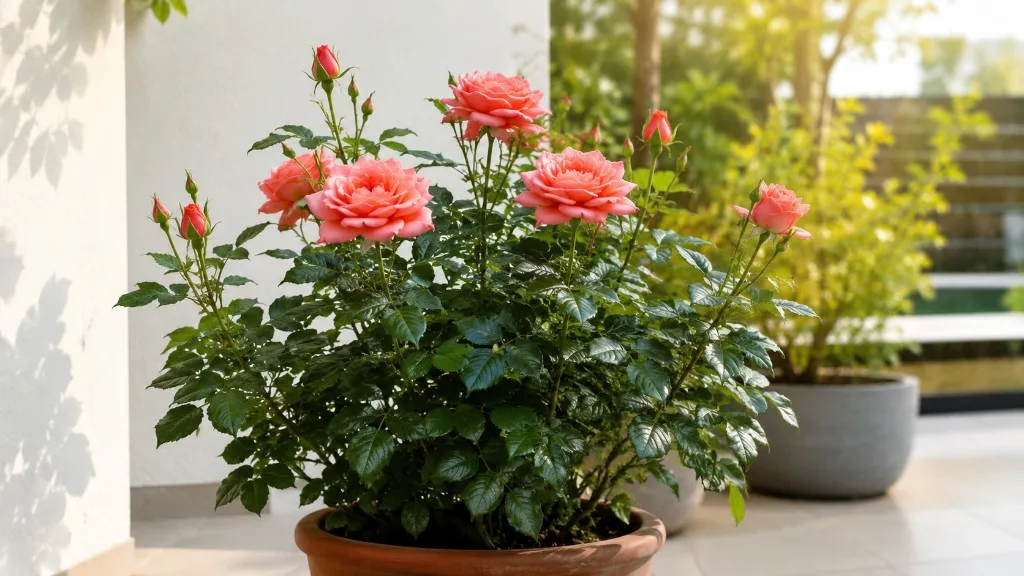
Epsom salt can help a rose make better growth when the root zone is genuinely short of magnesium, but it is not a universal bloom booster. If your rose is simply thirsty, shaded, overfed with nitrogen, crowded by weeds, or finished with its natural flowering cycle, sprinkling magnesium sulfate around it will not solve the underlying problem.
That distinction matters in late summer. A rose that looked spectacular in June may look tired after heat, irregular watering, black spot, or a first flush of flowers. Before adding anything, decide whether you are correcting a documented nutrient gap or trying to make a stressed plant flower on demand. The practical order is diagnose first, correct only what is missing, then restore the conditions that let a repeat-flowering rose build buds.
The Short Answer: Epsom Salt Is Conditional, Not a Bloom Button
Epsom salt is most defensible when a soil test shows low magnesium or when a plant displays a pattern consistent with magnesium deficiency and the test supports that diagnosis. It may improve leaf function and therefore help a rose use light and other nutrients more effectively, but it cannot supply every nutrient required for shoots, roots, and flowers. A rose can receive plenty of magnesium and still fail to bloom because it lacks sunlight or moisture.
For a quick decision, use this rule: test before a soil application; use a complete rose fertilizer when the soil report calls for balanced feeding; use Epsom salt only for the magnesium or sulfur problem it can actually address. This is why the Royal Horticultural Society recommends ordinary rose fertilizer or general-purpose feed when poor soil is limiting growth, rather than treating every weakly flowering rose with a single mineral. See the RHS rose-growing guide for its broader feeding and care framework.
The likely payoff is also narrower than the claim suggests. Correcting a shortage can restore normal vigor, greener foliage, and the plant’s ability to support buds; it does not force a once-blooming rambler to flower again in September or change the genetic flowering habit of a cultivar.
What Epsom Salt Is—and What It Is Not
Epsom salt is magnesium sulfate, a water-soluble mineral compound. Magnesium is part of the chlorophyll molecule, so an adequate supply supports photosynthesis. Sulfur is also an essential plant nutrient, involved in proteins and enzymes. Those roles explain why the material can be useful in a deficient soil, not why every rose needs a routine dose.
It is not the same thing as table salt, and it is not a complete fertilizer. A bag of magnesium sulfate does not supply the nitrogen, phosphorus, potassium, calcium, iron, and other nutrients a rose may need in different amounts. It also does not fix compacted soil, poor drainage, drought, inadequate light, pests, or fungal disease.
This is the first useful safety check: do not interpret “contains two nutrients” as “feeds the whole plant.” Bob Vila’s evidence-aware review of Epsom salt in the garden makes the same important point: most healthy soils already contain enough magnesium and sulfur, and unnecessary additions can create problems instead of preventing them.
When Magnesium Can Affect Rose Flowering
Magnesium deficiency can reduce the green leaf area that powers a rose’s growth. A plant with less effective photosynthesis may produce weaker shoots and fewer or smaller flowers, especially when another stress is present. In that situation, a measured correction can be worthwhile because it removes a genuine bottleneck.
Deficiency is more plausible in very sandy soil, heavily leached beds, or an unusually acidic root zone. It is less plausible as a default explanation in a bed that receives compost and a balanced fertilizer and has no unusual yellowing pattern. Soil texture, rainfall, irrigation water, previous amendments, and pH all change the answer; there is no reliable universal “one cup per bush” rule.
Rose type matters too. North Carolina State Extension’s Rosa profile notes that roses vary widely in form and flowering behavior: hybrid teas, floribundas, shrub roses, climbers, ramblers, and miniatures do not all produce flowers on the same schedule. A rambler that has made its main seasonal flush may be perfectly healthy when it stops, while a repeat-flowering shrub should be assessed for care problems.
Think of magnesium as a capacity nutrient, not a flowering switch. It helps the plant run its leaves and metabolism; the plant still needs light, water, roots, carbohydrates, and the right developmental timing to turn that capacity into buds.
How to Spot Magnesium Deficiency Without Guessing
The classic clue is interveinal chlorosis: older leaves become yellow between the veins while the veins remain noticeably green. Magnesium is mobile inside a plant, so a shortage often appears first in mature, lower foliage as the plant moves available magnesium toward younger growth. A confirmed soil shortage makes this pattern more meaningful.
Look at the whole plant before reaching for a remedy. Is the yellowing on older leaves or the newest leaves? Are the veins green, or is the entire leaf pale? Are there black spots, powdery patches, stippling, curled leaves, webbing, or distorted new shoots? Are leaves dropping after a heat wave, or is the rose making lush green stems with no buds? Each clue changes the next step.
Symptoms That Point Somewhere Else
Uniform yellowing of older leaves can fit nitrogen shortage, while yellowing of new leaves can point toward iron availability or a root-zone pH issue. Black spots with yellow halos suggest a disease problem rather than a need for Epsom salt. Fine stippling and webbing suggest mites; clusters of insects on tender growth suggest aphids. Wilt in hot weather is usually a water and root-zone question before it is a magnesium question.
Do not diagnose from a single yellow leaflet. Drought, waterlogged roots, root damage, compacted soil, herbicide drift, and normal aging can all change leaf color. Epsom salt may also make the diagnosis harder: if the plant declines after an unnecessary application, a new salt or nutrient imbalance is layered on top of the original problem.
Test the Soil Before Adding Anything
A soil test is the cleanest way to decide whether magnesium sulfate belongs in the bed. Choose a laboratory report that includes pH and exchangeable magnesium, not only a basic nitrogen-phosphorus-potassium result. Follow the lab’s sampling instructions, collect several subsamples from the rose’s root zone, and avoid sampling directly from a pile of compost or a recently fertilized spot.
Read the recommendation in context. “Low” is not a universal number across every lab because extraction methods and regional interpretation differ. Use the report’s own target range and amendment advice rather than importing a dose from a social-media post or a different soil type.
If the report shows adequate magnesium, stop looking for a magnesium solution. Check sunlight, soil moisture, drainage, cultivar flowering habit, pruning timing, pests, disease, and the fertilizer program instead. If the report shows a shortage, ask whether the lab recommends magnesium sulfate specifically or another amendment that also addresses pH. Magnesium sulfate adds magnesium and sulfur without acting as a liming material, so it is not a substitute for a pH correction when pH is the real constraint.
Epsom Salt vs. Complete Rose Fertilizer
Epsom salt and rose fertilizer answer different questions. Epsom salt asks, “Is magnesium or sulfur missing?” A complete fertilizer asks, “Does this plant need a broader supply of essential nutrients?” Confusing those jobs is one of the easiest ways to overfeed a rose while still failing to correct the actual problem.
For established roses, the reliable baseline is good soil, regular moisture, and a fertilizer appropriate to the plant and season. RHS guidance describes roses as hungry plants and recommends feeding before flowering and again in mid-summer, particularly for repeat-flowering types, while Gardeners’ World’s rose-growing guidance emphasizes sun, rich but well-drained soil, regular watering after planting, organic mulch, and feeding to support summer flowers.
Do not stack a complete fertilizer, composted manure, foliar product, and Epsom salt because a rose looks temporarily dull. Check the label analysis and your soil report first. Excess soluble salts can stress roots, and excess magnesium can interfere with the uptake of other cations such as calcium and potassium. More inputs are not the same as more nutrition.
How to Use Epsom Salt on Established Roses
If a soil test supports magnesium supplementation, apply the smallest label- or lab-directed amount that addresses the shortage. Water the root zone before and after a granular application if the soil is dry, keep granules away from direct contact with stems, and do not apply to cracked, drought-stressed ground as a concentrated pile. A soluble material should be evenly distributed, not dumped in one ring where roots receive a sudden high concentration.
Use a clean measuring spoon or scale rather than estimating a handful. Keep a note of the date, product, amount, weather, and rose response. That small record prevents the common cycle of forgetting an earlier dose and treating again a few weeks later.
Soil Application: The Cautious Route
Root-zone treatment is the better fit when the test identifies low magnesium throughout the bed. Dissolve the directed amount thoroughly or distribute granules evenly over the area specified by the product or lab, then water slowly so the material moves into the root zone. Avoid applying just before heavy rain, beside a storm drain, or onto saturated soil; a highly soluble salt can move away from the roots and contribute to runoff.
Do not use a rose’s canopy size to invent a dose. A young container rose, a mature shrub in sandy soil, and a rose in a heavy clay bed have different root volumes and nutrient-retention behavior. Containers are especially unforgiving because repeated soluble applications can build up in a small volume of mix; use a container-rose fertilizer program and a test designed for container media when possible.
Foliar Spray: Faster, but Riskier
Leaves can absorb a dilute magnesium solution, so a foliar spray may be considered for a confirmed deficiency when a product label or soil professional supports it. Use only a fully dissolved, correctly labeled dilution. Test the spray on one small leaf cluster first and watch for several days before treating the entire plant.
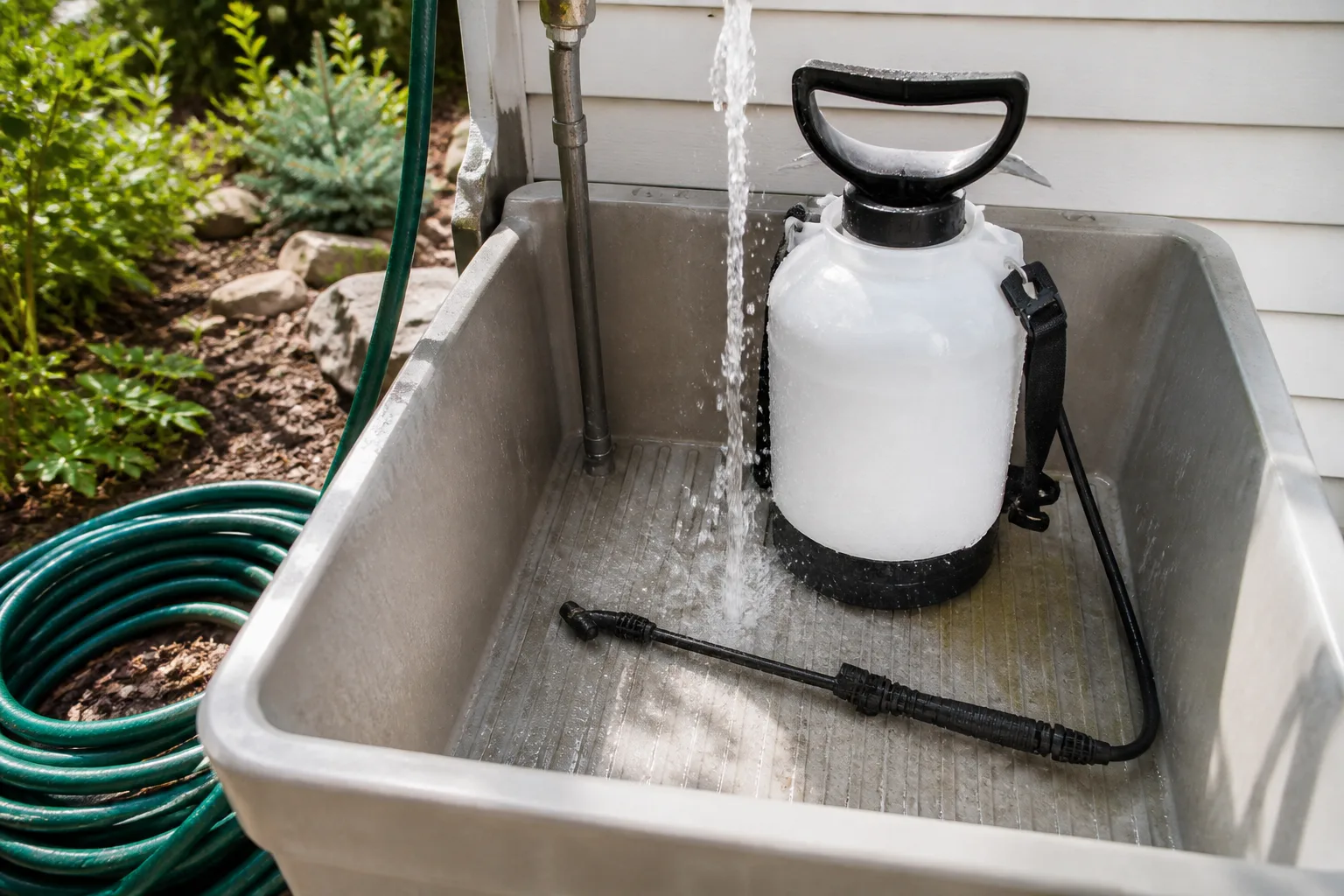
Spray during a cool part of the day when leaves can dry before night, and avoid hot sun, heat-wave conditions, open flowers, and drought-stressed foliage. Never increase the concentration because a light treatment did not produce an overnight change. Leaf scorch can look like a nutrient problem and can reduce the healthy foliage needed for the next flush.
Spraying is not a cure for black spot, powdery mildew, aphids, or mites. It also does not make roots healthier or replace a complete fertilizer. If the leaves are already wet from rain or irrigation, or if the rose is under severe water stress, correct those conditions first.
Time the Last Application Before Fall
Timing depends on your climate, rose type, and the label or soil report, but the safe principle is simple: do not keep feeding blindly as dormancy approaches. Late applications that stimulate tender growth can leave new shoots vulnerable to early frost, and a rose needs time to slow down and harden its growth before winter.
For a repeat-flowering rose in a long, frost-free season, an early-fall correction may still be reasonable if a soil test shows a genuine shortage and the product instructions allow it. In a short season, or when frost is close, wait and plan the amendment for the next appropriate growing window. Epsom salt is not an excuse to apply a late high-nitrogen fertilizer, and it should not be used to force buds after the plant has entered its seasonal slowdown.
There is also a wildlife and pruning nuance. NC State Extension advises deadheading fading blooms but stopping at summer’s end so roses can begin hardening; leaving some hips can provide food for wildlife. That cutoff is not the same date everywhere, so use your local frost pattern and the behavior of your cultivar rather than the calendar alone.
The Bloom-First Routine That Matters More
If your goal is more flowers before fall, start with the conditions that control every rose, whether or not magnesium is involved. The RHS guide identifies sun, free-draining soil, moisture during dry spells, feeding, deadheading, and airflow as the basic levers. Those levers are more likely to explain a missing flush than a hidden shortage in an otherwise healthy bed.
Water Deeply and Consistently
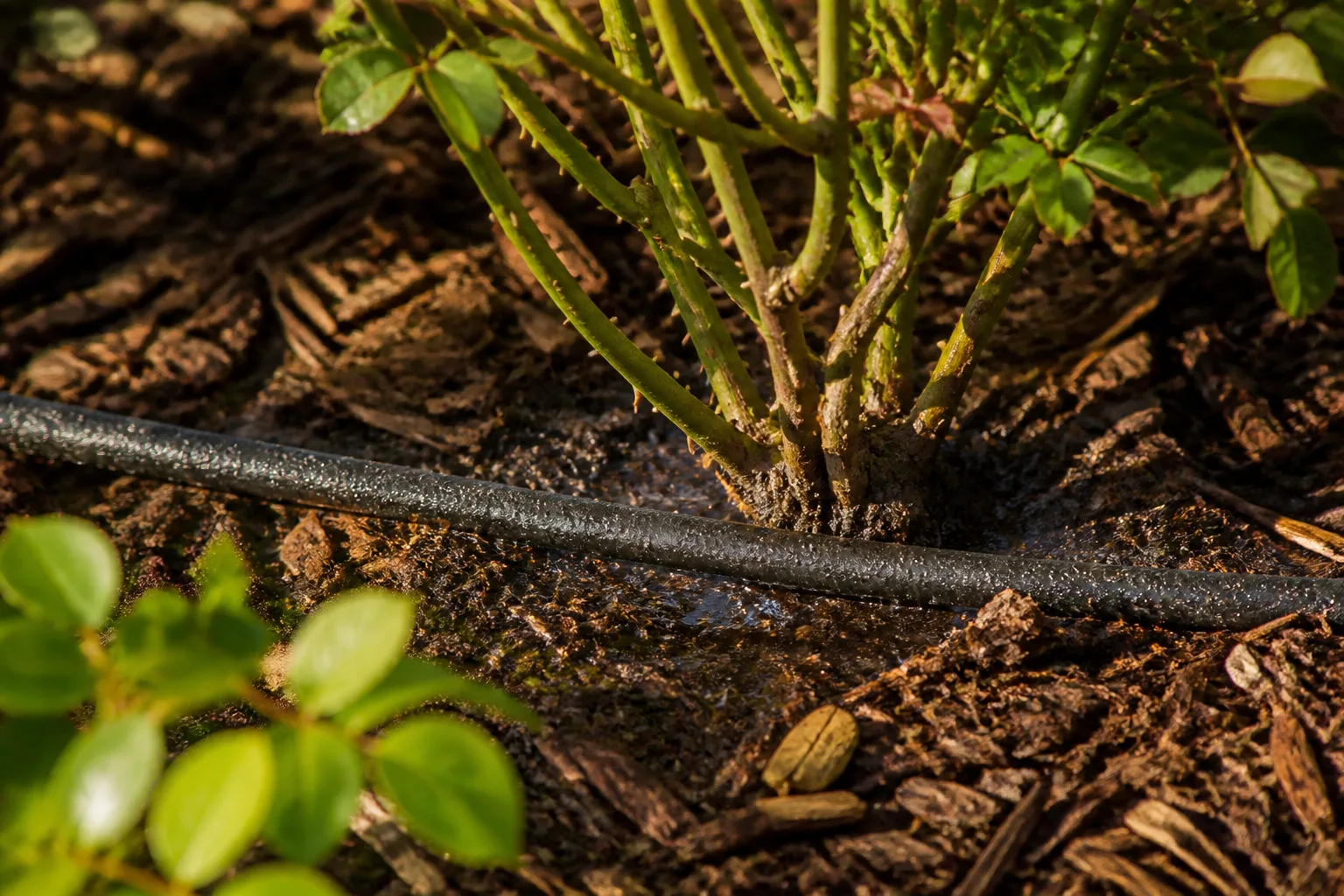
Heat stress can pause flowering even when the soil surface looks damp after a quick sprinkle. Water the soil around the base slowly enough to wet the root zone, then allow excess water to drain. Established roses usually tolerate short dry periods better than new plants, but prolonged heat and sandy soil can require a deep soak about once a week; new plantings and containers may need checking much more often.
Keep foliage as dry as practical and water early enough for incidental moisture to evaporate. Directing water at the soil also reduces the conditions that favor some fungal diseases. Do not swing from bone-dry soil to daily saturation: waterlogged roots cannot take up nutrients normally and may decline for a completely different reason.
Deadhead at the Right Point
For repeat-flowering roses, remove fading flowers before the plant invests heavily in hips. Use clean, sharp pruners and cut back to a strong leaf set or outward-facing bud according to the rose’s growth habit. Removing the spent cluster helps redirect energy toward new shoots and keeps the plant from becoming a tangle of old flower stems.
Do not apply the same rule to every rose. Some once-flowering types make their show on old wood and should not be cut back in the hope of another flush. Some gardeners deliberately leave hips for autumn color and wildlife. The North Carolina Extension profile is useful here because it separates repeat-flowering forms from ramblers and notes that deadheading should stop toward summer’s end.
Mulch and Feed for Repeat Flowering
A 2- to 3-inch layer of compost or well-rotted organic mulch can moderate root-zone temperature, slow evaporation, and improve soil structure over time. Keep the mulch a few inches away from the canes so the base stays airy and dry. Mulch is a long game; it will not deliver a next-day bloom, but it makes watering and nutrition more consistent.
Feed according to a rose fertilizer label and your local extension recommendations, not according to the color of one leaf. RHS recommends a spring feeding and a mid-summer feeding for abundant flowers, while potted roses may need more frequent, weaker feeding because their restricted roots have less access to nutrients. Stop when the label and season tell you to stop, and do not use a blossom-booster product to compensate for low light or drought.
What to Do If Your Rose Still Will Not Rebloom
If Epsom salt made no difference, do not automatically repeat it. Work through this order:
- Check the cultivar and flowering habit. A once-blooming rose may be finished for the year; a climber or rambler may need a different pruning schedule than a shrub rose.
- Measure light. Most roses need several hours of direct sun. Shade from a new tree, fence, or summer canopy can reduce flowering even when leaves look green.
- Check moisture at root depth. Dig a finger or trowel several inches down near, not against, the plant. Dry soil calls for a thorough soak; standing water calls for drainage investigation.
- Inspect new growth and leaf undersides. Aphids, mites, chewing insects, black spot, and powdery mildew can divert resources or remove productive foliage.
- Review pruning. Cutting a repeat-flowering rose too hard at the wrong time can remove developing flower wood; cutting an old-wood rose in spring can remove its only buds.
- Review fertilizer and soil history. Look for excessive nitrogen, repeated salt products, fresh manure against the stem, or a missing soil test. If the report supports magnesium deficiency, make one measured correction and reassess rather than layering products.
Give the plant enough time to respond. New leaves cannot become a mature flowering canopy overnight, and a spray that appears to green a few leaves does not guarantee a new flush. If the rose is declining rapidly, has severe dieback, or shows a disease you cannot identify, take a sample or clear photographs to a local extension office or qualified nursery for diagnosis.
Conclusion
Epsom salt can help roses before fall when a soil test confirms that magnesium is limiting growth. Used without that evidence, it is simply another soluble salt in the root zone, and it may compete with other nutrients, scorch leaves as a spray, or distract you from the real cause of poor flowering.
For the best chance of a late-season flush, match the remedy to the diagnosis: use a measured magnesium correction only when warranted, use complete rose fertilizer for a broader nutrient need, water deeply, mulch the root zone, deadhead repeat bloomers while the season is active, and keep leaves monitored for pests and disease. The result may be more flowers, but the bigger win is a rose that is healthier, better prepared for its next season, and not dependent on a guess.



