The 7 Best Rust Removers for Tools and Patio Metal
Compare the 7 best rust removers for garden tools, patio furniture, and concrete stains. Learn which chemistry works on soak vs spray jobs—and what never belongs on plated tools.
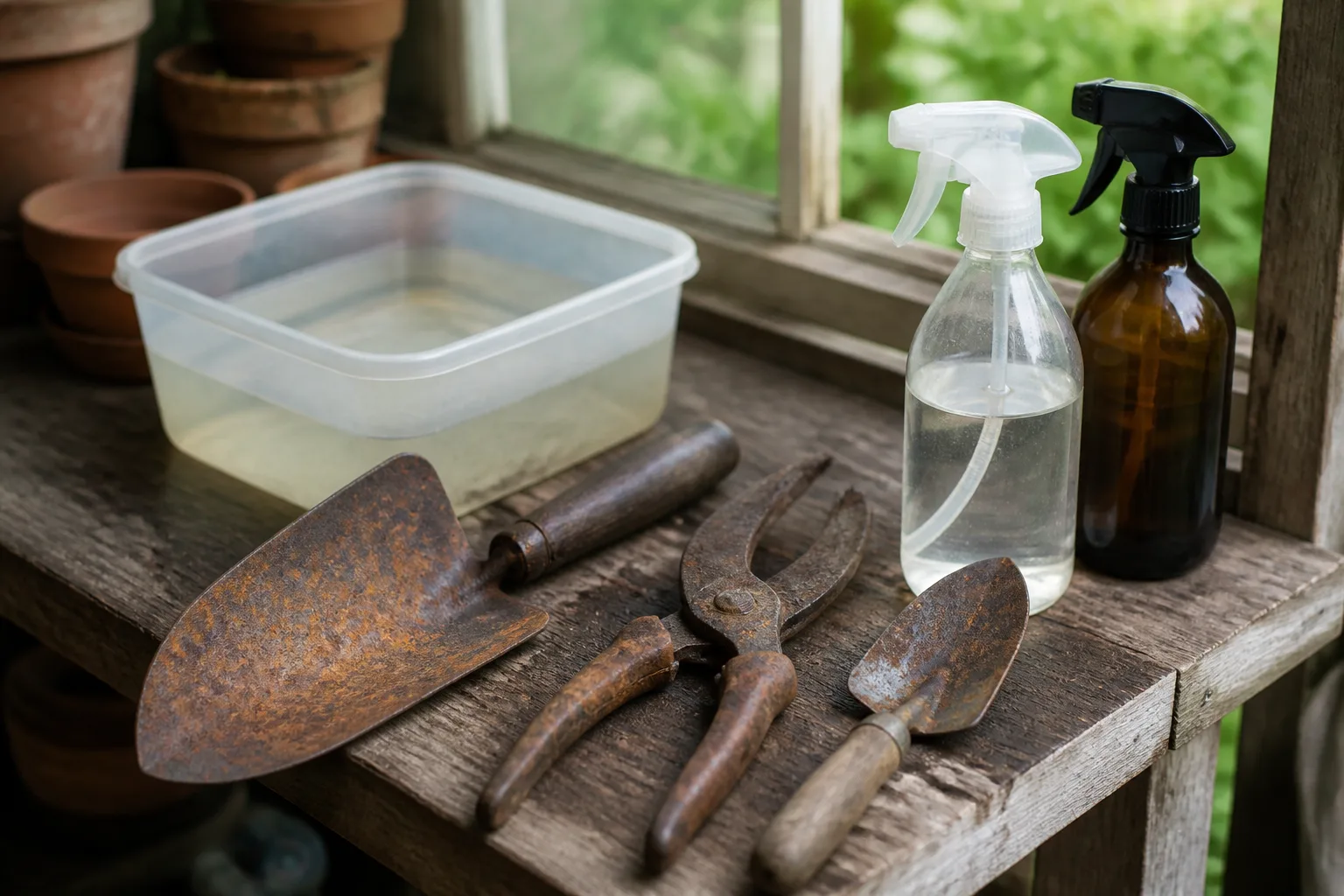
That orange film on your bypass pruners, the brown drip marks under a metal planter, and the streaks on the driveway from a rusty chair leg are all rust—but they are not the same cleaning job. Some bottles dissolve iron oxide on bare steel in a soak tub. Others lift reddish stains from porcelain, concrete, or colorfast fabric without touching structural metal at all. Buy the wrong category and you will either waste a Saturday or etch a surface you meant to save.
This guide ranks seven proven rust removers by where they actually excel—garden hand tools, patio furniture, sprinkler concrete marks, and the appliance drips that show up in kitchens—while spelling out chemistry, soak times, and the surfaces that should never see phosphoric or oxalic acid. Fast “like new” results are realistic on light tool rust and fresh concrete stains when you match product to metal. They are not realistic on deeply pitted steel, failed plating, or rust that has been growing through concrete pores for years without repeat treatment.
Quick Pick: Match the Rust Remover to Your Job First
Start with the surface and how bad the rust is, then pick the application style you will actually follow through on.
Light rust stains on bathroom tile, stainless fridge drips, or chrome fixtures: Iron Out Rust Stain Remover spray for two-minute stain lift, or CLR Calcium, Lime & Rust Remover when you also fight hard-water scale on the same surface.
Multi-surface household rust plus calcium buildup: CLR as the best all-around spray for glass, chrome, fiberglass, stainless, porcelain, and ceramic tile when you want one bottle for sinks, shower heads, and appliance trim.
Outdoor patio furniture, concrete driveway marks, and colorfast outdoor fabric: Rust-Oleum Whink Rust Stain Remover foam—oxalic-acid-based chemistry formulated for exterior stains including concrete discoloration from metal furniture and fertilizer iron.
Heavily rusted shovel heads, vintage hand tools, bike parts, or cast-iron grill grates (bare metal only): Evapo-Rust Super Safe Rust Remover soak—pH-neutral chelation that dissolves rust without scrubbing when you can submerge the part.
Localized thick rust on ferrous garden tools without a soak tank: Loctite Naval Jelly Rust Dissolver brush-on gel with phosphoric acid—best when only the blade or tines are rusty and the handle must stay dry.
Large flat metal panels, auto trim, or heavily tarnished steel where gel cling matters: Rust-Oleum Rust Dissolver gel spray—phosphoric acid in a no-drip formula for vertical metal.
Low-toxicity, pantry-adjacent cleaning when you have time, not urgency: Aunt Fannie’s Extra Strength Cleaning Vinegar (6% acidity) for multi-day soaks on small bare-metal parts—not a substitute for acid gels on thick rust.
Rust Stain vs Surface Rust: Why Your Bottle Choice Changes
Rust forms when iron or steel reacts with oxygen and moisture—an electrochemical process that creates iron oxide on the surface. On tools left in a damp shed, you get surface rust: flaky orange-brown scale bonded to the metal itself. On a concrete patio where a wrought-iron chair sat all winter, you often get a rust stain: iron particles oxidized in the porous stone without the slab itself rusting.
Surface rust on metal tools and furniture
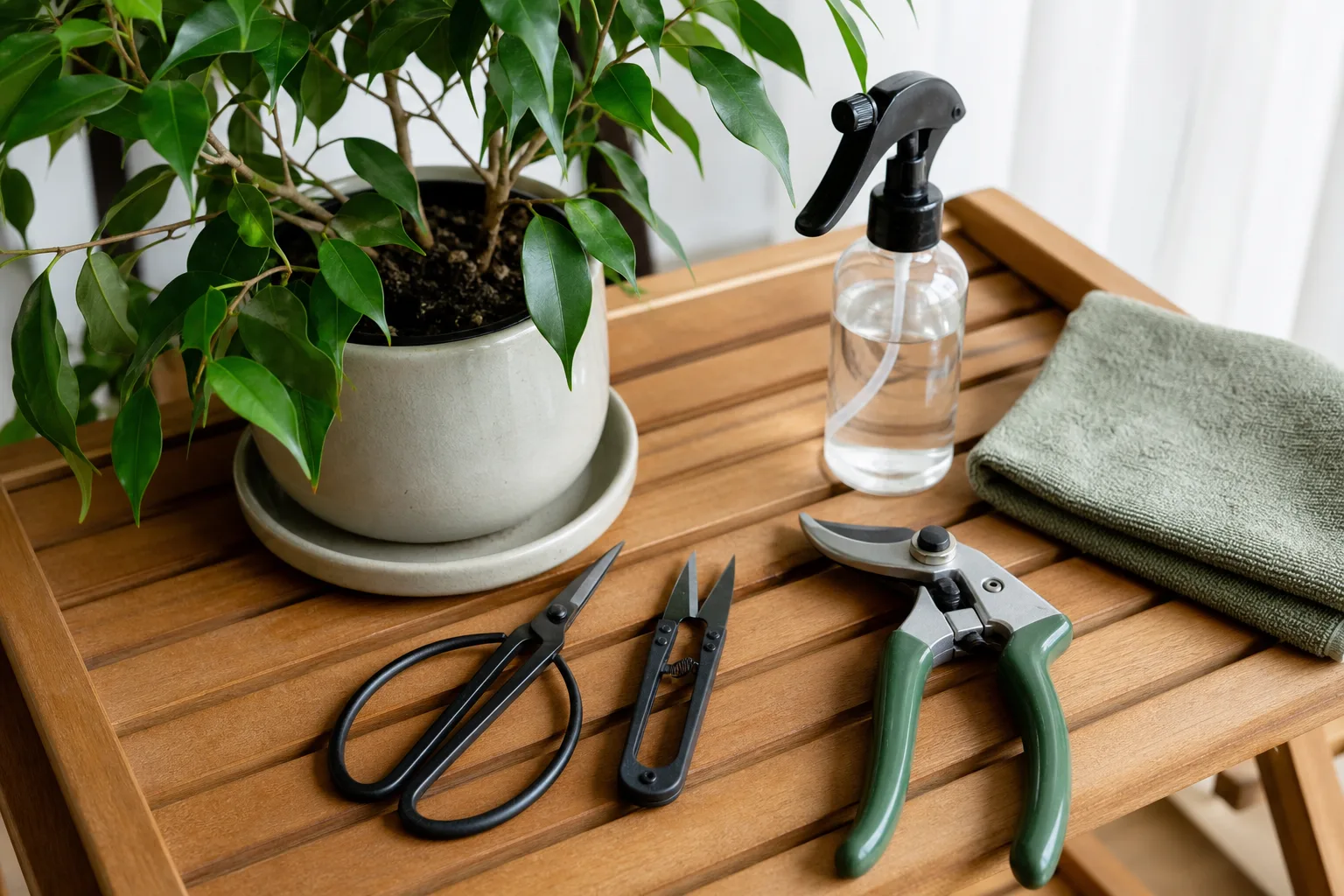
Surface rust on shovels, hoes, loppers, and trellis brackets is a metal problem. You need a rust dissolver (chelating soak like Evapo-Rust), an acid gel (naval jelly, Rust-Oleum dissolver), or mechanical removal plus oil— not a bathroom stain spray designed to brighten porcelain. The goal is to return bare metal so you can dry, oil, and store the tool correctly. UW–Madison Extension notes that rusted cutting tools take more effort to use and recommends removing rust with coarse steel wool or pumice, then oiling metal surfaces—a maintenance step commercial removers accelerate when rust is beyond quick abrasion.
Rust stains on concrete, tile, and fabric
Rust stains on glazed bathroom tile, toilet bowls, fiberglass tubs, concrete, and colorfast outdoor cushions are discoloration jobs. Products like Iron Out and Whink target the stain molecule on the surface without requiring you to submerge a patio slab. Bleach will not dissolve iron stains—it addresses organic growth, not oxidized iron. Vinegar may lighten very fresh mineral marks but is unreliable on established concrete rust. For driveway and patio stains, sweep debris first, wet surrounding concrete so it does not absorb cleaner unevenly, patch-test in a hidden corner, and use a nylon brush—not a wire brush that leaves metal fragments to rust again.
Rust converters are a third category entirely: they chemically transform rust into a stable black coating for painting, not remove it to bare metal. If your goal is to restore a smooth shovel edge or sharpen a blade, a converter is the wrong tool. If you are prepping a rusty fence rail for oil-based paint, a converter plus primer may be the right path—outside the scope of the removers below.
Safety, Ventilation, and Surface Testing Before You Start
Even “household” rust removers contain acids or chelators that can irritate skin, eyes, and lungs. The Occupational Safety and Health Administration recommends appropriate gloves and eye protection when working with chemical cleaners. Work outdoors or with windows open and a fan for phosphoric-acid gels and oxalic-acid concrete products—the fumes are real, not just a label formality.
Always read the surface list on the bottle. Common exclusions: marble and natural stone (acid etching), aluminum and galvanized metal (discoloration or damage), worn porcelain, and non-colorfast fabric. Patch-test on a hidden spot on stainless appliances and painted patio metal. Never mix rust removers with bleach, ammonia, or other cleaners. Rinse thoroughly and dry metal completely—trapped moisture starts rust again within days.
Best Overall: CLR Calcium, Lime & Rust Remover
CLR Calcium, Lime & Rust Remover earns the top spot because it solves the rust most gardeners also have indoors: hard-water scale on faucets, rust rings in toilets, and orange drips on stainless refrigerators from humidifier trays or water dispensers. The spray formula is EPA Safer Choice-certified, which matters when you are cleaning surfaces kids and pets contact. It handles calcium and lime alongside rust, so one bottle covers shower heads, tub surrounds, and kitchen sinks where mineral buildup and rust appear together.
CLR is not the heaviest option for a shovel left in the rain all season. Think of it as the best multi-surface maintenance remover for light to moderate rust staining on glass, chrome, fiberglass, stainless steel, porcelain, ceramic tile, brick, and vinyl siding. Spray, let dwell per label (usually a few minutes), wipe or rinse. It is gentle enough for many stainless finishes when used as directed, but patch-test brushed or coated stainless before committing to the full fridge door.
Type: Liquid spray | Best for: Household rust stains plus hard-water deposits | Skip when: Tools need submersion de-rusting or rust is thick flaky scale on bare carbon steel
Best for Kitchen and Bathrooms: Iron Out Rust Stain Remover
Iron Out is the spray you reach for when rust stains appear on porcelain toilet bowls, tub enamel, chrome faucets, and the front of a stainless refrigerator—exactly the drip-stain problem that DIY baking soda often fails to fix. The spray applicator lets you target vertical stains without flooding the floor. Spray, work in with a microfiber cloth or sponge, wait about two minutes, rinse. That speed makes it the best pick for recurring bathroom and kitchen stain maintenance.
Iron Out is strictly a stain remover, not a tool-restoration soak. Do not expect it to strip thick scale off a mattock head or rescue a pair of hedge shears that have been rusting in the shed for a decade. It works on porcelain, tile, chrome, plastic, concrete, glass, carpeting, and colorfast fabrics—useful when rust from a metal laundry tub transfers to washable outdoor cushion covers. The trade-off is a strong chemical odor; gloves and ventilation are non-negotiable. Keep it away from marble, stone, and anything the label excludes.
Type: Liquid spray | Best for: Fast stain removal on bathroom and kitchen fixtures | Skip when: Structural rust on garden tools or large bare-metal restoration
Best Outdoor: Rust-Oleum Whink Rust Stain Remover
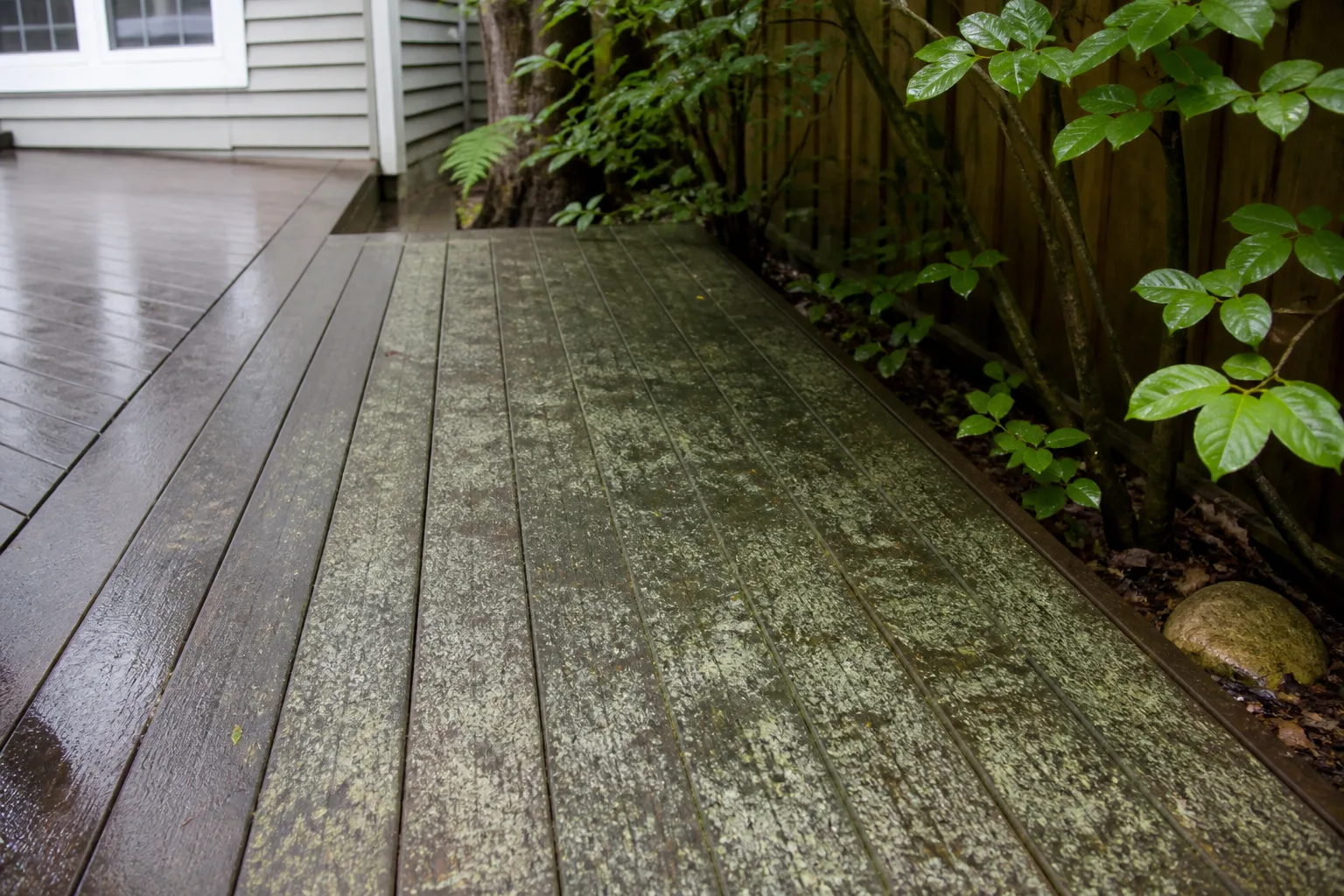
Rust-Oleum Whink Rust Stain Remover is the outdoor specialist—foaming spray with oxalic acid chemistry that attacks rust stains on patio furniture, stained concrete, colorfast outdoor upholstery, and exterior tile without the full commitment of a tool soak. Rain, snow, and irrigation leave metal furniture and planters rusty; this is the bottle to try before you replace a bistro set or write off a driveway mark.
Whink handles porcelain, ceramic, plastic, vinyl, tile, concrete, colorfast fabric, carpet, glass, chrome, and stainless on exterior jobs. It is especially useful for orange marks on concrete from chair legs, metal planters, fertilizer iron, or sprinkler overspray—apply per label, dwell, agitate with a nylon brush, rinse toward drainage away from garden beds. The brand warns it may damage natural stone, certain metals, and worn porcelain; patch-test stamped or colored concrete. For large recurring sprinkler stains, treat the concrete but also fix the iron source in the water or hardware, or the mark returns.
Type: Foam spray | Best for: Patio furniture, concrete stains, outdoor fabric | Skip when: Bare tool de-rusting or delicate interior stone
Best Heavy-Duty: Evapo-Rust Super Safe Rust Remover
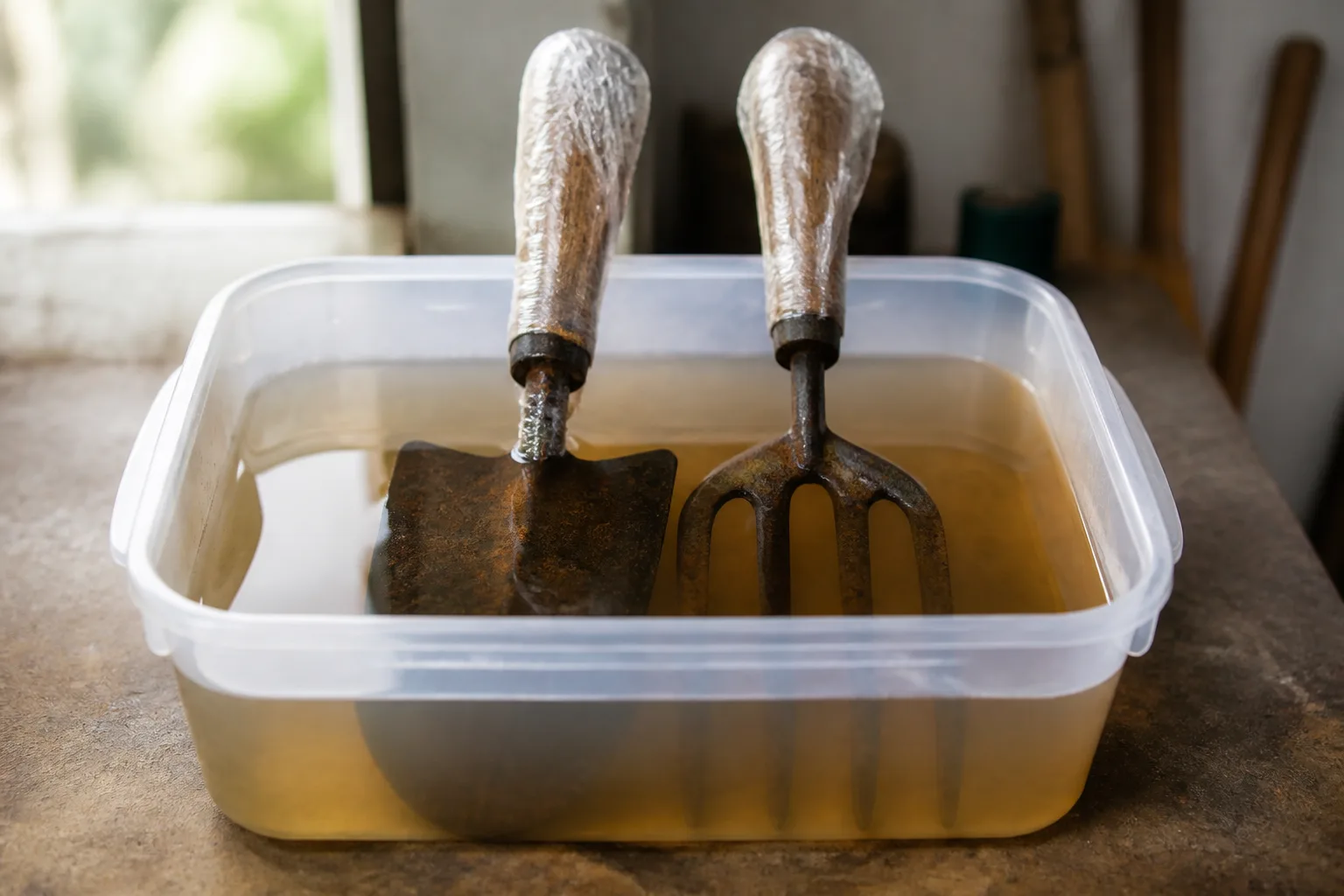
When rust is no longer a stain but a layer of scale on bare metal—think a forgotten trowel, vintage pruning saw, or cast-iron plant hanger—Evapo-Rust Super Safe Rust Remover is the soak that does the work while you do something else. This pH-neutral, water-based chelator dissolves iron oxide without the abrasives that scratch soft metal. Pour into a plastic tub, submerge the part fully, and wait. Light rust may clear in an hour; heavy buildup can take overnight or longer. No scrubbing required on most jobs: lift the part out, rinse, dry immediately.
Evapo-Rust is safe on metal, rubber, plastic, wood, and glass according to the manufacturer—meaning you can often soak a tool head while keeping a wooden handle above the line (wrap handles in plastic if splashing is a risk). The solution is reusable until it turns dark and stops working. After rinsing, apply a light machine oil or dry lubricant spray before storage—bare metal rusts faster than ever when exposed fresh to humid shed air. Do not use Evapo-Rust expecting instant spray-and-wipe convenience; this is a hands-off soak job. Painted or plated surfaces may be affected—test first.
Type: Liquid soak | Best for: Heavily rusted tools, hardware, auto parts, cookware (bare metal) | Skip when: You need a two-minute bathroom fix or only a stain on tile
Best Eco-Friendly: Aunt Fannie’s Extra Strength Cleaning Vinegar
Aunt Fannie’s Extra Strength Cleaning Vinegar packs 6% acidity versus the 5% in cooking vinegar, giving a stronger natural soak without synthetic phosphoric or oxalic acid. For gardeners who already use vinegar in the garden and want a single pantry-adjacent bottle, it removes light rust on small bare-metal parts—hinges, clips, trowel blades—when you have days, not minutes.
Soak rusted items for 24 hours or more, checking progress daily. Scrub loosened flakes with a nylon brush, rinse, neutralize any remaining acid with a baking-soda water rinse, dry thoroughly, and oil. Aunt Fannie’s also cleans grout, porcelain, and sealed stone on label-approved surfaces, so it doubles as a general outdoor cleaning vinegar. The honest limitation: thick rust and pitting need chemical gels or Evapo-Rust, not patience alone. Long vinegar soaks can darken metal, strip zinc plating, and damage blued tool edges—never submerge plated or heat-treated cutting tools for extended periods.
Type: Liquid soak | Best for: Light rust, eco-minded slow restoration, multi-surface vinegar cleaning | Skip when: Heavy tool rust, urgent results, or plated/precision steel
Best for Garden Tools: Loctite Naval Jelly Rust Dissolver
Loctite Naval Jelly Rust Dissolver is the brush-on gel gardeners should know for localized thick rust on shovels, hoes, axes, and hand pruners when a full soak is impractical. The jelly clings to vertical and irregular surfaces—blade backs, fork tines, saw plates—so phosphoric acid stays where you put it. Brush on, wait per label (often 5–15 minutes for moderate rust), rinse, scrub if needed, dry, and oil.
Naval jelly works on iron, steel, and ferrous metals. The phosphoric acid removes rust and leaves a iron-phosphate coating that inhibits immediate re-rust—helpful before oiling—but it is harsh. Gloves, eye protection, and outdoor ventilation are mandatory. This is not a spray-and-wipe product for bathroom tile. It shines when half the shovel head is orange but the handle is wood or composite and cannot sit in a tub overnight. Rinse completely; acid residue continues attacking metal if left on. Follow with extension-recommended oiling on all metal surfaces before hanging tools.
Type: Jelly/paste, brush-on | Best for: Thick rust patches on ferrous garden and workshop tools | Skip when: Non-ferrous metals, large-batch soaking, or indoor enclosed spaces without airflow
Best for Metal: Rust-Oleum Rust Dissolver Gel Spray
Rust-Oleum Rust Dissolver combines phosphoric acid with a gel spray that clings to large metal surfaces—wheelbarrow trays, metal trellis panels, gate hardware, and auto trim—without dripping off vertical areas. Spray, let dwell, rinse. The gel format reduces runoff compared to thin liquid acids, which matters on garage floors and patio pavers where you do not want chemical rivers.
It works on steel, iron, chrome, aluminum, and galvanized metal per label—still patch-test aluminum and galvanized finishes because acids can dull or discolor them. Like naval jelly, it demands PPE and ventilation. Choose this over Loctite when the job is a broad flat panel or you want spray coverage instead of brushing jelly into every crevice. For garden tools with intricate rust in joints, naval jelly’s brush control may beat a wide spray pattern. Neither replaces Evapo-Rust when rust is uniformly thick across an entire submerged part.
Type: Gel spray | Best for: Large metal surfaces, auto and patio metal panels | Skip when: Small precision tools needing brush control, or aluminum you cannot risk discoloring
DIY Vinegar and Baking Soda for Light Garden Tool Rust
Before you buy a commercial bottle, two pantry items handle light surface rust on carbon-steel garden tools when the rust is flaky and the metal is not plated.
Baking-soda paste (fast, low-risk): Mix three parts baking soda with enough water to form a spreadable paste. Coat rusted areas, wait 10–30 minutes, scrub with a nylon brush or Scotch-Brite pad, rinse, dry, and oil. Good for spot rust on trowel blades after a wet season.
Vinegar soak plus baking-soda neutralize (moderate rust): Submerge only the metal portion in white distilled vinegar (5% is fine; 6% cleaning vinegar works faster). Check at 4–6 hours for light rust, up to 24 hours for moderate buildup—inspect regularly because over-soaking etches and darkens steel. Scrub loosened rust, then rinse in a baking-soda solution (1–2 tablespoons per quart of water) to neutralize acid action—skipping neutralization is a common mistake that lets acid keep eating metal after rinsing. Dry immediately with a towel and compressed air if available, then coat with light machine oil.
When pantry methods work—and when they do not
Pantry rust removal works on bare carbon-steel hand tools with superficial rust. It fails or causes harm on chrome- or nickel-plated tools (acid strips plating), blued or heat-treated pruner blades (temper and finish risk), aluminum and magnesium parts (pitting), tools with glued wooden handles soaked past the metal line (swollen handles, failed glue), and any rust that has pitted metal structurally—deep pits mean metal loss you cannot scrub back. For those cases, use Evapo-Rust or naval jelly, or accept that the tool needs replacing.
How to Keep Tools and Patio Metal From Rusting Again
Removing rust is half the job; prevention is what keeps your investment out of the soak tub next spring. UW–Madison Extension recommends cleaning tools after each use, removing soil and sap, drying metal thoroughly, and applying oil, WD-40, silicone spray, or another rust inhibitor to all metal surfaces before storage.
Hang tools indoors or under cover—never leave steel in contact with wet soil overnight. For patio furniture, use rubber or plastic feet under metal legs, tip chairs to drain water after rain, and touch up chipped paint on wrought iron before rust spreads. On concrete, rinse iron-rich fertilizer off hardscapes immediately and fix sprinkler heads that spray rusty water. Store hand tools with a silica gel pack or dry rag in a closed tote if your shed is humid. Sharpen and oil cutting edges after rust removal so you are not fighting friction and moisture traps in nicked metal.
Conclusion
The seven best rust removers are not interchangeable. CLR and Iron Out win household stain and scale jobs on tile, chrome, and stainless. Whink tackles outdoor concrete and patio furniture marks. Evapo-Rust soaks heavily rusted bare metal hands-free. Aunt Fannie’s vinegar suits light, slow eco-minded cleaning. Naval jelly and Rust-Oleum gel spray apply phosphoric acid where rust is thick but you cannot submerge the whole tool. Match chemistry to the surface, test in a hidden spot, neutralize acids after DIY soaks, oil metal dry, and fix the moisture habit that caused the rust. Do that and you keep the shovel, the patio set, and the driveway stain from becoming an annual emergency purchase.



