6 Best Self-Propelled Lawn Mowers for 2026
Compare six self-propelled lawn mowers for small yards, hills, thick grass, and larger properties, with current specs and honest buying advice.
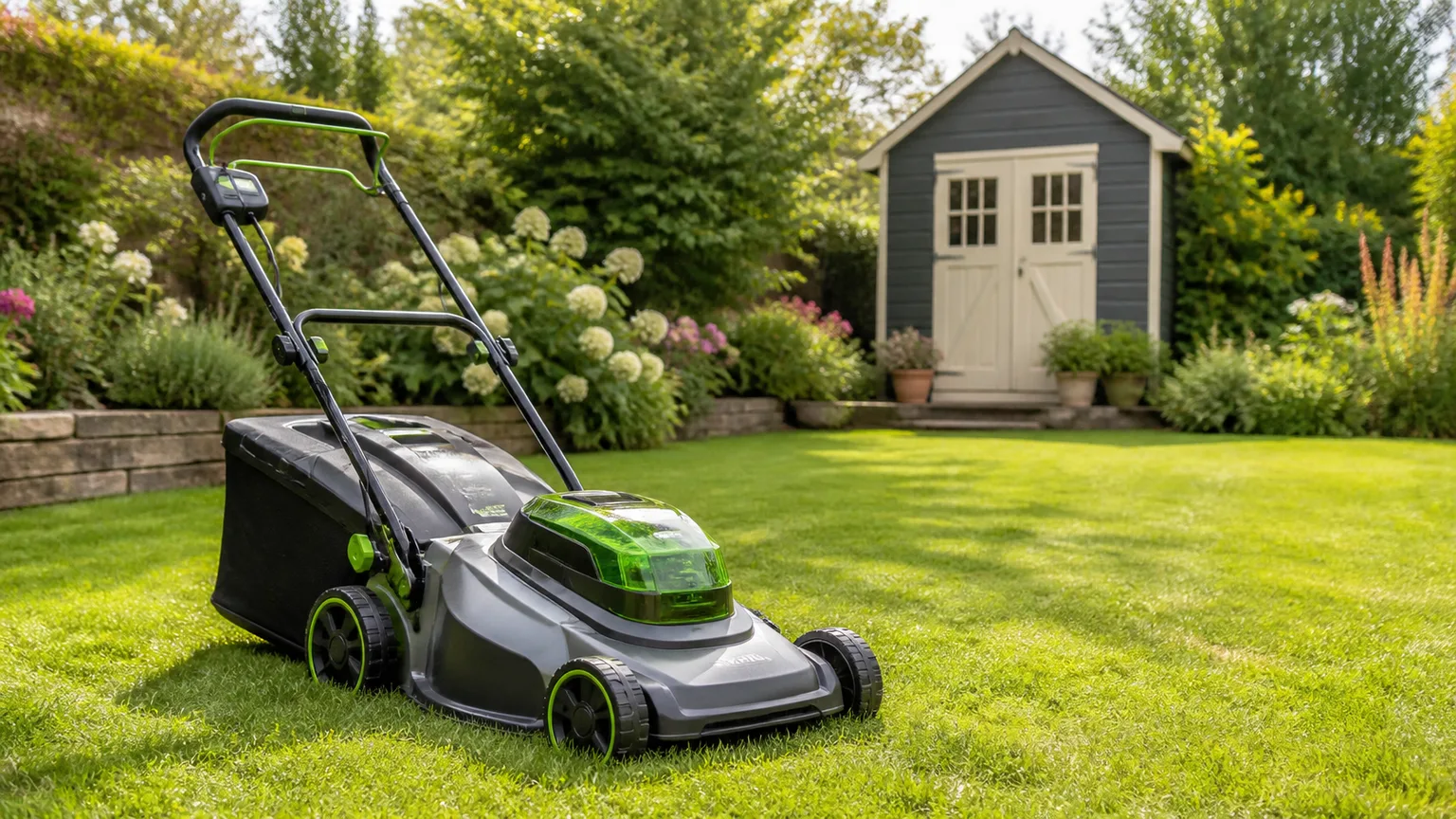
The best self-propelled lawn mower is the one that finishes your actual grass route at a comfortable pace, not the one with the largest battery number on the box. A 21-inch battery mower can be an excellent choice for a half-acre lawn and a frustrating one for several open acres, while a 22-inch deck may save passes but feel cumbersome around beds and gates.
This guide compares six current self-propelled walk-behind models by use case, complete-kit details, cutting options, and ownership trade-offs. The specifications come from current manufacturer pages; the recommendations are an interpretation of those specifications alongside extension and horticulture guidance, not a claim that every model performs identically on every lawn.
Quick answer: which mower fits your property?
Use the table as a starting point, then read the limitation beneath each pick. Manufacturer runtimes are controlled-test ceilings. Dense turf, tall grass, damp conditions, low cutting heights, slopes, and self-propulsion can all reduce the area you finish on one charge.
| Mower | Best fit | Published capacity to compare | Main trade-off |
|---|---|---|---|
| Toro 60V Recycler 21466 | Typical small-to-medium lawn | 22-inch deck; up to 40 minutes; up to 1/3 acre | Heavy for a small, tight yard |
| Milwaukee M18 FUEL 2823-22HD | Thick grass and demanding cuts | 21-inch deck; up to 60 minutes; up to 1/2 acre in stated conditions | Requires two compatible batteries |
| EGO POWER+ LM2110SP | Adjustable control and storage | 21-inch deck; up to 50 minutes with a 6.0Ah battery | Runtime falls when drive and high power are used |
| Husqvarna Lawn Xpert LE-322R | Mulching and variable-speed control | Dual-battery system; verify current kit locally | Exact availability and kit contents vary |
| RYOBI 40V HP RY40HPLM01B | Larger walk-behind lawns | Up to 80 minutes with two 40V 6Ah batteries; up to 3/4 acre | Two-battery cost and charging logistics |
| Toro 60V Super Recycler 21568 | Fine finish and premium bagging | 21-inch deck; up to 50 minutes; up to 1/3 acre | About 90 pounds with a premium price |
How these self-propelled mower picks were chosen
The first filter was category fit: every recommendation is a self-propelled walk-behind mower, rather than a push mower, lawn tractor, zero-turn, or robotic model quietly mixed into the list. The second was usefulness in a real buying decision: each mower needs a clear reason to exist, a current product page, and a limitation that matters before checkout.
I compared deck width, drive layout, cutting-height range, cutting modes, battery and charger inclusion, stated runtime or lawn coverage, storage, and replacement-part considerations. Official specifications tell you what the machine is designed to do, but they do not predict your lawn’s density or slope. That is why the picks below use words such as best fit and strongest default, not guarantees.
For yard-size context, Husqvarna’s lawn-mower buying guide places self-propelled walk mowers around the half-acre range, while riding and zero-turn machines make more sense as open areas grow. Treat that as a starting point, not a hard boundary: a flat, open half acre is easier than a smaller yard split by beds, roots, and gates.
The 6 best self-propelled lawn mowers
Toro 60V Recycler 21466 — Best overall
The Toro 21466 is the safest default when you want a conventional self-propelled mower with a wide cutting path and a drive system that follows your walking pace. Its official specifications list a 22-inch steel deck, rear-wheel drive, a 60V 6.0Ah battery, up to 40 minutes of runtime, a 1.8-bushel bag, and a stated yard size of up to one-third of an acre. It supports mulching and bagging, with side discharge depending on the configuration and accessory.
The useful feature is not the 22-inch number by itself; it is the Personal Pace Auto-Drive system. That handle-based control can feel natural when your pace changes around trees or a bed, so you spend less time hunting for a speed dial. The battery also belongs to Toro’s broader 60V Flex-Force platform, which matters if you already own compatible outdoor tools.
Choose the 21466 for a maintained small-to-medium lawn where easy pace control and a durable deck matter more than maximum battery reserve. Do not choose it just because a wider deck sounds faster: at roughly 85 pounds before you account for grass and battery handling, it can be tiring to turn, lift, or move through a narrow shed. The tool-only 21466T is a different purchase, so confirm that the listing includes the battery and charger you need.
Milwaukee M18 FUEL 2823-22HD — Best for thick grass
The Milwaukee M18 FUEL 21-inch Dual Battery Mower is the heavy-duty choice for owners who already use the M18 system or regularly face dense growth. Milwaukee says the steel-deck mower uses two M18 batteries, delivers up to 60 minutes of runtime, and can cut up to one-half acre in stated conditions when removing one inch of grass at a three-miles-per-hour self-propelled pace. Its speed range runs from 0 to 4 miles per hour, with a seven-position, 1-to-4-inch height range and mulch, bag, and rear-side-discharge options.
This is the pick when reserve and high-load performance matter more than light handling. The manufacturer describes a high-lift mode, front and side lights, vertical storage, and a motor with more maximum torque than a 200cc gas mower. Those are useful capabilities for thick patches, but the two-battery requirement is the ownership story: you are buying into a larger battery investment, and both packs must be available before the mower can work.
The Milwaukee is not a license to mow wet, neglected grass in one aggressive pass. Raise the deck, slow down, and take a second cut when growth exceeds the one-third rule. Its weight, price, and large charger make it excessive for a small flat lawn unless you already need the batteries for other tools.
EGO POWER+ LM2110SP — Best balance of control and storage
The EGO POWER+ 21-inch self-propelled mower is a strong all-around option when you want adjustable propulsion without giving up a relatively compact walk-behind format. EGO lists up to 6.0 foot-pounds of cutting torque, a 21-inch deck, seven height positions from 1.25 to 4 inches, up to 50 minutes with the recommended 56V 6.0Ah ARC Lithium battery, and three-in-one bagging, mulching, and side discharge.
Its dual-toggle handleset lets you engage self-propulsion with either hand, while a nearby dial changes speed. That arrangement is useful when the route alternates between long open passes and close work around a tree. The mower folds for storage, includes a two-bushel bag, and carries a five-year limited tool warranty and three-year limited battery warranty according to the current product page.
The main trade-off is that up to 50 minutes is not a promise that you will mow for 50 minutes while driving uphill through thick grass at a low setting. Self-propulsion, high power, and a low deck all spend more energy. Choose this EGO when you want a refined, flexible walk-behind and already like the EGO 56V battery platform; compare the complete kit rather than assuming the tool-only version is the better deal.
Husqvarna Lawn Xpert LE-322R — Best for mulching-focused mowing
The Husqvarna Lawn Xpert LE-322R is worth considering when your priority is changing speed and cutting modes smoothly while keeping a battery-powered workflow. The model in this family is built around a prosumer-style walk-behind design with dual battery compartments and a mulching, bagging, and discharge approach that suits lawns maintained on a regular schedule.
Its best use is a medium residential lawn where clippings are usually short enough to mulch and the operator wants more control than a basic push mower provides. A sensing or economy mode can be useful when grass is light, but it cannot overcome a lawn that has been allowed to grow far beyond the mower’s comfortable capacity. Fine clippings only help the lawn when they disperse; wet clumps are a different problem.
Availability deserves more attention here than a listicle badge does. The current Husqvarna product page and local retailer listing may show different kit contents or regional stock. Confirm the exact model number, included batteries, charger, cutting modes, and replacement blade before paying a premium for a package that is not the one you intended to buy.
RYOBI 40V HP RY40HPLM01B — Best for a larger walk-behind route
The RYOBI 40V HP 21-inch self-propelled mower is the practical choice when a normal one-battery walk-behind leaves too little reserve. RYOBI lists a brushless motor, rear-wheel-drive self-propulsion, up to 80 minutes of runtime with two 40V 6Ah batteries, and a suggested lawn size of three-quarters of an acre or less. Its Cut Command Center shows runtime and blade information, while Turbo mode adds power for demanding patches.
The two-battery kit is the reason to choose it and the reason to price it carefully. More stored energy can reduce mid-mow charging interruptions, but it also means more money, more weight, and more battery-care decisions. If you already own a 40V RYOBI collection, the platform value may outweigh those costs; if you do not, compare the full kit against a smaller mower or an entry-level riding machine.
The RYOBI is most convincing on an open route that can be completed without constant tight turns. Its rear-wheel drive helps the machine pull through modest grades, but it does not replace the owner’s manual’s slope guidance or good footing. Treat the 3/4-acre figure as a ceiling for favorable conditions, not a guarantee for tall, wet, or neglected grass.
Toro 60V Super Recycler 21568 — Best for a polished cut
The Toro Super Recycler 21568 is the premium pick for someone who values finish quality, self-propulsion that follows walking pace, and a well-developed bagging and mulching system. Toro lists a 21-inch cast-aluminum deck, a 7.5Ah 60V battery, up to 50 minutes of runtime, Personal Pace rear-wheel drive, and a stated yard size of up to one-third of an acre. Bagging and mulching are standard; side discharge is optional.
The dual-blade accelerator system and under-deck airflow are designed to create fine clippings and fill the bag efficiently. That can make a visible difference when you alternate between returning short clippings and collecting material from a long or leaf-covered lawn. The 1.8-bushel bag and SmartStow storage also reduce day-to-day friction, especially when garage space is limited.
The cost of that finish is a 90-pound-class machine and a premium ownership price. The official product page lists one battery, a five-year limited mower warranty, a three-year limited battery warranty, and up to 50 minutes under stated conditions. Pick it for its cut and bagging refinement, not for an acre-sized property; the yard-size guidance tells you when to step up to a riding mower instead.
Choose by lawn size, slope, and obstacles
Small or obstacle-filled lawns
Self-propulsion is useful when the lawn is physically demanding, but it is not automatically useful when the lawn is small. On a compact, flat plot with many trees, beds, gates, and sharp turns, a lighter push mower can be easier to turn and store. A self-propelled mower earns its extra weight when it prevents a slope, long route, or physical limitation from making mowing unpleasant enough to postpone.
Measure the route you actually cut rather than the size of the whole property. A quarter-acre lot may contain only a small lawn after the house, driveway, beds, and patio are removed. Conversely, a narrow side yard can make a wide 21- or 22-inch deck awkward even when the total grass area is modest. Deck width saves passes only where the mower can travel in a reasonably straight line.
Hills, rough ground, and thick growth
Rear-wheel drive generally gives a walk-behind mower better traction when the machine is pulling uphill, which is why it is a useful feature on slopes. Husqvarna’s buying guidance makes the same broad distinction: front-wheel drive suits flat ground, rear-wheel drive is more helpful on slopes, and all-wheel drive can cover a wider range of conditions. That is a design rule, not a safety certification.
Keep the lawn dry enough to walk on securely, mow within the manual’s slope limits, and stop if the mower begins to slide, pull, or outrun your footing. Do not turn a self-propelled mower across a steep slope just because the drive motor makes it feel effortless. A machine that is too heavy to control without power is still too heavy for that ground.
For thick growth, raise the deck, reduce your walking speed, and let the motor clear a smaller amount of leaf tissue. If the grass is far above the target height, make a high first pass and return later rather than trying to force the mower down to the final setting. The result is usually better for the turf, the blade, the discharge tunnel, and the battery.
When acreage calls for a different mower class
The walk-behind category becomes inefficient when a large portion of the property is open, continuous turf. A 21-inch mower can still cut that lawn, but you will spend more time walking, turning, charging, and emptying than a riding mower or zero-turn would require. The right answer is not always the machine with the highest battery capacity; it may be a different chassis.
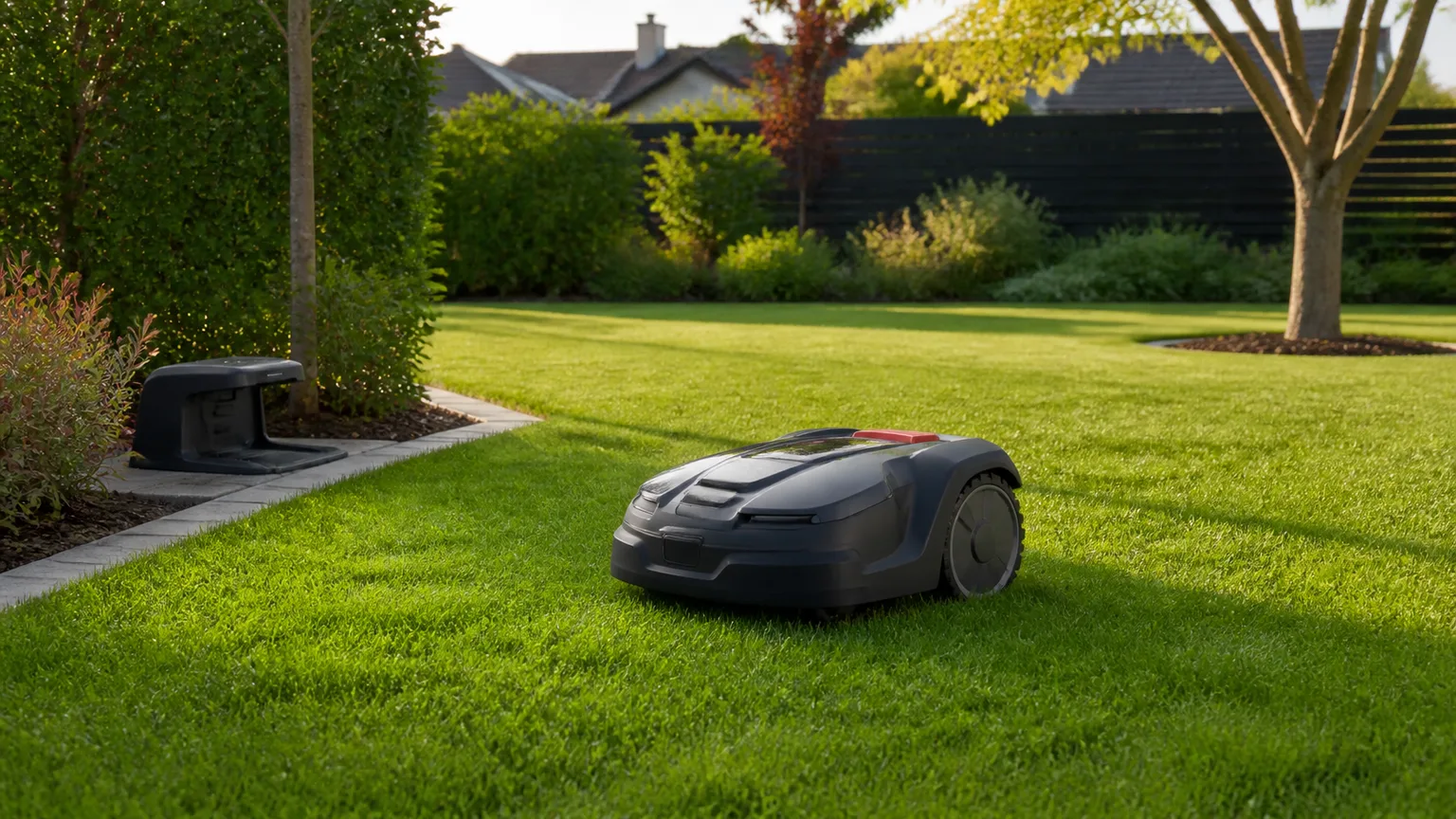
Use a riding mower when you have open routes, adequate storage, and enough area to justify the larger machine. Consider a zero-turn when maneuvering around many obstacles on relatively open ground matters more than carrying the mower through a narrow gate. Consider a robotic mower only when boundaries, charging placement, pets, toys, and disconnected lawn sections can be managed. A robotic system cuts frequently and lightly; it is not a rescue tool for a lawn that grows tall between sessions.
Battery, deck, and runtime details that change the decision
Treat runtime as a range, not a promise
Published runtime is useful for comparing models within a manufacturer’s test method, but it is not a reliable prediction of your mowing time. The number changes with grass height, species, moisture, slope, cutting height, blade condition, driving speed, discharge mode, and whether the mower is sensing light grass or demanding maximum power.
The Milwaukee page is unusually helpful because it states the conditions behind its coverage claim: up to one-half acre while removing one inch of grass at a three-miles-per-hour self-propelled pace. That wording is more useful than an unqualified acre number because it tells you what kind of cut the estimate represents. The Toro 21466 and Super Recycler pages likewise identify their battery capacity and controlled runtime, but you still need reserve for turns, thick patches, and the portion of the lawn that never grows evenly.
Plan to finish a normal mow with charge left over, especially if you cannot charge between passes. If a model’s best-case coverage barely equals your grass area, move up to a larger battery kit, buy a second compatible pack, or choose a different mower class. A mower that technically finishes the route only on a perfect day is not a good fit.
Match voltage, amp-hours, deck width, and kit contents
Voltage describes the battery system’s electrical potential; amp-hours describe how much charge the battery stores within that system. A higher voltage can support a more powerful system, but voltage alone does not tell you how long the mower will run. Compare watt-hours when you need a rough cross-platform capacity estimate, remembering that motor efficiency and workload still decide real runtime.
Deck width is a practical compromise. A 22-inch deck can reduce passes compared with a 21-inch deck, but the difference is small if the route is broken up by beds and trees. A narrower mower may be easier to maneuver, lift, and store. Add the battery’s weight to the advertised tool weight, and check the folded dimensions against your shed or garage door.
Finally, check the exact kit. Confirm whether the box includes one battery, two batteries, a charger, a bag, a mulch plug, and a side-discharge chute. A tool-only listing can look inexpensive until you price the replacement battery and charger. Also confirm that replacement blades, bags, and chargers are still available through the manufacturer’s support network.
Mow without stressing the lawn or the machine
Set the deck for the grass and the weather
Penn State Extension’s mowing guidance explains that the one-third rule—removing no more than one-third of the blade at a mowing—helps reduce turf stress. Its guidance also connects higher mowing with a denser canopy, deeper roots, and less opportunity for some weeds to germinate. Lawn Love’s practical explanation gives the same usable math: if your target height is 3 inches, mow before the grass reaches roughly 4.5 inches rather than waiting until it is much taller.
The best height still depends on the grass. The Lawn Almanac’s grass-type mowing table gives a useful starting range, including taller targets for tall fescue and St. Augustinegrass than many homeowners expect. Use local extension guidance when your climate or grass variety differs, and raise the deck during heat or drought instead of chasing a short, cosmetic cut.
Mow when the grass is dry enough that clippings can move through the deck and your shoes can hold the ground. Mulch short clippings when they disappear into the canopy without forming piles. Bag grass that is wet, unusually long, diseased, or visibly clumped, and clear the battery or safety key before working near the blade or underside of the deck.
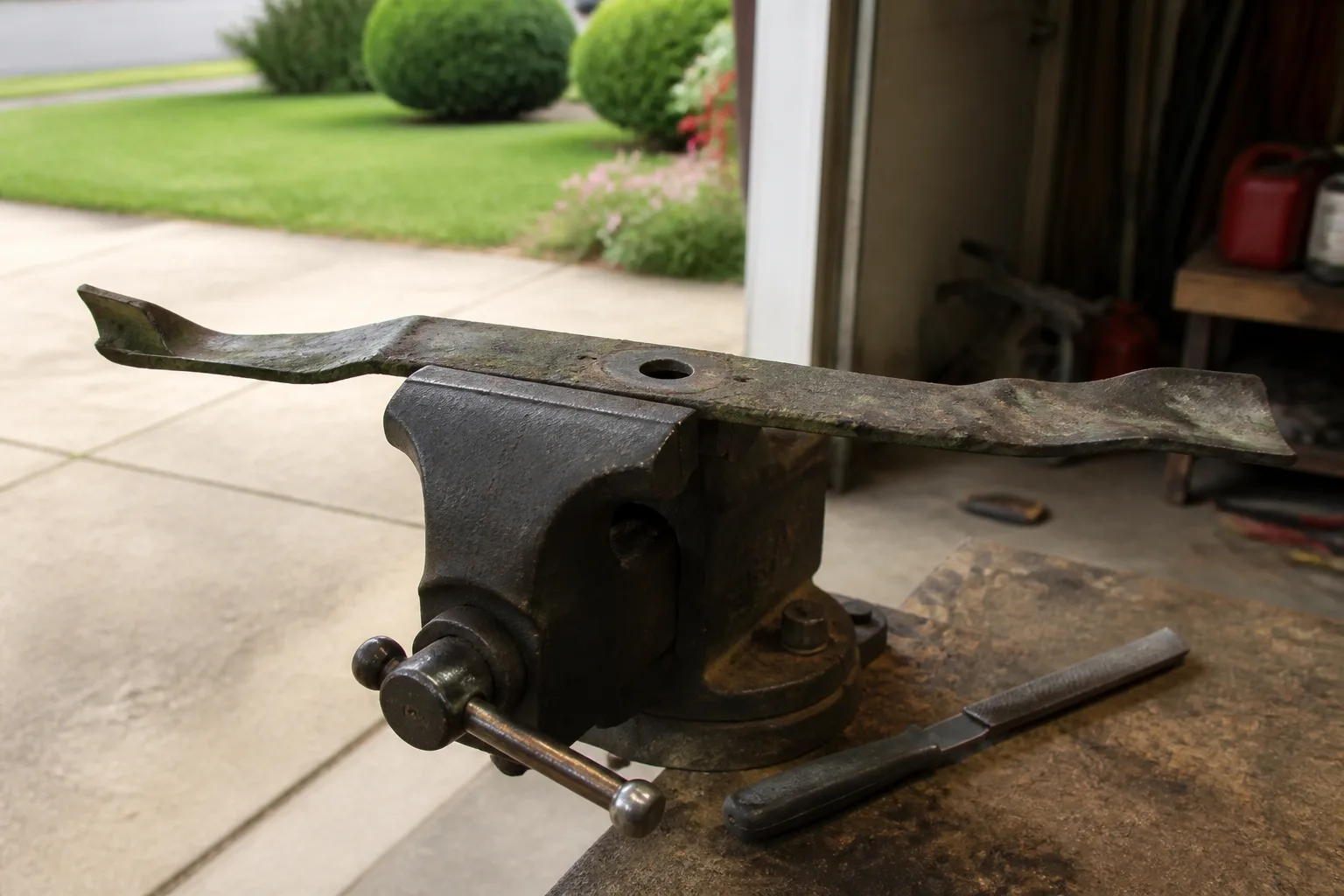
Keep the blade sharp and balanced. A dull blade tears leaf tips, can leave a pale or ragged finish, and makes the motor work harder. Inspect the blade after striking a hidden object, follow the model’s manual for removal and torque, and replace it when it is bent, cracked, deeply notched, or no longer safe to balance.
Store lithium-ion batteries dry and away from extreme heat or cold. Let a hot pack cool before charging, keep a swollen or damaged pack out of service, and use the manufacturer’s recycling or service instructions. These small habits protect both the mower’s run time and the lawn’s cut quality.
Conclusion
The Toro 60V Recycler 21466 is the strongest default for a typical small-to-medium lawn because its 22-inch deck and pace-matching rear-wheel drive solve the two problems most homeowners notice first: walking effort and repetitive passes. The Milwaukee is the better fit for demanding cuts and an existing M18 collection, EGO offers a balanced and storage-friendly 21-inch option, Husqvarna is compelling when mulching control and a dual-battery setup are available, RYOBI covers a longer walk-behind route, and the Toro Super Recycler prioritizes finish and bagging refinement.
Choose by the route, not the headline. If your grass is compact and flat, avoid paying for a heavy high-capacity machine; if it is hilly or physically demanding, prioritize drive layout and control; if it is measured in open acres, compare riding or robotic systems before buying the biggest walk-behind you can find. Keep the blade sharp, stay within the one-third rule, and treat every runtime number as a best-case estimate with room for real weather and real grass.