How to Care for Succulents in Winter
Learn how to care for succulents in winter with a species-aware plan for light, watering, frost, outdoor containers, dormancy, and spring recovery.
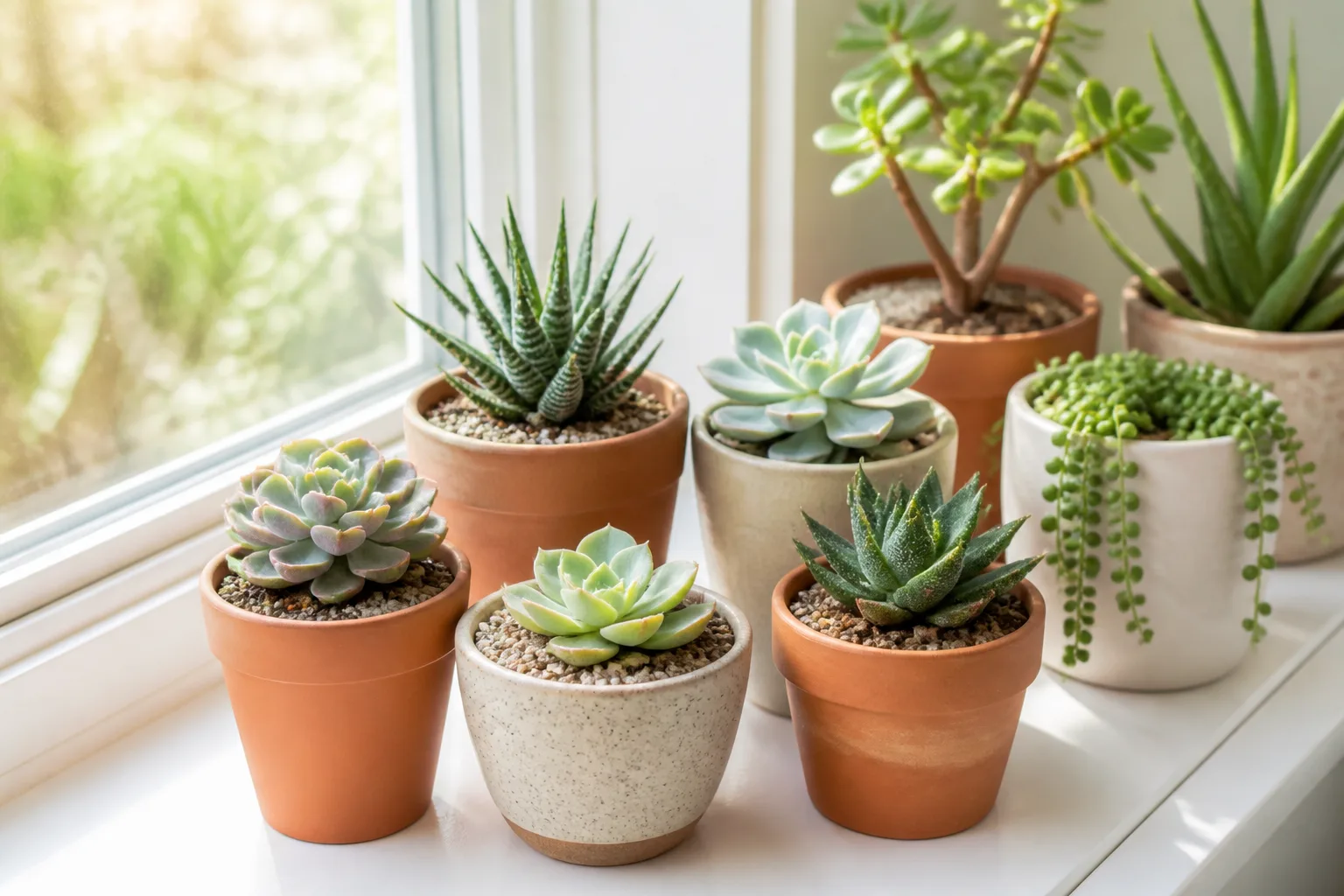
Winter care starts with one question: what kind of succulent is this, and where is it growing? A frost-tender echeveria in a patio pot, a hardy sempervivum in a gravel bed, and a Christmas cactus on a warm windowsill are all succulents, but they do not need the same winter routine.
Most losses come from treating winter as a watering problem alone. Cold reduces growth, shorter days reduce evaporation, and rain or indoor watering can leave roots wet for too long. Use the plant’s identity, your local forecast, and the container or planting site to choose a strategy before cold weather becomes damage.
Decide Whether Your Succulent Is Indoor or Outdoor
Start with the plant label, cultivar name, or a reliable botanical reference. A hardiness zone is a useful starting point, but it is not a guarantee: it describes a plant’s expected survival in a particular climate and planting situation, while a small pot, exposed balcony, wet soil, wind, and repeated freezes can make conditions much harsher.
The Royal Horticultural Society’s houseplant succulent guide makes the important distinction that most cacti and succulents are grown indoors, while only some types are hardy enough for outdoor planting. The Missouri Botanical Garden’s Plant Finder entry for whale’s tongue agave is a useful reminder that even a cold-tolerant species has specific requirements: it lists a hardiness range, sharply drained soil, and protection from winter moisture in containers.
Tender Houseplant Succulents
Assume a succulent needs frost-free winter conditions unless you know its species and cultivar are hardy where you live. Echeverias, many aloes, jade plants, aeoniums, kalanchoes, and most store-bought rosette succulents are better treated as tender container plants in freezing climates, even if they tolerate cool nights for a while.
Some are damaged by frost; others can handle cool temperatures but fail when cold roots stay wet. If you cannot identify the plant, move the pot to a protected, frost-free place before a freeze and research it while it is safe. A conservative winter move is easier to reverse than a frozen crown.
Hardy Outdoor Succulents
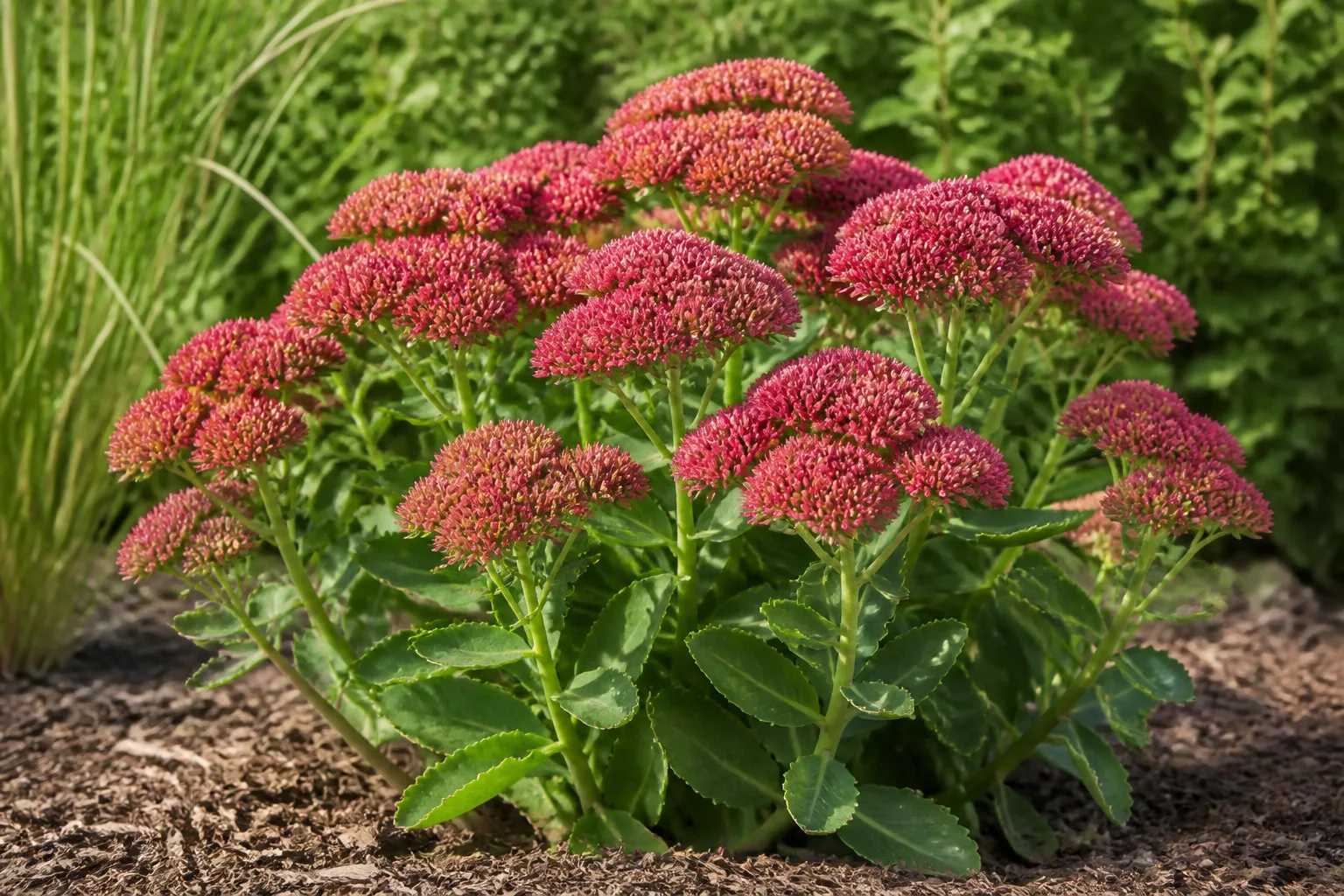
Many sempervivums, stonecrops or sedums, and selected Opuntia and agaves can remain outside in suitable climates. The word selected matters: hardiness varies by species, cultivar, maturity, drainage, and local exposure, so do not transfer the tolerance of one sedum or agave to every plant sold under that common name.
Hardy outdoor plants usually need protection from winter wet more than extra water. The RHS guide to hardy cacti and succulents recommends sharply drained soil, shelter from rain, and a drier winter rest for many types. In a cold, rainy site, a plant can be botanically hardy and still rot before the temperature itself kills it.
Move Tender Succulents Before Frost, Not After Damage
Bring tender outdoor succulents inside before the first expected frost, and move them earlier if the forecast is uncertain or the pot is exposed to wind. Do not wait for a hard freeze just because the afternoon still feels warm; nighttime temperatures and the duration of cold matter more than the daytime high.
Before moving a plant, inspect the leaves, crown, pot rim, and drainage hole. Look for mealybugs, scale, aphids, webbing, eggs, ants, and damp debris. Wipe or brush off what you can, isolate the plant from your indoor collection, and keep it separate for a few weeks while you watch for hitchhiking pests.
If the pot is saturated, do not compensate by placing it in a warmer room and watering again. Let it drain fully and give it the brightest suitable location. A recently moved succulent may lose a leaf or change color from the shift in light and temperature; stabilize it before changing soil, pruning, or adding fertilizer.
Prepare Outdoor Containers for Cold and Wet
Potted roots are less insulated than roots in the ground because the potting mix is surrounded by cold air. Fine Gardening’s winter guidance notes that above-ground containers are more exposed and may need an unheated shelter or extra protection even when a plant would survive in a garden bed.
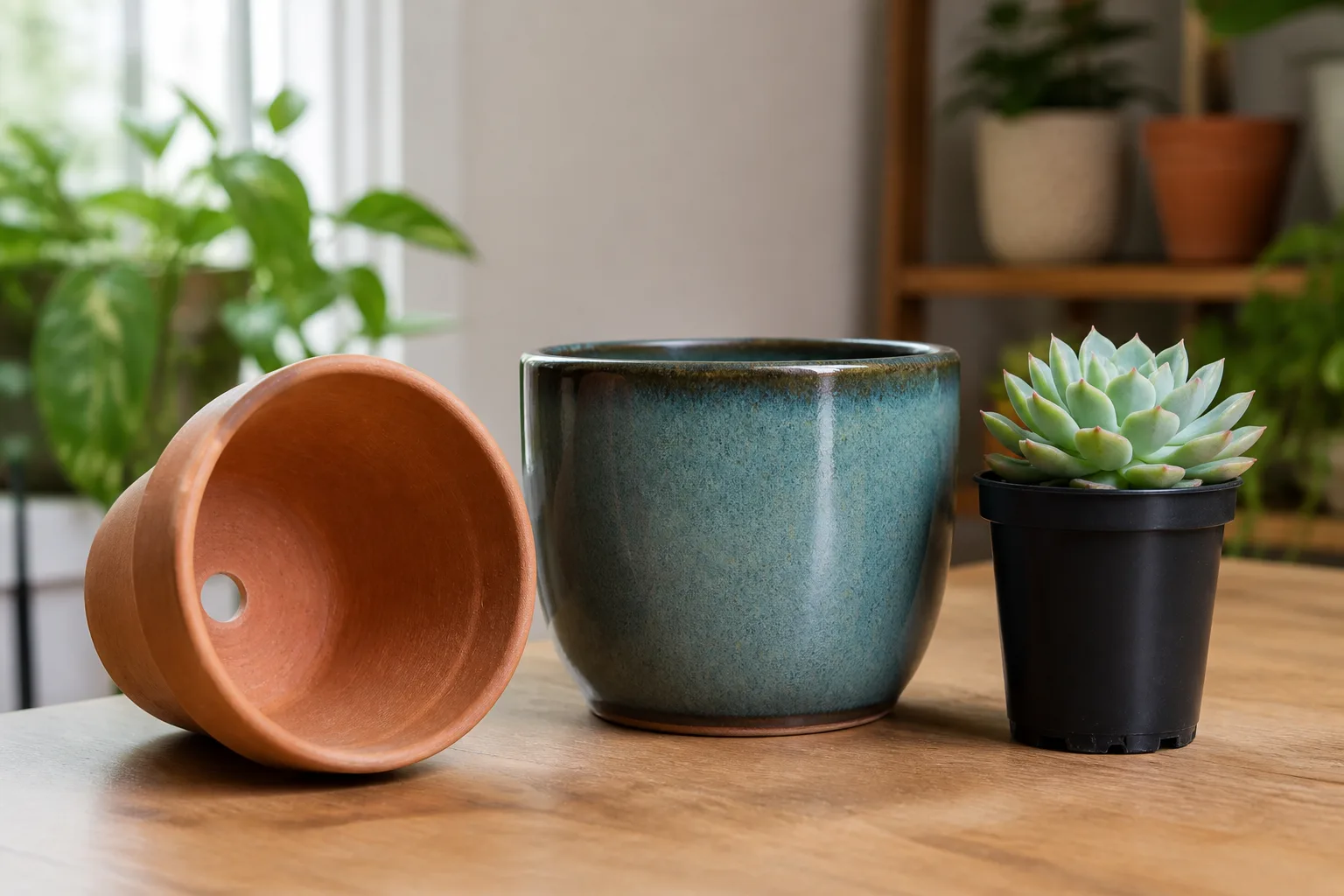
First, make drainage non-negotiable. Use a pot with an open drainage hole, keep it off a surface where the hole can freeze shut, and empty any saucer after rain. Move a hardy container under an eave, beside a wall, or to another bright, dry, sheltered location. The goal is to reduce winter rain and wind while preserving the plant’s normal seasonal rhythm.
Wrap the outside of the pot when roots need insulation, but do not wrap a wet plant in airtight plastic. Burlap, fleece, cardboard, or a breathable insulating layer around the container can reduce temperature swings. Leave the foliage ventilated, keep coverings from resting on delicate rosettes, and remove temporary covers when weather moderates.
If the plant is frost-tender, pot insulation is not a substitute for moving it indoors. A wrapped pot may slow heat loss, but it cannot turn a tropical or borderline succulent into a hardy one during a prolonged freeze.
Build the Right Indoor Winter Setup
Indoor winter care is a balance of usable light, stable temperature, airflow, and slower watering. A room that is warm but dim encourages weak stretching, while a cold windowsill with wet mix can chill roots. Choose the best combination your home can provide instead of chasing a single ideal number.
Give the Brightest Usable Light
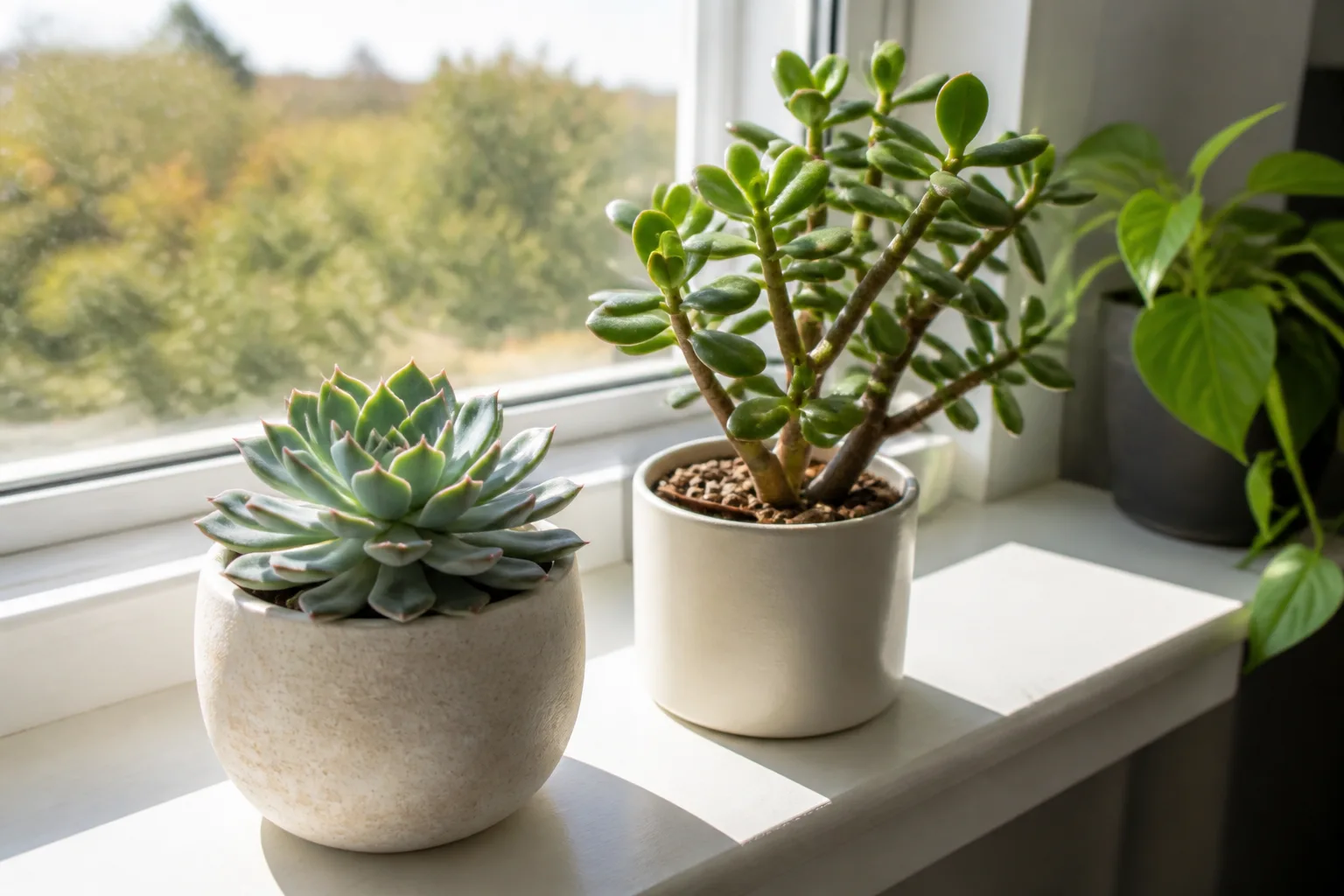
Place most dry-climate succulents near the brightest window available, while leaving enough space between leaves and cold glass on freezing nights. Clean the window, turn the pot periodically, and watch the plant rather than assuming a south-facing label solves every problem. Pale new growth, wide gaps between leaves, and leaning toward the window indicate that winter light is inadequate.
If natural light is weak, add a grow light on a consistent schedule and keep it far enough away to avoid heat stress. Plants moved from a shaded outdoor position to intense indoor or supplemental light can also scorch, so increase exposure gradually when the change is large.
The BBC Gardeners’ World Magazine cactus guide recommends bright, airy conditions, free-draining compost, and letting the compost dry between waterings. Those principles are more useful than a calendar because indoor light and room temperature can vary dramatically from one home to another.
Keep Plants Away From Heat and Drafts
Keep succulents away from radiators, heat vents, fireplaces, and drafty exterior doors. Hot moving air can dry leaves quickly while the root ball remains wet, and a cold draft can create a sharp temperature drop that a plant on a stable shelf would avoid.
Most dry-climate succulents can tolerate the dry air of a heated home, but they still need airflow around the pot and foliage. Do not place plants tightly against a fogged window, inside a closed decorative container that traps runoff, or in a humid bathroom simply because winter air feels dry.
There is an important exception to the desert-succulent rule. Christmas cactus, orchid cactus, and other rainforest-adapted succulents prefer different light, moisture, and temperature patterns. The RHS houseplant guide specifically separates these types from dry-climate cacti and notes that winter-flowering Christmas cactus may need warmth and regular watering while many other succulents rest.
Change Watering When Growth Slows
Do not water a succulent every Saturday because winter is on the calendar. Check the mix several inches down, feel the pot’s weight, look for active new growth, and consider how quickly the room is drying the container. A plant under a grow light may continue growing and use more water than a cool, dim plant resting on a shelf.
For a typical dry-climate succulent in winter, wait until the mix has dried thoroughly before watering. When it is time, water the root ball evenly, let excess water run out, and empty the saucer. Then return to observation. A small sip on a fixed schedule can leave the center of the root ball permanently damp without actually rehydrating the whole plant.
Resting plants may need little or no water for a period. If a plant becomes slightly shriveled but the stem and crown remain firm, give it a modest, well-drained watering on a bright day and let the mix dry again. If the base is soft, the soil smells sour, or leaves are translucent and mushy, adding water is likely to make the problem worse.
Holiday cacti should not be forced into the same drought routine as an echeveria. Winter-flowering and rainforest-adapted succulents may be actively growing or setting buds when other succulents are resting, so match watering to the plant’s growth cycle. The RHS guide’s distinction between dry-climate types and Christmas cactus is a helpful safeguard against one-size-fits-all advice.
Pause Fertilizer and Skip Winter Repotting
If a succulent is not producing new growth, pause fertilizer. Feeding a resting plant does not create the light, warmth, or root activity needed to use those nutrients; it can instead encourage weak growth that is more vulnerable to pests and temperature swings. Resume feeding when brighter conditions and active growth return, following the product label at a restrained strength.
Winter is also a poor time for routine repotting. A fresh, oversized pot holds more wet mix around cold roots, and disturbed roots recover slowly when light is weak. Repot only for an urgent problem such as a broken pot, severe drainage failure, or active rot that cannot wait; otherwise, plan the move for the beginning of active growth.
The practical winter rule is simple: stabilize first, improve conditions second, and make cosmetic changes later. Get Busy Gardening’s succulent care guide similarly recommends withholding fertilizer during the colder months and allowing plants to rest rather than pushing soft winter growth.
Protect In-Ground Hardy Succulents
A hardy succulent planted in the ground is often safer than the same plant in a pot, but only when the site drains quickly. Heavy clay, a low pocket that collects runoff, or a rosette buried under wet mulch can create a winter problem even if the plant is rated for cold.
Keep mulch around the root zone rather than piled against the crown or covering the center of a rosette. The layer should buffer soil temperature and reduce freeze-thaw movement without trapping water against fleshy stems. Gravel, a raised bed, a slope, or a rain shadow may be more valuable than a thick organic blanket for plants that resent moisture.
For a short frost event, use breathable frost cloth or a cloche that does not press on the foliage. Anchor the cover, keep it from touching wet leaves when possible, and remove it when temperatures rise so the plant does not overheat or stay damp. A cover protects a suitable plant from a brief event; it does not replace species-appropriate hardiness or solve weeks of winter rain.
The RHS cold-climate guidance also emphasizes that hardiness ratings are only an indication and that wind, shelter, and waterlogging change the outcome. Read the forecast and the site together rather than treating a zone number as a force field.
Identify Five Common Winter Problems
Winter symptoms can overlap, so diagnose the root zone and the recent conditions before you reach for a treatment.
- Stretching or leaning: New growth is pale, widely spaced, or reaching toward a window. Increase usable light before increasing water or fertilizer.
- Purple or red coloring: Some succulents color naturally under bright light or cool conditions, but a sudden change paired with limp tissue can signal stress. Compare the whole plant and recent temperature history.
- Shriveling: Slight wrinkling in a dry, firm plant can mean the stored water is being used. Check the mix and roots before watering; shriveling with a soft, dark base points toward rot instead.
- Mushy or translucent leaves: Cold injury and overwatering can both create water-soaked tissue. A wet pot, sour smell, or soft crown makes root or stem rot more likely.
- Pests after moving indoors: Mealybugs, scale, and fungus gnats can become noticeable when plants are grouped indoors. Isolate the plant, inspect leaf axils and pot rims, and use a treatment appropriate for that plant rather than spraying every succulent automatically.
Tell Cold Damage From Overwatering
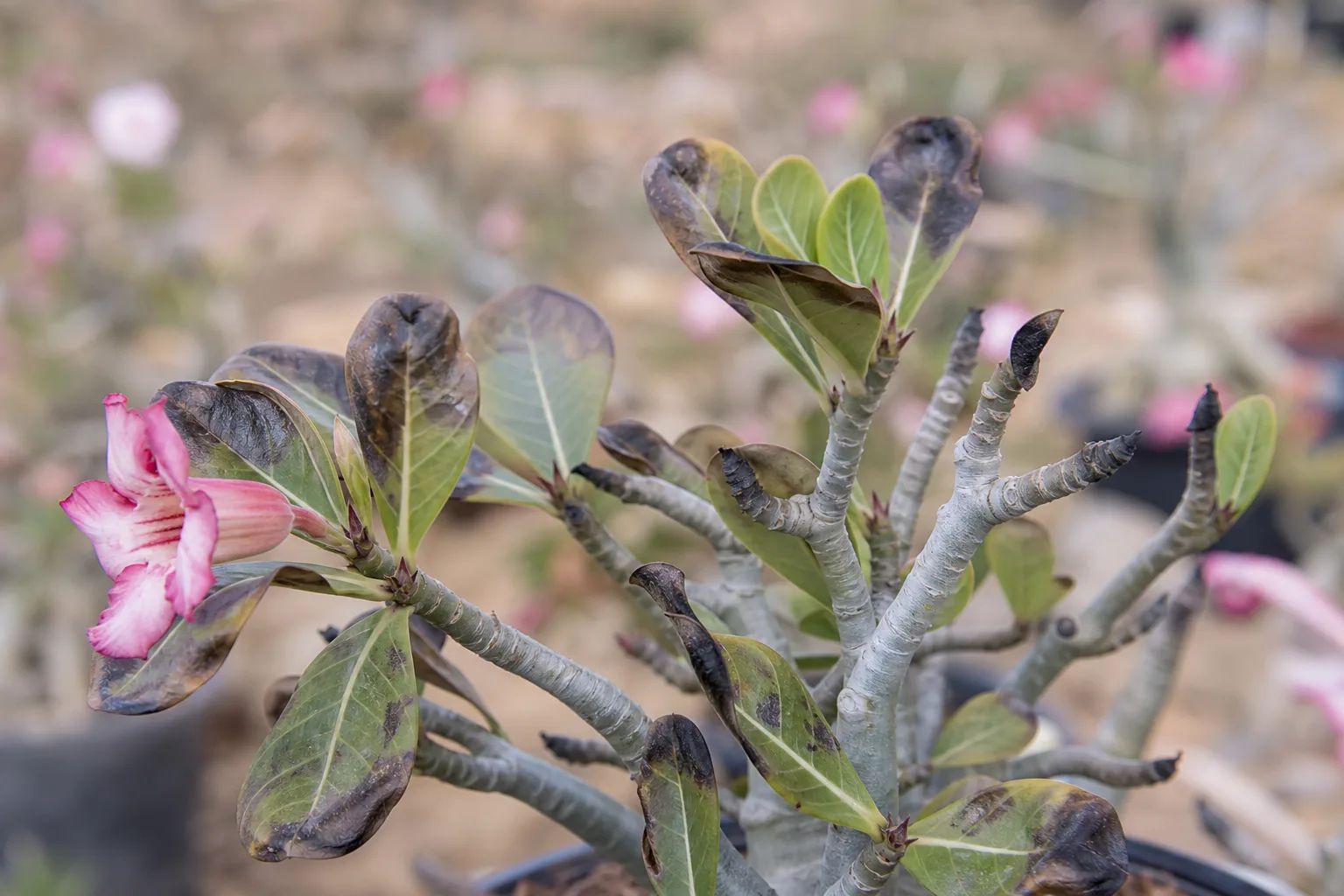
Cold damage often appears as limp, water-soaked, translucent, brown, or black patches after a freeze or sharp temperature drop. Overwatering more often follows persistently wet mix and may begin at the base or roots, although the two stresses can happen together: cold slows drying, then wet soil weakens the plant.
Do not decide from one discolored leaf. Check whether the stem is firm, whether the center of the rosette is intact, whether the pot drains, and whether the plant experienced frost. The Epic Gardening frost-damage guide advises waiting for the damage to declare itself before cutting heavily, because healthy tissue can remain useful and the full extent may take days or weeks to become clear.
What to Do After a Frost
If a tender succulent was caught outside, move it to a frost-free, stable location promptly. Use bright but filtered or indirect light at first rather than placing stressed tissue directly against intense sun, and keep the plant away from radiators and drafts.
Do not prune every soft-looking leaf immediately. Freezing and thawing can make damage more visible over time, and cutting into tissue that is still changing can remove parts that might remain viable. Leave firm, healthy foliage in place, keep the plant dry enough for its species, and wait for a clearer boundary between living and dead tissue.
When the damaged areas have dried and the healthy parts or new growth are clear, cut dead leaves and stems with clean, sharp scissors. If the stem or crown is collapsing, unpot the plant and inspect the roots; if the base remains firm, patience may be more useful than repeated handling. Epic Gardening also recommends taking a few healthy leaves as insurance when the parent plant may not recover, then allowing cut ends to callus before propagation.
Avoid returning a damaged plant outdoors during the next cold night. Recovery is slower when the plant is forced to absorb another shock before its wounds have dried and its remaining roots have stabilized.
Bring Plants Back to Full Growth in Spring
Spring recovery begins with light, not fertilizer. As days lengthen, move resting plants toward brighter light in stages, check for new growth, and then increase watering as the mix dries faster. A plant that is still dormant in a cool room should not be treated like one actively growing under a warm grow light.
Wait until frost risk has passed before returning tender succulents outside. Start with a sheltered position receiving gentle morning light or bright shade, then increase outdoor exposure over about one to two weeks. This gradual transition protects soft indoor growth from sunburn and wind scorch.
Before the plant goes outside for the season, inspect the drainage hole, refresh the top layer if necessary, and confirm that no pest outbreak was hiding during winter. Resume fertilizer only when the plant is clearly growing and the container is drying at a normal pace. If roots are crowded or the mix has broken down, spring is the safer repotting window.
Use a Simple Winter Check Routine
Every week or two, walk through the same short check instead of reacting to a single leaf. The interval is only a starting point: warm, bright rooms need more frequent checks, while cool dormant plants may need much less attention.
- Temperature: Is the plant protected from frost, cold glass, drafts, and heat vents?
- Light: Is growth compact, or is the plant stretching toward a weak window?
- Root zone: Is the mix dry enough for this species, and does water leave the pot freely?
- Foliage: Are changes firm and gradual, or soft, translucent, black, or rapidly spreading?
- Pests: Did any insects appear after the plant came indoors?
- Season: Is the plant resting, flowering, or actively growing under supplemental light?
Record unusual cold nights, watering dates, and symptom changes in a note on your phone or plant label. That small record helps you distinguish a one-time move shock from a pattern of winter overwatering and makes next year’s timing more precise.
Conclusion
The safest way to care for succulents in winter is to stop treating “succulent” as a single care category. Identify the plant, decide whether it should rest indoors or remain outside, keep roots sharply drained, reduce watering when growth slows, and protect tender tissue before frost rather than trying to repair a frozen plant afterward.
Hardy sempervivums and many sedums may need only dry shelter and good drainage, while echeverias, aloes, jade plants, and other tender types usually need a bright, frost-free winter home. Give holiday cacti their own rhythm, wait before pruning cold damage, and reintroduce outdoor light gradually in spring. A calm, condition-based routine is more reliable than a fixed temperature or watering schedule.