7 Gardening Myths to Stop Believing
Stop letting old gardening myths waste your time. Learn what really works for containers, poor soil, compost, pruning, fertilizer, weeds, and wilting plants.
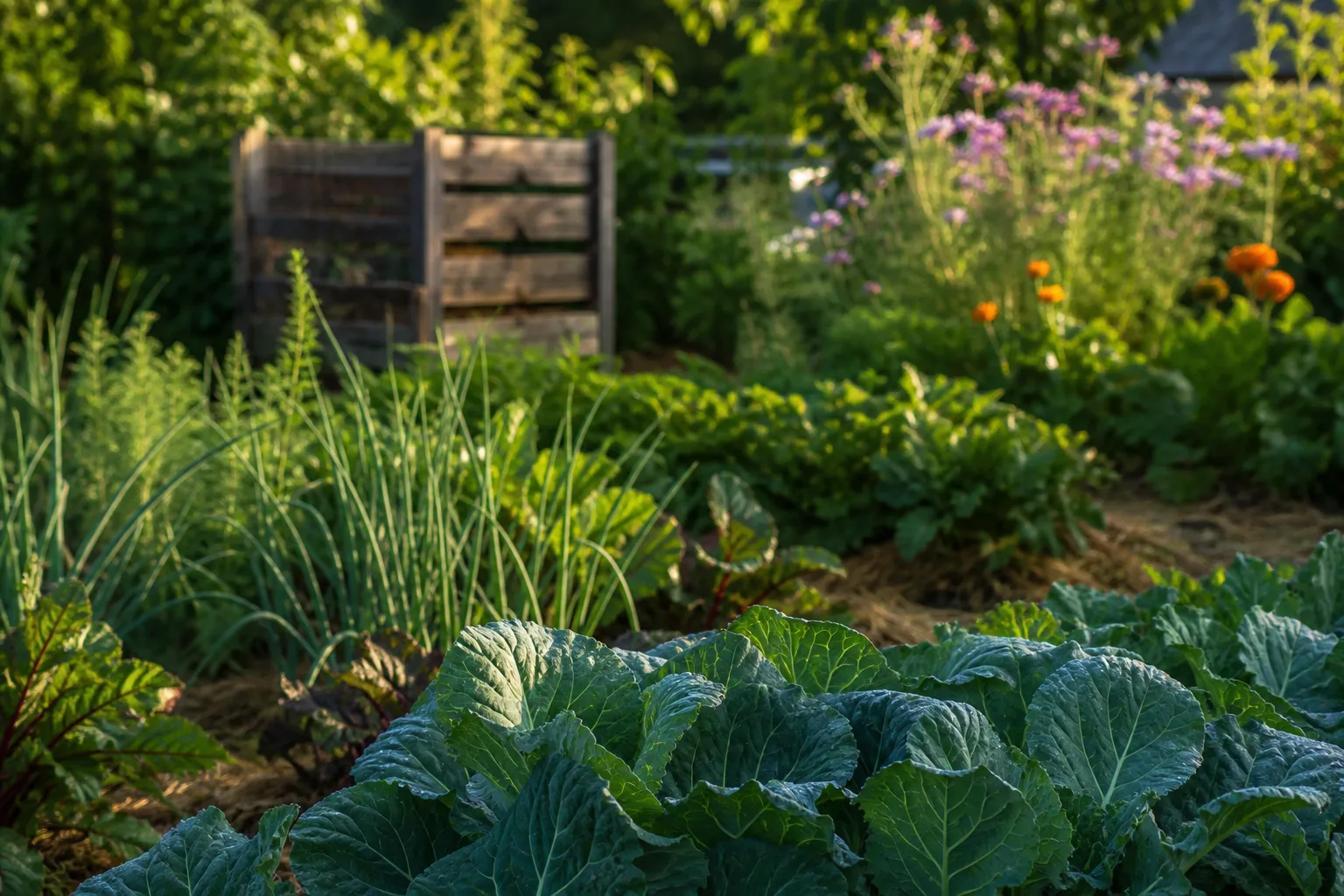
Gardening advice becomes a problem when a useful observation turns into an absolute rule. Containers really can grow food, but they dry faster than beds. Dormant pruning can be excellent, but it can also remove next spring’s flowers. Wilted leaves may signal thirst, yet a plant can droop in midday heat while the root zone is still moist.
The better habit is to treat every tip as a hypothesis. Check the plant, the soil, the timing, and the site before reaching for more water, fertilizer, pruning shears, or a weed barrier. The seven myths below are worth retiring because each one can turn a reasonable gardening tool into the wrong first response.
The quick answer: most gardening myths contain one useful idea and one dangerous shortcut
The fastest way to fact-check garden folklore is to ask, “What condition makes this advice useful, and what condition makes it fail?” That question keeps you from replacing one rigid rule with another. A raised bed can be a smart answer to compacted soil, for example, but it will not automatically fix contaminated fill, poor drainage below the bed, or a neglected watering plan.
The same logic applies to plant symptoms. A wilted plant may need water, but it may also have damaged roots, heat stress, disease, or soil that is already too wet for roots to take up oxygen. Extension diagnosticians start with plant identity, symptoms, cultural practices, environmental conditions, and timing for a reason: the visible symptom alone rarely tells the whole story. The NC State Extension Gardener Handbook’s diagnostic process is a useful model for slowing down before treating.
Myth 1: You need a lot of space to grow vegetables
You do not need a traditional garden plot to grow many vegetables. A balcony, patio, doorstep, windowsill, or narrow strip can produce herbs, salad leaves, radishes, compact peppers, tomatoes, potatoes, and other crops when the container matches the plant’s root and light needs. BBC Gardeners’ World Magazine’s container-growing guidance gives the practical version of this myth: short-rooted salad crops can use shallow pots, while carrots and tomatoes need containers with more depth or volume.
The catch is that a pot is a small, exposed ecosystem. It has less soil to buffer heat and drying wind, and it cannot borrow moisture from the surrounding ground. A container crop may need more frequent checks, a stable potting mix, a drainage hole, and a position that receives enough sun without turning the root zone into an oven. If you can reach the plant easily and are willing to water according to weather rather than a fixed calendar, limited space is not a deal-breaker.
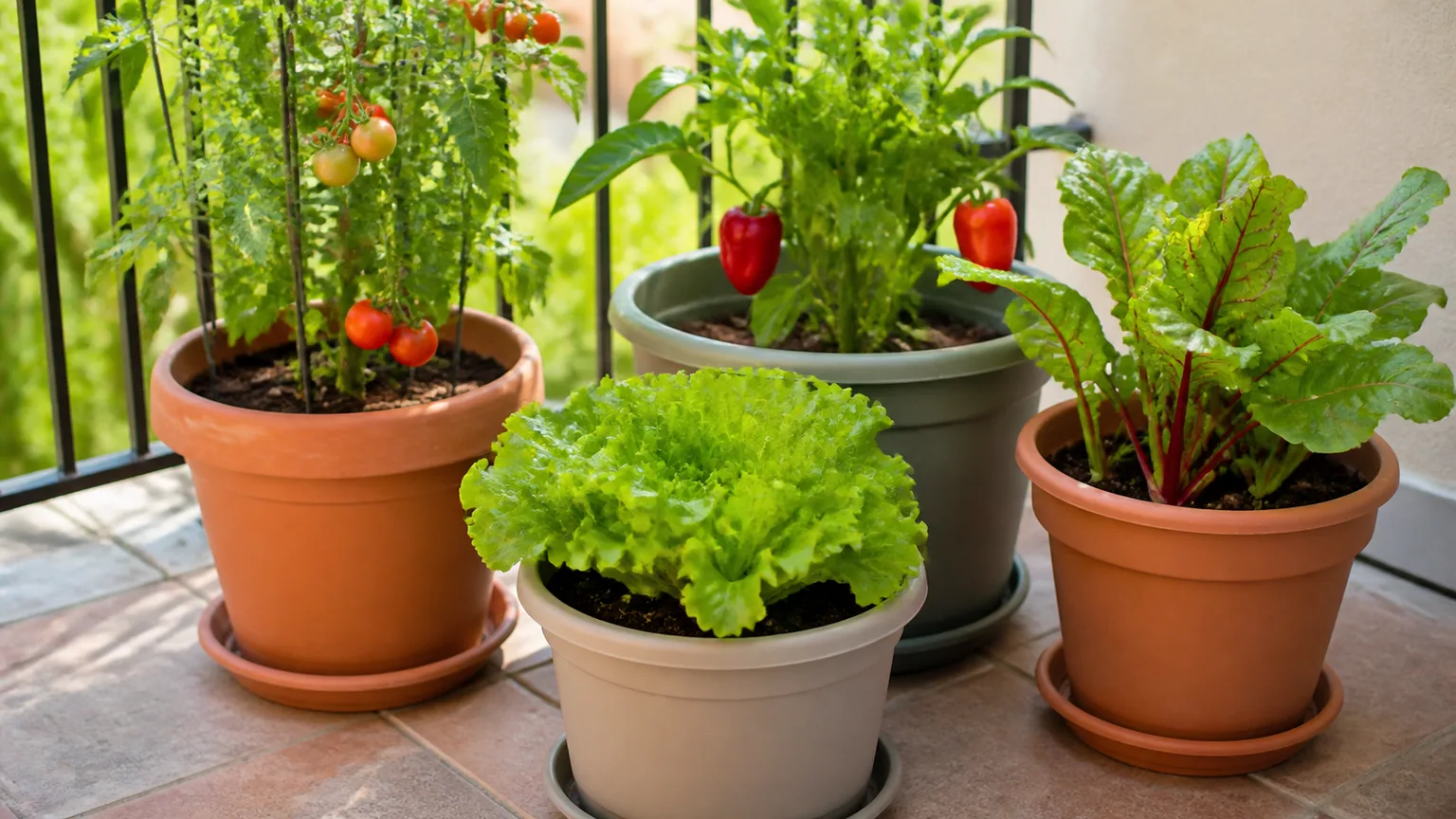
Choose crops by root depth, sun, and watering access
Start with the crop, not the container you happen to own. Lettuce and many herbs tolerate a shallower root run; tomatoes, cucumbers, potatoes, and full-size carrots need a larger reservoir and stronger support. A pot that is technically large enough but placed in reflected afternoon heat may still fail because roots heat and dry faster than the foliage can recover.
Use a lightweight, well-drained potting mix rather than digging garden soil into a small pot. Leave room for watering, group containers with similar moisture needs, and check the root zone with a finger or moisture meter before watering again. Containers make gardening possible in small spaces, but they trade land for attention; that is the honest limitation.
Myth 2: You cannot garden in poor soil
Poor soil is a constraint, not a verdict. Soil can be compacted, waterlogged, infertile, contaminated, excessively alkaline or acidic, or simply unsuited to the plant you chose. Those conditions require different responses, so “add compost” or “build a raised bed” is not a complete diagnosis.
Raised beds and containers are useful ways to create a controlled root zone above difficult ground. The University of Minnesota Extension’s raised-bed guidance treats the bed as a growing system, not a magic box: you still need a suitable mix, enough depth, access for watering, and a plan to replenish organic matter. A raised bed can bypass compacted surface soil, but roots eventually meet the native soil below it if the bed is shallow.
The RHS myth guide also warns against a common clay-soil shortcut: digging a large hole and filling it with grit can create a sump where water collects. Improving structure with organic matter, choosing plants adapted to the site, creating surface drainage, or using a raised bed may be more appropriate than building a gravel-lined bathtub around the roots.
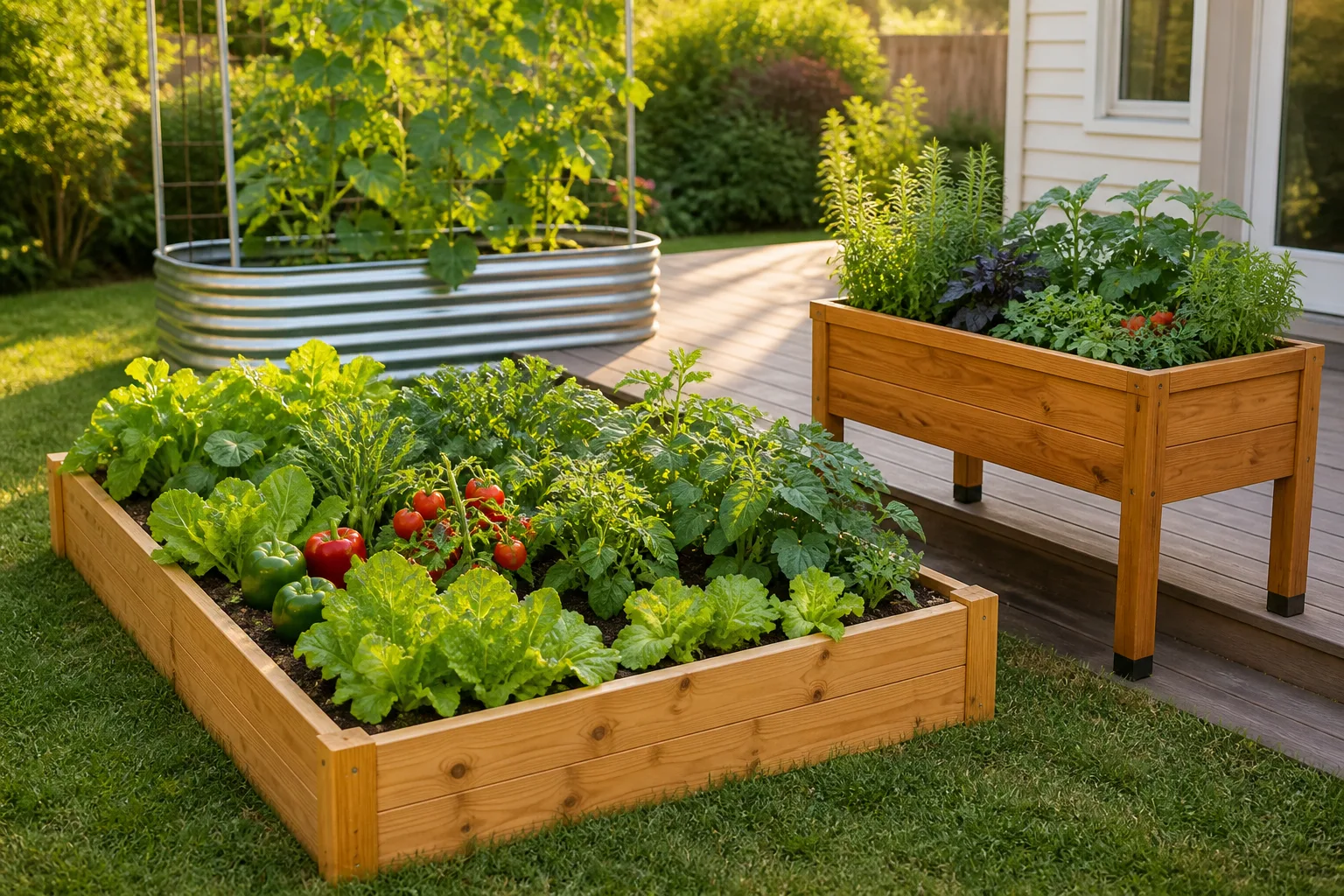
Use raised beds, containers, or soil improvement for the actual limitation
First identify the failure. If water stands after rain, investigate drainage before adding water-holding compost. If plants are stunted across a bed, test soil rather than guessing at a nutrient. If the soil is compacted, avoid working it when wet and improve it gradually with organic matter and roots. If contamination is plausible, use a clean container or sealed raised-bed system and seek local guidance instead of mixing the material deeper.
Do not assume that a raised bed must be built tall or expensive. A broad mound, a simple framed bed, a grow bag, or a group of containers can all create a better root zone. The best choice depends on the crop, budget, mobility, accessibility, and whether the underlying problem is physical, chemical, or environmental.
Myth 3: Compost piles inevitably attract rats
Compost can attract rodents, but a well-managed pile does not make a rat problem inevitable. Washington State University Extension says rats may use a compost pile as food or shelter, especially when it is dry, open, and undisturbed. Its practical controls are more useful than a blanket “never compost kitchen scraps” rule: keep the pile moist and turned, bury food, enclose accessible scraps, exclude meat, greasy foods, and dairy from a backyard bin, and reinforce the base or sides with strong quarter-inch mesh when needed (WSU Extension’s compost-rodent guidance).
The myth survives because gardeners confuse possibility with certainty. Fruit and vegetable scraps are attractive food, but compost is also a biological process that should be balanced, aerated, and actively decomposing. A dry, cold, forgotten heap is more likely to become a quiet shelter than a hot, regularly turned pile. Rats can still appear despite good practice, especially where neighboring food or shelter is available, so “rat-proof” is too strong a promise.
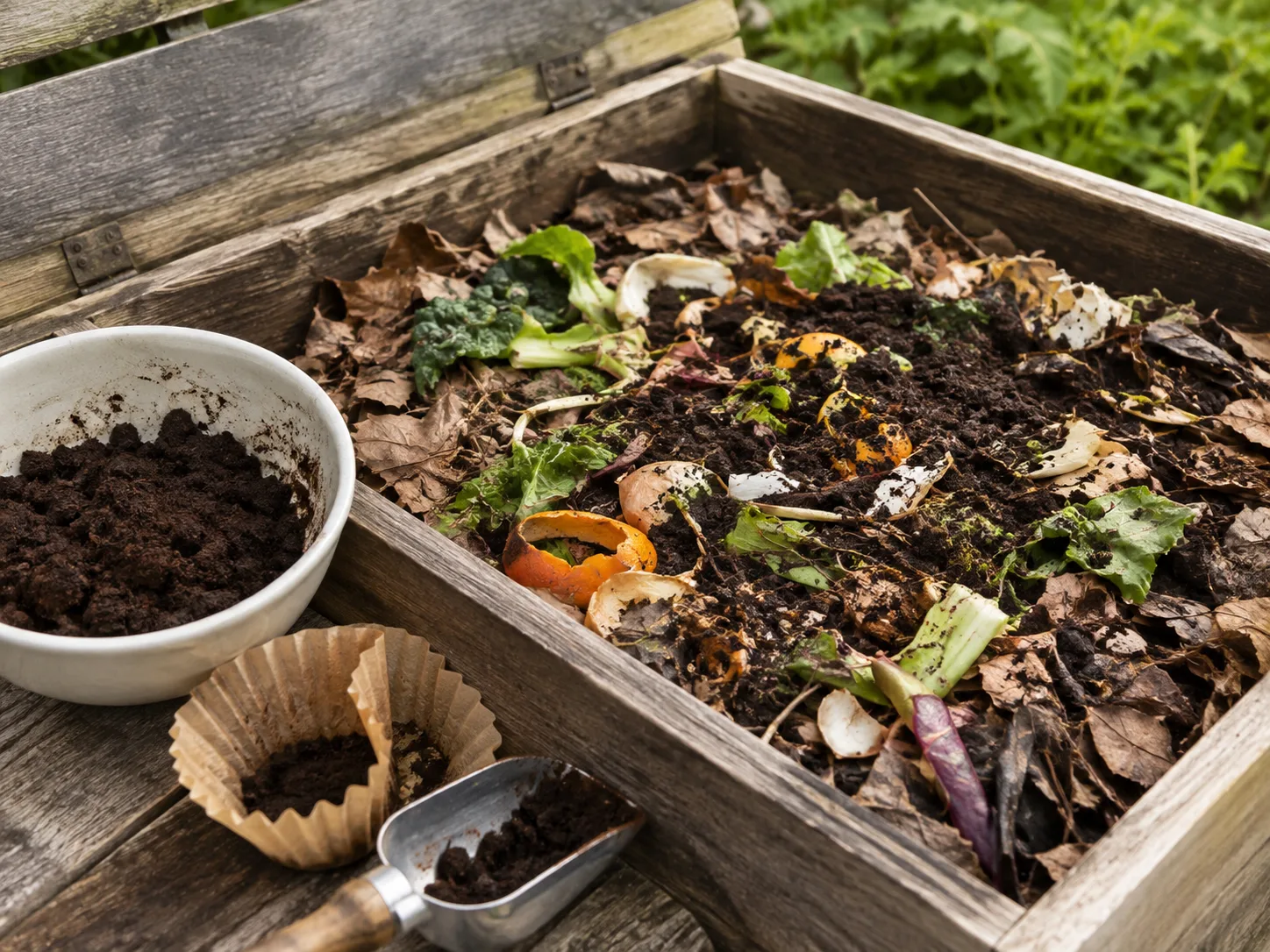
Make food scraps harder to reach and the pile less inviting
Use a lidded bin when kitchen scraps are part of the system. Cover fresh food with a layer of leaves, shredded cardboard, or finished compost instead of leaving it exposed on top. Keep the pile damp like a wrung-out sponge, turn it often enough to discourage a dry nesting pocket, and inspect for burrows or gnaw marks before the situation grows.
If rats are already active, stop adding the most attractive food while you secure the bin. Do not rely on peppermint oil, mothballs, poison, or unlabelled repellents around edible crops and pets. A physical barrier, better material management, and local pest guidance are more defensible than a scent hack. Composting remains worthwhile because finished compost can improve structure and water-holding capacity, but it is a managed system, not a wildlife-proof appliance.
Myth 4: Landscape fabric eliminates weeding
Landscape fabric can reduce weeds in the right location, but it cannot eliminate weed-control chores. It blocks light and slows some seedlings; it does not stop weed seeds from landing in the mulch above it, perennial roots from entering through openings, or aggressive plants from exploiting seams and edges. As mulch decomposes, it becomes a new layer of growing medium where windblown seeds can germinate.
The extension-informed weed guidance collected by Networx makes the trade-off plain: fabric gives early-season protection, but some weeds can germinate below it or force roots through, and the barrier can restrict spreading groundcovers. It is most useful for a defined, low-change area such as under gravel, along a path, or beneath a permanent ornamental installation. It is less attractive in a densely planted bed where you expect to add compost, divide perennials, or let groundcovers spread.
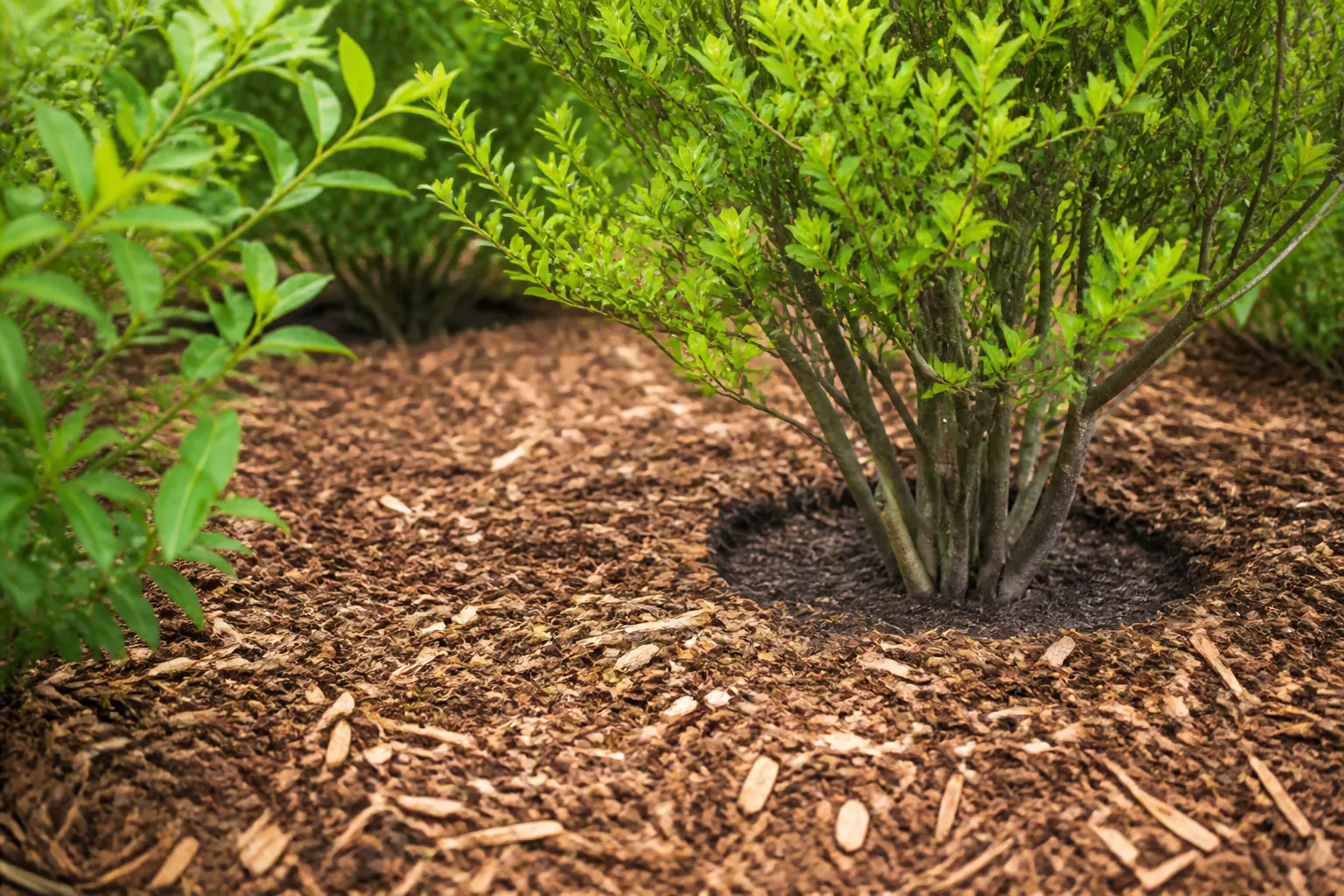
Know where a weed barrier helps and where it creates future work
If you use fabric, remove existing weeds first, level the soil, make clean planting cuts, overlap seams, anchor the edges, and cover the fabric with a suitable mulch. Then monitor it. A barrier hidden beneath several inches of decomposed mulch is not a set-and-forget solution; it is a layer you may eventually need to uncover, cut, repair, or remove.
For annual weeds in a garden bed, thick organic mulch, close planting, shallow hoeing, and pulling weeds before they set seed may be simpler and better for soil. No method makes a garden weed-free forever. The useful goal is to prevent weeds from becoming large, rooted, and capable of replenishing the seedbank.
Myth 5: Dormancy is always the best time to prune shrubs
Dormancy is a good pruning window for many deciduous shrubs, but “always” is the problem. Pruning changes what a plant can do next: remove dead wood, reshape growth, reduce size, stimulate new shoots, or remove flower buds. The correct timing depends mainly on whether the shrub blooms on old wood or new wood, along with climate and the reason for the cut.
Spring-flowering shrubs such as forsythia and lilac form many of their flower buds on older growth. A hard winter cut can leave you with a healthy shrub and no spring display. They are usually pruned soon after flowering, while summer-flowering shrubs that bloom on new growth are often pruned in late winter or early spring before that new growth expands. Garden Design’s seasonal shrub guide lays out this old-wood/new-wood distinction, while Epic Gardening’s pruning guidance emphasizes that most plants prefer pruning after bloom or in late winter and early spring.
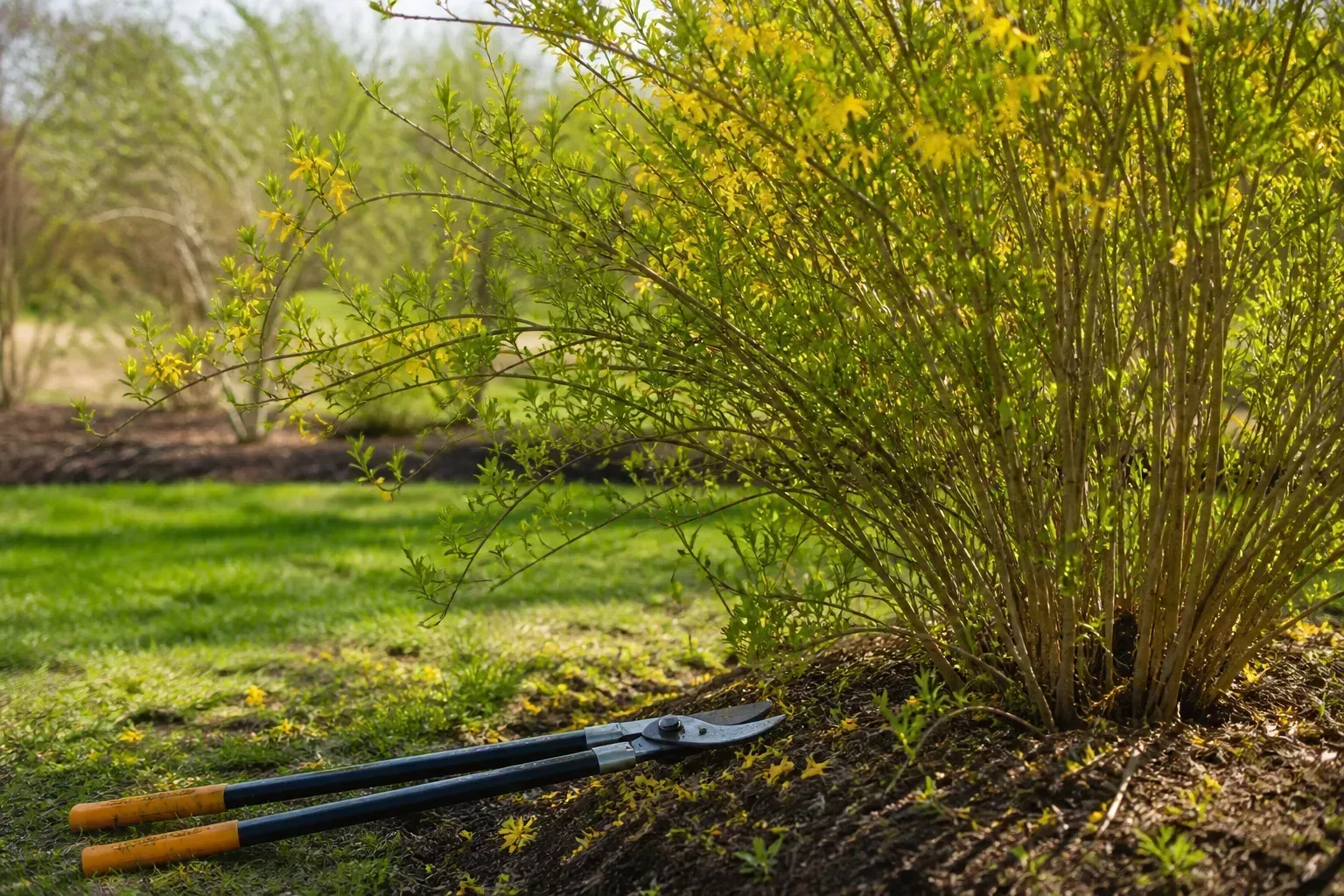
Prune by bloom timing, wood age, and weather risk
Begin with the plant name or a reliable identification. Remove dead, broken, or diseased wood when appropriate, but avoid major shaping just before a hard freeze if the cut is likely to trigger tender growth. In cold climates, a late-season haircut can expose new shoots to winter damage. In warm climates, the same calendar date may fall in a different growth stage, so local season matters more than a generic month.
For a healthy established shrub, a conservative rule is to avoid removing more than about one-third of the total growth at one time unless a trained professional or species-specific guidance says otherwise. Make clean cuts with sharp, sanitized tools, and do not top a shrub simply because it has outgrown the wrong location. If the plant needs repeated severe pruning, replacement with a better-sized species may be kinder than an annual battle.
Myth 6: A struggling plant needs more fertilizer
Fertilizer can help when a plant has a confirmed nutrient shortage and the roots can use the nutrient. It is not medicine for poor light, waterlogged soil, root damage, pests, disease, transplant shock, compacted soil, or an incorrect soil pH. Adding nutrients before identifying the cause can increase salt stress and make damaged roots less able to recover.
A yellow leaf is not a fertilizer diagnosis. Yellowing can reflect normal aging, poor drainage, a pathogen, root injury, nutrient imbalance, or a plant that naturally has pale foliage. The NC State diagnostic chapter recommends reviewing cultural practices, including how much fertilizer and water were applied, while UGA Extension’s plant-diagnosis guidance stresses ruling out weather, insects, chemicals, and nutrient issues before concluding that disease is responsible.
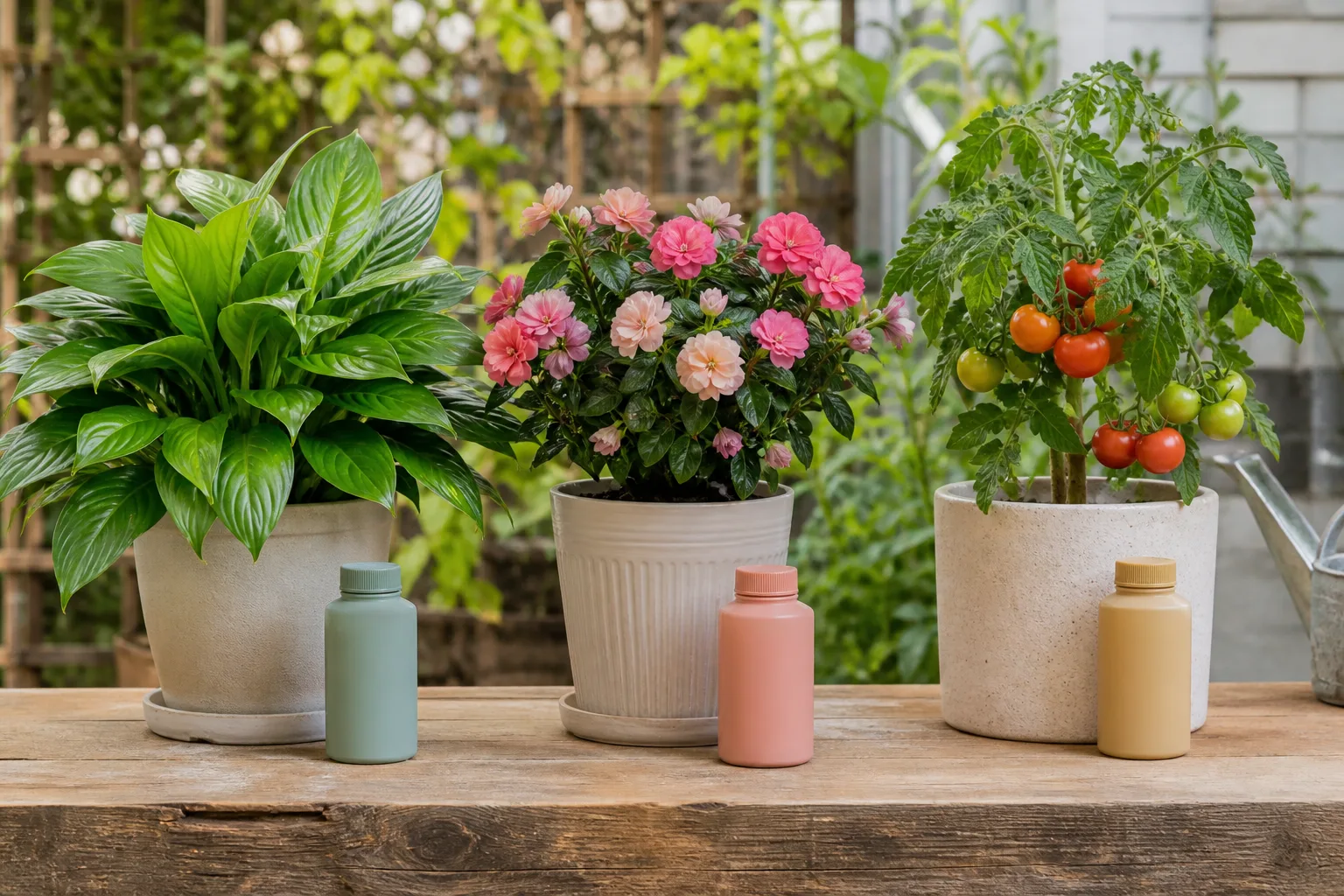
Diagnose the root cause before adding nutrients
Check the plant’s light, soil moisture, drainage, recent weather, root-zone temperature, and pest evidence. Compare new growth with old growth and look for patterns: a uniform issue across one bed often points to an environmental or cultural cause, while a random spreading pattern may suggest a pest or pathogen. If the suspicion is nutritional, use a soil test where practical instead of buying a stronger product by instinct.
When feeding is justified, follow the label, use the correct product for the plant and soil, and avoid applying fertilizer to severely dry or heat-stressed roots. Do not assume that a higher number or more frequent application will produce faster recovery. A plant that cannot take up water or has lost healthy roots cannot turn extra fertilizer into healthy leaves; the excess may remain in the root zone and burn what is left.
Myth 7: Wilting leaves always mean a plant needs water
Wilting means leaves and stems have lost firmness, but it does not identify why. Plants can wilt from dry soil, heat, wind, root damage, disease, salt injury, or a mismatch between leaf water loss and root uptake. N.C. Cooperative Extension describes a common hot-weather pattern: a plant may droop during the hottest part of the day, then recover by evening or morning even when soil moisture is adequate (NC State’s explanation of heat wilt and water needs).
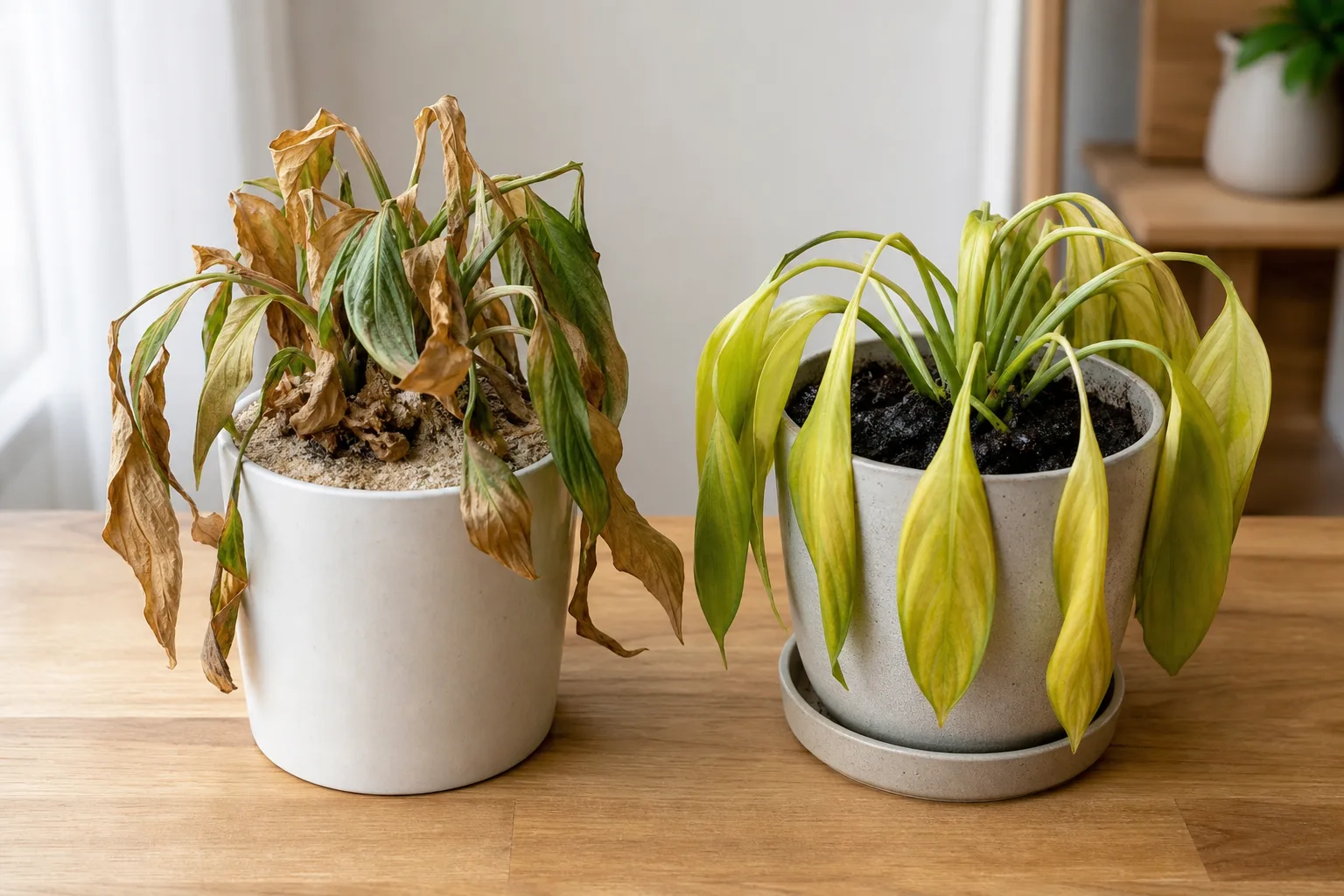
Use time of day, soil depth, and recovery to read the signal
Before watering, check soil several inches below the surface near the root zone rather than judging from the top crust. Note when the wilt appears and whether the plant recovers after temperatures fall. Midday-only wilt with moist soil often calls for shade, mulch, wind protection, or observation—not an automatic extra drink.
Persistent wilt that continues into the evening and the next morning, combined with genuinely dry soil, is more consistent with water stress. Water slowly enough to wet the root zone deeply, then allow excess to drain. If the soil is wet and the plant remains limp, stop adding water and inspect drainage and roots; overwatering can reduce oxygen around roots and create conditions for rot. A recently transplanted plant also deserves a closer look because damaged roots can produce wilt even when the surrounding soil is wet.
A simple anti-myth routine for every garden problem
When a plant disappoints you, use the same short sequence before changing three things at once:
- Identify the plant and the goal. A tomato, shrub, lettuce pot, and newly planted tree do not share the same thresholds.
- Observe the pattern. Check which leaves, branches, or plants are affected; whether symptoms are uniform or random; and whether the problem is spreading.
- Check the root zone. Feel moisture below the surface, look for standing water or compaction, and consider whether roots have room to grow.
- Review recent inputs. Record watering, fertilizer, pruning, sprays, transplanting, weather, and changes in light.
- Change one variable first. If you add water, fertilizer, compost, fabric, or a hard prune all at once, you lose the evidence that would tell you what helped.
- Escalate when the pattern is unclear. A local extension office can often help when you provide the plant name, clear photos, the timing of symptoms, and the transition between healthy and affected tissue.
Record what changed before you add another input
A simple garden note can outperform a shelf of remedies. Write down the date, weather, soil condition, what you applied, and what happened over the next several days. This is especially useful for container plants, compost bins, newly pruned shrubs, and beds where a problem returns after rain.
The aim is not to eliminate every tradition from gardening. It is to keep the useful observation while dropping the absolute language. “Check before you act” is slower than a viral shortcut for five minutes, but it is much faster than repairing fertilizer burn, replacing a rotted shrub, excavating buried weed roots, or rescuing a garden that has been watered into decline.
Conclusion: replace absolute rules with observations
The best gardeners are not the people who memorize the most rules; they are the people who notice when a rule does not fit the plant in front of them. Containers can make vegetables possible in tiny spaces. Raised beds can bypass difficult ground. Compost can be managed without pretending rodents are impossible. Landscape fabric can reduce some weeds without promising freedom from maintenance.
Pruning belongs to the shrub’s bloom cycle, fertilizer belongs after diagnosis, and water belongs in the root zone only when the evidence calls for it. In 2025 and beyond, the most useful gardening myth to retire is the idea that one answer works everywhere. Observe first, make the smallest sensible change, and let the plant’s response guide the next step.