10 Best Companion Plants for Azaleas (and 2 to Avoid)
Choose the best companion plants for azaleas by matching soil, light, moisture, bloom time, mature size, and root-zone needs—and avoid two poor fits.
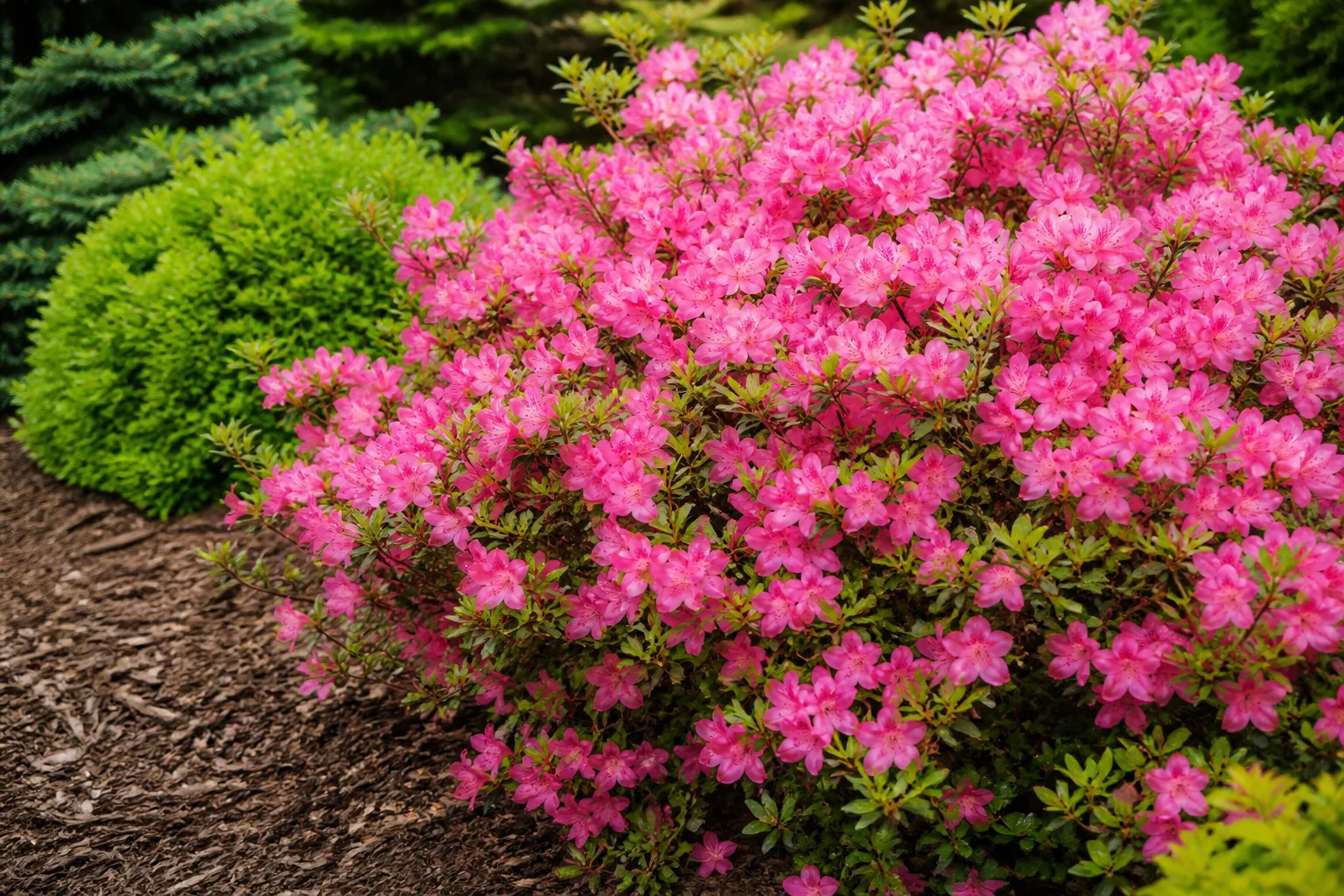
Azaleas already provide one of spring’s biggest color moments, but the right neighbors can make the planting look intentional before the shrubs bloom and keep it interesting after the flowers fade. The best companion plants for azaleas are not simply plants with pretty contrasting flowers. They share the same basic site: acidic, organic soil; reliable moisture without standing water; and filtered light or morning sun with protection from the hottest afternoon rays.
That distinction matters. A plant can look beautiful beside an azalea in a nursery photograph and still be a poor neighbor once both roots are competing in the same narrow bed. Use this list as a design and decision guide: each recommendation includes what it contributes, where it fits, and the limitation to check before planting.
Start with the azalea’s site, not the flower color
Most garden azaleas are woody members of the heath family, Ericaceae. Their fine, relatively shallow roots do best in a well-drained soil that is rich in organic matter and acidic—roughly pH 4.5 to 6.0 for many cultivated azaleas. University of Georgia Extension notes that azaleas are especially vulnerable to both drought and poorly drained soil, so “moist” should never be confused with waterlogged.
Light is equally important. Many azaleas flower best in morning sun or bright dappled shade, particularly in hot climates. Dense all-day shade can reduce bloom, while reflected afternoon heat can scorch leaves and flower buds. A companion needs to tolerate the same light rather than forcing you to solve two incompatible sites with one irrigation schedule.
The four compatibility tests
Before buying a companion, compare four things:
- Soil: Does it tolerate acidic soil, or will one plant need lime while the other needs sulfur?
- Water: Does it prefer even moisture and drainage, or does it want a fast-drying, droughty bed?
- Light: Will both plants perform in the available morning, filtered, or afternoon light?
- Space: Can the mature roots and canopy coexist without burying, shading, or crowding the azalea?
You do not need a perfect match on every minor preference. You do need to avoid a major conflict, such as putting a dry-soil shrub in the azalea’s constantly irrigated root zone. A plant that works in the same yard may still need a separate bed, raised mound, container, or independent drip line.
Plan three planting layers around an azalea
Layering makes a mixed border easier to maintain. Use a shrub or small tree as the background, an azalea as the flowering middle layer, and perennials or ferns in front. Keep a small open ring around each azalea’s base rather than filling every inch with ground cover. That space lets you inspect the trunk, water deeply, and keep mulch from touching the stems.
For a shrub companion, calculate spacing from mature width, not the size of the nursery pot. Add half the mature width of the azalea to half the mature width of its neighbor, then add working room for pruning and airflow. A compact azalea may need only 2 to 3 feet from a small perennial shrub; a large evergreen azalea beside a mature rhododendron may need considerably more. Tags vary by cultivar, so use the largest listed dimensions when uncertain.
10 companion plants that share the conditions
1. Oakleaf hydrangea
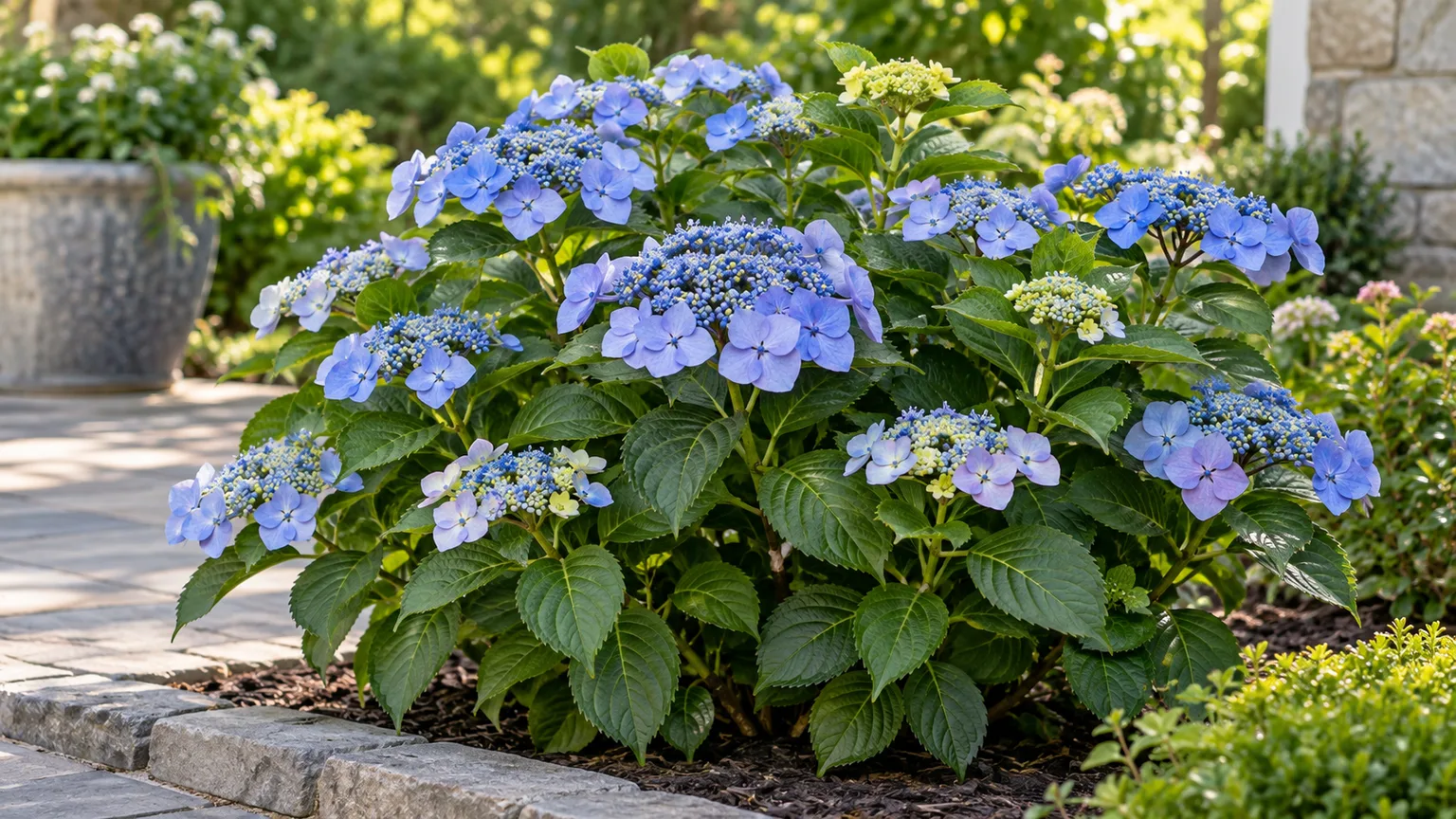
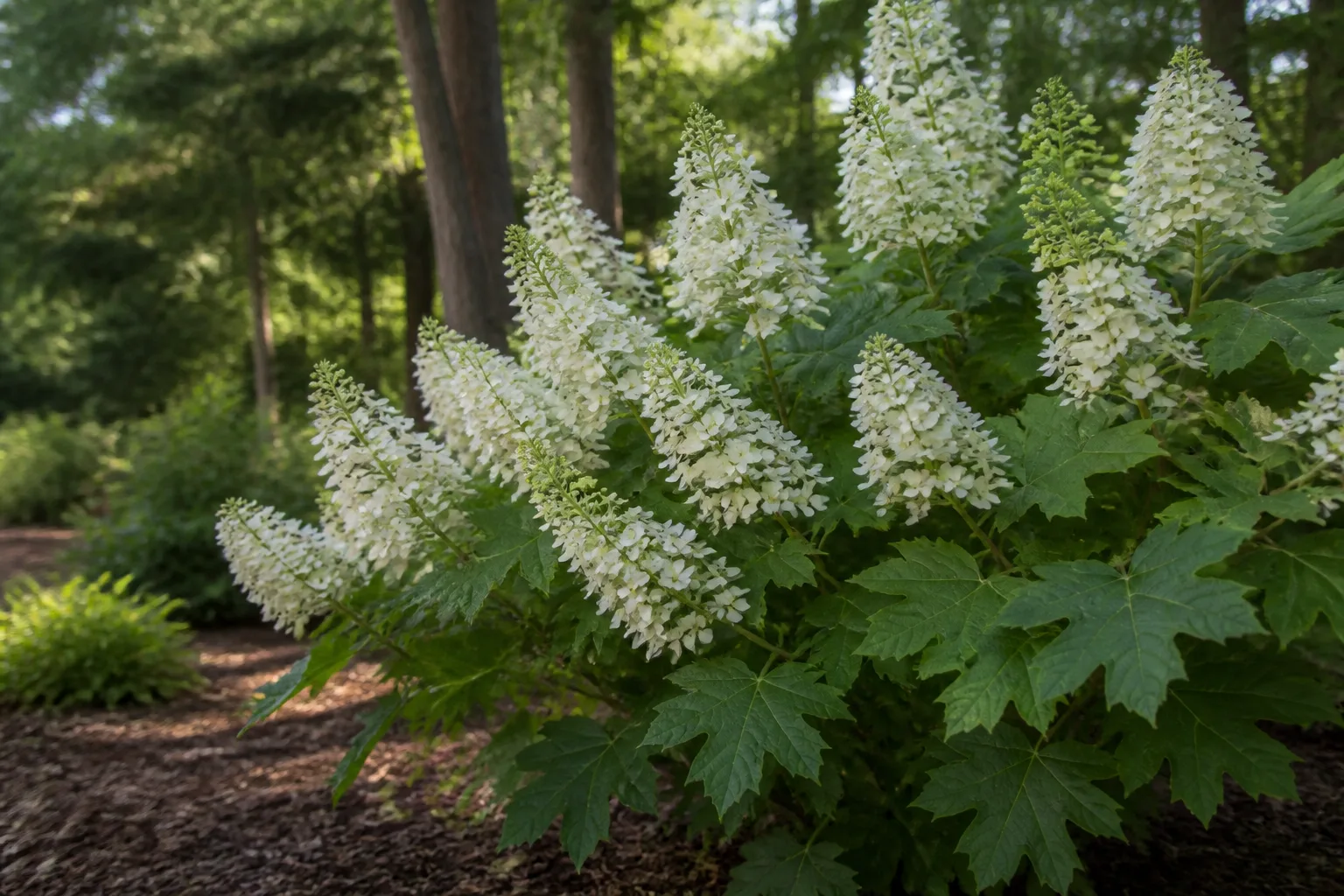
Oakleaf hydrangea (Hydrangea quercifolia) gives an azalea bed a second season of structure. Its white flower panicles follow the spring display, the blooms often age toward pink or tan, and its oak-shaped leaves turn rich colors in fall. The exfoliating bark adds winter interest after the azalea has gone quiet.
It is a particularly useful background shrub for a partly shaded border with moist, well-drained soil. The pairing is not identical in every respect: hydrangeas can tolerate a somewhat broader pH range, and a full-size oakleaf hydrangea may become much wider than the azalea. Choose a compact cultivar for a small bed, and do not plant it so close that its summer canopy rests on the azalea.
2. Highbush blueberry
Highbush blueberry (Vaccinium spp.) is one of the most logical edible companions because it shares the azalea’s plant family and preference for acidic soil. North Carolina State Extension’s blueberry guidance describes the crop’s need for acidic, well-drained soil and adequate light. It contributes spring flowers, summer fruit, and often vivid red fall foliage. The combination works best in full morning sun or a bright edge where both plants receive enough light to fruit and flower well.
Blueberries are not maintenance-free. They need dependable moisture, good drainage, and usually more than one compatible cultivar for reliable pollination. Protect the fruit from birds, and do not place a blueberry in deep shade simply because the azalea tolerates it. Keep fertilizer appropriate for acid-loving plants, and leave enough room to harvest without stepping on the azalea’s root area.
3. Virginia bluebells
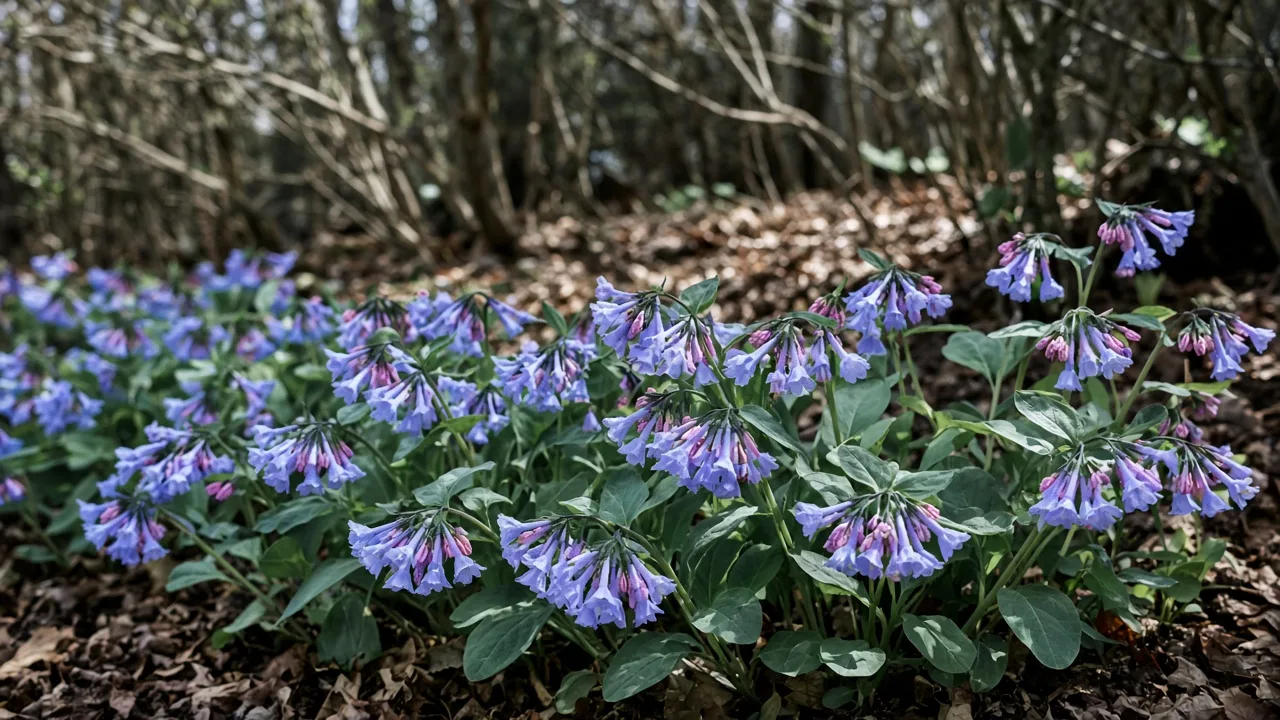
Virginia bluebells (Mertensia virginica) are a strong choice for a woodland-style planting. Their pink buds open to nodding blue flowers in spring, creating a cool color contrast with pink, coral, or red azaleas. They also go dormant after flowering, which means they do not compete heavily with the shrub through the hottest part of summer.
Plant them in moist, humus-rich soil at the front or side of the azalea. The important limitation is seasonal appearance: bluebells can look untidy as foliage fades. Let neighboring ferns or later perennials hide that transition rather than cutting the leaves early, since the plant is storing energy for next year.
4. Hosta
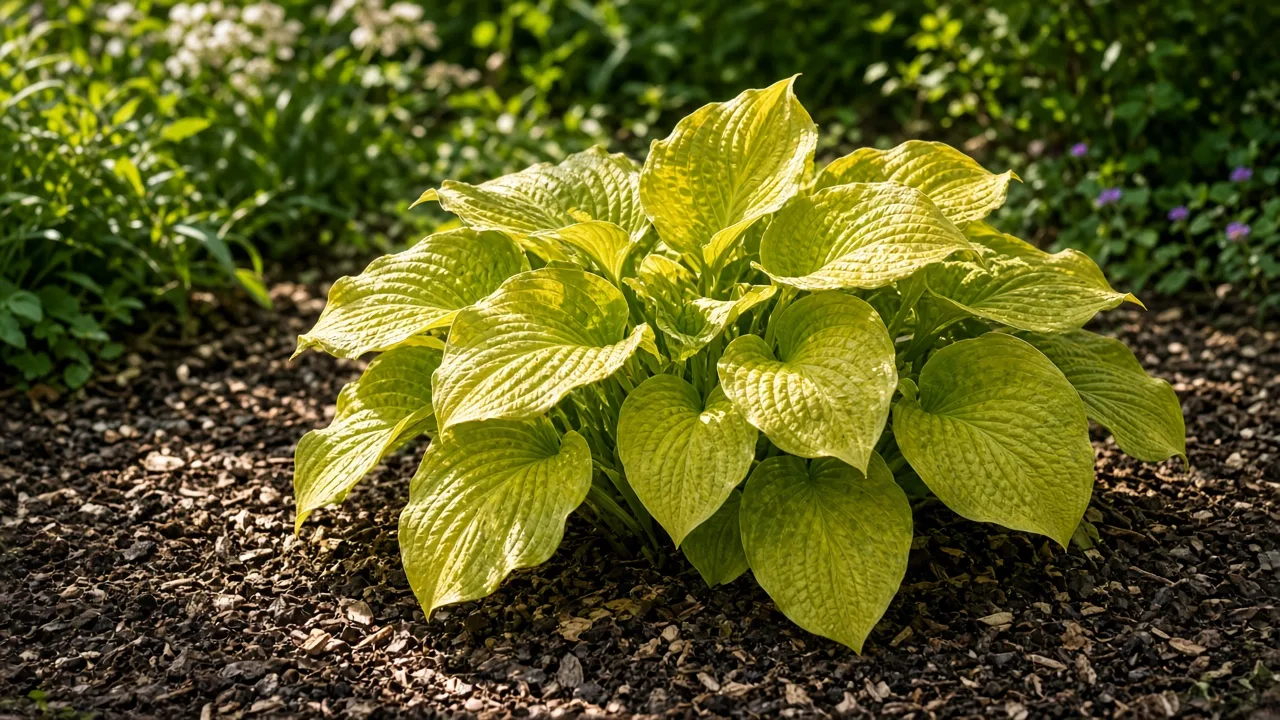
Hostas provide broad foliage beneath the airy branches of an azalea. Green, blue, gold, and variegated leaves let you adjust contrast without adding another loud flower color. They are useful as a low layer in partial shade and generally tolerate the organic, evenly moist conditions that suit azaleas.
The best hosta is site-dependent. Yellow and gold cultivars usually need more light to hold their color, while blue-leaved types can scorch in hot afternoon sun. Slugs may be a problem in damp beds, and deer can browse both hostas and azaleas. Plant hostas far enough away that their expanding crowns do not press against the azalea’s trunk.
5. Christmas fern
Christmas fern (Polystichum acrostichoides) gives the azalea border a dependable green texture when flowers are absent. This native fern is evergreen in much of its range and works well in dappled shade, especially in a woodland bed with leaf mold or composted organic matter.
Ferns are excellent visual companions, but they still need drainage. If water sits after rain, improve the bed before planting rather than assuming shade plants want saturated soil. Set fern crowns at the soil surface, mulch lightly, and keep a clear space around the azalea’s crown so both plants can be watered at the soil line.
6. Jacob’s ladder
Jacob’s ladder (Polemonium spp.) adds blue-violet flowers and finely divided foliage in spring. It is a useful bridge between the low layer and the azalea’s shrub canopy, particularly in a cooler or partly shaded garden. Its upright flower stems can make a loose azalea planting feel more layered without creating a heavy evergreen mass.
Provide well-drained soil with consistent moisture and protect it from the hottest, driest exposure. Cultivars vary in size and tolerance, so check the plant tag for mature height. Cut back spent flower stems if you want a tidier clump, but do not cultivate deeply around the azalea to do it; shallow roots are easily damaged.
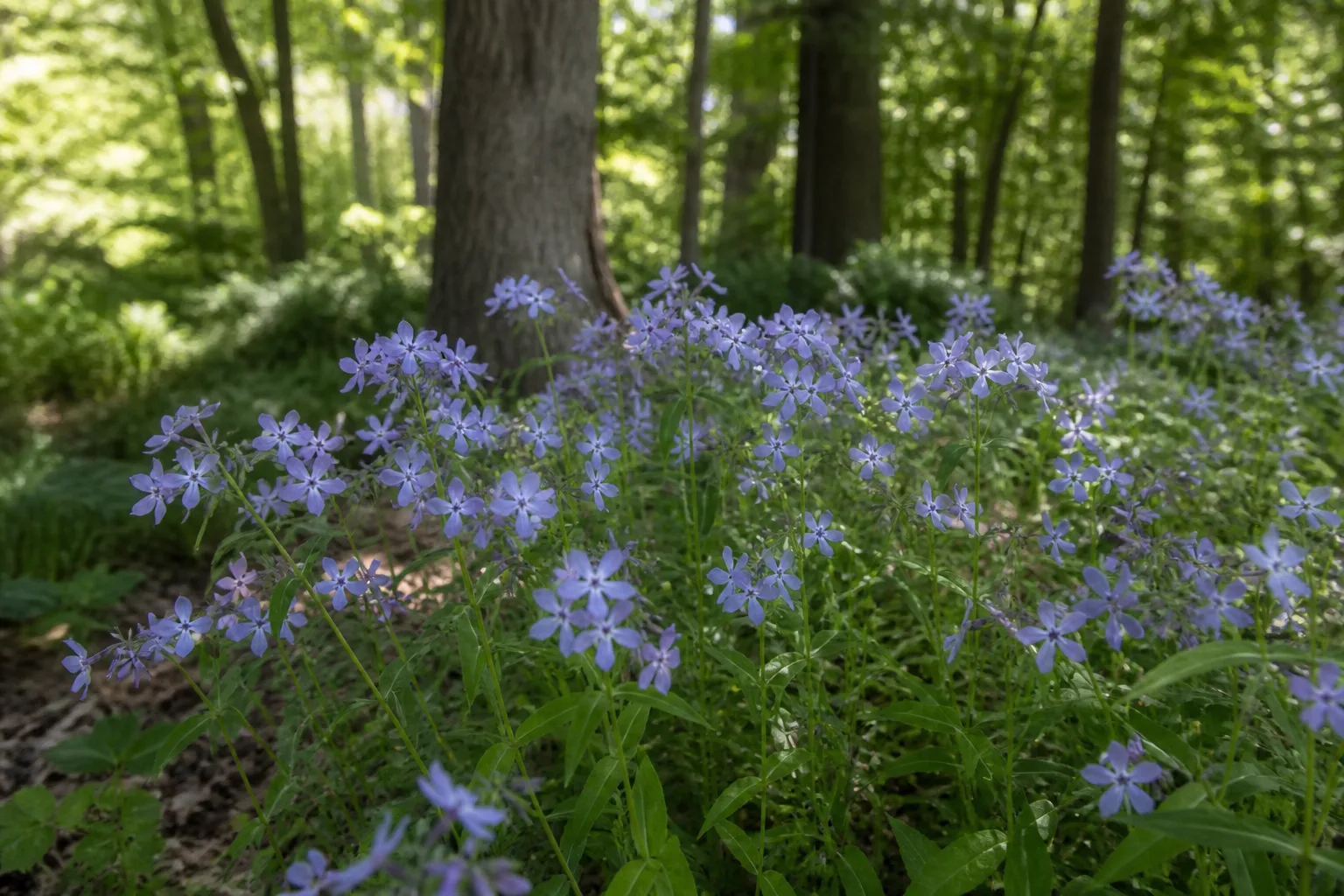
7. Woodland phlox
Woodland phlox (Phlox divaricata) can form a soft spring carpet around the outer edge of an azalea bed. Its blue, lavender, or nearly white flowers echo the shape of a woodland planting and arrive during the same broad season as azalea bloom. It is especially effective where the shrubs are spaced widely enough to let light reach the ground.
Use it as a matrix plant, not as a blanket pressed against every azalea stem. Good airflow and a little room to water are more important than maximum coverage. In a hot climate, afternoon shade helps; in a wet climate, avoid low pockets where the crown stays damp.
8. Wild geranium
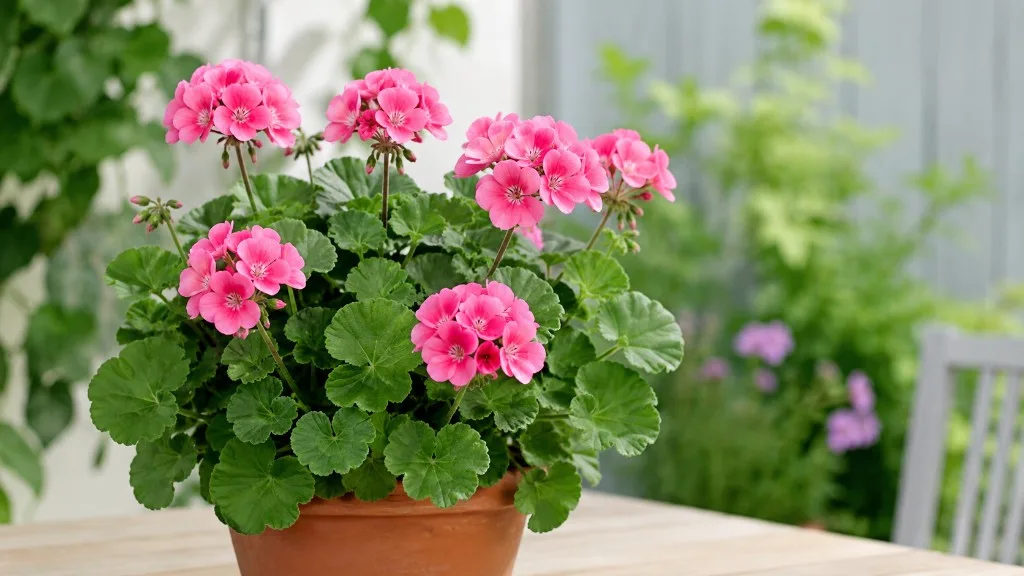
Wild or hardy geraniums (Geranium spp.) extend the border’s color after many azaleas have finished. Their flowers can continue into summer, and the mounded foliage fills gaps without requiring the acidic-soil precision of a blueberry. They are a good choice for gardeners who want a perennial layer rather than another shrub.
Choose a species suited to your region and light. “Geranium” can describe plants with very different habits, from low woodland forms to sun-loving border types. Give the clump room to spread, water during establishment, and shear lightly after the first flush if the foliage becomes floppy. Do not confuse these hardy geraniums with tender annual pelargoniums, which have different site needs.
9. Mountain laurel
Mountain laurel (Kalmia latifolia) is a natural partner for an azalea in an eastern woodland-style landscape. The Missouri Botanical Garden profile describes its evergreen habit and preference for acidic, well-drained soil and partial shade. Its architectural branching can give a bed height after the azalea’s bloom has passed.
This is a shrub, not a filler plant. Mature mountain laurel can become broad, and it should not be packed against an azalea or foundation. Check hardiness, mature size, and local availability, and choose a site with enough air movement. In a small garden, a compact cultivar or a single specimen may be more successful than a row.
10. Rhododendron
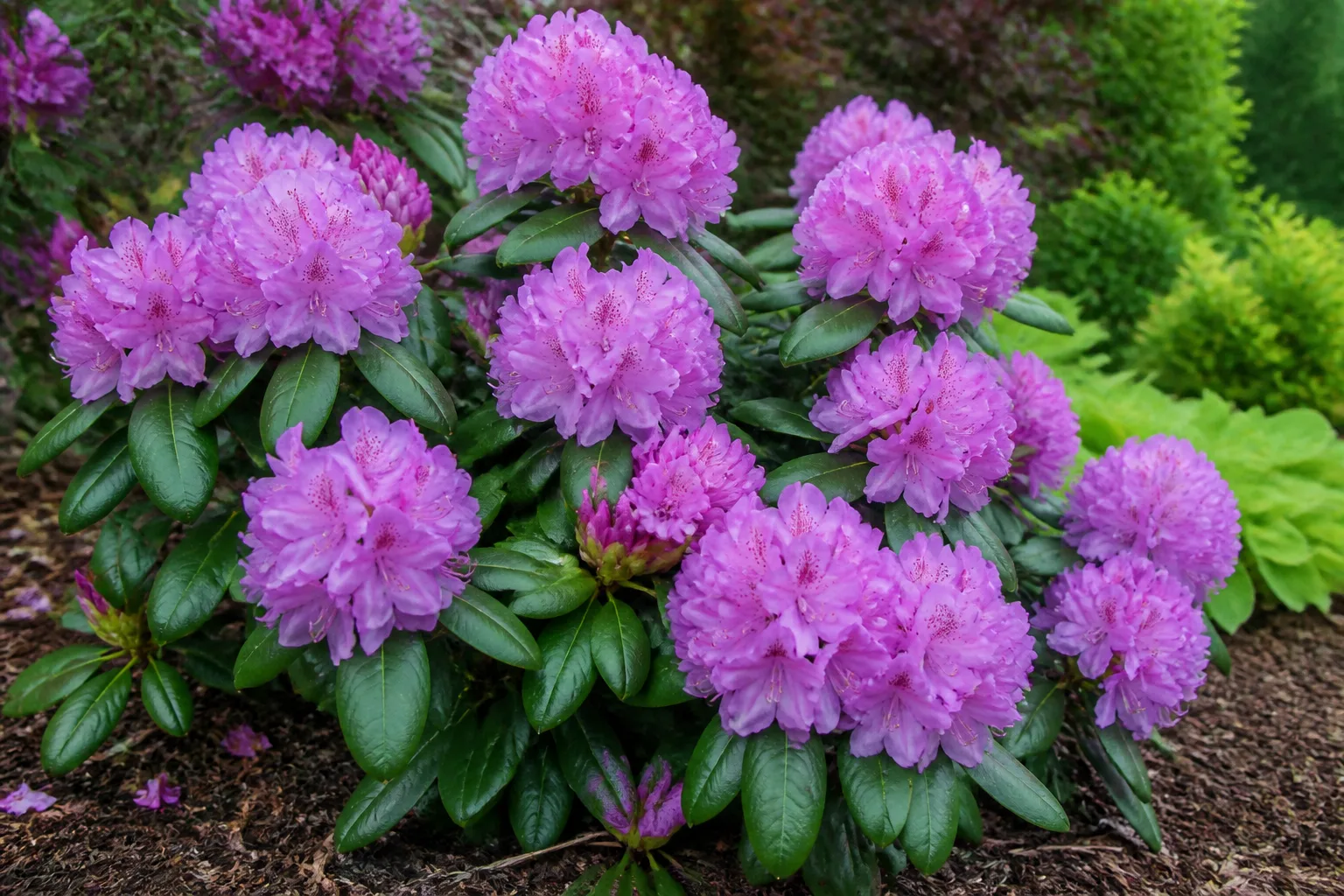
Rhododendrons and azaleas are close relatives and often share the same acidic, organic, partially shaded conditions. The American Rhododendron Society’s growing guidance emphasizes drainage, planting depth, and site selection. A rhododendron can supply evergreen mass, larger leaves, and a different flower scale, making it useful as a backdrop for smaller azaleas. Select plants by mature size and bloom timing rather than assuming every rhododendron belongs in the same spot.
The most common mistake is crowding. Many rhododendrons become large shrubs, and their dense foliage can reduce airflow and shade an azalea too deeply. Plant the rhododendron behind or beside the azalea with space between mature canopies. If the bed is hot and exposed, neither plant will be rescued by acidic soil alone; afternoon protection and irrigation during drought still matter.
Two plants to keep out of the azalea root zone
“Avoid” means avoid forcing two incompatible site conditions into one planting pocket. It does not mean a gardener cannot grow the plants elsewhere in the same property.
Lavender
Lavender wants full sun, sharply draining soil, and a root zone that dries between waterings. The Royal Horticultural Society’s lavender guide recommends a warm, open position and warns against heavy, wet soil. Azaleas generally need the opposite balance: filtered light and moisture that does not disappear from the shallow root zone.
The two can coexist in a large landscape if lavender is in a sunny gravel bed, raised mound, or container with separate irrigation. Do not make the whole azalea bed drier to accommodate lavender, and do not repeatedly acidify a lavender planting to keep it beside the shrub.
Goldenrod
Goldenrod is a valuable late-season native pollinator plant, but it is not automatically a good next-door companion for an azalea. Species and cultivars vary, and many are adapted to open sun, leaner soil, and a larger spreading clump than a small woodland bed can accommodate. A sunny meadow or perennial border is often a better setting.
Plant goldenrod in a separate light and water zone if it needs conditions different from the azalea. This keeps the goldenrod vigorous without asking the azalea to tolerate more sun, less moisture, or repeated root disturbance. Check the species and regional behavior; “goldenrod” covers more than one landscape plant.
Spacing, mulch, and watering rules that prevent competition
Keep mulch 2 to 3 inches deep and pull it back from stems and trunks. Organic mulch helps buffer soil moisture and temperature, but a mulch volcano holds dampness against bark and hides planting-depth problems. Water newly planted companions slowly and deeply enough to moisten their root balls and surrounding soil, then check moisture several inches down before watering again.
Drip irrigation is useful when shrubs share conditions, but emitters should be adjusted for plant size and moved outward as roots establish. Do not put every emitter at the trunk. In a mixed bed, the best test is simple: dig a small inspection hole between waterings. If the soil is dusty and pulling away from the root ball, increase the interval or duration; if it is slick and sour-smelling, improve drainage before adding more water.
Avoid routine fertilizer unless a soil test or visible deficiency supports it. Azaleas and their companions can suffer when gardeners feed the entire bed for one hungry plant. Test the soil before changing pH, and never add lime or sulfur by guesswork. A local extension service can interpret the result and account for the azalea cultivar, native soil, and irrigation water.
A simple planting plan for color from spring through fall
For a small woodland border, place one azalea as the anchor, a fern or hosta in front, and a patch of woodland phlox or Virginia bluebells toward the edge. Add wild geranium where you want summer color. This plan uses mostly low layers and avoids turning a small bed into a crowded shrub collection.
For a larger border, use an oakleaf hydrangea or mountain laurel as the background, group azaleas in uneven numbers, and repeat hostas or ferns between the shrubs. Add blueberry only where light is sufficient for fruiting and where you can harvest without trampling the bed. A rhododendron can anchor one end, but measure its mature width first.
The strongest combinations usually repeat foliage and bloom timing rather than mixing every available color. Think in seasons: bluebells and phlox with spring azaleas, hydrangea and geranium after the peak, and evergreen fern, mountain laurel, or rhododendron for structure after frost.
Conclusion: choose companions by conditions
The best companion plants for azaleas share more than a color palette. They tolerate acidic soil, match the bed’s light and moisture, and leave enough room for the azalea’s shallow roots and mature canopy. Oakleaf hydrangea, blueberry, Virginia bluebells, hosta, Christmas fern, Jacob’s ladder, woodland phlox, wild geranium, mountain laurel, and rhododendron each contribute something different, from fruit and fall foliage to evergreen texture and spring contrast.
Before planting, test the soil, measure mature widths, and decide whether every plant truly belongs in the same root zone. Keep lavender and goldenrod in separate site conditions when their sun, drainage, or growth habits conflict. A little restraint at planting time produces the result gardeners actually want: an azalea bed that stays healthy, layered, and interesting long after the first flush of flowers is gone.