Best Companion Plants for Cilantro (and What to Avoid)
Choose cilantro companions by shared water needs, flowers, shade, and spacing. See practical pairings, poor matches, and a simple small-bed plan you can adapt.
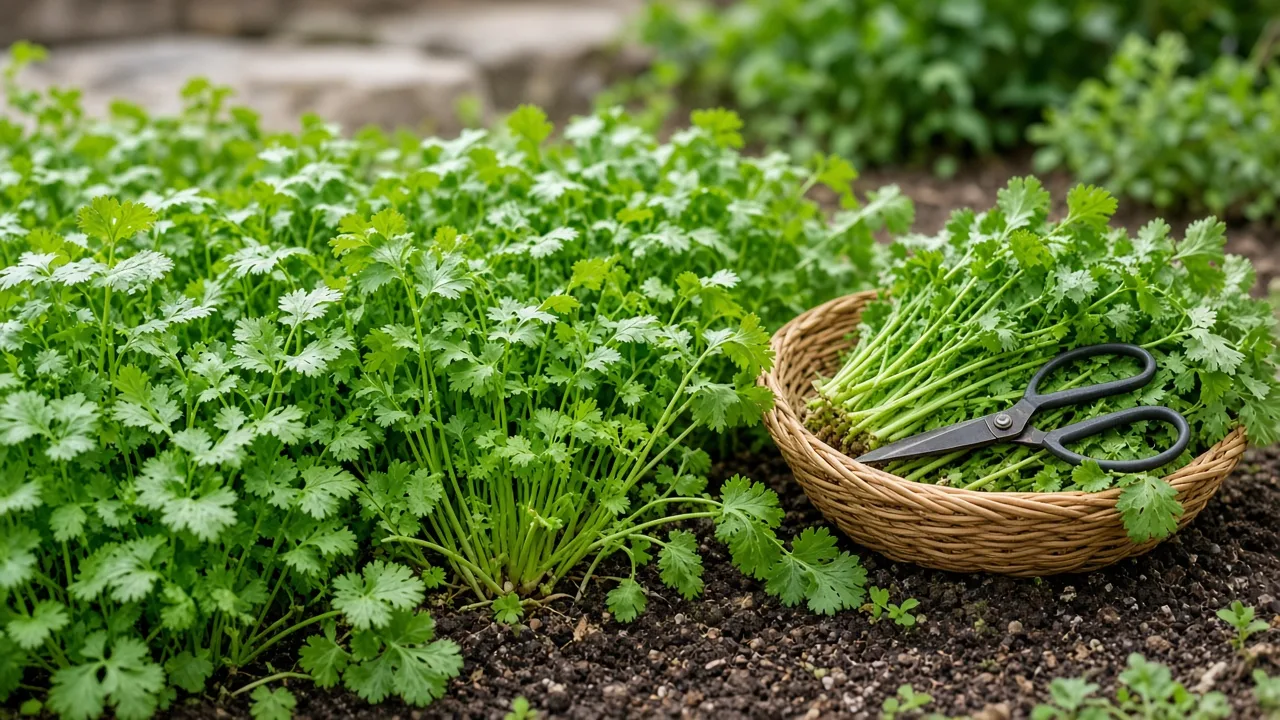
The best companion plants for cilantro are neighbors that share its cool-season schedule, accept regular moisture, or provide flowers without crowding the herb. Sweet alyssum, lettuce, spinach, chervil, and well-spaced beans or tomatoes can fit those jobs; fennel, dry-soil Mediterranean herbs, invasive mint, and sprawling squash need separation or careful management.
That is a more useful way to choose than asking which plant “repels” pests. A companion is not a force field, and no pairing guarantees a bigger harvest. Think of the bed as a small community: each plant should fit the same watering rhythm, leave light and air for cilantro, and earn the space it occupies.
The Short Answer: Pair Cilantro by Job
For a simple spring bed, start with lettuce or spinach because they share cilantro’s preference for cool weather and consistent moisture. Add sweet alyssum at the edge if you want small flowers for visiting beneficial insects, or use chervil if you want another cool-season culinary herb. A bush bean or tomato can also share a larger bed, but only if you leave enough room and do not count on it to feed or protect the cilantro.
The right choice depends on your goal. If you want leaves, prioritize easy access, light, and repeat sowing. If you are willing to let some plants flower, cilantro’s umbrella-shaped blooms can be part of an insectary planting; the USDA Agricultural Research Service has studied coriander varieties specifically for that role, but results from a farm setting do not guarantee pest control in a small backyard bed (USDA ARS research on coriander as an insectary plant).
| Companion | Best reason to use it | Main caution |
|---|---|---|
| Sweet alyssum | Low flowers can supply nectar and pollen to beneficial insects | It does not guarantee aphid control; keep it from crowding seedlings |
| Lettuce or spinach | Similar cool-season timing and moisture needs | Dense foliage can reduce airflow |
| Chervil | Similar cool, moist conditions and culinary use | It can bolt too; sow in succession |
| Bush beans or peas | Compatible seasonal crops with a different growth form | Do not assume neighboring cilantro receives much nitrogen during the same season |
| Tomatoes or peppers | Can share a garden bed; taller plants may provide some afternoon shade | Keep cilantro where it still receives adequate light and airflow |
| Cosmos or zinnias | Flowers bring activity and can provide light, adjustable shade | Place tall stems so they do not block the herb |
Why Cilantro Needs a Different Companion Strategy
Cilantro and coriander are two common names for the same annual, Coriandrum sativum. Gardeners in the United States usually say “cilantro” for the fresh leaves and “coriander” for the dried seeds, though naming differs by region. The distinction matters in a companion bed because a plant grown for leaves is managed differently from one allowed to flower and set seed.
Cilantro is a quick, cool-season crop. Johnny’s Selected Seeds recommends direct sowing and repeat sowings every two to three weeks for a continuing leaf harvest, and notes that bolting becomes likely in midsummer heat (Johnny’s cilantro growing information). GardenersPath likewise advises succession sowing and explains that cilantro’s long taproot makes rough transplanting a setback (GardenersPath’s cilantro growing guide).
This short life cycle changes what “good companion” means. Lettuce may share the same cool spell, while a flower border may be most useful later, after cilantro starts stretching upward. Do not let one companion plan force every cilantro plant into the same fate: harvest one row for leaves, then leave a later sowing to flower if you want to observe which insects visit.
Cilantro as a Leaf Crop and an Insectary Flower
When cilantro is young and leafy, your priority is a tender harvest. Give plants steady moisture, loose soil, and enough sun for sturdy growth; in hot climates, a little afternoon relief can help, but deep shade and constant dampness are not improvements. A taller neighbor is useful only if it creates brief, light shade rather than a cool, crowded canopy.
Once cilantro flowers, the flavor and texture of the leaves change, but the plant still has value. Its small flowers are accessible to many beneficial insects, and field researchers have tested cilantro varieties for how they support beneficial insects in agricultural landscapes. The USDA study is particularly useful because it distinguishes slow-bolting cilantro varieties from quicker-flowering coriander types and found that planting them together extended the overall flowering window in south Florida; it did not establish that every nearby vegetable will be protected from a particular pest.
The practical takeaway is to separate harvest timing from flowering timing. Sow small patches every couple of weeks while weather allows. Harvest young plants, then allow one or two later plants to flower when leaves are no longer your main goal.
How Strong Is the Evidence for Companion Planting?
Some companion effects have a credible mechanism; others are repeated as garden folklore. Flowering plants can offer nectar or pollen to predators and parasitoids, and plant diversity can change how insects move through a crop. But a flower attracting a beneficial insect does not prove that it will prevent aphids on the plant beside it, and an aromatic leaf does not automatically repel every pest.
A peer-reviewed field study examined sweet alyssum, coriander, and white mustard as insectary plants intercropped with broad beans. It discusses how such plants may support beneficial insect groups, but its experiment centered on the broad bean system and measured plant and soil responses; it is not a direct test of cilantro protecting tomatoes or peppers in a home garden (Gospodarek and colleagues’ field study). That distinction is why it is reasonable to plant flowers for habitat while avoiding claims that they provide dependable pest control.
Nor should you assume a bean or pea “feeds” the cilantro planted beside it. Legumes can fix atmospheric nitrogen through a relationship with soil bacteria, but the timing and amount available to a neighboring crop depend on growth, root contact, soil, and what remains after harvest. In a small garden, treat beans as compatible crops, not as a substitute for healthy soil or a measured fertilizer plan.
A useful test is to ask what the companion can reliably do even if the claimed pest effect does not happen. Lettuce gives you another harvest. Sweet alyssum provides flowers and ground cover. A tomato provides fruit. A bean provides pods. If the pairing also attracts useful insects or moderates heat, consider that a possible additional benefit—not the only reason to grow it.
Best Companion Plants for Cilantro
There is no need to plant every suggested companion. Choose two or three that solve a real problem in your space, then observe whether they compete, shade, or complicate watering. The combinations below are practical starting points, not universal recipes.
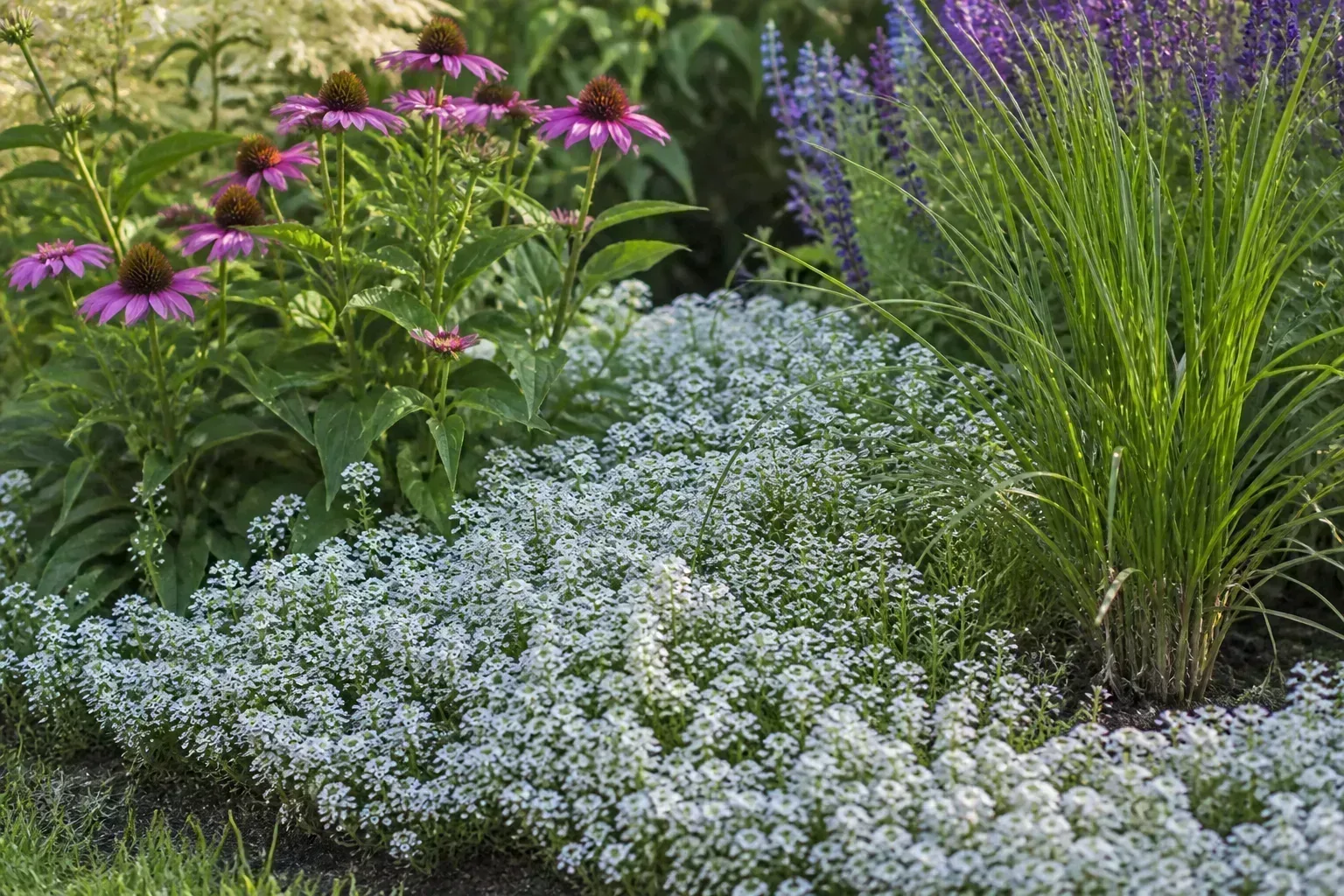
Sweet Alyssum: Low Flowers for Beneficial Insects
Sweet alyssum is one of the easiest flower companions to fit around herbs because it stays low and can bloom for a long period in mild weather. Its tiny flowers provide accessible nectar and pollen for small insects, including some beneficial groups that feed on or parasitize garden pests. A 2024 study that included coriander and alyssum in insectary mixes adds evidence that these plants are studied as resources in mixed cropping, while also showing that the mixture and crop context matter.
Sow or plant alyssum at the outer edge of the bed, not in a tight ring around every cilantro stem. That keeps the cilantro row open for harvesting and makes it easier to inspect leaves. If the alyssum becomes dense, thins poorly, or starts taking up the space you need for airflow, cut it back or remove a portion; habitat is useful only when it does not smother the crop.
Do not describe alyssum as an aphid cure. If aphids appear, inspect the undersides of cilantro leaves and look for predators before acting. A flower border can support a more diverse garden, but it does not replace regular scouting or a direct response to a severe infestation.
Lettuce and Spinach: Shared Cool-Season Culture
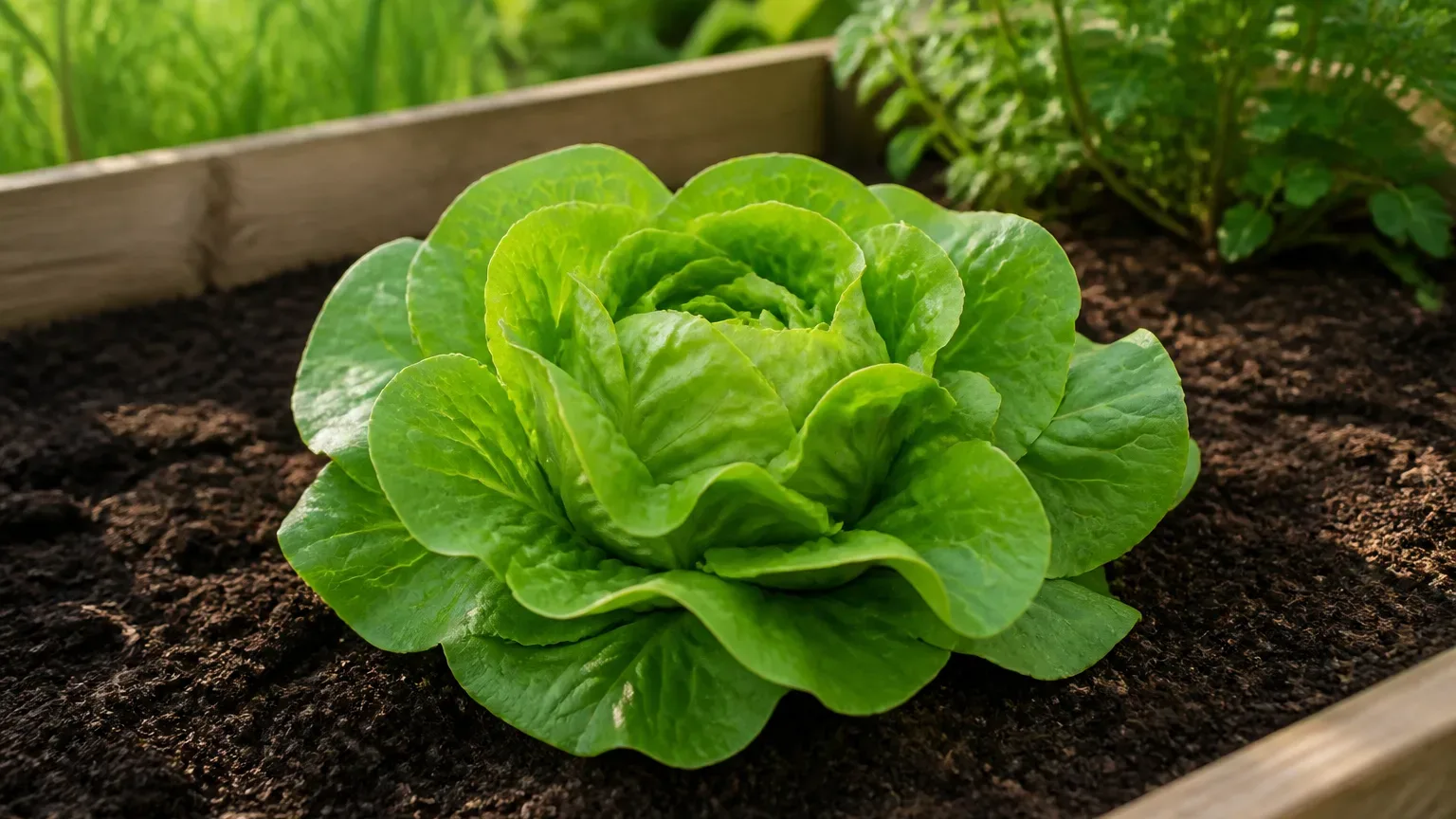
Lettuce and spinach are sensible neighbors when the weather is cool because you can sow and water them on a similar schedule. They also give you a useful harvest if cilantro bolts earlier than expected. Place them in short rows or patches beside the cilantro rather than mixing every seed together; organized blocks make thinning and harvesting much easier.
Keep enough distance for leaves to dry and for you to see the soil. A tightly packed carpet of greens may trap humidity, hide slugs, and make it difficult to reach cilantro without crushing neighboring plants. In warm climates, use the cooler season for both crops and move to a new sowing window rather than trying to force them through sustained heat.
Chervil, Parsley, and Dill: Choose the Right Umbellifer
Chervil is a particularly practical herb neighbor because it prefers the cool, moist conditions that suit cilantro and its delicate foliage does not make a towering canopy. Sow it near the bed edge or in a short row so both herbs remain accessible. Like cilantro, chervil can flower or fade when conditions turn warm, so stagger planting rather than expecting either herb to stay leafy indefinitely.
Parsley and dill can also share a herb bed, but each has a different mature size and season. Parsley is slower to establish and often stays longer; dill can grow tall and cast shade. Allow room between them, and place dill where it will not lean across the cilantro row. These are compatible by garden culture, not proven pest-control pairings.
Cilantro, parsley, dill, and chervil are all members of the carrot family, Apiaceae. That family resemblance is not a reason to avoid them automatically, but it does mean you should not pack a bed with only closely related herbs year after year. Rotate plant families where practical and remove unhealthy debris to avoid building a convenient host patch for shared problems.
Bush Beans and Peas: Compatible Neighbors, Not Instant Fertilizer
Bush beans and peas can fit in a vegetable garden beside cilantro if they receive enough light and room. Their upright growth uses a different shape than cilantro’s low, feathery foliage, and peas are commonly grown in the same cool part of the season. A row of bush beans is usually easier to manage beside cilantro than vigorous pole beans, which need a trellis and can overrun nearby plants if the support is poorly placed.
Plant legumes at the bed edge or in a separate row, then keep the cilantro visible and reachable. Do not expect the nearby legume to immediately transfer a large supply of nitrogen to cilantro while both plants are actively growing. If your soil is poor or the herb is pale and stunted, correct the actual soil or watering issue rather than adding more legumes as a rescue treatment.
Tomatoes and Peppers: A Conditional Pairing
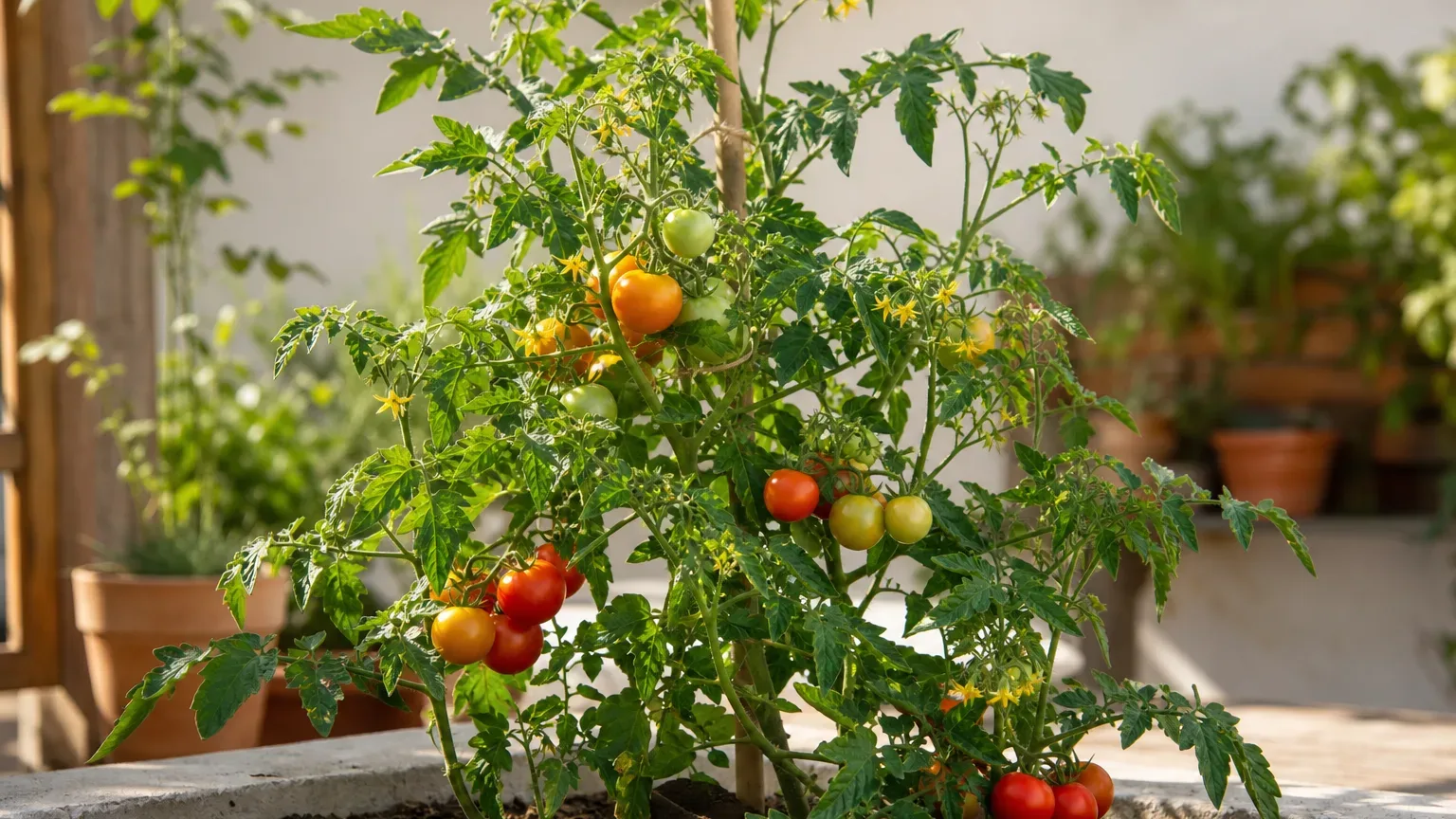
Cilantro can grow in the same larger bed as tomatoes or peppers if you manage spacing and seasonal timing. The tall crop may filter some afternoon sun, which can help in a hot location, but shade from a dense, unmanaged tomato canopy can also leave cilantro weak and make the bed harder to inspect. Set the cilantro on the side of the plant where it receives useful morning light and remains accessible for watering and harvest.
Tomatoes and peppers usually occupy a bed for much longer than a quick cilantro sowing. Treat cilantro as an early or shoulder-season understory only while it remains bright and ventilated; remove it or let it flower once it is outcompeted. Avoid planting the herb directly against a mature stem where roots, foliage, and watering needs are crowded into a small patch.
Cosmos, Zinnias, and Compact Sunflowers: Use Height Carefully
Cosmos and zinnias can bring pollinators into a vegetable garden, and a carefully positioned taller plant may provide light shade during hot afternoons. Their value is not that they magically stop pests; they add flowers, structure, and seasonal diversity. If you grow them for a cilantro bed, choose a compact or well-behaved variety and keep the main stems outside the herb row.
Sunflowers need more caution because even smaller varieties can cast a broad shadow as they mature. Put them on the north side of cilantro in a northern-hemisphere garden, or at a distance where their shadow does not cover the herb through the brightest part of the day. In the southern hemisphere, reverse the orientation; wherever you garden, watch the actual shadow rather than relying only on a diagram.
If you want cilantro foliage for as long as possible, sow it in a cooler spot and use shade cloth or a movable container before relying on a large companion plant. A companion that is difficult to prune or remove can become a liability once it shades the entire bed.
Epic Gardening also lists beans, peas, and flowering annuals among possible cilantro companions, including for shade or insectary value; treat those as functional ideas to test in your own layout, not a guarantee that nearby plants will repel pests or transfer nutrients (Epic Gardening’s cilantro companion guide).
Plants to Keep Separate or Manage
“Bad companion” lists often make incompatible plants sound chemically hostile to each other. In practice, the clearest reasons for separation are usually different watering needs, excessive size, dense shade, invasive roots, or uncertainty about an alleged inhibitory effect. Treat the following plants as management cautions rather than a universal blacklist.
Fennel: Allow Space and Keep Claims in Perspective
Fennel is a poor choice for a crowded cilantro row because it grows large, casts shade, and can dominate a small herb bed. Reports of fennel’s allelopathic effects are frequently repeated, but the strength of an effect depends on the species, conditions, and distance; do not assume a single fennel plant will poison every neighbor. In a home garden, the straightforward reason to separate it is that it is easier to manage when it has its own space.
If you want both, grow fennel in a large container or dedicate a separate bed to it. Keep it away from the seedling stage of cilantro, when a vigorous neighbor could quickly reduce light and access. Do not use fennel as a substitute for a thoughtful rotation plan or claim that it makes nearby plants universally fail.
Rosemary, Thyme, and Lavender: Separate Their Watering Zones
Rosemary, thyme, and lavender are adapted to sunnier, drier, sharply drained conditions once established. Cilantro, by contrast, needs even moisture to establish and make tender foliage, especially in a warm spell. Both groups may be healthy in the same general garden, but one shared irrigation schedule often forces a compromise: either cilantro dries out or the Mediterranean herbs sit wetter than they prefer.
Grow these herbs in a separate bed, a drier raised section, or containers that can be watered independently. If the garden is large enough, physical distance is less important than keeping root zones and irrigation distinct. The issue is water management, not a mysterious incompatibility between the plants.
Mint and Sprawling Squash: Control Competition
Mint is best kept in a pot because its spreading roots can run into a neighboring cilantro patch and make later removal difficult. A pot beside the bed gives you mint leaves and flowers without surrendering the open soil to rhizomes. Check that drainage holes are not touching moist soil where stems can root out.
Squash and other sprawling crops can also overwhelm cilantro by taking up the same ground, shading seedlings, and making access difficult. If you grow them in the same garden, place the squash at the edge and direct vines away from the herb row. A small cilantro planting is easier to tend when it is not hidden beneath large leaves.
A Practical Bed Layout and Succession Plan
For a 4-by-8-foot raised bed, reserve one narrow strip along an edge for cilantro and repeat-sow a short section every two or three weeks while conditions are cool. Put lettuce or spinach in a neighboring strip, and plant sweet alyssum along one outer corner or border. If the bed includes tomatoes or peppers, place those larger plants where they will not block the cilantro’s morning sun or make the herb hard to reach.
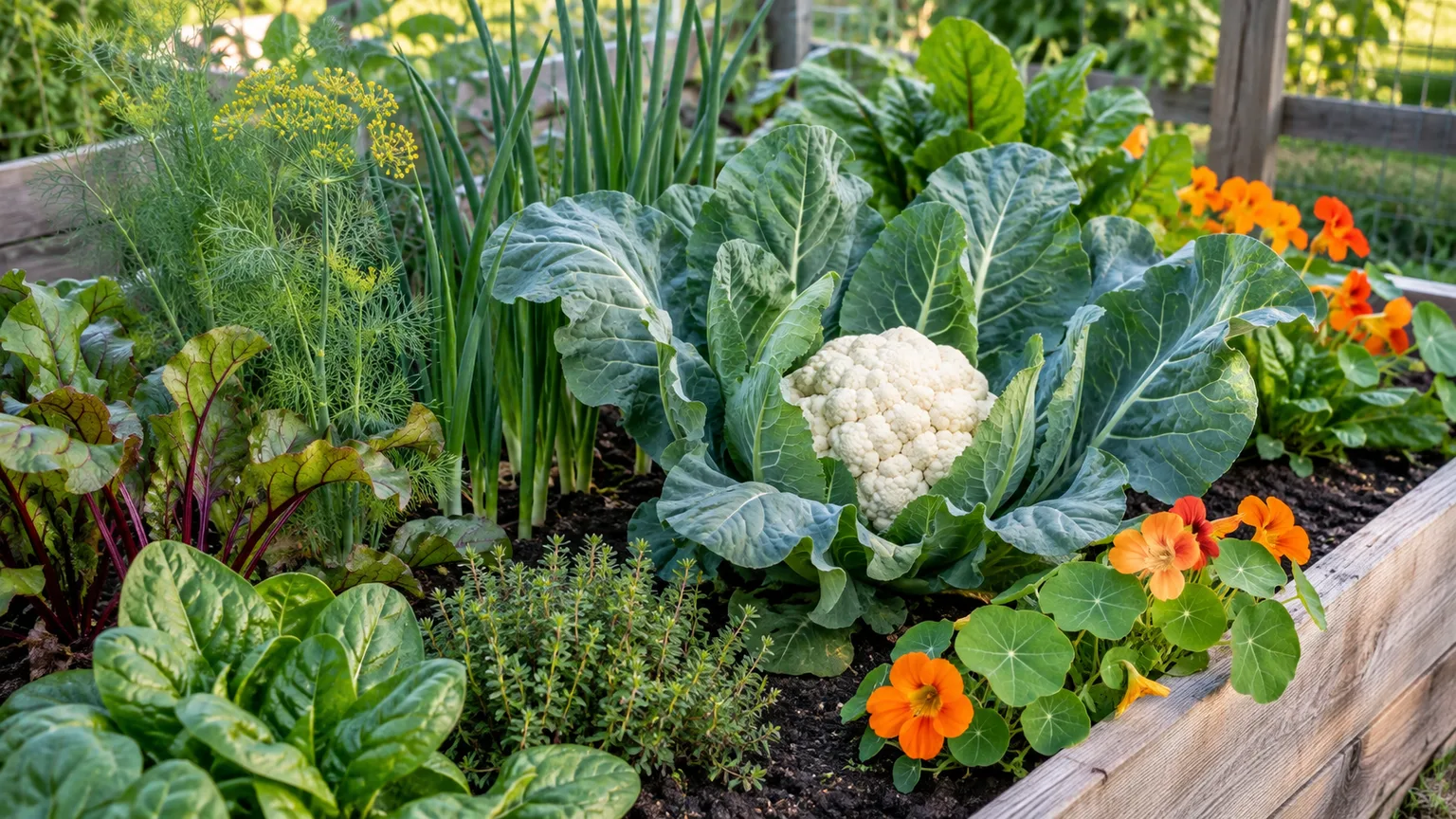
Keep a walking or access lane clear; companion planting does not mean every inch must be filled. Separate sowing bands by enough space to thin seedlings and pull weeds, then adjust the final distance to the mature size of the neighbors. If leaves stay wet or the center of the bed becomes difficult to inspect, thin the plantings before adding another species.
Use a two-track succession plan when both leaves and flowers matter. Sow one patch for harvest, then sow another patch a couple of weeks later; harvest the first while the second establishes, and allow a later plant or two to flower when the earlier row is finished. Johnny’s and GardenersPath both describe repeat sowing as a practical way to extend leaf harvest, while the USDA ARS study supports the narrower point that cilantro/coriander varieties can differ in flowering time (Johnny’s sowing guidance, USDA ARS coriander research).
If you are trying to diagnose a pest problem, record what you see before changing the whole bed. Note which plant is affected, whether the insects are clustered on new growth, and whether lady beetles, lacewing larvae, or other predators are present. Change one factor at a time—spacing, row cover, water, or flowering plants—so you can tell whether the change helped.
Companion Plants for Cilantro in Containers
In a container, the best companion is often another pot placed nearby, not another species forced into the same soil. Cilantro has limited root space in a pot; adding a large, thirsty companion can make the mix dry unevenly or crowd the herb before you notice. Keep cilantro in its own pot, then group it near a pot of lettuce, chervil, or sweet alyssum if the light and water needs align.
A wide trough can hold cilantro and a small amount of lettuce or alyssum, but plan for different mature sizes and harvest access. Leave room to thin seedlings, and avoid adding mint to the trough. A movable container also lets you give cilantro afternoon shade during a hot spell, then return it to brighter light when temperatures ease.
Container groups are not a reliable way to create root-level effects such as nitrogen transfer or allelopathy; those claims are even harder to apply when plants do not share a continuous soil bed. Choose neighbors for practical reasons—similar watering, a useful second harvest, or flowers that draw insects—and keep each plant easy to move or remove.
Mistakes That Cancel the Benefits
The most common mistake is packing a small bed with every “good” companion from a list. Crowded leaves shade the cilantro, reduce airflow, hold moisture against foliage, and make aphids or chewing damage harder to spot. Start with two or three partners, then add more only if the bed still has room at mature size.
Another mistake is treating scent as a pesticide. Cilantro’s fragrance, a row of chives, or nearby flowers may influence insect behavior in some settings, but none should be expected to keep every pest away. If a pest appears, identify it first and use a targeted response suited to the crop rather than assuming the companion planting failed or escalating automatically to a spray.
Do not let a companion dictate the wrong watering schedule. A cilantro bed should not be allowed to dry just because lavender is nearby, and a rosemary pot should not be kept constantly damp to satisfy the herb row. Group plants by care needs, not simply by the fact that they are all edible.
Finally, do not confuse flowering with failure. Bolting ends the best leafy stage, but it is a normal part of cilantro’s life cycle and can provide flowers or seeds. If you want leaves, remove or harvest that plant and use succession sowing; if you want seeds or insect activity, let one plant complete the cycle and keep another patch for the kitchen.
Conclusion
Choose cilantro companions by shared season, compatible moisture, manageable size, and a clear job. Lettuce, spinach, chervil, and sweet alyssum are straightforward options; beans, peas, tomatoes, peppers, and annual flowers can also work when you control spacing and shade. Keep dry-soil herbs in a separate watering zone, grow mint in a pot, and give fennel or sprawling crops enough distance to prevent competition.
Treat beneficial-insect support as a possible garden service, not a guaranteed pest treatment. A small, well-spaced bed with successive cilantro sowings will be more dependable than a crowded bed built around unproven promises—and it lets you decide whether each plant is there for leaves, flowers, or a second harvest.