Coreopsis lanceolata Care for Stronger, Longer Blooms
Grow Coreopsis lanceolata with the right sun, soil, water, and timing. Learn to start seed, control self-sowing, divide clumps, and keep blooms coming.
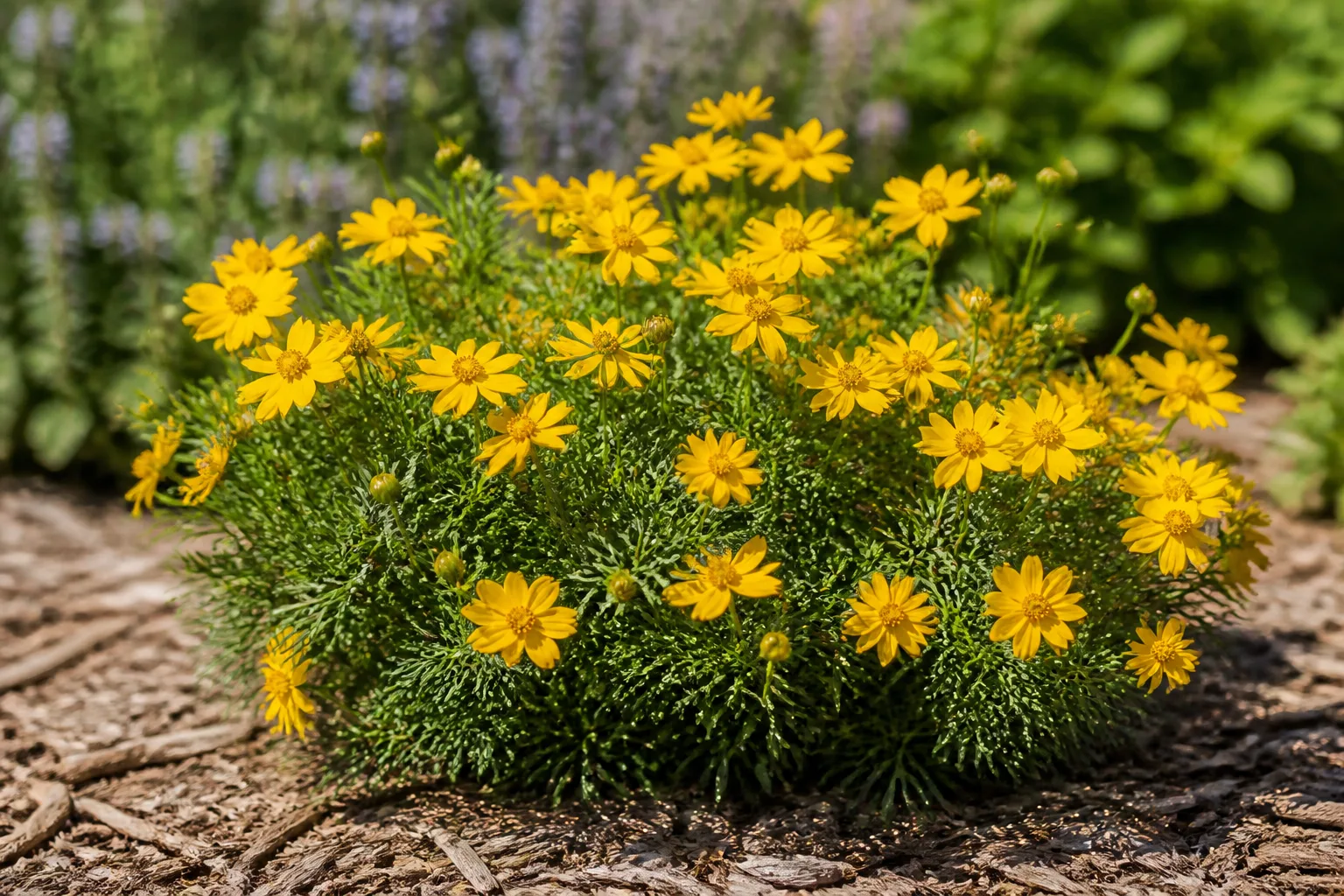
Lanceleaf coreopsis is a prairie-style perennial with narrow foliage and bright yellow, daisy-shaped flowers on upright stems. Give it sun and soil that drains, water it while roots establish, and then let rainfall do most of the work. The main maintenance decision is whether you want a neat clump or a self-sown patch: removing spent flower heads can extend the display and limit seedlings, while leaving some to mature renews a naturalized planting.
It is often sold as an easy, drought-tolerant wildflower, but those labels can hide the details that decide whether it thrives. A new transplant is not yet drought-proof, heavy wet soil can shorten its life, and a plant that is native in one region may be nonnative elsewhere. The guide below covers the species, not every plant sold under the broader name “coreopsis,” so check the botanical name on your pot or seed packet.
What lanceleaf coreopsis looks like and how it grows
Coreopsis lanceolata, also called lanceleaf tickseed, lance-leaved coreopsis, or sand coreopsis, belongs to the aster family. It typically forms a basal clump of narrow leaves, then sends up slender flower stalks bearing yellow heads with notched ray petals around a central disk.
Plants commonly reach about 1 to 2 feet tall, though size varies with region, selection, soil, and water. Its blooming season also shifts with climate: spring and early summer in many gardens, with later or occasional repeat flowers where conditions allow.
The leaves help separate it from several look-alike tickseeds. Most foliage is concentrated near the base; the lower stem leaves are opposite one another, and some may have small side lobes. A flower is useful for recognition, but flower size and color alone are not reliable enough to distinguish species, especially among cultivars and hybrids.
The North Carolina State Extension profile describes narrow opposite leaves and a head with a single row of yellow, notched rays; the Morton Arboretum’s identification notes add the basal foliage and dry, winged seed shape. A named selection such as ‘Sterntaler’ is still sold as C. lanceolata, while other plants labeled coreopsis may be C. grandiflora or hybrids; NC State notes that crosses between the two species are available. Check the botanical name if you want a species-specific native planting, and read the cultivar label for mature size and flower form.
The species is a herbaceous perennial, meaning the crown survives and sends up new growth after winter in suitable conditions. NC State lists it for USDA hardiness zones 4a through 9b, but a zone rating describes winter minimums, not tolerance for a saturated crown or every local climate. That does not guarantee that every planting will persist indefinitely.
Some clumps thin or decline after a few seasons, while seedlings replace them in open soil; a wet winter, shade, crowding, or heavy feeding can make a planting fade sooner. Treat the patch as a renewable planting rather than expecting one crown to last forever.
Choose the right spot before planting
Pick the site by checking sunlight and drainage before digging. This species is a better match for an open sunny border, prairie or meadow edge, rock garden, roadside-style planting, or other space where a natural, somewhat loose habit looks intentional.
Plan for roughly 18 to 24 inches between plants, then follow the mature width on the plant label if you are buying a named cultivar. Good spacing lets air move through stems and gives seedlings room without forcing the clump against its neighbors.
It can work in a mixed perennial border, but design for the lull after peak bloom. When the first flush fades, the stems may look less tidy even though the basal leaves remain. Place it behind a low edging or alongside later-flowering plants and grasses, rather than where its post-bloom shape must stay perfectly formal.
Sunlight and airflow
Aim for at least six hours of direct sun for the strongest bloom and most compact stems. Light shade is usually survivable, but the plant may stretch toward brighter light, produce fewer flowers, and flop more readily. If tree shade increases as the season progresses, judge the site by the afternoon pattern as well as the bright morning hours.
A hot location is not necessarily a problem for established plants, but reflected heat beside paving or a south-facing wall can dry a new root ball quickly. In a very hot summer climate, some afternoon relief may help a container or freshly planted specimen; do not shade an entire bed simply because the species tolerates less-than-perfect conditions. Better airflow also helps foliage dry after rain, which reduces the chance that a crowded, damp planting develops leaf or flower problems.
Soil and drainage
Lanceleaf coreopsis accepts sandy, rocky, or ordinary garden soil as long as water drains away instead of pooling around the crown. It can grow in heavier soil, but a low spot that stays wet through winter is risky. If a puddle remains after a soaking rain, choose a higher part of the garden or raise the planting area before adding plants; fertilizing or changing the pH will not solve poor drainage.
The plant’s tolerance for lean soil is an advantage. Do not enrich the entire bed with a thick layer of compost just to make it “better” for the flower.
Too much fertility, especially excess nitrogen, can push leafy growth and weaker stems at the expense of blooms. If the surrounding bed needs richer soil for other plants, make a separate, well-drained pocket for coreopsis rather than applying fertilizer over everything.

Water and fertilizer after establishment
Water new plants thoroughly at planting so soil settles against the root ball. For the first several weeks, check the surrounding soil during dry weather and water deeply when it begins to dry; the aim is steady root establishment, not frequent shallow sprinkling. A transplant may need supplemental water through its first growing season during extended drought, particularly in sandy soil or a hot, windy site.
Once established, the plant tolerates short dry periods and often needs little extra water. “Drought tolerant” does not mean it grows best in bone-dry soil at every stage. UF/IFAS Extension describes it as preferring slightly moist, well-drained soil, tolerating short-term dry periods, and performing poorly with excessive water. Use that distinction: water young plants and potted plants when they dry, but do not keep an in-ground crown constantly damp.
Most garden beds do not need routine fertilizer for this species. If growth is weak, first check whether it is shaded, waterlogged, crowded, or newly planted; feeding a stressed, wet crown can add soft top growth without fixing the cause. In a container, a modest dose of balanced, slow-release fertilizer at the start of growth may be reasonable if the potting mix is depleted, but repeated high-nitrogen feeding can reduce flowers and encourage sprawling stems.
Plant nursery-grown coreopsis without burying the crown
Plant in spring or early fall when the weather is mild enough for roots to grow before heat or hard freezes arrive. In a hot climate, avoid transplanting into peak summer heat unless you can keep the root ball evenly moist while it settles in.
In a colder region, early enough fall planting gives the plant time to root before the ground freezes. If your local nursery carries a regional ecotype, check whether it is appropriate for the place you garden rather than assuming all stock has the same local origin.
Water the pot before planting, then loosen circling roots gently. Set the plant so the top of its root ball is level with the surrounding soil; burying the crown invites decay, while leaving the roots exposed lets them dry.
Backfill, firm lightly, water once to settle the soil, and add a thin mulch layer if needed to suppress weeds. Keep mulch and compost from piling against the central crown.
For a larger planting, group plants in loose drifts rather than evenly spaced dots. A small group reads naturally and gives pollinators a concentrated patch of flowers. Leave visible soil gaps if you want some seedlings to recruit; mulch or a dense companion planting can reduce germination when you prefer a tidier footprint.
Grow lanceleaf coreopsis from seed
Seed is an economical way to start a patch or replace older crowns. Seed heads mature after flowering and can shatter, so check them often once the petals fade.
If collecting your own seed, wait until the heads are dry and brown, gather them before they open, then dry them further indoors and store them in a labeled paper envelope in a cool, dry place. Keep the label with the seed: seedlings of different yellow wildflowers can look similar before flowering.
Seed instructions vary by ecotype, supplier, and growing method. Some packets recommend a cold period; others are intended for fall sowing outdoors or for sowing under cover in late winter. The UF/IFAS species guide recommends direct sowing in Florida from October through January, while Fine Gardening’s propagation notes describe sowing in mid- to late winter indoors.
Those approaches serve different climates and schedules. Follow the instructions for the seed lot you have instead of assuming every seed must be refrigerated for exactly the same length of time.
Direct-sow outdoors for a natural stand
Prepare a firm, weed-free seedbed in fall or at the locally recommended sowing time. Remove thick vegetation and leaf litter, lightly scratch the soil surface, and press seed into it rather than burying it deeply. USDA Natural Resources Conservation Service guidance gives a planting depth from the surface to about 1/8 inch and warns that a thick layer of plant residue can interfere with germination; see the USDA NRCS lanceleaf coreopsis factsheet.
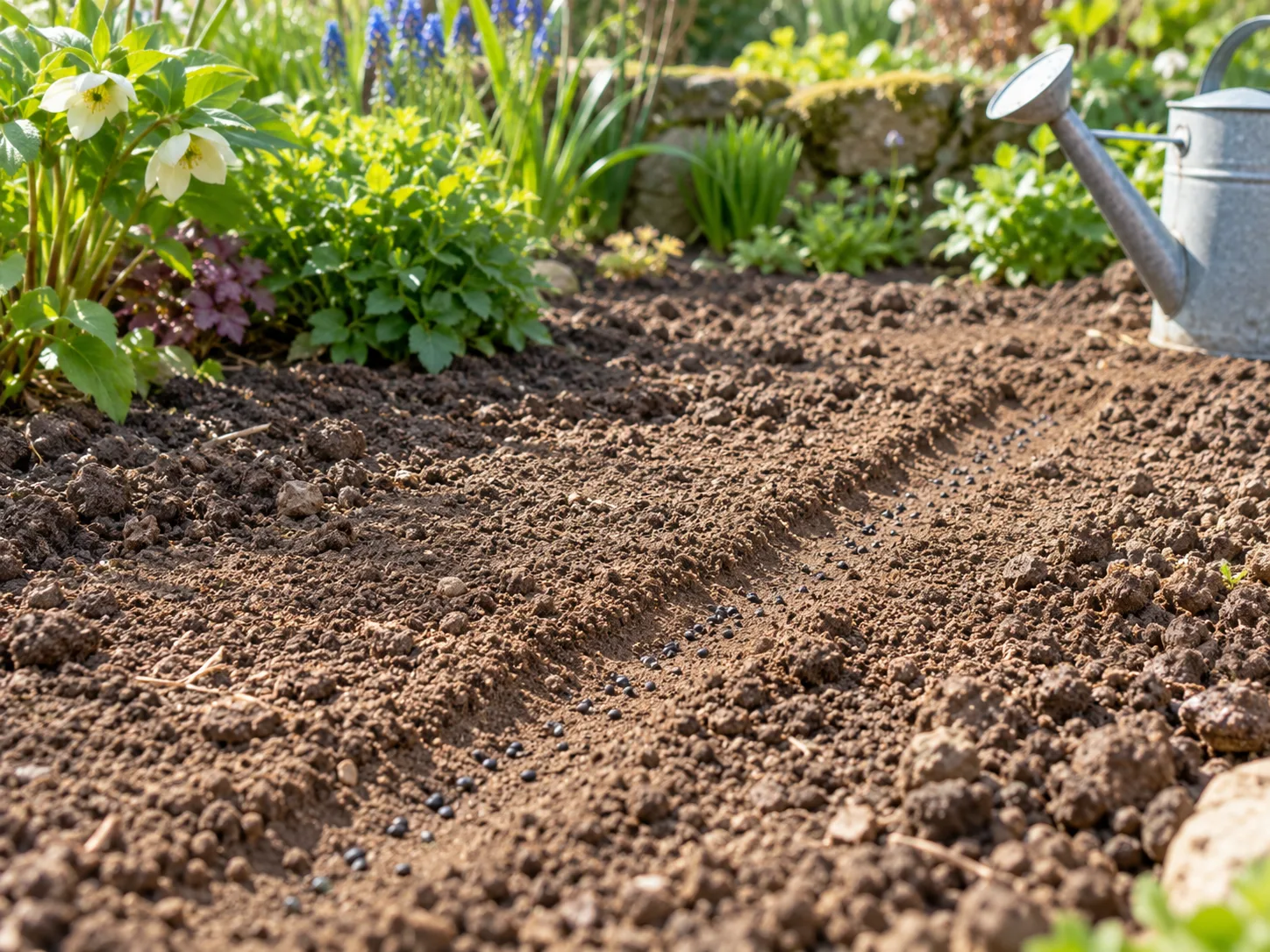
Scatter seed lightly, then press it into contact with the soil using the back of a rake or a board. If your goal is a meadow patch, you can sow somewhat more broadly and thin the stand later.
For a defined garden bed, sow in a narrow band or small clusters so you can recognize the seedlings you want to keep. Label the area and avoid cultivating it while seedlings are small, especially if the bed also contains weeds that look similar.
Keep the seedbed from drying out during germination. Fall sowing in regions with reliable winter rain may need little intervention, but an unusually dry season can leave seed without enough moisture to begin. After seedlings emerge, thin crowded plants to their intended spacing and water them as you would other young transplants until roots reach the surrounding soil.
Start seed indoors when you need more control
Indoor sowing is useful when you want a known number of plants, have a short establishment window, or need to keep seedlings away from weeds. Sow in a clean seed-starting mix in a tray with drainage holes.
Press seed onto the surface and cover only very lightly, because deep burial makes it harder for small seedlings to emerge. Keep the mix evenly moist, not saturated, and provide bright light as soon as seedlings appear.
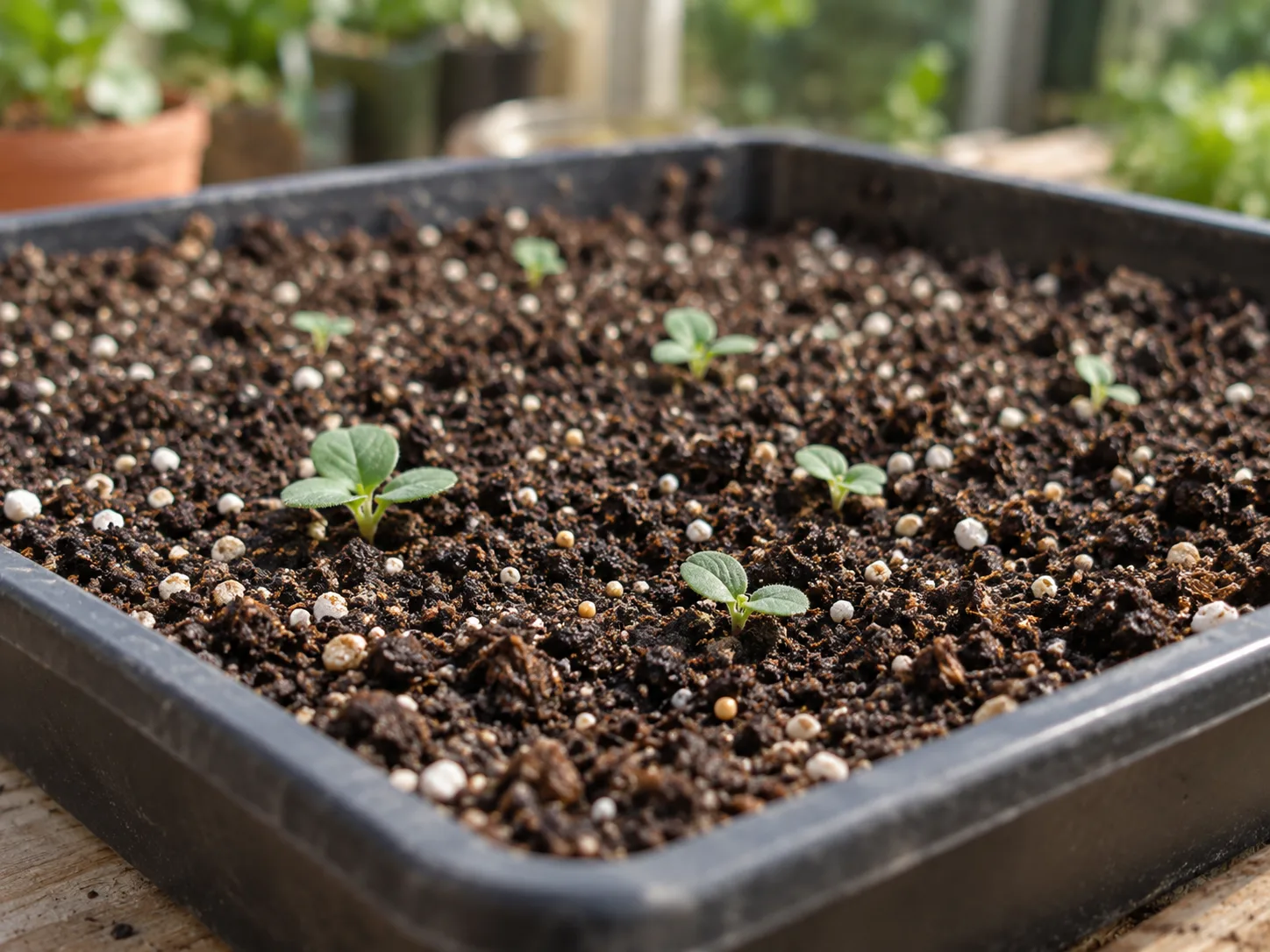
Pot up or transplant when seedlings have several true leaves and can be handled without pulling apart the roots. Harden them off over about a week by gradually exposing them to outdoor sun and wind, then plant after severe frost risk has passed or when local conditions suit the species. Avoid setting a soft indoor-grown seedling straight into hot afternoon sun; that abrupt change can scorch foliage and dry a small root system before it adapts.
Deadhead according to whether you want flowers or seed
Deadheading is optional, and the right choice depends on what you want from the planting. Removing spent flowers can keep a border neater, limit volunteer seedlings, and sometimes encourage another round of flowers.
Leaving some heads to mature lets seed fall for natural spread and may provide food for seed-eating wildlife. You do not have to choose one policy for the whole bed: deadhead the front edge and leave a few heads in the meadow side.
To deadhead, follow a finished flower stem down to the first healthy leaf set or branching point and cut just above it. If the plant carries many small stems, clipping the finished stalks in batches is faster than inspecting every flower daily.
Stop deadheading a few weeks before you want seed to ripen, and leave the selected heads until they are dry and dark. Collect only the amount you can label and store; allow the rest to remain if volunteers are part of your plan.
Deadheading does not make the plant bloom without limit. Weather, cultivar, day length, and the plant’s condition all affect repeat bloom, and in some climates the main spring or early-summer flush is the show. UF/IFAS Extension reports that faded-flower removal supports rebloom under Florida conditions, while other references describe deadheading as a way to limit self-sowing. Treat it as a useful option rather than a promise of flowers until frost.
Prune after bloom without exhausting the crown
When the main flush ends, assess the whole clump before reaching for pruners. If it still has healthy foliage and looks good, remove only the spent stalks you find unattractive.
If the stems are tangled or the plant has sprawled, shear the flower stalks back to just above the basal foliage or a healthy set of leaves. This resets the appearance while leaving enough green tissue for the plant to keep making energy.
Avoid cutting every leaf to the ground in midsummer merely because a few stems have finished. A hard cut can stress a plant already dealing with heat or drought, and it may not have enough growing season left to make a strong second flush.
If foliage is diseased or badly damaged, remove affected parts and discard them rather than leaving infected debris in the bed. Clean tools between plants when disease is suspected.
In autumn, you can leave some stems standing for seed and winter structure, especially in a naturalistic garden. If the planting looks untidy or diseased, cut it back after the foliage has died and remove the affected material. Otherwise, cleanup in early spring is practical: wait until new growth is visible, then cut dead stems low without slicing into emerging shoots.
Divide and renew a declining clump
Division is helpful when the center thins, flowering drops, stems sprawl, or the plant has outgrown its space. It is not a mandatory chore on a fixed two-year timer. A vigorous clump in open soil can be left alone; a declining one can be divided in late winter or early spring as new growth begins. NC State Extension and the Morton Arboretum both describe division as a way to maintain robustness or reduce sprawling.
Water the plant the day before if the soil is dry. Lift the clump with a spade, keeping as much of the root mass intact as possible, then tease or cut it into sections.
Each division needs a healthy crown or growing points and a reasonable share of roots; discard the exhausted, dead center instead of planting it back. Replant divisions promptly at the same depth, water them in, and keep the soil lightly moist while they re-establish.
Do not divide simply to guarantee a longer life. Division can produce new plants and refresh a crowded clump, but it cannot correct a site that stays waterlogged or shaded.
Fix the growing conditions first, and consider sowing seed or allowing a few seedlings as insurance if older plants have begun to decline. A patch of mixed ages is often more dependable than relying on one oversized crown.
Grow lanceleaf coreopsis in a container
A container is workable when you want to control seed spread or lack an in-ground sunny bed. Choose a broad pot with drainage holes and enough room for a mature clump, rather than a small nursery pot that dries within hours.
Use a free-draining potting mix and avoid a saucer that holds runoff against the roots. The goal is steady moisture while establishing and a root zone that can drain freely between waterings.
Pots dry faster than garden soil, so check moisture more often during hot, windy weather. Water when the upper part of the mix has dried, then let excess water leave through the drainage holes.
Do not apply the in-ground “rarely water” rule to a small container: the limited root volume can dry before the plant shows obvious wilt. On the other hand, watering every day without checking can keep the crown wet and cause rot.
Container-grown perennials experience colder roots than plants in the ground. In a cold-winter climate, place the pot in a sheltered location or insulate it so the root ball does not undergo repeated severe freeze-thaw cycles.
Alternatively, sink the pot into soil for winter, then lift it in spring. If a container clump becomes congested, divide it in early spring and refresh the mix; do not keep upsizing indefinitely if the plant is already declining.
Seasonal care from spring through winter
Early spring: Look for new basal leaves before cutting old stems. Remove winter-killed growth, weed around the crown, and check whether the clump has a dead center or has spread beyond its intended boundary.
Divide only if the plant needs renewal or more plants. This is also the simplest season to move a transplant because temperatures are mild and the plant has a full growing period ahead.
Late spring into summer: Water newly planted clumps during dry spells, but let established plants dry between rainfall events. Watch the first flush, then deadhead, shear, or leave seeds according to your goal.
If stems lean, inspect sun, moisture, nitrogen, and crowding rather than staking first. A plant grown in too-rich soil often responds better to less feeding and more light than to additional pruning.
Late summer and fall: Let some seed heads mature if you want volunteers or seed to collect. Mark desired seedlings and remove those emerging in paths, lawn, or among plants that cannot compete. In warmer climates, fall may also be a good time to establish nursery plants; in colder areas, prioritize enough time for roots to settle before hard frost.
Winter: The crown can overwinter in suitable hardiness conditions, but cold tolerance is not the same as tolerance of wet feet. Leave healthy stems if they add structure or hold seed for wildlife, then cut them back before new spring growth. Keep thick, wet mulch away from the crown and avoid covering the plant with a dense layer of leaves that stays soggy all winter.
Diagnose common problems before treating
The stems flop or sprawl. First check for insufficient sun and fertile, constantly moist soil. These conditions promote taller, softer growth; crowding can also push stems sideways.
Move the plant to a sunnier, better-drained site if practical, reduce high-nitrogen inputs, and shear lightly after bloom. Staking may help one tall cultivar in a windy location, but it will not fix a consistently unsuitable site.
There are leaves but few flowers. Check the sun exposure over the full day, then consider whether the plant is newly established, overfed, or competing with taller neighbors. A young seedling may need time before producing a substantial flush. Avoid adding bloom fertilizer until you know the plant is not simply shaded or receiving too much nitrogen from nearby lawn care.
The crown rots or disappears after winter. Persistent wet soil, a buried crown, or mulch packed against the base are likely contributors. Remove dead material, improve drainage, and plant replacements slightly high in the bed so settling does not bury the crown. If the site remains wet, choose a moisture-tolerant species instead of trying to rescue coreopsis with a fungicide.
The plant has spots, mildew, or damaged flowers. Lanceleaf coreopsis is generally not troubled by serious pest or disease pressure, but poor airflow and wet foliage can favor fungal problems. Remove badly affected leaves, water at soil level when practical, and give plants space. UF/IFAS notes that stink bugs may occasionally feed below the flower head, causing the stem to collapse and the bloom to die; inspect the flower stalk before assuming the entire plant is failing.
Native range, pollinators, and responsible reseeding
This plant is often promoted as a native wildflower, but native status depends on geography. Its natural distribution includes parts of eastern and central North America, and it is regionally appropriate in many gardens; some populations elsewhere are naturalized or planted.
Before using it in a restoration mix or sensitive natural area, check a regional flora, local native-plant society, or extension service for your exact county. “Native somewhere on this continent” is not the same as “native to my local ecosystem.”
The open flower heads provide nectar and pollen to a range of bees, flies, butterflies, beetles, and other visiting insects. The Illinois Wildflowers species account documents a diverse set of flower visitors and notes a specialist bee associated with Coreopsis. Plant it as one component of a varied garden rather than as a single-species substitute for habitat: bloom succession, host plants, nesting sites, and pesticide choices also affect wildlife value.
Self-seeding is desirable in a meadow edge and inconvenient beside a narrow path. Decide where seedlings can be welcomed, then remove seed heads before they mature in the areas you want to keep clear. This is more effective than trying to pull dozens of small seedlings after they establish.
It is also more responsible than assuming that a North American native will behave benignly in every country: Japan’s National Institute for Environmental Studies lists the species as invasive there, reports competition with native grass species, and notes legal restrictions. Follow local regulations and regional planting guidance wherever you live.
Conclusion
Lanceleaf coreopsis rewards a sunny position, free drainage, and a restrained hand with water and fertilizer. Water transplants until they are established, then let soil and weather guide supplemental irrigation.
For more flowers and fewer seedlings, deadhead; for a meadow-like patch, leave selected heads to set seed. Divide a clump when it declines or crowds its neighbors, not simply because a calendar says it is time.
The most reliable planting is one matched to your location and maintenance style. Confirm that the species is suitable for your region, give it room to seed only where you want it, and watch the crown through wet seasons. With those choices made early, the plant can provide a recurring flush of yellow flowers without asking you to overmanage it.



