Garden Projects With Hidden Costs: 6 to Rethink
Before you build, price the hidden systems behind six popular garden projects and see when a simpler, climate-smart alternative makes more sense.
The most expensive part of a garden project is often the part you cannot see in the finished photograph. A pond needs a liner, pump, electrical connection, access for cleaning, and a plan for leaves and algae. A built-in grill needs a level base, weather-resistant materials, fuel, counter space, and sometimes new plumbing or electrical work. Even a “no-mow” lawn can need excavation, a compacted base, drainage design, cleaning, and eventual replacement.
That does not make these projects bad. It means the right question is not “Is this garden idea worth it?” but “What outcome am I buying, and what system will keep delivering it?” The answer changes with your climate, soil, slope, water rates, household routines, and how often you will really use the space.
This guide looks at six popular projects that can cost more than homeowners expect. For each one, you will find the budget leaks, the situations where it can still make sense, and a smaller or more flexible alternative that protects the main benefit.
Why a beautiful garden feature can become an expensive system
Garden inspiration usually shows the finished surface: the blue water, the outdoor meal, the green lawn, or the clean retaining wall. It rarely shows the trenches, base preparation, control valves, drainage outlets, winterization, cleaning tools, replacement parts, or the hours spent keeping everything presentable.
The surprise is not always the initial price. It can be the cost of fixing a project that was installed without considering water flow, sun, access, or the way people move through the yard. A cheap installation that fails after one season is not a bargain; it is a second project plus the inconvenience of living around the first mistake.
There is also a difference between low maintenance and no maintenance. Artificial turf avoids mowing but still needs debris removal, brushing, and cleaning. A water-wise bed may use less irrigation after establishment but still needs careful plant selection, weed control, and occasional deep watering while roots develop. The goal is not to eliminate all work. It is to choose work you can sustain.
The five-minute cost screen to use before you build
Before requesting a quote or ordering materials, write the project at the center of a page and draw five spokes around it. This takes minutes and exposes the costs that a product price or inspiration photo leaves out.
| Cost spoke | Questions to answer before spending |
|---|---|
| Site work | Does the ground need grading, excavation, compaction, a slab, a footing, or soil removal? |
| Connections | Will it need gas, water, drainage, electrical service, irrigation zones, lighting, or a pump? |
| Compliance | Does your city, HOA, utility, or insurer require a permit, inspection, clearance, or licensed trade? |
| Care | What must be cleaned, adjusted, drained, winterized, refilled, fertilized, mowed, brushed, or replaced? |
| Failure and access | What happens if it leaks, settles, clogs, cracks, overheats, or needs a part—and can you reach it without dismantling the yard? |
If you cannot answer two or more of those questions, you are not ready to compare bids. Ask contractors to itemize the unknowns rather than hiding them inside a single “installation” line.
Price the invisible work, not just the visible feature
Ask for two numbers: the ready-to-use price and the five-year care price. The first should include preparation, delivery, labor, utilities, permits, testing, and cleanup. The second should include routine maintenance, likely repairs, consumables, seasonal shutdown, and a realistic replacement reserve.
You do not need a perfect forecast. You need a range and a list of assumptions. For example, an outdoor kitchen estimate should say whether the price assumes an existing level patio, nearby power, a gas line, and a drain. An artificial-turf estimate should state how much soil is removed, what sub-base is installed, how runoff leaves the area, and whether old turf disposal is included.
Treat vague phrases such as “standard prep” or “minor drainage” as questions, not reassurance. On a sloped or compacted property, those two words can hide the largest line item.
Measure maintenance against real-life use
Use frequency is a powerful filter. Divide the total project cost by the number of days or gatherings you realistically expect to use it in a year, then add the hours of care. A built-in pizza oven used twice a summer may be less satisfying than a good portable grill used every weekend. A fountain that delights you every morning may be a better purchase than a large pond that you avoid because cleaning it feels like a chore.
Ask yourself three blunt questions: Who will use it? When will they use it? What will make us stop using it? The last answer is often shade, wind, insects, heat, storage, awkward access, or a maintenance job that was underestimated.
1. Oversized water features
Large ponds, formal waterfalls, multi-basin fountains, and pondless cascades can become the visual anchor of a yard. They can also combine several cost centers: excavation, soil disposal, liner or masonry, stone, pumps, filters, electrical work, water loss, plant management, and repairs that require reaching into a wet, slippery space.
Where ponds, waterfalls, and fountains drain the budget
The pump is the obvious moving part, but it is not the only one that needs attention. Leaves and sediment can clog intakes, plumbing can leak, liners can shift or puncture, and exposed equipment can become a winter or freeze problem. Sun, nutrient-rich runoff, fish waste, and too few plants can encourage algae, which then creates another cycle of cleaning and water management.
The Royal Horticultural Society’s wildlife-pond guidance makes an important distinction: a wildlife pond can be intentionally low-intervention, while fish ponds and pumped features bring more equipment and water-quality management. The RHS also recommends planning shade, safe edges, habitat, and access rather than treating the water as a decorative bowl. (RHS guidance on wildlife ponds)
The environmental cost can be part of the hidden bill too. A feature that needs constant topping up in a dry, windy location may be a poor fit, especially if the yard is already under irrigation restrictions. A pond placed where roof or patio runoff carries fertilizer, soil, or deicing salts may need more management than the same pond in a protected planting area.
Start by naming the benefit you want: moving water, reflection, wildlife, sound, or a focal point. A small recirculating fountain can provide sound with a much smaller water volume. A shallow, planted wildlife basin or container pond can provide habitat without a large fish-and-filter system. A dry creek bed, boulder group, or layered planting can suggest a stream without pretending to be one.
If you choose a larger feature, make service access part of the design. Put the pump and filter where they can be removed without draining half the yard, provide a safe way for people and wildlife to exit the water, and plan what happens to leaves in autumn. In a hot climate, favor partial shade and drought-compatible planting around the feature, and decide in advance whether you will accept seasonal water-level changes.
The project is more likely to be worth it when you genuinely enjoy water gardening, can reach the equipment, and are willing to do a short weekly check during the season. It is a poor fit when the feature is mainly for resale photos or when no one in the household wants to own the maintenance routine.
2. Luxury outdoor kitchens
An outdoor kitchen can be a great investment in how you live outside. The hidden cost appears when a simple cooking need turns into a permanent structure with built-in appliances, a sink, refrigerator, gas connection, electrical outlets, lighting, countertops, cabinetry, a roof, and a patio large enough to make the whole arrangement comfortable.
Gardeningetc’s planning guidance emphasizes that built-in kitchens must be designed around power, plumbing, a strong level base, weatherproof materials, prep space, storage, wind, sun, and seating. Those are not decorative extras; they determine whether the kitchen is safe and convenient to use. (Gardeningetc’s outdoor-kitchen planning guide)
Weather is the other bill that arrives later. Wood needs care, metal can heat or corrode, grout and porous counters stain, and outdoor appliances need covers and cleaning. In a cold climate, water lines may need seasonal protection. In a hot or windy climate, shade and counter orientation can matter more than adding another appliance.
Build the cooking zone around how you actually host
For most households, the high-value version is a modular grill, durable prep table, a landing surface, storage for the tools you use, and comfortable shade. Add a sink only if handwashing and food prep outside will change your routine. Add a refrigerator only if walking inside for drinks or ingredients is genuinely the problem. A portable pizza oven or side burner can preserve flexibility while you learn what you use.
Keep cooking, prep, serving, and seating close enough that the person at the grill is part of the gathering. Make the counter height and landing space comfortable before spending on stone. Leave access panels for shutoffs, connections, and appliance replacement. Choose materials by exposure and repairability, not only by how they look on installation day.
The built-in version can still make sense if you host often, cook outside most weeks, have a permanent home, and already have a suitable base and nearby utilities. If those conditions are missing, build in stages. A good grill and shade structure can teach you more about your real needs than an expensive island can.
3. Large artificial-turf installations
Artificial turf is useful in specific situations: a small high-traffic dog run, a rental that needs a consistent surface between visits, or a difficult patch where the priority is year-round appearance and mowing is not practical. The financial mistake is treating a large installation as a one-time carpet purchase.
The visible turf is only one layer. A typical installation can involve removing topsoil, shaping the grade, compacting the subgrade, adding a free-draining base, securing seams and edges, choosing infill, and resolving where water and pet waste go. If the sub-base is wrong, odors, puddles, heat, and cleaning problems can follow.
UF/IFAS describes synthetic turf as a manufactured surface that does not provide the ecosystem functions of living turf. Its guidance notes that synthetic surfaces can become very hot, that pet areas may need washing, that compaction can increase runoff, and that the material has a finite service life before disposal. Those trade-offs do not mean artificial turf never belongs in a yard; they mean “low mowing” is not the same as “low impact” or “maintenance free.” (UF/IFAS on synthetic turf and Florida-Friendly Landscaping)
Why “no mowing” does not mean no upkeep
Plan for brushing traffic lanes, clearing leaves, rinsing dust or pet waste, controlling weeds at the edges, checking seams, replenishing infill if the system uses it, and maintaining drainage. In hot sun, the surface may be uncomfortable for bare feet, pets, or children even when the air feels tolerable. A hose-down to cool it or clean it is still a water and labor cost.
Replacement is easy to forget because it is years away. Put the expected lifespan, warranty exclusions, removal labor, disposal, and a future base repair into your comparison. A cheap product that needs early replacement can cost more than a modest living landscape over the same period.
A better way to solve a lawn problem
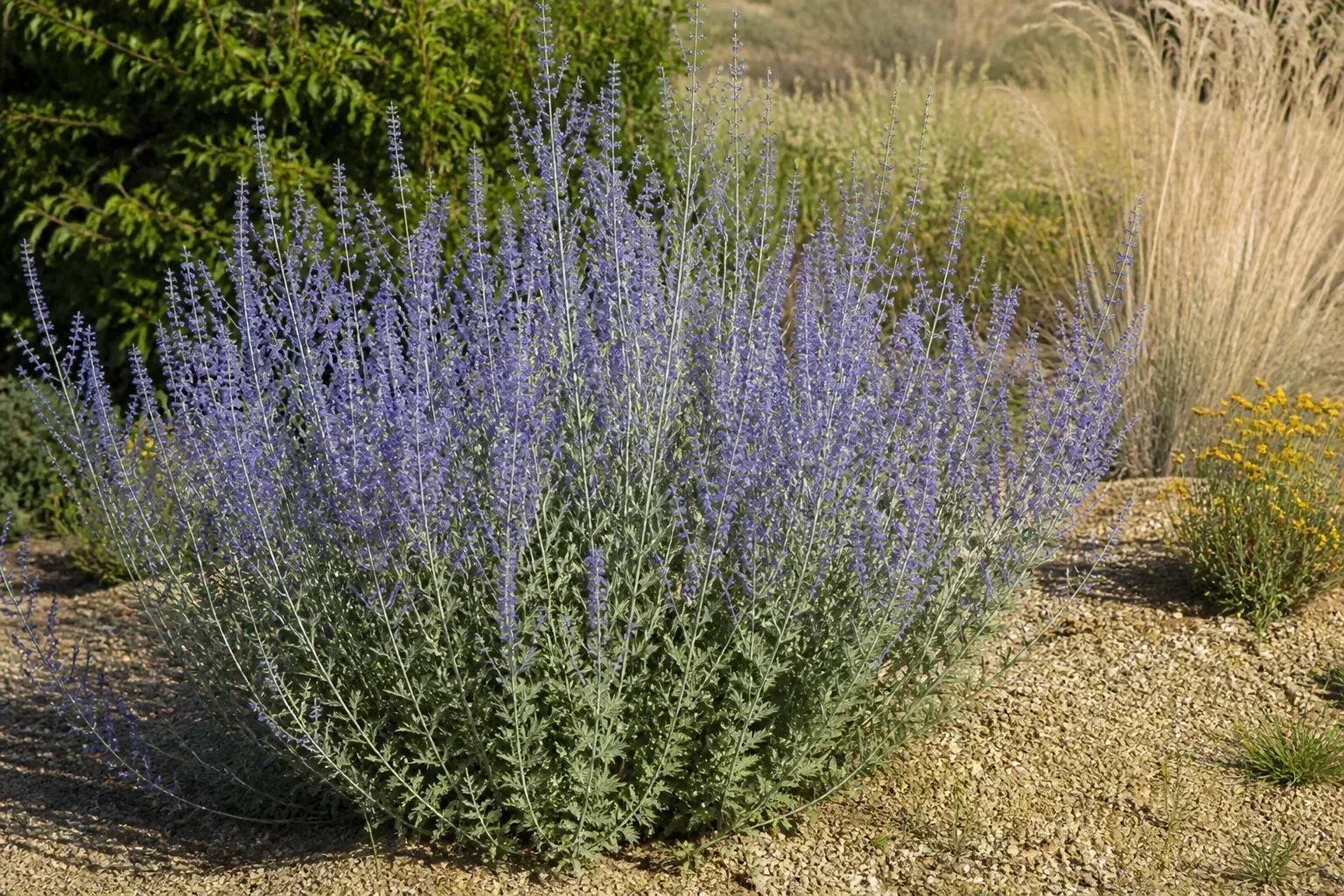
Do not ask “What replaces every square foot of grass?” Ask “Which parts of this yard need to stay walkable, playable, green, or clean?” Keep a smaller living lawn where people actually sit or play, then convert unused edges, hot strips, and awkward slopes to planting beds, permeable paths, gravel with well-chosen plants, or a small dedicated pet area.
The alternative must be designed for your region. Use locally adapted, non-invasive plants, improve soil before planting, mulch appropriately, and provide establishment water even to drought-tolerant plants. The EPA’s GreenScapes guidance recommends matching plants to site conditions, building healthy soil, using smart watering, and considering rain gardens, open paving, or native planting to slow runoff and reduce inputs. (EPA GreenScapes guidance for homeowners)
4. Full-size lawns in hot or dry climates
A lawn is not automatically wasteful. It can be the best surface for play, pets, cooling bare soil, or moving between parts of a yard. The expensive choice is a lawn that fights the site: the wrong grass for the climate, compacted soil, poor drainage, steep slopes, deep shade, or a water budget that cannot support the desired color.
The EPA has reported that outdoor use can represent about 30 percent of an average American family’s water use, with more than half of that outdoor water going to lawns and gardens; in dry regions, outdoor use can be a much larger share. The figures are national estimates and not a prediction for your bill, but they show why a large, intensively green lawn can become a recurring household expense. (EPA WaterSense outdoor-water data)
In a hot climate, you may pay for irrigation installation, controller repairs, sprinkler-head replacements, mowing, fertilizer, weed management, aeration, reseeding, and water. You may also pay for the consequences of watering badly: runoff onto pavement, disease from frequent shallow watering, or dry patches caused by mismatched spray patterns.
When a lawn earns its place
Keep lawn where it does a job. A small rectangle for children, a dog, or a chair is easier to irrigate and maintain than a broad decorative carpet. Separate lawn irrigation from planting beds, audit the sprinklers for overspray, use a weather-aware controller where it is appropriate, and let low-use areas go dormant if the grass can recover.
The EPA recommends watering deeply and infrequently, checking whether the lawn actually needs water, and choosing the right plant for the site. Its archived WaterSense guidance also says a WaterSense-labeled irrigation professional can help reduce waste through regular maintenance. The exact schedule still depends on grass species, soil, weather, and local restrictions; a timer setting copied from a neighbor is not a plan.
Use low-water planting as the default backdrop
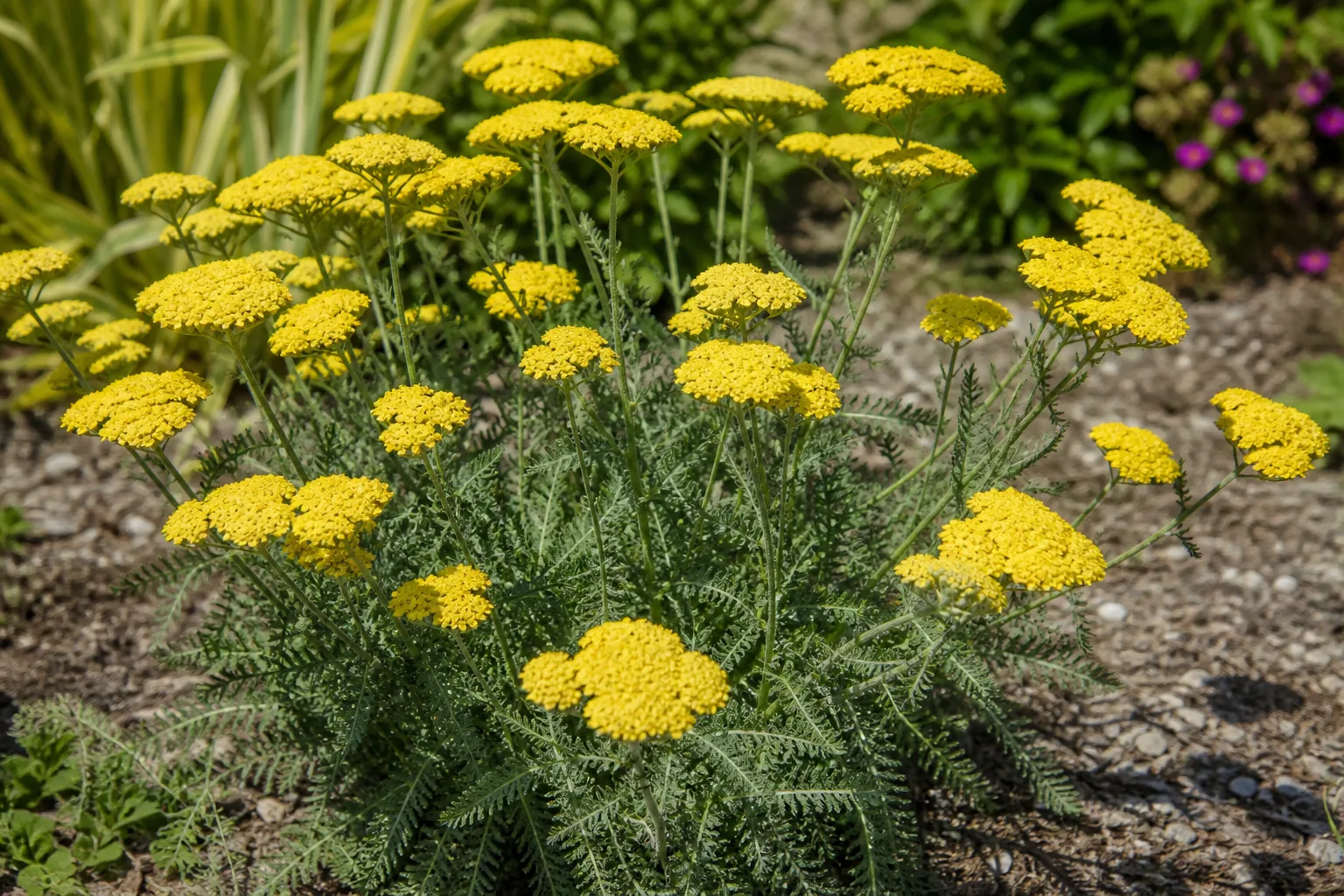
For areas that are mostly viewed rather than used, consider a layered bed of regionally appropriate trees, shrubs, grasses, and perennials. A well-designed bed can provide shade, texture, habitat, and seasonal color with less routine mowing, though it still needs establishment care and periodic editing.
The RHS recommends several ways to make a lawn more wildlife-friendly, including leaving selected areas longer, adding low-growing flowers, and gradually converting sections to a meadow rather than trying to transform the entire yard in one weekend. (RHS advice on creating wildflower meadows) In a dry Western yard, the plant palette will differ, but the decision principle transfers: convert the parts that do not need a clipped lawn, and keep a smaller functional area.
5. DIY grading, drainage, retaining walls, and irrigation
Some garden work is satisfying precisely because you can see progress: moving soil, laying a path, setting a valve, or stacking blocks. The trouble begins when a project controls water, holds back soil, changes the grade near a foundation, or distributes pressurized water across multiple zones. A mistake may remain invisible until the first storm, freeze, irrigation cycle, or season of settlement.
Drainage is not an accessory you add after the patio or wall looks finished. It is part of the structure. A retaining wall needs a stable foundation, suitable backfill, a path for water to leave, and a design appropriate to the load and height. Irrigation needs correct pressure, zoning, backflow protection where required, head spacing, and a controller that matches the plants and local weather.
Colorado State University PlantTalk lists materials, wall type, placement, drainage, foundations, batter, and anchors as design factors for retaining walls. It also warns that water or soil-moisture buildup behind a wall is a major cause of failure and describes gravel backfill, drain pipes, and weep holes as ways to relieve that pressure. (Colorado State University PlantTalk on retaining walls)
The professional-only triggers
Bring in a qualified local professional before DIY work if any of these apply:
- You are changing the slope toward or away from a home, foundation, driveway, neighbor, or public drainage path.
- A retaining wall holds back significant soil, supports a structure, sits near a property line, or requires a footing, reinforcement, anchors, or a permit.
- The site has expansive clay, poor bearing soil, a high water table, freeze-thaw exposure, or a history of movement.
- You are connecting gas, running new electrical service outdoors, adding a pump, or installing plumbing that can freeze or discharge near a foundation.
- A pressurized irrigation system needs new supply, backflow protection, trenching near utilities, or several zones with different water needs.
You can still do the enjoyable parts: plant containers, spread mulch, paint a fence, assemble modular furniture, place movable planters, or install simple non-structural edging. Ask the professional to define the safe handoff so your work does not compromise the engineered or inspected portion.
6. Features you will not use often enough
The last category is not a product. It is a mismatch between the yard and the life you actually lead. A conversation pit, outdoor bar, elaborate shade structure, fire feature, built-in seating wall, or specialty cooking appliance can be beautifully designed and still become an expensive object that no one uses.
The hidden costs here are opportunity cost and friction. A feature may consume the only level part of the yard, make mowing or snow removal harder, require covers and storage, block a view, create a hot or windy microclimate, or force every gathering to happen in one fixed place. If it is uncomfortable for six months of the year, the cost per use rises quickly.
Turn a wish-list yard into a daily-use yard
Track how you already spend time outside for two weeks. Note where you sit, where the sun and wind are comfortable, what you carry inside repeatedly, where water pools, and which chores you avoid. Use that evidence to choose the next project.
If you want more hosting, start with shade, seating, a level surface, lighting, and a place to set food. If you want more privacy, use layered plants or a carefully placed screen instead of building a heavy structure before you know the sightlines. If you want wildlife, choose habitat, shallow water access, and plants rather than a decorative feature that needs constant sterilization. If you want a more expensive-looking yard, repetition, clean edges, healthy plants, and a restrained material palette can do more than a collection of expensive objects.
The best project is usually the one that removes a recurring annoyance. A path that keeps mud out of the house, a shade tree in the right place, a small drip zone for containers, or a drainage fix may have less visual drama than an outdoor room—but it can deliver value every week.
Conclusion: Spend on the outcome, not the spectacle
Large water features, luxury outdoor kitchens, broad artificial turf, thirsty lawns, structural DIY work, and underused backyard features all have legitimate uses. None is automatically a mistake. They become expensive when the visible idea is priced without its base, utilities, drainage, maintenance, repair access, climate fit, and actual frequency of use.
Before you commit, write down the outcome, price the five cost spokes, and test the design against a normal week—not the best photo of a summer party. Keep the parts that make the yard more useful, safer, cooler, easier to care for, or more enjoyable. Scale back the parts that exist mainly to impress people who will not maintain them.
That approach leaves room for beauty. It simply makes beauty earn its place in the budget.