17 Best Companion Plants for Garden Peas
Pair garden peas with carrots, beans, marigolds, and 14 more proven neighbors—plus spacing numbers, bed layouts, and alliums to keep apart.
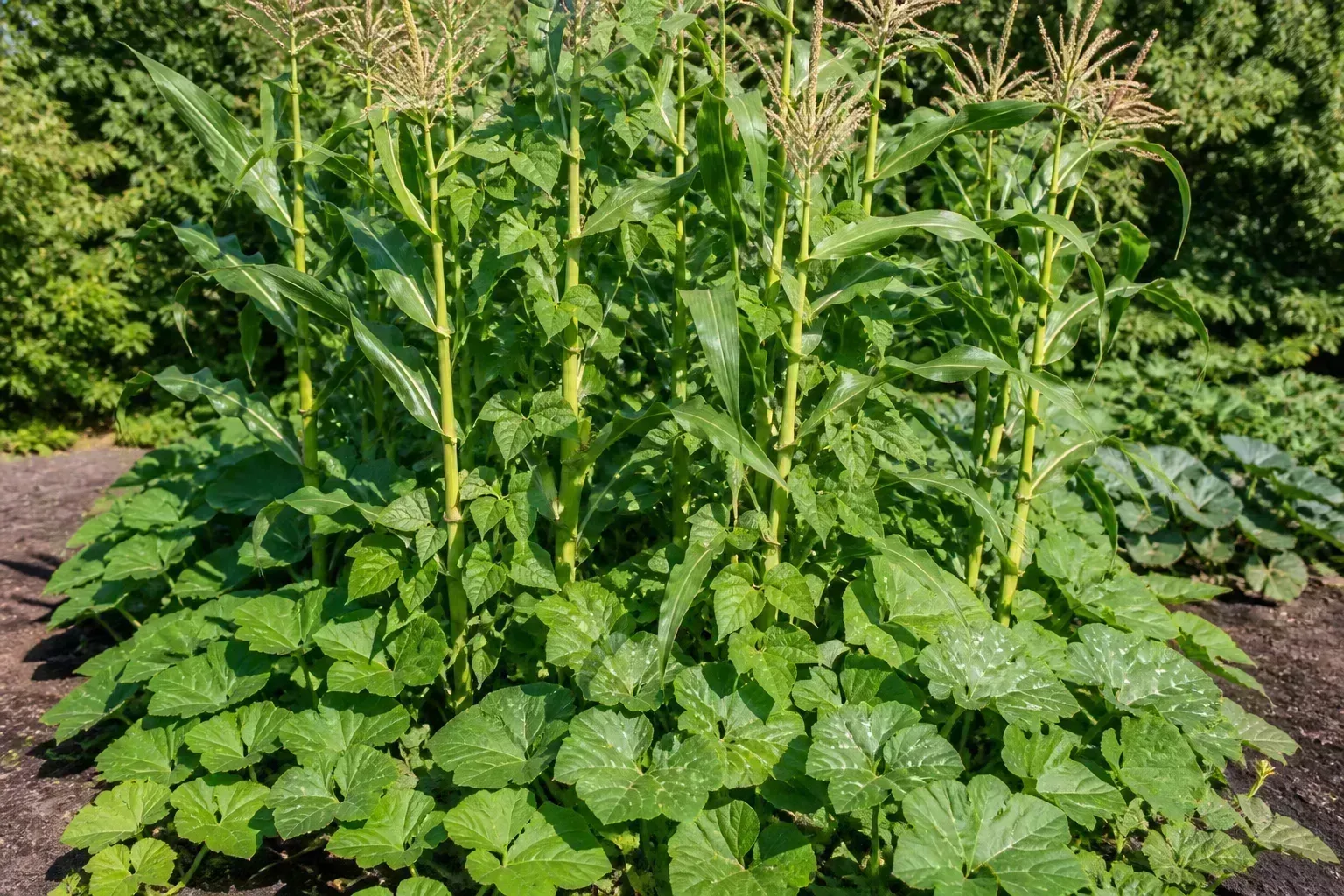
Garden peas (Pisum sativum) are one of the first crops out of the ground in spring—and one of the easiest to waste. Sow them in heavy clay, plant onions in the same furrow, or let a July tomato canopy swallow the trellis before pods fill, and you will wonder why the row underperformed. Companion plants for garden peas earn their space when they share cool-season culture, occupy a different root or light layer, or solve a problem you actually have: aphids on tender shoots, bare soil between vines, or an empty bed once peas finish in early summer.
These seventeen neighbors—basil, beans, beets, carrots, celery, corn, cucumbers, early potatoes, eggplant, lettuce, marigolds, nasturtiums, peppers, radishes, spinach, tomatoes, and turnips—are the strongest all-around pairings for shelling peas, snap peas, and snow peas. None replaces crop rotation, inoculated seed, row cover on young vines, or twice-weekly scouting. Used with a layout plan, they make a pea patch more productive than peas planted alone in bare soil.
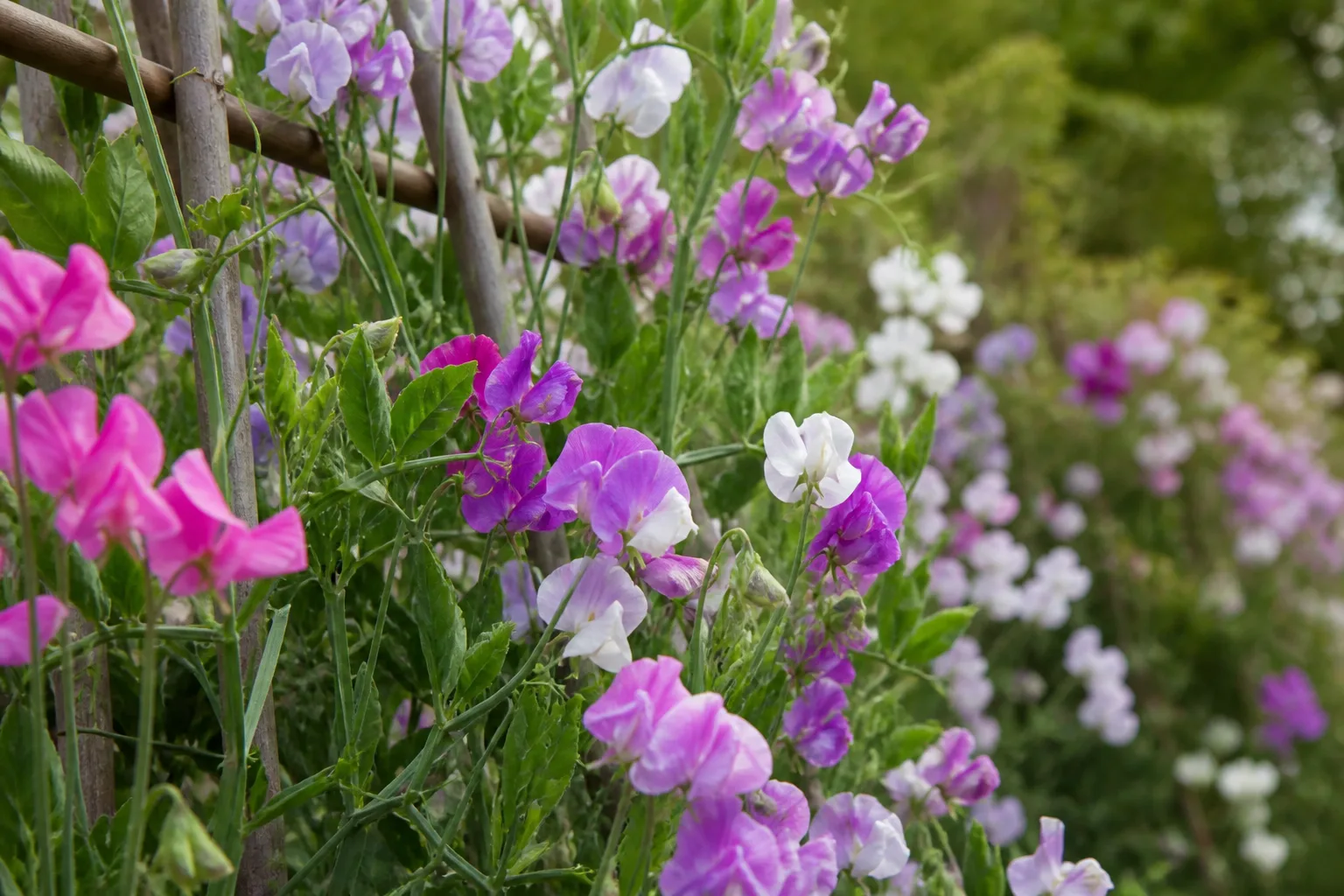
What companion planting can—and cannot—do for peas
Companion planting means growing two or more species close enough that at least one benefits—through efficient spacing, pest confusion, predator attraction, light shade on soil, or compatible root zones. The RHS companion planting overview is clear that benefits are real in some pairings but not guaranteed for every crop in every garden. Treat neighbors as cultural partners first and pest shields second.
For peas specifically, companions help most when they (1) tolerate cool soil and air in the 45–75°F window peas prefer, (2) do not compete for the same shallow root band in the first six weeks, and (3) address a problem on your site—aphids, wasted space under a trellis, or a bare bed after harvest. For the broader evidence picture, see our guide on whether companion planting actually works.
How peas change the soil around neighbors
Peas are legumes. Root nodules hosting Rhizobium bacteria convert atmospheric nitrogen into forms neighboring plants can use—especially leafy greens and corn that want steady nitrogen during rapid growth. West Virginia University Extension groups peas with beans in the companion planting chart as crops that pair well with corn, cucumbers, and Irish potatoes.
Important nuance: much of the nitrogen peas fix becomes available after vines are pulled or tilled under, not only while pods are forming. Neighbors sown with peas benefit from shared culture and root-zone diversity; heavy feeders planted immediately after pea harvest gain the biggest nitrogen boost. Do not skip soil tests because you grew peas last year—companions supplement fertility; they do not replace it.
Match cool-season culture before you match pest charts
Before you scatter seeds from a chart, sort candidates into temperature and moisture zones:
Cool, moist spring block: peas, carrots, radishes, beets, turnips, lettuce, spinach, celery, cilantro, dill, nasturtiums, early potatoes. These germinate in cool soil and fade or harvest before July heat.
Warm summer handoff: cucumbers, bush beans, tomatoes, eggplant, peppers, basil at full tilt. Plant these after peas finish or on the south margin with timing so peas harvest before canopies close.
Dry Mediterranean edge (pot or separate bed): rosemary, sage, thyme. They want sharp drainage; peas want steady moisture. Our herb companion plants guide explains why drought herbs and peas clash in the same root zone.
Invasive spreaders: mint. Fragrant herbs can help repel aphids in theory, but spearmint and peppermint belong in containers beside the bed—not in the pea row where roots invade trellis lines.
If water needs or shade patterns clash, separate by row, bed zone, or container even when a list pairs both plants as companions.
Pick pea companions by job—not alphabet
Before you plant all seventeen names at once, sort candidates by what problem you are solving:
| Job | Best pea companions | Spacing cue |
|---|---|---|
| Nitrogen + structure | Beans, corn | Trellis north–south; peas on east face |
| Root-zone layering | Carrots, radishes, beets, turnips | Same row, 4–6 in. offset |
| Living mulch under trellis | Lettuce, spinach | Sow thick; harvest before vines close |
| Aphid predators / trap | Nasturtiums, marigolds, basil, dill | Border or south margin; 6–12 in. |
| Summer succession | Cucumbers, tomatoes, eggplant, peppers | Follow peas in same bed after pull |
| Early beetle buffer | Early potatoes, radishes | Potatoes 18–24 in. from pea row |
| Kitchen herb border | Basil, celery | Row ends; 8–12 in. from stems |
If two plants need opposite schedules—tomatoes peak in August; peas finish in June—treat them as succession partners, not simultaneous intercrops, unless you are deliberately using young tomato transplants as a future shade source on the north side.
Spacing rules that keep companions from smothering vines
Pea roots are shallow—most feeding happens in the top 6–8 inches. Give plants room or companions become weeds with better PR.
- In-row peas: 2–3 in. for dense shelling rows, or 4–6 in. for larger varieties; 18–24 in. between double rows on a trellis
- Trellis orientation: run supports north to south so east-side greens get morning sun and west-side crops shade only in afternoon
- Root intercrops: sow carrots and radishes between pea rows, not under the crown where foot traffic breaks vines
- Tall companions (corn, indeterminate tomatoes): keep on the north or east edge so pea pods keep midday light
- Trap crops (nasturtiums): place 12–18 in. on the south or west margin where aphids arrive first
Crowded peas hold moisture on leaves longer—inviting powdery mildew and pea enation virus in some regions. Airflow matters as much as companion lore.
Spring and fall succession calendar for pea beds
Peas germinate when soil reaches about 45°F and produce best below 75°F air temperature. Match neighbors to the same window:
- 4–6 weeks before last frost: direct-sow peas with radishes, carrots, spinach, and lettuce; set onion-family crops in another bed
- At last frost: transplant celery starts; sow bush beans at the base of a shared trellis if you run peas and beans together
- Late spring (peas in flower): harvest greens under trellis; sow nasturtiums and marigolds on margins if not already in
- Early summer (peas finishing): pull vines; plant cucumbers or bush beans into residual nitrogen; set tomato and pepper transplants on south edge
- Late summer (zones 5–7): second pea crop possible where summers are mild—pair only with fast greens and radishes, not heat-loving eggplant
Fall peas pair well with turnips and spinach again; skip corn and cucumbers that need long warm seasons.
Best companion plants for garden peas
The seventeen crops below match the most common home-garden pairings. Grouped by job so you can pick two or three per bed—not the whole list at once.
Root crops: carrots, radishes, beets, and turnips
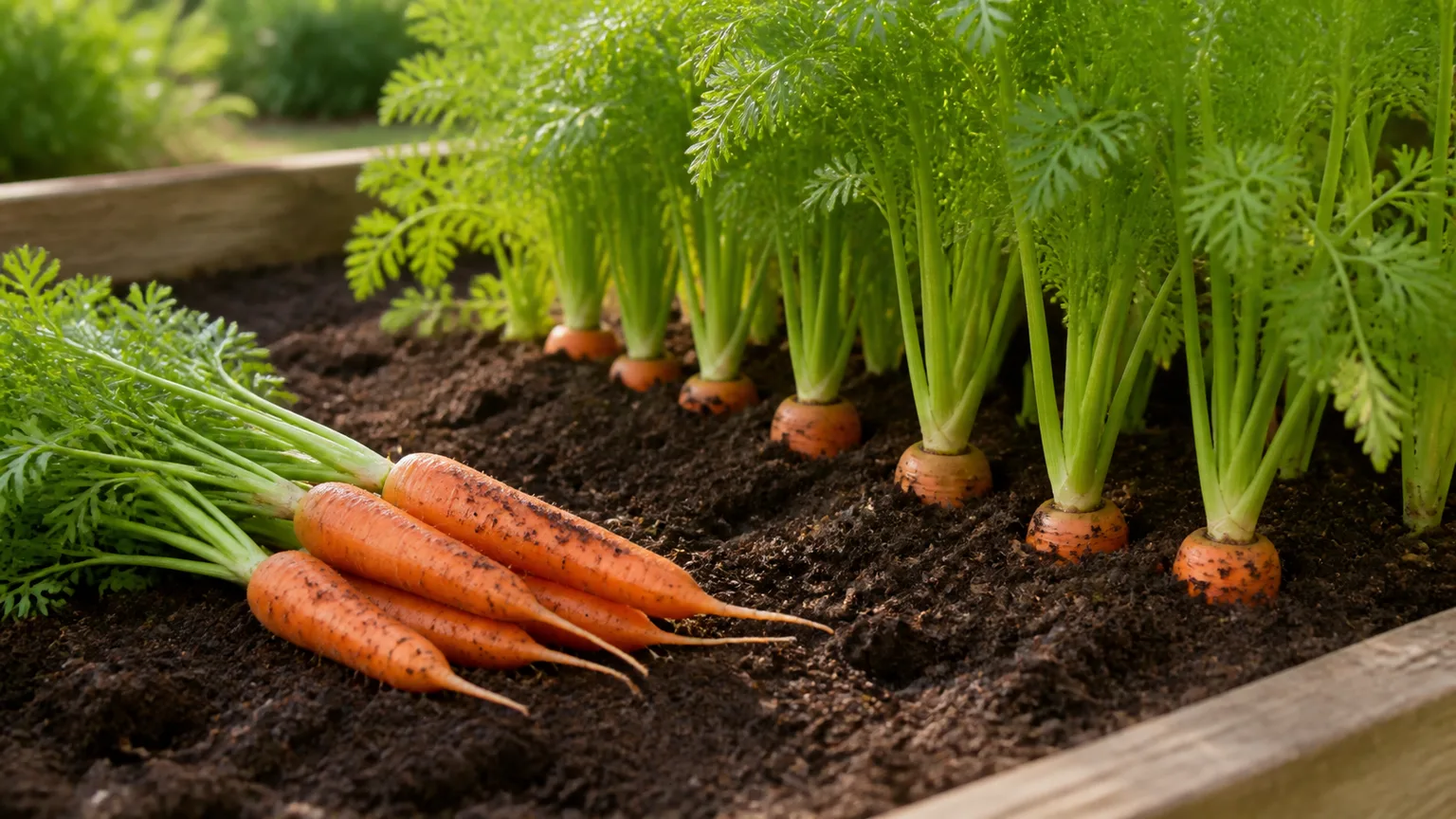
Carrots share the classic spring row with peas. Carrots drill deep while peas climb—different root zones mean less competition. RHS guidance on companion planting for space efficiency notes that intercropping fast and slow crops maximizes beds when the quick crop harvests before the slow one shades it. Sow carrots between pea rows; thin to 2–3 in. Carrot fly pressure may drop slightly when alliums grow elsewhere in the garden—not when stacked against pea stems.
Radishes mature in 25–35 days—often before pea vines need the row. They mark the seed line, loosen crusted soil, and can distract flea beetles when sown thick on the margin. Harvest radishes promptly; woody roots attract fewer benefits.
Beets and turnips appreciate nitrogen peas leave behind and break compacted topsoil with their swollen roots. Turnips especially suit fall pea plantings in cool soil. Keep beets 4–6 in. from pea stems so foliage does not intertwine and hide slugs.
Leafy greens: lettuce and spinach
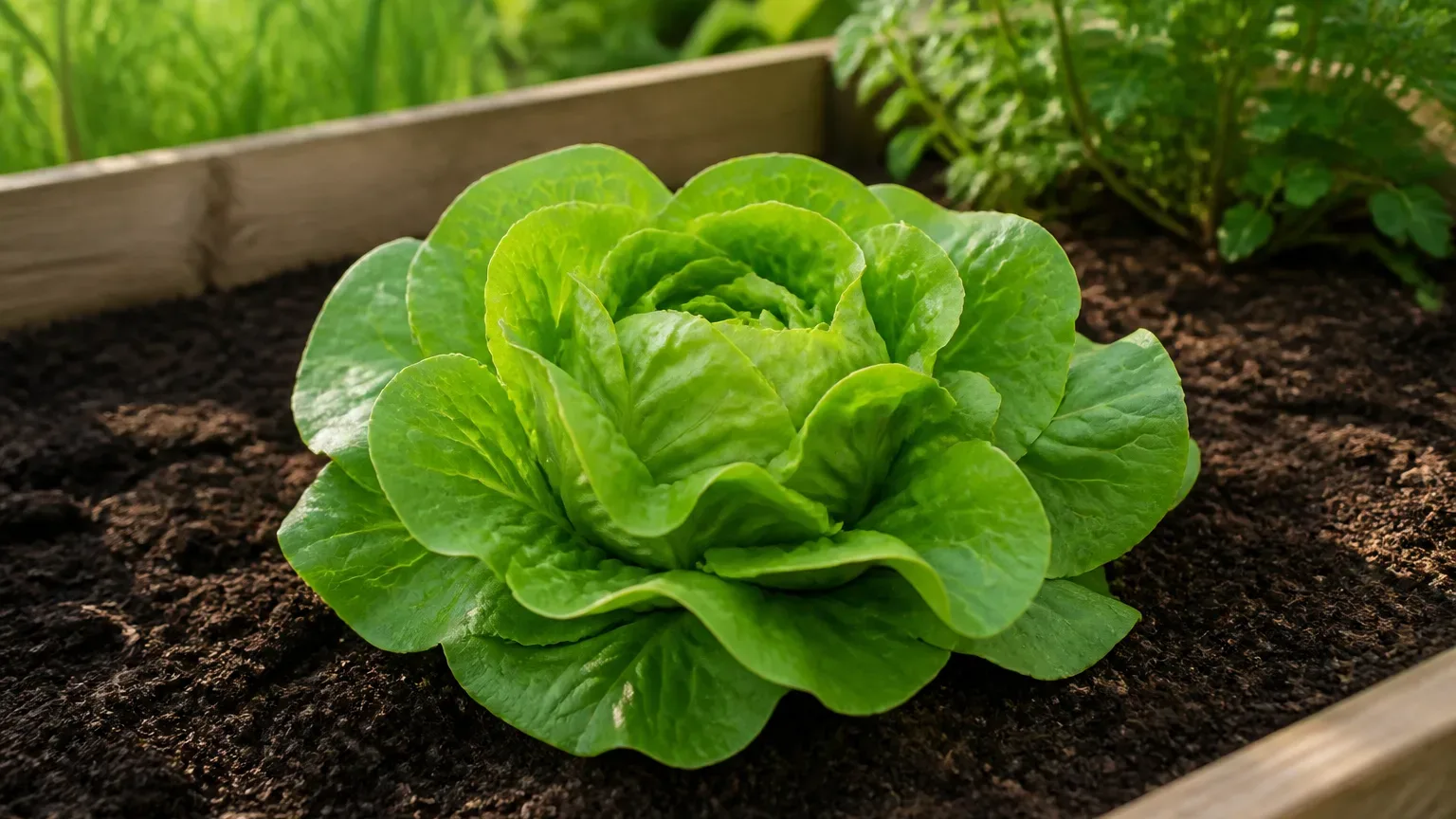
Lettuce and spinach are the easiest understory crops. Sow thickly under a trellis in early spring; cut baby leaves before pea tendrils grab the netting. Both want the same moisture peas need and bolt when summer heat arrives—exactly when pea harvest ends. For spinach-specific spacing tables, see our spinach companion plants guide; the pea-trellis logic is the same.
Harvest greens before pea vines form a solid wall. Once the trellis fills, airflow drops and slug damage on lettuce rises.
Legumes and tall support: beans and corn
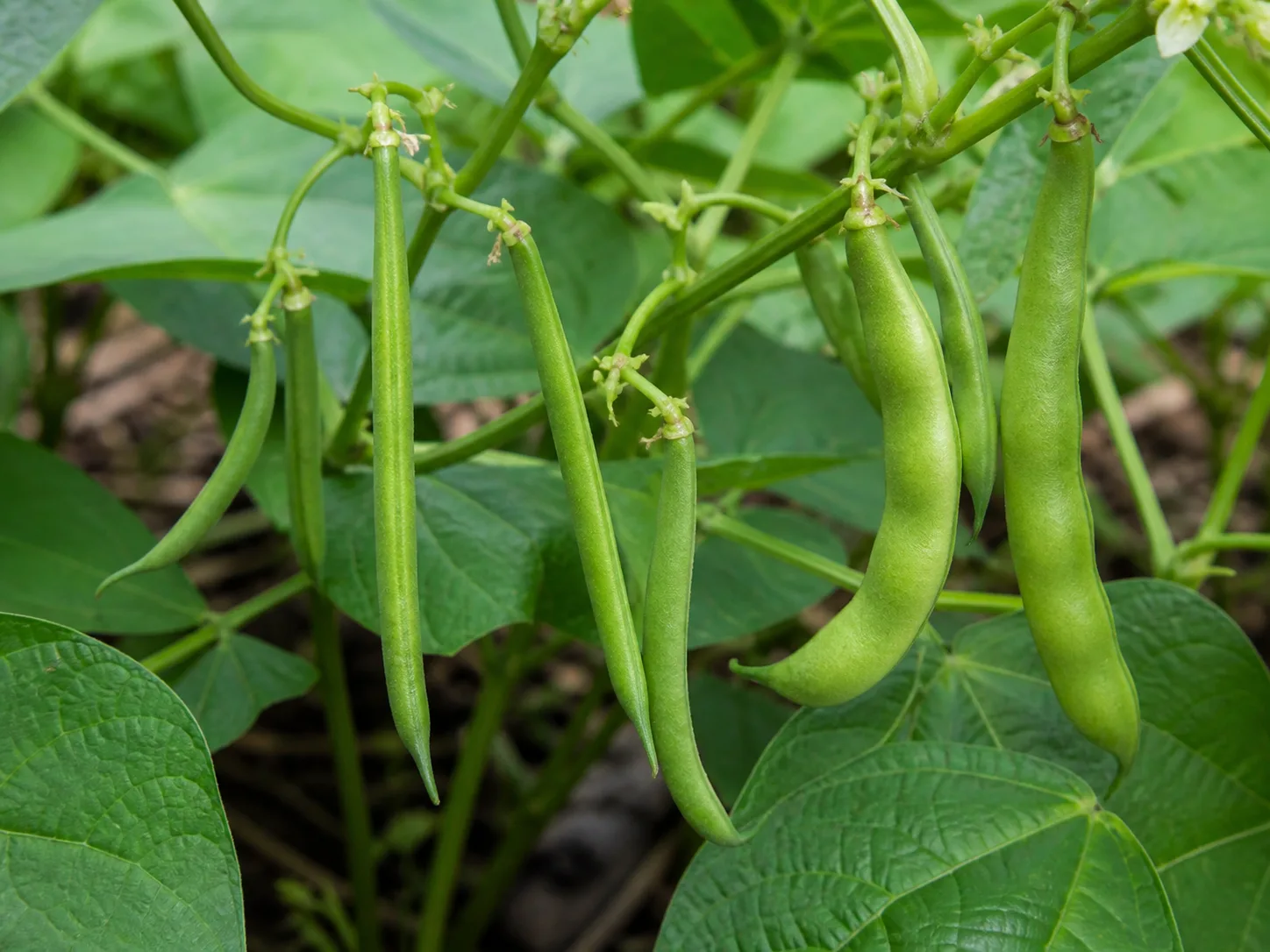
Beans and peas are both legumes—so stacking them is about timing and trellis sharing, not doubling nitrogen magic. Bush beans at the base of a pea trellis can follow spring peas in the same structure; pole beans need a sturdy frame the RHS Three Sisters system describes with corn and squash. WVU Extension lists onions and garlic as poor bean neighbors—the same allium conflict hits peas.
Corn provides wind shelter and a living pole for climbing peas in late-spring plantings. Sow corn on the north side of the pea row so tall stalks do not steal afternoon sun from pods. Corn benefits from nitrogen peas fix; peas benefit from reduced wind snap on brittle vines. In tight raised beds, treat this as a Three Sisters edge—one corn hill per 4-foot bed, not a field block.
Summer handoff crops: cucumbers, tomatoes, eggplant, and peppers
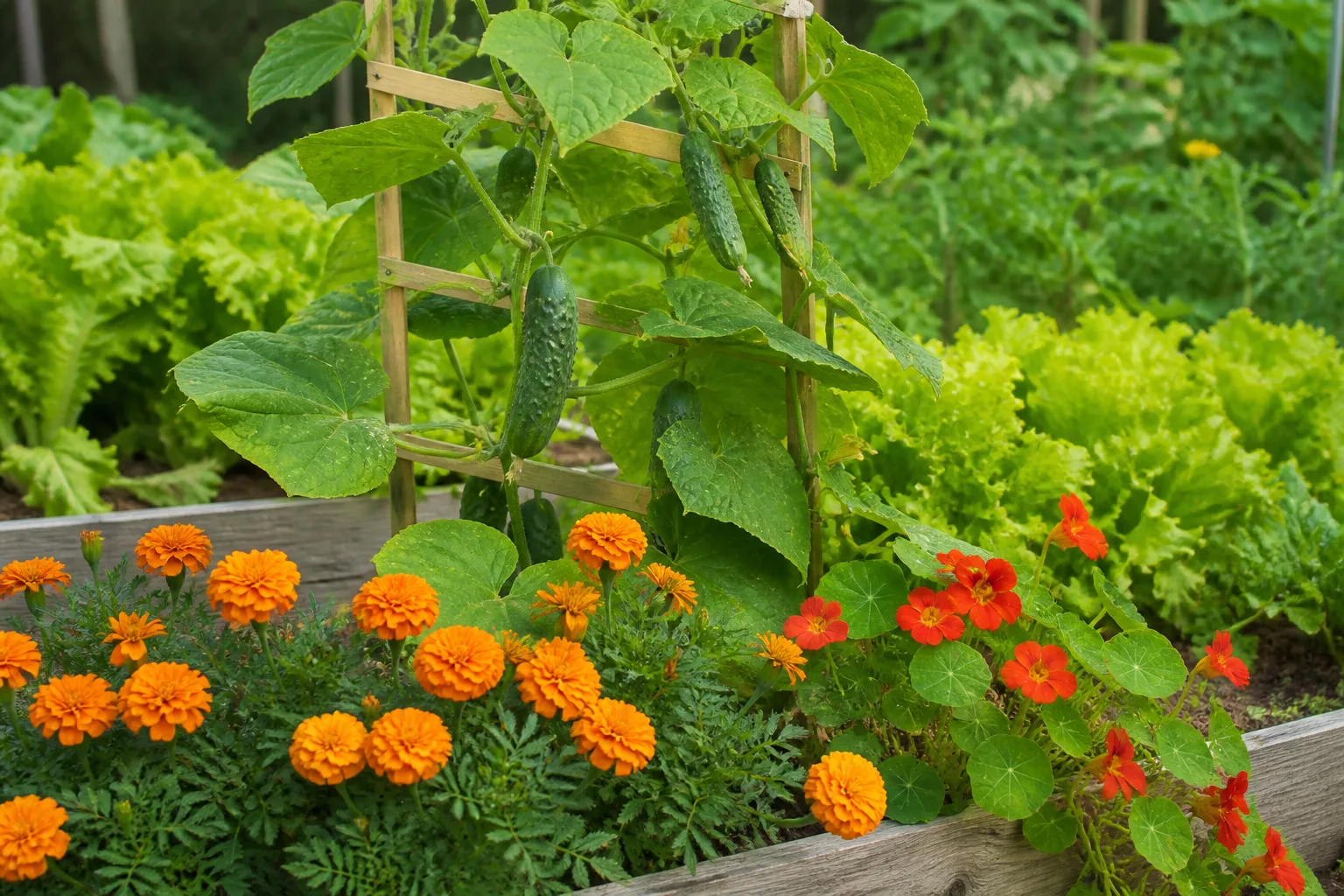
Cucumbers want heat peas cannot tolerate. Best use: succession—pull pea vines in June and sow cucumbers into warmed soil with compost and the nitrogen residue peas left. Harvest to Table’s long-season pea guidance aligns with this handoff model for raised beds. Trellis cucumbers on the same netting after peas if you sanitize debris and rotate out of continuous legume-only years.
Tomatoes, eggplant, and peppers share warm-season culture. Transplant them near pea rows only when you plan a relay: peas finish as solanaceous crops size up. Eggplant and peppers are heavy feeders that use nitrogen peas contributed after vines are removed. Setting transplants on the south side while peas still produce can work in large beds—give peas at least 12–18 in. and harvest pods before tomato suckers shade the row. Pepper-specific spacing lives in our pepper companion plants guide.
Herbs for borders: basil and celery
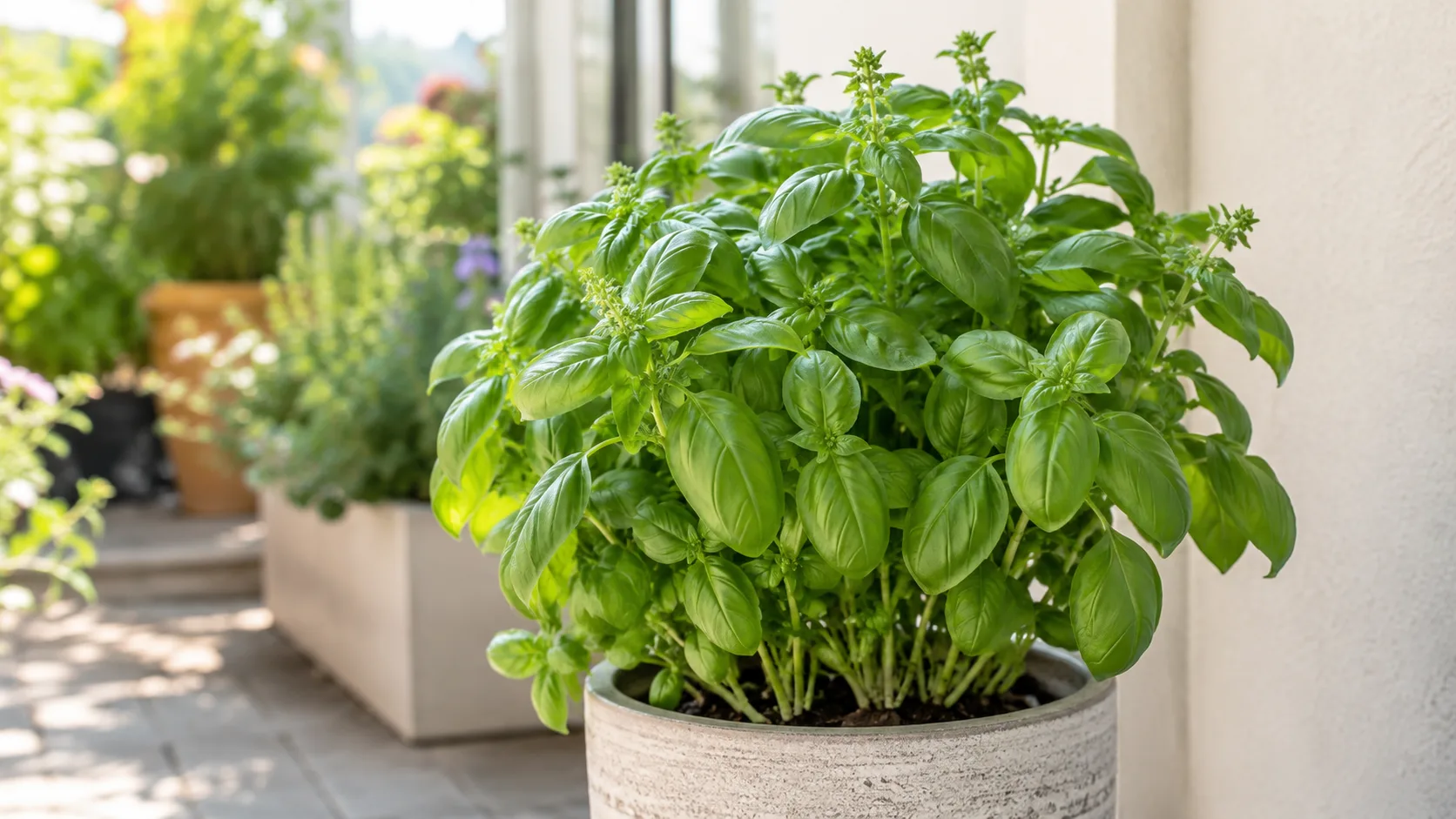
Basil belongs on row ends or in containers flanking peas—not dense under the trellis where shade triggers leggy stems. Penn State Extension research on herbs as vegetable partners describes scent masking that makes it harder for pests to find host plants; basil may confuse thrips and aphids when breezes carry volatile oils across the bed. Oregon State Extension notes flowering herbs attract hoverflies and parasitic wasps that feed on aphids (Herbs and Flowers in the Vegetable Garden).
Celery shares cool weather and steady moisture with peas. It is not a nitrogen-fixing legume—do not expect celery to fertilize peas. Instead, celery fills gaps between pea rows with upright foliage that does not climb the trellis. Space transplants 10–12 in. from pea stems.
Flowers for pests and pollinators: marigolds and nasturtiums
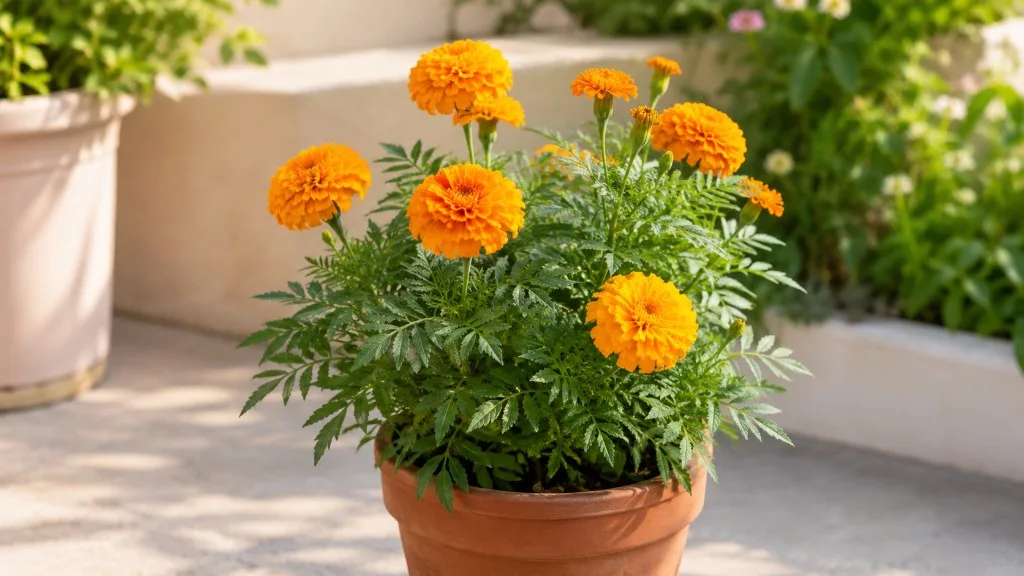
French marigolds (Tagetes patula) along paths attract beneficial insects and may reduce thrips pressure on nearby crops, per RHS research on limonene in marigold foliage. They are not a force field—scout pea shoots weekly regardless. Plant every 6–12 in. on bed edges; keep 6 in. from pea crowns.
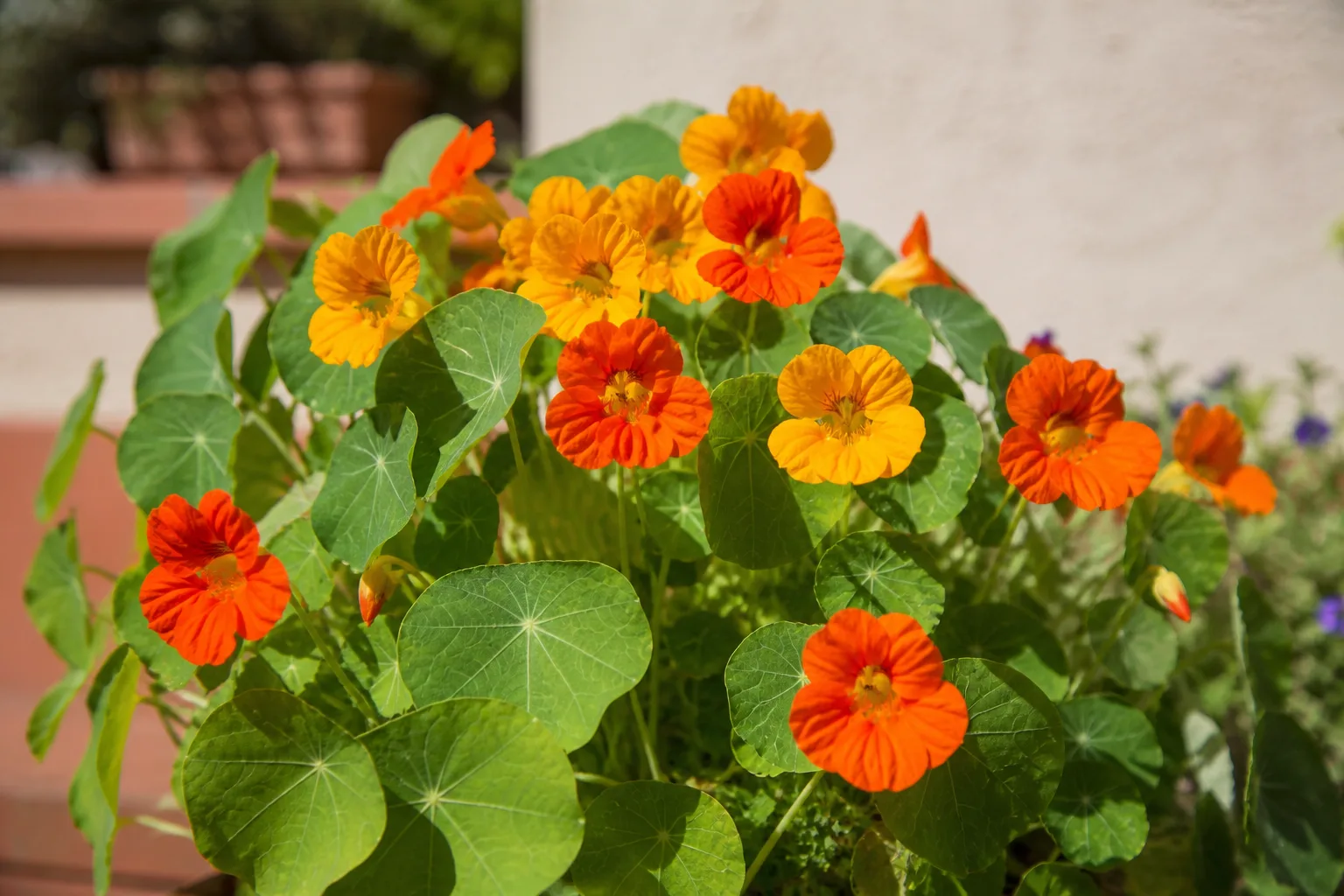
Nasturtiums work as trap crops: aphids and flea beetles often land on nasturtium leaves first. Check trap plants twice weekly; remove heavily infested leaves or whole sacrificial plants before pests spread. Our marigold companion plants guide covers similar border logic for vegetable rows.
Early potatoes as a seasonal partner
Early potatoes—planted at the same time as peas in many zones—can occupy the space between rows while peas climb. WVU Extension lists potatoes as corn and pea companions; early types harvest before vines peak, freeing soil for summer crops. Keep at least 18 in. between potato hills and pea stems so hilling does not bury pea roots. Do not replant potatoes where peas grew if late blight was present last season.
Plants to avoid near peas
Companion charts fail when gardeners ignore anti-companions—plants that stunt peas, share diseases, or release growth inhibitors.
Alliums: onions, garlic, leeks, shallots, scallions, and chives
The entire onion family belongs on the avoid list for pea rows. WVU Extension’s companion chart places onions and English peas in the “do NOT plant next to” column for beans—and the same allium conflict applies to peas in traditional charts and field observations. Harvest to Table and multiple extension-aligned sources recommend keeping alliums two to three rows away from pea plantings.
Mechanism is not fully settled in every study—some gardeners report success with wide spacing—but the consistent home-garden outcome is shorter vines and fewer pods when alliums share the root zone. Plant onions and garlic in a parallel bed or container line, not between pea seeds.
Fennel, potatoes, and other risky neighbors
Fennel releases allelopathic compounds that inhibit many vegetables, including peas. Grow fennel in an isolated pot or dedicated corner bed.
Potatoes appear on both companion and avoid lists because timing and disease history matter. Early potatoes as a simultaneous spring partner differ from storing main-crop potatoes in the same soil year after year with legumes. Peas and potatoes can share blight pathways in wet seasons—rotate nightshades and legumes on a three-year minimum cycle when disease appears.
Field peas for cover crops are a different species usage; this guide focuses on garden peas grown for fresh pods.
Sample bed layouts for small gardens
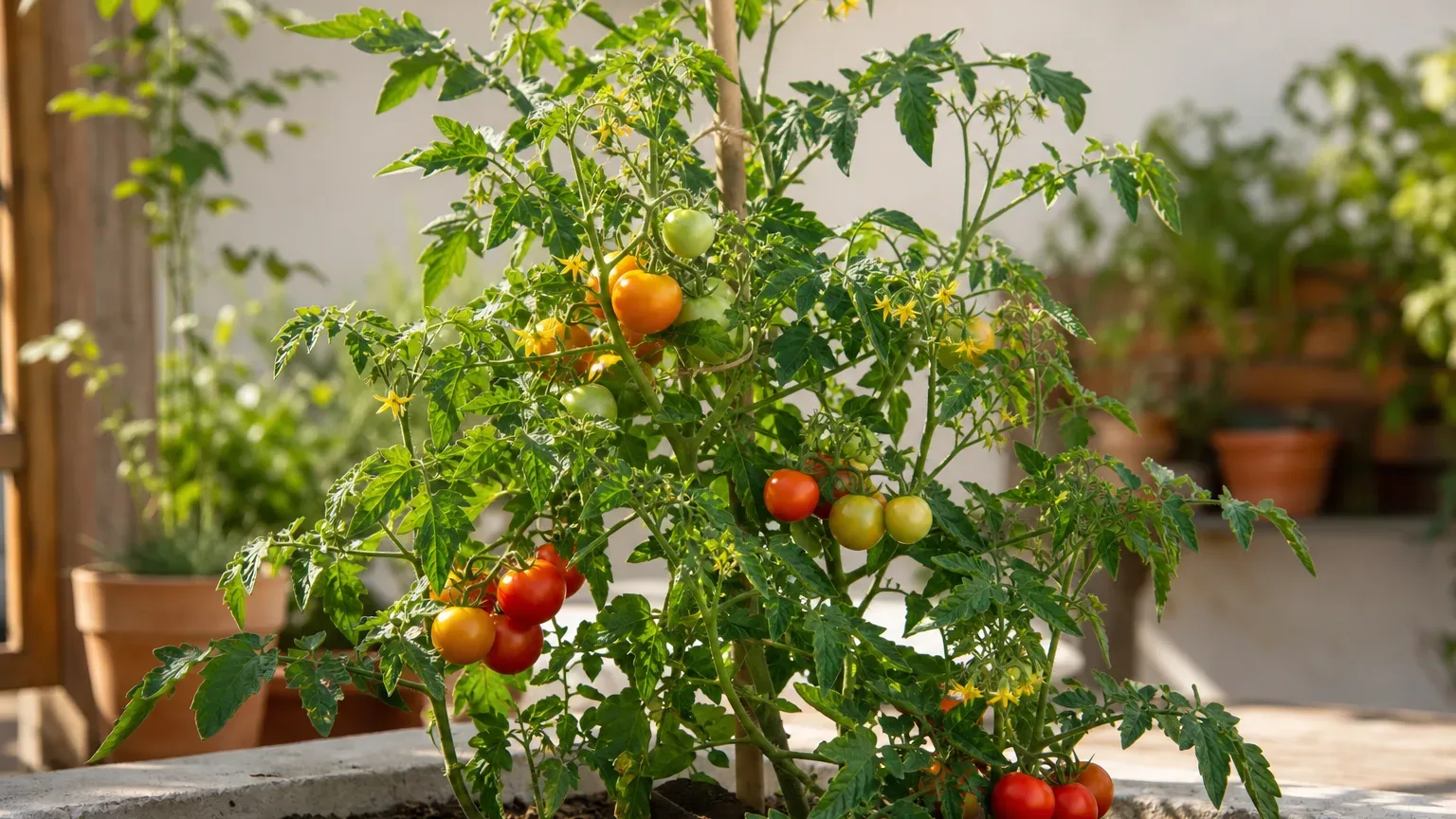
Numbers beat vague “plant nearby” advice. Two layouts for a 4×8 foot raised bed:
Layout A — spring pea row with undersown greens
- North edge: double row of shelling or snap peas on a 5-foot bamboo trellis
- Between rows: carrots and radishes sown at pea emergence
- South edge: lettuce and spinach bands, harvested by late May
- Corners: French marigolds every 8 in.
- Never in this bed: garlic, onions, chives
Layout B — trellis strip with corn and summer follow-on
- Northwest corner: 4 corn plants in a small block (windbreak)
- Center: peas on trellis facing south
- East margin: nasturtiums as aphid trap
- After pea pull (June): cucumber or bush bean sowing in center; basil pots on south rim
- Rotate cucurbits out of this bed next year if mildew or wilt appeared
Adjust for your sun angle—beds open to the south need taller crops strictly on the north side.
Snow peas and snap peas use the same rules
Snow peas and snap peas are the same species with different pod harvest timing. Trellis height, cool-season companions, and allium avoidance match shelling peas. Snow peas often climb higher—give lettuce undersownings an extra week of harvest before tendrils engulf them. For cucumber handoff after any pea type, see our companion plants for cucumbers guide.
Conclusion
The best companion plants for garden peas are not a random salad of chart favorites—they are neighbors that share cool spring culture, respect different root zones, and finish or fade before vines turn the row into a green wall. Start with carrots, radishes, lettuce, and spinach under the trellis; add marigolds and nasturtiums on the margins; use corn or beans for structure if you have room; relay cucumbers or tomatoes into the bed after harvest. Keep alliums and fennel two or more rows away, rotate potatoes thoughtfully, and treat companion planting as one layer in a diverse bed—not a substitute for spacing, fertility, and scouting. Pick three companions for your next pea row, sketch the bed on paper, and you will harvest more pods from the same square footage than peas alone ever delivered.