Pepper Companion Plants: 7 Best Pairings
Pair peppers with basil, carrots, marigolds, and six more proven neighbors—plus spacing numbers, a planning chart, and crops to keep apart.
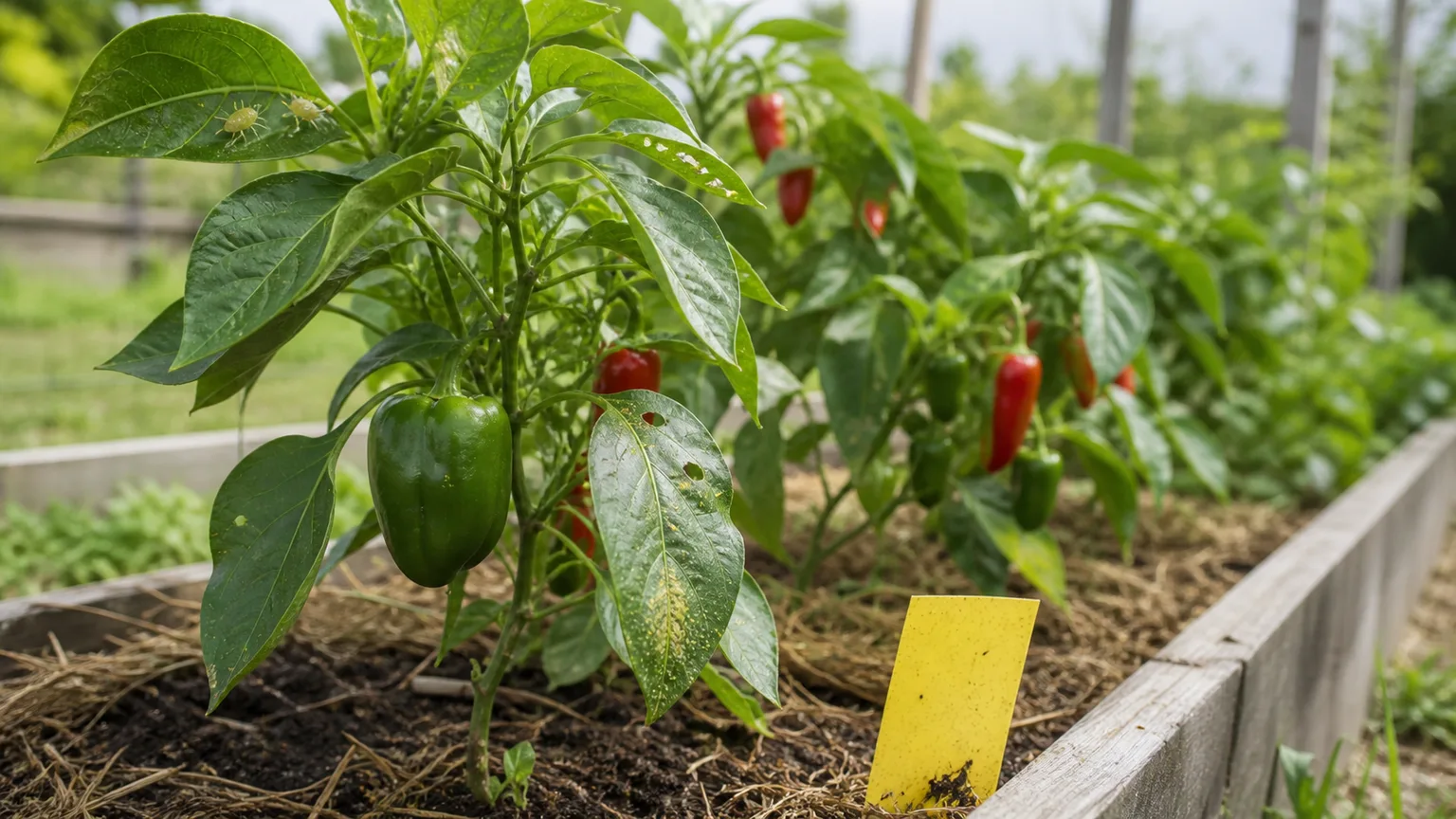
Peppers (Capsicum annuum and close relatives) want warm soil, full sun, steady moisture, and room for roots to spread—yet most companion-planting lists read like a recipe card with no measurements. Pepper companion plants earn their row space when they share that culture, fill a different root or light layer, or do a specific job: shade the soil, confuse thrips, lure aphids away, or feed beneficial insects before pepper flowers open.
These seven neighbors—basil, carrots, cilantro, marigolds, nasturtiums, onions, and spinach—are the strongest all-around pairings for bell peppers and most hot types. None of them replaces crop rotation, row cover on young transplants, or twice-weekly scouting for aphids and spider mites. Used together, they make a pepper bed more productive and easier to manage than a pepper-only row.
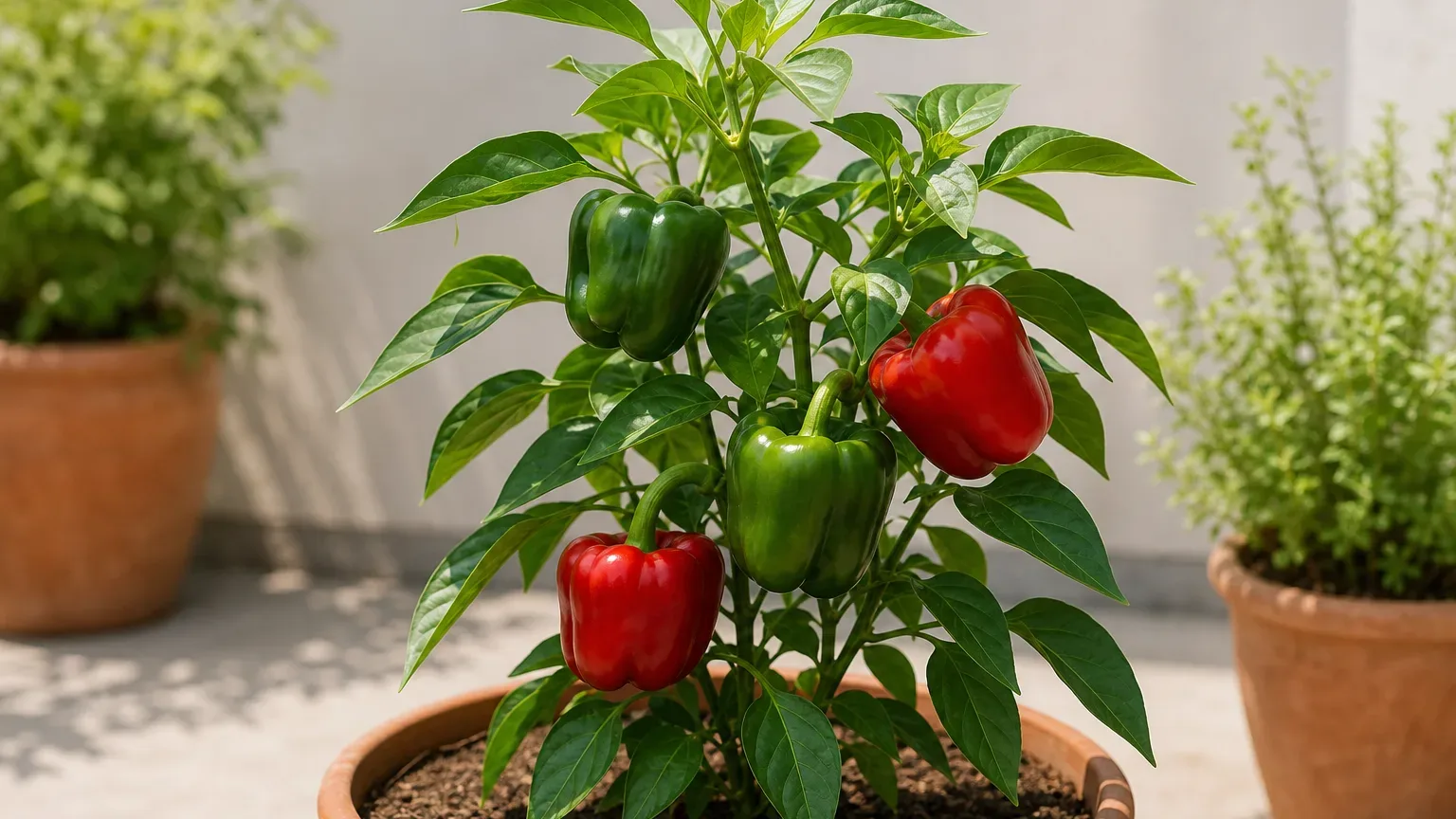
What companion planting can—and cannot—do for peppers
Companion planting means growing two or more species close enough that at least one benefits—through efficient spacing, pest confusion, predator attraction, light shade, or compatible root zones. The RHS companion planting overview is clear that benefits are real in some pairings but not guaranteed for every crop in every garden. Treat neighbors as cultural partners first and pest shields second.
For peppers specifically, companions help most when they (1) tolerate the same 6–8 hours of full sun and warm-season watering, (2) do not compete for the same shallow root band peppers use, and (3) solve a problem you actually have—aphids on new growth, bare soil baking in July, or wasted space between transplants. For the broader evidence picture, see our guide on whether companion planting actually works.
Match culture before you match pest charts
Before you scatter seeds from a chart, sort candidates into moisture and heat zones:
Warm, even-moisture block: basil, cilantro, spinach (spring/fall), carrots (spring shoulder), onions (steady moisture). Peppers belong here. Water deeply 1–2 inches per week in most soils—more in containers and heat waves.
Dry Mediterranean edge (keep separate): rosemary, sage, lavender. They want sharp drainage; peppers want consistent moisture. Our herb companion plants guide explains why basil and rosemary fail in the same root zone even though both like sun.
Heavy nitrogen feeders (buffer or separate drip): pole beans, corn at peak growth. They can outcompete peppers for nitrogen if planted too close without extra fertility.
Allelopathy suspects: fennel, mature dill in quantity. Give them a bed edge or dedicated pot, not the pepper crown zone.
If water needs clash, separate by row, raised-bed zone, or container even when a list pairs both plants as “companions.”
What research supports for nightshades and herbs
Penn State Extension research on herbs as vegetable partners shows herbs often mask target crops’ volatile chemicals rather than repel pests outright. Interplanting basil with tomatoes masks plants from thrips and reduces tomato hornworm egg-laying by adult moths—peppers share enough nightshade chemistry that the same masking logic applies in mixed beds.
Penn State also lists cilantro and dill near greens to attract lacewings, ladybugs, parasitic wasps, and syrphid flies that feed on aphids—peppers suffer the same soft-bodied pests on tender new leaves. Oregon State University Extension notes that flowering herbs and annuals in vegetable beds attract hoverflies and other beneficial predators (Herbs and Flowers in the Vegetable Garden).
The RHS links French marigold volatiles such as limonene to reduced whitefly and thrips on some crops, and notes that mixed plantings can lower pest pressure compared with monocultures—even without a specific “repellent” species. That polyculture effect is one reason a diverse pepper bed often feels calmer than a lone row by August.
How to plan a pepper polyculture bed
Sketch the bed before you transplant. Peppers are moderate-to-heavy feeders that fruit for months; companions should either finish before the canopy closes or live at the margins without stealing afternoon sun from fruiting stems.
Spacing, sun, and water rules
Give each pepper transplant 18–24 inches between plants in-row (12–15 inches for compact patio types) and 24–36 inches between rows if you walk between them. Low companions sit 6–12 inches from pepper stems unless they are a deliberate trap crop on the south margin.
Sun orientation: Place tall or sprawling companions on the north or east side so peppers keep afternoon sun on fruiting zones. Spinach and carrots belong on the east edge where they get morning light but afternoon shade once pepper leaves expand.
Water: One drip zone for peppers and moisture-matched herbs; do not let onions or carrots dry to wilting while you soak peppers daily in July. Mulch with straw or shredded leaves after soil warms to 70°F to hold moisture—companions like spinach and carrots make a living mulch, but organic mulch still helps on hot weeks.
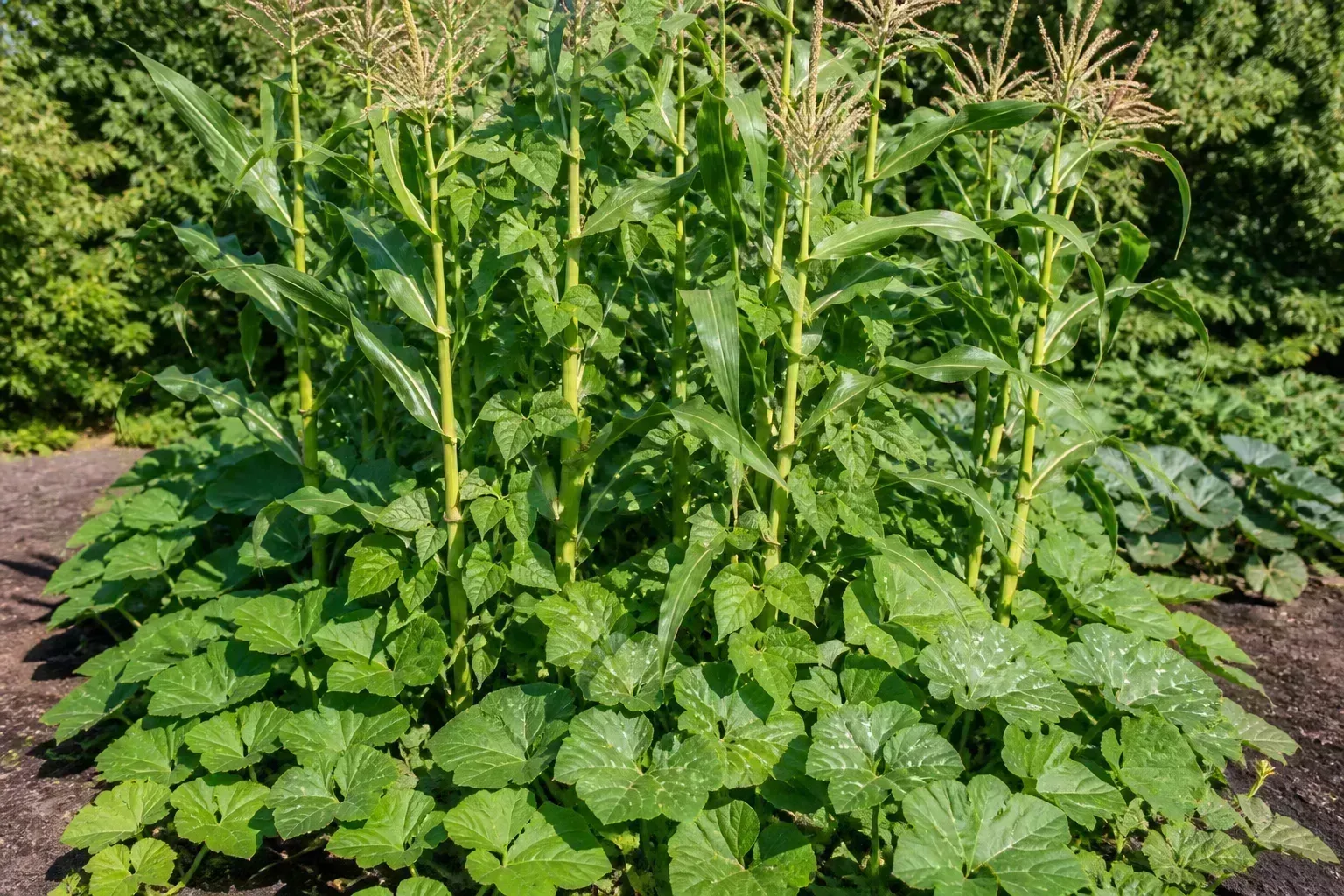
Container grouping on a patio
Peppers in pots pair well with companions in adjacent containers rather than one overcrowded tub. Group a 5-gallon pepper with a 3-gallon basil and a shallow onion or carrot window box beside it—close enough for pollinator traffic, separate enough for different watering. Our growing peppers in pots guide covers soil volume and drainage; companions should not shade the pepper pot’s south face.
On a balcony, cluster containers so flowers (marigold, nasturtium) sit at the front railing where aphids arrive first, with peppers set back for airflow. See how to garden on a deck for weight and sun-angle planning on elevated sites.
Basil
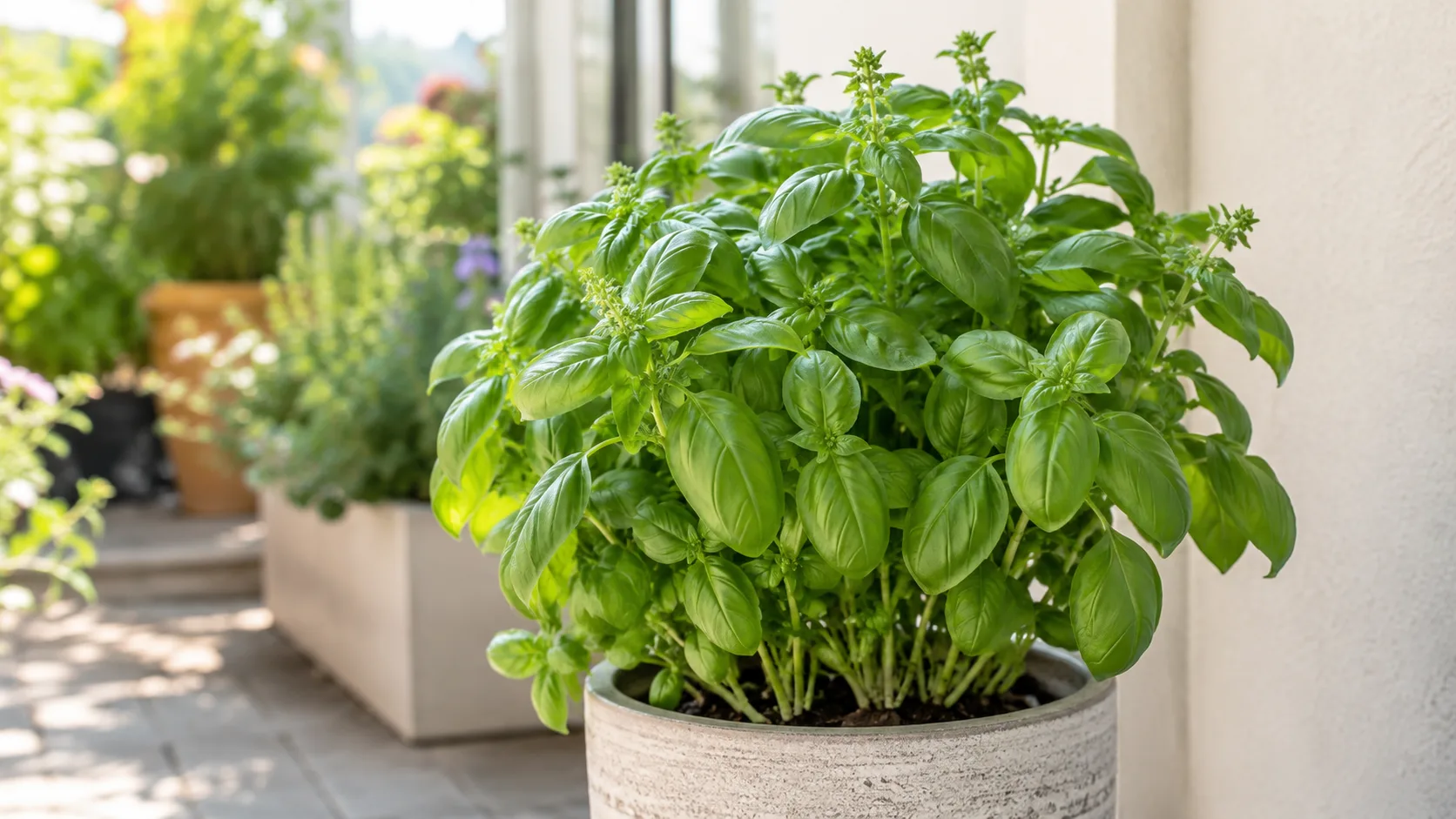
Basil (Ocimum basilicum) is the highest-return herb neighbor for peppers because it shares warm-season culture and has published pest-interaction data in nightshade beds.
Plant basil 8–12 inches from pepper stems on the sunny side of the row, or tuck three basil plants around each cage leg. Pinch flower spikes through early summer to keep leaves tender; let a few plants bloom in late summer if you want extra pollinator traffic for neighboring fruit. Basil roots are shallow—do not bury them under pepper mulch piled against the main stem.
Penn State Extension documents basil masking tomatoes from thrips and reducing hornworm egg-laying; peppers attract the same class of chewers and sap feeders in many regions. Basil will not stop a hornworm outbreak alone—hand-pick larvae and scout weekly—but the pairing is culturally sound and research-backed for scent disruption.
Kitchen bonus: harvest basil and peppers together for salsa, stir-fries, and caprese-style salads. If you already pair basil with tomatoes, extending the row to peppers is a spacing tweak, not a new system. More tomato-herb logic lives in our herb companion plants guide.
Carrots
Carrots (Daucus carota) and peppers stack vertically: carrots occupy the 6–10 inch soil layer while peppers send roots deeper once established. Sow carrots 4–6 weeks before pepper transplant date in the same bed, or direct-sow in bands 6–8 inches from pepper stems while transplants are still small.
Pepper foliage shades carrot shoulders in midsummer, which can reduce green-shoulder bitterness on roots maturing in heat. Carrots, in turn, keep the soil surface loose and weed-free—a living mulch effect similar to what the RHS describes for intercropping fast and slow crops.
Pull carrots before pepper plants fully bush out if tops are crowding; otherwise wait until carrots size up and harvest in waves. Short ‘Parisian’ or ‘Thumbelina’ types finish before a dense canopy; longer types belong on the north edge exclusively. The classic carrot–onion scent pairing also helps confuse carrot fly and onion pests when both are present—onions in the next section complete that triangle around peppers.
Cilantro
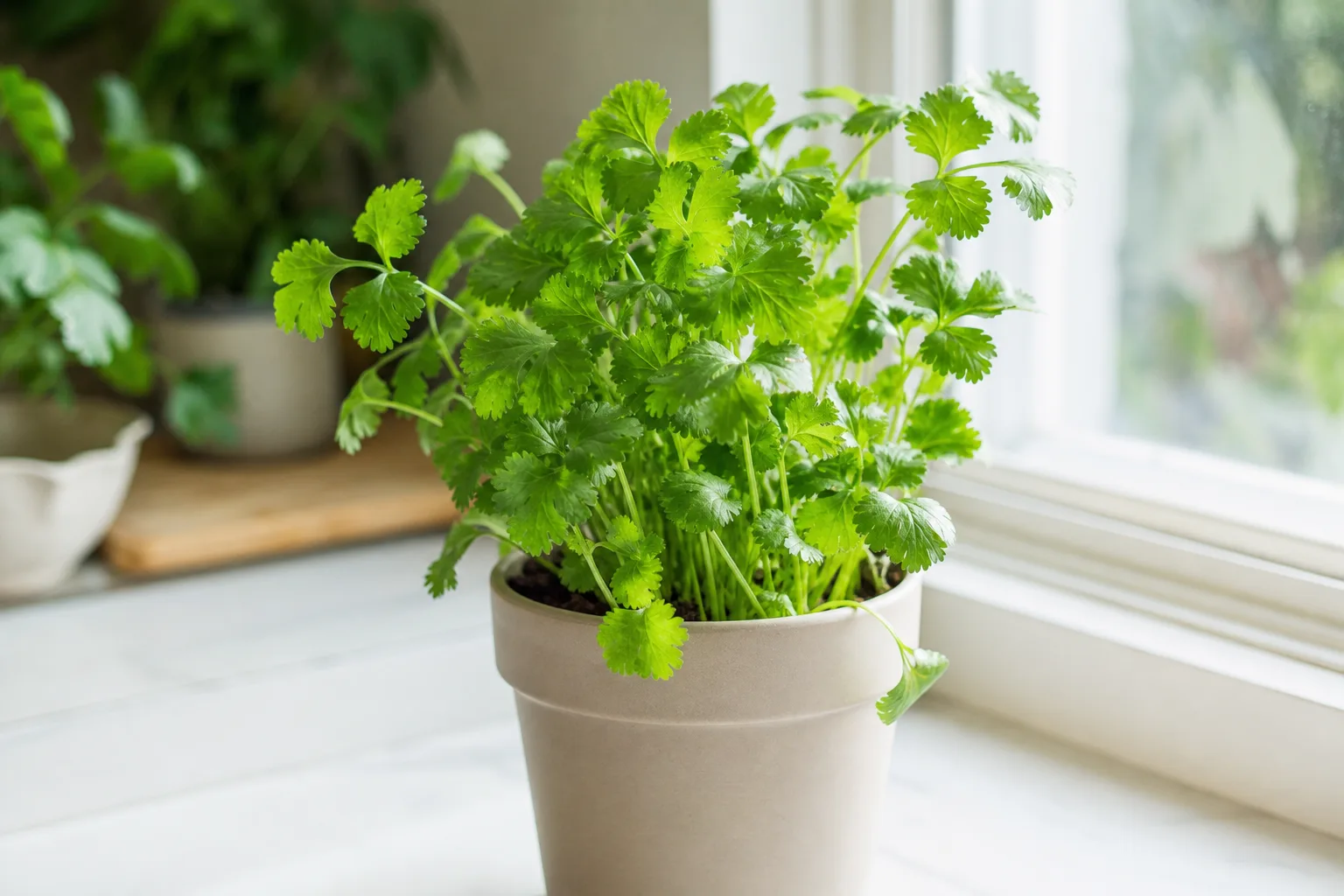
Cilantro (Coriandrum sativum) bolts fast in heat—exactly why it fits early pepper transplants better than mid-July sowings. Plant cilantro 6–10 inches from pepper stems when night temperatures stay above 50°F; harvest leaves for six to eight weeks, then let remaining plants flower.
Those umbel blooms feed lacewings, ladybugs, parasitic wasps, and syrphid flies that eat aphids on pepper new growth. Penn State Extension lists cilantro and dill for aphid control near lettuce and greens; peppers benefit from the same predator recruitment when cilantro is allowed to flower at the row end.
Succession-sow cilantro every three weeks in spring so one patch is always pre-bolt while peppers leaf out. After cilantro bolts, leave flowering plants in place until seed sets if you want coriander—or replace with a second basil sowing in the same strip. Do not confuse cilantro with fennel; fennel belongs on the avoid list below.
Marigolds
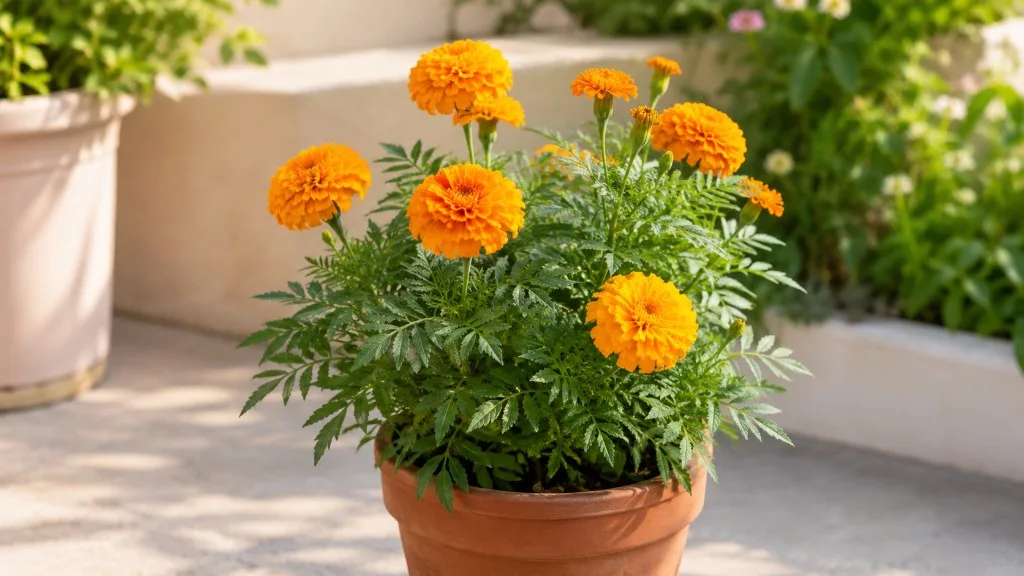
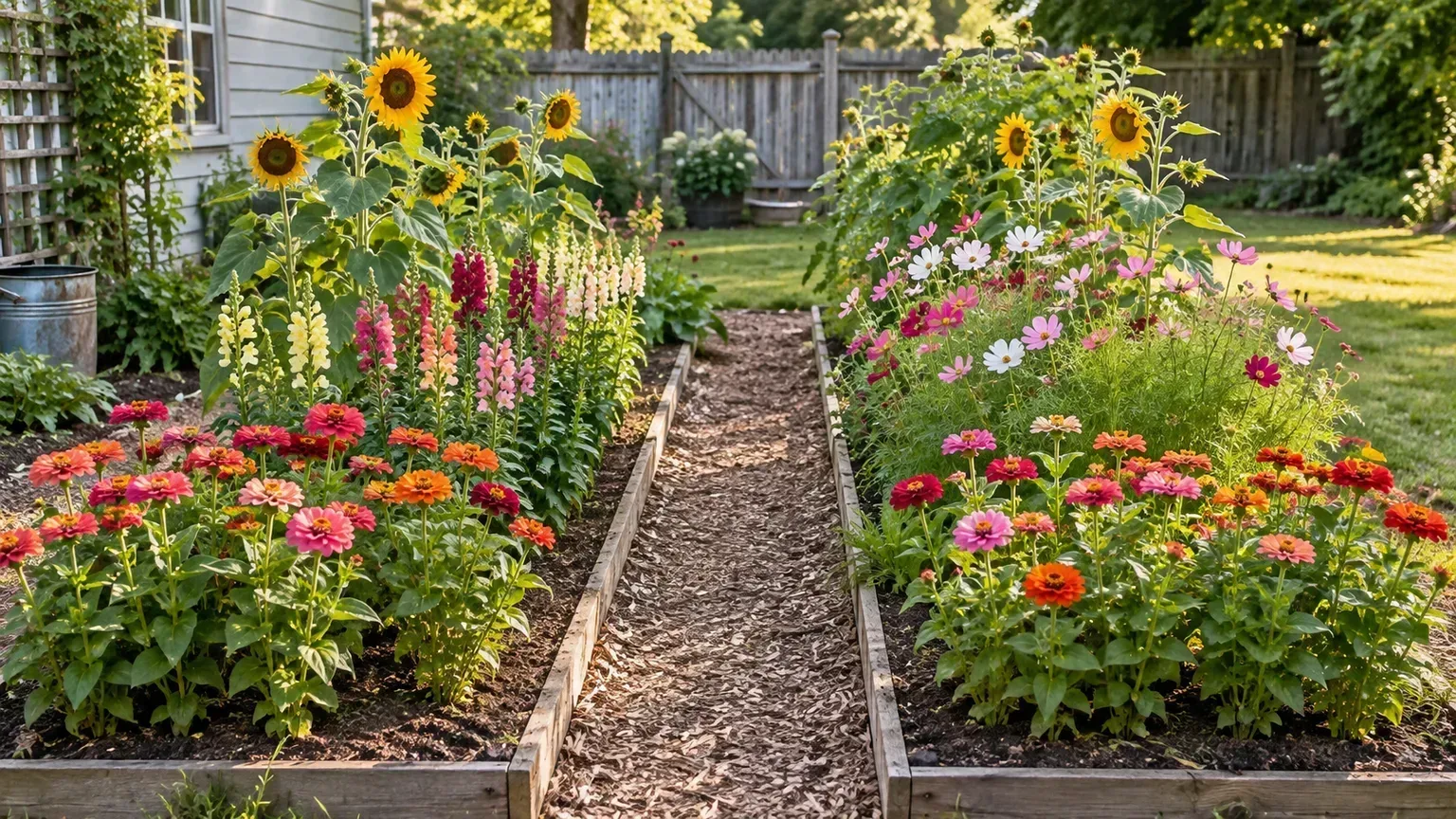
French marigolds (Tagetes patula) belong on bed margins and cage corners, not jammed against pepper stems where wet foliage overlaps. Space plants 12–18 inches apart along the south or west edge, at least 6 inches from pepper crowns.
The RHS ties marigold volatiles including limonene to reduced whitefly and thrips on some crops. University of Arizona Cooperative Extension material on marigolds and nematode management discusses French marigolds suppressing root-knot nematodes when grown as a dense pre-crop in the same soil for at least two months—not as three flowers beside an established pepper. If nematodes stunt your peppers, plan marigolds into the rotation slot before peppers return to that bed.
Marigolds attract pollinators and add color; they are not a stand-alone substitute for row cover on young plants or removal of virus-infected leaves. Our marigold companion plants guide compares types and spacing when marigolds are the anchor crop.
Nasturtiums
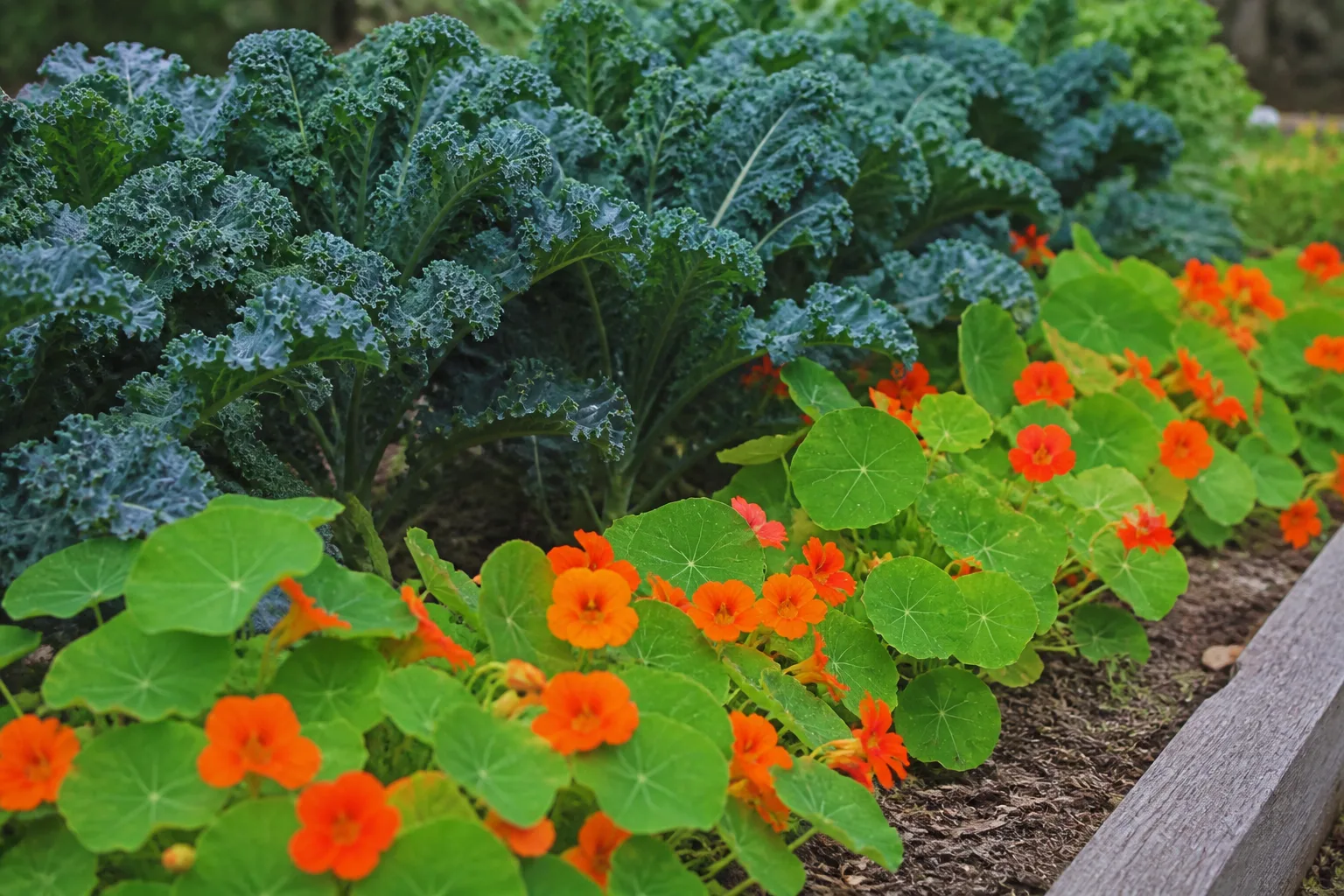
Nasturtiums (Tropaeolum majus) work as a trap crop for aphids that also visit peppers. Aphids often colonize nasturtium leaves first, buying you time to wash peppers or release predators before populations spike on fruiting stems.
Plant nasturtiums 12–18 inches from pepper plants on the south or west margin—close enough that aphids do not need to travel far, far enough that you can remove heavily infested nasturtium leaves without disturbing peppers. The RHS notes gardeners often place nasturtiums near beans and tomatoes for similar beneficial-insect effects; the same border logic applies to peppers.
Trap-crop discipline: check nasturtiums twice weekly. Pinch or compost leaves coated in aphids, or spray them with a hard water blast directed away from peppers. If you ignore a trap crop, pests eventually spill onto neighbors—a failure mode UF/IFAS Orange County Extension warns about when using insectary plants to attract pest predators: diversity and timing matter more than a single flower species.
Edible bonus: peppery nasturtium blossoms pair with sliced peppers in summer salads. For more trap-crop thinking, see our spinach companion plants guide’s nasturtium section.
Onions and alliums
Onions, scallions, chives, and garlic fit pepper beds because they occupy a narrow vertical slot, confuse some soft-bodied pests with sulfur compounds, and harvest before or beside peppers without shading fruit.
Plant onion sets or scallion bunches 4–8 inches from pepper stems in the same row, or alternate pepper–onion–pepper in tight beds. Bulbing onions need full sun on their tops; do not let sprawling pepper branches shade onion leaves after midsummer—trim lower pepper foliage if needed, or move bulbing onions to the north side of the cage.
Alliums do not replace integrated pest management. They may reduce slug and aphid traffic at the soil line in damp springs, but peppers still need dry-leaf mornings and removal of weeds that harbor mites. If you grow garlic, our vegetables that deter pests guide covers realistic expectations for scent-barrier crops.
Spinach
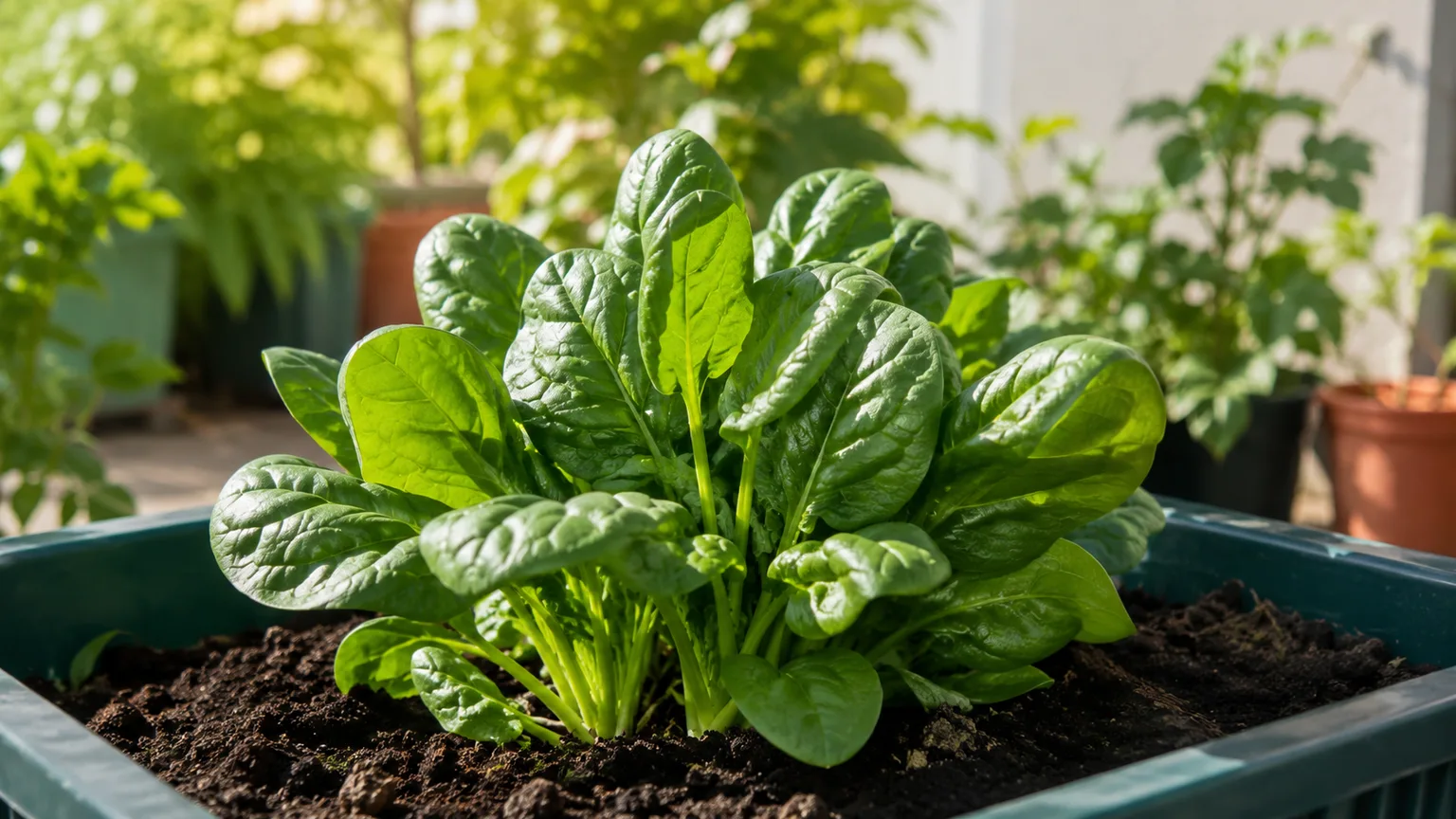
Spinach (Spinacia oleracea) is an understory crop, not a full-summer partner. Sow spinach 6–8 inches from young pepper transplants in early spring, or tuck a fall sowing around established plants in August when nights cool.
Spinach shades soil, retains moisture, and suppresses early weeds while peppers are knee-high. Harvest leaves before the pepper canopy closes—usually by early summer for spring sowings. Heat-tolerant spinach varieties buy a week or two, but spinach still bolts when nights stay warm; plan a second crop in fall around the same peppers.
Because spinach and peppers share aphid pressure, flowering cilantro or dill at the row end supports the same beneficial insects Penn State lists for greens. Spinach-specific pairing logic and spacing tables live in our spinach companion plants guide.
Pepper companion planting chart
Use this table to pick two or three jobs per bed—not all seven plants at once.
| Companion | Primary job | Spacing from pepper stem | Timing note |
|---|---|---|---|
| Basil | Scent masking; shared summer culture | 8–12 in. | Transplant with or after peppers |
| Carrots | Root-zone layering; living mulch | 6–8 in. | Sow 4–6 weeks before peppers |
| Cilantro | Aphid predators when flowering | 6–10 in. | Succession-sow spring; let bolt |
| French marigolds | Border beneficials; nematode pre-crop | 6 in. min.; 12–18 in. on edge | Edge plant at transplant |
| Nasturtiums | Aphid trap crop | 12–18 in. on S/W margin | Direct-sow after frost |
| Onions/alliums | Narrow row filler; scent barrier | 4–8 in. | Sets with transplants |
| Spinach | Cool-season understory | 6–8 in. | Spring or fall only; harvest early |
What not to grow with peppers
Some pairings fail from competition, allelopathy, or shared disease—not because an almanac said “enemies.”
Brassicas, beans, and heavy feeders
Brassicas (cabbage, broccoli, kale, cauliflower, collards) want cool roots and steady nitrogen in spring; peppers want heat and can sit in the same bed only in sequence, not as tight interplants. Brassicas also attract cabbage worms and flea beetles you do not need on pepper leaves. If space is tight, finish brassica harvest before peppers take over the row, or place brassicas on the north end with 24+ inches of buffer.
Beans—especially pole beans on tall trellises—steal light and nitrogen when crowded against peppers. Bush beans can work on the north side with extra compost, but Penn State and practical growers treat heavy legume blocks as a separate rotation segment. Vining beans on the south face will shade peppers and reduce fruit set.
Fennel and apricots
Fennel (Foeniculum vulgare) releases allelopathic compounds that stunt many neighbors, including peppers. Keep fennel in its own pot or bed section at least 4 feet from pepper roots—farther if it is flowering heavily. Harvest fennel from a dedicated herb strip, not the pepper polyculture.
Apricot trees and peppers are a bad combination in small yards: anthracnose and related fungal issues on peppers can spread to apricot fruit when gardens sit under tree drip lines. Grow peppers away from stone-fruit canopy and avoid splashing soil onto lower apricot branches when watering. Container peppers under trees still risk spore splash in wet years—move pots to open sun if fruit trees show fungal pressure.
Nightshades, rotation, and disease prevention
Tomatoes, eggplant, potatoes, and peppers are all nightshades (Solanaceae). You can plant peppers beside tomatoes and eggplant in the same season—they share culture and pollinators—but do not return any nightshade to the same soil more than once every three years if you can manage it. Shared pathogens include early blight, verticillium, and bacterial spot; rotation breaks the cycle better than any flower border.
The University of Massachusetts Amherst Extension companion planting fact sheet frames companions as one layer in a system that still requires rotation and soil health. Our crop rotation guide walks through mapping beds when you only have four raised boxes.
Tomatoes beside peppers: workable with trellises on opposite bed sides, 24-inch minimum between cages, and separate drip if tomatoes are on a lighter schedule. Both attract aphids; flowering cilantro and marigold borders help but do not replace removing infected leaves. See plants to never grow with tomatoes for pairings that fail harder than peppers do.
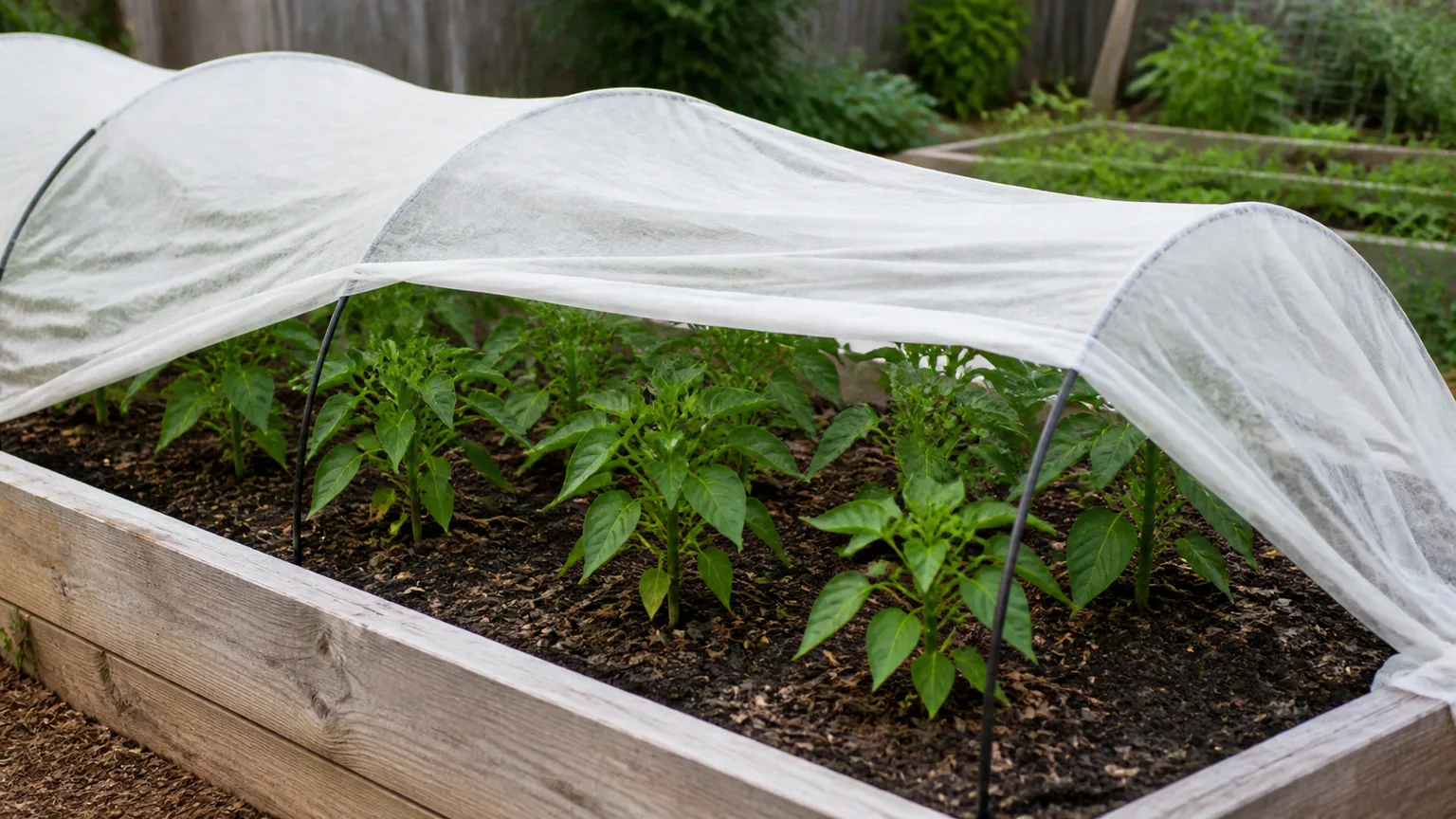
When pests overwhelm companions—mite webbing, pepper weevil in warm climates, heavy thrips—shift to mechanical controls and covers. Our pepper pest management guide discusses realistic expectations for deterrents versus scouting and row cover.
Conclusion
The seven best pepper companion plants—basil, carrots, cilantro, marigolds, nasturtiums, onions, and spinach—earn their place when they match pepper culture and fill a clear job: scent masking, root layering, beneficial insects, trap cropping, or cool-season understory. Start with culture (sun, water, spacing), add two or three companions by role, and keep brassicas, beans, fennel, and apricot canopies out of the pepper root zone.
Rotate nightshades on a three-year minimum, maintain trap crops with weekly checks, and treat marigolds as border support—not a pesticide. A reader who plans from the chart above can lay out a pepper bed in one pass and spend the season harvesting instead of searching for the next missing piece of advice.