8 Vegetables That Deter Pests in Your Garden
Onions, garlic, mustard, radishes, and more can reduce garden pest pressure when used strategically. See pairings, spacing, and common mistakes to avoid.
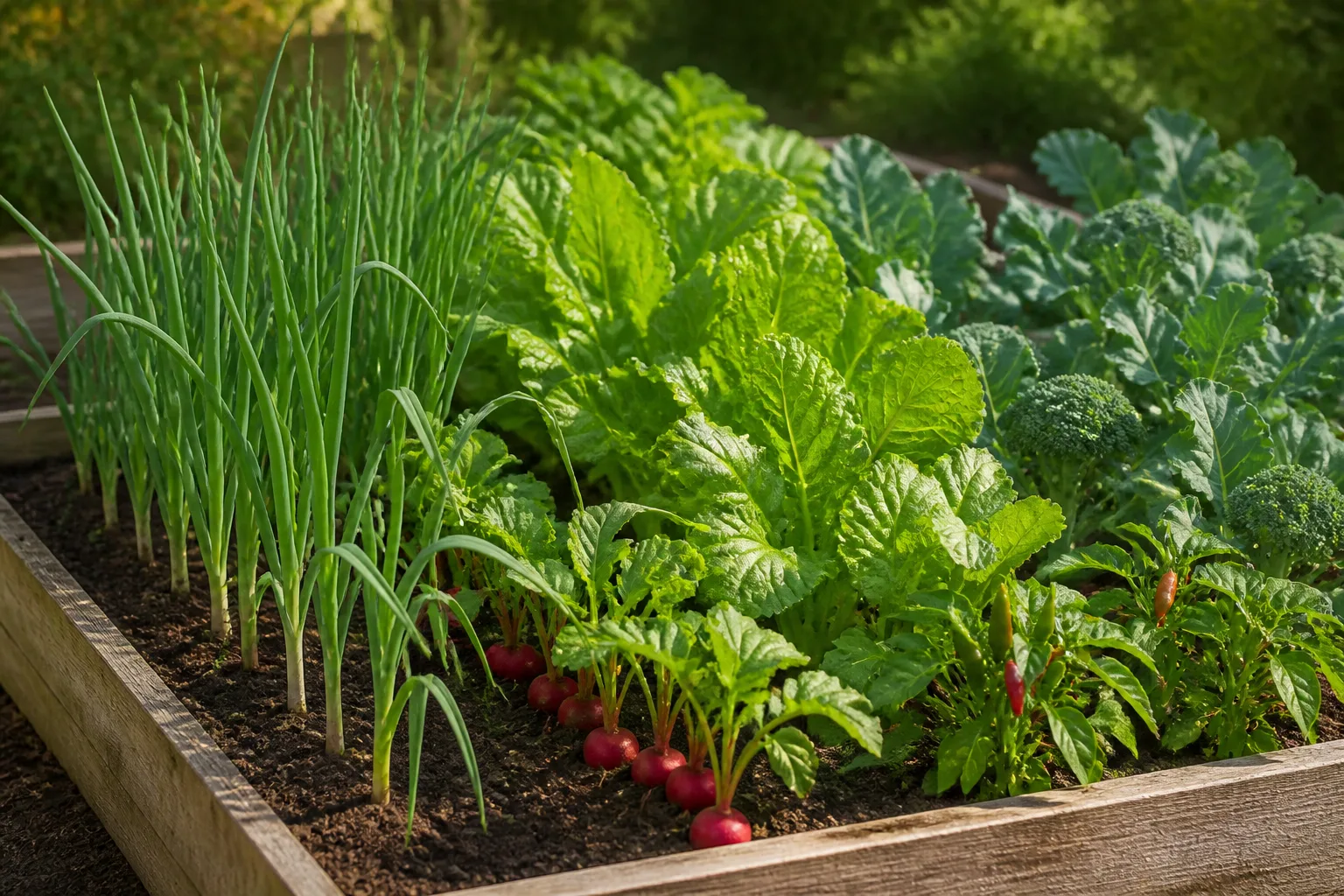
A row of onions will not make aphids vanish from the other end of a 20-foot bed. Garlic planted once in spring will not protect August tomatoes the way a late-season spray might. Vegetables that deter pests earn their space when you match each crop to a pest behavior—masking host-plant scent, acting as a trap crop you are willing to remove, or breaking up a monoculture so insects have a harder time finding their target.
The eight edibles below are not a substitute for rotation, row cover, or weekly scouting. Used inside integrated pest management (IPM)—the prevention-and-monitoring approach the EPA outlines for home gardens—they add edible structure to a pesticide-light plan. Think of them as living tools you can harvest, not charms you stick in a corner and forget.
What pest-repelling vegetables actually do (and what they cannot)
Most ranking pages blur three different jobs into one word: repel. Extension research on aromatic companions is more precise. Penn State Extension notes that herbs and strong-scented crops often confuse pests by masking the volatile chemicals of the target vegetable rather than broadcasting a repellent force field (herbs as plant partners). Kansas State Extension puts it plainly: sulfur compounds in garlic may discourage some pests, but the effect stays localized to the garlic itself (companion planting reality check).
Masking, trap cropping, and diversity—not invisible force fields
Aromatic masking works when alliums, mustard, or chiles sit close to the crop canopy you are protecting. The pest has to encounter a mixed scent profile before it commits to feeding or egg-laying.
Trap cropping flips the script: you grow a preferred plant on purpose—radish leaves for flea beetles, mustard for early brassica pests—then scout and sacrifice that plant before insects reproduce and spread. A trap crop without removal is just a pest nursery.
Diversity and visual disruption matter too. The RHS reports that mixing crop types can reduce some insect populations compared with large single-crop blocks, even when no single “repellent” is present (RHS companion planting overview). Polyculture makes host-finding harder; it does not replace varietal resistance or clean fall cleanup.
How much planting you need before you notice a difference
Scale is the silent killer of companion plans. A few garlic cloves at the corner of a 4×8 bed will not change carrot-fly pressure across the bed. Useful starting points:
- Border strip: one tight row of alliums or radishes along the upwind or entry side of the bed pests use
- Interplant: alternate every 2–3 main-crop plants with a scallion or radish in intensive raised beds
- Trap block: dedicate 10–20% of a brassica row to mustard or radish sown 10–14 days earlier than the main crop
If damage stays high after two weeks of scouting, add row cover, hand removal, or a labeled organic product targeted to the pest—not more random companions. Our guide on whether companion planting actually works walks through when diversity helps and when charts oversell results.
Build your pest plan before you pick companions
Identify the pest and its season first
Start with the insect or mammal you actually see, not the vegetable you wish would help. Flea beetles hit young brassicas in cool spring weather. Asparagus beetles arrive as spears emerge. Aphids colonize soft new growth on peppers and kale. Each pest needs a different companion role:
| Pest pressure | Vegetable tools that help | Still required |
|---|---|---|
| Flea beetles on brassicas | Mustard, radish trap rows | Fast growth, row cover at planting |
| Cabbage worms / loopers | Onions, thyme edges (masking) | Hand-pick, Bt when larvae active |
| Aphids on peppers/tomatoes | Chile decoys, diverse bed | Water blast, protect predators |
| Asparagus beetles | Tomato/pepper nightshade neighbors | Hand-pick, remove frass |
| Deer/rabbits at bed edge | Onion/garlic/horseradish borders | Fencing where pressure is severe |
Pair edible companions with scouting, sanitation, and barriers
West Virginia University Extension groups companion benefits into space efficiency, insect management, and soil health (WVU companion planting). Trap cropping only counts as management when you inspect sacrificial plants at least weekly in peak season and remove infested tissue before winged adults spread.
University of Minnesota Extension’s companion planting overview reminds gardeners that many traditional pairings come from observation; research supports some combinations more than others (UMN companion planting). Record what works in your yard—microclimate and pest mix vary block by block.
Onions and leeks: sulfurous scent at the crop edge
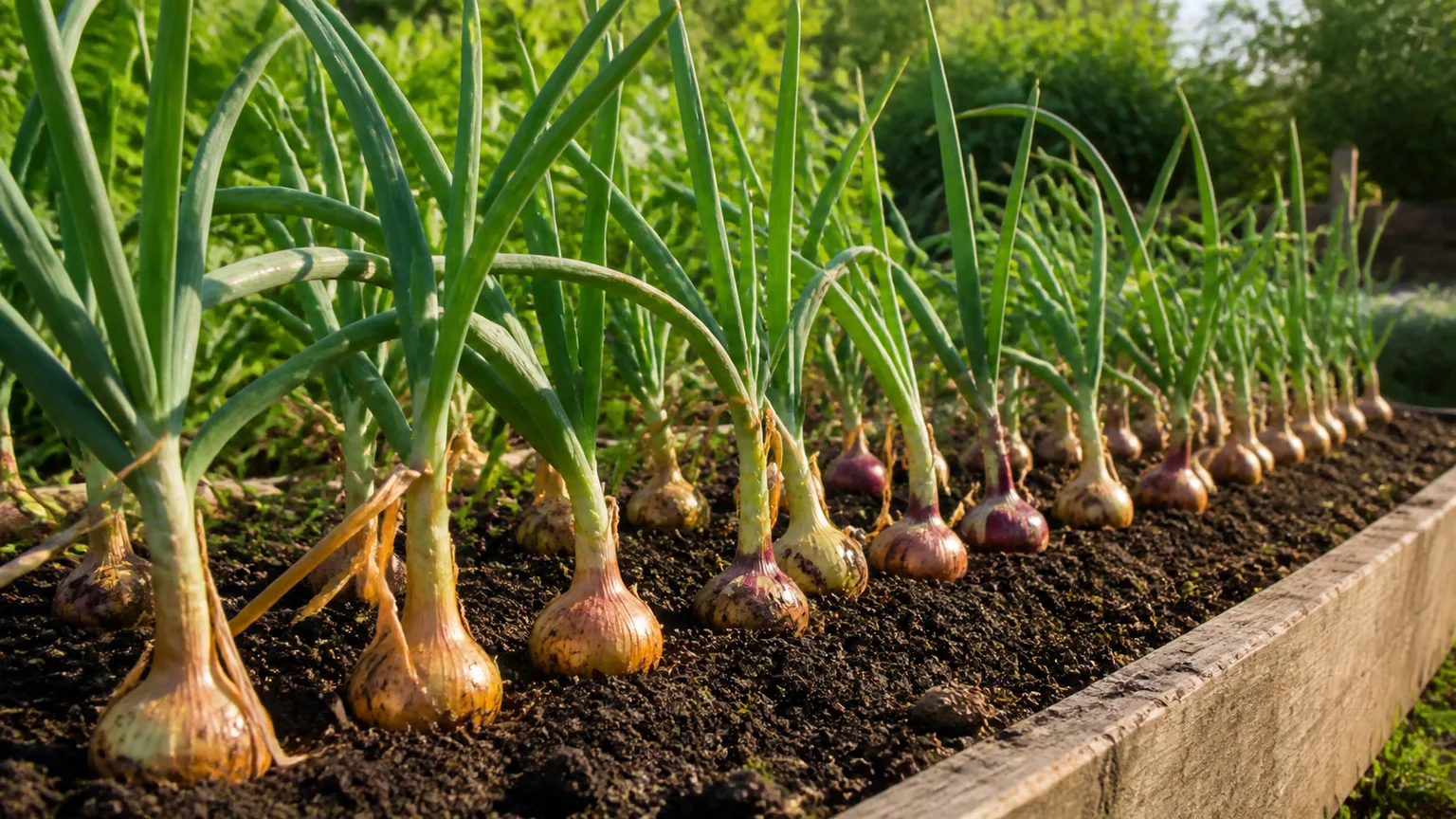
Bulbing onions, scallions, spring onions, and leeks all release sulfurous volatiles that many mammals avoid and that can interrupt insect host-finding when planted near vulnerable crops. Deer, rabbits, and rodents often refuse onion foliage; they may skirt beds where onion scent masks lettuce or carrot cues. For insects, Penn State’s masking framework applies: alliums change the local chemical environment rather than sterilizing the whole plot.
Strong companions: plant scallions between lettuce and brassica blocks, run leeks as a low windbreak beside carrots, or tuck onions at the corners of strawberry patches where thrips and some root pests are concerns. Leeks use vertical space efficiently beside taller kale or broccoli without shading the main crop if you keep them to the south or east edge in the Northern Hemisphere.
Spacing: set bulbing onions 4–6 inches apart in the row; scallions 2–3 inches. Harvest scallions continuously so the row keeps producing fresh leaf tissue through the season.
Crops to keep away from alliums
The same chemistry that confuses pests can stunt legumes. WVU’s companion chart lists beans and English peas as poor neighbors for the onion family. Do not interplant onions or leeks in a bean row expecting harmony—you may trade insect pressure for yield loss. Keep alliums at least one bed away from pole and bush beans, or confine them to opposite ends of a large plot.
Garlic: compact alliums for interplanting and borders
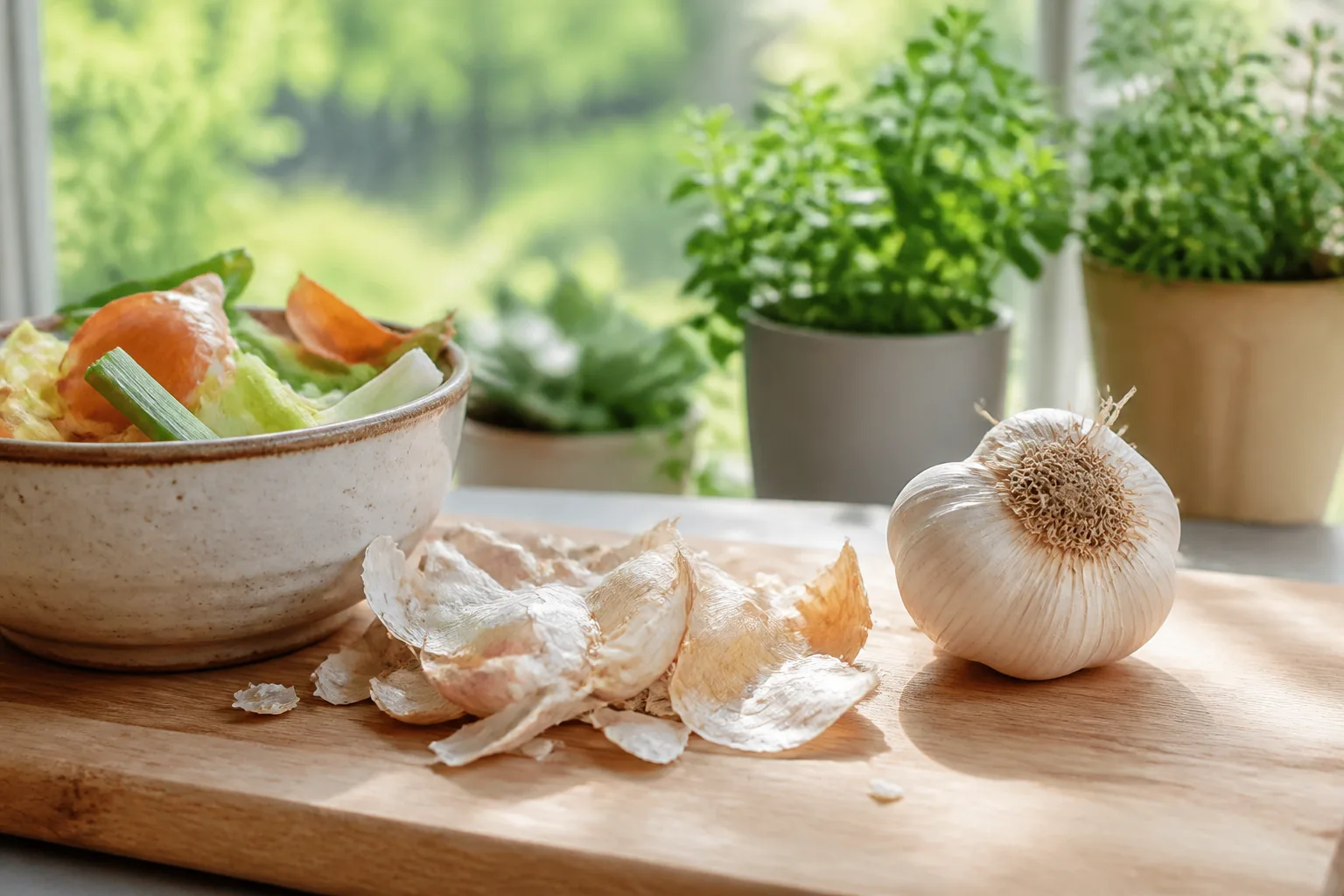
Garlic packs strong scent into a small footprint—ideal for intensive beds and perimeter plantings. Kansas State notes garlic’s pest effect is real but limited in radius; treat each clove as protecting its immediate neighbors, not the whole garden. The RHS describes commercial strawberry growers chopping garlic leaves onto bags every two weeks to discourage aphids—a reminder that living plants plus fresh tissue matter more than a single spring planting forgotten by July (RHS garlic scent notes).
Where to plant: interplant one clove between cabbage-family transplants, ring tomato and pepper blocks, or run a double row along the path deer use to enter the plot. Hardneck types give you scapes to harvest without removing the bulb’s protective leaves.
Avoid: beans, peas, asparagus, and other alliums in the same tight row—competition and reported growth interference outweigh pest benefits.
Timing gaps when garlic comes out in early summer
In temperate zones garlic often harvests from late June through mid-July, leaving open soil just as tomato, squash, and bean pressure peaks. Plan a succession: sow bush beans or basil into garlic ground within a week of lifting bulbs, or follow garlic with a mustard cover if the bed needs a biofumigant reset before fall brassicas. Garlic is a spring–early summer ally; do not assume winter-planted cloves still protect August eggplants.
Shallots: space-saving alliums for tight raised beds
Shallots behave like milder, multiplier alliums: less bulb, more clove clusters, and a scent profile similar to onion and garlic. They fit 12-inch raised beds where full onions would crowd tomatoes. Plant shallot sets 6 inches apart at brassica corners or along carrot rows where carrot-fly masking is the goal—RHS notes onion family scent may make it harder for carrot fly to locate carrots when roots share the upper soil profile.
Shallots harvest earlier than storage onions, freeing space for late basil or nasturtium trap plants beside peppers. Because shallots are still alliums, keep them away from beans and peas the same way you would onions.
Mustard greens: trap rows and biofumigant potential
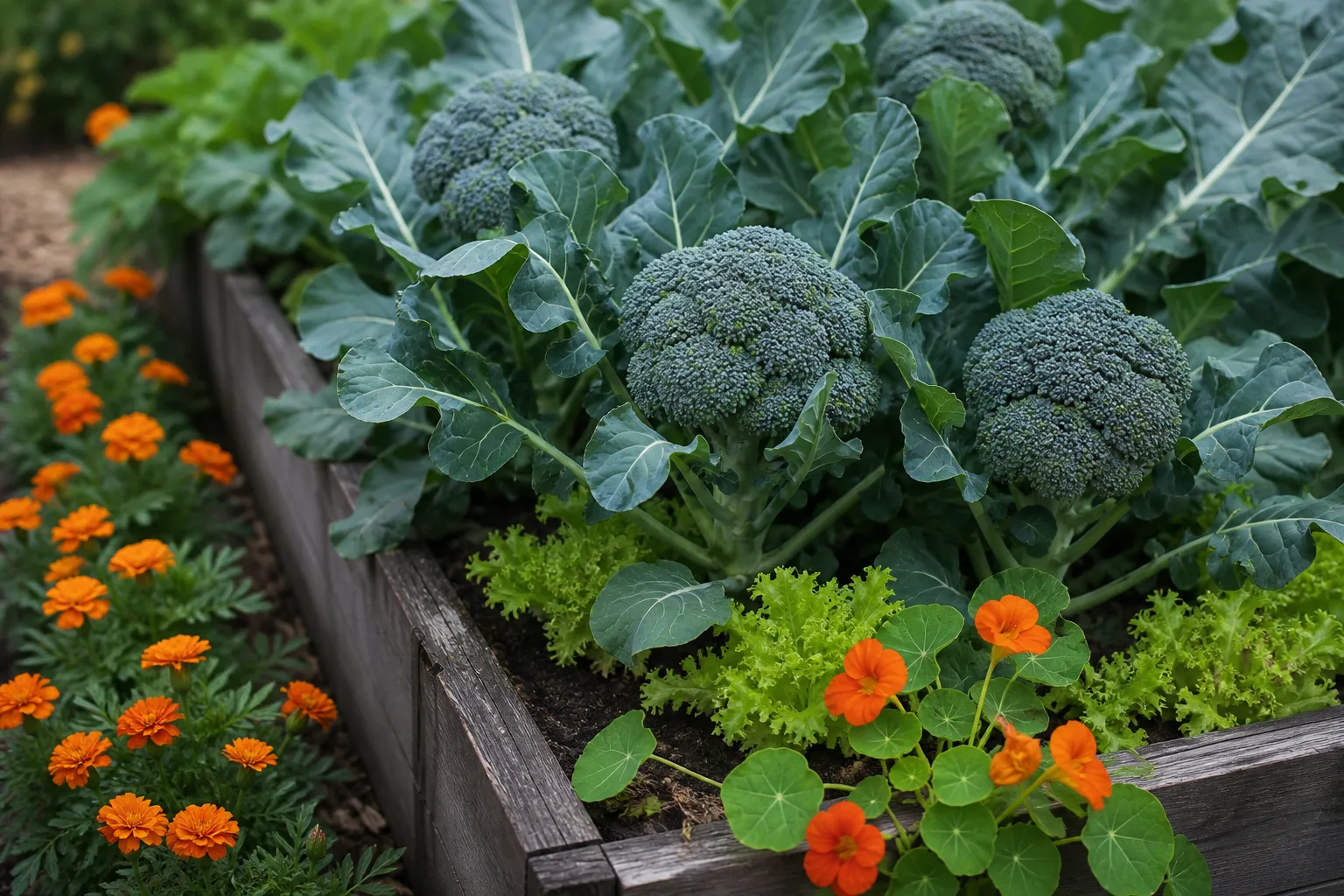
Mustard is the brassica-family workhorse for early-season trap cropping and, when tilled in, biofumigant research on nematodes and soilborne pathogens. Young mustard draws flea beetles, aphids, whiteflies, and harlequin bugs away from cabbage, broccoli, and Brussels sprouts—if you treat mustard as sacrificial, not decorative.
Deer dislike mustard’s bite; beneficial ichneumon wasps may parasitize caterpillars on mustard leaves you monitor. Mustard bolts above roughly 75°F in many regions; bolted plants still feed pollinators but lose trap-crop value unless you remove flowers before pests shift hosts.
Spring trap crops versus tilled-in cover
For trap rows, sow mustard 10–14 days before main brassica transplants along the bed edge pests enter. Inspect twice weekly; strip heavily infested leaves or remove entire plants when colonies mature.
For soil biofumigation, grow mustard as a cover crop, mow or chop at early bloom, and incorporate within minutes to hours while tissues are still green and enzymatically active—this is an advanced technique with mixed home-garden data; treat it as a rotation tool, not a sure cure. Mustard as a deer barrier works best as a wide band they must walk through, not one lonely plant.
Radishes: fast flea-beetle decoys and perimeter sacrificial rows
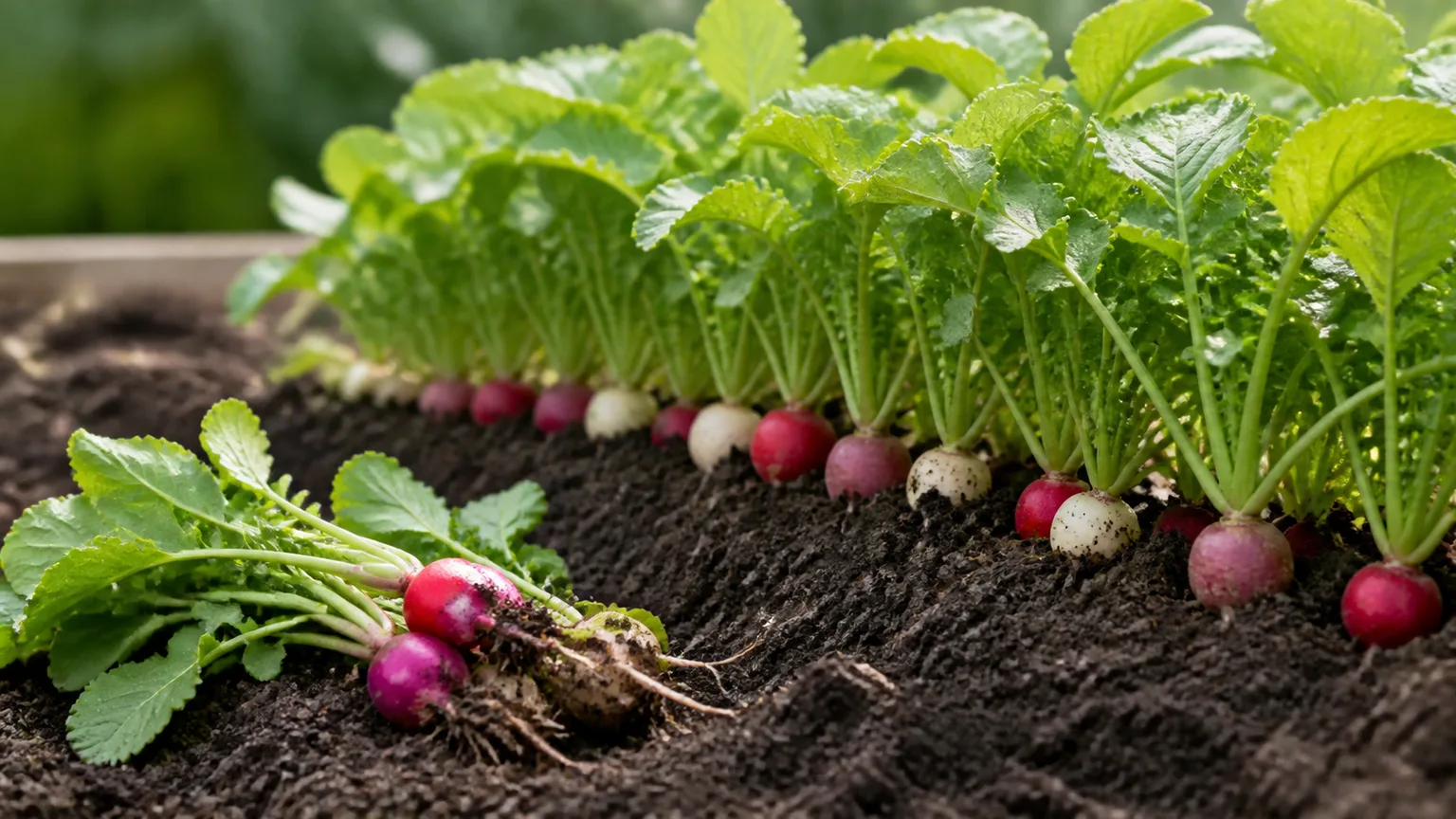
Radishes are the fastest edible trap crop in the list: some varieties size in 25–30 days, letting you sow successions all season. Flea beetles, aphids, slugs, harlequin bugs, and cabbage root maggot adults often prefer radish foliage over young tomatoes, eggplant, cucumbers, and brassicas—if radishes are present first and checked often.
Sow Cherry Belle or French Breakfast thickly as a sacrificial edge around raised beds. When leaves show shot-hole damage, remove those plants before beetles reproduce. Let a few bolt for flowers that feed hoverflies and parasitic wasps, but do not let bolted trap rows collapse into weediness.
Pair radishes with our companion plants for broccoli mindset: trap crops buy time for main crops to outgrow vulnerable seedling stages.
Chile peppers: capsaicin barriers and decoy plantings
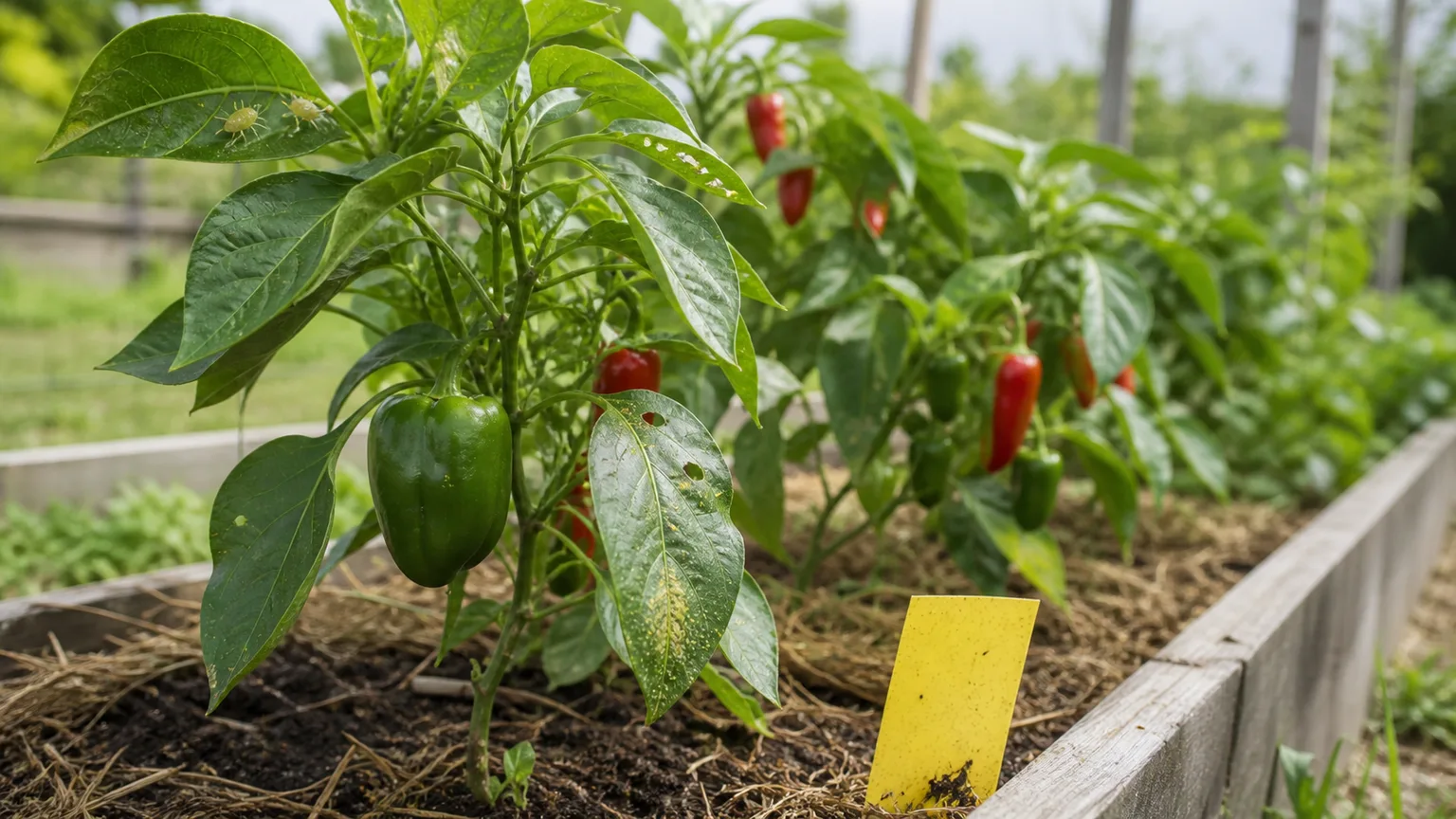
Capsaicin—the compound that burns your mouth—also irritates mammalian skin and mucosa. Rabbits and squirrels often avoid chile foliage; many soft-bodied insects still land on peppers, which is why hot varieties as decoys beside sweet bells can concentrate whiteflies, thrips, and pepper maggot on plants you sacrifice.
Plant hot serrano or Thai types as a perimeter around sweet pepper blocks. Flowers still attract bees and butterflies for pollination on the sweet types inside. Do not rely on capsaicin to protect distant crops; mammals may avoid one plant while insects probe another.
Spray caution: homemade chile sprays can burn leaves in hot sun and harm beneficial insects if applied broadly. Growing live plants as barriers and decoys is lower risk than foliar capsaicin cocktails. For pepper pest ID, see our bugs on peppers troubleshooting path.
Asparagus and nightshades: mutual chemical defense
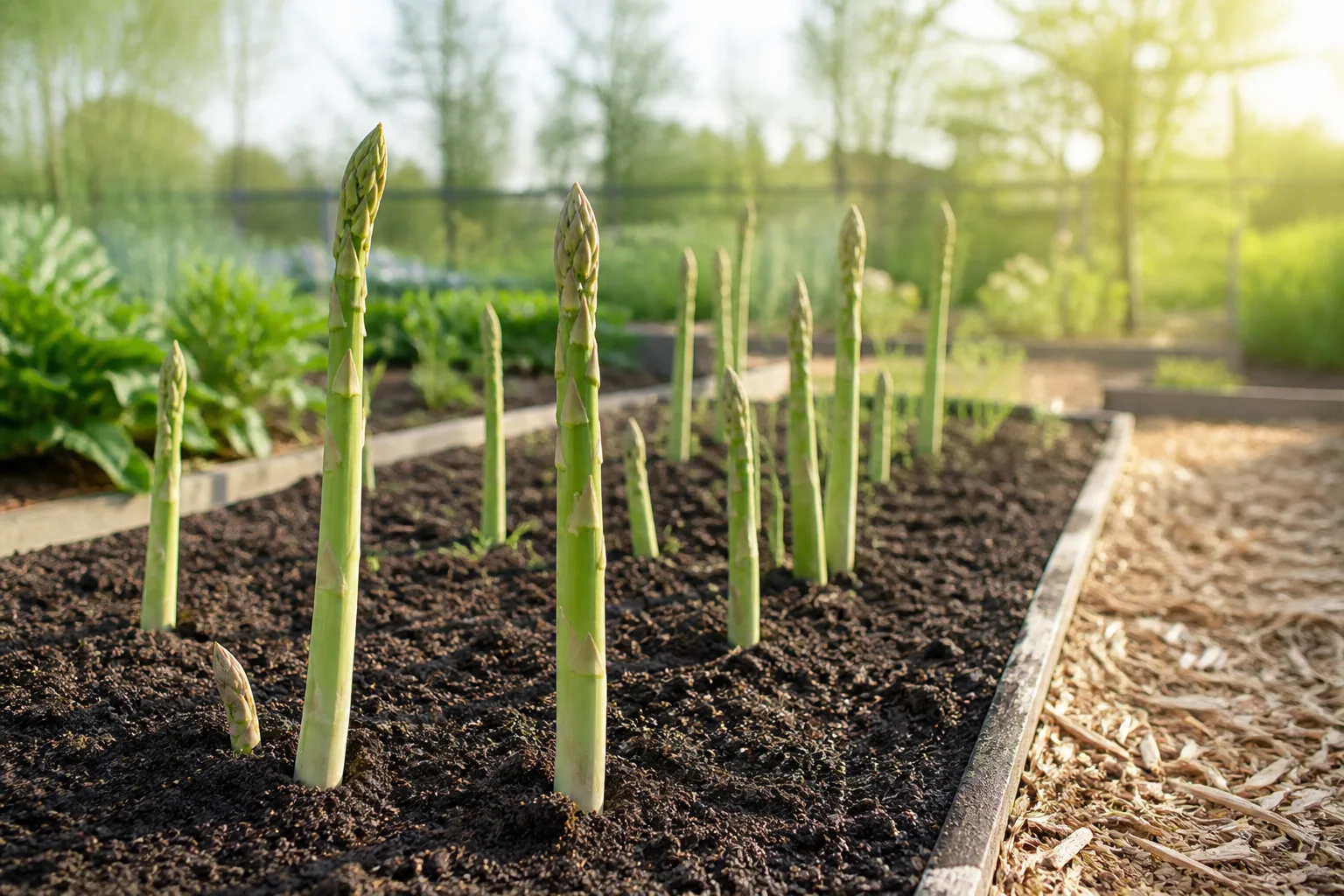
Asparagus and nightshades—tomato, eggplant, potato, pepper—form one of the few documented vegetable–vegetable mutualisms in home-garden literature. Asparagus roots release compounds toxic to root-knot nematodes that plague nightshades; nightshades produce solanine-family alkaloids that discourage asparagus beetles on spears.
The catch: asparagus is a 10–15 year perennial. Only interplant where you can dig annual crops without spearing crowns—typically a dedicated end of a small plot, not the center of a rotating bed. Tomatoes beside asparagus work when you hand-cultivate shallowly and keep asparagus ferns healthy after harvest for next year’s spears.
If you are laying out a new food garden, our companion planting vegetable garden layout guide helps place perennials before you commit bed space.
Horseradish: perimeter pots and potato-bed companions
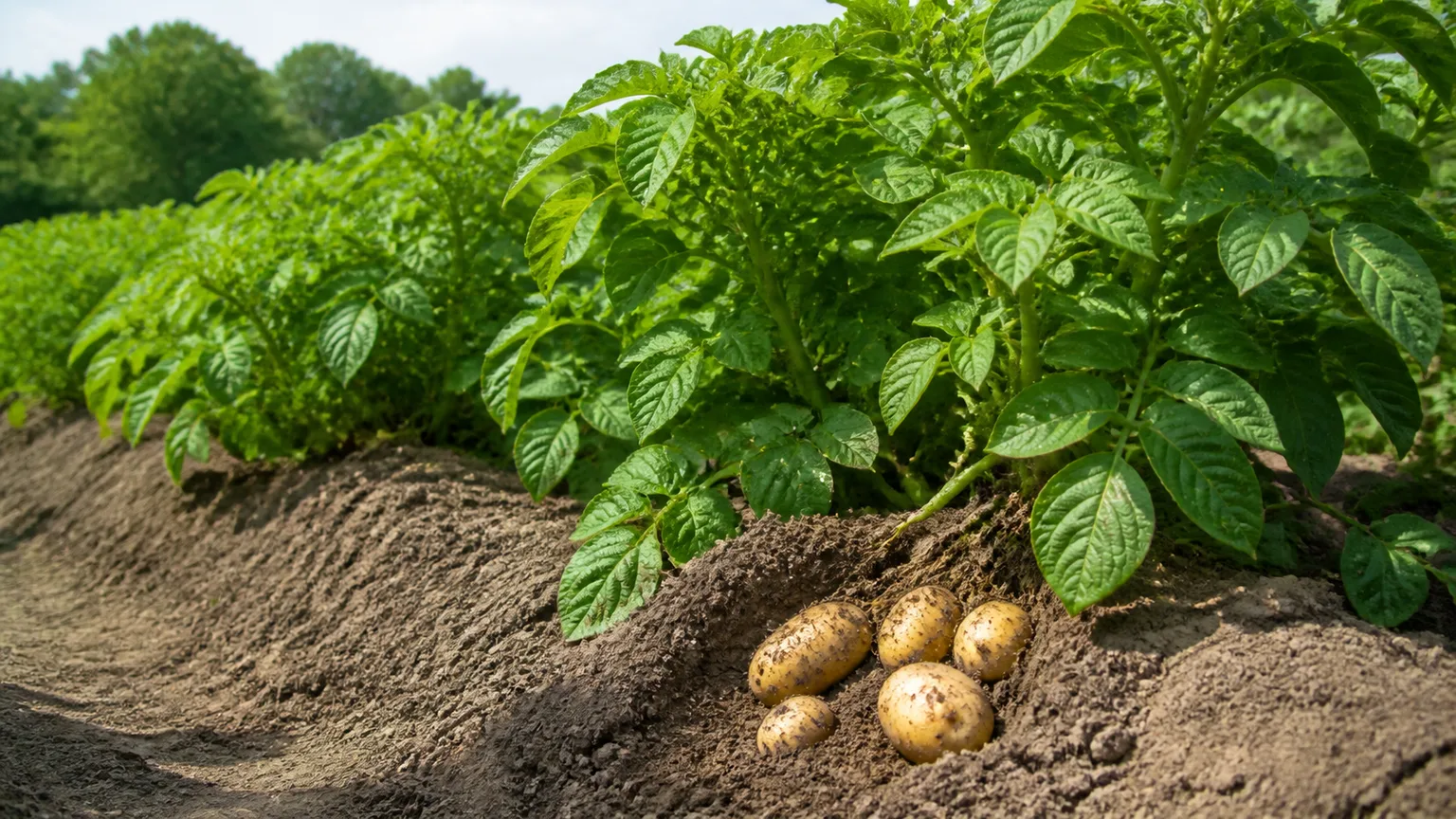
Horseradish’s sharp isothiocyanates (allyl and related sulfur compounds) repel or irritate aphids, whiteflies, and Colorado potato beetle pressure near the plant—again, locally. WVU lists horseradish as a potato companion; the deep taproot occupies a different soil layer than potato tubers when spaced 24 inches apart.
Invasiveness control: horseradish spreads aggressively from root fragments. Grow it in 5-gallon pots buried to the rim along bed edges, or in a mowed perimeter you can dig out yearly. Move pots to fruit-tree driplines in spring if deer browse young bark—mammals often avoid horseradish scent.
Do not plant horseradish in loose soil beside lawn; one missed root piece becomes a decade of digging.
Layout patterns that make repellent vegetables work harder
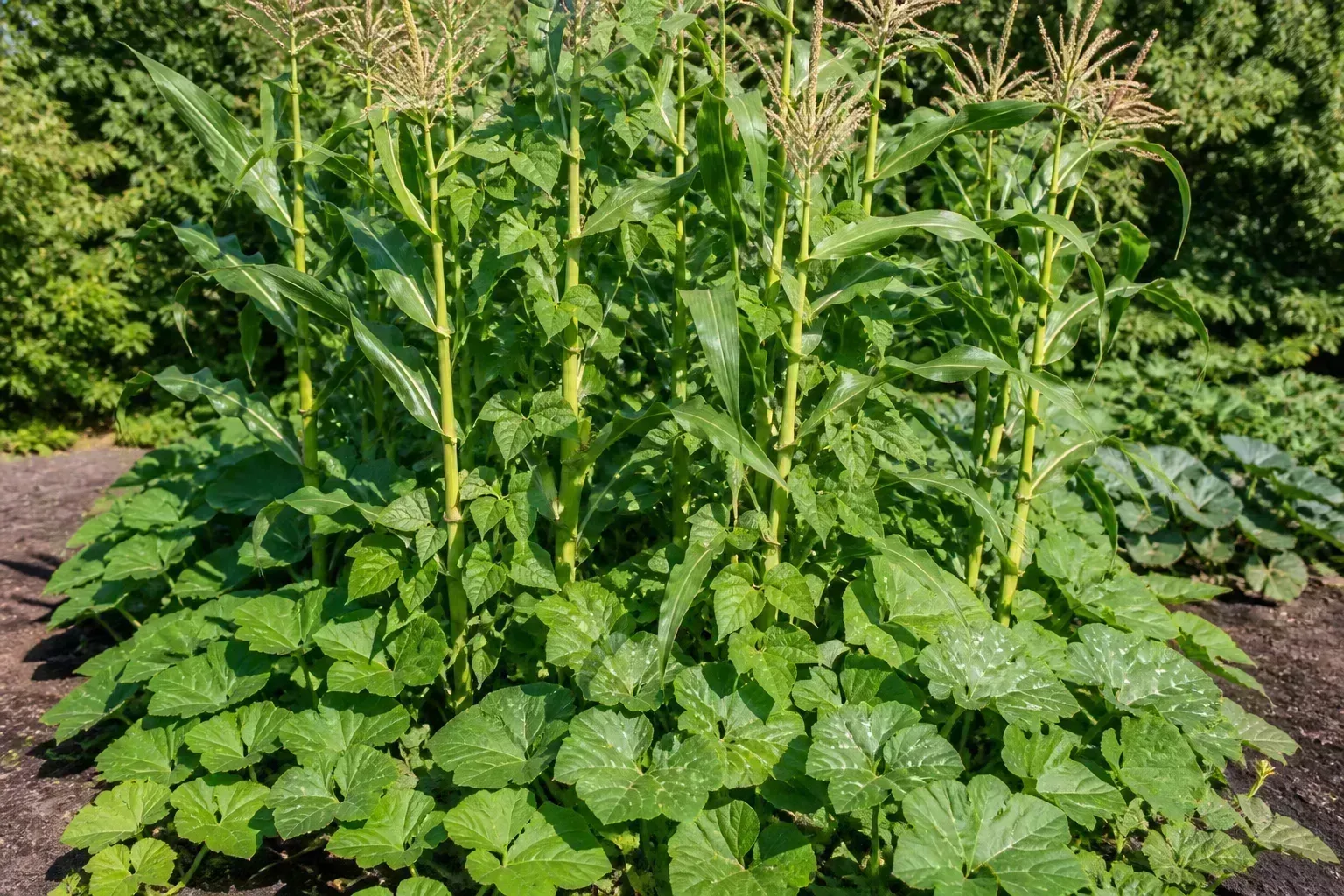
Border strips, interplanting blocks, and succession timing
Perimeter fence (alliums + horseradish pots): double row of garlic or onions on the approach side; horseradish containers at corners; hot chiles closing gaps deer test.
Brassica block (mustard + radish + onions): mustard trap row on the windward edge; main broccoli/cabbage center; radish interplants every third plant; scallions in gaps.
Nightshade island (asparagus + tomato + basil): asparagus at the north end; tomatoes center; basil interplant for thrips masking per Penn State; chile decoys on the south edge.
Succession calendar: sow radish and mustard traps before main crops; plant garlic in fall for spring brassica neighbors; harvest garlic and immediately sow summer traps (nasturtium or second mustard) where applicable.
Common mistakes that waste your repellent crops
One plant, total faith. A single garlic clove or pepper seedling is a garnish, not IPM. Scale companions to bed size or admit you need row cover.
Trap crops left unchecked. Infested mustard becomes a pest reservoir. Remove, bag, and trash severely damaged trap plants—do not compost active infestations.
Onions beside beans. You will stunt legumes for little pest gain. Separate families.
Invasive horseradish in open soil. You will fight roots for years; use pots.
Ignoring rotation. Even perfect companions cannot fix brassica-after-brassica disease buildup or nematode spikes.
Spraying capsaicin everywhere. You may burn foliage and kill syrphid larvae already working aphid colonies.
Conclusion
Eight vegetables—onions and leeks, garlic, shallots, mustard, radishes, chile peppers, asparagus, and horseradish—can lower pest pressure when you assign each a clear job: mask host scent, trap early colonizers, confuse monocultures, or mutually defend a paired crop. None replace scouting, rotation, or barriers.
Pick one pest that cost you harvest last year, add the matching vegetable tool at useful scale, and inspect weekly. If damage drops, expand the pattern; if not, escalate within IPM instead of planting more folklore. The best natural pest strategy is a garden you walk often—with edible companions working in the rows you already tend.



