Do Deer Eat Mums? How to Protect Chrysanthemums
Yes, deer may browse mums. Learn how to confirm damage, protect chrysanthemums with barriers, use repellents wisely, and choose fall flowers deer browse less.
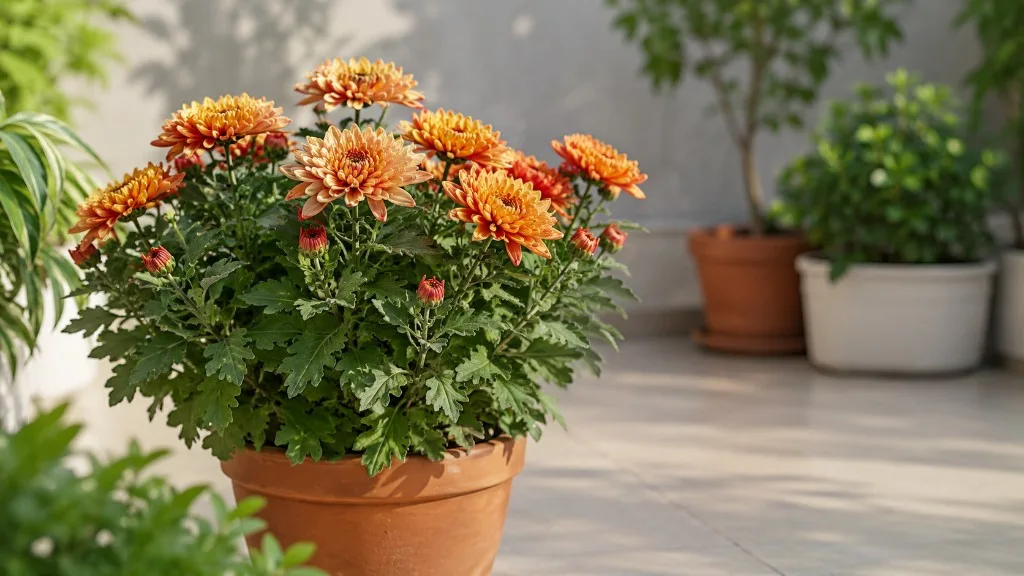
Yes, deer can eat mums. A chrysanthemum is not a dependable deer-proof flower, even if deer leave it alone in one garden or one season. Deer browse a wide range of ornamental plants, and what they choose depends on local conditions, available food, and the individual animals visiting your yard. If deer can reach your mums, plan to protect them instead of relying on a label such as “deer resistant.”
Start by checking whether the damage looks like browsing, then put a physical barrier around the plant or bed before the next visit. Repellents and motion devices may help for a while, but they are less dependable than exclusion. If a mum has already been eaten, its chance of recovering depends on how much of the plant remains and how much growing season is left.
The Short Answer: Yes, Deer Can Eat Mums
Deer may eat chrysanthemum leaves, tender shoots, buds, or open flowers. The Royal Horticultural Society notes that deer feed on a wide range of garden plants and can strip foliage, shoot tips, and flowers; new plantings are particularly vulnerable. That is a more useful guide than assuming that a strongly scented or fuzzy-leaved plant is automatically safe (Royal Horticultural Society).
The practical answer is conditional: a deer may ignore one mum and browse another, or leave a plant untouched until other food becomes scarce. King County’s Native Plant Guide puts the limitation plainly: there are no truly deer-proof plants unless deer have not found them or cannot reach them. Mums can still be part of a garden, but you may need to guard the individual plants you value most (King County Native Plant Guide).
How to Tell Whether Deer Are Eating Your Mums
Look at the whole plant rather than deciding from a single missing petal. Deer often remove a cluster of leaves, a tender stem, or several flower heads in one visit. They may also trample nearby plants while moving through the bed, so damage can extend beyond the mum itself.
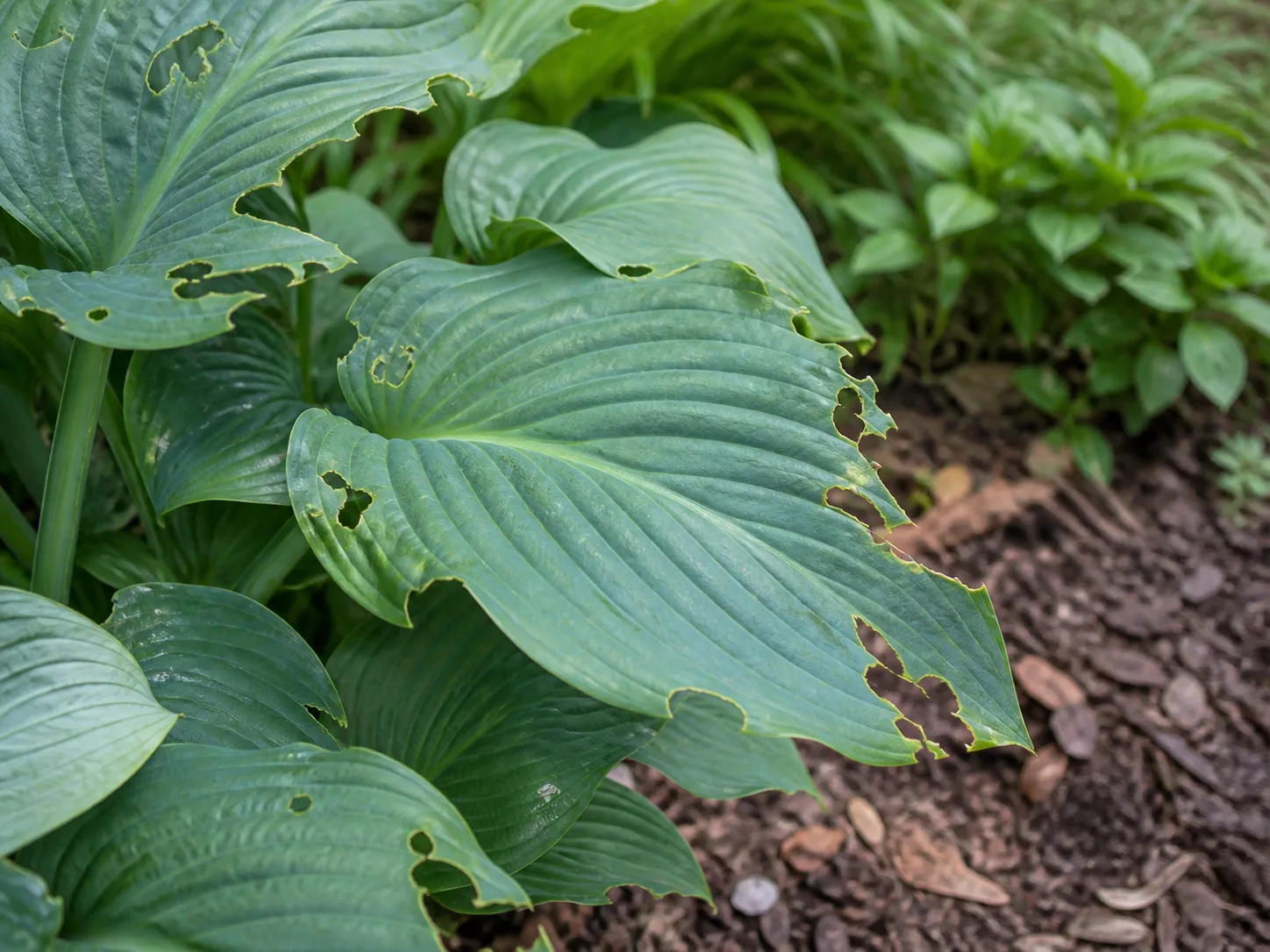
The example shows hosta foliage rather than a mum; inspect your chrysanthemum for the same general pattern of missing leaves and clipped growth.
Browse marks differ from holes and clean cuts
Deer lack the sharp incisors that smaller rodents use to make a neat cut, and the RHS describes bitten woody stems as ragged where an animal has bitten and tugged. On mums, a broken or ragged stem with leaves and buds missing is more consistent with browsing than a leaf with scattered holes. Holes alone can come from chewing insects, slugs, or other garden visitors, so they do not confirm a deer visit.
Check for multiple clues: shoots stripped at a similar height, a trampled route through the bed, hoof impressions in soft soil, or fresh droppings nearby. Tracks and droppings are supporting evidence, not a diagnosis by themselves, especially where pets or other wildlife also visit. If the plant has only a few small holes and the stems remain intact, inspect the underside of leaves before putting up a fence.
Photograph the plant before trimming, and note which side of the bed was hit and whether buds, leaves, or whole stems disappeared. If the same approach is damaged on successive mornings, you have a repeat-access problem that merits a barrier. If damage stops after one night, keep monitoring before investing in a permanent enclosure.
Check the timing and the plants around the mums
Deer often feed when gardens are quiet, so a plant that looked full in the evening can be damaged by morning. The RHS lists leaves, shoot tips, flowers, and bark among common signs and says deer are most active year-round. Look at nearby beds too: fresh damage on hostas, roses, vegetables, or young growth makes deer more plausible than a mum-specific problem.
If you are unsure, take a photo and compare the plant over a night or two rather than applying several remedies at once. A small trail camera aimed at the approach can help confirm the visitor where local rules and privacy make that appropriate. Once you have evidence of repeat visits, protect the plant immediately; a second browse can remove the remaining buds.
Why Deer May Browse Chrysanthemums
Deer are browsers with flexible diets, not specialists that follow a fixed menu. The RHS notes that they eat many ornamental plants and fruits, especially when plants are newly installed or food choices are changing. A recently purchased mum is soft, well-watered, and conspicuous in a bed that may otherwise be slowing down for autumn.
The surrounding landscape also matters. A garden near woodland, a field edge, a greenway, or a frequently traveled deer path may see more visits than a courtyard with nearby human activity. The RHS says damage depends partly on plant availability, location, time of year, and year-to-year conditions. If deer have already browsed your mums, their behavior in your yard is stronger evidence than a general list of plants they supposedly avoid.
Are Mums Really Deer-Resistant?
“Deer resistant” means less likely to be damaged, not impossible to eat. The RHS plant list draws on reports from gardeners and explicitly describes plants as less susceptible, rather than immune. In its survey-based guidance, plant damage varied among gardens; the RHS also recommends observing which plants grow successfully nearby because that can reveal local feeding preferences (RHS deer-resistant plant guide).
That distinction explains why a neighbor can grow untouched mums while yours are clipped. Different deer species, herd size, cover, weather, and the plants available around a property can all shift what is eaten. Even if a mum has survived several seasons, treat the first bite as useful information: the plant is accessible and acceptable to at least one visitor.
Do not count on companion planting, scent, or a cultivar name to change that conclusion. A border of aromatic herbs may make a garden less attractive in some situations, but it does not form a barrier. If the flowers matter for a holiday display or a specific event, use netting or a fence rather than testing an unverified claim about the plant’s scent.
Protect Fresh Mums Before the Next Night
If you have just planted mums, cover or move them now while you choose a longer-term defense. The RHS recommends protecting new plantings with netting until they are established because deer may investigate new additions. For a pot, moving it behind a closed gate or onto a genuinely inaccessible porch may be enough; placing it a foot higher on a step is not reliable if a deer can still reach the foliage.
For one small plant, use a stable wire cage or taut mesh supported by stakes. Leave enough room that the barrier does not press flower heads or stems, and fasten the lower edge so a deer cannot nose underneath it. Check the covering after wind or rain, and remove or adjust it if it begins rubbing the plant. A loose sheet or a low ring around only the pot rim can still leave the top growth exposed.
Use Fences and Barriers for Dependable Protection
Physical exclusion is the most dependable option when deer return repeatedly. The RHS says robust netting or fencing is the most effective way to stop deer and warns that they can squeeze under gaps or leap over barriers that are too low. A fence only works if it protects the whole route into the bed, including gates, corners, and low spots (Royal Horticultural Society).
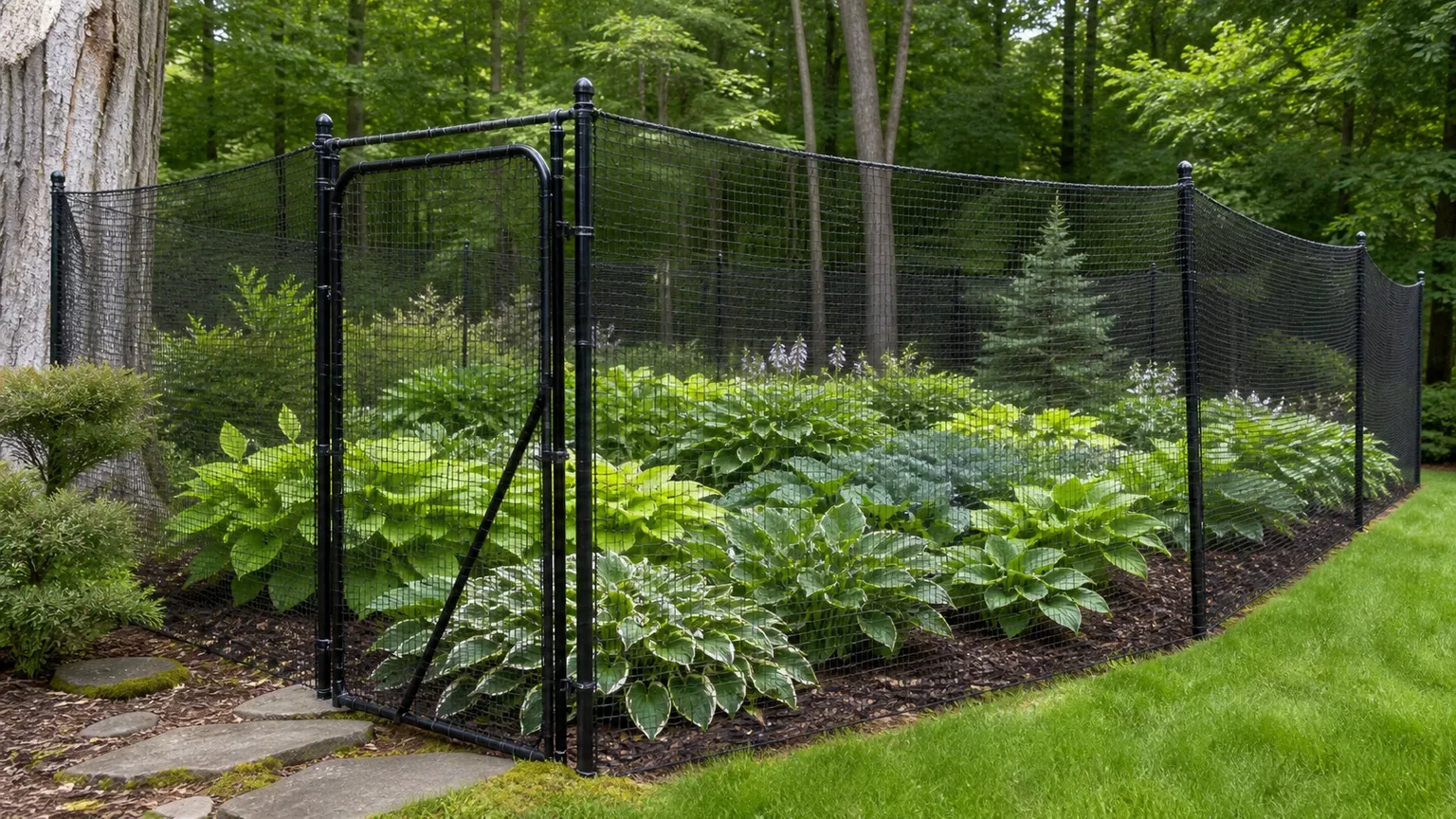
Enclose the bed, not just the stems
For a row or group of mums, enclose the bed with strong mesh or wire that is appropriate for the deer in your area. Keep the bottom edge secured to the ground and make the gate close snugly; a gap at ground level can undo a tall fence. Inspect the enclosure regularly for sagging, loose fasteners, or a corner where deer have learned to push through.
Match the size of the defense to the number of plants and how often deer visit. A simple way to choose is:
| Situation | First choice | Main limitation |
|---|---|---|
| One porch pot | Move it behind a closed gate or place it in a sturdy cage | A low step or open porch is still reachable |
| A small bed | Enclose the bed with secured mesh and a gate | Gaps and loose edges invite entry |
| Repeated browsing across the yard | Use a robust perimeter fence sized for local deer | Height, cost, and maintenance vary by site |
| A fence cannot cover every plant | Add a labeled repellent as directed | Rain, new growth, and habituation can reduce effect |
There is no single fence height that works for every deer species and site. The RHS guidance discusses British deer, while North American yards may face different species and jumping behavior. Check your state or regional wildlife-extension guidance before choosing dimensions, especially if you are fencing a large area. When a permanent perimeter fence is impractical, protect the particular bed or cluster that matters most rather than surrounding the whole yard with ineffective short edging.
Protect one pot or a small group of plants
If your mums are in containers, a portable cage can be easier than a perimeter fence. Set the cage over the entire pot, anchor it so it cannot tip, and make sure the mesh opening is small enough to keep a browsing muzzle from reaching the leaves. For several containers, group them inside one larger temporary enclosure, leaving space to water and remove spent flowers.
Netting can work as a short-term shield, but it should be visible, taut, and checked often. A loose net that drapes across open flowers can trap birds or other wildlife, and it can bend stems in wind. Remove it when the vulnerable period is over or replace it with a safer, well-supported barrier if deer continue returning.
Use Repellents as a Short-Term Backup
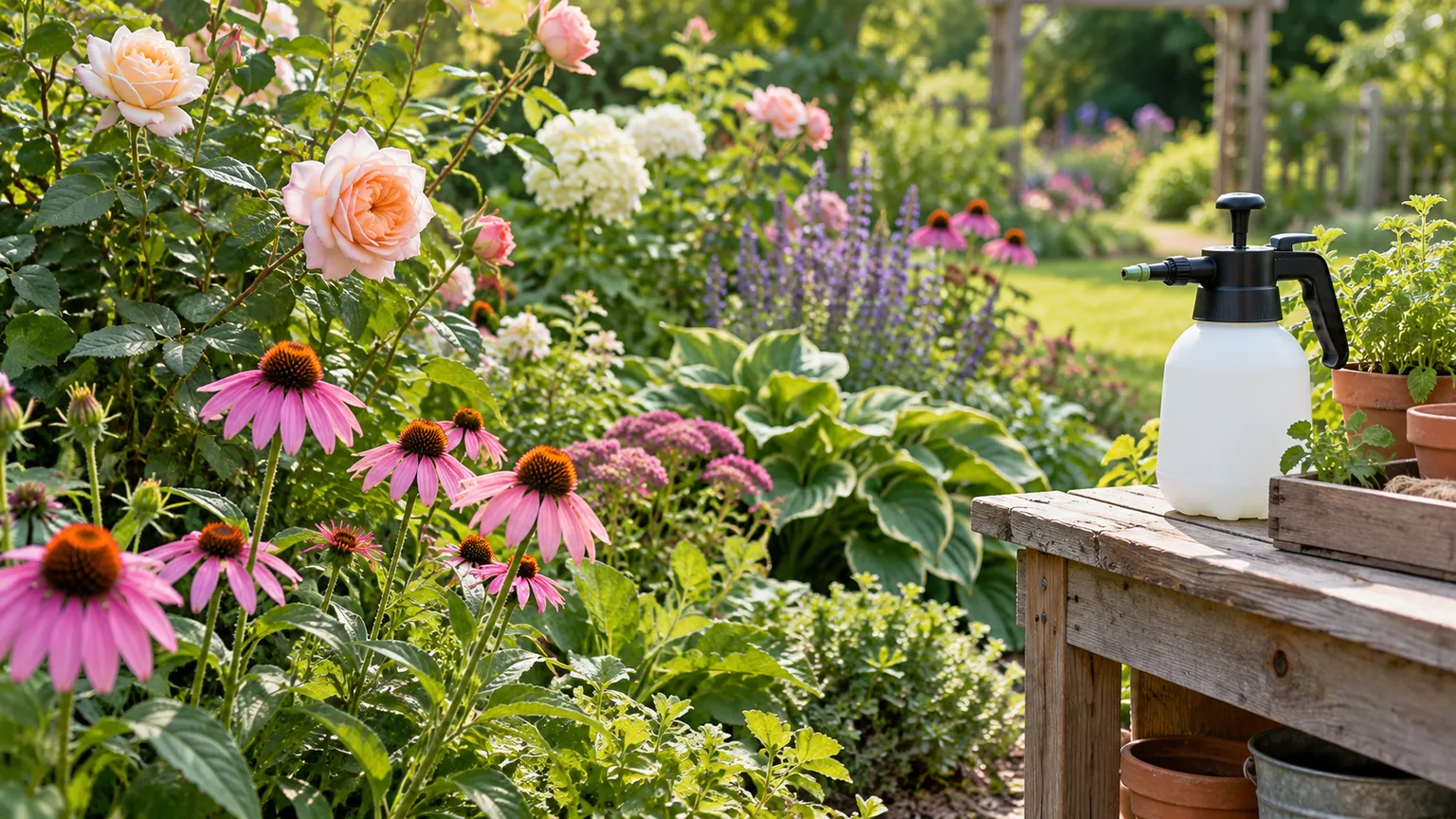
A labeled deer repellent can add another layer when a barrier is not practical, but do not treat it as a guarantee. Repellents work through taste or odor and may need repeat applications as plants grow or weather washes them away. Gardening Know How describes repellents as a source of short-term relief and recommends placing them where new growth is being browsed; the RHS likewise says sprays may need frequent reapplication and can shift feeding to other plants (Gardening Know How; RHS deer guidance).
Choose a product specifically labeled for deer and ornamental plants, then follow its current label for where, when, and how often to apply it. Check whether it is suitable for use on flowering plants, and avoid spraying pollinators or blooms unless the label permits it. Do not assume that a homemade mixture is harmless: food ingredients, oils, soaps, or other improvised sprays can injure foliage, attract pests, or fail to deter a hungry animal.
If browsing continues, change the strategy instead of applying more and more product. Move to a barrier, reapply only as directed, and keep a brief record of whether fresh damage appears after rain or new growth. That shows whether the repellent is helping in your garden without relying on a promise that it will work everywhere.
Give a repellent a fair but short trial: mark the date, check the treated shoots after rain, and look for new browsing at the same height. If growth has expanded beyond the treated surface, refresh only as the label permits. Do not rotate among several products in a single week; doing so makes it hard to identify what helped and can expose the plant to unnecessary applications.
Do Motion Lights and Noise Keep Deer Away?
Motion-activated lights, sprinklers, or other startle devices may interrupt a visit, particularly when deer are curious and have not established a feeding route. They are best treated as temporary additions around an entry point, not as a substitute for a barrier around prized mums. Stationary scare objects and repeated sounds lose their surprise when animals encounter them night after night.
The RHS notes that some sound-based devices work initially but may lose effect as deer become familiar with them. In a personal garden account for the Old Farmer’s Almanac’s Garden Planner, gardener Barbara Pleasant describes using moveable lights and other small deterrents, while also explaining why her choices were shaped by the layout of her own property. That is a useful reminder that these tactics are situational rather than guaranteed (Old Farmer’s Almanac Garden Planner).
If you try a motion sprinkler, aim it away from sidewalks and neighboring property, and use it only where an unexpected spray will not create a hazard. Move or reset the device periodically, and watch whether the deer change their route. If they keep reaching the flowers, stop spending time on novelty devices and block access with a secure cage or fence.
Will a Mum Grow Back After Deer Browse It?
It depends on what remains. A deer that clips a few stems has not necessarily killed the plant, but a mum eaten down to its crown has a much harder recovery ahead. A missing flower bud will not reopen, and new buds may not have enough warm, frost-free time to produce a second display.
First remove only crushed or torn stems with clean pruners, cutting back to firm, healthy growth rather than shearing every stem. Keep the soil evenly moist but not waterlogged, and give the plant the light it needs. Avoid a heavy dose of fertilizer intended to force a flush of soft growth; it will not restore lost flowers overnight and may create tender growth that is still exposed.
Lightly clipped shoots may recover
If several leaves or outer shoots are gone but the crown and most stems are intact, leave the remaining healthy foliage in place. The plant can continue using its leaves to support growth, and undamaged flower buds may still open. Watch for new growth over the next week or two, but do not expect a precise recovery timetable because temperature, cultivar, planting date, and damage severity all matter.
If deer removed only the visible buds, decide whether the remaining plant is worth keeping for foliage or a later bloom. Late in the season, replacing it with a fresh display may be more realistic than waiting for new flowers. Put a barrier around the replacement before setting it in the same exposed spot.
Do not deadhead or pinch healthy stems aggressively while the plant is trying to recover. Remove only the broken ends that are likely to tear further, and leave green leaves in place. Check moisture at the root ball, since a freshly planted container mum can dry faster than established garden soil; steady care supports recovery but cannot replace the flowers a deer has already eaten.
Lost buds and a plant eaten to the crown
When stems have been stripped to the crown, look for living growth rather than assuming that roots are dead. If the crown is firm and the soil drains, the plant may produce more leaves, but a young or late-planted container mum may not have time to flower again. If the crown is broken, uprooted, or rotting, replacing it may be the practical choice.
Whether a garden mum returns next year is a separate question from whether it can recover from browsing. Cultivar, local winter conditions, planting time, and drainage affect hardiness; some florist-style fall pots are sold for immediate color rather than reliable overwintering. Check the plant’s tag and local extension advice before investing in winter care. Either way, guard any fresh growth while deer are still visiting.
Are Potted Mums Safer from Deer?
A pot is easier to move, but it is not inherently deer-proof. If a deer can reach the leaves from the ground, a container beside the door or on a low porch remains exposed. The RHS notes that plants closer to human activity are less often damaged, but “less often” is not the same as protected, especially if deer already feed along that path.
Use the mobility of a container to your advantage: bring it behind a closed fence or into a screened space overnight, or place it inside a sturdy temporary cage. Avoid setting pots next to a wall or railing where a deer can pin foliage against the surface and browse it through the gap. If you keep moving a container, maintain its normal light and watering so you do not solve the deer problem by stressing the mum.
Choose Fall Flowers Deer Are Less Likely to Damage
If deer return every year, combine protection with plant choices that local gardeners report as less frequently browsed. The RHS list includes plants such as crocosmia, goldenrod, Russian sage, lavender, and some bedding plants among options to try, but it still describes them as less susceptible rather than immune. Its selection draws on a survey of gardeners, not a promise that every deer will reject every cultivar.
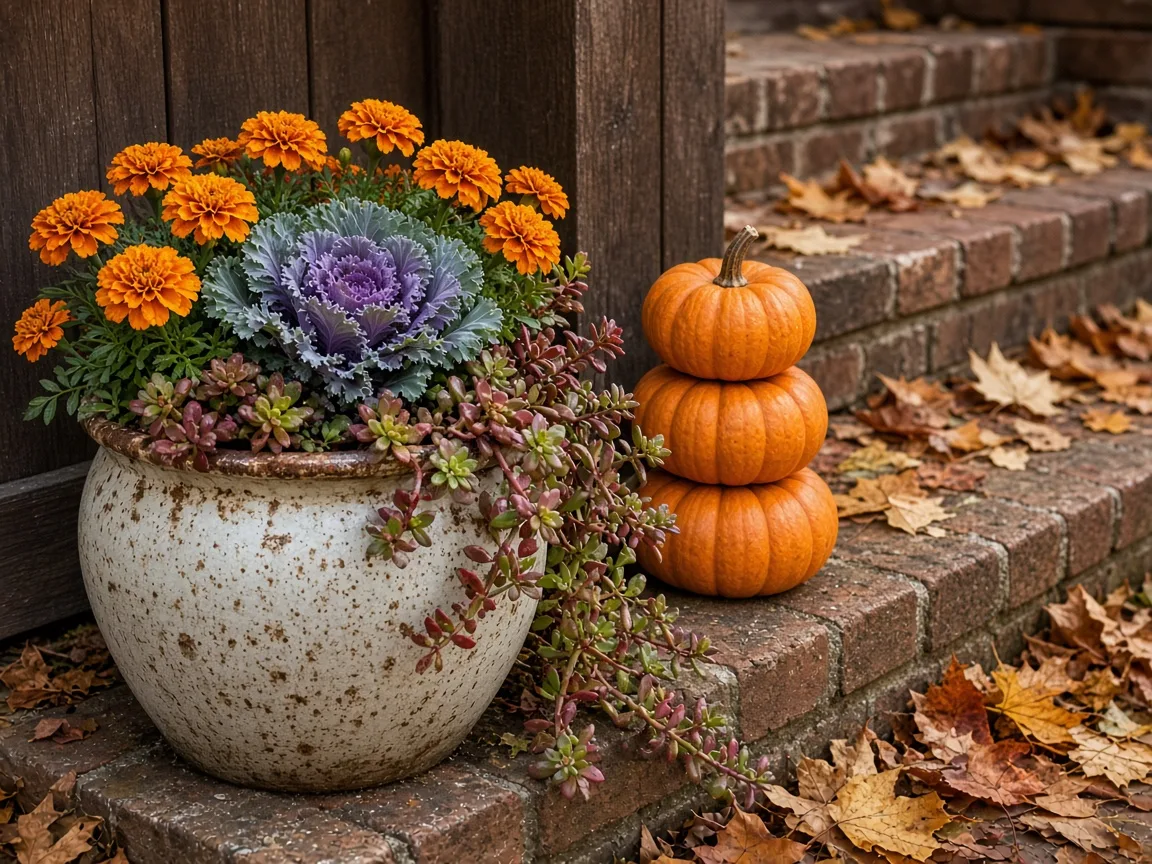
Favor a diverse planting instead of a single row of one flower, and choose species that suit your climate, soil, sunlight, and water supply. King County’s native-plant guidance recommends variety because a mixed landscape is more likely to include plants deer find less appealing, while its regional context means you should still check local plant lists. Aster, goldenrod, ornamental grasses, or other fall bloomers can provide seasonal color, but put new plants under temporary protection while they establish.
Before buying a substitute, ask a nearby extension office or public garden which plants are least browsed in your county. Compare that list with the light and moisture where the mum was planted, then choose a few compatible plants with overlapping bloom times. A plant that is a good deer-resistant pick in one region may be a poor fit for your climate or a favored snack for your local herd.
Build a Practical Fall Protection Plan
For one or two porch pots, move them behind a gate or use a stable individual cage. For a small flower bed, install a well-secured mesh enclosure that leaves enough room for growth and routine care. For repeated browsing across a large garden, use a robust perimeter barrier sized for the deer in your region, then add a labeled repellent only where a barrier cannot cover.
Check the mums and barrier every few days during the first stretch after planting. Look for new bites, loosened mesh, gaps under a gate, or foliage growing through the netting. If you see fresh damage, respond to the access point rather than blaming the cultivar or adding a second unverified home remedy.
Most importantly, separate the goal of enjoying flowers from the goal of keeping every deer away from the entire yard. A protected cluster of mums, a diverse border of less-browsed plants, and room for wildlife elsewhere can be a more manageable plan than trying to make a suburban garden completely deer-proof. Make changes based on the damage you actually observe in your garden.
Conclusion
Deer can eat mums, so treat chrysanthemums as vulnerable if they are within reach. Local feeding habits vary, and “deer resistant” never means that a flower is guaranteed safe. Confirm the damage, protect fresh plants with a secure barrier, and use repellents or scare devices only as supporting tools.
If a mum has already been browsed, preserve healthy leaves and stems, remove only damaged growth, and give the plant time to respond. A clipped flower bud may not return before frost, and winter survival depends on the type of mum and your local conditions. Next time, put the barrier in place before the flowers become an easy nighttime meal.