Why You Shouldn’t Leave Pulled Weeds in the Garden
Pulled weeds can reroot or spread seed. Learn how to sort, compost, dry, bag, and dispose of weeds without creating a new garden problem.
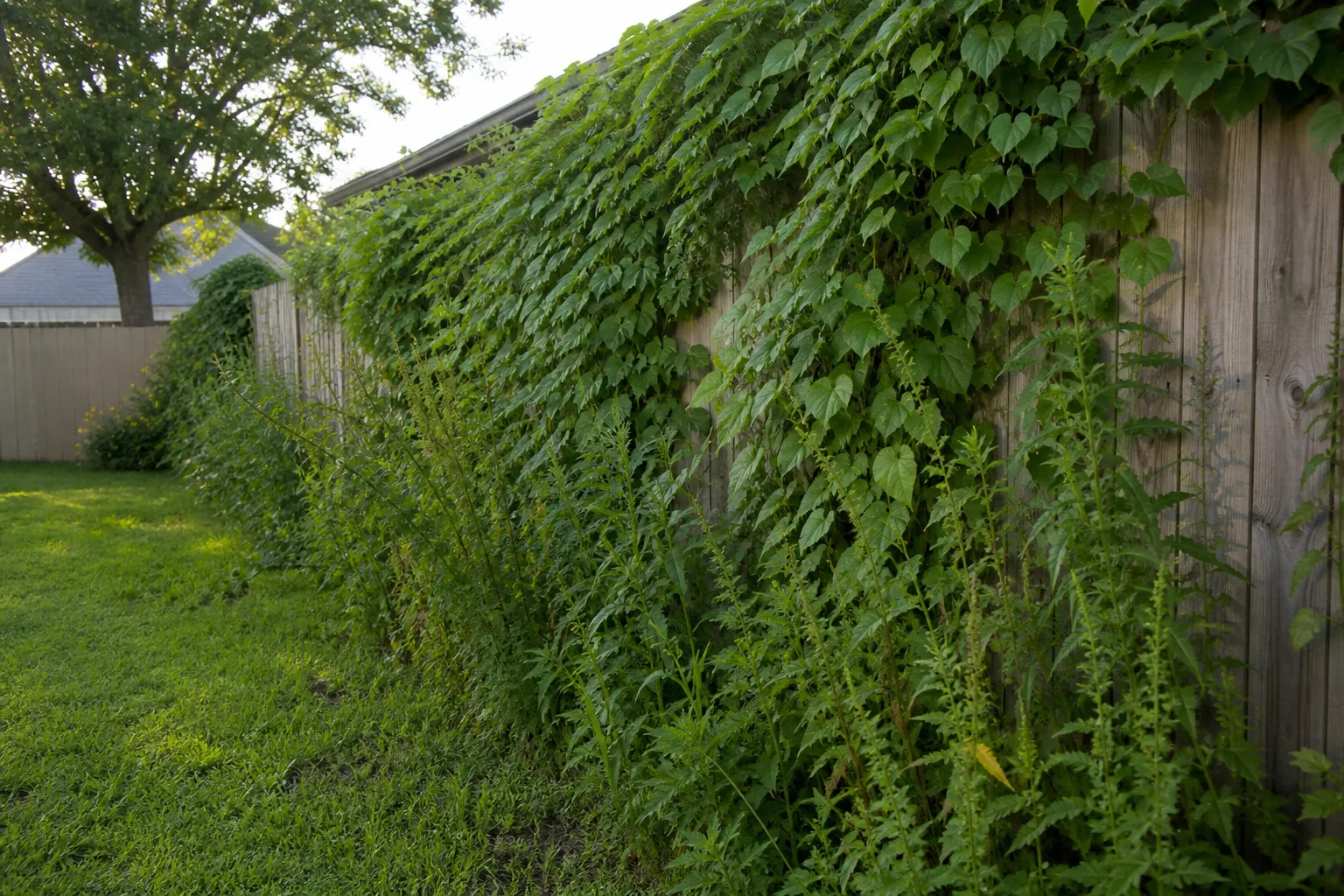
Pulling a weed is only half the job. If you drop it beside the bed and walk away, the plant may still have enough living root, runner, or seed-bearing tissue to create a second problem. The right follow-up depends less on how ugly the weed looks than on three clues: what kind of root it has, whether it has made seed, and whether it carries another risk such as disease or chemical residue.
The simplest habit is to carry a bucket while you weed and remove the contents from the growing area before rain or wind arrives. Then sort the material into a low-risk compost batch, a dry-and-decompose option, a sealed-disposal batch, or a local green-waste stream. That small pause turns “I pulled the weeds” into a complete garden task.
The short answer: remove the pile, then sort it
Do not leave a mixed pile of pulled weeds on a garden bed. Young, soft, seed-free annual weeds can sometimes dry on a warm, dry surface, but an uprooted plant lying on damp soil is not reliably dead. Rain can wash soil back around roots, and a plant with a crown, node, bulb, rhizome, or runner may resume growth.
The safest same-day rule is straightforward: lift the weeds into a bucket, shake soil back into the bed, inspect the roots and seed heads, and choose the disposal route before the weather changes. Virginia Cooperative Extension explains that pulled weeds can survive when rain washes soil around the roots, and specifically cautions against leaving seeded weeds or rhizomatous grasses in the garden.
That does not mean every pulled weed must go in the trash. A weed is still plant material, and many young annuals are useful additions to a well-managed compost pile. The point is to stop treating an unknown heap as harmless mulch and to match the method to the plant.
Why pulled weeds can still become a garden problem
An uprooted weed can cause trouble in several different ways, and those risks are easy to confuse. The plant may reroot, scatter mature seed, shelter pests or disease, or decompose in a way that spreads viable fragments through compost. None of those outcomes is guaranteed, but leaving the material in a moist bed gives the weed more opportunity than it deserves.
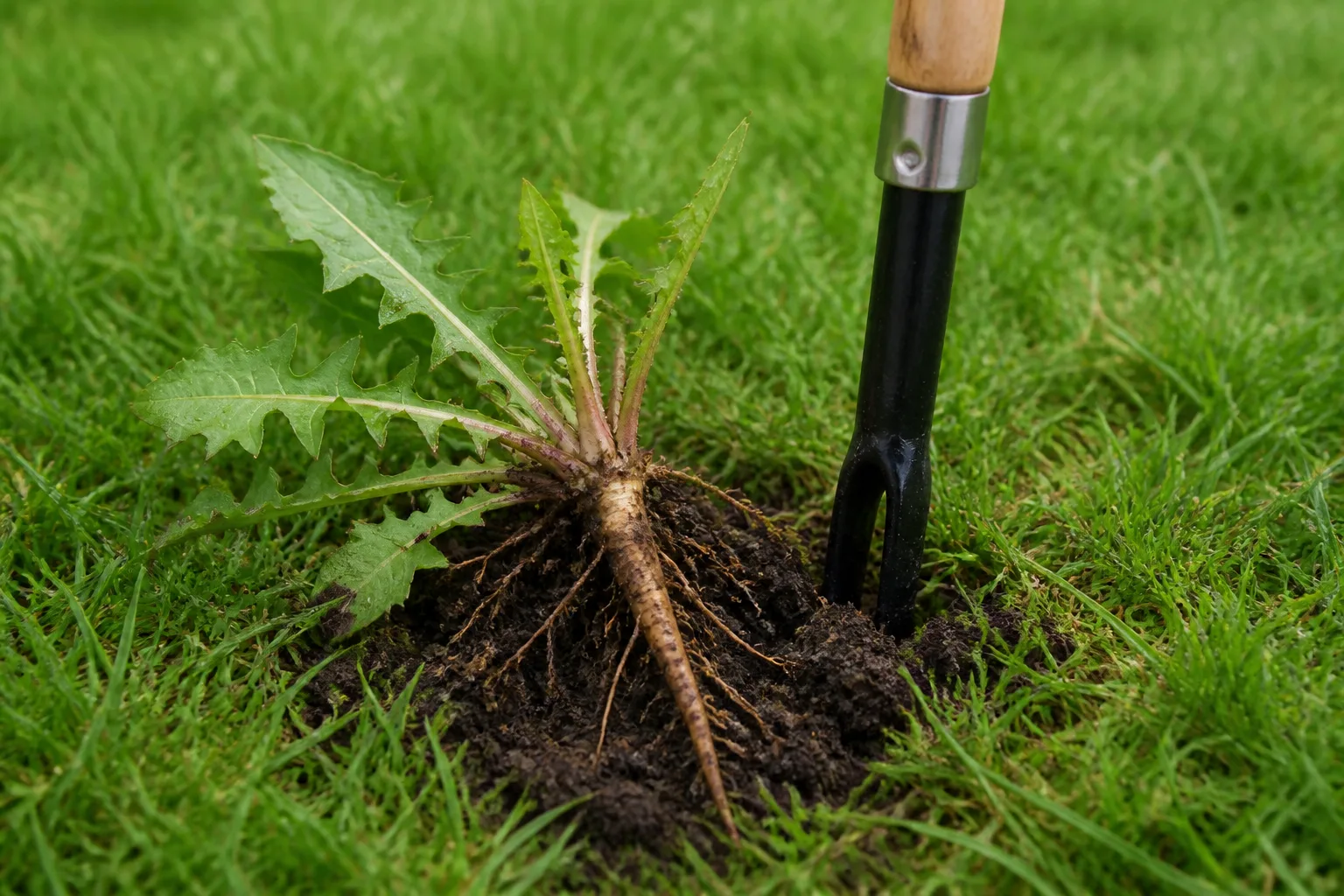
Roots are the first reason. Small annual weeds with fine, shallow roots usually dry quickly once lifted. Perennial weeds are different: a dandelion may retain a substantial taproot, while bindweed, quackgrass, ground ivy, and other spreading plants can regenerate from crowns, rhizomes, stolons, or nodes. The RHS separates easy-to-remove annual weeds from deeper-rooted perennials and advises against adding rhizomes, taproots, bulbs, or seed heads to a home compost bin.
Seeds are the second reason. A flower that looks past its prime may already contain developing seed, and some seeds continue to mature after a stem is cut or pulled. The University of Washington’s Elisabeth C. Miller Library recommends a conservative approach when a home pile does not get very hot: keep anything seedy out, even if the seeds look green or immature, because germination potential is difficult to judge by eye. Its horticulture-library answer explains why immature seed can remain a compost risk.
There is also a plant-health reason to remove weeds from beds. Weeds compete with vegetables and ornamentals for water, light, and nutrients, but they can also act as hosts or overwintering sites for some insects and diseases. That is why a diseased or pest-covered weed should not be treated like clean green material simply because it has been pulled.
Sort every pulled weed into a disposal lane
Sorting does not require a perfect identification. You only need enough information to recognize whether the plant is a soft annual, a persistent root survivor, a seed-bearing plant, or material with a special hazard. If you cannot tell, use the more cautious lane until you identify it through a local extension service, a reliable plant key, or a horticultural society.
Young annuals with no seed heads
These are the easiest weeds to handle. Annual weeds complete their life cycle in one growing season and are often shallow-rooted, tender, and easy to pull before flowering. Examples vary by region, but chickweed, purslane, and young lambsquarters are typical of the kind of soft, seed-free material that can go into an active compost pile.
Check the whole plant, not just the leaves. If there is no flower, burr, capsule, or obvious seed head and the roots are fine rather than thick or creeping, it is a reasonable low-risk compost candidate. Chop long stems or roots into shorter pieces so they mix with the pile instead of forming a wet mat.
Even this category is not a free pass for a neglected cool heap. A pile that stays cold and damp may preserve recognizable plant parts for months. If your compost is an open heap that you rarely turn, leave out anything you cannot confidently identify as young, seed-free, and non-invasive.
Taproot, rhizome, and runner weeds
Persistent roots deserve their own bucket. A taproot is a thick central root, as in a mature dandelion. A rhizome is a horizontal underground stem that can produce new shoots, while a stolon or runner spreads along or just above the soil and roots at points along its length. Bulbs and small crown sections can also retain enough stored energy to restart.
Do not leave these weeds on the bed, and do not assume a cool compost pile will finish them. A root fragment with a growing bud can be more important than the limp leaves attached to it. Shake excess soil back into the garden, but keep the root system with the pulled plant; throwing a broken piece into a nearby gap simply moves the problem.
This is where a hand fork is more useful than brute force. Loosen the soil around the crown and lift as much of the root system as possible, especially when the bed is moist but not saturated. RHS weeding guidance recommends separating fine-rooted annuals from thick or running-rooted perennials and placing the latter in a separate container for further treatment or removal.
Weeds with seed heads or visible disease
Seed heads should be treated as a containment problem, not as ordinary green matter. Keep the stems upright while carrying them so you do not shake seed onto the bed, path, or compost area. Place them in a bag or covered container before moving on, and clean up any obvious seed that has already fallen.
The same caution applies to weeds with obvious mildew, fungal spots, rots, viral-looking mosaics, or heavy pest activity. A home compost pile can be useful, but it is not a sterilizer, and not every pile reaches a temperature or turnover pattern that destroys every pathogen or insect stage. Put questionable material into a local green-waste service that accepts it, or follow your municipality’s disposal instructions.
Do not rely on a seed head being “almost green” as proof that it is harmless. Research summarized by the University of Washington library notes that some immature seeds can continue to ripen after harvest. When you cannot verify the stage or the compost process, exclusion is the more reliable choice.
Treated, irritating, or invasive weeds
Material that has been sprayed with a herbicide needs a separate decision. Read the product label and follow local guidance before adding treated weeds to compost; some active ingredients and contaminated plant materials can persist long enough to damage later plantings. The RHS warns that certain persistent herbicides in treated green material can contaminate compost and distort or damage garden plants.
Handle irritating plants with gloves, long sleeves, and eye protection as appropriate to the species. Poison ivy is a familiar example of why “it is dead” does not automatically mean “it is safe to handle,” and thorny or sap-irritating weeds can cause injury during sorting. Avoid burning unknown plant material; smoke and local fire rules create risks that a simple sealed-disposal route may avoid.
Invasive weeds require the highest level of caution. A small fragment of a spreading plant can establish in a new place, and a casual backyard pile may distribute it later through finished compost. If the plant is regulated or locally recognized as invasive, contact your county extension office or waste service for the accepted route rather than experimenting with your garden compost.
The five-minute routine after pulling
Use this sequence at the end of every weeding session, especially before a storm or a hot spell:
- Collect everything. Sweep up loose stems, flowers, and root pieces from the soil surface and path edges.
- Shake soil, do not rinse roots over a drain. Leave valuable soil in the bed, but avoid spreading fragments through water or across a clean area.
- Inspect the underside. Look for a thick taproot, white rhizome, creeping runner, bulb, crown, seed capsule, or signs of disease.
- Split the material. Use separate buckets or piles for low-risk green weeds and questionable material.
- Choose the route before leaving. Compost immediately, spread only the safe dry batch, start a treatment, or seal the bag for disposal.
- Check the cleared patch. Firm any lifted soil around desirable plants, replace displaced mulch, and look for broken roots that need another pass.
The bucket matters because it keeps pulled plants from touching the growing bed while you work. It also lets you delay the final decision until you can inspect the collection in good light. A mixed heap on the ground hides the exact roots and seed heads that determine what you should do.
When can pulled weeds stay on the bed?
There is a narrow situation in which leaving pulled weeds on the soil can be reasonable: they are young annuals with no seed heads or persistent roots, the surface is warm and dry, there is no rain or irrigation coming soon, and the material is spread thinly enough to dry rather than form a wet blanket. In that case, the plant tissue may shrivel and become a small amount of surface organic matter.
This practice is more forgiving in a vegetable row than in a dense, humid border, but it is still not the default. Virginia Cooperative Extension notes that hand-pulled weeds other than rhizomatous grasses may be left to dry on top of the soil, while warning that rain can wash soil around roots and that seeded weeds should be removed.
Remove the weeds instead if the bed will be watered, a storm is forecast, the plants have thick roots, or the material is flowering or seeding. Also remove a heavy pile: it can mat against the soil, stay damp, and create exactly the protected contact that makes rerooting possible. “Dry” is a condition you can check, not a promise you make when you drop the weeds.
How to compost the low-risk batch
Composting is a good way to return nutrients and carbon to the garden, but safe weed composting depends on process control. Young, seed-free annuals can be added to an ordinary pile; problem weeds should enter only a reliably hot, well-managed process or be treated first according to trusted local guidance.
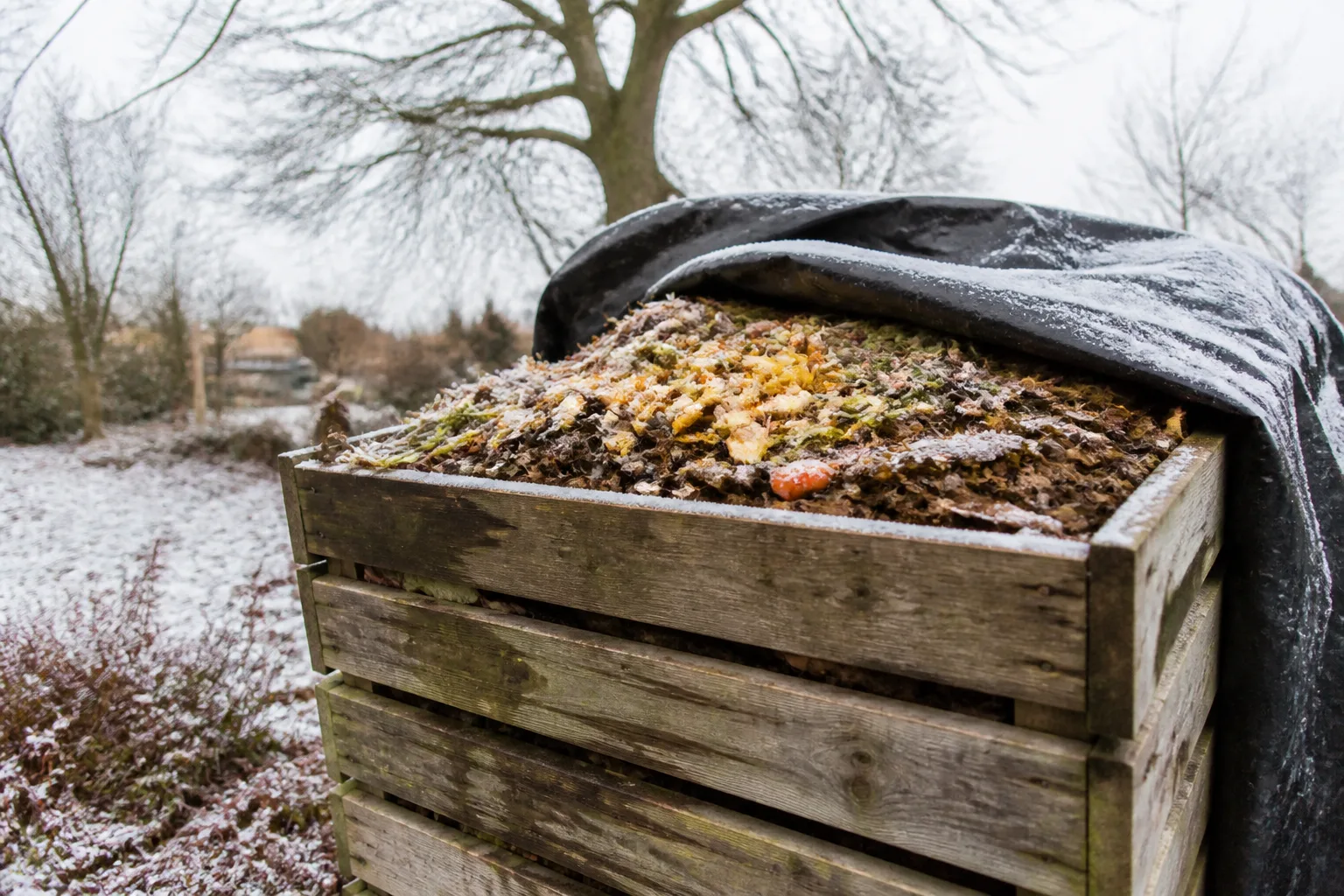
Add weeds as one ingredient rather than making a solid layer of them. Mix fresh weeds with dry leaves, shredded uncoated paper, straw, or other carbon-rich material, and break up thick stems. The pile should be moist like a wrung-out sponge, not dripping, and it needs air; a slimy, compacted mass breaks down poorly and is difficult to heat evenly.
Build enough heat and airflow
Hot composting is not simply compost that feels warm on the outside. The center must heat, the pile must retain that heat, and turning must move cooler edge material into the middle. Texas A&M AgriLife Extension describes compost management as a way to kill weed seeds while producing a soil amendment and emphasizes managing the pile rather than assuming all plant waste is safe.
Use a long-stem compost thermometer if you are relying on heat to neutralize seeds or roots. Aim for a genuinely hot, actively managed pile, turn it so all material spends time in the hot center, and keep records if the batch contains troublesome weeds. Epic Gardening also recommends hot composting for weeds and notes that a cool pile can take far longer to break them down.
Do not treat a single high reading as proof that every handful is safe. The outside and bottom of a pile may remain much cooler than the center, and a temperature drop can mean the pile needs turning or more balanced material. If you cannot maintain the process, exclude seed heads, rhizomes, bulbs, and invasive fragments rather than hoping time will solve it.
Know when compost is ready
Finished compost should be dark, crumbly, and earthy-smelling, with the original weeds no longer recognizable. That appearance is useful, but it is not the only test when weed seeds or persistent roots were involved. Inspect the finished material for living shoots, white root fragments, seed heads, and chunks that have not decomposed.
If weeds sprout in a curing pile, remove the sprouts and reconsider the batch before using it around valuable seedlings. You can reserve questionable compost for a noncritical area and watch it, but do not spread it through every bed as a shortcut. Gardening Know How recommends hot composting weeds at high temperatures and offers alternatives such as making a liquid fertilizer when seed viability is a concern.
Cool composting is a useful low-effort method for many plant residues, not a dependable weed-seed treatment. If your pile never gets hot enough to measure, keep it to seed-free, non-invasive material and allow ample time for decomposition. A conservative rule from the University of Washington library is especially sensible for an unheated pile: do not add anything seedy.
Safer ways to handle problem weeds
When composting is not appropriate, treatment can reduce the chance that roots or seeds survive. The method should fit the material and your climate, and each has a limitation.
Drying: Spread root-bearing weeds on a hard, sunny surface or a thick, dry layer where they cannot contact soil, and leave them until the roots and stems are brittle. Drying is useful for killing living root tissue, but it is not a reliable way to destroy every seed; keep seed-bearing material contained even after it looks crisp.
Solarizing in a sealed bag: A closed dark bag placed in strong sun can heat and deprive plant material of light. It is more contained than spreading weeds across the ground, but its success depends on sun, bag position, duration, and the material’s moisture. Do not open the bag over a bed, and do not assume a bag left in cool shade has achieved a lethal temperature.
Drowning or fermentation: A lidded container of water can turn weeds into an unpleasant-smelling, oxygen-poor brew that breaks down soft tissue. This is a containment method, not a license to pour concentrated liquid onto plants or drains. Keep the container secure, dilute or use the resulting material only where local guidance supports it, and remember that fibrous fragments may still need further decomposition.
Burial in an isolated non-growing area: Some gardeners bury weeds deeply where they will not be disturbed, but this is only sensible where local rules, soil conditions, and the plant’s invasive status make it appropriate. Do not bury regulated invasive species or material near waterways, drainage paths, or future planting zones. When in doubt, use an accepted waste route instead.
When bagging or green-waste collection is wiser
Bagging is the least glamorous option, but it is often the most responsible one for diseased, seeded, herbicide-treated, irritating, or invasive material. Seal the bag before moving it through the garden, keep it out of contact with soil, and follow your local instructions for trash or yard-waste collection. Do not put invasive fragments in a neighborhood compost bin unless the service explicitly accepts and processes them.
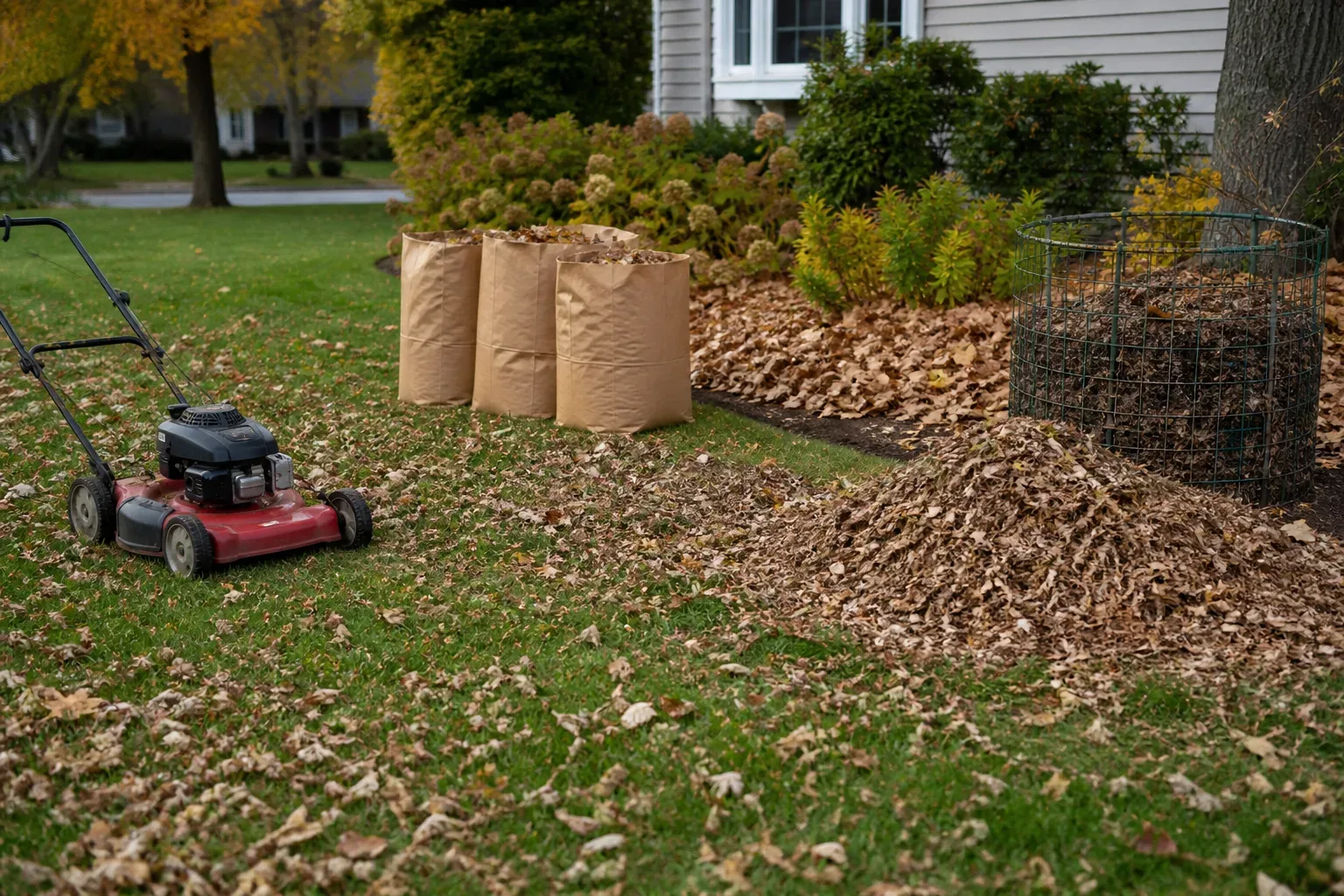
Municipal green-waste facilities may use larger, professionally managed piles that reach temperatures and turnover levels difficult to achieve at home. The RHS specifically recommends council green-waste recycling or a local recycling site for weed rhizomes, taproots, bulbs, and seed heads when a home compost bin may not get hot enough. Availability and accepted materials vary by place, so check the service’s current list before loading the bags.
If a weed was treated with a product, tell the waste service or follow the label’s disposal instructions rather than hiding it in a general yard-waste load. If the material is toxic or irritating, protect sanitation workers by using the required container and labeling only as your local service directs. A simple phone call to a county extension office or waste department can prevent a much larger contamination problem.
Prevent the next flush of weeds
Disposal solves the pile you have today; prevention reduces the next pile. The best timing is early, before weeds flower, make seed, or establish a large root system. Walk the garden once or twice a week during the active season and pull after the soil is moist but not waterlogged, when roots release more cleanly.
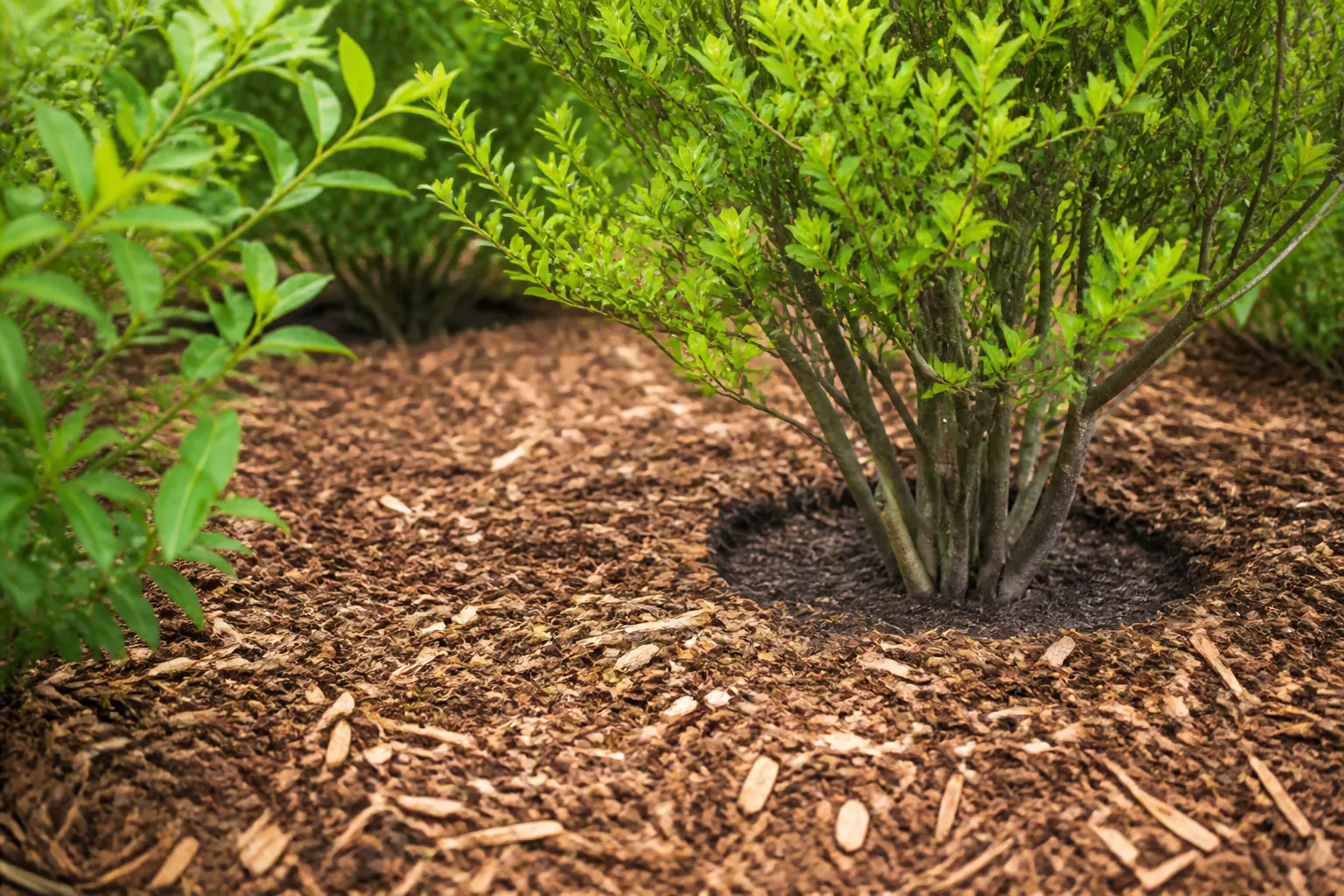
After the bed is clear, cover bare soil with a suitable mulch layer. The RHS describes mulch of about 5 centimeters, or 2 inches, as a useful weed-suppressing layer, while Virginia Cooperative Extension notes that thick organic mulch blocks most annual seedlings. Keep mulch away from plant crowns and woody stems, and do not use a thin dusting that simply creates another place for seeds to germinate.
Mulch does not eliminate established bindweed, running grasses, or other aggressive perennials. For those, repeat cutting or smothering weakens the plant over time, while a hand fork or spade may be needed to remove the crown and major roots. The RHS nonchemical weed-control guidance recommends repeated cutting, hand removal, hoeing, smothering, and barriers as alternatives that can be combined according to the weed.
Close planting gaps where the crop allows, water at the root zone instead of wetting every exposed inch of soil, and repair thin mulch after heavy rain. In vegetable beds, shallow hoeing on a warm, dry day can kill tiny seedlings with minimal soil disturbance; deep cultivation may bring buried seed to the surface and damage crop roots. The goal is not a perfectly sterile garden but a garden where desirable plants capture light and moisture before weeds do.
Conclusion
Pulled weeds should not be left as a mixed pile in the garden because “uprooted” does not always mean “unable to grow.” Moisture can help surviving roots re-establish, wind and rain can move seed, and a cool compost heap can preserve the very fragments you hoped to destroy.
Make the follow-up automatic: collect the weeds, shake soil back into the bed, inspect the roots and seed heads, and separate low-risk annuals from persistent, seeded, diseased, treated, irritating, or invasive material. Compost only what your process can handle, use a contained treatment or accepted green-waste service for the rest, and finish by mulching and patrolling the cleared soil. That is how one satisfying weeding session stays finished.



