8 Fast-Growing Plants to Plant in Late Summer
Still want fall color? Choose the right late-summer plants for your climate with seed-versus-transplant advice, spacing, watering, and frost tips.
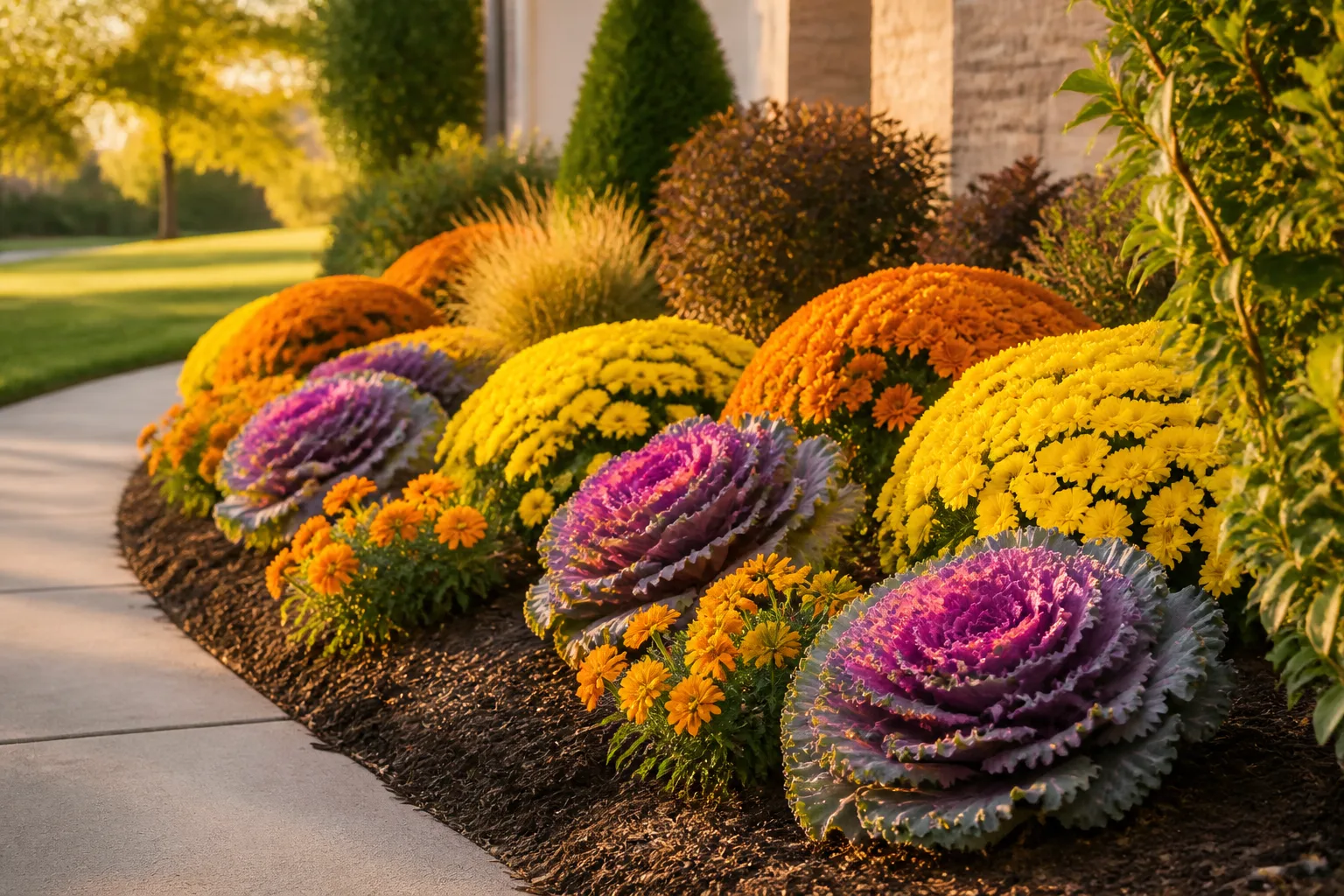
Late summer is not one planting season. It is a handoff between heat-loving plants that still have time to grow and cool-season plants that are waiting for nights to become kinder. That distinction matters more than the month on the calendar: a nursery snapdragon can give you a finished-looking display quickly, while a snapdragon seed sown in hot soil may spend the same stretch merely trying to germinate.
Use your average first frost as the finish line. If you have six or more warm weeks left, you can experiment with seed for some annuals; if frost is approaching, buy sturdy starts, choose foliage that colors as temperatures fall, and grow tender accents in containers you can move. The eight plants below are useful for different reasons, so choose the one that matches the job rather than treating them as interchangeable.
Before buying, check the frost window and the plant’s growth mode
Start with three observations: how many weeks remain before your usual first frost, whether the soil is still hot and dry, and whether the planting spot gets enough direct light. The USDA zone helps describe winter climate, but it cannot tell you whether a shaded bed beside a foundation will stay wet or whether a black container will overheat a young root ball.
Late summer also rewards a two-speed plan. Put plants that can handle the current heat at the sunny edge, then add cool-season plants when temperatures moderate. Clemson Extension’s September guidance recommends sowing hardy annuals such as calendula and refreshing beds with snapdragons and ornamental cabbage and kale as they become available, while also noting that many ornamental grasses deliver fall color and movement (Clemson Extension).
Seeds are cheap; starts are faster when the season is short
Seed is the right choice when the packet’s days to bloom fit comfortably inside your remaining season and you can keep the seedbed evenly moist. Calendula is a good candidate for this approach, especially in a mild region where autumn arrives gradually. Nasturtium can also move quickly when the soil is warm enough, but it is less predictable during a brutal heat wave.
Transplants are the honest shortcut. A compact, healthy calendula, kale, cabbage, dusty miller, snapdragon, or grass from a nursery has already completed the slowest part of the schedule. Look for plants with firm stems, active new growth, and roots that hold the potting mix without circling into a hard mat. A plant covered in flowers is tempting, but a budded, stocky plant with room to root often outperforms an overgrown root-bound one after planting.
Match light, moisture, and mature size to the site
Full sun means at least six hours of direct light, but the best late-summer site may offer morning sun and protection from punishing afternoon heat. Snapdragons and young kale often appreciate that compromise while they establish; pink muhly grass and purple fountain grass need more sun for their strongest color and flowering.
Keep thirsty plants together only when the soil drains. A bed that stays wet after a storm can rot roots just as quickly as a dry bed can wilt them. In containers, group plants by watering needs and use a pot large enough that the root ball is not pressed against hot, rapidly drying walls.
Pink muhly grass creates a fall haze with little fuss
Pink muhly grass (Muhlenbergia capillaris) is the choice when you want fall color that reads as a cloud rather than a bouquet. The clump keeps its wiry green foliage through summer, then produces airy pink to pinkish-red flower plumes from roughly September into November. Missouri Botanical Garden lists it for zones 5 to 11, about 2 to 3 feet tall and wide, with full sun to part shade and dry-to-medium water needs (Missouri Botanical Garden).
Buy a nursery-grown clump if your goal is color this autumn. Seed-grown muhly grass is a long game, and a late-summer sowing is unlikely to make the full flowering effect before cold weather. Set the plant at the same depth as its container, loosen circling roots, water the root zone thoroughly, and give it a few weeks of consistent moisture while new roots move into the surrounding soil.
Pink muhly is especially useful at the back of a low border, along a sunny path, or in a group of three or more where the plumes can overlap. It tolerates heat, humidity, drought, and poor soil once established, but the best display still depends on drainage and light. Do not bury the crown in compost or mulch; a wet, covered crown is a faster route to decline than lean soil is.
Its main limitation is scale. A plant that looks modest in a nursery pot can fill a three-foot circle when it flowers. Leave it room to breathe, and pair it with a low silver or purple foliage plant rather than squeezing it into the front edge where its stems will hide everything behind it.
Calendula is the best cool-weather flower to sow for warm color
Calendula, or pot marigold (Calendula officinalis), gives you clear orange, yellow, cream, and apricot color while many summer annuals are tiring. The Royal Horticultural Society describes it as an easy hardy annual that flowers from summer into early autumn, tolerates ordinary soil and light shade, and dislikes deep shade, very wet ground, and overly fertile soil (RHS Calendula Plant Guide).
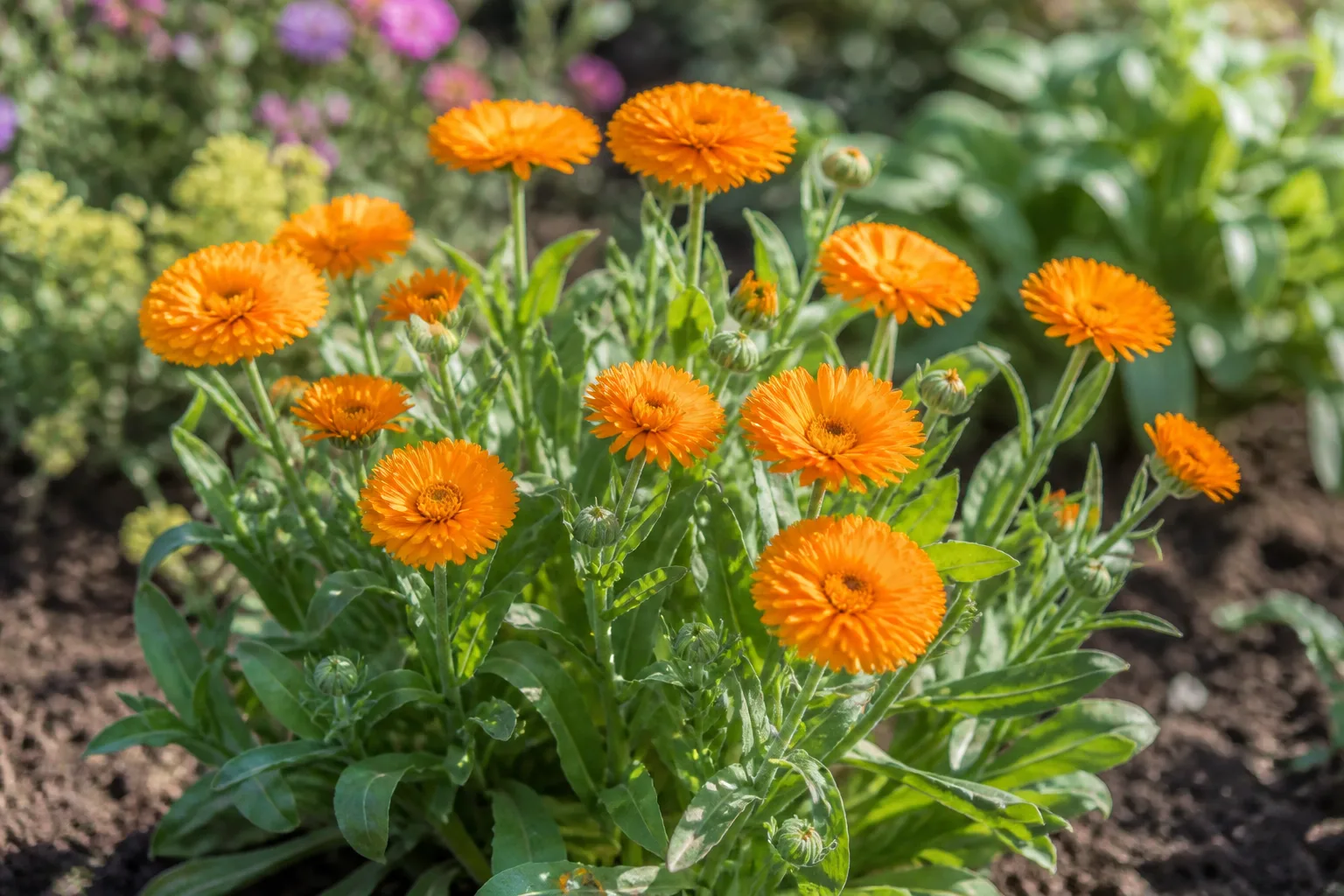
It is one of the more reasonable late-summer flowers to direct-sow, but do not bury the seed in a crusted, baking bed. Scratch a shallow, fine seed line, water it gently, and shade the soil surface during the hottest part of the day if the weather is severe. Once seedlings are established, thin them so leaves dry after rain and flowers do not become a crowded tangle.
For an instant display, use nursery plants in a window box, pot, or border edge. Calendula’s low, bushy habit makes it a good partner for taller snapdragons and upright grasses, and its warm color balances the cool purple of Redbor kale. Keep fertilizer modest: very rich soil can produce leaves at the expense of the flowers.
The flowers are edible, but that is a harvest decision, not a blanket label. Eat petals only when the plant is correctly identified and grown without ornamental pesticides or systemic products; never assume a nursery plant is food-safe because the species is edible. Deadhead regularly for a tidier display, or leave a few flowers to form seed if you want volunteers next year.
Redbor kale turns a usable crop into a purple foliage anchor
Redbor kale is valuable because it does not depend on a perfect flowering schedule. Its frilled leaves give a bed height and texture now, then become more strongly colored as cool weather settles in. Kale belongs to the cool-season group, so the best late-summer strategy is usually a transplant or an early variety sown with enough time to make a sturdy rosette.
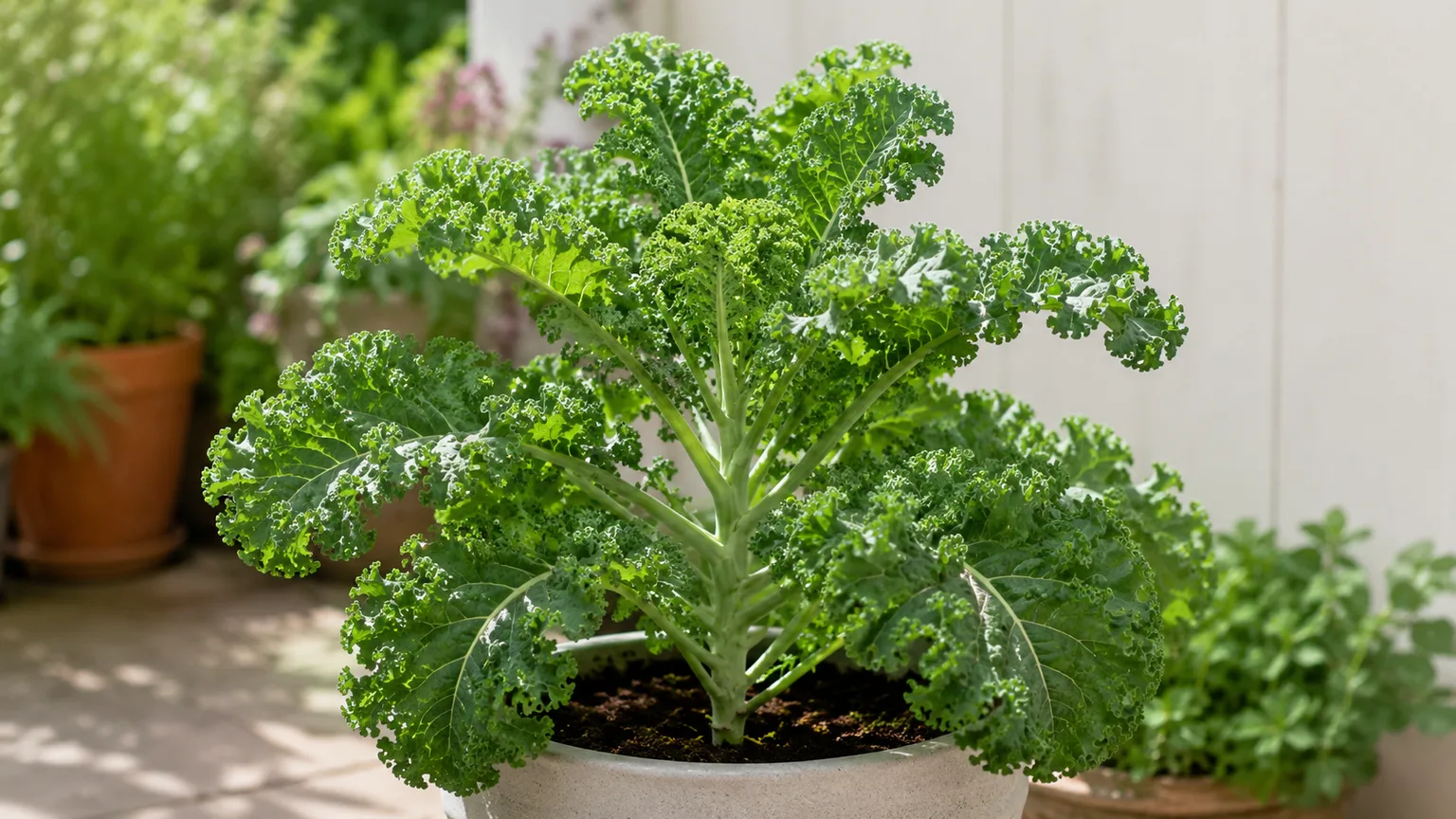
Plant it where it receives bright sun and where you can reach both sides of the leaves. A fertile, well-drained bed with finished compost is helpful, but do not turn the planting hole into a pocket of rich, wet soil. Water deeply after planting, then check the root zone rather than giving small daily splashes that encourage shallow roots.
Redbor works in a front-to-middle border, large container, or edible garden where ornamental and harvest value overlap. If the tag identifies the plant as edible kale and you intend to eat it, treat it as a food crop: avoid pesticide-treated ornamentals, wash leaves, and harvest according to the cultivar’s instructions. If the plant is sold purely as an ornamental, keep it in that role rather than guessing about chemical residues.
The common mistake is putting kale out during peak heat and judging it a failure after a week of drooping. Give new plants temporary afternoon shade and consistent water while the weather is hot. Once nights cool, growth becomes steadier and the foliage does more of the visual work.
Nasturtium fills gaps when late summer is still warm
Nasturtium (Tropaeolum majus) is a fast, generous filler when summer has not yet released its grip. Round leaves and red, orange, or yellow flowers spill over a pot edge or soften the front of a bed, and the foliage and flowers are edible when grown cleanly for the table.
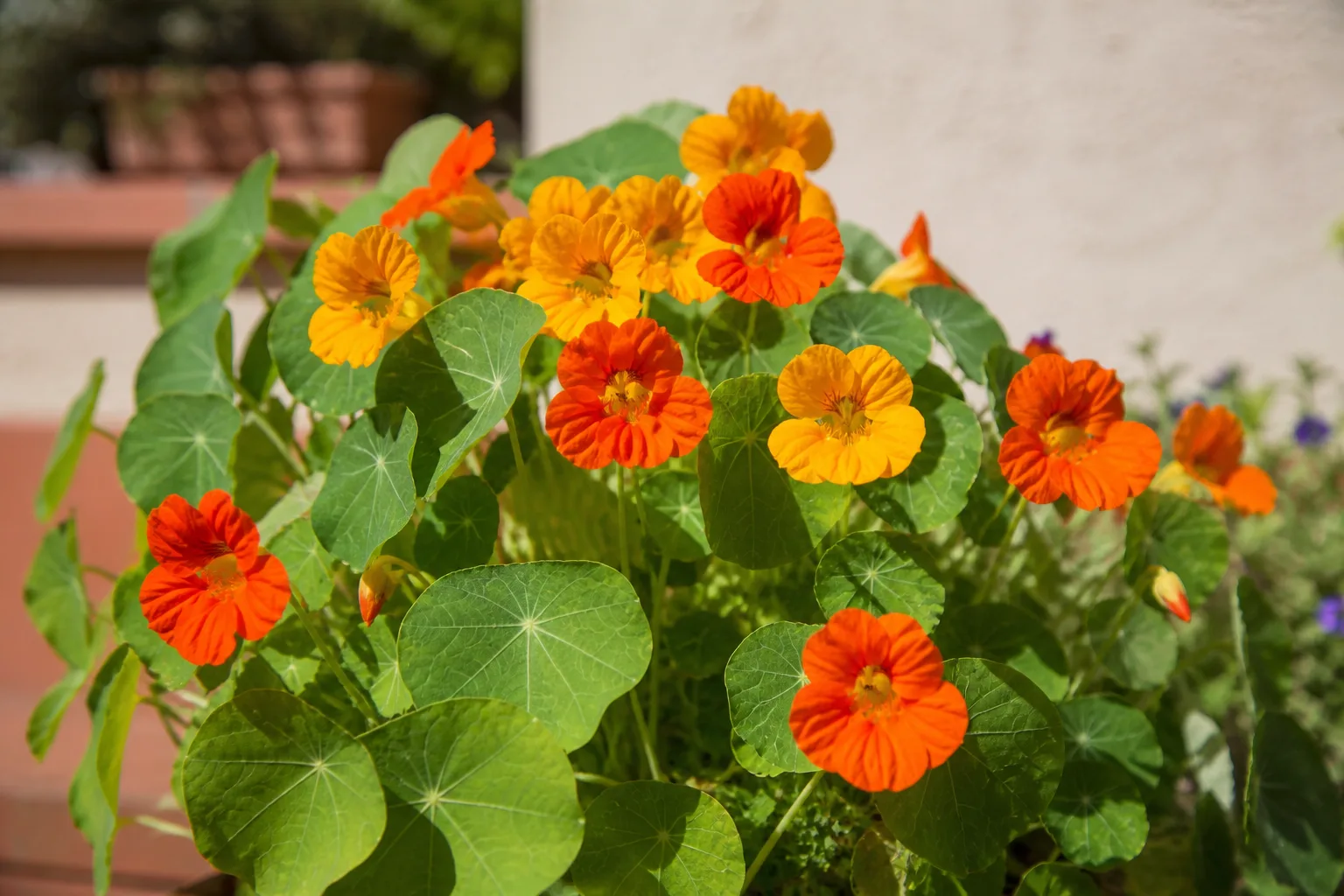
Use a sunny spot with average or lean, well-drained soil. Extra fertilizer commonly produces a leafy plant with fewer flowers, so do not try to force late color with repeated feeding. Mounding types suit containers and narrow borders; trailing types need a defined lane, wall, or support, or they will cover neighboring plants just as autumn begins.
Nasturtiums can be direct-sown in warm soil, but germination and establishment slow when the root zone swings from wet to baked dry. Soak large seeds briefly if the packet recommends it, plant them at the packet depth, and keep the seed line evenly moist until seedlings are growing. A nursery plant is the faster choice when you want flowers for a September porch display.
Treat nasturtium as a monitored companion, not a pest-repellent guarantee. It may attract aphids, which can be useful only if you inspect the plant and remove or manage it before pests spread to valuable kale or other crops. Keep stems out of the crown of neighboring plants so airflow and access remain possible.
Ornamental cabbage supplies a long-lasting rosette display
Ornamental cabbage is a foliage plant, not a flower that happens to be shaped like a rose. Its blue-green, purple, pink, or white-centered leaves become more vivid as the weather cools, and the display can hold through several light frosts. The RHS specifically highlights ornamental cabbages for long-lasting autumn displays and notes that their colors change with cooling weather and combine well with fine-textured grasses (RHS autumn bedding guide).
Buy compact starts. Late-summer seed will rarely produce a full rosette before the first cold nights unless your autumn is long and mild, and crowded seedlings are difficult to space correctly. Set plants 12 to 18 inches apart, depending on the tag, so the lower leaves have room to expand and air can move after rain.
Ornamental cabbage is excellent for a walkway bed, a large pot, or the front of a display where its color can be seen from above. Pair it with calendula for warm contrast, dusty miller for a silver bridge, or purple fountain grass for height. Use a container with drainage holes and a mix that holds moisture without becoming a swamp; cabbage dries quickly in a small pot but dislikes standing water.
Do not expect the strongest color while the weather is still at summer peak. The plant may look mostly green at purchase and improve later. That is its advantage over a bloom-dependent annual: it is storing the best part of the display for the season you are trying to reach.
Dusty miller adds silver contrast, with a safety boundary
Dusty miller is the quickest way to make fall oranges, reds, and purples look more deliberate. Its felted silver foliage is useful in containers and borders, and it can tolerate full sun, lean soil, and dry spells once rooted. Plants For A Future describes Senecio cineraria as a sun-loving, well-drained plant that can tolerate drought, but also flags internal use as unsafe because of pyrrolizidine alkaloids (Plants For A Future Dusty Miller Profile).
That warning changes how you use it. Keep dusty miller ornamental, do not add the leaves to salads or teas, and remove trimmings where children or pets cannot chew them. Plant labels and common names can be messy, so confirm the botanical name before relying on a safety assumption; “cineraria” can refer to more than one ornamental plant.
Late summer is a good transplant window because the plant’s value is immediate foliage, not a long seed-to-flower race. Give it sun, sharp drainage, and enough room for the cultivar’s mature width. Pinch or trim only when needed to maintain a compact shape; repeated hard cutting late in the season can leave a sparse plant just when the silver contrast is most useful.
In cold climates, expect dusty miller to behave as an annual. In mild climates it may persist for a while, but that does not make it a guaranteed perennial. Treat winter survival as a bonus and choose it for the current display.
Purple fountain grass brings height to containers and beds
Purple fountain grass, usually sold as Pennisetum setaceum ‘Rubrum’, is the height-and-motion choice. Burgundy blades and soft bottlebrush plumes turn a container into a vertical composition, and a nursery pot can look substantial immediately after planting. Editorial fall-container guidance also uses ornamental grasses as a way to keep porch displays interesting after many flowering annuals begin to fade (Epic Gardening fall porch guide).
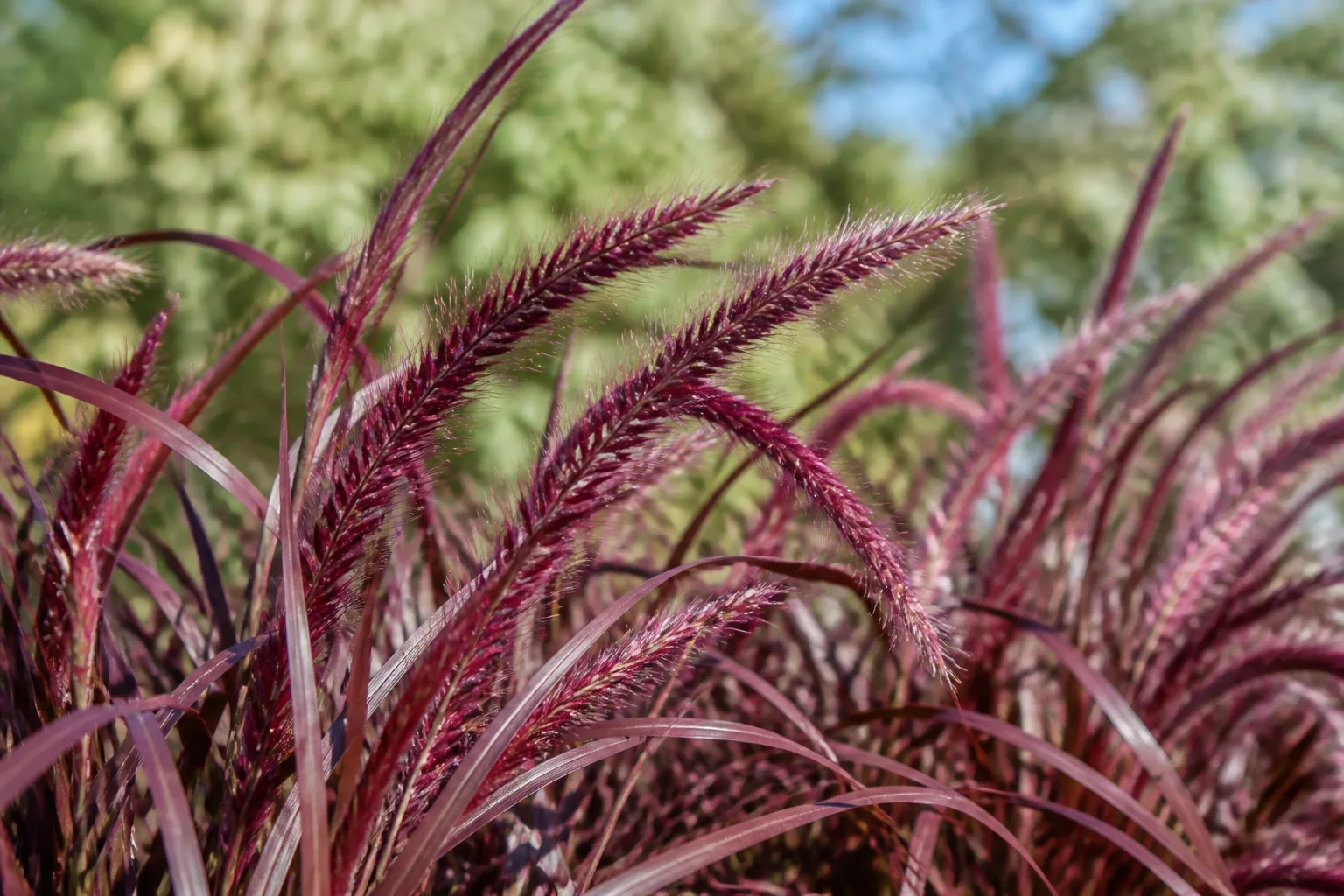
Give it full sun for the deepest foliage color and best plumes, with light afternoon relief in a scorching site if the leaves are burning. Use well-drained soil and leave space for the mature clump; the plant is much wider than a single narrow crown suggests. In a mixed container, make it the thriller, then add a low rosette such as ornamental cabbage and a trailing or mounding flower such as calendula.
The climate boundary is important. Purple fountain grass is a tender perennial in mild zones and an annual in much of the country. If you want to keep it in a cold climate, a large container is more practical than digging a mature clump out of a border. Move the pot before hard frost, and do not promise yourself that heavy mulch will turn a tender plant into a hardy one.
Check local invasive-plant guidance before planting the species outdoors, especially in warm, dry regions or beside open land. Cultivars can behave differently from the parent species, but “usually sterile” or “rarely seeds” is not the same as a site-specific clearance. Where the risk is unsuitable, choose pink muhly grass or a locally appropriate hardy ornamental grass instead.
Snapdragons give the quickest “finished garden” effect as starts
Snapdragons (Antirrhinum majus) are the best choice when you need upright flower spikes and want the bed to look designed quickly. Missouri Botanical Garden lists them as a short-lived tender perennial hardy in zones 7 to 10, commonly grown as an annual, with full sun, medium water, and bloom extending from spring to frost (Missouri Botanical Garden Snapdragon Plant Finder).
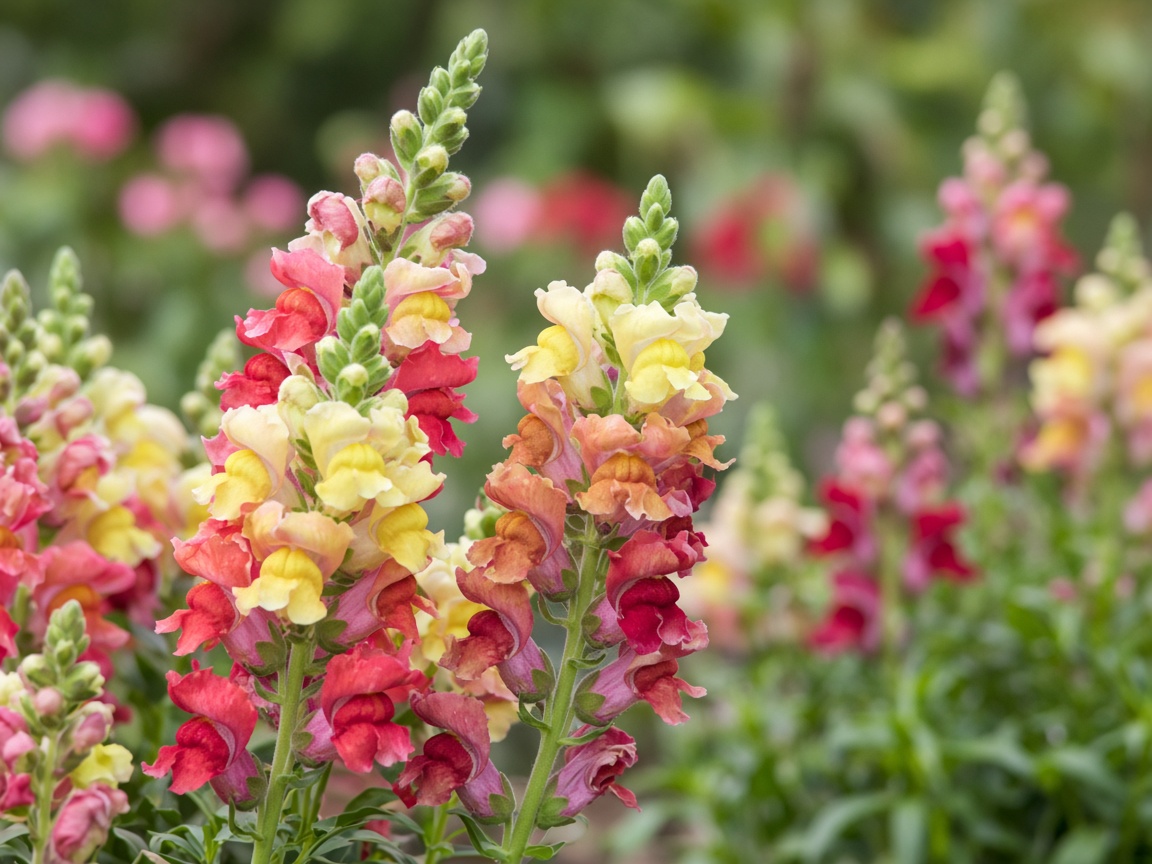
Buy compact plants with healthy leaves and visible buds. Starting snapdragons from seed is worthwhile for a future season, but a late-summer seedling may not have time to reach flowering size before frost. Plant at the same depth as the cell, space according to the cultivar’s mature height, and give tall types support if wind catches the flower spikes.
Snapdragons prefer cool conditions, so a heat pause is normal. In a hot region, choose morning sun and afternoon shade, keep the soil evenly moist, and deadhead after the first flush. When nights cool, the plant may resume flowering. Avoid overhead watering because wet foliage and crowded spacing raise the chance of rust and other leaf problems.
Use dwarf types in containers or at the front of a border, intermediate types in the middle, and tall types toward the back or in a cutting garden. Their vertical shape makes them a strong partner for low calendula, silver dusty miller, and spreading nasturtium rather than another tall grass.
Build a fall display by layering flower, foliage, and texture
The most reliable fall planting has more than one kind of payoff. Flowers can pause in heat or finish after a freeze, but foliage and texture keep the arrangement legible. Think in layers: one upright plant, one low or rosette plant, one filler, and one contrasting leaf color.
For immediate porch color, use starts and containers
Choose purple fountain grass as the tall center, ornamental cabbage or Redbor kale for the foliage anchor, and calendula or snapdragons for flower color. A large pot gives you control over drainage, lets you move tender grass before frost, and makes it easier to replace one tired annual without disturbing an entire bed.
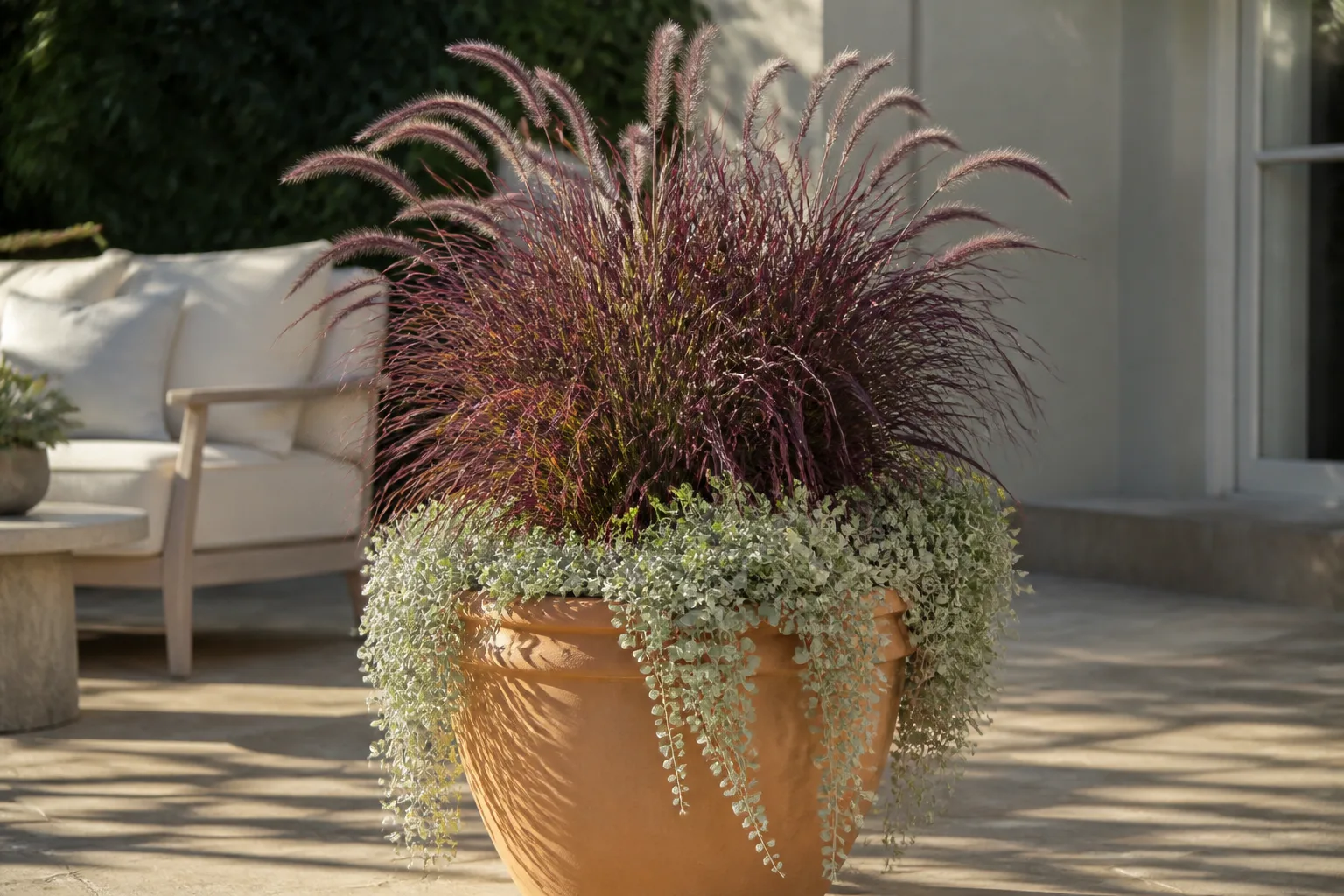
Do not pack four full-size plants into a small container because they look tiny at the nursery. Leave enough space for mature roots and leaves, use a quality potting mix, and water until excess drains from the bottom. Container color also matters: dark pots in full afternoon sun can heat the root zone faster than an in-ground bed.
For a longer bed display, combine cool-season foliage with annual flowers
In the ground, place pink muhly grass where its plumes will rise behind lower plants, then use ornamental cabbage or kale in a repeating rhythm rather than scattering single rosettes. Calendula can fill the gaps while temperatures remain moderate, and dusty miller can separate hot colors visually.
Keep nasturtium on the edge where you can direct its stems and inspect leaves. Snapdragons belong where their height will not shade kale or cabbage as the sun angle lowers. The arrangement should leave a path for watering and checking the underside of leaves; a pretty bed that cannot be reached is harder to keep healthy.
Plant and establish late-summer color in the right order
Prepare the site before you bring plants home. Pull exhausted annuals, remove diseased foliage, loosen compacted soil, and add finished compost only where it improves structure. Do not bury crowns, fill holes with fresh manure, or assume fertilizer will compensate for a site that stays wet.
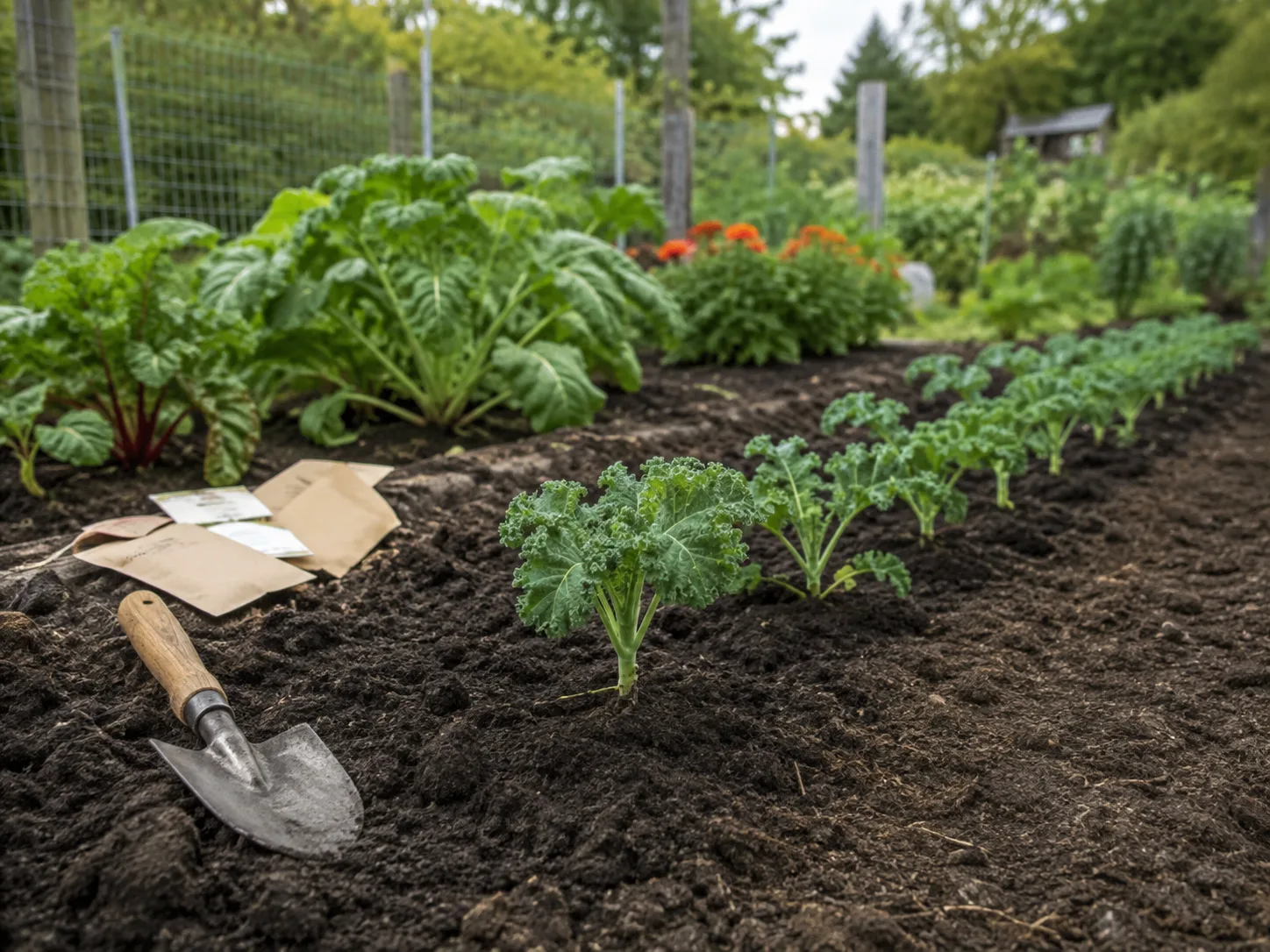
Plant in the evening or on a cloudy day if possible. Slide each root ball out gently, loosen only circling roots, set the crown at the original soil level, firm the surrounding soil, and water slowly until the entire root zone is moist. Mulch lightly after watering, keeping it a few inches away from stems and crowns.
Water the root ball, not the calendar
Check moisture at the depth of the root ball. If the top looks dry but the soil below is damp, wait; if the surface is wet but water is running off a compacted root ball, slow the stream and make several passes. New plants need deep, consistent moisture while roots spread, not automatic daily sprinkling.
Containers may need water more frequently than beds, especially when wind and sun hit the pot from every side. Drainage holes must remain open, and saucers should not hold standing water for hours. Once roots are established, reduce frequency according to the plant: muhly and dusty miller can dry more between waterings than kale, cabbage, or snapdragons.
Protect young plants from heat first and frost later
Heat protection is often the first priority in late summer. Use temporary afternoon shade for fresh transplants, keep seedbeds evenly moist, and postpone planting by a day or two if the forecast calls for extreme heat. A small plant that establishes during a mild spell will usually outperform one planted into a hot, dry wind.
Frost protection comes later and depends on the plant. Kale and ornamental cabbage can handle light frost once established, while snapdragons and calendula may continue through cool weather but can be damaged by a hard freeze. Cover plants before the freeze arrives with a secured row cover or frost cloth, keep fabric off the foliage when practical, and remove it after temperatures rise so the bed does not overheat.
Treat tender purple fountain grass as movable rather than heroic. If your climate regularly freezes, decide before planting whether the pot will be overwintered, composted after frost, or replaced next year. That decision is part of choosing the plant, not a failure of care.
Common mistakes that erase a late-summer planting window
Planting by month instead of by weather. “August” can mean humid heat in one region and cool nights in another. Use the frost window, current soil condition, and plant preference together.
Expecting seed to perform like a transplant. A seed packet’s days to maturity rarely includes every delay caused by heat, drought, low light, or transplanting. If the calendar is tight, buy a start.
Overfertilizing for speed. Excess nitrogen makes soft, leafy growth and can reduce flowers on calendula or nasturtium. Healthy roots, light, and steady water create more dependable late color.
Crowding nursery plants. The gap that looks excessive on planting day disappears when kale leaves expand, snapdragons branch, or a grass forms a clump. Follow the tag’s mature spacing and protect airflow.
Watering shallowly and constantly. Frequent surface wetting can leave the actual root ball dry while keeping the crown damp. Water slowly and check below the surface.
Ignoring what happens after the first frost. A fall display is allowed to be seasonal. Decide which plants will be protected, harvested, cut back, or removed so dead foliage does not become a winter disease or pest refuge.
Treating every colorful plant as edible. Calendula and nasturtium can be food plants when grown and labeled for that use. Dusty miller is ornamental; keep it out of the kitchen and away from chewing pets and children.
Conclusion
The fastest route to gorgeous fall color is not planting the largest number of things. It is matching the plant’s growth mode to the time you have left. Choose pink muhly grass or purple fountain grass for structure, calendula or nasturtium for warm-season flower color, Redbor kale and ornamental cabbage for cooling-weather foliage, dusty miller for silver contrast, and snapdragons when nursery starts can give you an instant vertical display.
Before you dig, check the first frost window, choose a site with real drainage, and decide whether each plant is a seed project or a transplant project. Water the root ball deeply, protect new plants from late heat, and prepare for frost before the forecast makes the decision for you. That small amount of planning is what turns a late-summer rescue planting into a fall garden that looks intentional.