11 End-of-Summer Gardening Mistakes to Avoid
Avoid 11 end-of-summer gardening mistakes with practical advice on watering, mulch, pruning, pests, harvest, tools, and bulbs—timed to your climate.

Late summer can feel like a finish line: the heat has worn you down, beds look tired, and the first cool nights hint that the garden’s work is nearly done. In reality, this is a changeover. Some plants are still flowering or setting fruit; others are preparing for dormancy; seeds for fall crops and spring bulbs may have a narrow window. A few well-timed checks now can prevent spring cleanup, disease, and replanting headaches.
The most useful correction is to stop treating “end of summer” as one date. A hot, dry September and a cool, rainy one call for different watering and cleanup. Your plant list, soil, forecast, and local frost history matter more than a generic calendar. Penn State Extension’s fall guidance, for example, recommends removing diseased material while leaving many healthy perennials standing for winter interest and wildlife—a useful reminder that “clean up” does not mean stripping every bed bare. Penn State Extension’s fall garden guidance offers a regional example of that distinction.
Start with conditions, not a cleanup deadline
Walk the garden once before reaching for a pruner or fertilizer. Note what is still productive, what is stressed, what has finished, and what could be planted next. Look at the forecast and check soil moisture below the surface. Then rank the work: protect a crop or plant facing an imminent frost; harvest produce that is ready; remove seed-setting weeds or confirmed disease; adjust irrigation; and schedule slower jobs such as tool cleaning and bed mapping.
This order prevents a common time-waster: doing a visible chore because the season changed while missing a time-sensitive one. A patch of healthy perennial seedheads can wait. A mature tomato that will split in tomorrow’s rain may not. Use the following mistakes as a checklist, not as an instruction to do every task in every garden.
1. Planning only for the garden you have now
End-of-season planning is more valuable when it captures evidence, not just ideas. Write down which crops produced well, where disease appeared, when a bed dried out, what got shaded, and which plants outgrew their space. A simple sketch with bed locations and planting dates can prevent repeating the same rotation or spacing problem next year. Add photographs if you will not remember whether a plant struggled in early summer or only during a late heat wave.
Use the notes to make one or two realistic changes: order seeds with a longer lead time, reserve a spot for a cover crop, schedule a soil test, or price a path or irrigation repair before spring. Do not order unfamiliar plants solely because they looked good elsewhere. Check their mature size, sun exposure, drainage needs, and likely winter survival in your area first.
North Carolina Cooperative Extension’s fall planting guidance pairs plant choice with site conditions and recommends soil testing rather than guessing at fertility. That is a useful planning habit anywhere: ask the local extension office what its soil test measures and what the results mean for your beds, rather than applying a generalized fertilizer blend. North Carolina Cooperative Extension’s fall planting article also illustrates how fall recommendations are tied to local growing conditions.
2. Applying another region’s calendar to your yard
A gardening tip can be correct and still be wrong for your property. “Plant in September,” “stop watering after Labor Day,” or “prune in fall” all leave out location, exposure, soil, crop, and weather. A coastal garden, a high-elevation yard, and a sheltered urban courtyard can reach the same season at different rates. Even within one yard, a south-facing bed and a shaded low spot may cool or dry differently.
Use a hardiness zone as a broad winter-survival clue, not as a planting calendar. For seasonal chores, look up your region’s average first-frost window, compare it with the actual forecast, and check the number of days your crop needs to mature. A local extension calendar is a more useful starting point than a national month-by-month list. Utah State University Extension’s September checklist, for example, includes recommendations tailored to Utah conditions; its monthly timing should not be transferred automatically to another state. Utah State University’s September garden checklist is a good example of why local context matters.
Keep a note of your own microclimates, too. If a frost-prone hollow gets cold before the rest of the yard, move tender pots or harvest vulnerable produce from that spot first. If a wall holds afternoon heat, late-season crops there may need water longer than the bed across the path.
3. Topping up mulch without checking what the bed needs
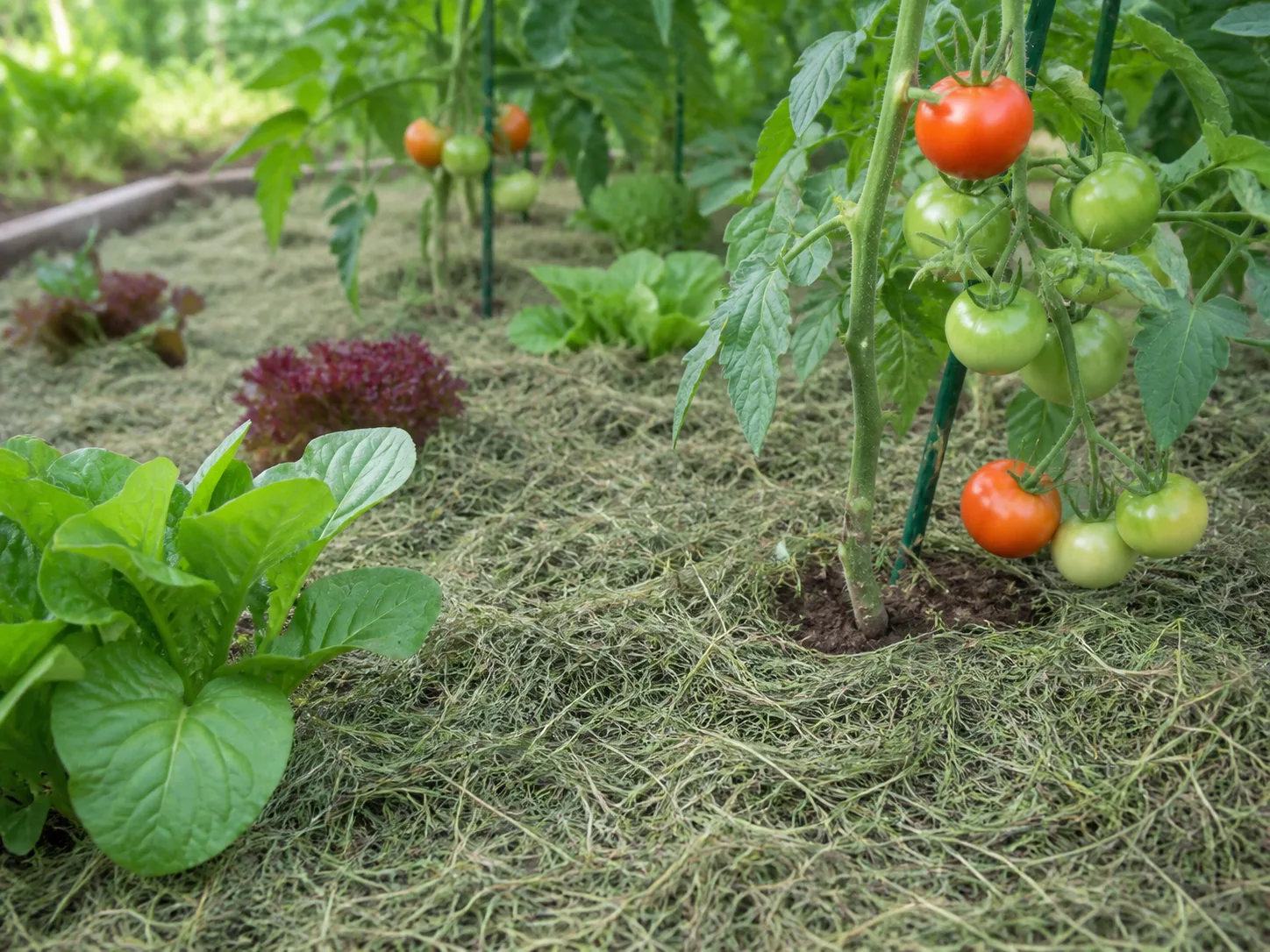
Mulch can slow evaporation, reduce weed germination, and buffer soil temperatures, but “add more” is not a complete plan. A deep blanket can trap excess moisture around crowns, bury low-growing stems, cover emerging bulbs, or keep soil cool when a fall crop still needs warmth. Piling mulch against a tree or shrub trunk also keeps the bark damp and makes the bed harder to inspect.
Before adding anything, move a small patch aside and check the existing layer and soil. Replace material that has washed away or decomposed, and use a loose, even layer suited to the bed. Keep mulch clear of stems and woody trunks, and do not cover plant crowns or the root flare. In a vegetable bed that is still producing or receiving seed, preserve access to the soil and avoid burying small seedlings. In an empty bed, a suitable cover crop or finished compost may serve the soil better than a thick layer of fresh material.
The point is continuity, not a cosmetic reset. Farmers’ Almanac’s fall checklist also frames mulch as protection to apply with timing and bed condition in mind, rather than as a layer to pile on indiscriminately. Farmers’ Almanac’s fall garden checklist discusses that seasonal trade-off.
A quick mulch check
Look for bare soil, exposed roots, compacted mats, and material touching stems. Top up only where the layer is thin; loosen matted leaves or clippings so water can reach soil; and move mulch away from crowns and trunks. If a bed is wet and poorly drained, adding more moisture-holding material is unlikely to solve the underlying problem.
4. Leaving summer irrigation on autopilot
Cooler air often reduces water loss, but it does not switch off a plant’s roots. Late-summer vegetables may still be flowering and fruiting; newly planted shrubs and perennials need consistent moisture while establishing; containers dry faster than in-ground beds. On the other hand, a timer set for July can overwater after a week of rain or cooler weather. Keeping a fixed schedule ignores both directions of risk.
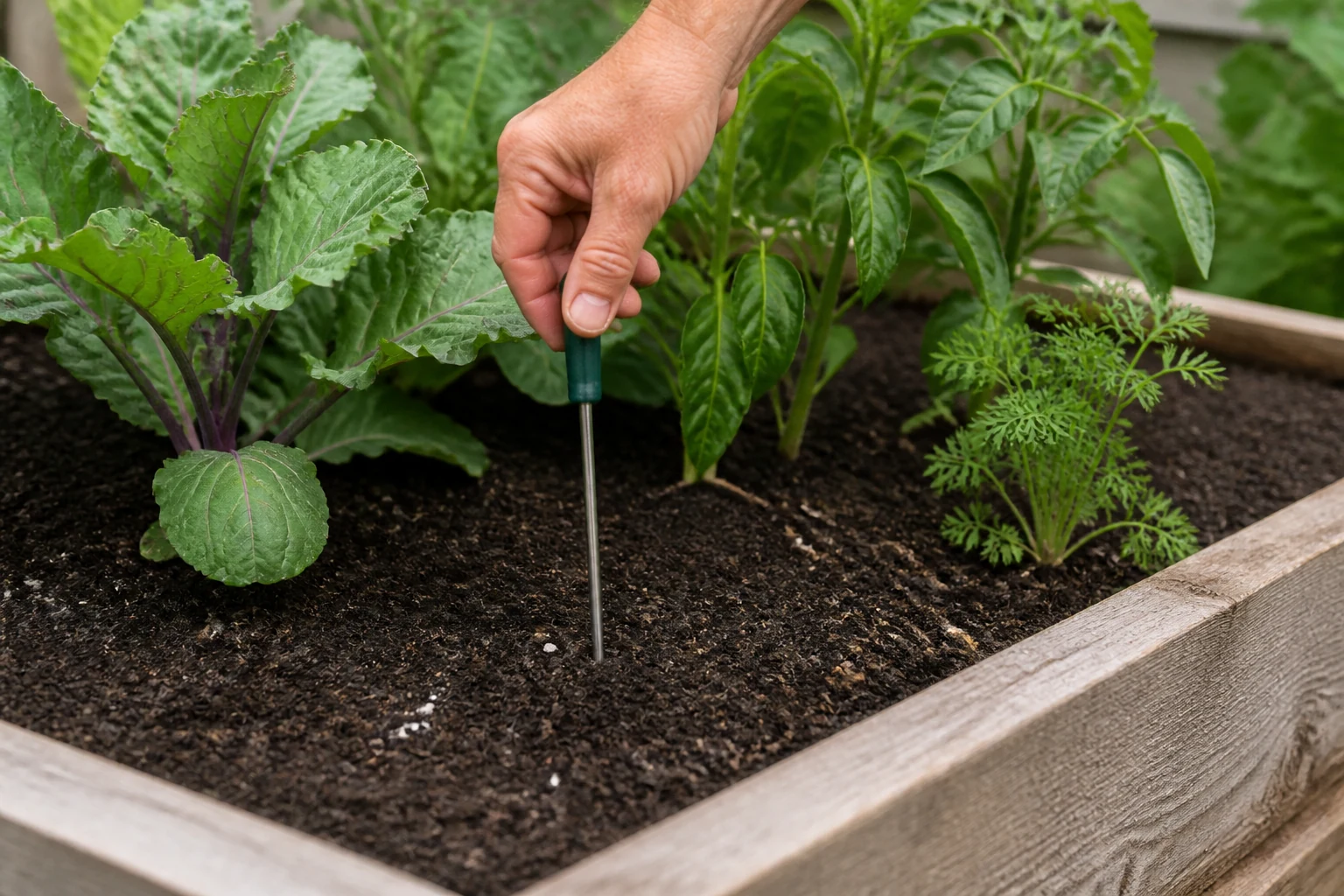
Adjust irrigation in response to rainfall, forecast, soil, and the plants being watered. A rain gauge helps show whether a shower actually delivered meaningful water; a short sprinkle may wet leaves while leaving the root zone dry. Check below the surface near active roots before watering, and then water slowly enough for the moisture to soak in rather than run off. If an automatic controller has seasonal adjustment or rain-delay settings, use them as a starting point and still inspect the bed. A controller cannot see a clogged emitter, a sheltered pot, or a newly transplanted plant.
Hobby Farms describes consistent moisture as especially important while vegetable crops flower and produce fruit, while Utah State’s monthly guide separates watering needs by landscape and local conditions. These examples reinforce a practical rule: reduce or pause watering when the soil and weather call for it, not because a calendar says autumn has begun. Hobby Farms’ late-summer garden chores and Utah State’s local checklist show how crop and region change the advice.
A two-minute moisture check
Push a finger or trowel a few inches into the soil in more than one part of the bed. If the root zone is cool and damp, wait and check again later. If it is dry where the roots are active, water the soil rather than spraying foliage. Newly seeded fall crops may need more frequent, gentle moisture near the surface than established plants; do not apply one schedule to both.
5. Pruning by the calendar
Pruning can solve a real problem, but late summer is not a universal invitation to cut everything back. Plants differ in when they set flower buds, how they respond to hard cuts, and whether old stems protect their crowns or provide winter habitat. Removing healthy growth too early can eliminate flowers or seedheads; cutting back a diseased plant may be the right sanitation step. Those are different jobs and should not be bundled into “fall pruning.”
Start by identifying the plant and the reason for the cut. Remove a broken branch or clearly diseased tissue when doing so is appropriate for that plant, using clean tools. For routine shaping, look up species-specific timing and whether the shrub blooms on old or new growth. If you cannot identify it, postpone elective pruning and mark the plant for research; a few weeks of waiting is generally less costly than removing next season’s buds by guesswork.
Penn State Extension notes that many ornamental perennials can remain standing through winter for visual interest, bird food, and insect shelter, while diseased material such as powdery-mildew-affected stems should be removed. That is a stronger rule than either “cut everything back” or “leave every plant untouched.” Penn State Extension’s fall guidance provides examples of both choices. Deadheading spent flowers, removing a hazardous branch, and hard pruning a shrub are not interchangeable tasks.
6. Fertilizing by habit
A plant that looks tired at the end of summer does not automatically need fertilizer. Yellowing leaves, slow growth, or poor fruiting can come from heat, irregular water, root damage, shade, pests, disease, or a nutrient imbalance. Applying a general-purpose feed before checking the cause can waste money and complicate diagnosis. Excess nutrients can also encourage growth when a plant should be slowing down, while the wrong nutrient or rate will not correct a drainage or watering problem.
Use a soil test for garden beds when nutrient levels or pH are uncertain, then follow the test recommendations and the needs of the crop. For container plants, use the plant’s label or a trusted care source, and account for whether the potting mix already contains fertilizer. Treat new plantings as their own case: North Carolina Cooperative Extension advises against fertilizing newly planted trees until spring because early feeding can stimulate shoot growth before roots are established. Its bulb guidance, by contrast, discusses a slow-release fertilizer at planting under specific conditions. The contrast is the lesson: timing and product depend on the plant and job. North Carolina Cooperative Extension’s guidance describes both cases.
If a test or crop-specific schedule does call for feeding, measure accurately and keep granules off foliage and stems. Do not add an unneeded dose just because fall fertilizer is on sale or because a plant has not grown much during hot weather.
7. Letting weeds mature and drop seed
A late-season weed can look small and harmless until its seedheads mature. Letting it finish that cycle can multiply next year’s work, especially in a bed already being cleared for cool-season crops. Walk the garden and prioritize weeds that are flowering, setting seed, or climbing into desirable plants. Pull or cut them before seeds disperse, and remove seedheads from the site rather than shaking them across the bed.
Not every green stem is a weed, and not every spent perennial needs to go. Identify unfamiliar plants before removing them; native seedlings and intentional cover crops can be mistaken for unwanted growth. If an area is finished for the season, a cover crop may protect bare soil and suppress weeds while supporting soil structure. Penn State Extension recommends a final weeding before seed production and describes cover crops as living mulch for fallow beds. Its fall garden task guide gives both options.
When weeds are growing close to crop roots, pull carefully or cut them at soil level rather than digging deeply through the root zone. Repeat the walk a week later. One fast pass before seeding, followed by a brief follow-up, is usually more useful than waiting for a perfect whole-bed cleanup day.
8. Putting dirty tools away for winter
Soil and plant residue on tools are easy to ignore when the last job of a hot afternoon is over. The residue can keep metal damp, dull cutting edges, and move contaminated material from one plant to another. Leaving tools outdoors exposes wooden handles and metal surfaces to repeated wetting and drying, so they are less ready when spring work starts.
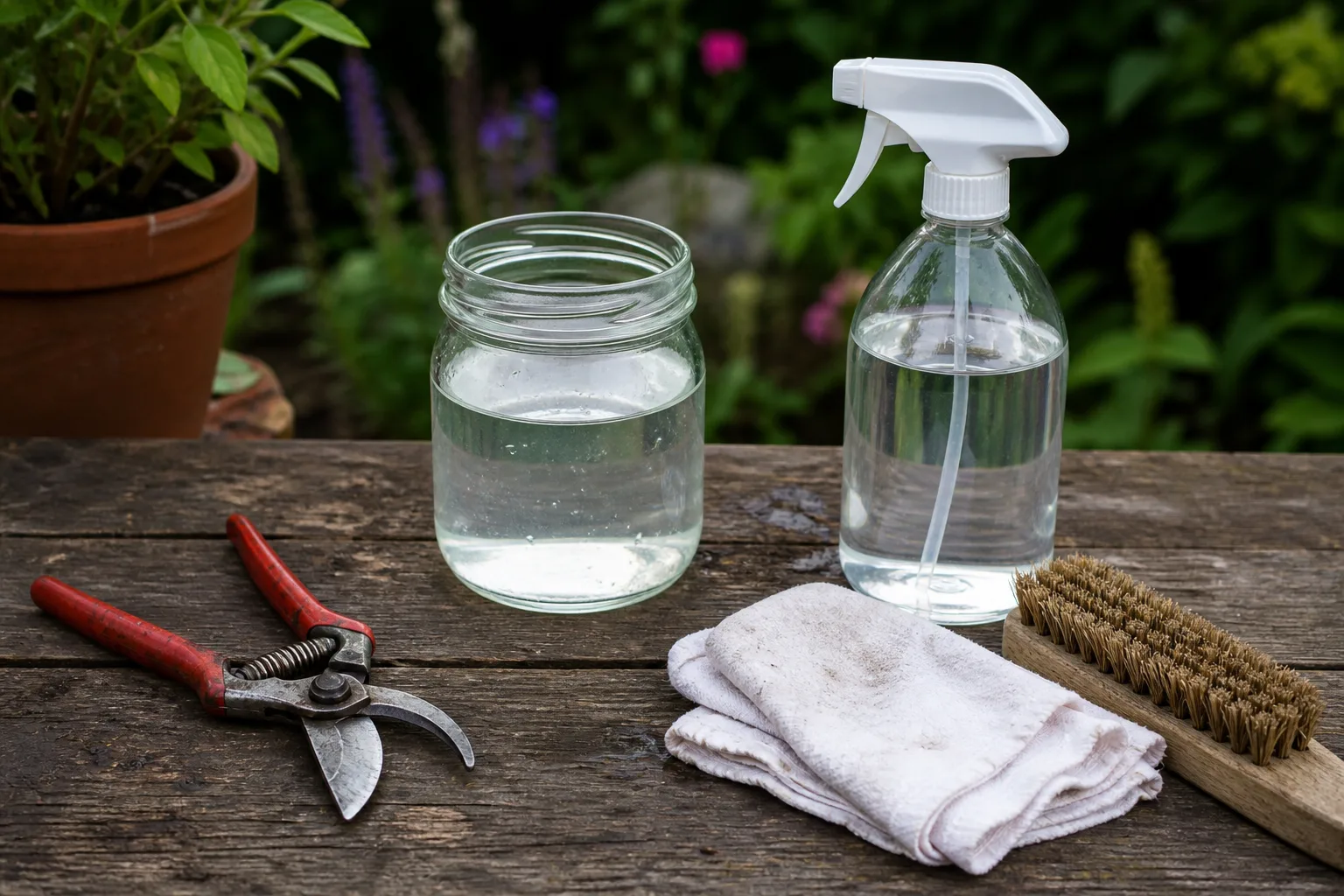
For routine storage, scrape off soil, wash away sap and plant fragments, dry the tool completely, and put it in a dry protected place. Check pruners for loose fasteners and dull blades; sharpen and oil them if needed. If a tool touched a plant with a suspected transmissible disease, clean it and use an appropriate tool-disinfection method before moving to another plant. Follow the product label for any disinfectant and keep it away from children and pets. Cleaning and disinfecting are separate steps: dirt must come off before a disinfectant can contact the surface.
Epic Gardening’s fall task guide similarly recommends cleaning and sanitizing tools before storage because soil and debris can carry problems forward. Epic Gardening’s garden-tool cleanup overview supports making this a short, routine task instead of leaving a pile of dirty tools until spring.
9. Missing harvest cues or picking by size alone
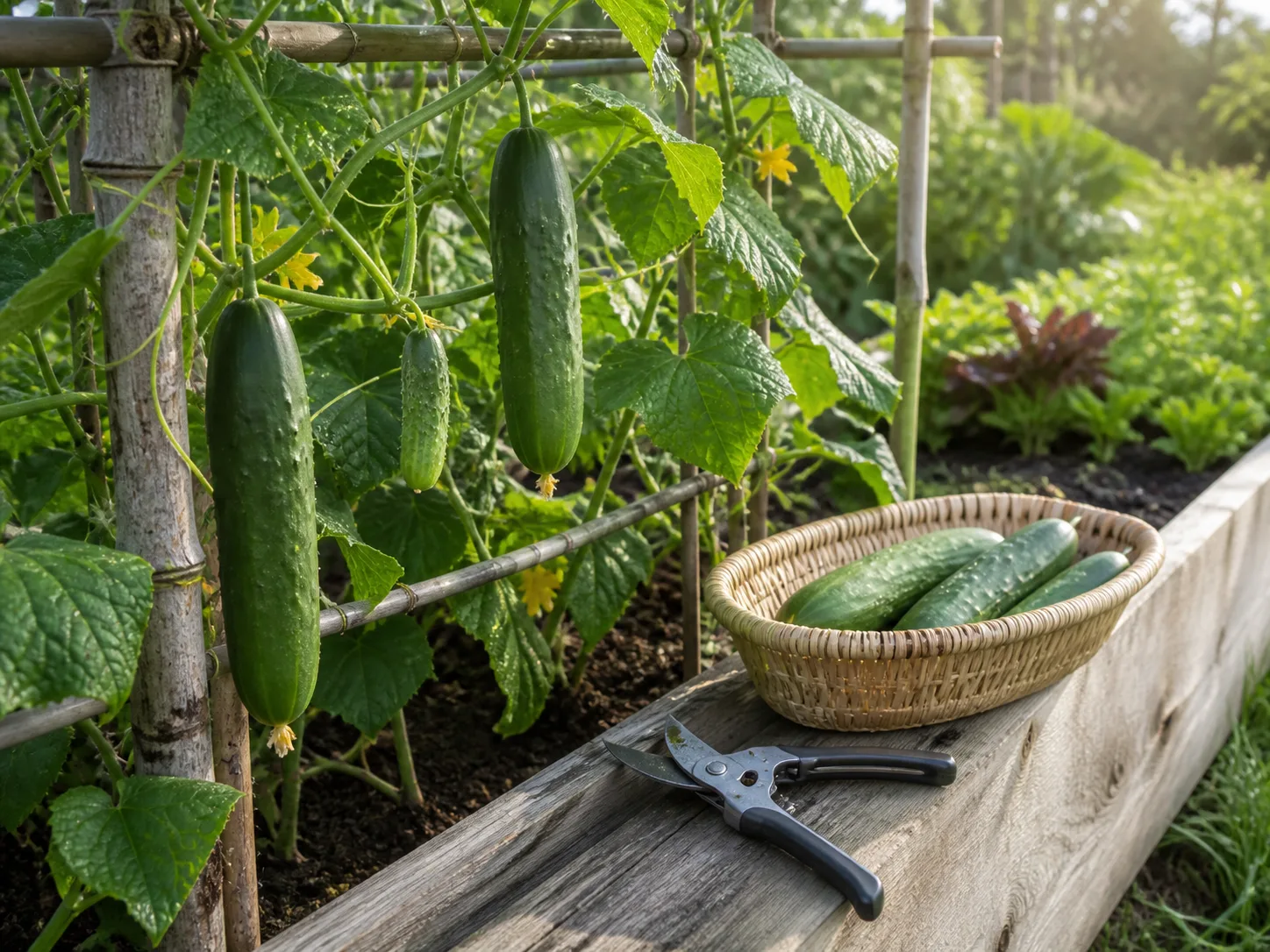
Late summer is not the time to leave ripe produce on the plant because the garden is winding down. Overmature fruit can become tough, split, rot, or attract wildlife and insects; on some crops, regular picking encourages continued production. Yet harvesting too early can waste food and reduce yield. Size alone is not a dependable measure because varieties mature at different sizes and a hot spell can change the pace.
Learn each crop’s harvest signs from the seed packet or variety description. Check fruit firmness, color, days from planting, and whether the crop should be picked young or fully mature. Harvest in the cool part of the day when convenient, use clean shears for stems that do not break cleanly, and look under leaves where vegetables can hide. Bring in crops that are mature before a forecast frost if they are not cold tolerant. Keep a small bowl or bucket by the door so a two-minute harvest is easy to repeat.
Hobby Farms notes that frequent harvesting can help fruiting crops continue to produce, but crop rules differ; for example, leafy greens and fruiting vegetables do not share the same harvest endpoint. Its late-summer chores article makes the case for harvesting according to the crop rather than abandoning the bed at summer’s end.
10. Treating every pest or diseased leaf the same way
A few holes in a leaf, a yellow lower leaf, and a fast-spreading spot are not the same problem. Some leaf aging is normal; some insects feed on a plant without threatening the harvest; fungal or bacterial diseases may persist on infected residue. A blanket cleanup or blanket spray skips the most important step: identifying what you are looking at and whether it needs action.
Inspect both sides of leaves, stems, and nearby soil. Note which plants are affected, whether symptoms are spreading, and whether damage appears after a weather change. Remove clearly diseased material when the diagnosis and crop guidance call for it; Penn State Extension advises keeping affected powdery-mildew debris out of compost in its fall guidance. At the same time, leave healthy seedheads and suitable stems where they support birds or overwintering beneficial insects. Distinguish a diseased crop residue from a healthy ornamental that can remain standing.
For pests, identify the insect and assess the level of damage before choosing a response. Hand removal or a focused rinse may be enough for a small, confirmed problem. If considering a pesticide, choose one labeled for that plant and pest, follow every label direction, and avoid spraying pollinators or beneficial insects. Utah State Extension’s local September list illustrates why crop-specific monitoring matters by calling out particular pests and symptoms rather than recommending indiscriminate treatment. Utah State’s September checklist includes examples for its region.
Use a diagnose–act sequence
- Identify the plant and the symptom or insect.
- Check whether the damage is spreading or likely to affect plant health or harvest.
- Look up the crop-specific extension recommendation.
- Choose the least disruptive action that addresses the confirmed issue.
- Recheck the plant after a few days and record what changed.
11. Waiting too long to plant for fall and spring
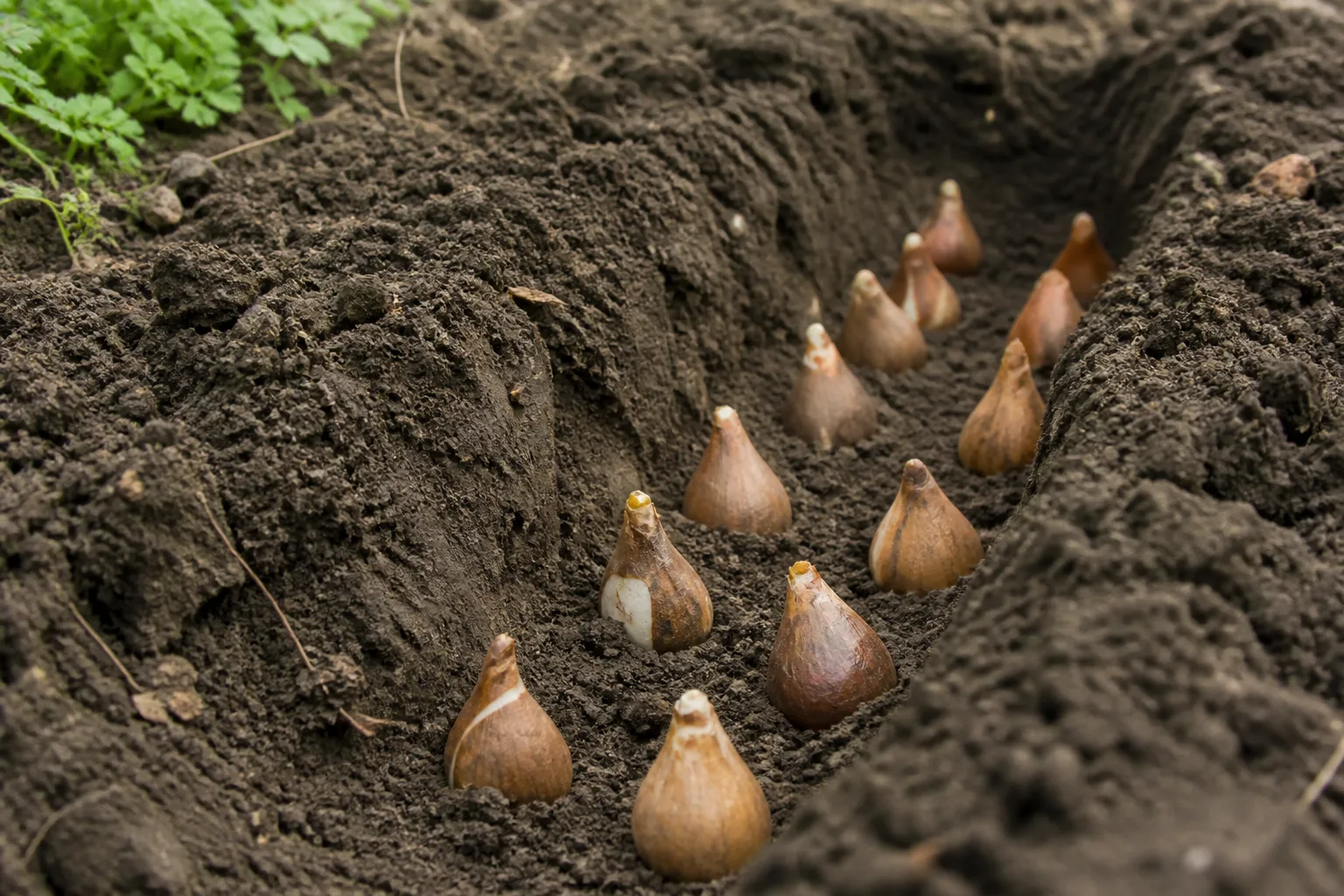
The end of summer is a handoff, not a reason to stop planting. Some cool-season vegetables need to be started while there is enough time to grow before cold weather; spring-flowering bulbs need time to establish roots before the ground freezes. Waiting until a convenient “fall weekend” can close one window and still be too early for another. Use crop maturity information, local frost timing, soil temperature, and the ground’s condition to decide what belongs in the bed now.
For vegetables, count backward from your area’s expected frost window using the crop’s days to maturity, then add time if you are starting from seed in hot or drying soil. Seedlings may need shade and more frequent surface moisture while they establish. For bulbs, follow the instructions for that species and climate. Ohio State Extension notes that spring bulbs need to root before the ground freezes; North Carolina Cooperative Extension describes planting bulbs once soil temperatures are consistently at or below 60°F in its local guidance. Those are useful examples, not a single nationwide date. In warm-winter areas, some bulb varieties need pre-chilling; follow the supplier’s guidance for the variety. Ohio State’s bulb timing article and North Carolina Cooperative Extension’s fall planting guidance explain the local timing factors.
If the ideal window has passed, do not force a planting into waterlogged soil or frozen ground. Choose a shorter-season crop, protect an existing crop, or plan for the next suitable window. A small, correctly timed planting is more likely to succeed than a large one planted by habit.
Conclusion
A useful end-of-summer routine is selective: observe first, handle urgent harvests and frost risks, correct water only after checking soil, remove weeds before seed, and deal with diseased material carefully. Then make the slower choices—pruning, fertilizer, mulch, and planting—according to the plant and the conditions where it grows.
Keep a short record of what worked and what failed. It will be more accurate than a generic seasonal checklist next year. The goal is not to make every bed spotless before fall; it is to protect plants that still have work to do, avoid preventable damage, and make the next growing season easier to begin.



