11 Flowers That Look Like Birds
Meet 11 flowers that resemble birds, from bird of paradise to flying duck orchid, with honest notes on care, climate, conservation, and responsible sourcing.
Some flowers look bird-like because a single bloom has the outline of a beak, wings, feet, or a bird in flight. Others earn the comparison from a bright bract or an entire inflorescence rising above the foliage. The resemblance may be startling, gently suggestive, or visible only when you view the flower from the right angle.
That distinction matters if you want to grow one. Bird of paradise is a realistic warm-climate garden plant and a manageable container specimen. A flying duck orchid or dove orchid is a very different proposition: beautiful, specialized, and often unsuitable for casual collection. This guide covers all 11 flowers in the list, then separates plants you can reasonably buy from plants you should admire through responsible nurseries, botanical gardens, or field observation.
First, separate bird-like flowers from bird-pollinated flowers
“Looks like a bird” is a visual description, not a botanical category. A flower can resemble a hummingbird and still be shaped by a completely different pollination relationship. In an Audubon feature, an ecologist noted that Crotalaria cunninghamii has traits consistent with bird pollination, while a Royal Botanic Gardens, Kew researcher described its exact bird outline as a coincidental result of floral proportions. Australia has no native hummingbirds, so calling its blooms “hummingbirds” is a human comparison, not evidence that the plant evolved to imitate that bird.
The reverse is also true. Strelitzia reginae has a structure that really does interact with nectar-feeding birds: birds perch on the beak-like spathe, and the flower parts can place pollen on their feet. The National Tropical Botanical Garden describes that floral mechanism, while NC State Extension provides a practical care baseline. The bird shape is memorable, but the biology is more interesting than the nickname. Heliconias add another wrinkle because the vivid red or orange structures people call flowers are often bracts surrounding the smaller true flowers.
Orchids on this list are usually the most literal-looking examples. Their sepals, petals, lips, and columns can create a tiny bird silhouette, but that does not make them easy houseplants. Before buying, identify the plant by its botanical name and ask what habitat it actually comes from.
How to choose a bird-shaped flower without wasting a season
Start with four questions: Can it live in your climate? Is it commonly nursery propagated? Does it need a specialist growing medium or fungal relationship? Can you verify its legal provenance? If the answer to the first two is no, the plant belongs in the “admire, do not impulse-buy” category, no matter how convincing the photo looks.
Look for the habitat in the plant’s description. A tropical rhizomatous plant can often move into a pot and come indoors for winter. A terrestrial woodland orchid may depend on seasonal moisture, leaf litter, soil fungi, and a dormant period that a warm windowsill cannot reproduce. A name followed by “rare seeds” on a marketplace is not proof that the seller has the species pictured.
Best bets for ordinary gardens and containers
For most gardeners, Strelitzia reginae is the clear starting point. In warm climates it can grow outdoors as a clumping perennial; elsewhere it makes a bold patio or conservatory container plant. Heliconia rostrata and H. psittacorum are also practical in tropical and subtropical gardens, provided you can supply warmth, moisture, and room for a spreading clump. Crotalaria cunninghamii is a more specialized warm-climate shrub, but its care is still more imaginable than that of a wild terrestrial orchid.
The accessible option is not always the most bird-like. A common nursery plant with a clear care pathway is a better purchase than a perfect photograph attached to an unverified seed packet. Use the visual novelty as a bonus, not as a reason to ignore climate and provenance.
Wild, rare, or specialist plants to admire responsibly
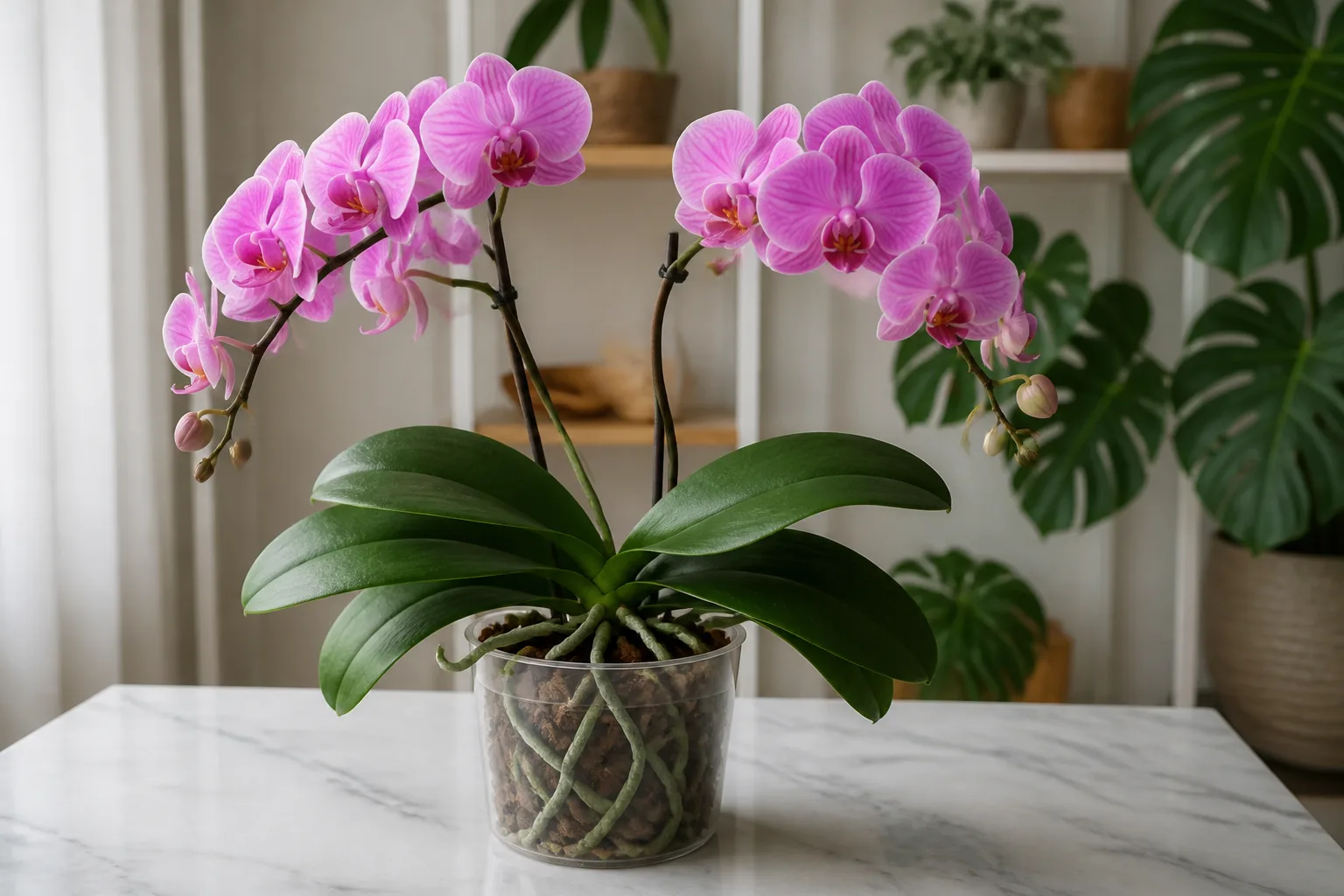
The white egret, dove, flying duck, western bearded greenhood, bird’s mouth, and three birds orchids are not interchangeable “orchid care” plants. Some are terrestrial species with narrow habitat requirements; some are conservation-sensitive; and several are not dependable commercial nursery plants. Impatiens psittacina also belongs in the caution group because availability and labeling are inconsistent outside its native range.
That does not make them off-limits in every case. It means the standard should be higher: a specialist nursery, a correct botanical name, a clear statement that the plant was propagated in cultivation, and compliance with import and quarantine rules. Never dig a wild orchid, buy a plant described as field collected, or assume a border crossing is harmless because the plant is small.
1. Green birdflower (Crotalaria cunninghamii)
The green birdflower, also called regal birdflower or parrot pea, is the flower that most often makes people stop and ask whether the photograph is real. Each green bloom hangs from a stem with a beak-like curve and wing-like petals, creating the impression of several small hummingbirds feeding in a row. It is a legume native to parts of Australia, not a hummingbird plant from the Americas.
This species is a warm-climate choice for a sunny, well-drained position. Give it space to become a shrub, protect it from prolonged cold, and do not treat a nursery-sized plant as drought-proof immediately after planting. The Audubon account is useful precisely because it keeps the science measured: the flowers have traits consistent with bird pollination, but published information on the species is limited and the exact silhouette may simply result from its floral proportions.
Buy this one as a correctly labeled, locally propagated plant or seed from a specialist native-plant source. The visual resemblance is reason to grow it; it is not reason to make medicinal claims or repeat folklore about its sap.
2. White egret orchid (Pecteilis radiata)
The white egret orchid looks as if a small white bird has spread its wings above a narrow green stem. The fringed lateral petals create the wing effect, while the central parts form the body. Older books and nursery listings often call it Habenaria radiata, but Orchid Digest lists Pecteilis radiata as the current name, so searching both names is important when you are checking a plant’s identity.
This is a cold-growing terrestrial orchid from forest glades in China, Japan, and Korea, with a summer flowering season. That habitat is a better care clue than a generic “full sun” bullet: it suggests seasonal moisture, a cool rest, and a specialized terrestrial setup rather than a bark-filled pot kept beside a hot window. Bright light can be useful, but baking the plant or keeping it constantly wet is not a recipe for success.
Treat it as a specialist orchid. If a seller cannot explain whether the plant was propagated in cultivation, keep browsing. A correctly sourced dormant tuber from an experienced grower is fundamentally different from a wild-collected clump or a listing that promises instant egret blooms from generic seed.
3. Bird of paradise (Strelitzia reginae)
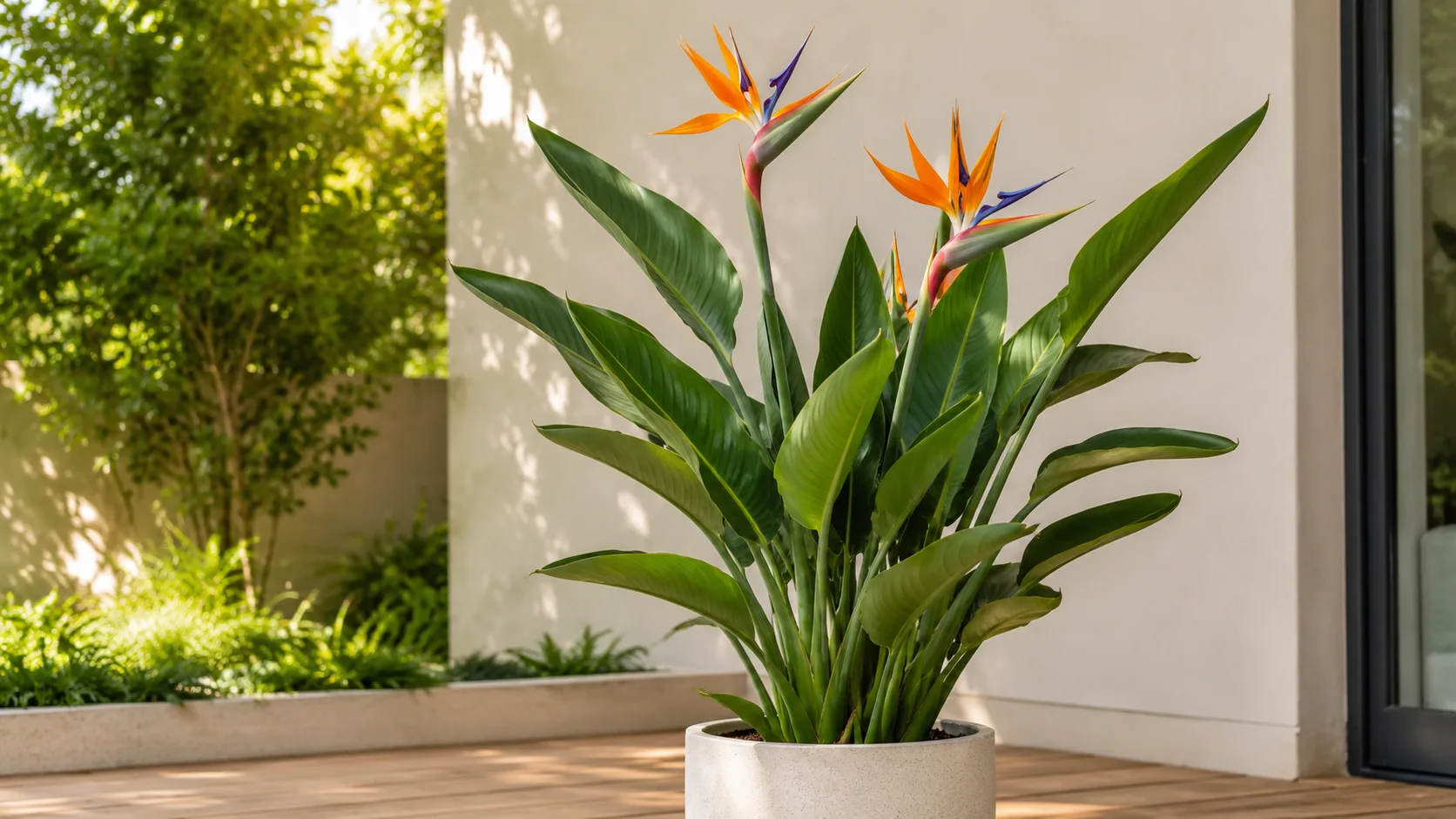
The bird of paradise is the best-known member of this group and the one most gardeners can actually grow. Its orange sepals and blue petals emerge from a hard, beak-like spathe, making the bloom look like a brightly colored bird rising above broad, banana-like leaves. The National Tropical Botanical Garden explains the perch-and-pollen mechanism behind the crane-flower nickname, while NC State Extension provides a useful care baseline.
Give Strelitzia reginae bright light, fertile but well-drained soil, and steady moisture during active growth. NC State recommends keeping it drier in winter; the RHS profile likewise describes a sheltered full-sun or partial-shade position, moist but well-drained soil, and reduced winter watering. Indoors, a plant may grow attractive leaves for years before flowering if light, maturity, or root room is insufficient. That is normal, not proof that the plant is dead.
In cold climates, use a heavy container with drainage and move it before frost. Outside, it needs space for a clump rather than a narrow decorative pot forever. NC State also flags this species as toxic to cats, dogs, and horses, so place it where chewing animals cannot reach it.
4. Dove orchid (Peristeria elata)
The dove orchid, also called the Holy Ghost orchid, hides its most astonishing feature inside the flower: the central column resembles a small white dove. The species is Panama’s national flower, and the name Peristeria comes from a word associated with dove. Look closely and the effect is less like a whole bird flying past and more like a tiny bird sitting in the center of the bloom.
This is not a casual windowsill orchid. A conservation-focused account of Panama’s orchids identifies Peristeria elata as a CITES Appendix I species, the strictest category, following a history of collection pressure. That has a direct gardening implication: do not buy a wild specimen, do not bring one across a border without the required documentation, and do not trust a dramatic photograph as proof of legal propagation.
If you encounter this orchid in a reputable botanical garden or a documented specialist collection, enjoy the biology and the cultural story. If you want one for yourself, require a nursery-propagated plant with paperwork and verify the rules in your country before purchasing.
5. False bird of paradise (Heliconia rostrata)
False bird of paradise is a heliconia commonly called lobster claw. Its red, pendant bracts hold yellow flowers that dangle in a chain, producing a visual rhythm that can look like a row of small birds or beaks. Unlike Strelitzia, it does not make one crane-shaped bloom above a rosette; its drama comes from hanging clusters and hot tropical color. Planet Natural’s horticulture overview treats it as a warm-climate plant, which is the right starting assumption for placement.
Think tropical border or large container, not cold-hardy perennial. Heliconia rostrata wants warmth, moisture, rich soil, and protection from drying wind. In a cool climate, grow it in a pot that can move into a bright, warm shelter. Keep the mix evenly moist but not stagnant, and allow room for the clump to expand before you place it beside a path.
The red structures are bracts, so do not judge the plant by the assumption that every visible “petal” is a separate flower. That small bit of botany makes the plant easier to understand and explains why heliconia displays can last longer than a single delicate blossom.
6. Western bearded greenhood (Pterostylis barbata)
The western bearded greenhood orchid is a tiny Australian terrestrial orchid with translucent sepals and dark green lines that can suggest a bird’s beak, tail, and feet. It is a close-up plant: the resemblance rewards observation more than distance, and the flower does not create the large tropical spectacle of bird of paradise or heliconia.
Its scale and woodland-orchid habit are warnings against treating it as a novelty houseplant. Terrestrial orchids can depend on a narrow combination of seasonal temperature, soil structure, dormancy, and underground partners. A general-purpose orchid mix, a warm living room, and frequent watering may keep the label alive while the plant declines.
Choose a specialist living collection or a responsible orchid society event for this species. If you see it in the wild, photograph it where it grows. Do not dig it up to recreate a woodland patch at home.
7. Parrot flower (Impatiens psittacina)
The parrot flower is one of the most theatrical examples on the list. Purple, red, yellow, and green parts combine into a profile that resembles a parrot in flight, complete with a hooked lower section. It is native to Southeast Asia and is often presented online as an exotic must-have, but that sales language skips the important question: can the plant actually live in your conditions?
This species prefers hot, wet growing conditions and is not a dependable beginner houseplant. Outside its native range, seed and plant listings may be mislabeled, and a packet showing a spectacular bird profile is not evidence that the seed is genuine. The practical choice is to enjoy a verified specimen in a botanical or specialist collection unless you have a local source with real propagation experience.
Do not substitute a similarly named ornamental impatiens and assume it will produce the same bloom. Common names are especially unreliable for rare flowers, so insist on Impatiens psittacina and a traceable source.
8. Flying duck orchid (Caleana major)
The flying duck orchid earns its name honestly. The flower forms a duck’s head and bill with outstretched wings, and the dark reddish-brown coloring makes the silhouette especially clear. Ausemade’s Australian flora profile records it from eucalyptus woodland, coastal or swampy shrubland, and heathland across several Australian states, including habitats that are nothing like an indoor orchid shelf.
That habitat range should temper the impulse to buy seeds. This is a specialist Australian terrestrial orchid with a reputation for being extremely difficult to cultivate outside its natural setting. Even if a listing uses the correct photograph, success is not a reasonable expectation for most home gardeners. The responsible verdict is admire in habitat, a protected area, or a reputable collection unless a recognized specialist can document a cultivated line and provide species-specific instructions.
Never remove a flowering plant from the bush. Rare-looking does not mean rare everywhere, but wild collection can still damage local populations and the underground plant that a casual photograph never shows.
9. Parrot heliconia (Heliconia psittacorum)
Parrot heliconia is a smaller, more compact relative of the hanging lobster-claw types. Red bracts edged in green or yellow surround small flowers, and the combination resembles a parrot’s plumage more than a complete bird. It is a strong choice when you want tropical color in a warm garden without the scale of a giant heliconia.
Give it warmth, bright light, fertile soil, and regular moisture during active growth. A container is useful outside the tropics because it lets you control drainage and move the plant before cold weather. Do not crowd it into a tiny pot simply because the cultivar is marketed as dwarf; clumping tropical plants still need room for new shoots.
Use Heliconia psittacorum when your goal is a parrot-colored tropical display. If your goal is a single flower that clearly outlines a bird, Strelitzia or one of the specialist orchids will create a stronger silhouette.
10. Bird’s mouth orchid (Orthoceras strictum)
The bird’s mouth orchid looks like an open beak waiting to be fed. Yellow-green and dark brown flower parts create the mouth and tongue effect, while the upright stem keeps the bloom visible above a small base of leaves. It is also called the horned orchid, and its native range includes Australia, New Caledonia, and New Zealand.
This is a terrestrial orchid for people who enjoy plant ecology as much as visual novelty. Its natural habitats range from heathland to grassy forest, and a garden center’s generic “orchid fertilizer and bark” routine tells you very little about how to reproduce those conditions. Seek a specialist source that can identify the plant correctly and explain its seasonal cycle.
For everyone else, this is a photograph-and-field-guide plant. The fact that it has a memorable common name does not make it common in cultivation, and it should not be purchased from a seller who cannot state the collection history.
11. Three birds orchid (Triphora trianthophora)
The three birds orchid is a small woodland orchid whose pale flowers can resemble a trio of birds in flight or chicks clustered together. It is easy to miss because much of the plant’s life is spent underground, and the above-ground appearance is brief compared with the months a gardener might expect from a bedding flower.
Give this species the respect you would give any woodland terrestrial orchid: shade or filtered light, rich leaf litter, seasonal moisture, and minimal disturbance are more useful clues than a hardiness number copied from an unrelated orchid. A pot of sterile mix on a sunny patio is not a substitute for a living woodland floor.
If your garden has an established native woodland and a reputable conservation nursery offers propagated stock, ask detailed questions before planting. Otherwise, look for it on a guided walk or in a botanical collection. The most helpful thing a reader can do for a plant that depends on a hidden underground life is avoid digging it up.
A quick shortlist by growing situation
Use this table to narrow the list before you shop. “Growable” means there is a realistic cultivation path for the right climate or container; it does not mean the plant is effortless.
| Your situation | Start with | Why | Main limitation |
|---|---|---|---|
| Warm garden with a bold focal plant | Strelitzia reginae | Reliable nursery availability and a literal bird-head bloom | Needs bright light, room, warmth, and winter protection in cold regions |
| Tropical garden with hanging color | Heliconia rostrata | Long-lasting red bracts and a strong bird-like rhythm | Needs heat, moisture, rich soil, and clump space |
| Smaller tropical display | Heliconia psittacorum | Compact habit and parrot-colored bracts | Still tender where winters are cold |
| Warm-climate collector shrub | Crotalaria cunninghamii | Green flowers create the clearest hummingbird-like silhouette | Specialist availability and limited published cultivation information |
| Specialist orchid collection | Pecteilis radiata | The white egret shape is unusually clear | Cool terrestrial orchid culture and careful sourcing |
| Conservation or field-observation interest | Peristeria, Caleana, Pterostylis, Orthoceras, Triphora | Extraordinary biology without forcing a wild plant into a pot | Legal, habitat, and cultivation barriers |
How to buy and grow bird-like flowers responsibly
Search by botanical name first. Common names overlap: “bird of paradise” can refer to Strelitzia or unrelated plants, while “white egret orchid” may still be filed under its former name. A botanical name lets you compare the seller’s plant with a reliable garden or herbarium reference.
Ask for provenance. For an unusual orchid, ask whether the plant was propagated in cultivation, where the nursery is located, and whether permits or phytosanitary documents are required. Avoid descriptions such as “freshly dug,” “forest collected,” or “rare wild tuber.” If the seller cannot answer basic questions, the attractive photo is not worth the ecological or legal risk.
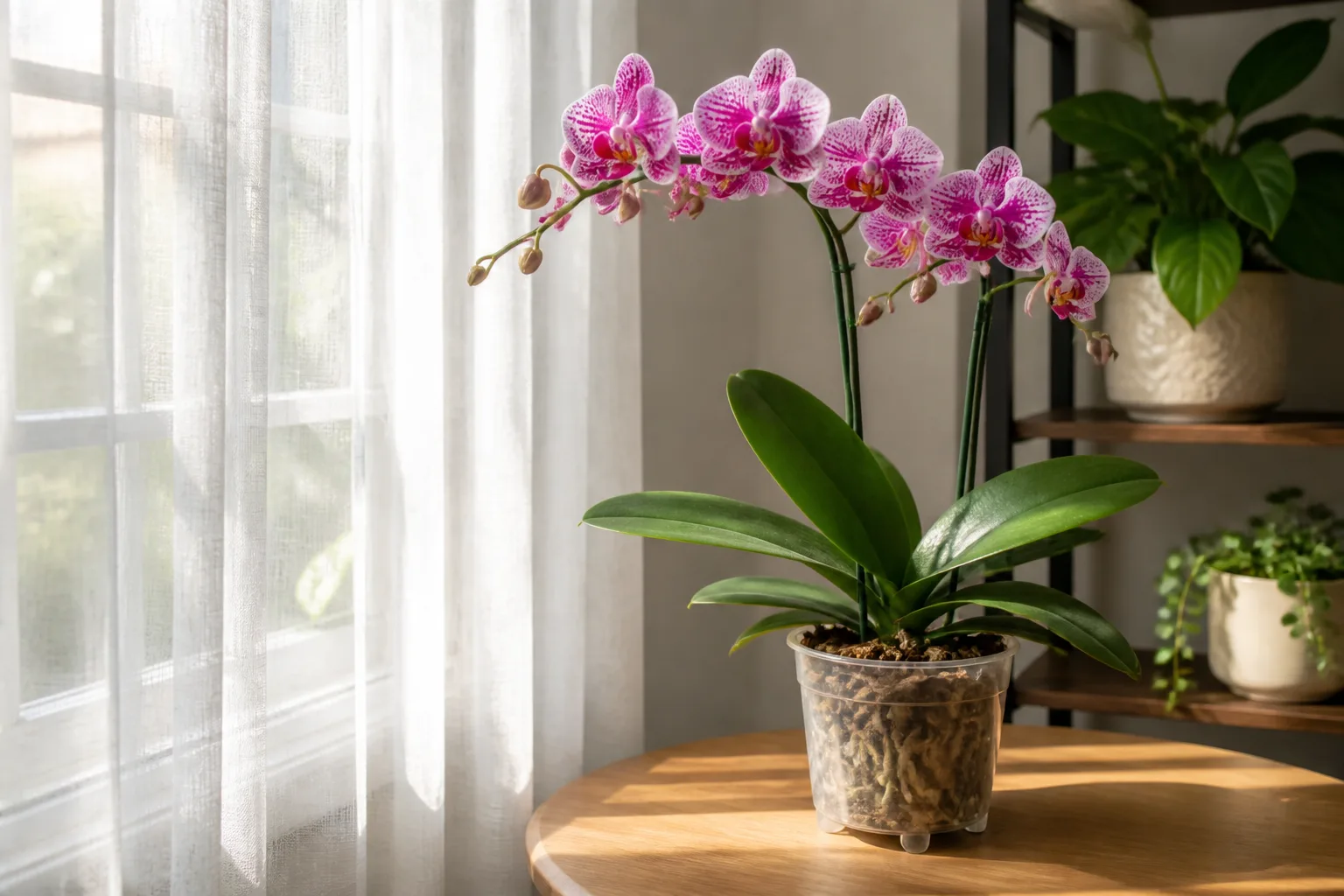
Match the container to the habitat. Warm-climate plants can be grown in pots so their light, moisture, and winter temperature are easier to control. That does not turn a terrestrial orchid into a normal houseplant. Use the species’ natural seasonal cycle as the starting point, then adjust only with advice from a grower who has actually cultivated that species.
Do not overwater because the plant is tropical. Bird of paradise and heliconias appreciate moisture during active growth, but their roots still need oxygen. A pot that drains slowly can turn a dramatic foliage plant into a root-rot problem. Conversely, a woodland orchid may need a consistent seasonal moisture pattern rather than the weekly soak-and-dry cycle used for a common indoor orchid.
Keep pets away from unfamiliar plants. Even when a flower is safe to touch, chewing can be a different question. NC State Extension specifically lists Strelitzia reginae as toxic to cats, dogs, and horses, so check the exact species before placing one near an animal that nibbles leaves.
Conclusion
The most convincing bird-like flowers are not all garden plants. Bird of paradise is the best practical starting point; false bird of paradise and parrot heliconia suit warm, moist gardens; and green birdflower is an unusual option for the right warm climate. The white egret orchid can be grown by specialists, but the dove, flying duck, greenhood, bird’s mouth, and three birds orchids deserve a higher bar than an impulse purchase.
Let the habitat decide. Choose the species whose light, temperature, moisture, and mature size fit your space, then buy only from a source that can explain its propagation history. A flower that looks like a bird is already a remarkable thing; it does not need a dubious seed listing or a wild-collected plant to make the garden more interesting.