22 Frost-Resistant Plants for Outdoor Gardens
Choose hardy outdoor plants by USDA zone, light, moisture, and mature size. These 22 frost-resistant options bring flowers, wildlife, and winter interest.
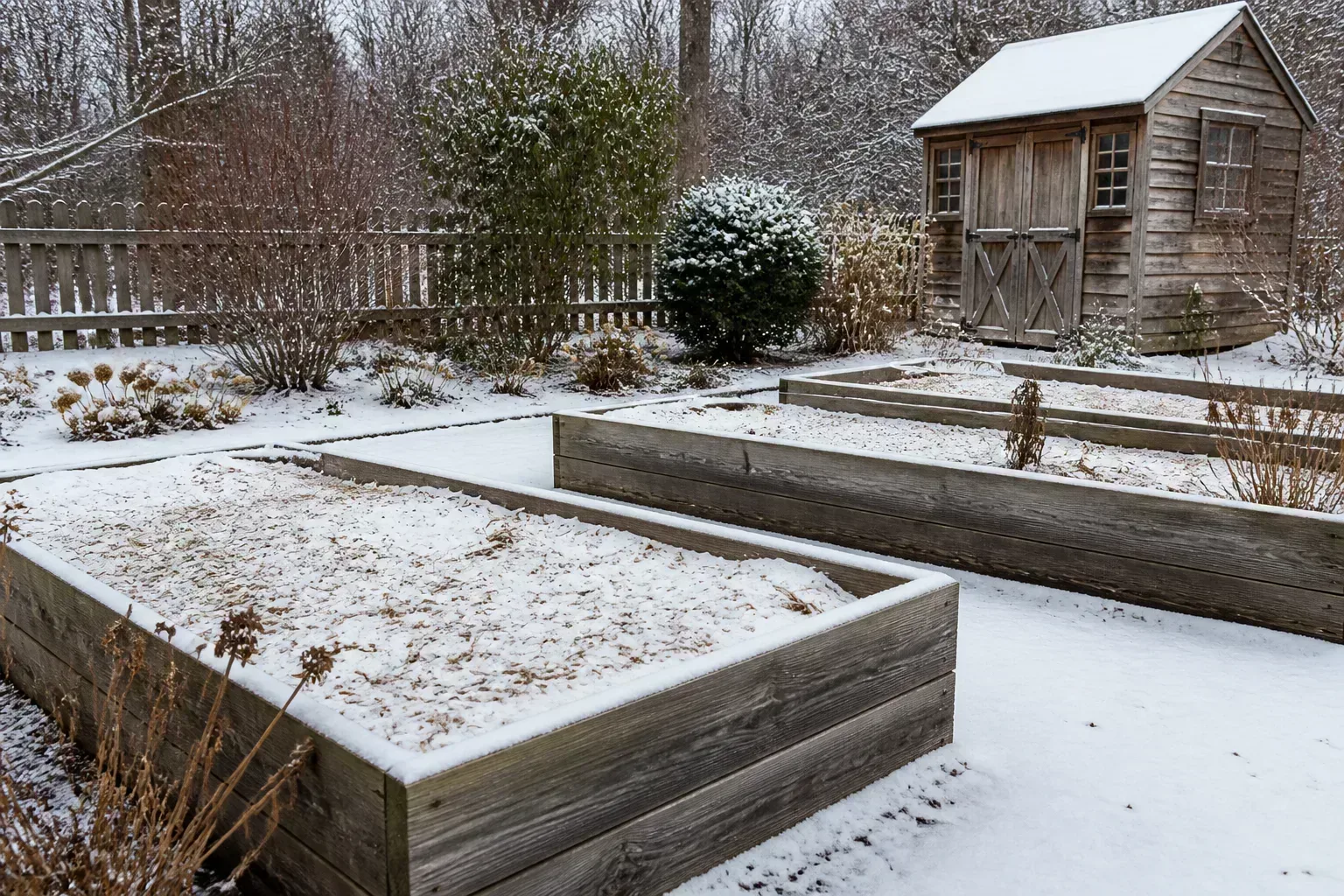
No plant is literally maintenance-free, but the right perennial, shrub, or bulb can survive frost with no nightly covering, emergency move indoors, or elaborate winter wrap. The trick is to match the plant to the coldest conditions at your site—and to give its roots the drainage, moisture, and establishment time it needs.
This list covers 22 dependable choices for different jobs: first flowers after winter, pollinator planting, damp ground, dry sun, shade, and winter structure. Use the growing zones as a starting point, then read the notes on spread, toxicity, pruning, and soil before buying.
What “frost-resistant” really means
“Frost-resistant” is useful everyday language, not a precise botanical rating. A plant may tolerate a light overnight frost, survive repeated freezes once dormant, or remain evergreen through winter; those are different abilities. A hardy perennial can lose its leaves or top growth and still return from a living crown or root system in spring.
The USDA Plant Hardiness Zone Map is the best first filter in the United States because it is based on the average annual extreme minimum winter temperature, using 10-degree Fahrenheit zones and 5-degree half-zones. That tells you about broad cold risk, not whether a plant will like your summer heat, wet clay, wind exposure, or a pot above ground. A plant rated for your zone can still fail in a waterlogged bed or a newly planted container.
Snow cover can also change the result. A dormant crown under insulating snow may be safer than the same crown exposed to a dry, windy freeze, while a warm spell followed by a sharp freeze can damage plants that have started growing early. Think of hardiness as a range of likely survival, not a guarantee that every cultivar will perform identically.
How to choose plants that survive your winter
Start with hardiness zone, then check the label
Find your ZIP code on the USDA Plant Hardiness Zone Map, then compare that number with the plant tag or a local extension profile. Give yourself a margin when the site is exposed, the plant is newly installed, or the species is listed only at the very edge of your zone. Cultivars within one species can differ, and broad labels such as “hardy” often hide regional limits.
The safest purchases are plants whose mature size and preferred soil also fit the bed. A zone-3 hosta in a hot, dry strip beside pavement is not automatically a better choice than a zone-5 plant that receives the shade and moisture it needs. Cold tolerance keeps a plant alive; good placement keeps it healthy enough to use that tolerance.
Treat drainage, establishment, and microclimate as part of hardiness
Drainage is winter protection. Roots sitting in saturated soil have less air and are more vulnerable to rot, especially when cold weather slows evaporation. Conversely, a dry autumn can leave an evergreen or newly planted perennial short of water before the ground freezes. Water deeply when the root zone is dry, but do not turn a well-drained plant into a bog.
Your yard has microclimates that the zone map cannot show: a sheltered foundation bed, a low frost pocket, a wind-scoured corner, a sunny south-facing wall, and a raised bed all experience winter differently. Newly planted roots are the weak link, so a plant that is effortless in its third winter may need consistent watering and a light, loose mulch layer in its first.
22 frost-resistant plants for a low-maintenance outdoor garden
These are not ranked from “hardiest” to “least hardy.” Choose by the job the plant will do and the conditions you can provide. Heights and zones are typical ranges; check the exact cultivar before planting.
Early flowers and spring ephemerals
1. Snowdrops (Galanthus nivalis) — Zones 3–9; about 4–10 inches. Snowdrops are small bulbs that can flower in late winter or early spring, sometimes pushing through light snow. Plant them in full sun to part shade under deciduous trees, where spring light reaches them before the canopy fills in. They need good drainage and can slowly form clumps through offsets and self-seeding, so a woodland edge or naturalized bed suits them better than a tightly controlled border. North Carolina Extension notes that snowdrop seeds need a cold spell to germinate, which helps explain why they can be less persistent in warm climates.
2. Winter aconite (Eranthis hyemalis) — Zones 4–7; about 3–6 inches. Its yellow, buttercup-like flowers arrive before most perennials are awake. Plant the tubers in autumn in soil that drains reliably, with full sun to part shade. The foliage disappears after flowering, so pair winter aconite with a later perennial rather than judging the bare space as a failure. It is most useful where you want an early seasonal signal and do not mind a naturalizing habit.
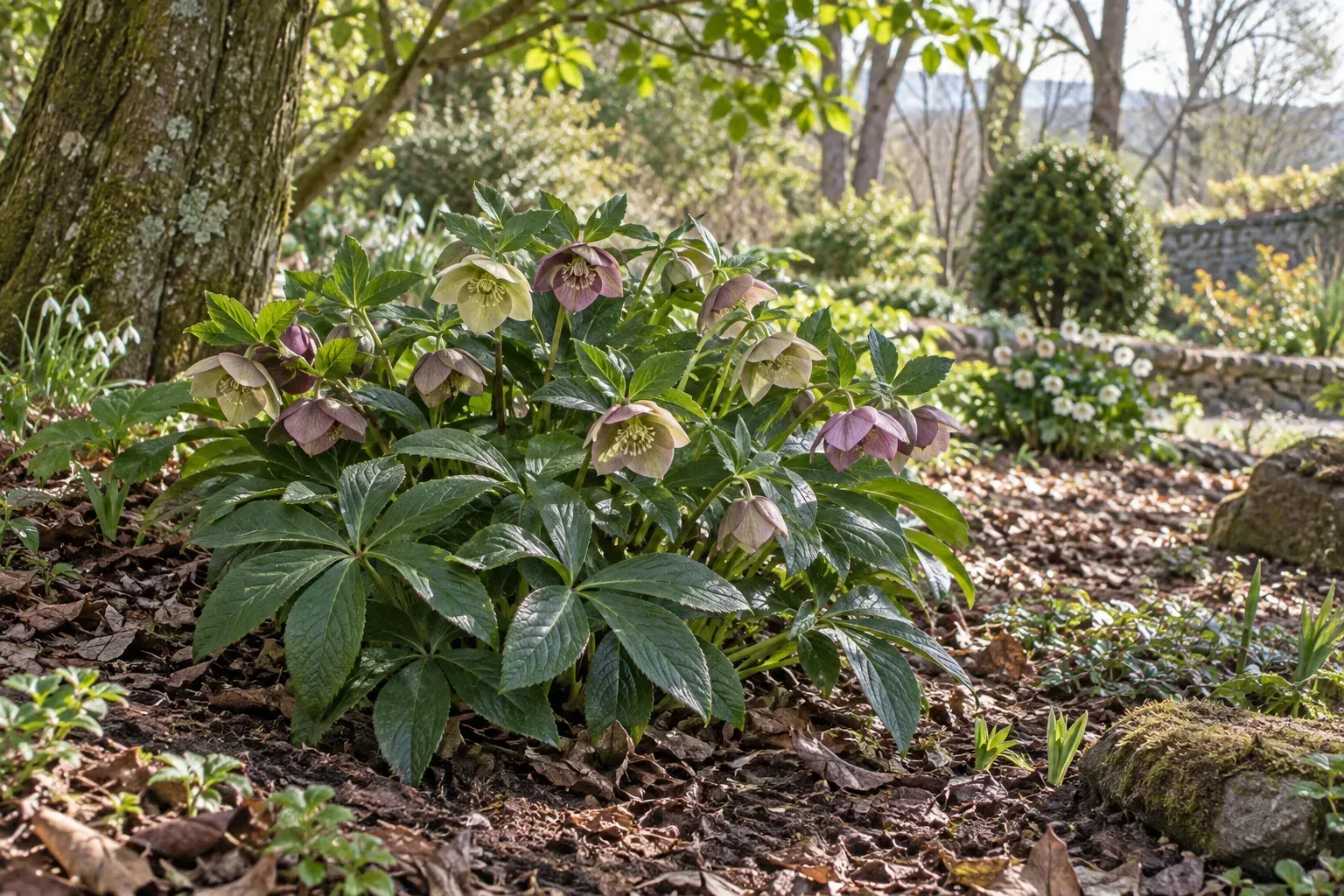
3. Hellebores or Lenten roses (Helleborus spp.) — Zones 4–9; about 1–2 feet. Hellebores are among the best choices for a protected shade garden because their nodding flowers arrive in late winter or early spring and their leathery foliage can persist in milder climates. They prefer moist, well-drained soil and shelter from harsh winter wind; bright winter sun can scorch leaves in exposed sites. The North Carolina Extension Plant Toolbox profile for Helleborus orientalis also flags the leaves and roots as poisonous and capable of causing skin irritation, so wear gloves and avoid planting them where children or pets regularly browse.
4. Lily of the valley (Convallaria majalis) — Zones 3–8; about 6–12 inches. This fragrant groundcover tolerates shade, cold, and soil that is less than perfect. It spreads by underground rhizomes, which is exactly why it can be a useful weed-blocking carpet in a contained area and a long-term nuisance in a small border. Check its invasive status locally before planting, keep it away from natural areas, and remember that all parts are poisonous if eaten.
5. Bloodroot (Sanguinaria canadensis) — Zones 3–8; about 12–15 inches. Bloodroot is a native spring ephemeral for part shade to shade and humus-rich, well-drained soil. Its white flower appears early, then the above-ground growth retreats as the season warms. That dormancy is a feature when planted among hostas or ferns, but it means the bed needs companion plants if you want summer coverage. Give it a stable woodland-style site and avoid disturbing the shallow rhizomes once established.
Sun-loving native and pollinator plants
6. Milkweed (Asclepias spp.) — usually Zones 3–9, depending on species; about 2–4 feet. Choose a milkweed native to your region rather than treating all milkweeds as interchangeable. Butterfly milkweed wants full sun and sharply drained soil; swamp milkweed handles more moisture. These plants are valuable host plants for monarch caterpillars and nectar sources for other insects, but they can be slow to emerge in spring and may spread by seed. Do not spray them with broad-spectrum insecticides if the goal is a wildlife planting.
7. New England aster (Symphyotrichum novae-angliae) — Zones 4–8; about 3–5 feet. This late-season native keeps the garden useful after many summer flowers fade. Give it full sun and soil that drains but does not bake completely dry, and pinch or support tall stems if they sprawl. Asters are most low-maintenance when planted in a generous drift where some self-seeding and natural movement are acceptable rather than forced into a tiny formal clump.
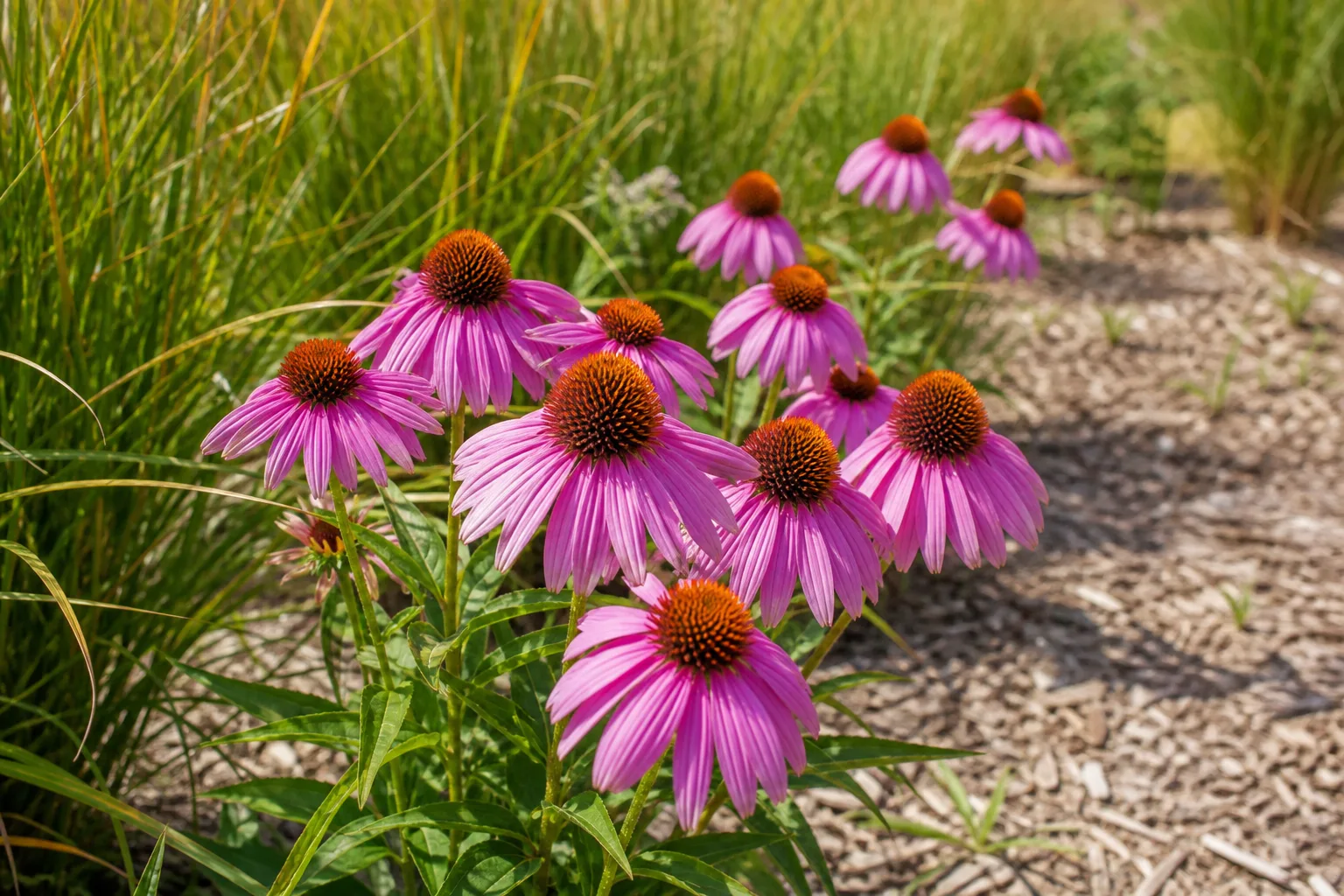
8. Purple coneflower (Echinacea purpurea) — Zones 3–8; about 2–4 feet. Coneflower is a tough choice for full sun, average soil, and summer drought after establishment. Its seed heads can feed birds, while hollow standing stems provide nesting habitat for some native bees; the North Carolina Extension profile recommends leaving some stems standing rather than sterilizing the bed in fall. Modern cultivars vary, so choose a named selection with a zone rating that fits your site instead of assuming every double-flowered form is as hardy as the species.
9. Columbine (Aquilegia spp.) — Zones 3–9; about 6–36 inches. Columbines bridge spring and early summer with nodding flowers that suit woodland edges, cottage beds, and pollinator gardens. They prefer well-drained soil and full sun to part shade, with afternoon shade useful in hot climates. They self-sow readily, which can look charming in a naturalistic bed and untidy in a strict color scheme. Remove unwanted seedlings while young, and let desirable plants set seed if you want a self-renewing colony.
10. Black-eyed Susan (Rudbeckia hirta) — Zones 3–10; about 2–3 feet. This golden native is easy in full sun and average, well-drained soil. It flowers through summer, tolerates some drought once rooted, and leaves seed for birds if you skip deadheading. Individual plants can be short-lived, but self-sowing and related perennial Rudbeckia species keep the planting going. That makes it a good low-input meadow plant, not necessarily the best choice for a carefully manicured bed.
11. Ironweed (Vernonia spp.) — Zones 3–9; about 3–8 feet. Ironweed earns its place in a back border or rain garden because it handles cold and can cope with moist soil. It is tall, so plant it where neighboring flowers will hide lower stems and where staking will not be necessary. Full sun gives the strongest growth, although some species tolerate part shade. Its height and spreading habit are benefits in a naturalistic planting and drawbacks in a narrow foundation strip.
12. Joe-Pye weed (Eutrochium spp.) — Zones 4–9; about 5–8 feet. Use Joe-Pye weed when you have room for a dramatic, moisture-loving perennial. It thrives in consistently moist soil, including rain-garden conditions, and its late flowers attract bees and butterflies. Do not plant it in a dry raised bed and expect the same result as in a low swale. Select a shorter cultivar if the species height is more than your garden can absorb.
Shade, moisture, and groundcover plants
13. Hostas (Hosta spp.) — Zones 3–9; about 6–48 inches. Hostas are dependable dormant perennials for part shade and evenly moist, well-drained soil. Their leaves collapse after a hard freeze, then return from underground crowns in spring. The real maintenance issue is not winter; it is deer and slugs. Plant them where browsing is manageable, and avoid piling wet mulch over the crown. Large varieties need more room than a nursery pot suggests.
14. Foamflower (Tiarella cordifolia) — Zones 3–8; about 6–12 inches. Foamflower provides a low, spreading layer for shade and woodland-style beds. Its airy flower spikes are a spring bonus, while the foliage helps cover soil and soften the edge of paths. Keep the soil evenly moist during establishment and use it where the ground is cool rather than hot and exposed. It is a better fit for a shaded border than a dry, reflective foundation bed.
15. Turtleheads (Chelone spp.) — Zones 3–9; about 1–4 feet. Turtleheads are named for their rounded flowers and are especially useful in moist sun-to-part-shade sites. They tolerate cold well and bloom late enough to extend the season, but they do not belong in a droughty rock garden. Give them room to form a clump, and cut back only the spent stems that interfere with the next season’s growth or the look of the bed.
16. Daylilies (Hemerocallis spp.) — Zones 4–9; about 1–4 feet. Daylilies handle cold, heat, and a wide range of ordinary garden soils once established. Full sun produces the best flowering, while a little afternoon shade can help in hot regions. The plant is forgiving; the cultivar is where expectations differ. Some rebloom, some flower once, and some spread more aggressively, so read the label and deadhead only if you care about tidiness rather than survival.
17. Bee balm (Monarda spp.) — Zones 3–9; about 3–4 feet. Bee balm is a cold-hardy native perennial for full sun and moist soil, with flowers that feed bees, butterflies, and hummingbirds. Good air movement reduces powdery mildew, a more common concern than winter damage. Divide crowded clumps or thin volunteer seedlings when needed; otherwise, let the dried stems remain through winter for structure and habitat.
Tough summer perennials
18. Sedum or stonecrop (Hylotelephium and Sedum spp.) — generally Zones 3–11; about 2–36 inches. Sedums cover two very different jobs: low, creeping mats and upright fall-blooming plants such as ‘Autumn Joy.’ Most need full sun and well-drained soil, and thick leaves help established plants ride out dry spells. The common failure is winter-wet soil, not cold. Raised or sandy beds suit them better than a low spot that stays saturated.
19. Siberian iris (Iris sibirica) — Zones 3–8; about 2–4 feet. Siberian iris is more tolerant of cold and damp soil than many bearded irises, though it still prefers drainage rather than standing water. Plant it in full sun to part shade and leave the strappy foliage until it yellows naturally if possible. It makes a good bridge between a rain-friendly border and a formal flower bed, with less winter fuss than tender iris types.
20. Winterberry (Ilex verticillata) — Zones 3–9; about 3–15 feet. Winterberry is a deciduous native holly grown for bright red berries on bare stems. It handles moist, acidic soil and partial shade, but reliable fruit requires a compatible male pollinator nearby; one shrub alone may produce no berries. Birds appreciate the crop, and the bare branches bring winter structure. Confirm the mature size before planting because a shrub listed as 3 feet in a compact cultivar can become much larger in a favorable site.
Shrubs and trees for winter structure
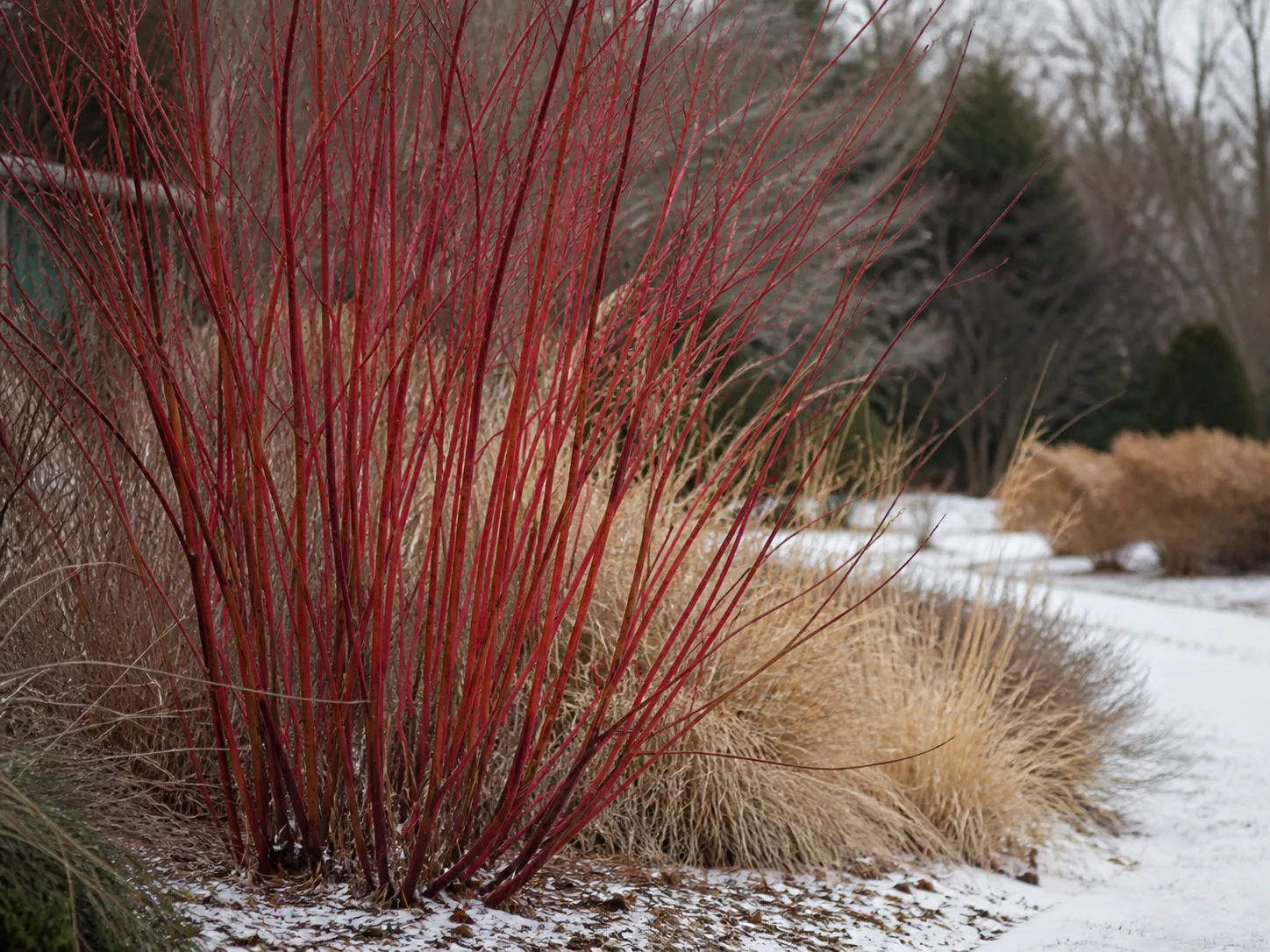
21. Red osier dogwood (Cornus sericea) — Zones 2–7; about 6–10 feet, depending on cultivar. This multi-stemmed shrub earns its spot by showing bright red new stems after the leaves drop. The North Carolina Extension profile describes its preference for rich, consistently moist soil and notes that it can spread by underground stems. Give it a damp low spot or a roomy shrub border, then prune older stems in early spring if you want the brightest color. It is cold-hardy and low-input, but not small or maintenance-free.
22. Witch hazel (Hamamelis virginiana and related species) — Zones 3–9; about 15–30 feet. Witch hazel is a small tree or large shrub that can flower in late fall or winter, often when little else is blooming. It needs room, good drainage, and sun to part shade; established plants are far less demanding than cramped specimens that need repeated pruning. Use it as a long-term structural plant, not as a quick filler. Its twisted branching and late flowers make winter feel like a season rather than a gap between gardening tasks.
The low-maintenance care that prevents winter losses
Plant for root survival, not just first-year flowers
The most reliable time to plant many hardy perennials is when the soil is workable and there is enough time for roots to grow before the ground freezes. Dig a broad planting hole, set the crown at the depth recommended for that plant, and water the root zone thoroughly. Do not bury crowns to “protect” them; oxygen-poor, wet soil can be more damaging than cold.
For fall planting, make the first winter about stability. Keep the root zone evenly moist until the ground freezes, remove competing weeds, and add a loose layer of shredded leaves or similar organic material only when the site needs insulation. The goal is to reduce sharp temperature swings, not create a wet blanket around stems.
Use a short fall checklist
When growth slows and the soil is still workable, take five practical steps:
- Check which plants are thriving and note which need a better site next season.
- Pull weeds before they overwinter and seed into the bed.
- Water deeply if the soil is dry a couple of inches down and a freeze is approaching.
- Remove foliage that is diseased or heavily infested, but leave healthy stems and seed heads when they provide shelter, food, or winter structure.
- Mulch selectively after the top inch or two of soil has begun to freeze, especially around new plantings or in beds prone to freeze-thaw heaving.
This approach follows the practical guidance in Better Homes & Gardens’ perennial winterizing checklist: water dry beds before freeze-up, remove diseased material, leave healthy growth where it helps, and do not mulch every perennial automatically.
Avoid the “protect everything” mistake
Covering every plant, piling mulch against every crown, or pruning every stem to the ground can create new problems. Wet, compacted mulch can encourage crown rot; early pruning removes stems that shelter insects and birds; and a warm cover can encourage tender new growth during a thaw. Protect plants that are newly planted, marginal for your zone, exposed to drying wind, or growing in containers first. Established, well-matched plants often need less intervention.
Also remember that “survives winter” does not mean “never needs attention.” Lily of the valley may need containment, red osier dogwood may need renewal pruning, bee balm may need thinning for airflow, and a winterberry may need a pollinator partner. Low maintenance comes from choosing a plant whose natural habits fit your site—not from ignoring a mismatch.
How to combine these plants into a bed
Start with one structural plant, then build a seasonal sequence around it. A damp, sunny bed might use red osier dogwood or winterberry at the back, Joe-Pye weed and ironweed for height, turtleheads and bee balm in the middle, and sedum at the drier edge. A woodland bed can pair witch hazel with hellebores, snowdrops, bloodroot, foamflower, and hostas so that different plants take over as the light changes.
For a low-maintenance pollinator bed, repeat three or four compatible plants instead of buying one of everything. Purple coneflower, black-eyed Susan, New England aster, and milkweed share a sunny, well-drained direction, but they do not have identical moisture needs. Group plants by water and light first, then by flower color. Leave enough room for mature width, and let some seed heads stand so the bed still has a job after flowering ends.
The best “no winter help” garden is therefore not a collection of invincible plants. It is a set of plants with compatible hardiness, soil, moisture, height, and natural behavior, installed early enough to establish and left with enough room to grow.
Conclusion
Choose frost-resistant plants by conditions, not by a dramatic promise on a plant tag. Verify the hardiness zone, match the soil and light, allow roots to establish, and use mulch or covers only where the site or plant genuinely needs them. Snowdrops and hellebores can start the season, coneflowers and asters can carry the pollinator bed, hostas and foamflower can handle shade, and dogwood or winterberry can keep the winter garden from going visually empty.
Once the plant is in the right place, winter becomes a quieter season: water before a dry freeze, remove disease, leave healthy structure, and let the plant’s natural dormancy do most of the work.