40 Front Door Plants for Pots, Beds, Sun, and Shade
Find front door plants for sunny steps, covered porches, and narrow entries, with practical advice on plant pairings, drainage, watering, and winter care.
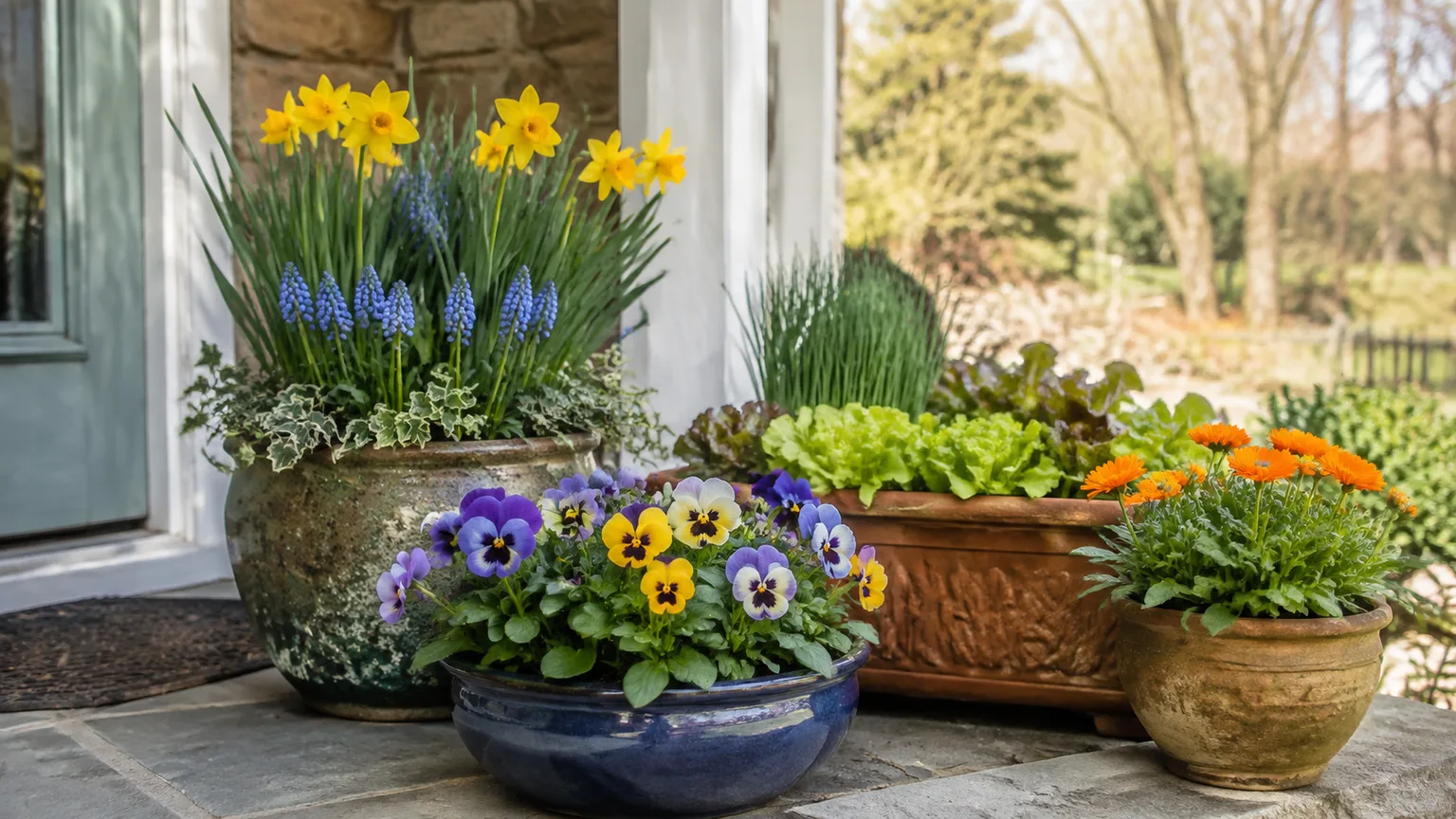
A front-door planting succeeds when it fits the space around the door as well as the climate. A covered north-facing porch can stay damp and dim, while a west-facing step may bake in reflected afternoon heat; a plant sold as “easy” can struggle in either place if its light or watering needs do not match. Start by observing the entry for a few days, then choose plants for that microclimate and the amount of care you can give.
The 40 options below range from shade-loving foliage and long-blooming annuals to dwarf evergreens and seasonal bulbs. Some are best in a pot you can move; others need a bed or a large, stable container. Treat the list as a set of fits and trade-offs rather than a shopping list to plant all at once.
Start with the doorway, not the plant label
Measure light, weather, and entry clearance
The light at the front entrance may be very different from what the house orientation suggests. Watch the exact place where the pot will sit, counting direct sun on leaves and soil rather than daylight in general. A roof can block rain and create bright shade, a dark wall can hold warmth, and a pale wall or paved landing can intensify reflected heat. Colorado State University Extension specifically cautions that western exposure and reflected light can scorch plants, while Virginia Cooperative Extension notes that container-site sunlight determines what can grow successfully. (Colorado State University Extension; Virginia Cooperative Extension)
Also notice the direction of the wind and whether rain reaches the pots. Small containers, hanging baskets, and porous terracotta dry faster than large glazed or plastic pots; a sheltered porch may need hand watering even during a rainy week. Better Homes & Gardens advises grouping plants with similar light and water preferences, a rule that matters especially in mixed entry planters where incompatible roots share one small volume of soil. (Better Homes & Gardens)
Measure the space with the door fully open and the people who use it in mind. Keep pots clear of the swing, steps, handrails, package drop-off area, and the path someone needs to use in the dark; a beautiful planter that forces visitors into the driveway has been placed badly. In a narrow landing, one well-proportioned container or a slim wall planter is usually more useful than a pair of oversized pots.
Check the mature width and height on the plant tag, not just its size in a nursery pot. A fast-growing vine can hide a house number or tangle with a railing, while a top-heavy tropical plant can tip in a gust. If you need to move a large container for storms or winter, put it on a suitable wheeled caddy before filling it; wet potting mix can make even a manageable planter difficult to lift.
Plants for shaded or covered entrances
Flowers and foliage for bright shade
- Begonias bring long-lasting flowers or patterned foliage to a protected doorway. Wax begonias tolerate more sun than many rex types; for a hot porch, give most shade-grown varieties morning light and afternoon protection, and let the mix drain between waterings.
- Caladiums make a dramatic foliage centerpiece with broad, veined leaves in pink, white, red, and green. They need warmth and protection from cold, and their leaves can scorch in strong afternoon sun; use them as seasonal plants unless your climate lets the tubers remain warm year-round.
- Impatiens are a practical choice for a shaded pot that needs continuous color. They prefer even moisture and filtered light, so they are poor candidates for a dry, windy, west-facing step; give them drainage and check the soil often during warm weather.
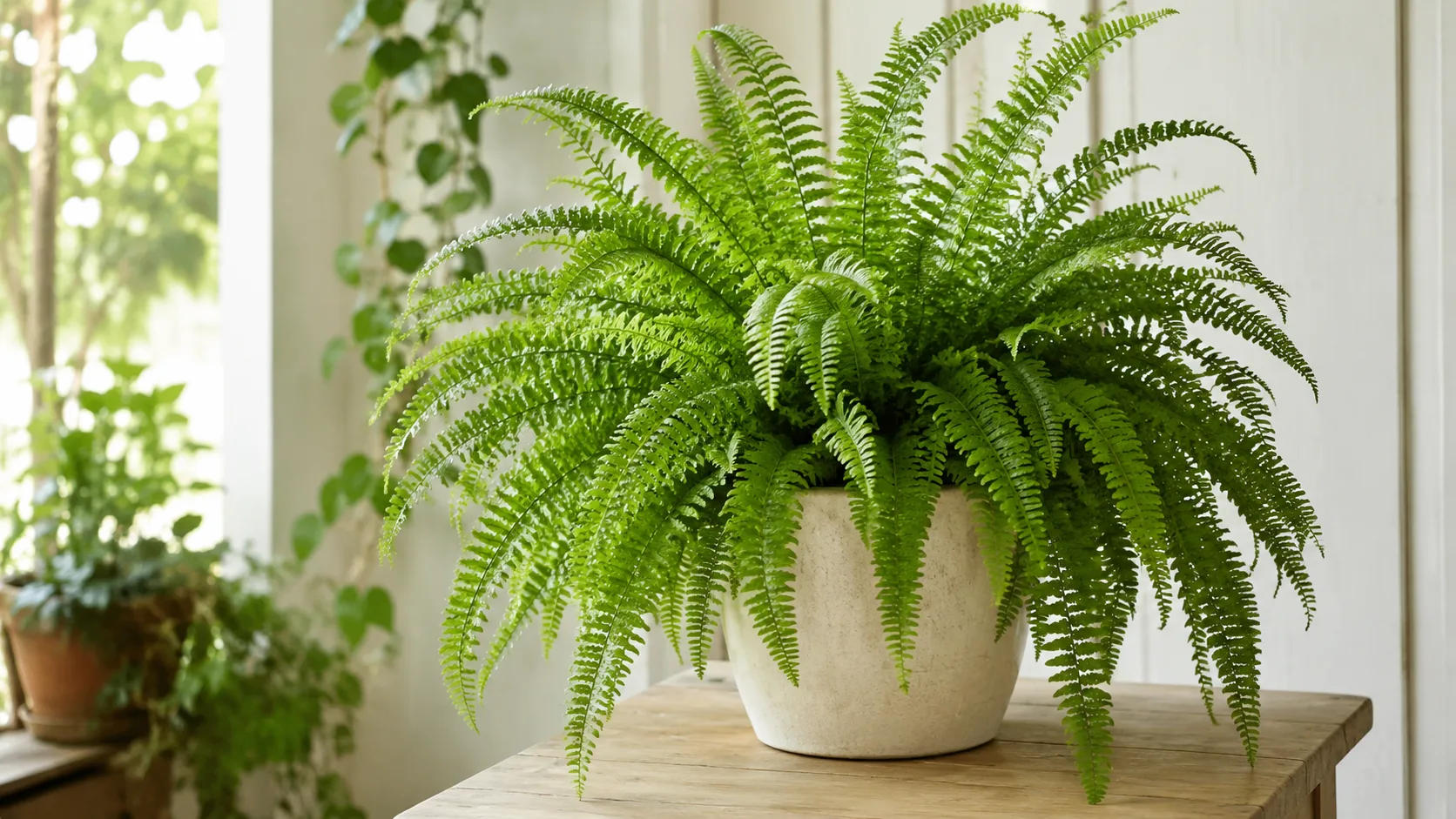
- Ferns add volume and graceful texture where flowers may be less reliable. Boston and Kimberly Queen ferns are tender in cold regions and need consistent moisture, while hardy fern species are better suited to permanent outdoor beds; do not assume every plant sold as a fern will tolerate the same winter.
- Coral bells (Heuchera) are grown mainly for foliage, which can be lime, plum, amber, silver, or nearly black. Their compact mounds suit a pot viewed up close, but afternoon sun can fade or stress some varieties; check the cultivar’s tolerance before using one on a bright landing.
- Astilbe supplies feathery summer plumes and attractive divided leaves in a shaded bed or a large container. It appreciates moisture-retentive soil that still drains, and it can look ragged if a small pot repeatedly dries out; pair it with plants that enjoy the same cool, moist conditions.
- Coleus gives strong leaf color from spring until frost and works well where the display needs foliage rather than blooms. Many modern varieties tolerate sun, but some scorch in intense reflected heat; use the cultivar label to decide between a shaded entry and a sunnier pot.
Trailing plants and shrubs for a softer edge
- Creeping Jenny spills over the rim in bright chartreuse and can soften a raised pot. It prefers regular moisture and is vigorous; keep it contained and check local invasive-plant guidance before planting it in the ground, because escape risk varies by region.
- English ivy offers evergreen trailing foliage for a cool, shaded container and can be trimmed into a tidy edge. It is vigorous and can damage or smother nearby plants if allowed to escape into a landscape; keep it in a pot, remove cuttings, and avoid it where it is locally invasive.
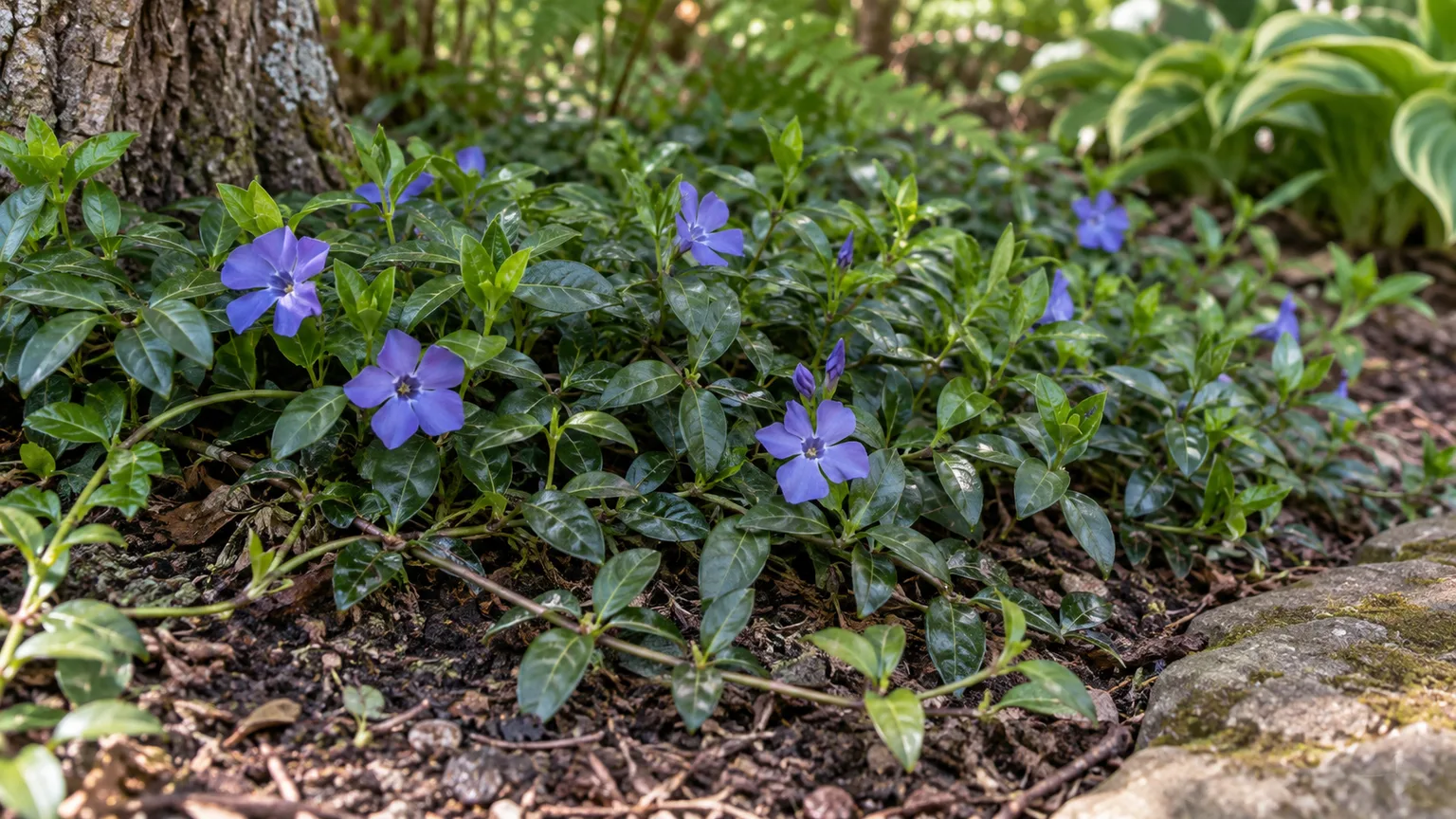
- Periwinkle (Vinca minor) forms a low, spreading cover with spring flowers and evergreen leaves in mild climates. It can spread beyond a bed and is not the same plant as annual vinca (Catharanthus); use the botanical name on the label and choose a pot if you want to keep it contained.
- Hydrangeas give a doorway a soft, substantial look in a bed or roomy tub, especially where they receive morning sun and afternoon shade. They need more root space and water than small annuals, and the best container cultivars are compact; a miniature nursery shrub can still become too large for a narrow stoop.
Plants for sunny front steps and patios
Reliable flowers and foliage for full sun
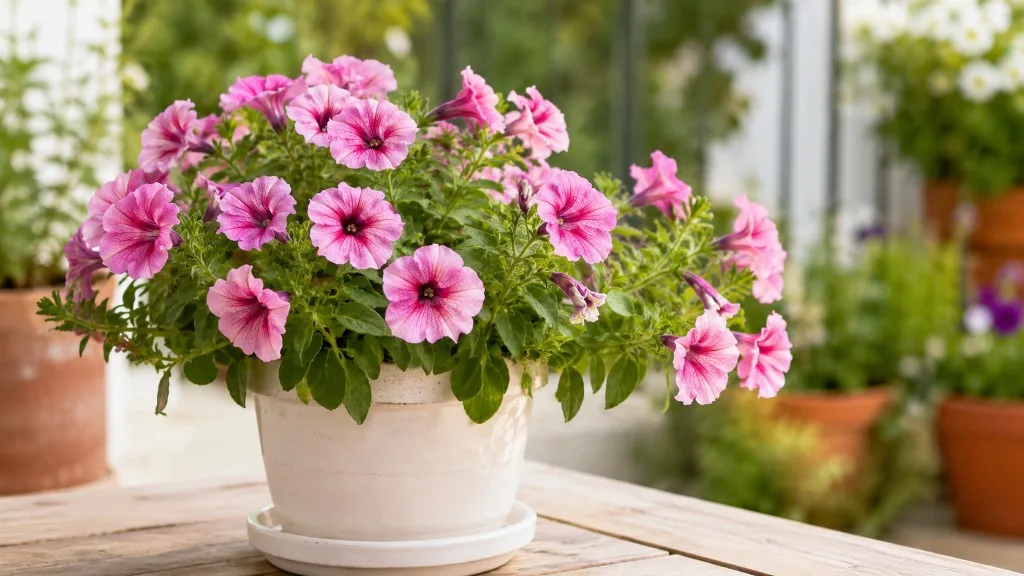
- Petunias are a flexible choice for hanging baskets, window boxes, and sunny pots, with trailing and mounding types in many colors. They bloom best with ample sun and steady moisture; choose a self-cleaning cultivar if you do not want frequent deadheading, but still trim lanky growth when stems become bare.
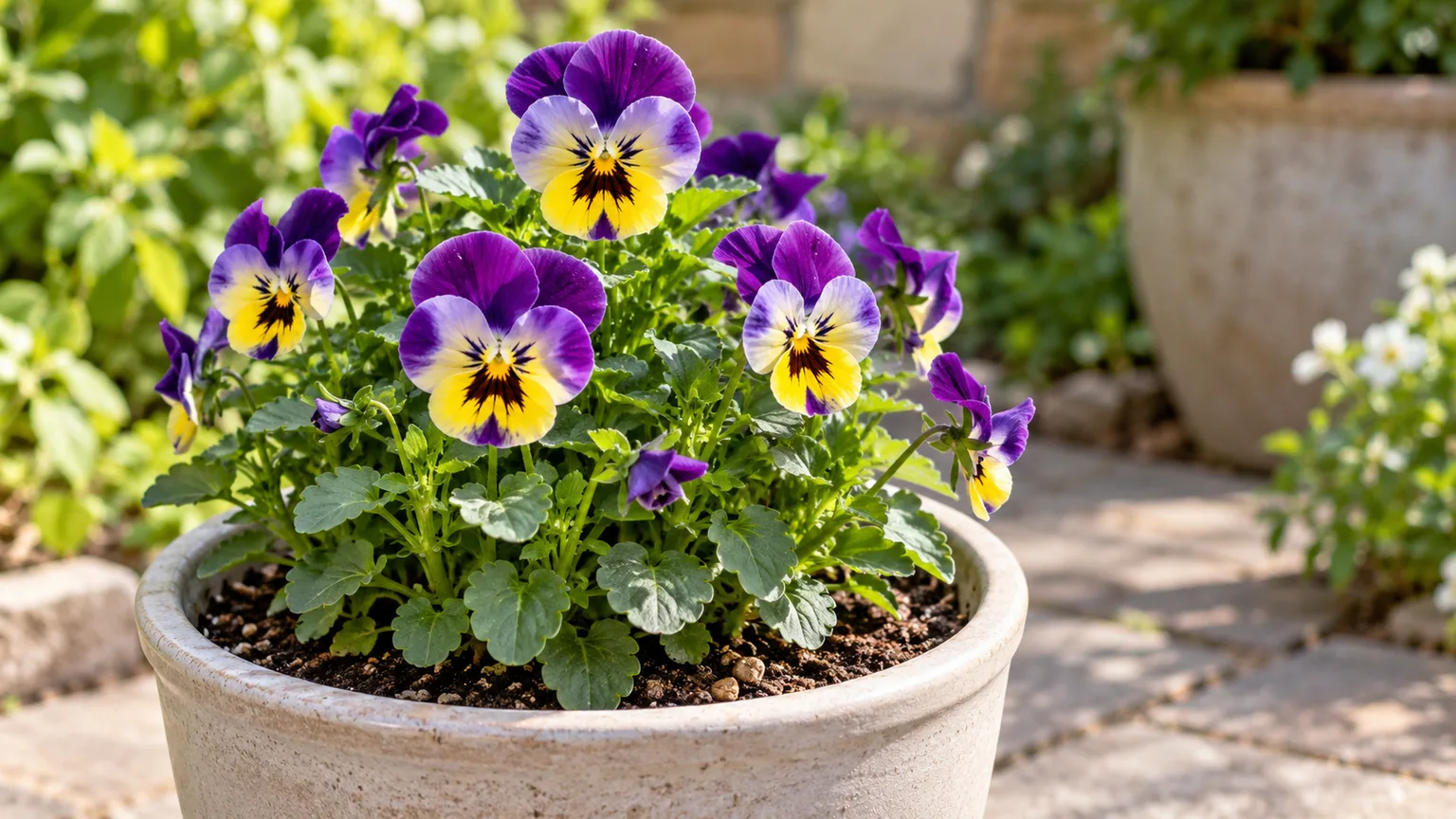
- Pansies shine in cool spring or fall weather and can flower through light frosts. They often fade in summer heat, so treat them as seasonal color rather than an all-year plant; use them in a window box or shallow pot that stays cool and drains freely.
- Mums make a quick autumn display in a sunny entry. Florist mums bought in full bloom may not be reliable long-term perennials, and tightly packed pots dry unevenly; for a lasting garden plant, choose a locally hardy cultivar and plant it early enough to establish before winter.
- Snapdragons add vertical flower spikes to a sunny or lightly shaded pot and offer more height than a groundcover annual. They prefer cool weather and may slow in hot summers, so use them in spring or fall displays and remove spent stems to encourage more flowering.
- Lantana thrives in heat and strong sun, attracting pollinators with clusters of flowers. Select a compact or trailing cultivar for a doorway container, give it a draining mix, and check local guidance before planting it in the ground because some lantanas spread aggressively in warm regions.
- Hardy geraniums (cranesbills) are low, spreading perennials for sunny or partly shaded beds and large pots. They are distinct from tender florist geraniums (Pelargonium); check the Latin name and mature size, since cranesbills usually make a softer border rather than a tall focal point.
- Sage and ornamental salvias provide aromatic foliage and upright flower spikes in a sunny bed or substantial pot. Many prefer sharp drainage and do not like a container that stays wet; culinary sage also needs enough light and airflow, while taller ornamental types may need room to avoid flopping across the walkway.
- Coneflowers (Echinacea) bring durable summer blooms and seedheads that can attract birds later in the season. They need sun and a container large enough for their roots, and the flower stems can be tall; place them in a bed or broad planter rather than a tiny pot on a windy step.
- Roses make a classic entrance accent when the site receives several hours of direct sun. Choose a compact shrub or patio rose for a container and a disease-resistant cultivar suited to your region; a full-size shrub rose can quickly outgrow a narrow landing and needs pruning and regular inspection.
- Dusty miller contributes silver foliage that brightens a sunny combination and contrasts well with purple, blue, or pink flowers. It tolerates heat better than many cool-season annuals but still needs drainage, and it may not return after winter in colder areas; use it as a seasonal foliage plant unless your climate is mild.
Tropical foliage and flowering climbers
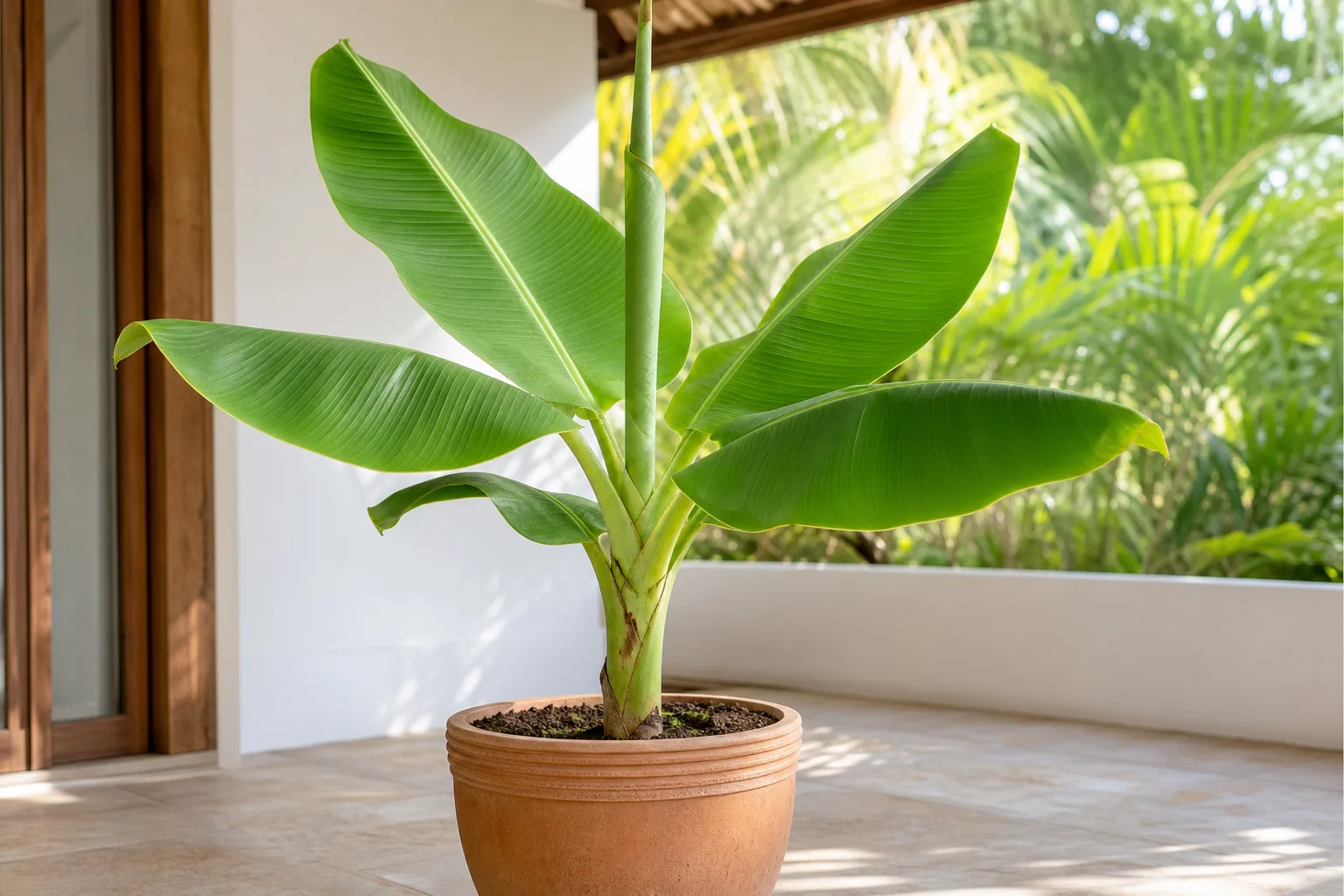
- Banana plants create a bold, oversized focal point in a spacious, sheltered container display. They need warmth, water, and room for broad leaves, so they are seasonal patio plants in cold climates and awkward near narrow steps; choose a dwarf cultivar if the porch can support the weight and size.
- Cordyline has upright, strappy leaves that bring architectural height to a large pot. It is frost-tender in many regions and may need bright light with protection from extreme afternoon heat; check mature width before placing it beside a door where the leaves could brush visitors.
- Mandevilla is a sun-loving flowering vine for a pot with a trellis or other support. It can bloom through warm weather but is not a permanent outdoor choice where winters freeze; bring it indoors before frost or treat it as an annual, and keep the support clear of the door frame.
- Dracaena adds a sculptural trunk and narrow foliage to a warm, sheltered entry. It is best treated as a portable seasonal container plant outside tropical climates, and harsh direct sun can scorch leaves after an indoor life; acclimate it gradually and move it indoors before cold nights.
- Rubber plants (Ficus elastica) can spend warm months on a bright, protected porch but cannot tolerate freezing temperatures. Their broad leaves make them a dramatic single specimen, though they need a large stable pot and careful acclimation; avoid leaving one in intense midday sun if it has been grown indoors.
- Elephant ears (Colocasia or Alocasia) offer dramatic foliage for warm, humid conditions and a roomy container. They need regular moisture and shelter from strong wind that can tear the leaves; lift or protect the corms in climates where winter cold exceeds the variety’s tolerance.
- Tropical palms such as areca or Chinese fan palm can frame an entrance in frost-free climates or serve as movable summer accents elsewhere. Give them room for mature fronds and a stable, heavy container; “palm” in a common name does not guarantee cold hardiness or pet safety.
- Kalanchoe is a compact succulent with fleshy leaves and clusters of flowers that suit a sunny, sheltered pot. It needs bright light and a fast-draining mix, and it should be protected from frost and prolonged rain; do not combine it with plants that need constantly moist soil.
- Clematis climbs a trellis or narrow support and can bring flowers to a doorway without taking up much ground space. Most varieties need sun on the top growth and cooler roots, so plant a low companion at the base; prune according to the cultivar’s flowering group rather than cutting all clematis the same way.
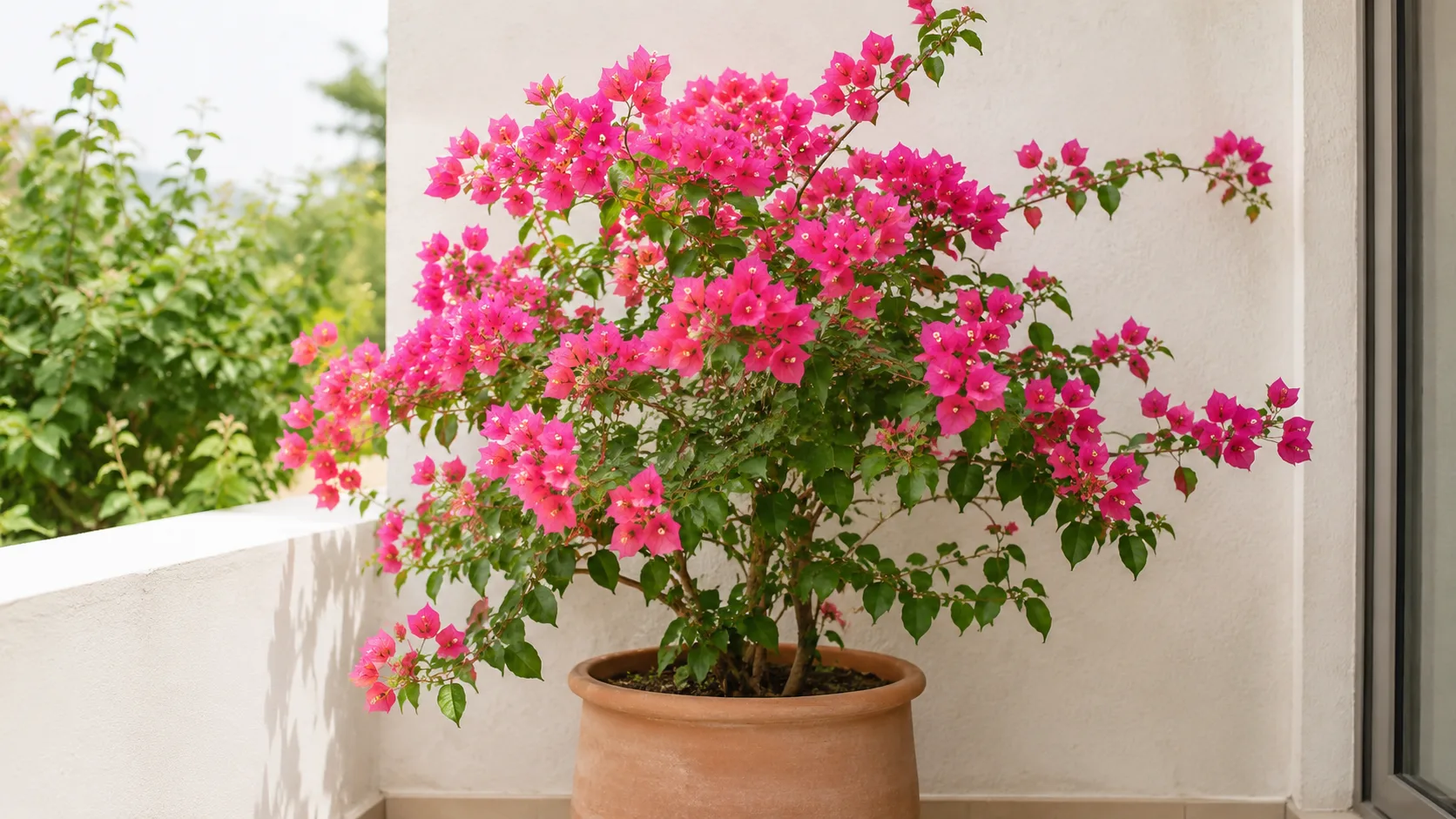
- Bougainvillea produces vivid bracts on a sunny trellis in warm climates. It needs strong light and excellent drainage and is frost-sensitive; its thorny stems also make it a poor choice right beside a frequently used door unless you can keep the growth trained well away from the path.
Year-round structure and seasonal displays
Compact evergreens and shaped shrubs
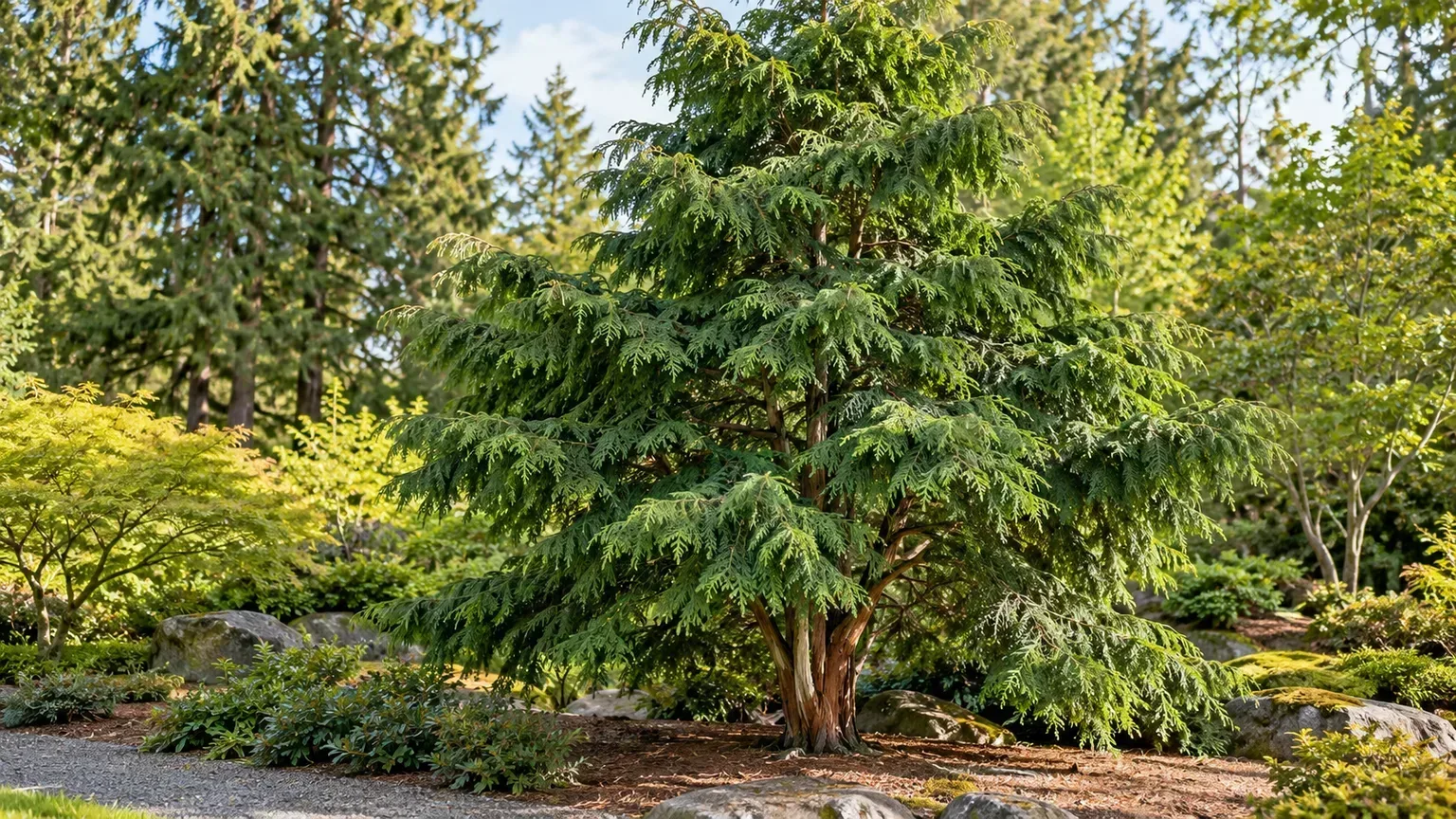
- Dwarf Hinoki cypress offers fine-textured evergreen foliage and a calm focal point in a large container or entry bed. Check the mature dimensions of the specific cultivar, since “dwarf” does not mean miniature; containers also expose roots to colder temperatures than the ground, so plan winter protection.
- Arborvitae provides upright or globe-shaped evergreen structure that works well in matching pots by a doorway. Select a genuinely compact cultivar and a container with enough volume for roots; a tall specimen needs a wide, heavy pot so wind cannot overturn it.
- Boxwood holds a clipped shape and stays green through much of the year, making it a natural choice for formal entries. It can be grown in a container or bed, but avoid a pot that is too small and watch for local boxwood diseases; provide airflow and do not shear so tightly that the center stays damp.
- Privet can be pruned into a neat topiary for a formal look, but it needs repeated trimming and some species are invasive or troublesome in parts of the country. Confirm the species and local rules before buying it, and do not plant a potentially invasive privet in the ground just because it arrived as a clipped pot specimen.
- Pussy willow supplies soft spring catkins and can make a striking focal point in a broad tub or damp garden edge. It becomes a large shrub, so the doorway is rarely its permanent home; use cut branches in a seasonal arrangement or plant a compact cultivar where it has room to grow.
Cool-season bulbs and fall accents
- Ornamental cabbage and flowering kale bring rosettes of blue-green, cream, pink, and purple foliage as temperatures cool. Use them in a fall pot with enough sun and drainage, then remove them when they stretch or decline in spring; edible-looking leaves do not make ornamental nursery plants safe to eat.
- Pumpkins can turn a sunny porch into an autumn display, but a full-size vine needs substantial soil, room to trail, and support for fruit. Compact cultivars can work in a large container; for most small entries, using harvested pumpkins as removable seasonal accents is more practical than growing them beside the door.
- Tulips add a clear spring focal point in a container, especially when layered with smaller bulbs or pansies. Plant them in fall in a pot with drainage, and remember that potted bulbs face harsher temperature swings than bulbs in the ground; in cold winters, move the container to a sheltered, unheated place rather than a warm living room. (Gardening Know How)
- Daffodils are another dependable spring signal for sunny or lightly shaded doorways. Their bulbs need a dormant season, and spent foliage should be allowed to yellow naturally so the bulb can store energy; use another seasonal plant to fill the pot after bloom instead of cutting leaves down early.
Build a balanced entry display
Pair plants with similar needs
A mixed container only works when its residents agree on the basics. Better Homes & Gardens’ container guidance and Homes & Gardens’ plant-pairing advice both emphasize matching light and moisture needs; in practice, that means a sun-loving lantana and drought-tolerant kalanchoe can share a bright, fast-draining pot more easily than either can share one with a thirsty fern or impatiens. (Better Homes & Gardens; Homes & Gardens)
For a simple sunny recipe, use one compact rose or dwarf evergreen as the upright anchor, petunias or snapdragons as the middle layer, and a trailing annual at the rim. For bright shade, combine a fern with heuchera and a modest amount of creeping Jenny, keeping the last plant contained. In a seasonal pot, let pansies and bulbs carry spring, swap to heat-ready annuals for summer, then use mums or ornamental kale in fall.
The classic thriller-filler-spiller formula is a useful starting point: one taller plant, a rounded middle layer, and one trailing plant. It is not a rule. A single flowering shrub in a handsome container can look more polished than a crowded mix, and a pair of identical pots often gives more visual order than a dozen unrelated colors.
Use scale, repetition, and color with restraint
Repeat one or two colors from the door, trim, or house rather than trying to use every flower color at once. Silver foliage can cool a hot red-and-orange scheme; dark-leaved heuchera can anchor pale flowers; blue, white, or purple flowers can create a calmer look against brick or wood. Matching pot shapes on both sides of a door can feel formal, while one large pot and a lower companion suit an informal stoop.
Let mature plant size determine the container and spacing. A too-small pot dries quickly and crowds roots, while oversized leaves or long stems can overwhelm a short landing. Colorado State Extension recommends proportioning the plant to the container and using height and trailing growth to avoid a flat composition; remember that the display is viewed from the walkway, so an arrangement that looks balanced from above may hide flowers from guests. (Colorado State University Extension)
Keep front-door containers healthy
Choose a stable pot and a draining mix
Use a container with open drainage holes and enough root volume for the mature plant. A high-quality potting mix is lighter and more porous than garden soil, which tends to compact in a pot; a layer of gravel at the bottom does not improve drainage and can leave the wet zone higher in the container. Better Homes & Gardens explains why drainage holes matter, why garden soil is a poor container substitute, and why rocks should not be used as a bottom layer. (Better Homes & Gardens)
Choose material for the site. Unglazed clay and wood can dry quickly, while plastic and glazed pots hold moisture longer but still need unobstructed holes. On an exposed step, use a broad base or weight the container safely; on a balcony or porch, direct runoff away from neighbors and keep saucers from holding water against roots. If the decorative outer pot has no drainage, use a removable nursery pot inside it and empty standing water after irrigation.
Water by checking the root zone
Do not water every front-door plant on a fixed schedule. Push a finger into the mix near the root ball, lift a small pot to judge weight, or use a moisture meter only as a cross-check; then water thoroughly until excess drains and empty the saucer. A roofed entry may receive no rain at all, while wind and reflected heat can dry a container faster than the garden bed.
Container plants often need more frequent checks as their roots fill the pot. Virginia Cooperative Extension says watering daily or even twice daily may be needed for established containers in hot conditions; Colorado State Extension likewise notes that exposed container sides increase evaporation. Those are reminders to check more often, not universal watering calendars: a cool, shady pot can remain wet too long if it is watered as often as a sunny one. (Virginia Cooperative Extension; Colorado State University Extension)
Feed according to the plant and product label rather than adding extra fertilizer whenever growth slows. A plant with poor light, cramped roots, dry mix, or damaged roots will not be fixed by stronger feed; check those conditions first. Move pots out of severe wind, hail, or an early frost if they are portable, and group containers temporarily to make watering and protection easier.
Plan for winter, pets, and regional limits
A plant that survives winter in the ground may not survive the same winter in a pot, because its roots have less soil around them for insulation. In cold regions, use a frost-resistant container, move a hardy perennial pot to a sheltered unheated space, or plant the perennial in the ground before winter; water stored plants occasionally so the root ball does not become bone-dry. Colorado State Extension notes that overwintering container plants outdoors is difficult and recommends protection or sheltered storage for suitable plants. (Colorado State University Extension)
If cats or dogs can reach the entry, verify the exact botanical name before bringing a plant home. Common names overlap, and ASPCA lists caladium, English ivy, daffodil, and sago palm among plants toxic to dogs; its database has separate lists for cats and dogs, so check the exact species and animal rather than guessing from a label. Keep plants flagged for your pet out of reach and contact a veterinarian or animal poison-control service if ingestion occurs. (ASPCA plant database; ASPCA dog plant list)
Regional rules matter too. Ask your local cooperative extension or invasive-plant council before planting vigorous groundcovers or shrubs such as English ivy, creeping Jenny, or privet in a bed. A container reduces the chance of spread, but it is not a substitute for choosing a suitable plant and disposing of cuttings responsibly.
Conclusion
The best front door plants are the ones that look good in your entrance’s real conditions and still leave the path clear. Measure the light, note how much rain and wind reach the pots, and decide how often you can check moisture before choosing flowers, foliage, bulbs, or evergreen structure.
Start with one container that has drainage and enough soil volume, then build around a few compatible plants rather than filling every inch. If the display struggles, adjust exposure, watering, or plant scale before adding fertilizer or more varieties. A small, well-matched arrangement will be easier to care for and more welcoming than an ambitious pot that asks the wrong plants to live together.