34 Front Yard Flower Bed Ideas for Curb Appeal
Plan a front yard flower bed that fits your sun, soil, space, and time. Get 34 curb-appeal ideas plus plant pairings, layouts, and a practical install plan.
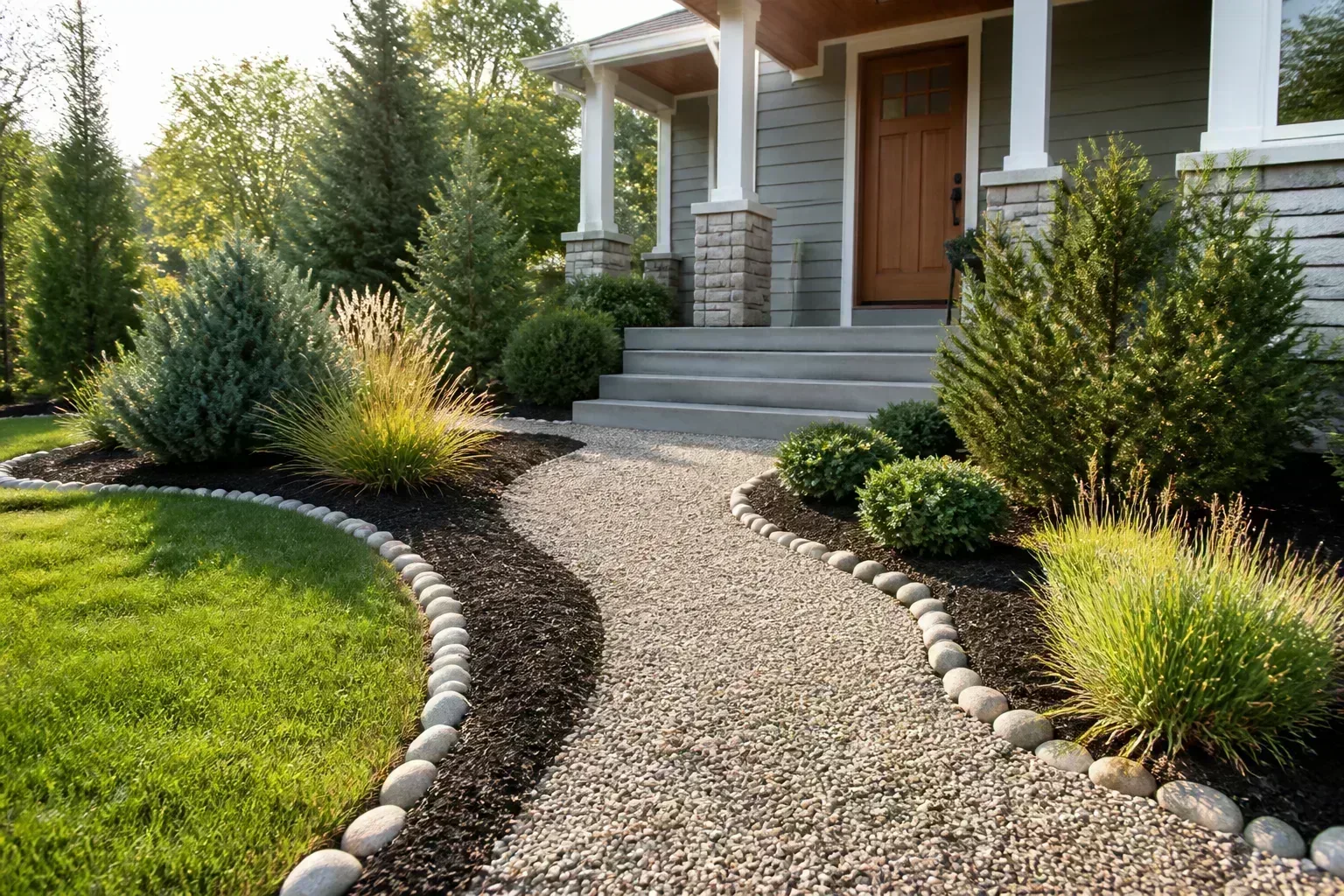
The best front yard flower bed is not the one with the most plant names. It is the one that fits the light, drains after a storm, leaves a clear route to the door, and still has a strong shape when half the plants are between blooms. Use the ideas below as design directions, then filter them through your own site before buying a single plant.
Think of the bed as a small public-facing garden room. It needs a readable outline from the street, a welcoming view from the porch, and enough access for weeding, watering, and repainting the mailbox. A bed can be informal inside while keeping a crisp edge outside; Gardenary describes that balance as a tidy frame around a more generous, wildlife-friendly planting. (Gardenary’s pollinator garden design guidance is a useful practical reference.)
Start With the Site, Not the Plant Shopping List
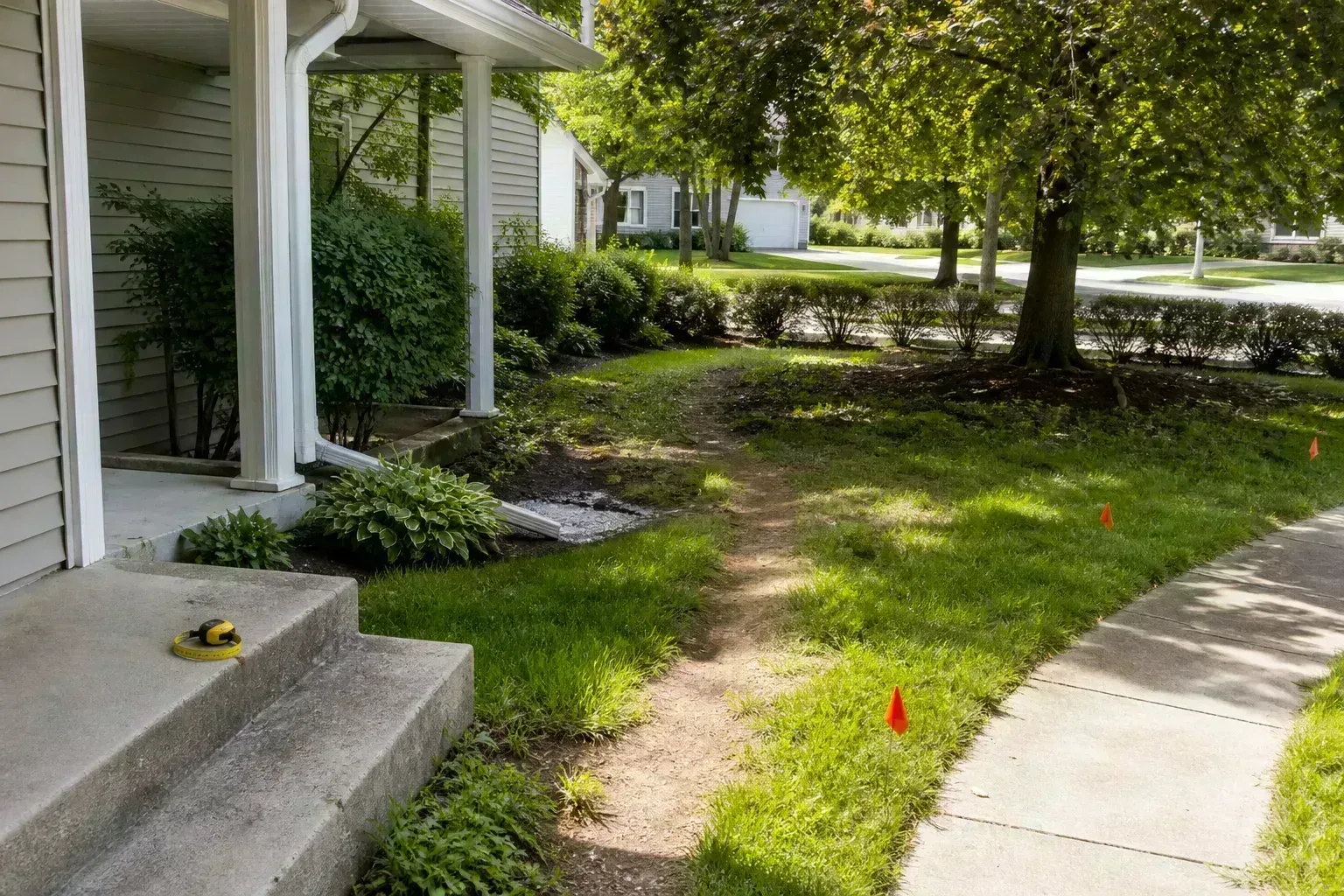
Before choosing a style, spend one day watching the space. Note where the sun lands at 9 a.m., noon, and 3 p.m.; where roof runoff collects; where the hose reaches; and which views need to stay open for people, cars, or deliveries. This short audit will eliminate more bad ideas than a long nursery visit.
Check Sun, Drainage, Access, and Rules
Most flowering plants need more light than homeowners expect, but “full sun” on a label is not a universal promise. A south-facing wall can add reflected heat, while a mature tree can turn a once-sunny bed into part shade. Record the actual pattern and choose plants that match it instead of trying to force sun lovers into a dim foundation strip.
Drainage matters just as much. A low spot that stays wet after a storm needs moisture-tolerant plants, a shallow rain garden, or a grading solution—not lavender, rosemary, or a raised mound of ordinary topsoil. If water runs toward the house, solve that first and keep finished soil and mulch below siding, weep holes, and door thresholds.
Measure from the house, sidewalk, driveway, and property line. Leave room for mature shrubs, mower wheels, snow storage, utility access, and the turning radius of a car. For a front bed visible from a street, check local height and sight-line rules; Better Homes & Gardens specifically flags city or HOA restrictions near intersections and driveways in its streetside garden guidance. (See the current full-sun garden plans from BHG.)
Match the Bed Shape to the House
Use the architecture as a quiet cue. A long rectangular bed can reinforce a ranch house, a broad curved sweep can soften a boxy facade, and a small rounded island can anchor a lawn without competing with the front door. Avoid drawing a complicated amoeba shape unless you are willing to edge it several times a season.
Let the strongest curve or line lead the eye toward the entry. Keep the front edge simple, repeat two or three anchor plants, and allow the interior to change. The result reads as designed even when annuals fade, perennials flop, or a shrub is pruned back.
34 Front Yard Flower Bed Ideas That Solve Different Design Jobs
These ideas are grouped by the job they do, not by a single visual style. Combine one bed-form idea, one plant-palette idea, and one maintenance or wildlife idea to create a plan that feels personal without becoming a jumble.
Edges and Forms That Make a Bed Look Intentional
1. Frame the facade with a deep foundation border. Keep taller shrubs or grasses toward the wall and lower flowering plants toward the walk. Leave a deliberate gap around windows, vents, and the front step so the planting frames the house instead of swallowing it.
2. Use a clean ribbon bed along the porch. A narrow, repeated border of salvia, catmint, sedum, or seasonal annuals gives a porch a finished edge. Keep the palette tight and use foliage to connect the gaps between bloom periods.
3. Create a rounded island in the lawn. An island bed is visible from several angles, so place the tallest plant near the center or slightly off-center and lower the planting toward every edge. Do not put a one-sided foundation border in the middle of an island; it will look unfinished from the back.
4. Shape a crescent around an existing tree. A curved bed can make a young tree feel anchored, but do not pile soil or mulch against the trunk or cut through major roots. Use shallow-rooted companions and leave enough open soil for the tree to breathe and expand.
5. Build a small raised bed where grade or soil is the real problem. A raised edge can make a slope easier to plant and can add structure beside a modern facade. It will not fix a wet site by itself, and a high wall beside a walkway can create a trip hazard, so solve drainage and access before choosing the materials.
6. Repeat a narrow bed on both sides of the walk. Mirrored shapes give a formal entrance without requiring identical plants. Repeat the bed outline and two anchor species, then let one side differ slightly if light or drainage differs.
Color and Planting Palettes With Staying Power
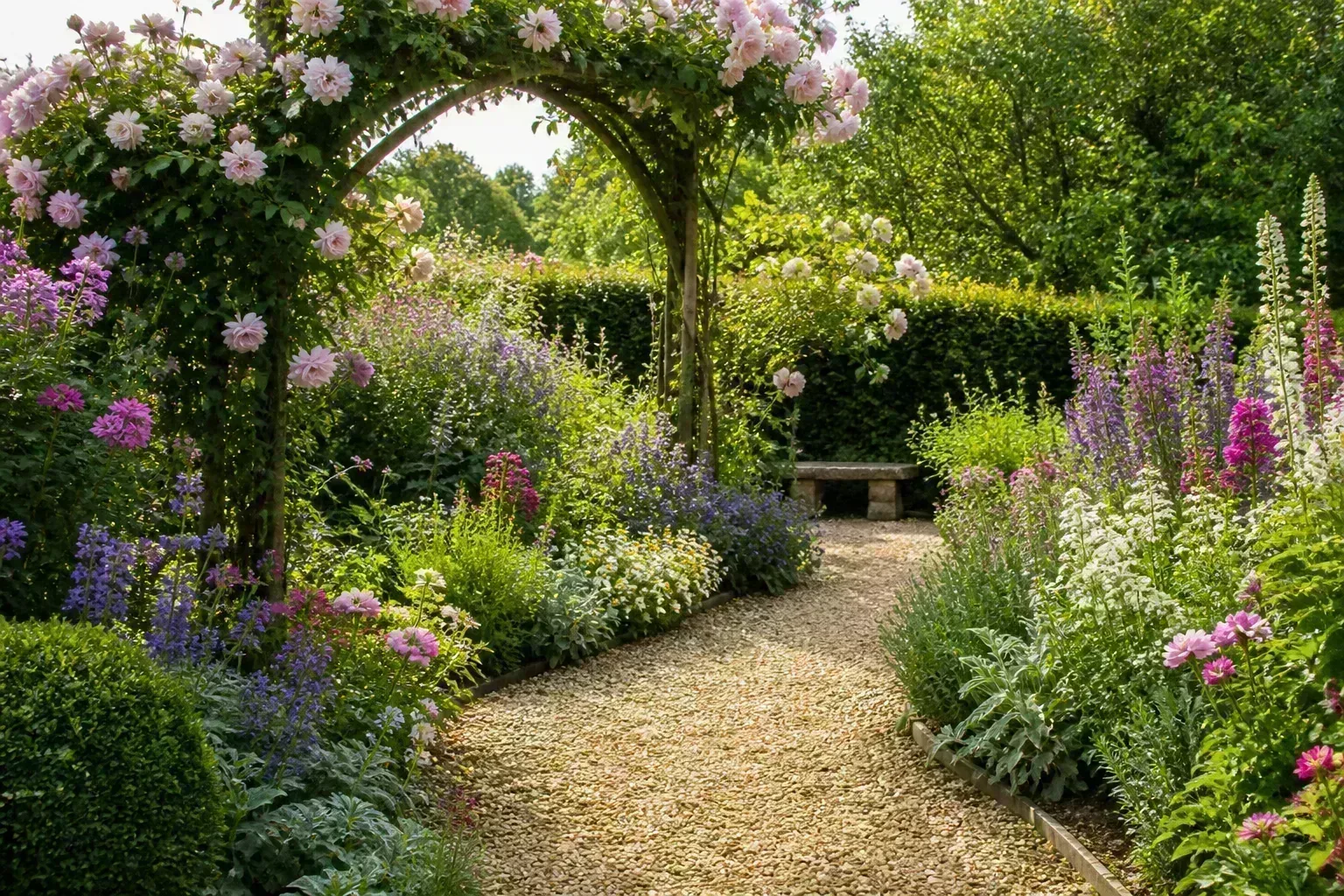
7. Limit the bed to one dominant color plus green. White flowers with silver foliage, pink blooms with dark green leaves, or blue-purple flowers with chartreuse accents can look deliberate even in a small space. The limitation makes it easier to replace a plant without breaking the composition.
8. Use a warm house-cool flower contrast. Brick and tan siding pair well with purple, blue, or silvery plants; gray or navy exteriors can carry yellow, coral, or orange flowers. Treat the house color as the backdrop and test one nursery pot in place before repeating it across the bed.
9. Plant a pink-and-green border. Roses, peonies, pink coneflowers, or seasonal petunias can supply the color while boxwood alternatives, grasses, or leafy perennials hold the structure. Choose shrubs suited to your region rather than assuming a traditional hedge will tolerate the site.
10. Make foliage the main event. Mix broad leaves, fine grasses, silver leaves, and dark foliage so the bed still has texture when blooms pause. This is especially useful for a front bed seen every day from the porch, where constant color is less important than a stable composition.
11. Create a cottage garden with a disciplined frame. Combine roses, lavender, peonies, herbs, annuals, and airy perennials inside a simple edge. Let plants mingle in groups, but repeat a flower color or leaf shape so the result looks abundant rather than accidental.
12. Use a four-season structure palette. Start with one evergreen or persistent shrub, add spring bulbs or early perennials, layer in summer flowers, and leave seed heads or grasses for fall and winter. Gardenary’s practical notes emphasize mixing annuals, perennials, shrubs, and grasses so the bed has food and texture beyond a single bloom flush. (Read the pollinator planting sequence here.)
Entry, Path, and Driveway Ideas
13. Mark the front door with one focal plant. A flowering shrub, compact tree, large pot, or narrow trellis can signal the entry from the sidewalk. Keep it below the sight line of visitors and avoid a plant that sheds sticky fruit onto the step.
14. Line a walkway with low drifts instead of a hedge. Repeated clumps of salvia, daylily, lavender, ornamental grass, or hardy ground cover can guide guests while preserving width. Keep mature leaves from spilling into the walking surface, especially where rain makes foliage slippery.
15. Turn a driveway edge into a tough planting strip. Use plants that tolerate reflected heat, salt exposure where relevant, and occasional foot traffic at the edge. Leave a maintenance strip or mowable border so the bed does not become a narrow place where grass and gravel fight every week.
16. Soften a straight staircase with staggered layers. Put low plants along the lower tread edge, medium plants on the side, and a repeating shrub or grass higher up. Keep every step, handrail, and landing visible from the sidewalk.
17. Add a window box above a simple ground bed. A window box can provide seasonal color when the ground is shaded by the house. Echo one plant or color from the box below so the two layers look related, and install it securely with a watering plan you will actually use.
18. Use a path to divide a larger front pollinator bed. A stepping-stone or narrow gravel route makes the garden viewable from inside and prevents soil compaction when you weed. Gardenary recommends pathways for both access and visual structure; use a stable, level surface where guests will walk. (Its front-yard design tips are here.)
Pollinator and Water-Wise Ideas
19. Build a small pollinator pocket. Even a compact bed can support bees and butterflies when it combines local native plants with staggered bloom times and different flower shapes. A crisp edge and a repeated planting pattern keep the habitat welcoming to people as well as insects.
20. Group plants in generous drifts. Three, five, or seven plants of one species are easier to see and usually easier to weed around than a single specimen of everything. Dense, repeated groups can also fill open soil as plants mature; a front-yard pollinator case study from Wimberg Landscaping describes that fullness as useful for weed suppression and visual continuity. (Read the case study.)
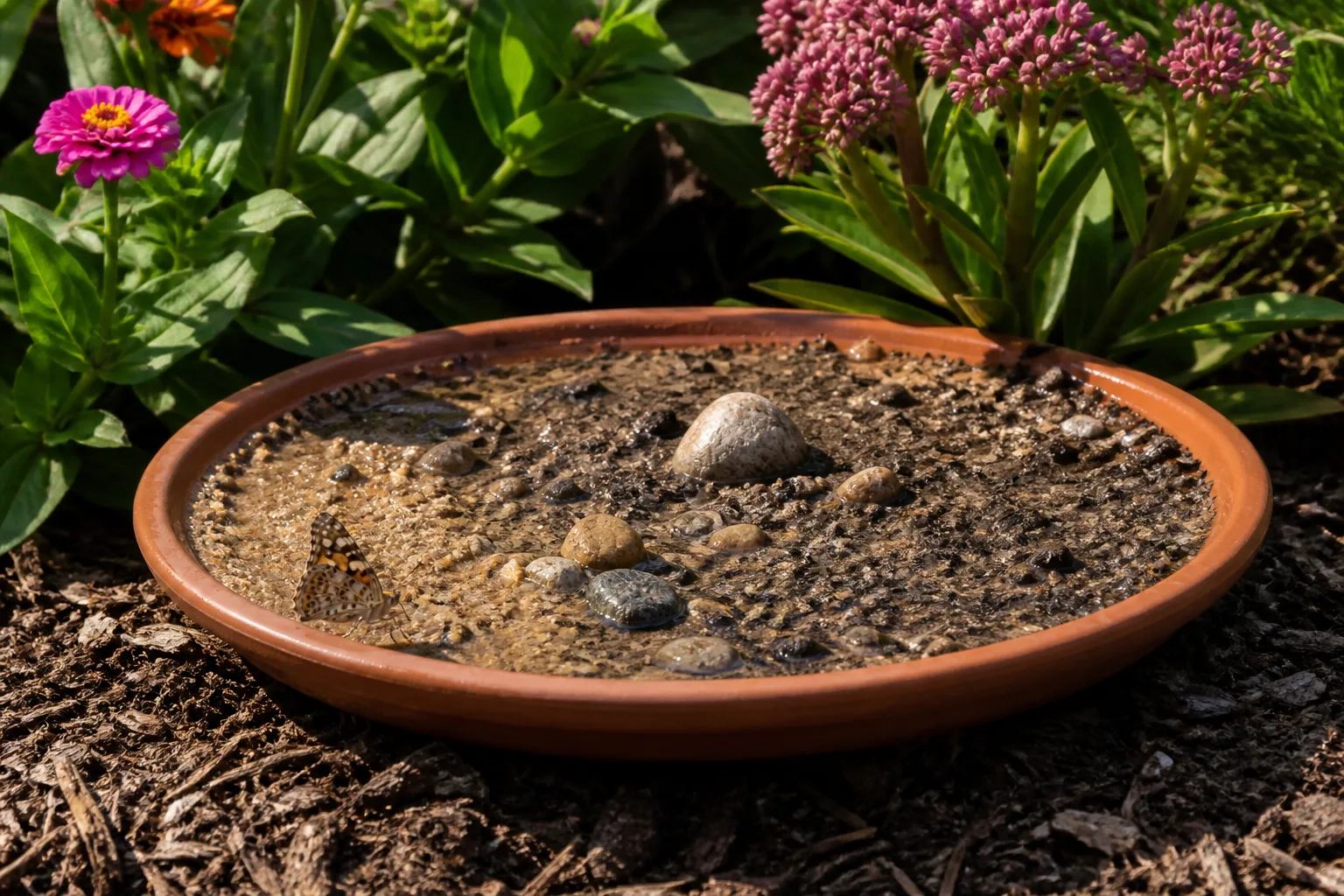
21. Add a shallow pollinator water dish. A saucer with pebbles and water can give insects a place to drink without becoming a deep hazard. Refresh it often, place it where you can see and clean it, and do not treat it as a substitute for choosing plants adapted to your rainfall.
22. Make a drought-tolerant gravel bed. Use gravel as a surface finish around plants that genuinely prefer sharp drainage, such as lavender, sedum, and some ornamental grasses. Rock reflects heat, stores heat overnight, and is difficult to amend later, so it is a poor default for a bed that needs regular compost or frequent replanting.
23. Use a dry-creek edge for a wet spot. A shallow swale or stone-lined channel can make stormwater movement visible while moisture-tolerant plants soften the edges. Do not excavate toward a foundation or redirect water onto a neighbor’s property; get site-specific help when runoff is substantial.
24. Plant a native meadow with a formal perimeter. Choose regional grasses and wildflowers, then mow or edge a clean outline around them. Leave seed heads through winter where safe and attractive, but cut back anything that blocks a walk, obscures a number, or self-sows aggressively.
Shade, Trees, and Vertical Ideas
25. Turn a shady path into a woodland border. Ferns, hostas, heuchera, foamflower, and shade-tolerant ground covers can make a dim side of the front yard feel intentional. Use plants with contrasting leaf sizes, because flowers may be brief in deep shade.
26. Design around a flowering tree. A dogwood, magnolia, serviceberry, or other regionally suitable small tree can anchor a broad bed. Keep the understory restrained at first so you can water the tree, observe its mature shade, and avoid damaging the trunk with tools or edging.
27. Layer under a mature tree without fighting its roots. Start with shallow-rooted plants and generous pockets of leaf mold rather than a thick new soil mound. If the ground is dry and root-filled, a simpler mulch ring with a few containers may be kinder to the tree than forcing a dense flower bed.
28. Add a trellis for a vertical focal point. Clematis, climbing rose, jasmine where hardy, or an annual vine can lift color beside a porch or gate. Anchor the structure independently, give the vine room for airflow, and choose a climber that will not block a window or pull on siding.
29. Use ornamental grasses to connect tall and short plants. A grass can repeat movement along a walkway, soften a stone edge, or hold seed heads after flowers fade. Verify mature height and spread; an attractive grass that flops across the sidewalk is a maintenance problem, not a design feature.
Style and Seasonal Ideas
30. Create a modern geometric bed. Use a rectangle, circle, or strong diagonal with a restrained palette of grasses, shrubs, and a few bold flowers. The geometry needs consistent edging and spacing, so keep the plant list shorter than you would in a cottage bed.
31. Make a rock garden for a small, sunny site. Place rocks partly into the soil so they look settled, then use low plants in pockets rather than sprinkling stones over ordinary garden soil. This works best where drainage and sun match the plants; it is not a universal low-care solution.
32. Build a Victorian or vintage-inspired border. Heirloom-style roses, peonies, hydrangeas, and old-fashioned annuals can pair with a simple iron fence or weathered trellis. Use one modern maintenance boundary—such as a clean path or drip line—so the romance does not become a chore.
33. Use a monochromatic winter-friendly scheme. Silver foliage, evergreen leaves, pale flowers, and tan seed heads can look calm from fall through spring. Add one seasonal accent in a pot rather than rebuilding the bed every holiday.
34. Leave a little wildness inside a clear frame. A front bed can support birds and insects without reading as neglected when the edge is crisp, the plants are repeated, and paths stay open. This is the most flexible idea on the list: tidy the parts people use, and let the interior move with the seasons.
Choose a Plant Palette for Your Conditions
Start with a local plant list, then use the combinations below as design prompts rather than universal prescriptions. A plant that is drought-tolerant in one region may fail in humid clay, and a perennial that thrives in one hardiness zone may be an annual elsewhere. Ask a local extension office or reputable nursery for native alternatives and check mature dimensions on the plant tag.
Full Sun and Dry-Site Combinations
For a bright, hot bed, combine one structural plant with two or three flowering groups and a ground-hugging edge. Lavender with salvia and ornamental grass creates a blue-purple and silver palette; coneflower with black-eyed Susan and penstemon gives a stronger yellow, pink, and red mix; sedum with yarrow and a compact grass can handle a leaner, gravelly setting where those plants are hardy.
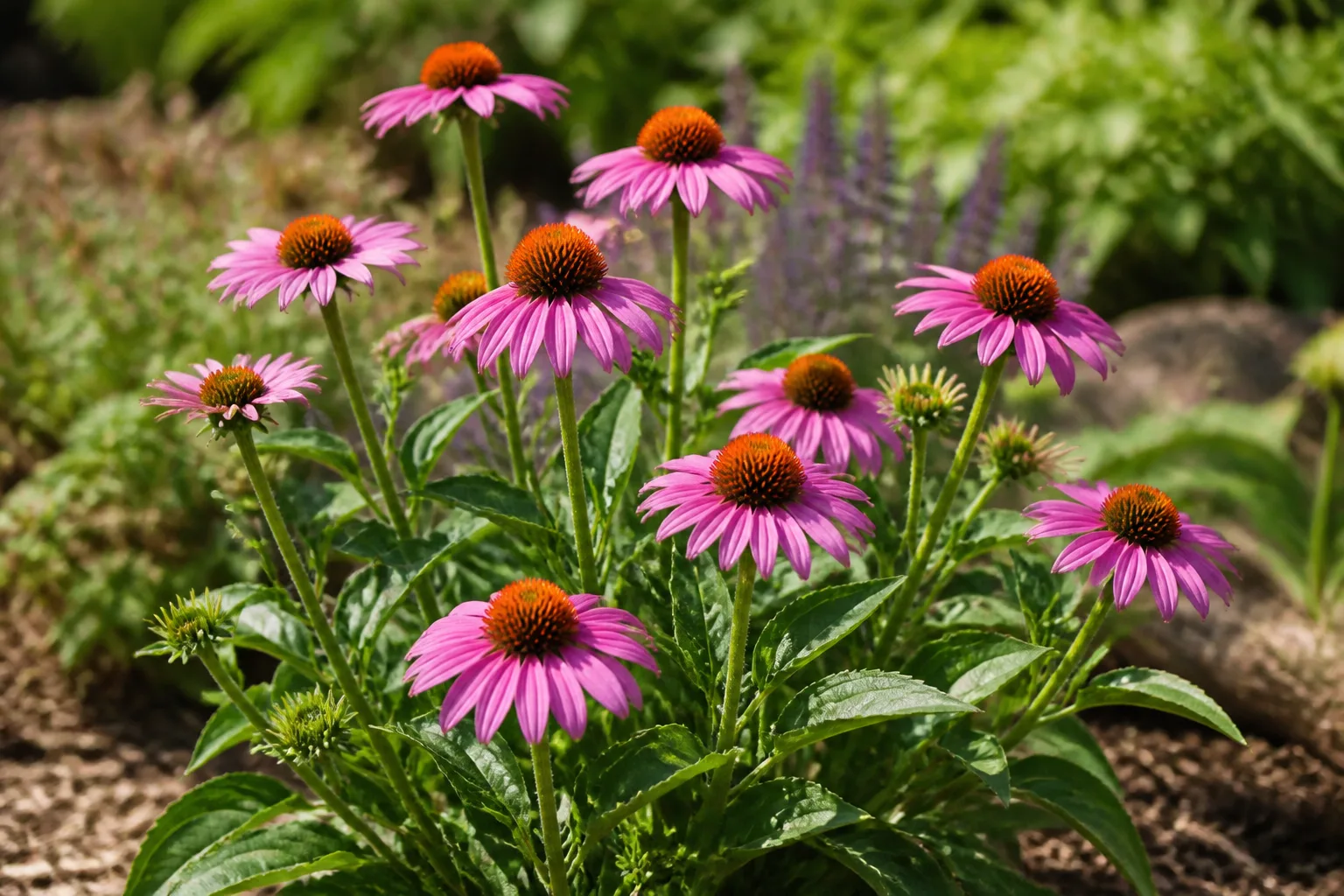
Do not call a new bed drought-tolerant on planting day. Even tough plants need regular watering while roots establish. BHG’s current full-sun plans make the same practical distinction: water-wise plants still need attention in their first season, and plants with similar water needs should be grouped together. (See the full-sun plan guidance.)
Part Shade and Woodland Combinations
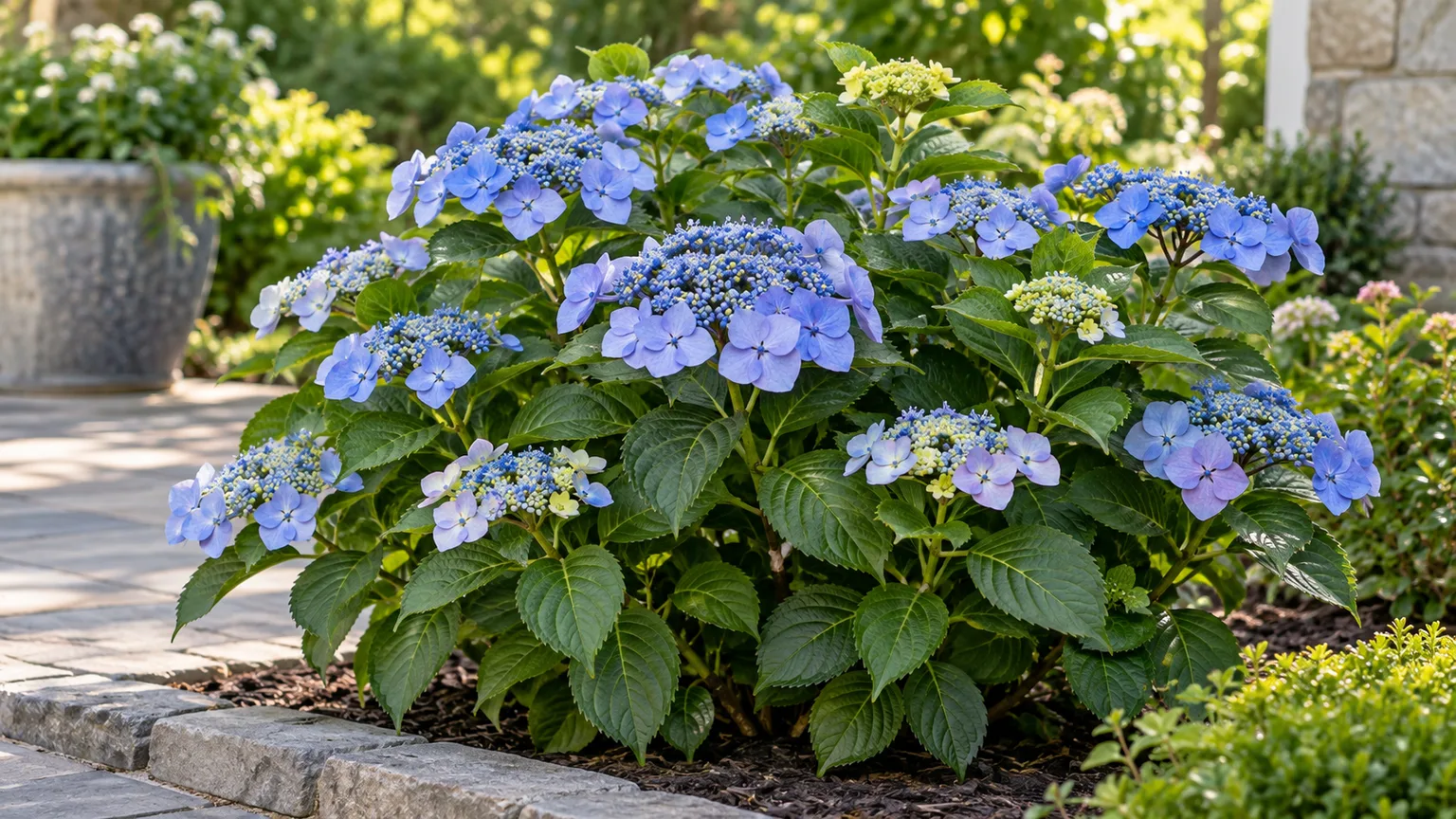
In morning sun or dappled shade, build the composition around foliage. Try ferns with hostas and heuchera, or hydrangea with a low ground cover and a few seasonal color pockets. In dry shade beneath trees, reduce the plant count and use mulch or a simple path rather than promising a lush flower show the site cannot support.
Afternoon shade is particularly helpful for hydrangeas in hot climates, while some roses, salvias, and coneflowers will stretch or bloom poorly without enough direct light. If a bed changes from sun to shade as the season progresses, choose plants for the hardest part of the year, not for the week you first visit the garden center.
Low-Maintenance, Long-Season Combinations
Low maintenance comes from compatibility, not from a magic plant list. Combine plants with similar water and light needs, repeat them in groups, use a defined edge, and leave enough room to reach the soil. A mixed bed of perennials, a few annuals, one shrub, and an ornamental grass is often easier than a bed of 20 unrelated perennials that all need different pruning dates.
Plan the bloom relay. Early bulbs or spring shrubs hand off to salvia, catmint, coneflower, daylily, or annuals in summer, then asters, sedum, ornamental grasses, and seed heads carry the bed into fall. Leave healthy stems through winter if they do not block a path; they add structure and can provide habitat, while BHG notes that many seed heads also offer food for birds.
Build the Bed Without Creating New Problems
Mark the outline with a hose or flour before cutting anything. View it from the street, front door, driveway, and the nearest window. If the shape looks awkward as a line on the ground, it will not become better after you add plants.
Remove sod completely where you need an immediate, clean installation. For a larger conversion, sheet mulching can reduce digging, but the layers must be thick enough to suppress grass and the finished bed still needs a stable edge. Do not bury perennial weeds, woody roots, or construction debris under a pretty layer of compost and assume they have disappeared.
Prepare only what the plants require. Work compost into compacted soil when it is dry enough to crumble, avoid smearing wet clay into a hard layer, and do not automatically replace native soil with rich imported soil. A drainage test—dig a small hole, fill it with water, and watch how quickly it empties—can reveal whether the site needs a different plant palette or a drainage solution before installation.
A 2- to 3-inch mulch layer can reduce weeds and moderate moisture in many beds, but keep it away from trunks and crowns. Rocks make sense in an established dry garden, not as a universal replacement for organic mulch. They heat the surface, are hard to move, and make future soil amendments or plant edits more difficult.
Lay Out Layers, Spacing, and Repetition
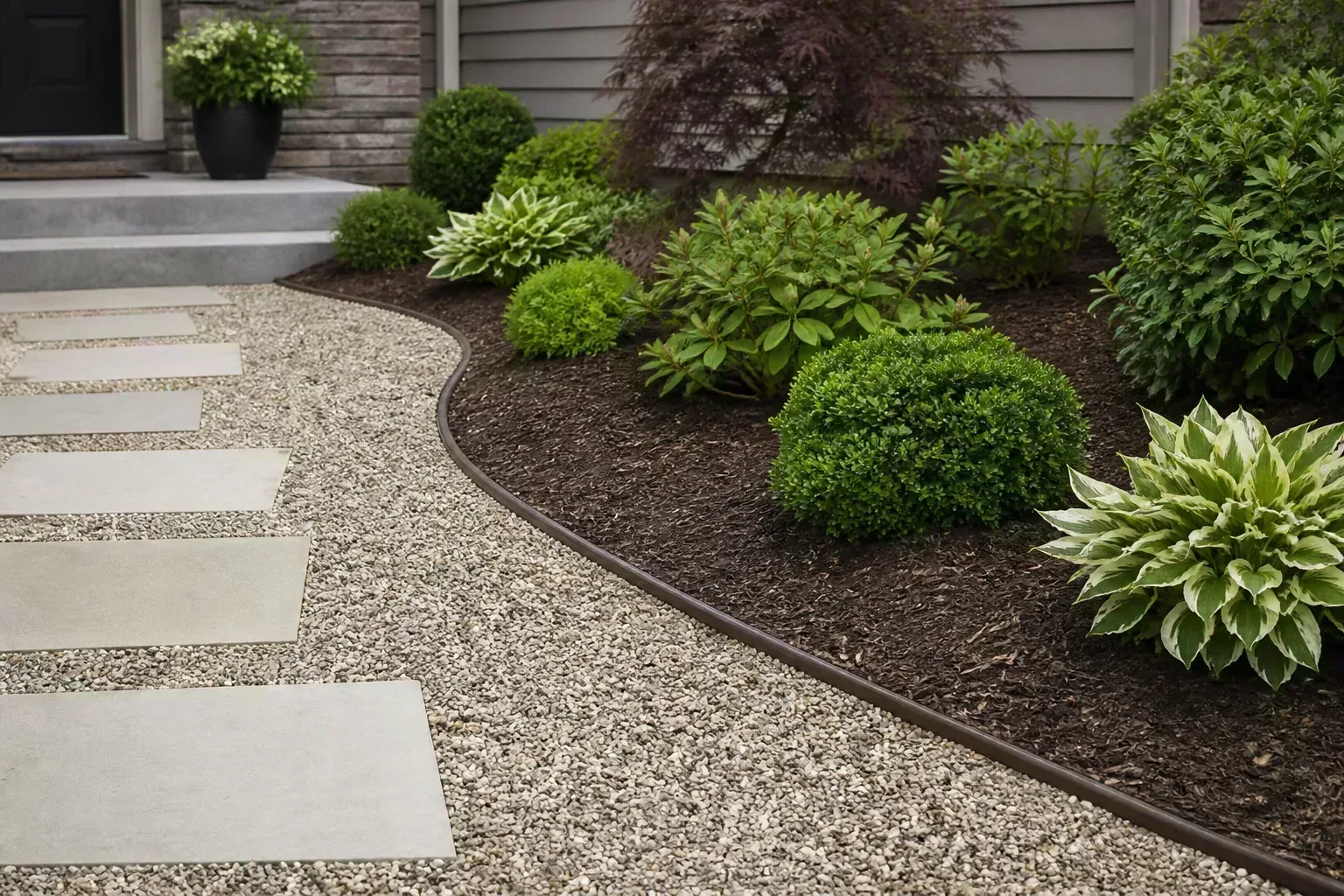
For a bed viewed from one side, place the tallest plants at the back, medium plants in the middle, and low edging plants at the front. For an island, lower the height on every side. The most useful spacing number is the plant’s mature width: use it to estimate the gap, then cluster compatible plants in groups rather than lining every specimen up like soldiers.
Keep the front edge readable. A repeated low plant every few feet can stitch a long border together, while taller plants in groups of three or five create rhythm without making the bed look like a grid. If your budget requires fewer plants, start with the structural bones and leave intentional open space; buying dozens of fillers that will be removed next year is not a saving.
Set trellises, edging, irrigation, and stones before planting. Water each new plant at its root zone, settle the soil, and adjust the mulch after the first watering. Put the plant label or a simple map in a notebook so you know which empty-looking spot contains a late-emerging perennial.
Keep the Flower Bed Good After the Reveal
The first season is about roots, not a perfect photograph. Water deeply enough to wet the root ball and surrounding soil, then adjust for rain, heat, soil, and plant response. Newly planted beds near a foundation or pavement can dry faster than the rest of the yard, while a low clay pocket may need less frequent watering than the label suggests.
Weed while weeds are small, keep the edge defined, and deadhead only when it improves bloom or appearance. Some plants look better and feed birds when their seed heads stay standing, while others reseed too freely or flop into the walk and should be cut back. A low-maintenance bed is one you can reach and edit in the time you have—not one that never needs attention.
Use pesticides cautiously and identify the problem before treating it. A few chewed leaves are often less damaging than broad-spectrum spraying, especially in a pollinator bed. Remove diseased material, improve airflow, correct watering, and choose resistant or better-adapted plants before reaching for a chemical solution.
Finally, edit without guilt. Move the plant that is too tall, divide the clump that swallowed the edge, replace the annual that demanded too much water, and widen a path that people avoid. Good front-yard design is not frozen on installation day; it gets clearer as you learn how the site behaves.
Conclusion
Choose the front yard flower bed idea that solves your site’s real job: a welcoming entry, a better walkway, a dry strip, a shady corner, a pollinator pocket, or a strong view from the porch. Start with light, drainage, mature size, access, and local rules; then use repeated plant groups, a clear edge, and one dependable structural layer to make the bed look intentional.
You do not need all 34 ideas in one yard. Pick one shape, one palette, and one maintenance promise you can keep. A modest bed that is watered during establishment, weeded at the edge, and revised as plants mature will improve curb appeal far more reliably than a crowded collection of flowers chosen only because they looked good in a photo.