10 Garden Mistakes That Attract Pests—and What to Do Instead
Some garden habits draw slugs, mosquitoes, rodents, and plant pests. Find the real attractants, fix them, and protect beneficial insects at the same time.
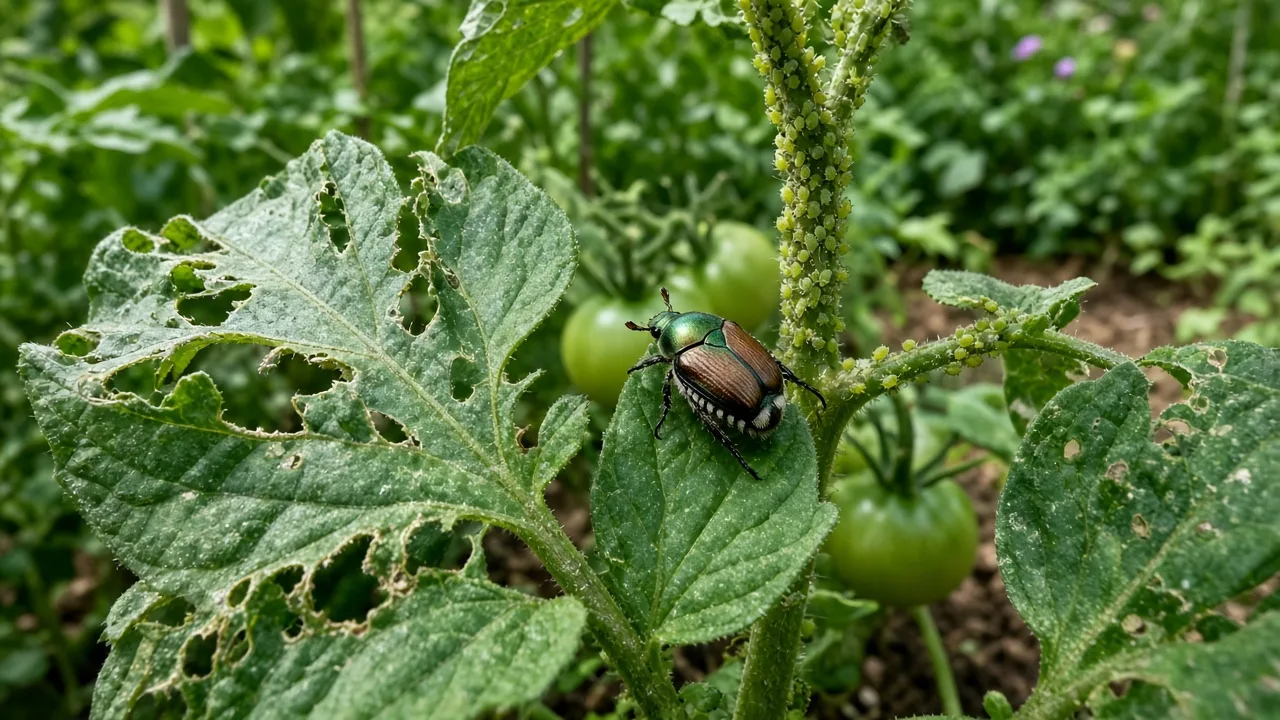
A garden draws pests when it reliably offers what they need: a host plant, food scraps, shelter, or—in the case of mosquitoes—standing water. But several habits described as “pest attractors” do something different: they remove predators, concentrate a favorite crop, or let a small population go unnoticed. That distinction matters because you can empty a saucer in an afternoon, while changing a pest’s host range takes a different plan.
Start by naming the animal or insect and looking for evidence. A chewed leaf, a few aphids, and a mosquito are not the same problem, and a busy garden is not automatically an infested one. The National Pesticide Information Center recommends choosing plants suited to the site, inspecting regularly, watering at the soil surface, and using integrated pest management (IPM) to reduce future problems. NPIC’s garden IPM guidance is a useful baseline.
Before changing anything, identify what is actually visiting
Look for the pest itself, its life stage, and the pattern of damage. Fresh slime trails and irregular holes suggest a different visitor from sticky leaves crowded with pear-shaped aphids; a mosquito flying over the bed does not prove that it bred there. Check leaf undersides, tender growth, fruit, the soil line, nearby containers, and the garden’s edges rather than spraying the most damaged plant on sight.
Then ask whether the damage is increasing and whether it threatens the harvest or the plant’s survival. A few holes on a mature brassica may be tolerable, while a seedling repeatedly clipped to the ground needs prompt protection. Extension IPM guidance uses pest monitoring and crop-specific action thresholds to decide when control is justified; there is no single insect count that fits every crop, season, or region. Alabama Cooperative Extension’s home-garden IPM guide explains that control should follow a threshold rather than an automatic calendar spray.
1. Watering by the calendar and keeping beds constantly wet
Watering every day because the calendar says so can keep the surface damp long after the root zone has enough moisture. That does not magically attract every insect, and it does not create mosquitoes unless water remains pooled. But persistently wet, poorly drained corners can provide favorable daytime shelter for slugs and snails, while stressed roots and foliage can make plants less resilient to feeding.
Check the soil before watering. Push a finger or a narrow trowel into the root zone, compare a dry and a recently watered area, and notice whether water drains away or sits on the surface. Water deeply when the crop needs it, then let the upper layer dry to the degree appropriate for that plant and soil. Put the water near the roots, preferably early enough for leaves to dry, and repair leaking hoses or emitters. NPIC also recommends watering at ground level as part of garden pest and disease prevention.
If one plant is wet while the rest of the bed is dry, look for a local cause before changing the whole irrigation schedule: a blocked drain, a low spot, a cracked hose connector, or shade that slows evaporation. For containers, check that drainage holes are open and the pot is not sitting in a full saucer. A timer can prevent an unattended hose from running, but it cannot tell whether a plant needs water; adjust the run time after checking the soil and the weather.
Do not solve a wet bed by withholding water from everything. Seedlings, containers, sandy soil, and a heat wave may need more frequent irrigation than established plants in heavier soil. If a bed stays soggy after rain, improve drainage or redirect runoff; a stricter timer cannot fix a site that holds water.
2. Leaving containers and low spots full of standing water
A clogged saucer, tarp fold, discarded pot, wheelbarrow, birdbath, or rain barrel can hold water long enough for mosquitoes to develop. This is different from moist garden soil: mosquito larvae live in standing water, so an apparently minor object can matter more than an entire watered bed. The CDC’s mosquito-control guidance for homes recommends removing or managing water-holding items around the home.
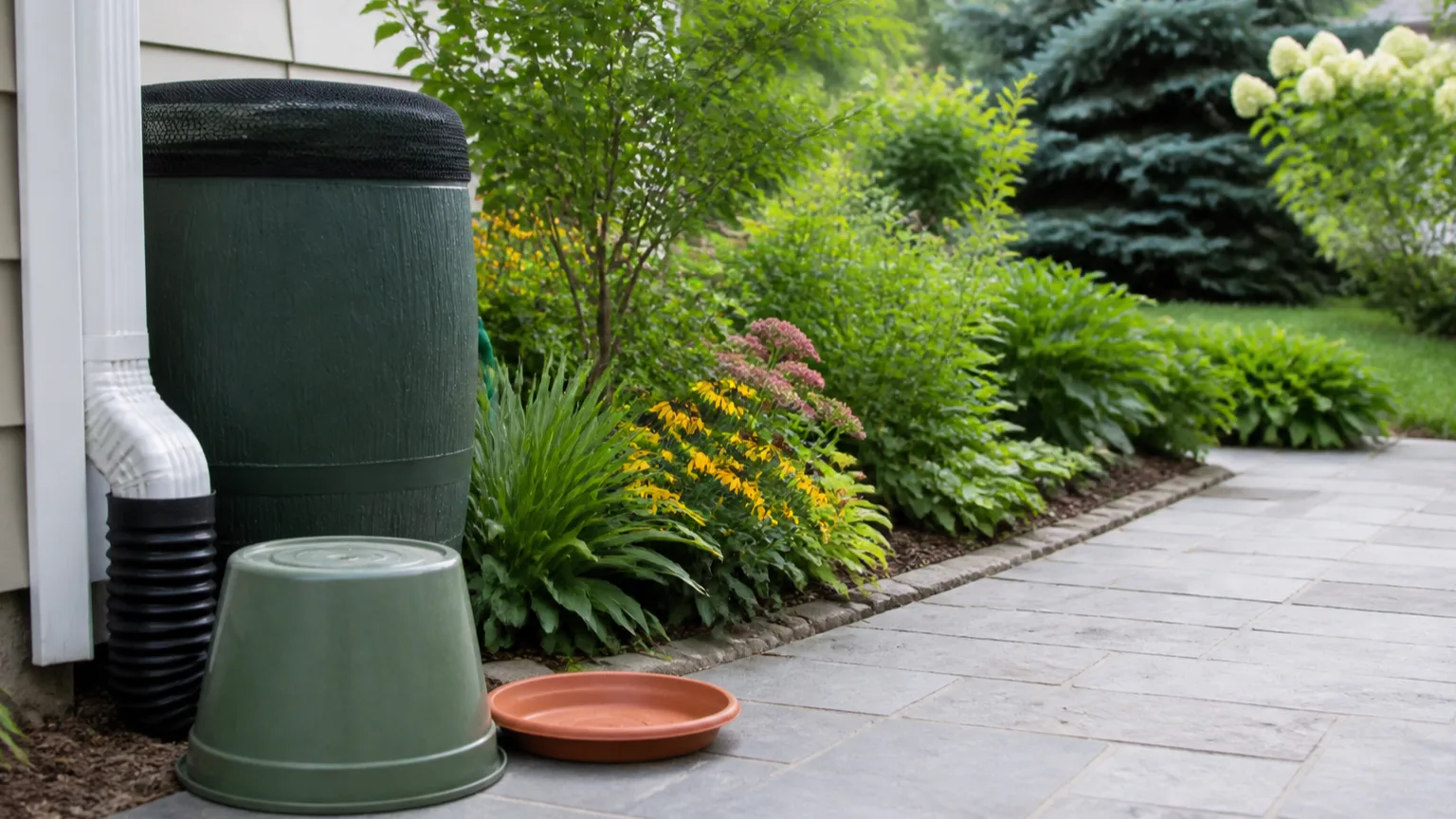
After rain, tip out water, store containers upside down, clear clogged drains, and keep rain barrels screened and covered. Replace birdbath water regularly and scrub the bowl rather than simply topping it up. Where water must remain, such as a pond or a legally managed rain garden, follow local mosquito-control advice instead of treating every water feature as disposable.
A puddle that returns in the same place needs a drainage fix, not a daily bucket patrol. Check roof runoff, compacted paths, leaking irrigation, and the slope around beds. Do not drain wetlands or alter a protected water feature without checking local rules.
3. Letting fallen fruit and damaged plant material linger
Overripe fruit is a concentrated food source. Windfall apples, split tomatoes, berries left on the ground, and produce that has begun to ferment can draw fruit flies, yellowjackets, ants, rodents, and other scavengers. Remove fallen or damaged fruit as you notice it, harvest ripe produce on time, and pick up dropped food before nightfall when wildlife is most active.
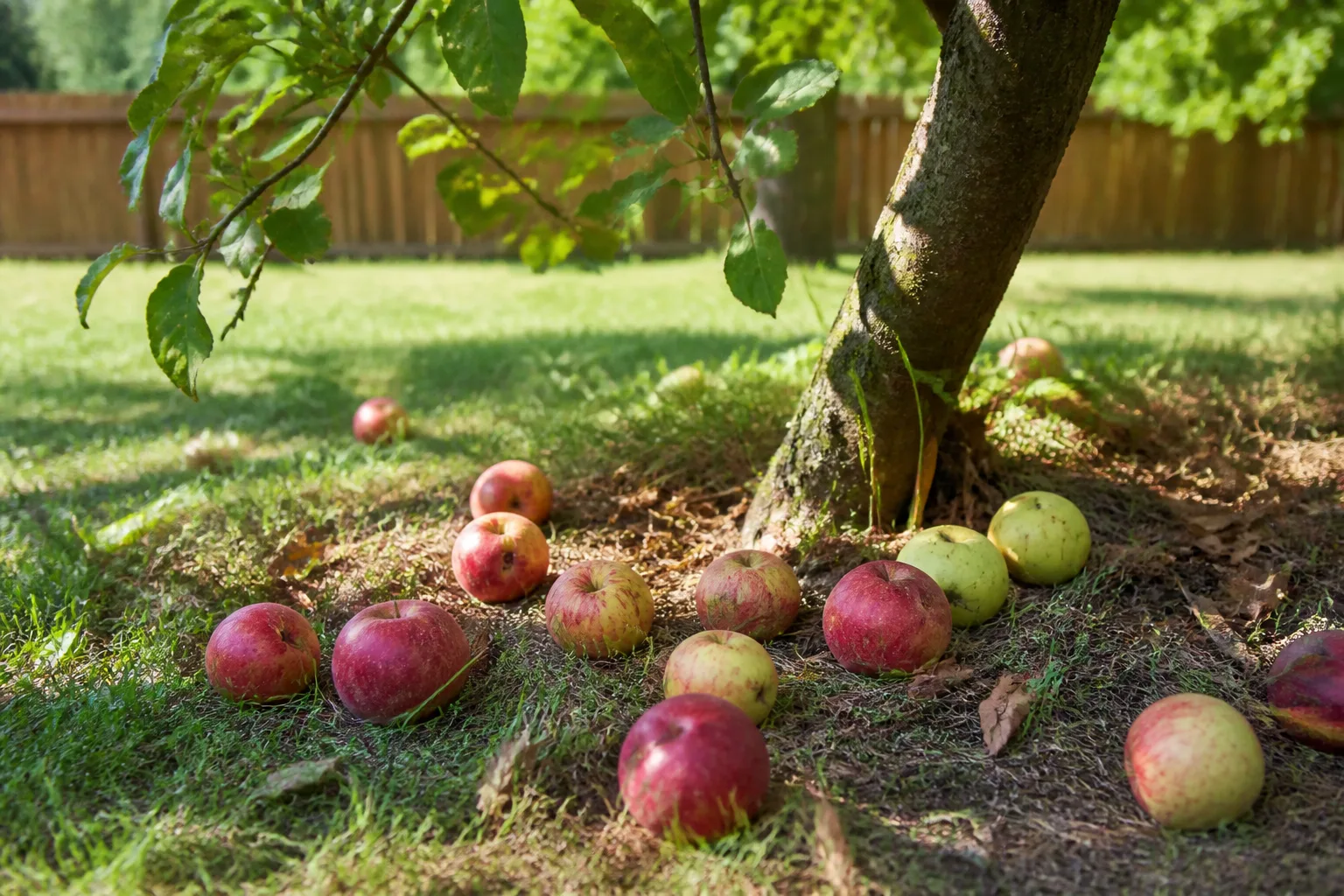
Plant debris needs a more selective approach. Remove diseased leaves, infested crop residue, and plant material that is actively sheltering a damaging pest; do not leave a pile of rotting produce at the bed edge. But a garden does not need to be scraped bare. Some clean stems, seedheads, and leaf litter provide winter habitat for beneficial insects and other wildlife. BBC Gardeners’ World’s guide to working with nature on the vegetable patch describes how selected habitat can support natural pest predators, while NPIC advises removing dead plant material where it can carry garden problems forward. Keep habitat in a deliberate corner and sanitation focused on known pest or disease sources.
A loose mulch layer is not automatically a pest invitation. Trouble is more likely when wet, matted material is heaped against stems or hides fruit and plant debris. Pull mulch a little away from plant crowns, keep it airy, and check beneath it if slugs are repeatedly damaging seedlings.
4. Treating the compost pile like an uncovered food bin
A compost heap is not inherently a pest problem; it can also support decomposers and wildlife. The trouble starts when a pile functions as an exposed buffet: fresh kitchen scraps sit on top, food waste spills around the bin, or a rodent can tunnel in from below. Meat and fish are poor additions to an ordinary backyard pile and can attract scavengers.
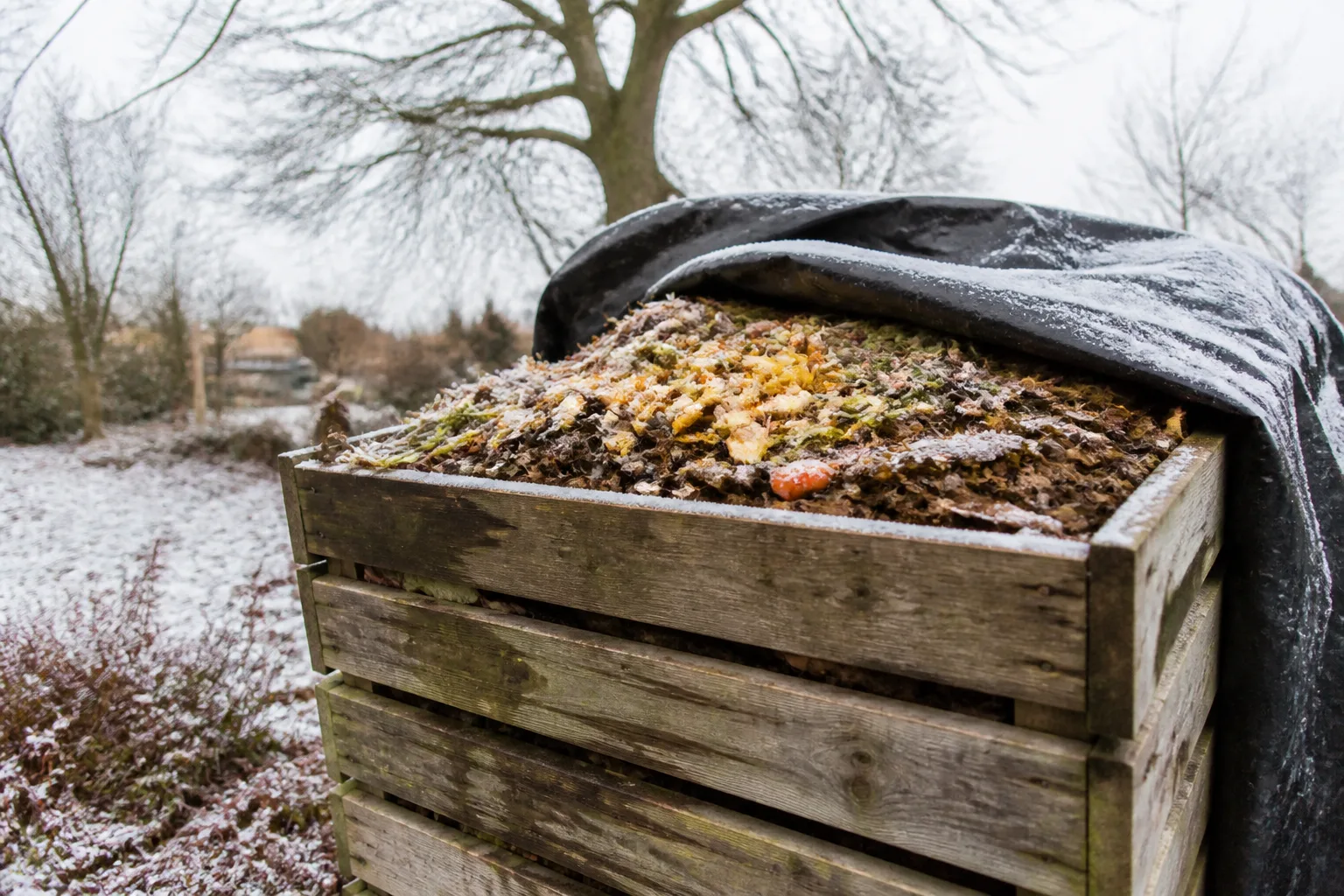
Keep compost useful to wildlife without feeding rodents
Bury fresh fruit and vegetable scraps under dry leaves, shredded paper, or other brown material; add food in small batches; and keep the pile moist like a wrung-out sponge rather than waterlogged. A fitted lid and secure base help when rats, raccoons, or neighborhood pets are a problem. If you cannot secure an open heap, use a rodent-resistant tumbler or send food scraps to a municipal collection program. BBC Gardeners’ World’s composting guide recommends balancing green and brown material; if the pile smells sour or is swarming with flies, cover the exposed scraps with dry browns and check whether the pile is too wet.
Small flies and harmless decomposers around compost do not automatically mean the system has failed. A sour smell, a soggy mass of kitchen scraps, or rodents repeatedly digging are stronger signs to correct the mix or access. BBC Gardeners’ World notes that a balanced green-and-brown mix supports decomposition and that too much wet green material can increase flies. It also explains that compost heaps provide habitat, so the goal is a managed heap—not sterilizing the garden.
5. Leaving pet food, chicken feed, or spilled birdseed beside beds
Food intended for pets or birds can attract the same opportunistic animals that raid compost. A dog bowl left outside overnight, chicken feed stored in a torn sack, seed scattered beneath a feeder, or nectar dripping from a hummingbird feeder can bring rodents, raccoons, ants, and wasps close to vegetables and patios.
Feed animals away from the garden when practical, bring pet bowls in after meals, store feed in a sealed container, and clean up what falls below a feeder. A seed-catching tray and regular feeder cleaning reduce the spill zone. If wildlife is the issue, move the feeder farther from the bed or house and use a design suited to the animals in your region. Look for the repeat visitor’s route as well as the food: droppings, paw prints, disturbed mulch, and a torn feed sack can show whether the problem is rodents, raccoons, or a roaming pet. Secure the source that animal can reach; a repellent aimed at the wrong species will not fix an accessible bowl or spill.
A bird feeder does not make birds “bad for the garden,” and a birdbath is not automatically unsafe. The mistake is allowing food waste or standing water to persist unnoticed. Keep the resource you want—such as a clean birdbath—and remove the spill or breeding site you do not.
6. Planting a large, uninterrupted block of one vulnerable crop
A long, dense row of one crop makes its host easier for some specialist pests to locate and lets damage spread plant to plant. Crowding also makes it harder to inspect leaves and can keep the canopy damp. This does not mean every mixed bed has fewer pests: mobile insects still find host plants, and poorly planned companion planting can make access and harvest harder.
Use a manageable mix of crop families, leave enough room to inspect and harvest, and rotate related crops when a soil-borne pest or disease makes rotation useful. Small blocks, staggered planting, and a few flowering plants can make a vegetable patch more diverse without turning it into a jumble. Savvy Gardening’s pest-prevention strategies describe interplanting as one tool and recommend physical barriers such as row covers for susceptible crops; remove covers when the crop needs pollinators or ventilation.
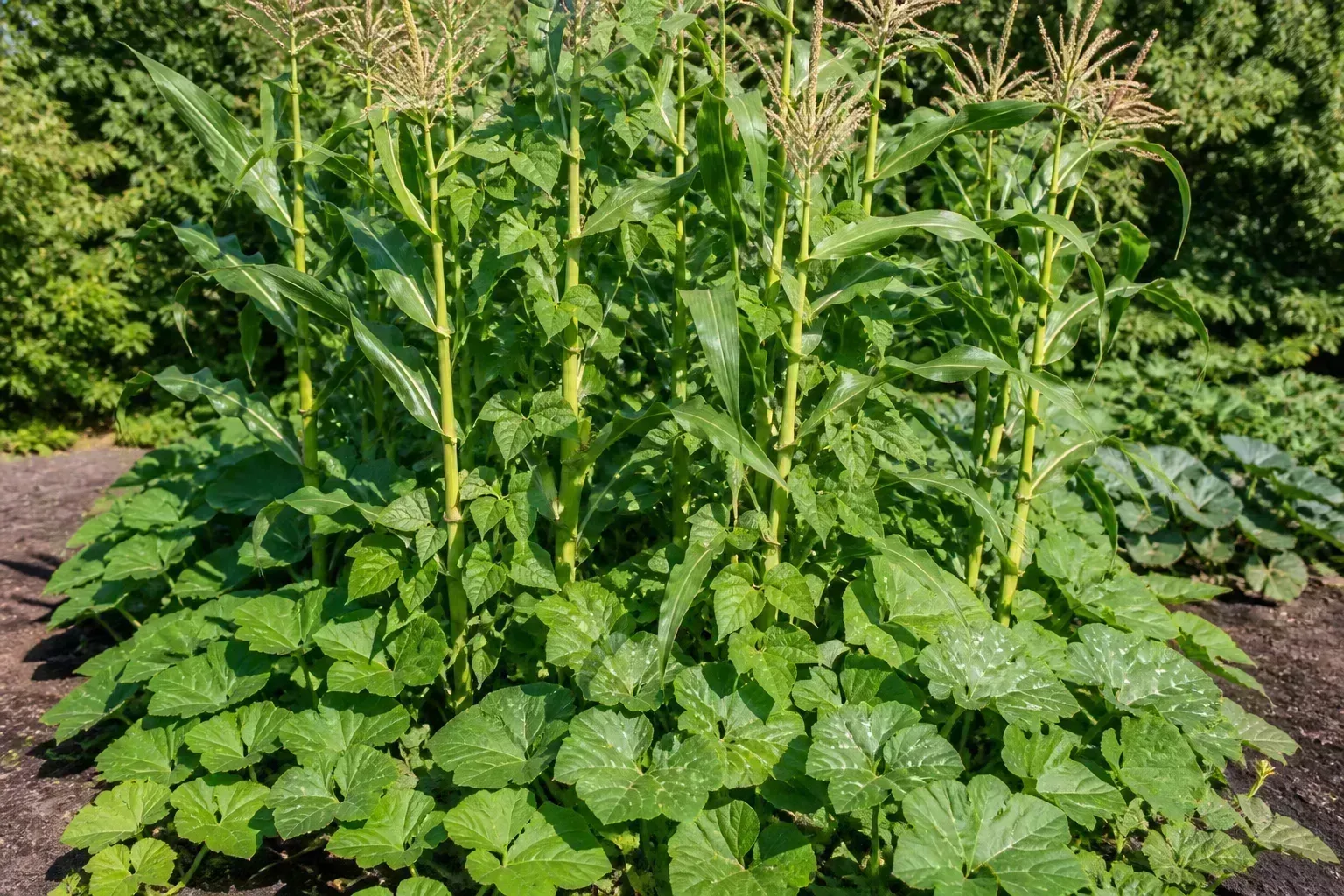
Match the method to the pest. A floating row cover can exclude some beetles or caterpillars only if it goes on before they arrive and its edges are secured. Rotation helps most when the pest depends on a host family or persists in soil; it will not stop a flying adult from landing on a nearby crop.
Spacing is part of prevention, not wasted ground. Leave a path or stepping space wide enough to reach both sides of a row, and avoid letting sprawling leaves seal the soil surface around young plants. That access makes it easier to spot eggs and early feeding, harvest before fruit overripens, and remove one affected plant without disturbing the entire bed.
7. Expecting “repellent plants” to protect the whole garden
Basil, mint, lavender, and other aromatic plants are often described as natural pest shields. A strong scent may affect a particular insect in a particular setting, but a pot of herbs does not protect every vegetable from every pest. Treating a plant list as a substitute for identifying the pest can leave the actual host plant exposed.
Use flowers and diversity to support natural enemies
A more reliable purpose for many flowering companions is habitat and food for beneficial insects. Predatory beetles, hoverfly larvae, lacewings, and parasitoid wasps can help keep some pest populations in check, but adults may also need nectar, shelter, or alternative prey. Savvy Gardening’s guide to plants for beneficial insects notes that flower shape matters to small beneficial insects; simply planting a fragrant herb is not the same as supplying useful habitat.
Choose plants suited to your climate and avoid introducing invasive species to solve a pest problem. Keep the target crop healthy, inspect it, and use a pest-specific barrier or other control if needed. Companion planting can add diversity; it is not a force field.
8. Spraying broadly and removing every natural predator
A blanket insecticide application may kill the predator, parasitoid, or pollinator that was helping keep pest numbers in check. It can also expose insects that never fed on the crop. Repeatedly treating the whole garden “just in case” can therefore remove natural controls without solving the source of the problem.
The practical alternative is to tolerate minor damage when plants are still productive, hand-remove a small localized infestation where appropriate, or choose a targeted control once the pest is confirmed. Keep flowering habitat and some undisturbed shelter in a planned area, while removing known diseased or heavily infested plant material. North Carolina State Extension’s wildlife-gardening guidance and Minnesota Extension’s crop-focused guidance describe ways habitat and pesticide choice, timing, and application method affect beneficial insects. The Minnesota article is written for crop settings, so use local home-garden recommendations and the product label for a residential garden.
Match any control to the pest and the product label
If treatment is warranted, choose a product labeled for the exact pest and site, and follow its directions for application, protective equipment, harvest interval, and pollinator precautions. Avoid spraying open flowers while pollinators are visiting, and prevent drift onto neighboring plants or water. “Organic,” “natural,” or “low risk” does not mean harmless to every insect or safe on every plant. NPIC’s garden IPM page recommends reducing pesticide reliance through prevention and regular inspection.
9. Calling every insect a pest before checking the damage
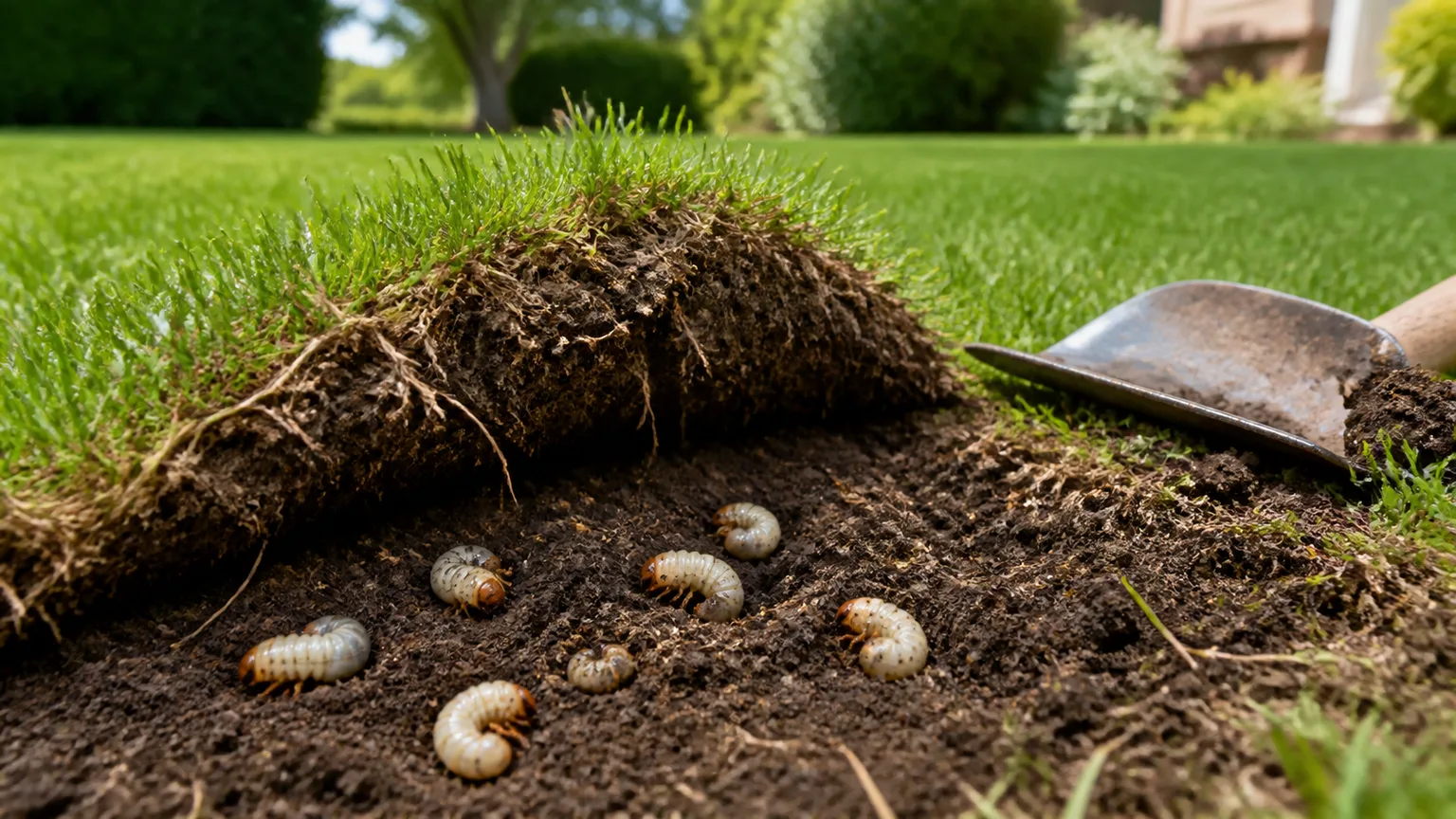
An insect on a plant is evidence to investigate, not a diagnosis. Lady beetle larvae can be mistaken for pests, caterpillars vary in what they eat, and a pollinator resting on a leaf may have nothing to do with the holes nearby. Even when the insect is a plant-feeder, the amount and trend of damage matter more than a single sighting.
Photograph the insect and the whole plant, note which leaves are affected, and look for eggs, cast skins, webbing, frass, honeydew, or repeated feeding. Compare a fresh photo after a few days. If the identity is unclear, send clear images to a local extension diagnostic service rather than applying a broad treatment. Our guide to good and bad ladybugs shows why identification can change the right response.
10. Relying on “safe” repellents instead of correcting the cause
A repellent or trap may help with a specific pest in a specific location, but a product cannot compensate for standing water, an uncovered food source, or a heavily infested host plant. Likewise, a household soap, essential oil, or homemade mixture is not automatically safer than a labeled product; the concentration, crop, exposure, and target organism all matter. A spray that burns foliage or harms a beneficial insect can create a second problem.
Before using any pesticide, read the full label and confirm that it covers the pest, plant or site, and intended use. Never assume that a product approved for ornamental plants is appropriate for edible crops, or that a “natural” ingredient is safe for pollinators. If the product does not clearly fit the problem, pause and ask your county extension office for an identification or treatment recommendation.
A trap or repellent also needs a clear job. A mosquito trap may catch some adults but will not empty a rain barrel; a sticky trap can show that flying insects are present but will not tell you which plant is being damaged. Treat these tools as limited controls or monitoring aids, not proof that the underlying source has been fixed. Correct the breeding, feeding, or shelter condition first, then decide whether a labeled, pest-specific product adds enough benefit to justify its use.
A practical seven-day reset for a pest-prone garden
Make a short inventory before changing several things at once. On day one, identify the visitor and map the damage. On the next walk after rain, empty or cover water-holding items. During the week, remove fallen produce, secure feed and compost, and adjust irrigation only where soil checks show it is staying wet. These changes address the conditions that can be corrected quickly.
Then choose one longer-term prevention step: cover a vulnerable crop before the pest arrives, improve spacing so you can inspect leaves, add locally appropriate flowering plants, or rotate a crop family if the pest’s life cycle makes that useful. Keep a simple note of what changed and whether fresh damage continues. If it does, the insect may not be the one you first suspected, or the garden may need a more specific extension-backed plan. Do not change irrigation, mulch depth, fertilizer, and pesticide use all at once unless there is an immediate safety issue; changing one or two relevant conditions makes the result easier to interpret. If a crop is being lost quickly, take clear photos and contact a local extension office while protecting the remaining plants with a barrier that fits the likely pest.
A five-minute weekly scouting loop
Walk the same route once a week and inspect young growth, leaf undersides, fruit, and the soil line. Look for new damage rather than old holes, note whether beneficial insects are present, and check saucers, gutters, barrels, and feeder spill zones after rain. This repeatable check helps you catch the first change without turning every garden visit into a pesticide decision.
Take a dated photo of any fresh damage and compare it on the next walk. If the mark is unchanged and the plant is still growing, keep monitoring; if new leaves or fruit are being damaged, confirm the pest and escalate one step. Bring a clear photo, the plant name, and your location to an extension office when identification is uncertain, because recommendations can differ by crop and region.
Conclusion
The most useful pest-prevention routine is not “keep the garden perfectly clean” or “plant an herb that repels bugs.” Remove reliable food and water sources, keep compost and feed contained, water according to soil and crop needs, and make it easier to notice changes. At the same time, keep beneficial insects and useful habitat in the picture.
When pests appear, identify them, judge whether their numbers or damage are increasing, and choose the smallest effective response that fits the plant and the site. That approach reduces real attractants, avoids unnecessary collateral damage, and gives you evidence to decide what to do next.