Fast-Growing Vines Damaging Homes: 5 to Avoid
Learn which five fast-growing vines can damage walls, trees, fences, and siding—and how to identify, remove, and replace them safely.
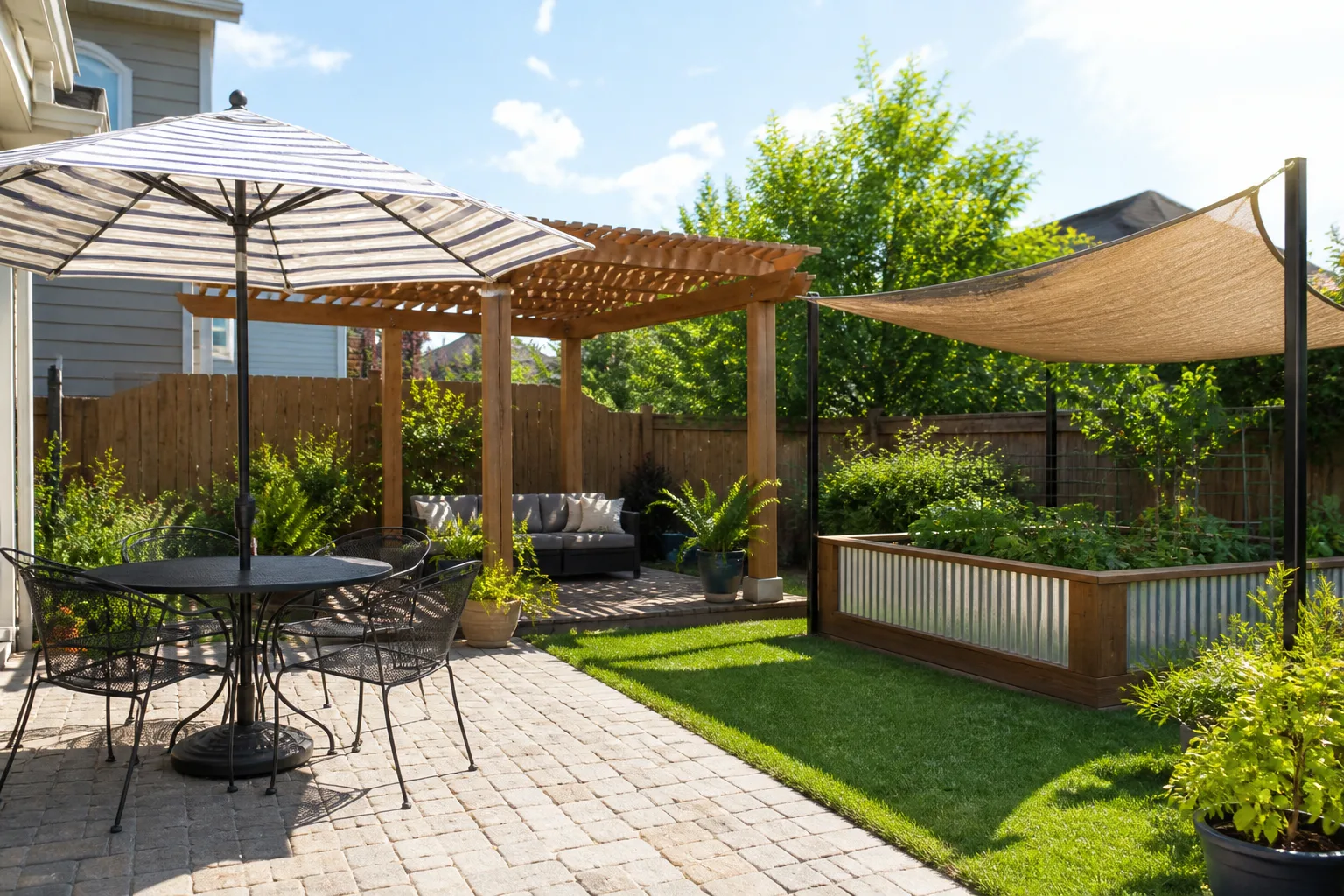
Vines can make a plain fence, pergola, or wall look established in a single growing season. That speed is also the warning. A vine that climbs by twining, gripping, rooting, or sending runners does not understand the difference between a trellis and your siding. Once woody stems fill a narrow gap or a dense canopy loads a tree branch, removal becomes a repair project rather than a simple pruning job.
The five vines below are not equally dangerous in every climate or on every surface. A well-managed vine on a properly built, freestanding support can be a good garden plant. The risk rises when a vigorous vine is planted directly against a house, allowed into gutters or rooflines, wrapped around a tree, or left without a pruning plan. Use the plant names as a starting point, then judge the actual planting by its attachment method, weight, spread, and location.
Why a Beautiful Vine Becomes a Property Problem
Fast growth is only one part of the equation. The more useful question is: how does this vine climb, and what happens when its stems become woody? Twining vines wrap around anything in reach. Tendril climbers catch on wires, shrubs, and fence parts. Clinging vines use adhesive pads or aerial rootlets that can wedge into cracks, hold moisture against a surface, or leave fragments behind when pulled away. A vine can also cause indirect damage by blocking windows, covering vents, trapping damp leaves, or adding enough weight to a weak arbor.
NC State Extension guidance on climbing plants and the USDA National Invasive Species Information Center repeatedly make an important distinction: a climbing plant is not automatically damaging because it touches a wall. A sound wall with a planned trellis has a very different risk profile from aging mortar with a vine rooted in a foundation bed. The same English ivy that is easy to shear from a temporary wire panel may be difficult to remove from old brick without taking bits of mortar with it.
The three kinds of damage to look for
Structural damage comes from pressure, weight, and growth into openings. Biological damage happens when stems, roots, or holdfasts enter cracks or keep bark shaded and damp. Maintenance damage is less dramatic but more common: blocked gutters, hidden rot, inaccessible windows, and a canopy that makes inspection impossible.
Look for the earliest signs rather than waiting for a wall to move. Warning signs include stems entering soffit or roof gaps, vine growth behind siding, lifting bark, loose mortar, cracked wood, branches pulled downward, and a plant that reappears several feet from its original crown. If you see those signs, pruning the visible leaves is not the whole solution.
A Quick Risk Check Before You Cut Anything
Before touching the vine, take photographs from the ground and identify four facts: the plant, its main stem or crown, the climbing method, and the surface it has occupied. A mature woody vine can hide a fence joint, electrical fixture, roof edge, or animal nest. Do not climb a ladder into a tangled canopy to start cutting.
Rate the situation by risk. A young vine on a removable trellis is usually a garden task. A vine on sound siding may need a careful cut-and-dry approach. A vine in a roofline, around utility wires, on a tall tree, or rooted in a foundation crack is a professional assessment. If the wall is historic, the mortar is crumbling, or the tree has large dead limbs, protecting the building or people comes before saving the plant.
Trumpet Vine: Runners That Escape the Planting Bed
Trumpet vine (Campsis radicans) is valued for tubular flowers that attract hummingbirds, but it combines vigorous top growth with underground spread. Its stems can climb high, while shoots may appear away from the original plant. That combination makes it a poor choice for a narrow foundation bed or a small garden where every new shoot will be treated as a surprise.
The main home risk is not usually a single stem crushing a sound wall. It is persistence. Shoots can reach fences, gutters, shrubs, and trees; a neglected canopy becomes heavy and difficult to inspect. A runner that crosses a path or planting bed also turns routine mowing and edging into repeated damage to the plant and tools.
If you keep trumpet vine, give it a strong, freestanding support and a defined root zone. Remove seed pods before they mature, cut escaped shoots at the point of origin, and inspect beyond the visible trellis. Do not plant it where a neighbor’s fence, drainage swale, or mature tree will become its next support.
Wisteria: Heavy Stems and Relentless Growth
Wisteria can be spectacular, but its mature framework is much heavier than the delicate flower clusters suggest. Twining stems wrap around supports and thicken over time. On a light wooden arbor, that weight and constriction can warp members, split joints, or make the structure unsafe. A plant trained directly onto siding, a porch column, or a roof edge is difficult to prune without damaging either the plant or the building.
The safest setup is a substantial, freestanding structure with posts set for the weight of a mature woody vine. Keep the vine’s main trunk and crown where you can reach them, and train only selected stems onto the support. Annual pruning is not a cosmetic extra: it is how you keep windows, rooflines, pathways, and support joints visible.
Wisteria identification matters because Asian species and American wisteria are not interchangeable in every landscape. Local extension or invasive-plant guidance can tell you which species and cultivars are appropriate where you live. If an established wisteria has entered a roof or wrapped a tree, cut-and-pull work from a ladder is a poor first move.
Oriental Bittersweet: A Vine That Overwhelms Trees
Oriental bittersweet (Celastrus orbiculatus) is a serious landscape concern in regions where it is invasive. Its twining stems can climb into tree crowns and form dense tangles. As the vine enlarges, it shades foliage, adds weight to branches, and can girdle stems by wrapping tightly around them. The result may be weakened limbs and a tree that is harder to inspect after storms.
Do not rely on orange fruit clusters alone for identification. American bittersweet (Celastrus scandens) is a different plant, and the two can be confused. Fruit, leaf arrangement, stem characteristics, and local distribution all matter. Cornell Cooperative Extension guidance on invasive ornamental alternatives is a useful starting point for learning the distinction, but local regulations and recommendations should control what you plant or remove.
For a bittersweet infestation in a tree, the immediate goal is to relieve the canopy without tearing bark. Cut vines at ground level and again at a reachable height, then leave the upper growth to dry and fall rather than pulling it through live branches. Monitor the root crown and seedlings for years; a single cutting is not a complete eradication plan.
Wild Grape: Long, Woody Growth in the Canopy
Wild grape (Vitis species) is native in many areas, which does not make every location suitable. Its long canes can scramble through shrubs and mature trees, and a canopy full of grapevines can become heavy enough to contribute to limb failure. Birds and other wildlife spread seeds, so a vine removed from one fence may return in a nearby hedgerow.
The telltale mistake is pulling a live grapevine down from a tree. A strong pull can strip bark, break branches, or bring dead wood down unexpectedly. Cut the vine in sections at ground level and, when safe, at a second point above the section you want to release. Let the upper part dry before removal. For large trees, have an arborist handle the canopy work.
On buildings, wild grape usually becomes a problem when canes find cracks, gutters, roof edges, or an abandoned trellis. Keep the crown away from the foundation and inspect the route after pruning. Do not assume that cutting back the visible canopy has removed the rooted plant.
English Ivy: Small Rootlets, Big Maintenance Burden
English ivy (Hedera helix) is shade-tolerant and can cover a wall quickly. It climbs with aerial rootlets that grip rough surfaces, and those rootlets are the reason removal from old brick, soft mortar, stucco, or painted wood can be destructive. Ivy also forms a dense layer where rodents, moisture, and hidden deterioration are harder to see.
The risk is higher on a wall that already has cracks or loose joints. Rootlets do not need to create every defect to make the situation worse; they can take advantage of existing gaps, hold stems against the surface, and make repairs difficult to inspect. On sound, modern masonry, the risk may be manageable with a separate trellis and regular cutting, but direct attachment is still a maintenance commitment.
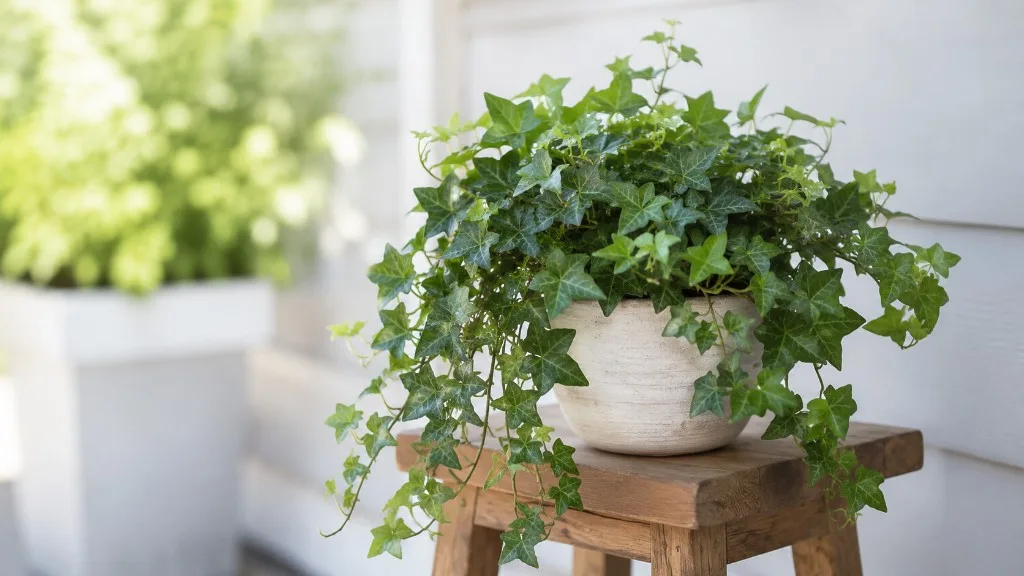
To remove ivy from a wall, cut the stems at ground level and again at a comfortable height, then let the attached sections die back. Do not yank fresh ivy from masonry. Once dry, loosen small sections by hand or with a blunt tool, working slowly from the top and stopping when mortar or finish begins to lift. Residual rootlets may need gentle brushing and a repair assessment rather than aggressive scraping.
How to Tell Which Vine Is Climbing Your Wall
Start with the leaves, but do not stop there. Trumpet vine has compound leaves and showy trumpet flowers; wisteria has pinnate leaves and woody twining stems; wild grape has lobed leaves and tendrils; English ivy has leathery, often lobed leaves and aerial rootlets; bittersweet has rounded leaves and twining stems. Flowers and fruit help, but they are seasonal clues.
The climbing method is often more useful for a quick property decision. Feel for tendrils, look for paired adhesive pads, and check whether the stem is wrapping around the support or sending roots against it. Photograph leaves, stems, flowers, fruit, and the base of the plant. If removal or invasive status depends on an exact identification, submit those photos to a local extension service or native-plant organization before applying a herbicide or replacing the plant.
Which Surfaces Are Most Vulnerable
Brick, mortar, stucco, and siding
Rough masonry gives clinging vines purchase, but old mortar and cracked stucco can be fragile. Siding can hide moisture and pests when a vine grows behind it. Vinyl siding is not a structural support even if it appears to hold a light plant temporarily; pulling a mature vine from a panel can crack or unhook the siding.
Keep vines away from vents, windows, flashing, roof edges, and gutters. A trellis mounted with appropriate clearance creates an inspection gap and lets you prune the plant without using the wall as its support. Check the wall after every major pruning cycle, especially after heavy rain and wind.
Wood fences, arbors, and trees
Wood rots faster when foliage stays wet against it and joints cannot dry or be inspected. Wisteria is particularly unsuitable for a lightweight arbor. Twining stems can also constrict young tree trunks and branches. Never allow a vine to use a tree as a permanent trellis unless you understand the species, its mature weight, and the maintenance required.
What to Do If a Vine Is Already Attached
The safer removal sequence
First, clear the work area and identify overhead hazards. Wear gloves, eye protection, long sleeves, and sturdy shoes; bittersweet sap and rough woody stems can irritate skin. Second, cut the vine near the soil line. Third, make a second cut at a reachable height so the upper growth is no longer fed. Fourth, remove only loose sections that fall or release without force. Fifth, return to the crown and new shoots on a schedule rather than trying to excavate every root in one afternoon.
Do not use a chainsaw from a ladder, pull vines off a roof, or burn a pile of unknown plant material. Avoid copper nails: they are unreliable, can injure trees, and do not replace an informed removal plan. If herbicide is considered, identify the plant and read the current product label, including site restrictions and protection for desirable plants. Cutting first and painting a labeled treatment on a fresh stump can be appropriate for some woody invasives, but the label and local rules are the authority.
When to stop and hire help
Call an arborist for vines in a mature tree, near power lines, above a roof, or attached to branches that could fall. Call a building professional if you see loose mortar, cracked stucco, lifted siding, damaged flashing, or rot under the vine. A professional is also worthwhile when a historic wall or valuable tree is involved. The cost of an inspection is usually easier to justify than repairing damage caused by hurried pulling.
How to Prevent Regrowth After Removal
Regrowth is normal when the crown and roots remain. Mark the original planting area, inspect it every week during active growth, and remove new shoots while they are small. Mow or hand-pull only where that will not spread fragments or disturb desirable roots. Bag seed heads and berries if the plant is fruiting, and do not move soil from an invasive infestation to another garden bed.
Keep records of where the vine was cut and what appeared afterward. This matters for trumpet vine runners, ivy crowns, and bittersweet seedlings, which may emerge beyond the spot that looked like the main plant. Replant only after you have confirmed that the support, distance from the house, and maintenance schedule are appropriate.
Better Ways to Grow a Vine Near the House
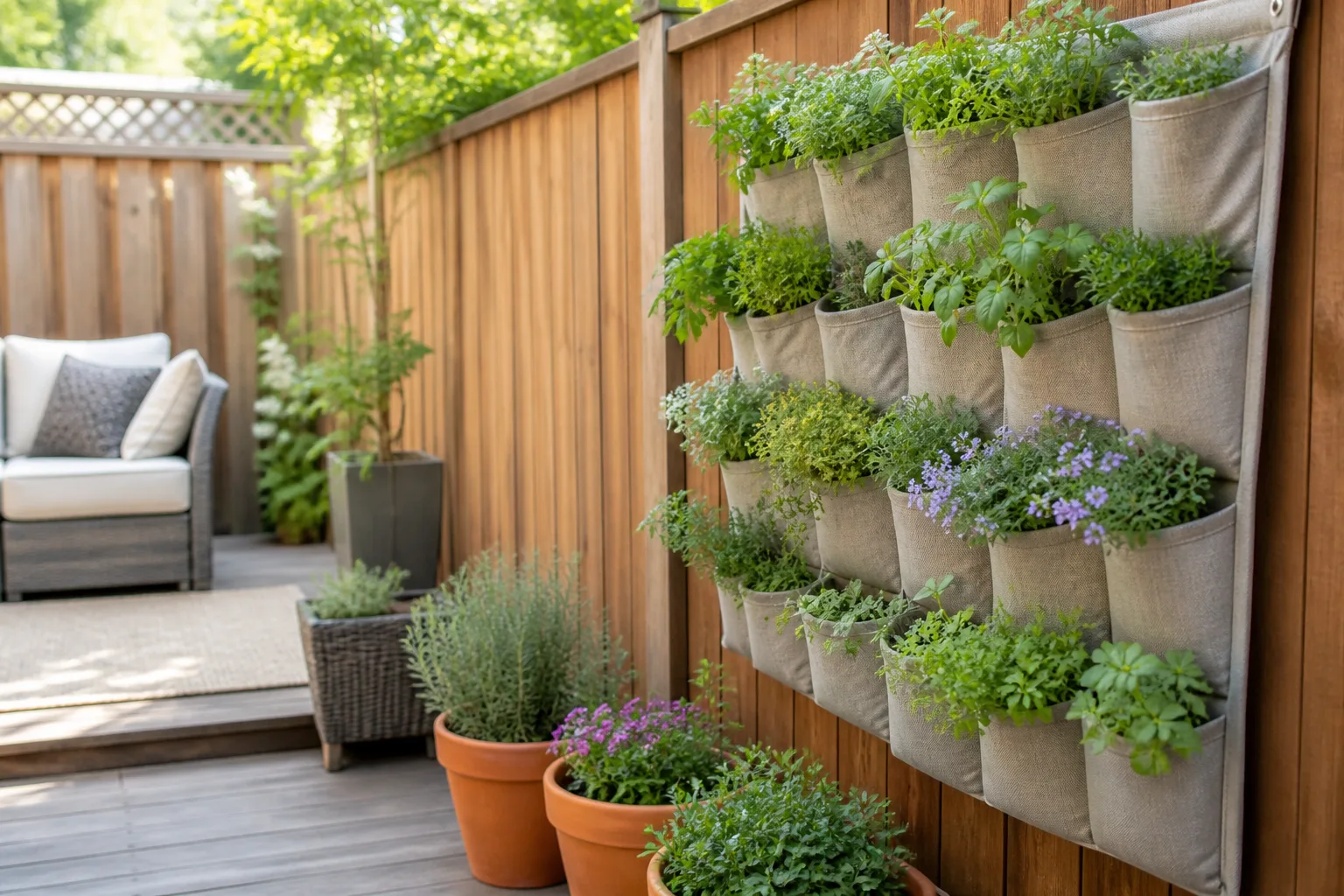
Choose the support first. A freestanding trellis with a gap from the wall is easier to paint around, inspect, prune, and replace than a vine attached directly to masonry. Keep the crown where a person can reach it, allow clearance from rooflines and gutters, and select a plant whose mature size matches the support rather than the size of the nursery pot.
Ask a local extension service, such as University of Florida IFAS Extension or Missouri Botanical Garden, for alternatives suited to your region. A noninvasive annual vine, a restrained native species, or a shrub trained against a separate frame may provide the same privacy or flowers with less risk. Even a “safe” vine needs a pruning calendar: check new growth in spring and summer, remove stems heading toward openings, and reassess the support after storms.
Conclusion: Choose the Support Before the Vine
Trumpet vine, wisteria, Oriental bittersweet, wild grape, and English ivy can all become property problems when vigor meets a fragile surface, a weak support, or an absent pruning plan. The best prevention is not avoiding every climbing plant. It is matching the plant to a strong, inspectable structure and leaving enough room to manage the crown for its entire life.
If a vine is already attached, identify it, cut the supply at the base, release growth without force, and inspect what the foliage was hiding. Treat trees, rooflines, power lines, historic masonry, and damaged structures as professional work. A slower replacement planted on a separate trellis is often the cheapest and most attractive repair.