8 Cold-Hardy Fruit Trees for Northern Gardens
Eight fruit trees that survive northern winters — with chilling-hour math, site selection, disease notes, and honest limits so you do not plant the wrong peach in zone 3.
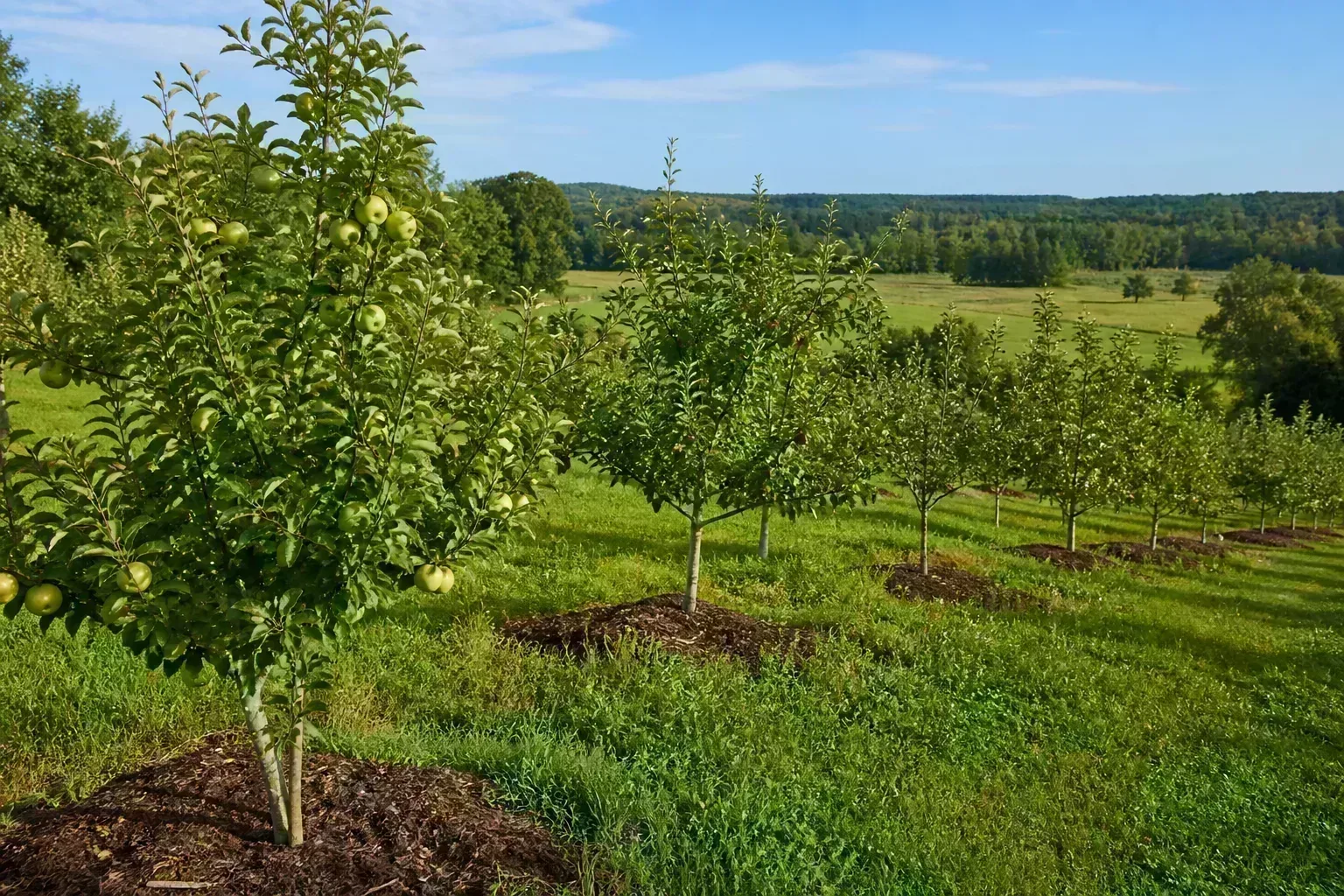
A headline promising fruit trees for any climate sounds generous until you try to grow a peach in zone 3 or watch a low-chill apple refuse to bloom after a mild coastal winter. Cold-climate orchard success is not about finding one magic tree — it is about matching winter hardiness, chilling hours, pollination, and site conditions to the place you actually garden.
The eight varieties below are proven performers for northern and mountain backyards. They range from zone 2 apples to zone 4 peaches that need careful siting. For each one you will get realistic USDA ranges, chilling needs, mature size, best kitchen use, disease notes, and honest reasons to pick something else.
Why “Any Climate” Is the Wrong Starting Point for a Backyard Orchard
Fruit trees fail in cold regions for two different reasons. Some die outright when temperatures plunge below what their wood and buds tolerate. Others survive the winter yet never set fruit because the dormant season was too warm, too short, or interrupted by a February thaw followed by a hard freeze. Shopping by catchy title instead of data sends you home with the wrong tree.
Northern gardeners also face short growing seasons. An apple that needs a long autumn to ripen may color up in October and hang on the tree when the first hard freeze arrives. Peaches bloom early, which makes them vulnerable to late spring frosts even when the tree survived January just fine. The varieties below were chosen because they balance cold tolerance with realistic ripening windows — not because they grow equally well from Fairbanks to Miami.
USDA Hardiness Zones Measure Winter Survival, Not Harvest Success
The USDA Plant Hardiness Zone Map divides North America by the average annual extreme minimum winter temperature. Zone 3 expects lows around -40°F; zone 5 around -20°F; zone 8 rarely drops below 15°F. A tree labeled hardy to zone 4 should survive typical winters there, but survival is not the same as heavy crops.
University of Maine Cooperative Extension notes that apples and hybrid plums are generally the most winter-hardy tree fruits, while peaches, sweet cherries, and Japanese plums are better suited to southern and coastal areas unless you choose carefully and site them well. Pears and European plums sit in the middle — some cultivars tolerate zone 4, but not all.
Before you fall in love with a variety photo, confirm three numbers: your USDA zone, your typical last spring frost date, and your first fall freeze. A tree hardy on paper still disappoints if blossoms open during a week of 28°F nights or if fruit cannot finish ripening before October cold.
Chilling Hours Explain Why Some Trees Never Bloom
Chilling hours estimate how much effective winter cold a dormant deciduous tree accumulates between roughly 32°F and 45°F (models vary). Apples, plums, peaches, and cherries need enough chill to break dormancy evenly in spring. Too little chill produces delayed bloom, scattered leaves, and poor fruit set. Too much is rarely the problem in zone 3; insufficient or irregular chill is common in warm pockets, against south-facing walls, and in mild coastal winters.
Chill models are not interchangeable. Some count hours below 45°F; others use Utah chill units or Dynamic Model chill portions that weight temperature bands differently. The UC Davis Fruit & Nut Research team stresses comparing a cultivar’s stated requirement to the same model your local estimate uses — not mixing apples and oranges across calculators.
For northern gardeners the practical takeaway is simpler: high-chill apples and plums (often 800–1,000+ hours) usually fit naturally. Low-chill southern peaches belong in zone 8, not Minnesota. When local data are fuzzy, favor varieties bred for your region and ask your county extension office which cultivars perform on nearby farms.
How to Choose a Cold-Climate Fruit Tree Before You Buy
Variety lists are useless without a site plan. Run through the filters below once; they save years of weak growth and empty harvest baskets.
Site Selection, Air Drainage, and Sun Exposure
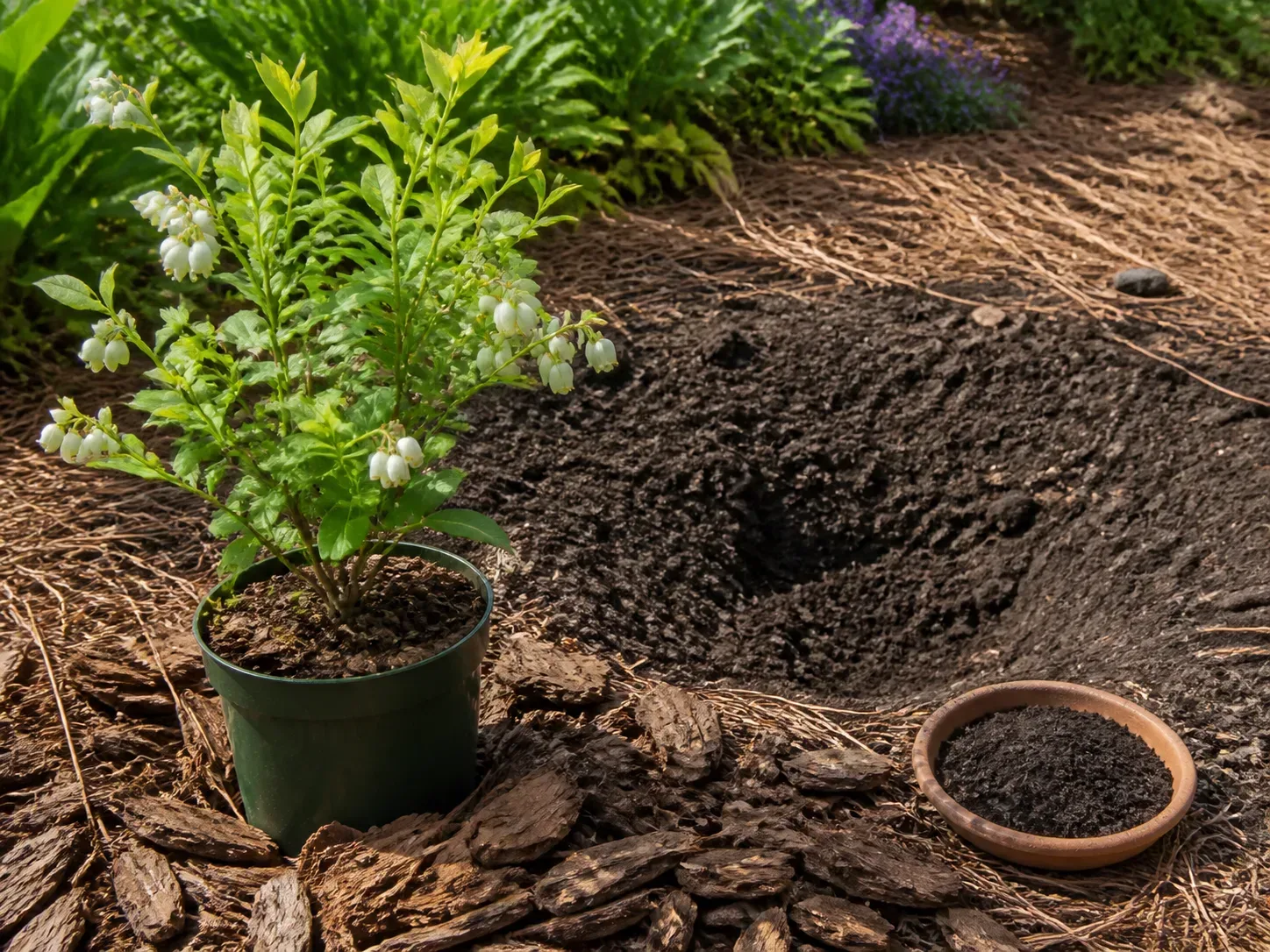
Fruit trees want full sun — at least six to eight hours of direct light — and well-drained soil. Heavy clay that holds winter ice around roots kills more backyard trees than a single cold night. If drainage is poor, plant on a slight mound or raised berm rather than digging a deep hole in a low bowl.
Air drainage matters as much as soil drainage in hilly country. Cold air flows downhill like water and pools in frost pockets at the bottom of slopes. University of Maine Extension recommends planting peaches and other frost-sensitive species higher on a slope than the surrounding land so radiational freezes drain away on calm clear nights. A difference of 10 to 20 feet in elevation can shift bloom timing by several days — enough to save a peach crop.
Keep trees away from tall windbreak evergreens that cast afternoon shade, and leave room for mature spread plus airflow. Crowded branches stay wet longer and invite apple scab, brown rot, and peach leaf curl in humid summers.
Pollination Partners, Rootstock, and Realistic Mature Size
Most apples, plums, and sweet cherries need cross-pollination from a different compatible variety blooming at the same time. Peaches are largely self-fertile. Sour cherries often pollinate themselves but crop heavier with a partner. Read the nursery tag for pollination groups — “self-pollinating” on the label still often means better yields with a second tree.
Rootstock controls mature height more than variety name does. Standard apple rootstocks reach 20+ feet; semi-dwarf 12–15 feet; dwarf 8–10 feet. In cold climates, slightly larger trees on hardy rootstocks sometimes outlive dwarfs stressed by repeated freeze-thaw cycles. Measure your space against the mature spread on the tag, not the height of the whip in the pot.
Finally, weigh disease resistance. Wet northern summers favor apple scab; cherries struggle with brown rot; plums get black knot. Choosing resistant cultivars (Liberty, Pristine, Enterprise for apples; Toka and certain plums for black knot tolerance) reduces spray schedules and heartbreak.
Honeycrisp Apple (Malus domestica ‘Honeycrisp’)
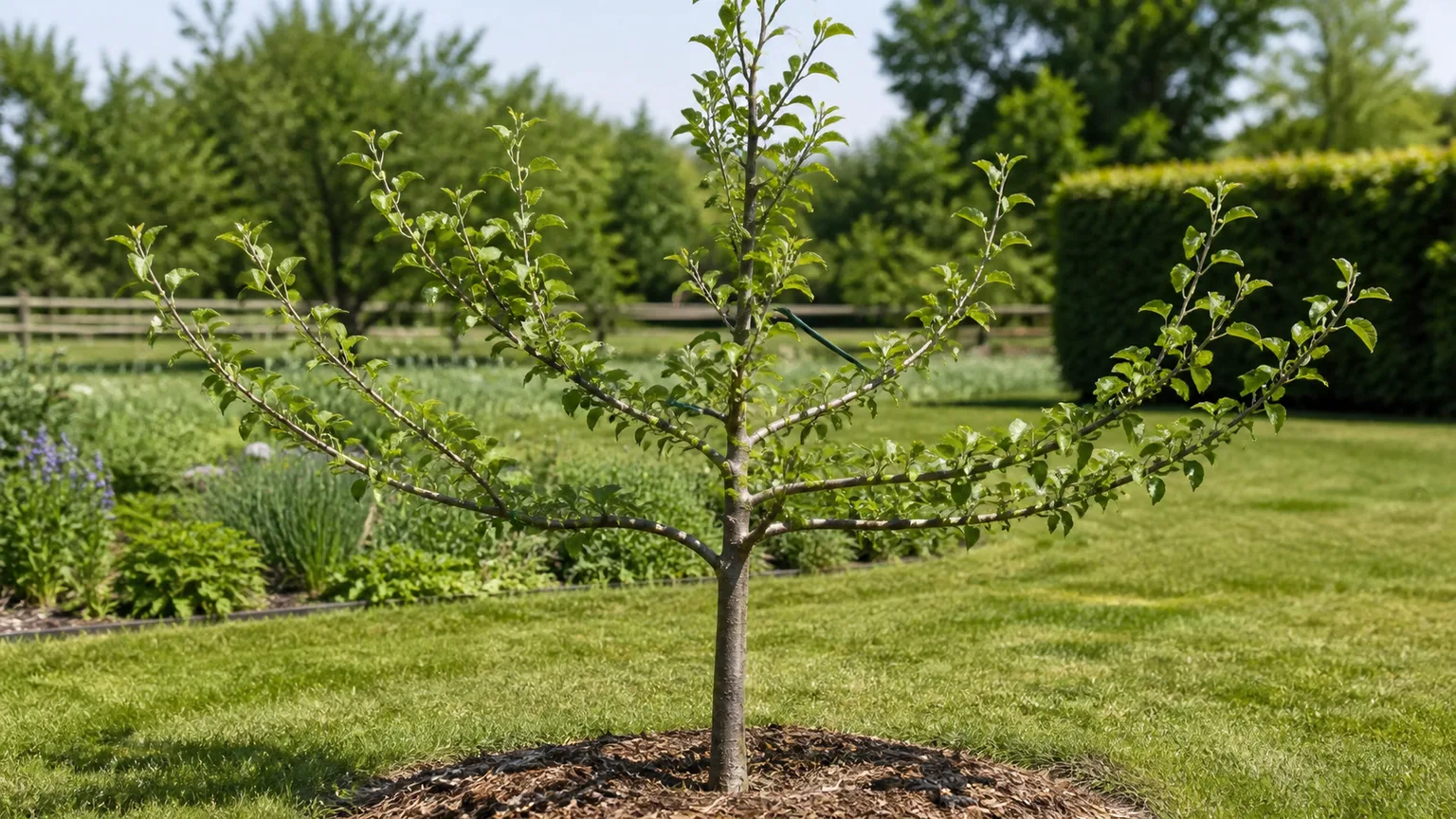
Honeycrisp is the modern dessert apple everyone asks for — crisp, juicy, and balanced sweet-tart flavor when picked at peak ripeness in September. It is genuinely cold-hardy, commonly listed for USDA zones 3–8, with winter wood tolerance approaching -35°F on good sites. Mature trees on semi-dwarf rootstock typically reach 8–15 feet tall in home orchards.
The catch is not winter survival but management. Honeycrisp is prone to bitter pit and scab in wet climates unless you choose disease-resistant rootstock pairings and thin fruit aggressively. It also needs a pollinator — Liberty, Cortland, or another mid-season bloomer works. Expect 800–1,000 chilling hours, which suits most northern locations.
Best for: Fresh eating, lunch-box apples, growers who will prune and thin annually. Skip if: You want a zero-spray orchard in a scab-prone humid valley — look at Liberty or Pristine instead. Kitchen note: Flavor peaks on the tree; storage is moderate compared to September Ruby or Wolf River.
Wolf River Apple — A Cooking Apple Built for Northern Winters
Wolf River is an old Wisconsin variety famous for massive apples — often one pound each — with soft flesh that cooks down into sauce and pies without turning to mush. Arborists and extension specialists cite it for disease resistance and cold tolerance similar to Honeycrisp, with the same broad zone 3–8 range and 800–1,000 chilling hours.
Trees grow 12–20 feet on standard rootstock, so give them space. The fruit is not a crisp fresh-eating apple; harvest when fully colored in late September to October and use it within a few weeks or process it. Partial resistance to apple scab helps in rainy regions, though no apple is immune without good airflow.
Best for: Sauce, baking, cider blends, growers who want a tough legacy variety. Skip if: You only eat apples out of hand or have a 10-foot planting strip — Wolf River outgrows small lots unless grafted to dwarf stock.
September Ruby Apple — The Extreme-Cold Option
If your garden sits in zone 2 or the cold edge of zone 3, September Ruby is the apple worth knowing. Bred for the Canadian prairies, it is one of the few commercial-style apples that tolerates winters approaching -50°F and still produces usable fruit. Mature height often reaches 15–20 feet; flavor is tart-firm, improving in storage — some growers report three to four months of shelf life in a cool basement.
Ripening comes mid to late September, which helps in short-season regions where October varieties gamble with early snow. Chilling requirement is high — plan for 1,000+ hours — so it fits naturally in the north. Pair with another hardy bloomer such as Norland or Parkland for pollination.
Best for: Zone 2–3 homesteads, cold storage, dual-purpose fresh and cooking use. Skip if: You are in zone 7–8 with mild winters — insufficient chill can delay bloom. Reality check: Fruit is tart by supermarket standards; think kitchen apple, not Honeycrisp clone.
Toka Plum (Prunus ‘Toka’) — The Bubblegum Plum
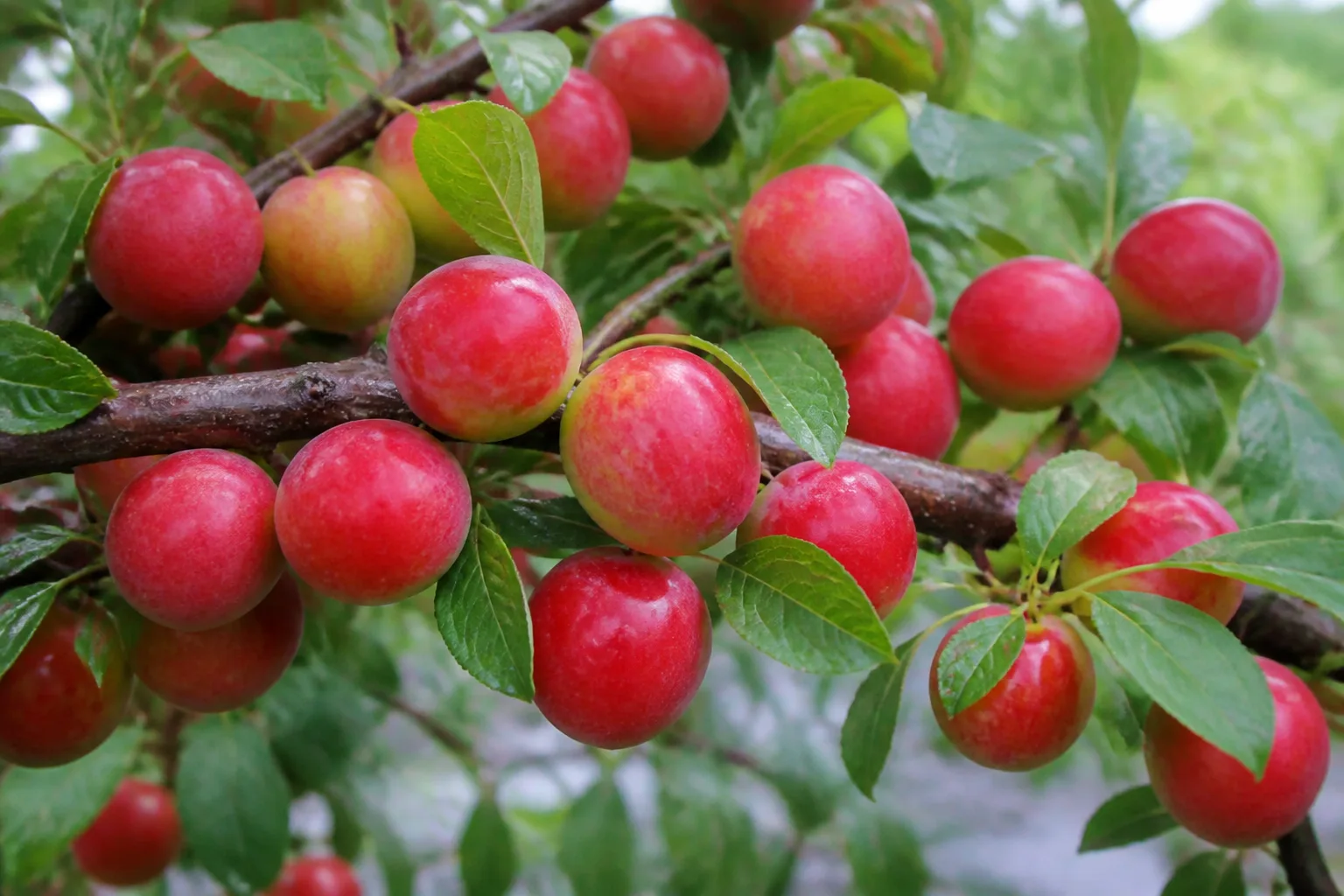
Toka, often sold as Bubblegum plum, is a hybrid American-Japanese type prized in the upper Midwest for -40°F wood hardiness and zone 3–8 adaptability. Fruit is small to medium, red-skinned with yellow flesh, richly flavored and often described as candy-like — excellent fresh or for jam. Trees reach 15–20 feet and bloom early; they need roughly 800–1,000 chilling hours.
University of Maine Extension lists Toka among plums with sufficient hardiness for zone 4 and better black knot resistance than many Asian plums. Plant another Japanese-type plum such as Superior or Underwood nearby for cross-pollination — European plums will not reliably pollinate Toka.
Best for: Cold zone 3–4 yards wanting fresh plums without a peach’s fuss. Skip if: You need a European prune plum for drying — Toka is a different species group. Watch for: Rain at harvest can crack thinner-skinned plums; pick promptly when fully colored.
Contender Peach — Northern Peaches Done Carefully
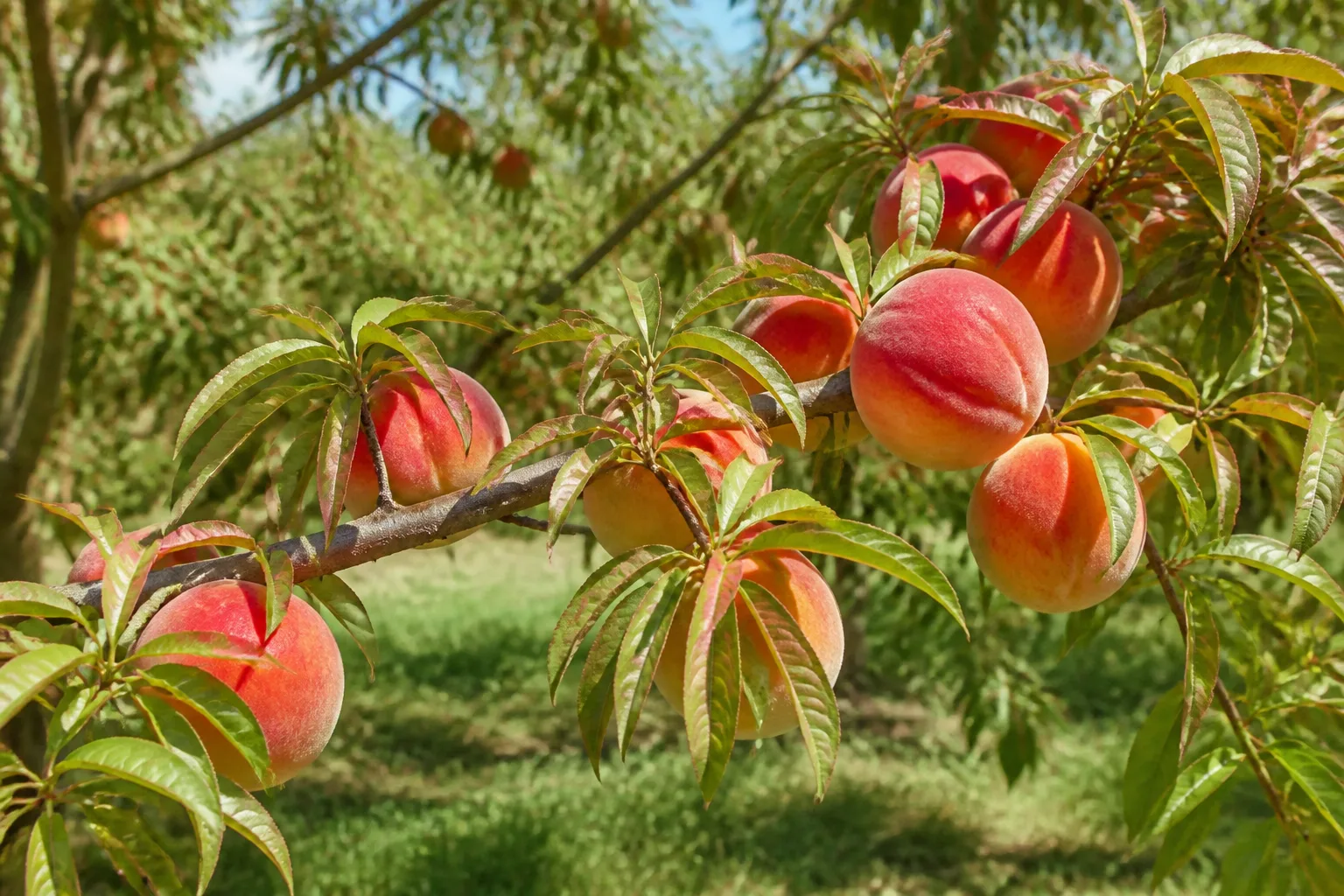
Contender is one of the few peach cultivars extension services recommend for northern trial plantings, rated roughly USDA zones 4–8 with wood hardy to about -35°F when sited well. It ripens mid-August with large, firm, freestone fruit good for eating fresh or freezing. Spring pink blossoms make it ornamental, but remember peaches bloom early — late frosts remain the main crop risk, not January cold.
Contender shows fair resistance to peach leaf curl and good bacterial leaf spot resistance compared with older varieties like Elberta. Still, expect a shorter lifespan than apples: 7–12 years is typical in zone 4–5, though a perfect hillside site can stretch that. Plant on the upper slope, mulch roots, and paint trunks white in winter sun to reduce southwest injury.
Best for: Growers in zone 4–5 willing to gamble on frost years for fresh peaches. Skip if: You are solidly zone 3 — even Contender will not carry a reliable crop. Pollination: Self-fertile; one tree can fruit.
Redhaven Peach — Earlier Ripening With Trade-offs
Redhaven set the standard for eastern U.S. peaches — firm yellow flesh, good flavor, and ripening in late July to August, a week or two ahead of Contender on many sites. Hardiness is a step milder: commonly zones 5–8, with wood tolerance around -15°F to -20°F, which makes it a better bet in southern zone 5 than on the Canadian border.
University of Maine Extension notes peaches generally adapt to zone 6, with some varieties stretching into zone 5; Redhaven is the classic example. Leaf curl resistance is good if you apply dormant copper sprays or choose resistant rootstock where available. Lifespan in cold climates mirrors Contender — plan to replant or graft rather than assuming a 30-year tree.
Best for: Warmer cold-climate pockets (urban heat islands, lake-moderated zone 5), gardeners who want the earliest reliable peach. Skip if: Your winter lows regularly hit -25°F or you are on an exposed ridge — Contender or a sour cherry is the safer play.
Carmine Jewel Sour Cherry — Compact and Zone 3 Friendly
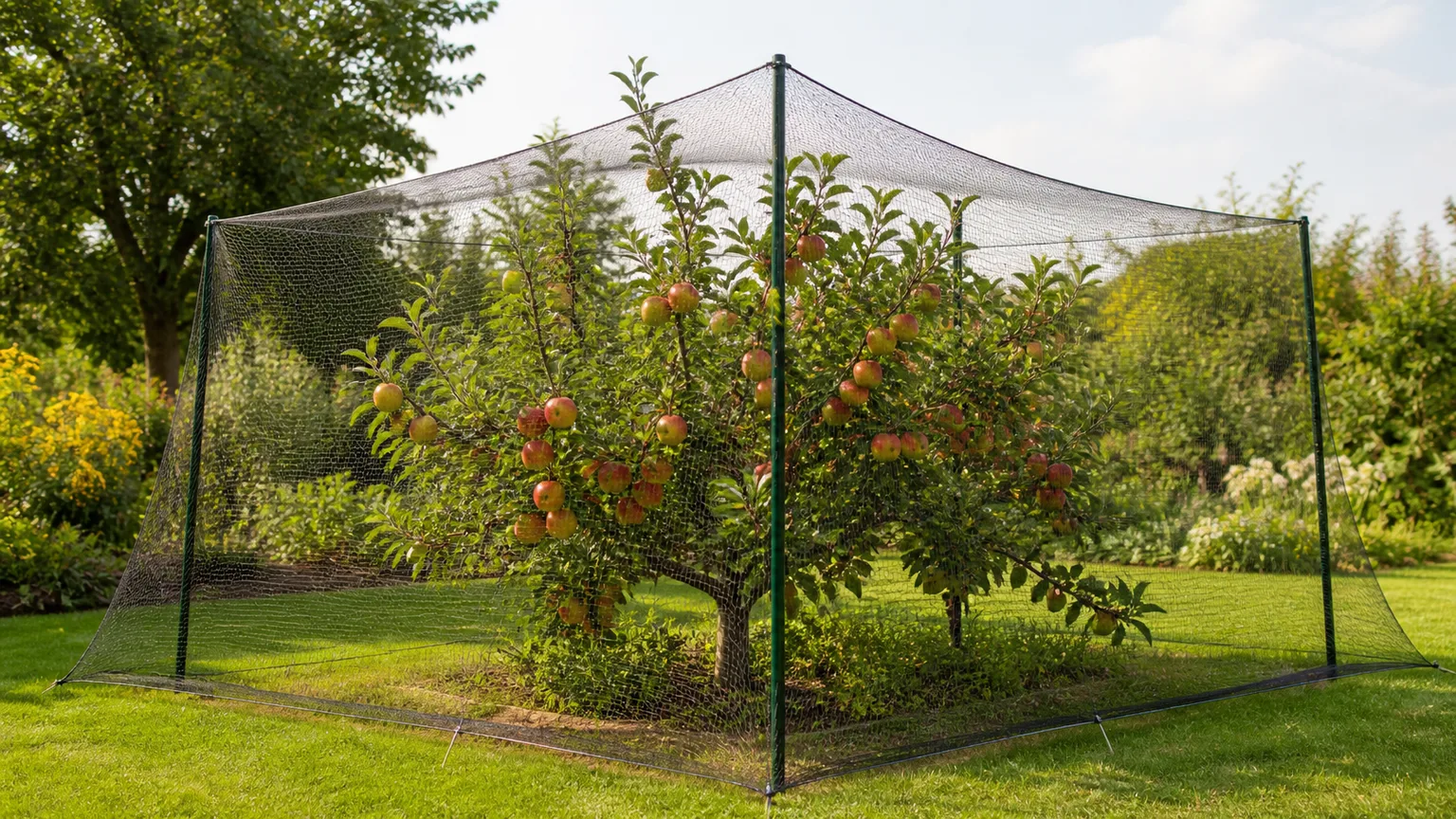
Carmine Jewel is a sour cherry hybrid from the University of Saskatchewan program, bred for zone 3–8 and often surviving -30°F winters without drama. Plants stay 6–8 feet tall — shrub-like enough for small yards — and produce deep red tart fruit ideal for pie, jam, and wine. Ripening comes mid to late July, ahead of many sweet cherries.
Sour cherries tolerate late-winter temperature swings better than sweet cherries because flower buds are somewhat hardier, though a warm spell followed by brutal cold can still reduce crops. University of Maine Extension suggests hybrids like Carmine Jewel for northern Maine where traditional tart cherries struggle. Net bushes when fruit colors — birds clean them in a day.
Best for: Pie makers, zone 3–4 gardens, edible landscaping with spring bloom. Skip if: You want sweet cherries for fresh eating — Carmine Jewel is tart until fully ripe and never as sugary as Bing.
North Star Sour Cherry — Heavy Crops in Zone 4
North Star is a semidwarf sour cherry reaching 12–18 feet (often kept smaller with pruning) and rated for zones 4–8. It bears heavily on year-old wood, with bright red fruit ready for July harvest. Flavor is classic pie-cherry tart; the tree is self-fertile, though another sour cherry nearby can boost yields.
North Star is less cold-hardy than Carmine Jewel but more productive on favorable sites in zone 4. The same late-winter wake-up risk applies: cherries are notorious for breaking dormancy during January thaws and then getting hammered. Avoid planting in low frost pockets or against south walls that force early bloom.
Best for: Zone 4 homestead orchards, reliable pie cherry production, growers who prune annually to renew fruiting wood. Skip if: You are zone 3 without wind protection — Carmine Jewel is the safer sour cherry. Disease note: Brown rot can hit fruit in wet summers; harvest promptly and thin crowded clusters.
Planting, Pruning, and Protecting Young Trees Through the First Winter
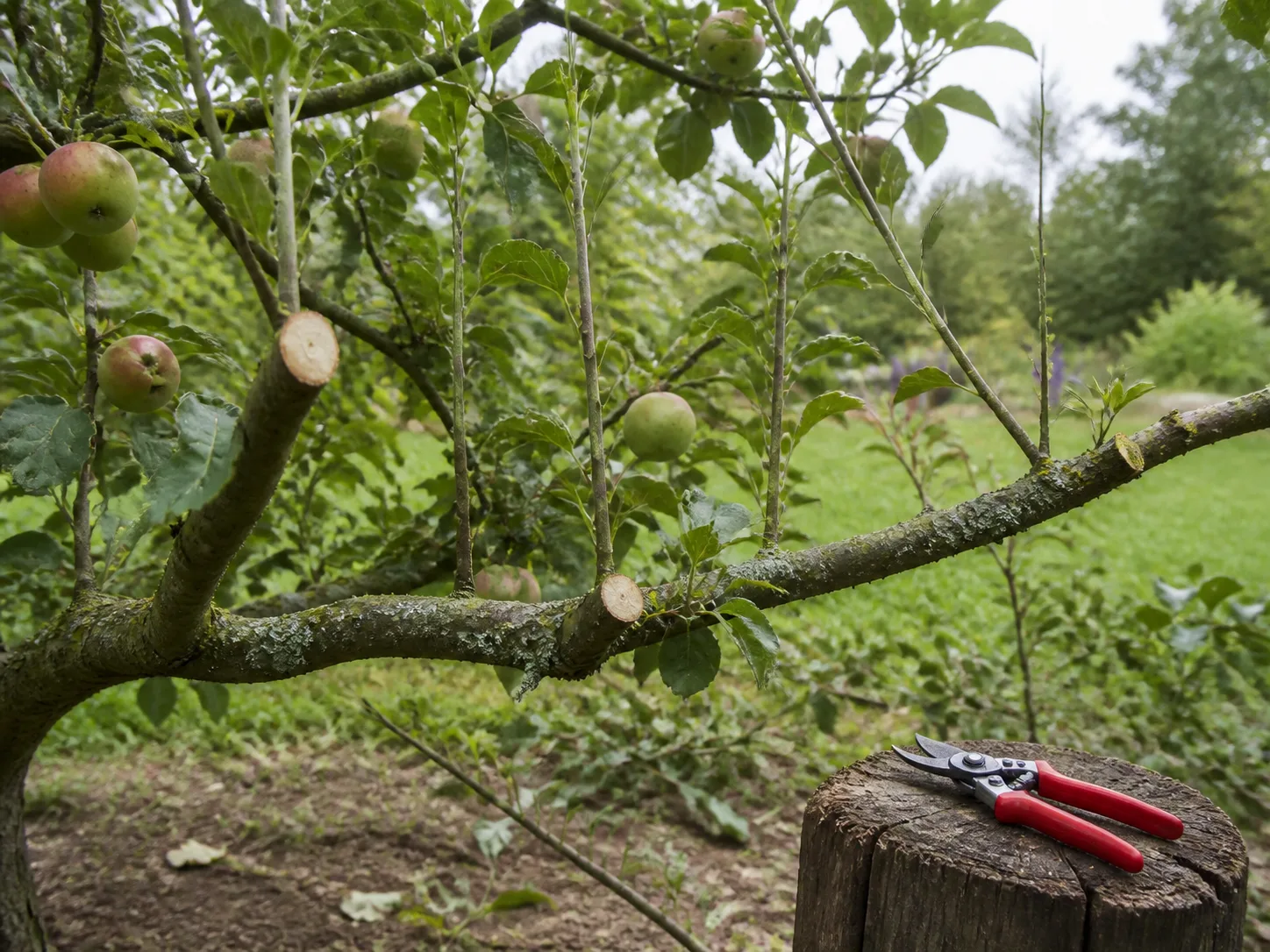
Bare-root trees ship dormant in early spring — plant as soon as soil can be worked and before buds swell. Dig a hole wide enough to spread roots without bending; set the graft union 2–3 inches above final soil grade on dwarf and semi-dwarf stock. Water deeply the first growing season; mulch 3–4 inches of wood chips out to the dripline, keeping mulch off the trunk.
Pruning at planting shapes scaffold branches and removes damaged wood. Apples and cherries fruit on different wood ages — apples on long-lived spurs, sour cherries heavily on newer wood — so learn your species rhythm before aggressive cutting. Summer thinning on apples improves size and reduces branch breakage.
First-winter protection matters for peaches and young dwarfs: rodent guards on trunks, white latex paint on southwest-facing bark, and anti-desiccant or burlap only when sun and wind combine with frozen soil. Do not fertilize late in the season — soft growth freezes.
Common Cold-Climate Fruit Tree Mistakes
Buying for the catalog photo, not the climate data. A tree hardy to zone 5 will not fruit reliably in zone 5 if it needs 1,200 chill hours and your yard averages 800.
Planting one apple and wondering why there are no fruit. Most apples need a pollinator within 50–100 feet. Check bloom-time overlap before you dig two holes.
Ignoring air drainage on peaches. The coldest night of winter may not kill the tree; a May frost on open blossoms will.
Skipping disease-resistant cultivars in rainy regions. Scab, curl, and brown rot are easier to prevent with genetics than to cure with panic spraying.
Expecting peach longevity to match apple longevity. Plan two rotations per century for peaches in zone 5, not one planting for life.
Planting in lawn without irrigation. Grass competes for water the first three years when roots are establishing. Keep a mulch ring clear.
Conclusion
Cold-climate fruit growing rewards gardeners who treat zone, chill, pollination, and site as one equation — not a slogan about growing anywhere. Honeycrisp, Wolf River, and September Ruby cover apple lovers from zone 2 dessert trials to sauce-making giants. Toka brings plums into zone 3. Contender and Redhaven stretch peaches into zone 4–5 with eyes open to frost and lifespan limits. Carmine Jewel and North Star deliver tart cherries without sweet-cherry heartbreak.
Start with your USDA zone and a honest chill estimate, then pick two compatible varieties that ripen before your average first freeze. Get the tree on the high side of the yard, in full sun, with drainage and a pollinator partner. Do that, and a northern backyard can produce fruit worth measuring in pounds — not just surviving for Instagram bloom photos.



