10 Gardening Tools Gardeners Never Buy: Better Alternatives
See which 10 garden tools experienced gardeners skip, why they fail, and the durable hand tools, hoses, and pest-control methods they use instead.
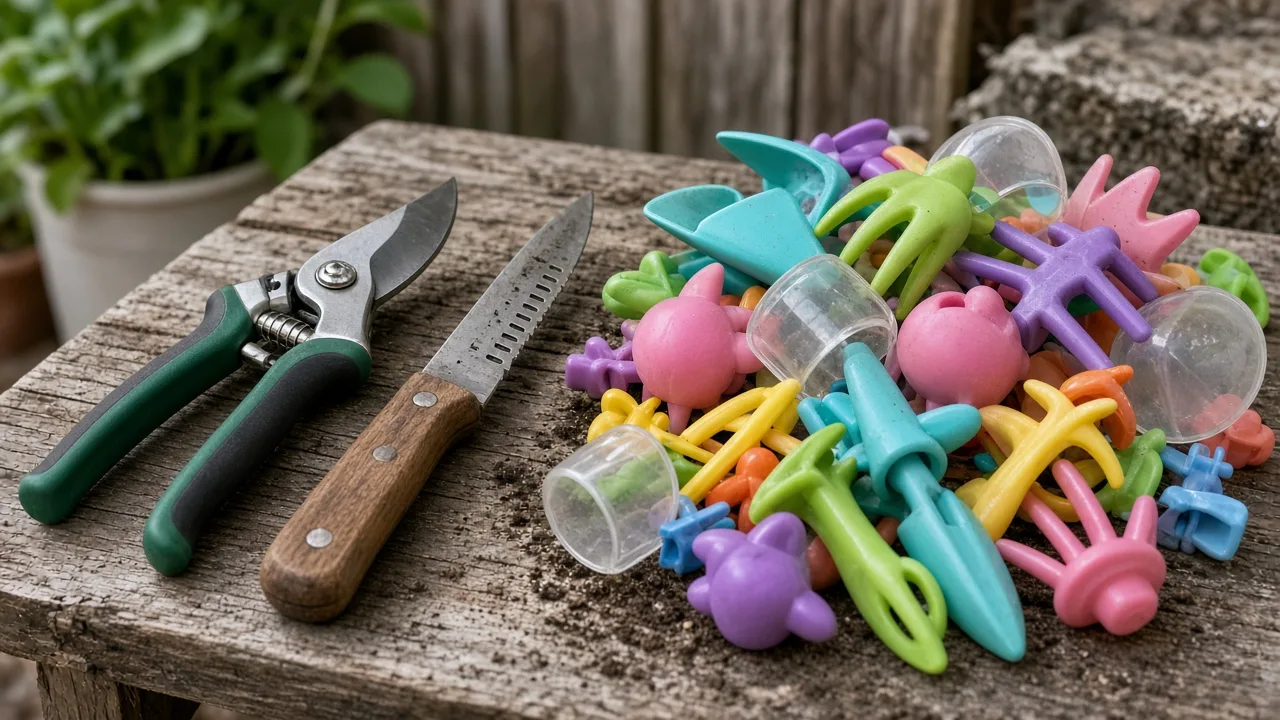
The best gardeners are not automatically suspicious of every new product. They are suspicious of tools that solve a problem only in an advertisement, fail under the exact load a garden creates, or duplicate a sturdy tool already in the shed. A lightweight tool can be excellent; a plastic part can be perfectly appropriate; and a powered tool can save real effort. The question is whether the design fits the job.
Penn State Extension recommends weighing quality, cost, materials, weight, shaft length, handle design, and blade shape together. It also makes the crucial point that the right tool matters: hand pruners are not designed to cut a thick branch, no matter how strong the gardener is. Use the list below as a filter for bad buys, not as a command to buy the most expensive tool on the shelf.
The real rule: reject bad fit, not every new tool
A garden tool deserves its space when it does a job reliably, reduces strain, can be cleaned or repaired, and is used often enough to justify its cost. A cheap hand trowel that plants a few balcony pots may be a better choice than a premium long-handled tool you cannot store. Conversely, a bargain tool that bends on its first day has a high lifetime cost even if its price tag looked small.
What makes a garden tool a poor buy
Look for a mismatch between the tool and the force, reach, precision, or frequency of the task. A thin blade may be fine for loose potting mix but useless in compacted clay. A lightweight hose may be delightful on a patio and maddening across a large yard. A gadget that claims to control wildlife without changing food, shelter, or access is usually asking you to pay for a hope rather than a control method.
1. Plastic digging tools for hard soil
Plastic trowels, forks, and transplanting spades are not all bad. They can be gentle on roots, inexpensive for children, and adequate for loose container mix. The poor purchase is a flexible plastic digging tool used in rocky ground, wet clay, or a root-filled perennial bed. When you push harder, the blade twists, the neck flexes, or the handle separates instead of transferring force into the soil.
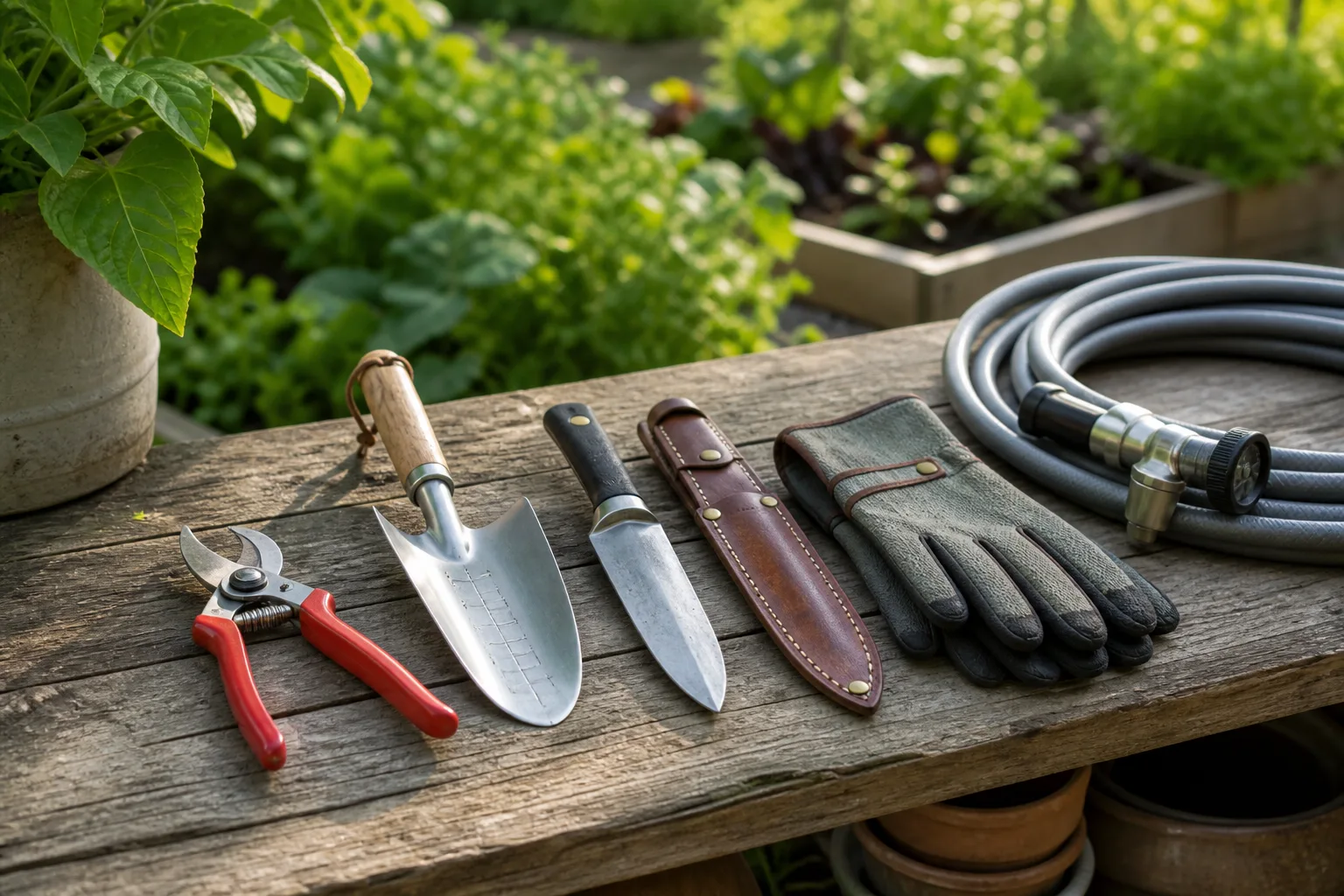
Use a steel trowel for planting and a hori-hori knife when one tool must slice roots, open a planting hole, divide a small perennial, and weed. Choose stainless steel when rust resistance matters, or carbon steel when you are willing to dry and oil it. A full-length tang—the metal extending deeply into the handle—is more reassuring than a shiny head attached to a short hidden stem. Penn State Extension’s material guidance makes the useful distinction: carbon steel needs maintenance, while stainless steel is more rust resistant, and wood and fiberglass have their own care needs.
2. Spike aeration shoes
Spike shoes look like an easy shortcut: strap them on, walk across thin turf, and create thousands of holes. The problem is what those holes do not accomplish. Core aeration removes plugs of soil, creating room for dense soil to expand. A spike shoe simply pushes material aside and can leave compacted soil around each puncture; loose straps and awkward footing add a fall risk.
If a lawn truly needs aeration, first check whether compaction is the issue. Water that runs off, shallow roots, and a hard-to-push screwdriver after irrigation are clues, but drainage, shade, mowing, fertility, and grass choice can create similar symptoms. For a small patch, use a hollow-tine or core hand aerator when the soil is moist but not saturated. For a large, compacted lawn, rent a core machine or hire someone who can make passes in the correct direction and avoid working wet soil into a heavier mess.
Do not aerate on a calendar just because a product says you can. The best timing depends on grass type and active growth, and repeatedly puncturing a lawn without correcting traffic or drainage will not solve the cause.
3. Expandable hoses for demanding watering
An expandable hose is light, easy to store, and useful in a small courtyard where a heavy conventional hose is overkill. It is a poor default for dragging across sharp paving, leaving pressurized at the spigot, or watering a large property every day. Its flexible inner core and fabric outer sleeve experience repeated stretching, abrasion, and folding; the fittings and shutoff are common failure points.
For a larger yard, a quality rubber or reinforced conventional hose on a reel is often easier to inspect, patch, and replace in sections. Match diameter and length to the job rather than assuming the longest hose is best: extra length adds weight and pressure loss. Whichever style you choose, release pressure before storage, drain it before freezing weather, avoid dragging it over sharp edges, and keep the connector from being the part that bears the full pull.
When an expandable hose is actually sensible
Choose one when low weight and compact storage solve a real problem, the run is short, and you will bring it in after use. Independent testing from Bob Vila illustrates why blanket verdicts are unhelpful: construction, fittings, outdoor exposure, leaks, and handling can vary widely among expandable models. Treat claims such as “kink-proof” or “four times stronger” as claims to test against warranty terms and your own use, not as a substitute for construction details.
4. Claw gardening gloves
Claw gloves turn the fingertips into tiny rakes, but they are a poor replacement for a trowel. The claws struggle in hard soil, catch on roots, and restrict the finger movement needed to place a seedling at the right depth. They can be fun for loosening a small patch of soft potting mix, but they are awkward for switching between digging and delicate planting.
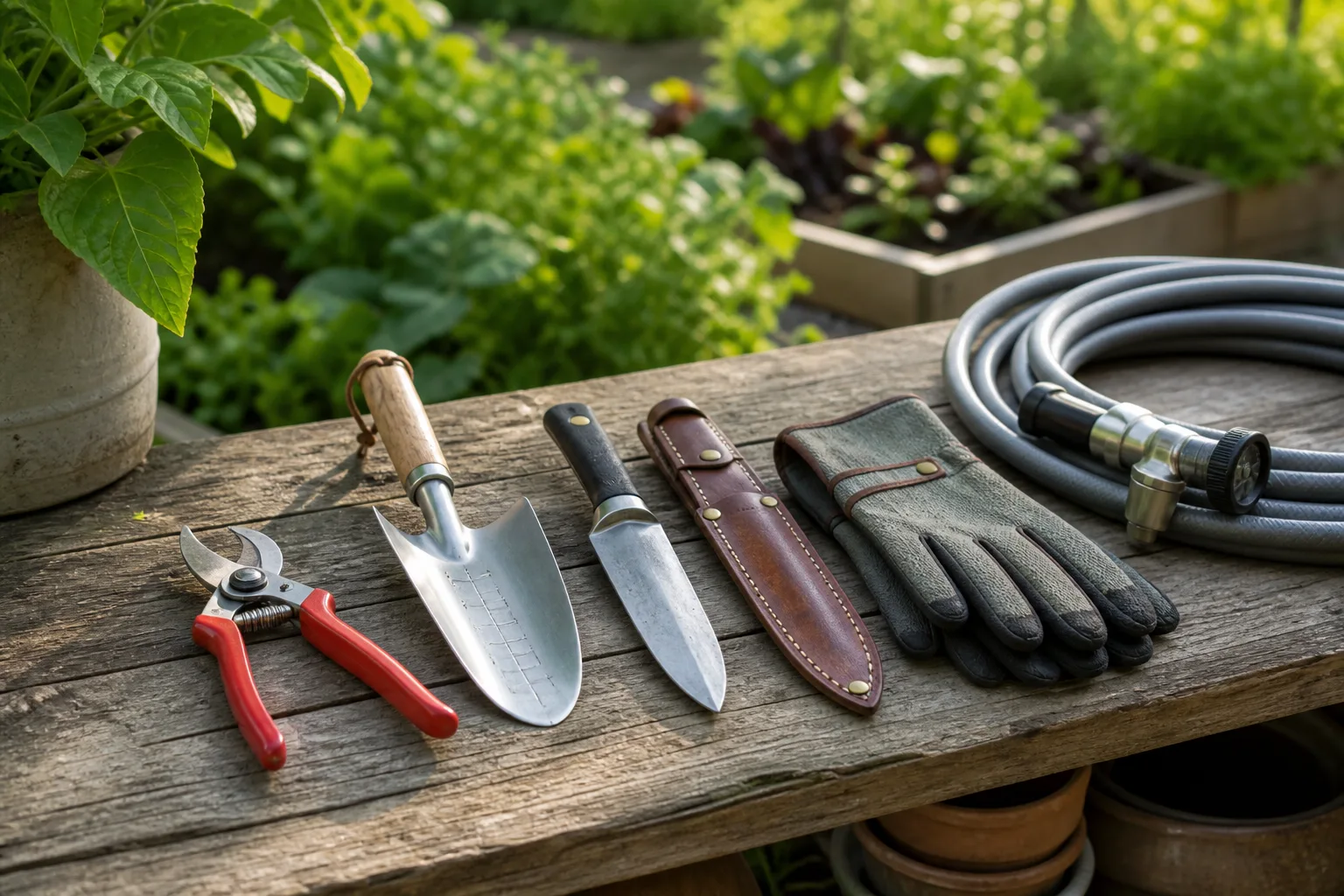
Use gloves for grip and protection, then use a cultivator or trowel for soil. For a narrow bed, a hand cultivator with three or four properly spaced tines loosens the surface without pretending to do every job. Your hands should not become the tool’s weak joint.
5. Single-use garden gadgets
One-use tools sound efficient because they promise a single perfect result: a specialized weeder, a novelty seed planter, a fruit picker for one height, or a gadget that claims to replace a whole kit. The trouble appears when the tool is needed for ten minutes a year, is difficult to clean, and occupies the exact space a dependable multi-use tool would use.
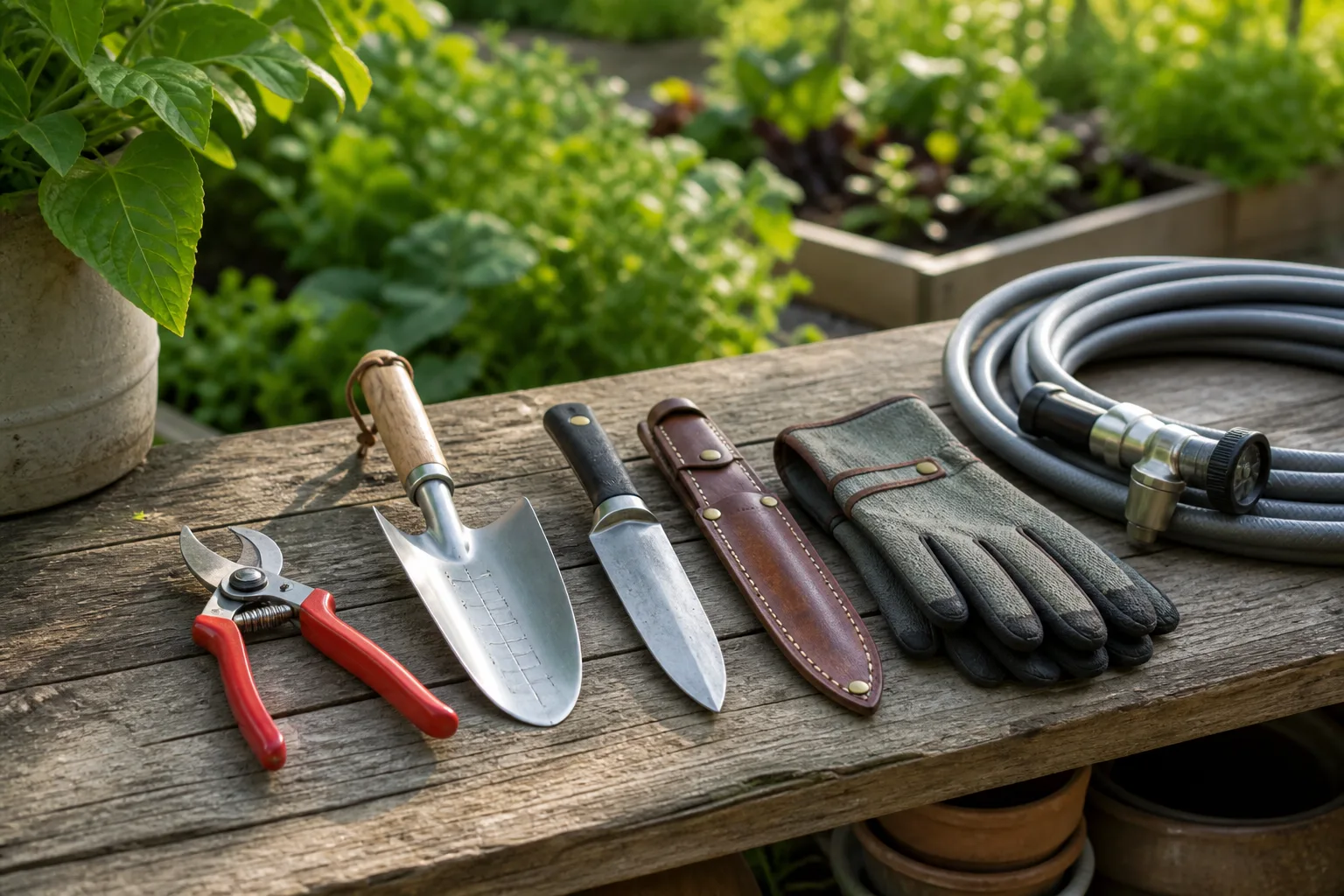
Before buying, name the task, frequency, storage location, and substitute you already own. A hori-hori, trowel, hand pruner, cultivator, bypass lopper, pruning saw, shovel, and rake cover a surprising amount of ordinary work. Buy a specialized tool when it measurably improves a repeated task, accommodates a physical limitation, or prevents damage that a general tool cannot avoid—not simply because its packaging says “must-have.”
6. Thin hand bulb planters
The little cup-shaped bulb planter is convenient in loose, friable soil and frustrating in compacted ground. Thin metal or plastic walls bend when you twist, the handle becomes a pressure point, and the hole may not reach the depth the bulb needs. The result is not only a broken tool but uneven planting depth across a bed.
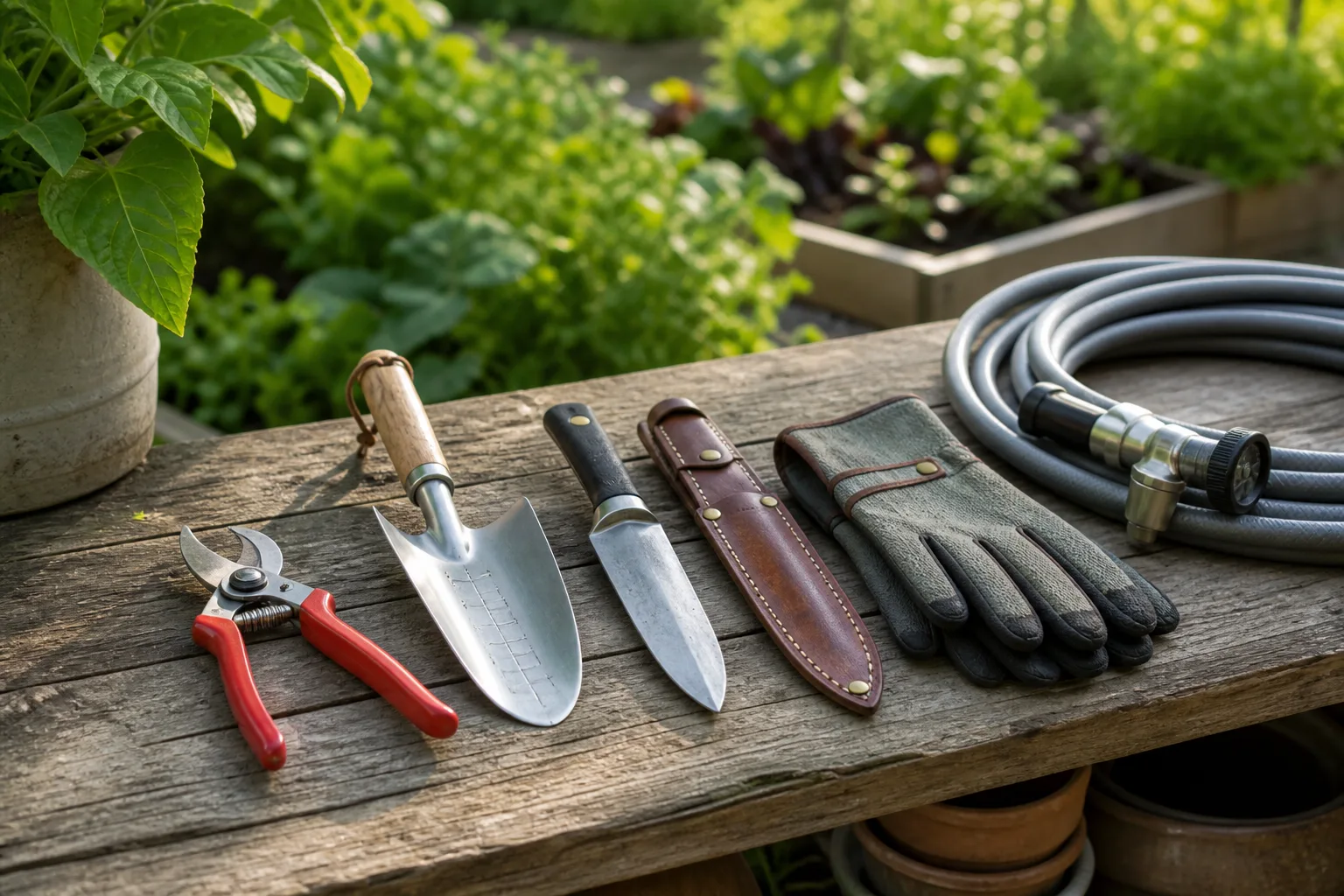
For a handful of bulbs, use a sturdy trowel and measure depth from the bulb’s planting instructions. For dozens or hundreds, a long-handled steel bulb planter with a crossbar gives your body a better way to apply downward force while standing. It is still not a magic answer for waterlogged or heavily compacted soil; improve the bed or loosen a small area first rather than forcing any planter through it.
7. Cordless electric hoes
A powered oscillating hoe adds a battery, motor, moving head, charging routine, and extra weight to a task a sharp manual hoe already handles well. It may be useful for a gardener who cannot comfortably push a manual blade, but for many beds it is a slower-to-clean, heavier version of a tool with one moving part: the gardener.
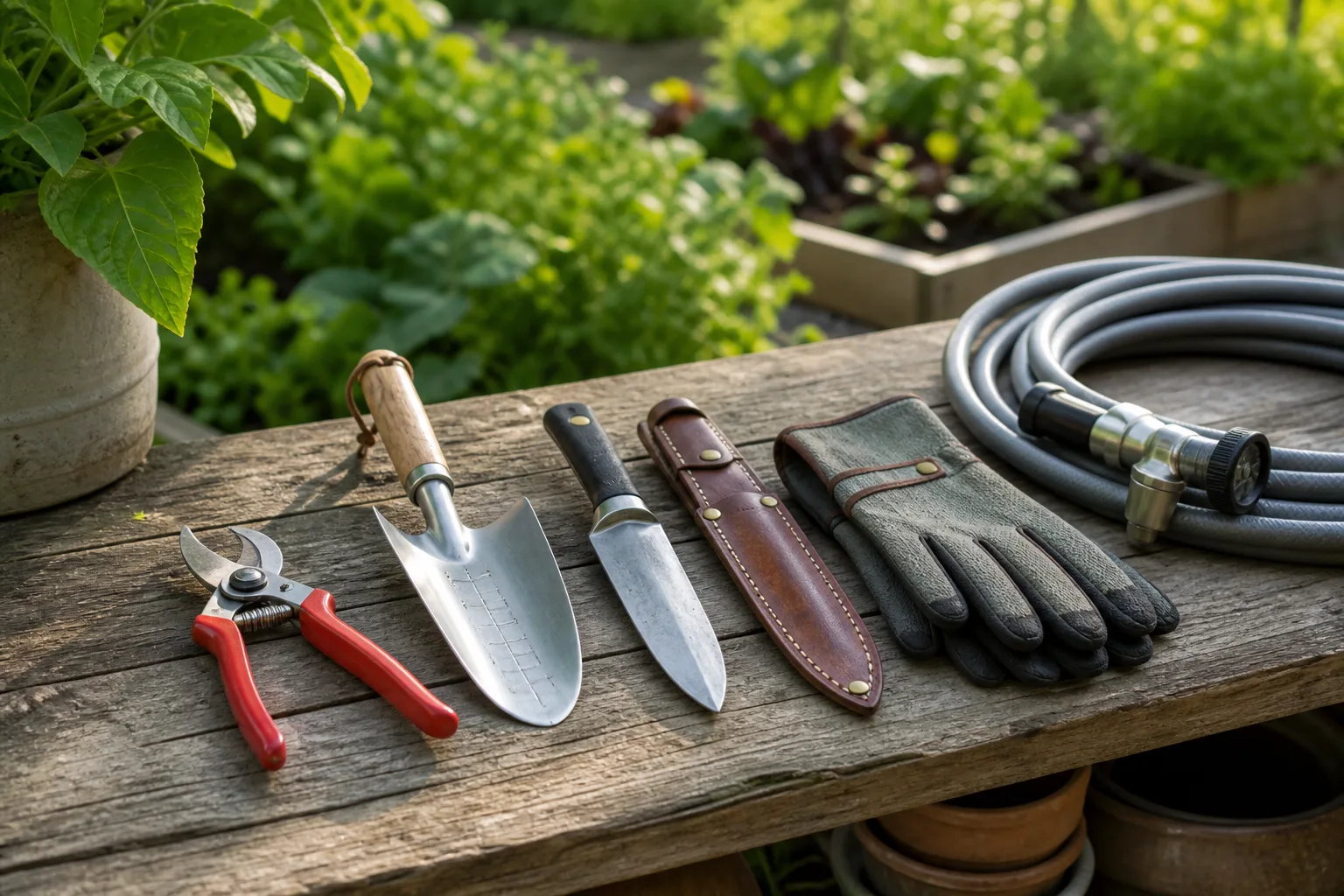
Choose a manual hoe whose head suits the job. A sharp draw hoe cuts larger weeds; a stirrup or scuffle hoe works just below the surface; a narrow triangle hoe reaches between plants. Work shallowly around established plants to avoid severing roots, and hoe when weeds are small. If the soil is so hard that a manual hoe bounces, solve moisture and timing first rather than assuming a battery will fix soil structure.
8. Cheap hand tools with weak joints
The lowest price is often hiding in the joint: a shallow tang, a thin socket, a soft blade, a loose rivet, or a handle that cannot be replaced. These tools may survive light potting work but fail when you pry, chop, or lift. A broken handle in the middle of a forceful movement can injure a wrist as easily as it wastes money.
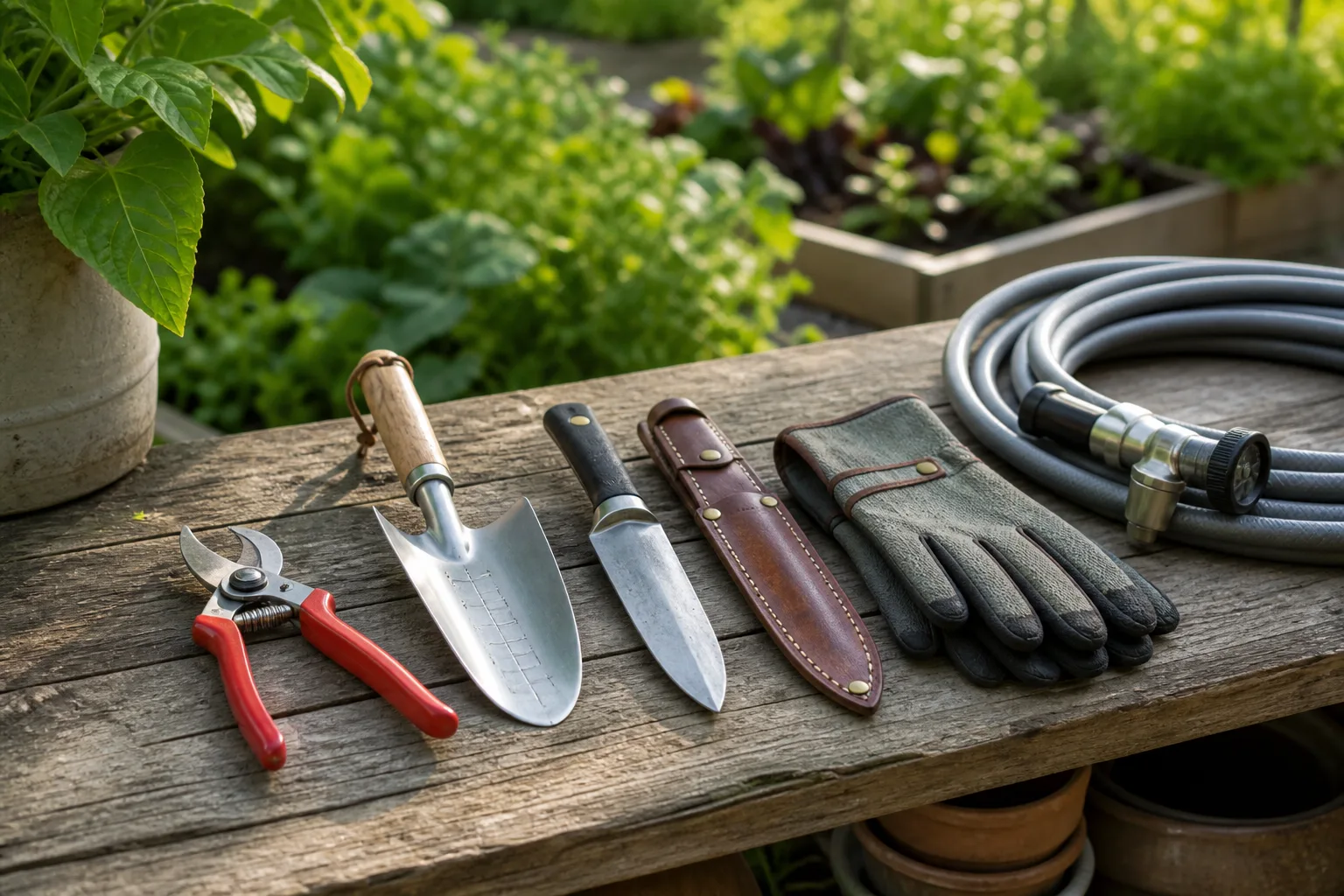
In the store, flex the tool gently and inspect the connection. The head should meet the shaft cleanly, the handle should fit your grip without a sharp seam, and the working edge should be straight and appropriate for its task. Cast aluminum and stainless steel can be sensible choices for hand tools, but “stainless” alone does not guarantee good design. Look for a repair path, spare parts, a clear warranty, and a maker that states what the tool is designed to cut or dig.
9. “Legacy” tools that no longer fit the gardener
Old-fashioned does not mean bad. A well-made wooden-handled shovel may outlast a plastic novelty tool, and familiar designs often win because they are simple. The problem is keeping a tool solely from habit when its length, weight, grip, or cutting capacity makes you work around it.
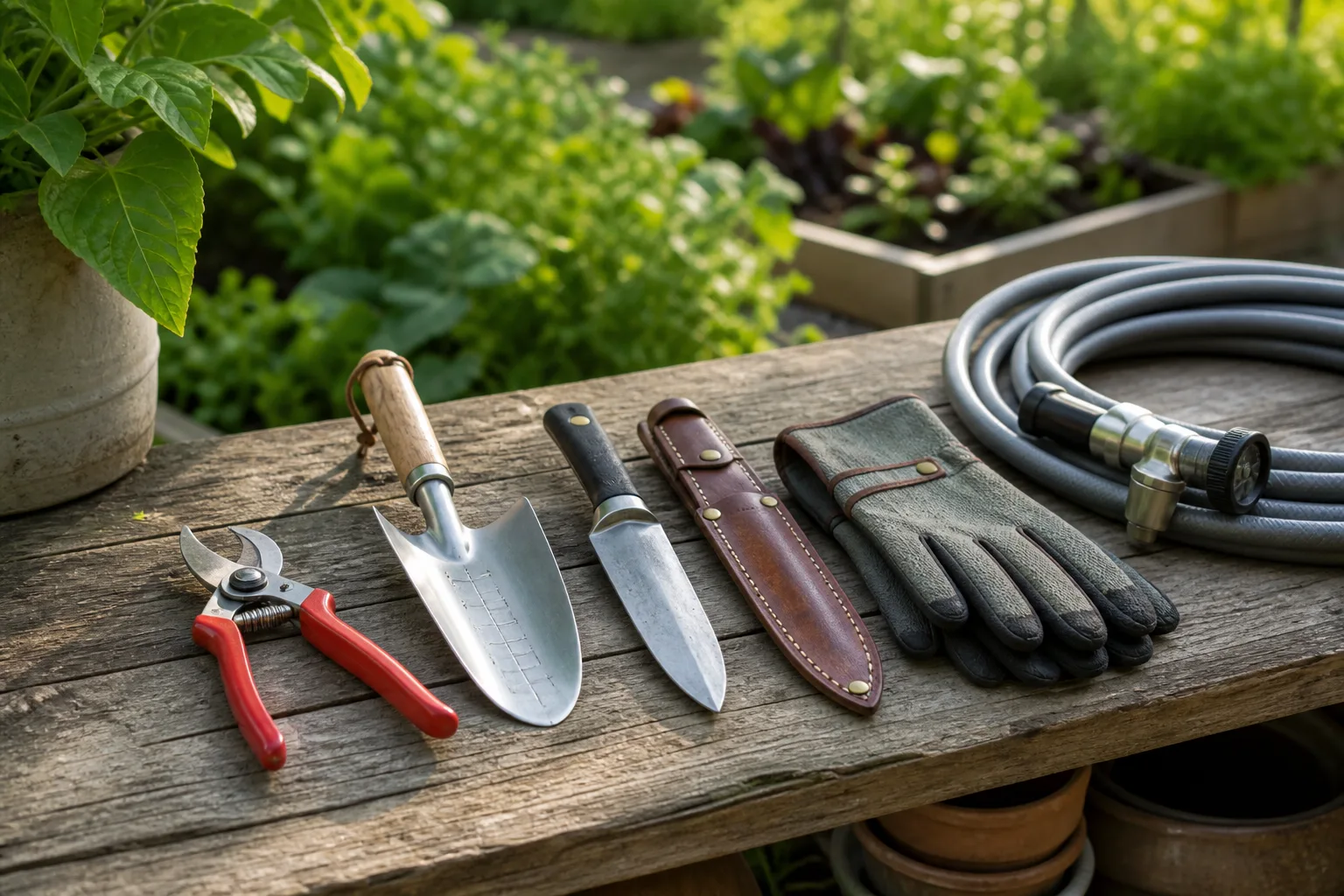
Reassess tools after an injury, a change in garden size, or a shift from raised beds to a large landscape. A longer shaft can add leverage and reduce bending; a D-, T-, or O-style grip can change how force reaches the soil; a lighter tool can make a long session possible. Penn State Extension specifically recommends evaluating shaft length, handle design, and weight alongside materials. The best replacement is the one that fits your body and task, not the one with the newest marketing language.
10. Ultrasonic pest repellers
Ultrasonic stakes and boxes claim to drive away moles, voles, rodents, or insects with high-frequency sound. They are tempting because they promise control without digging, trapping, fencing, or changing the habitat. But a sound-producing device is not the same thing as a proven outdoor management plan, and sound disperses unpredictably around soil, plants, fences, and buildings.
The Federal Trade Commission has warned manufacturers and retailers that pest-control claims for ultrasonic devices must be supported by competent and reliable scientific evidence. That does not mean every electronic device is identical; it does mean a gardener should demand evidence for a specific claim instead of treating a flashing stake as proof of control.
Start with diagnosis. Moles, voles, mice, and insect pests leave different signs and require different responses. Remove accessible food, reduce shelter where appropriate, protect vulnerable plantings with physical barriers, seal structures, and use traps or labeled controls only when the target and local rules make them appropriate. For wildlife damage that is widespread, persistent, or difficult to identify, an extension office or licensed professional is a better next step than buying a second repeller.
How to build a small professional-style tool kit
Start with tools that earn repeated use: a comfortable pair of bypass pruners, a sturdy trowel or hori-hori, a hand cultivator, a shovel or spade suited to your height, a rake, a hoe, and a pruning saw. Add loppers for branches your pruners cannot cut safely, and a core aerator only when your lawn’s diagnosis calls for one. A quality hose, nozzle, and reel may matter more than six novelty watering attachments.
The kit should change with your garden. A balcony gardener may need a trowel, pruners, gloves, snips, and a watering can; an orchard owner needs reach, cutting capacity, sanitation supplies, and safe access. “Professional-style” means deliberate selection and maintenance, not an expensive shed full of branded objects.
The in-store quality checklist
Use this quick inspection before spending:
- Task: What exact material will it cut, lift, loosen, water, or protect?
- Fit: Can you use it without bending, over-gripping, or twisting your wrist?
- Connection: Is the head securely attached, with a deep tang, sound socket, rivet, or replaceable fastener?
- Material: Does the metal, polymer, wood, or fiberglass suit the expected load and weather?
- Maintenance: Can you clean, sharpen, oil, drain, or store it correctly?
- Failure plan: Is there a warranty, replacement part, repair option, or honest return policy?
- Frequency: Will it earn its storage space more than once or twice a season?
Price is only one line in this checklist. A modestly priced tool that lasts and can be repaired often beats a cheaper tool bought repeatedly, while an expensive tool that does not fit your hand is still an expensive mistake.
Tool care is part of the purchase
Even a good tool fails early when it is left wet and dirty. Brush soil off digging heads, wipe sap from blades, dry metal before storage, and oil moving joints according to the manufacturer’s instructions. The Royal Horticultural Society’s cleaning guidance emphasizes the unglamorous habits that preserve tools: remove residue, dry promptly, protect metal, and store equipment clean and dry.
Sharpen cutting tools before they become frustrating. Use the correct bevel and avoid grinding away more metal than necessary. Inspect handles, locks, springs, hose washers, and fasteners at the same time. Maintenance is not a separate chore from buying well; it is how you receive the service life you paid for.
Conclusion
Gardeners who skip bad tools are not rejecting convenience. They are rejecting weak joints, poor ergonomics, unproven claims, and designs that ask a small gadget to replace a sound diagnosis. Choose a tool for the force and precision of the task, inspect how it is assembled, and account for cleaning, storage, repair, and frequency of use.
The practical replacements are usually simple: steel where digging demands it, a real core aerator for compacted turf, the right hose for the distance, a hoe matched to the weed, and physical or integrated pest management instead of a promise in a box. A smaller kit of tools you can use confidently will make the garden easier than a crowded shed full of products you bought only once.