How to Get Rid of Caterpillars Naturally
Learn how to get rid of caterpillars naturally with hand-picking, row covers, Bt, and safer garden habits—plus what not to spray on food crops.
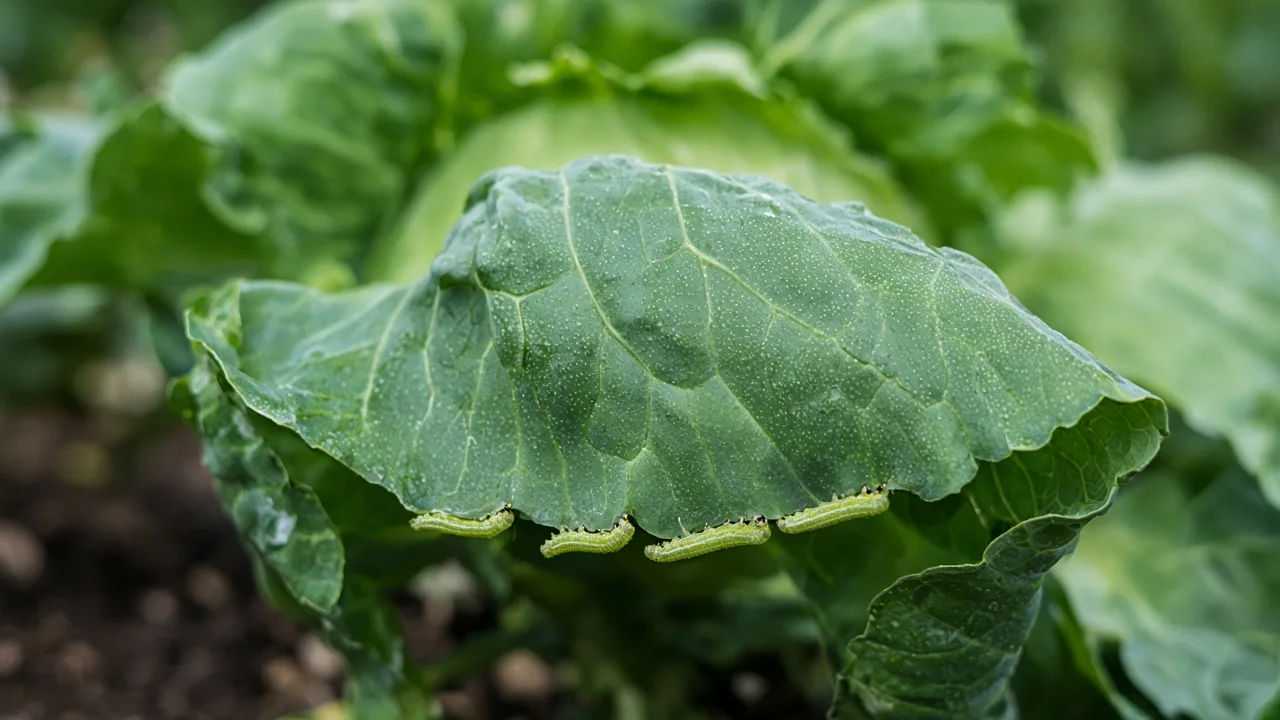
If fresh leaves have ragged edges, holes, or disappearing sections, start with a flashlight and a close look—not a broad spray. Caterpillars are the larval stage of moths and butterflies, so a garden can contain both a destructive vegetable pest and a future butterfly at the same time. The safest plan is to identify the damage, remove the few larvae you find, and use a targeted control only when the plant is losing more leaf area than it can replace.
This approach is integrated pest management (IPM): monitoring, physical removal, barriers, biological controls, and only then a labeled product that fits the crop and pest. UC Integrated Pest Management’s caterpillar guidance is useful here because it treats identification and timing as part of control, not as an afterthought (UC IPM: foliage-feeding caterpillars).
Decide Whether the Caterpillar Is Actually a Pest
Do not kill an unfamiliar caterpillar simply because it is on a plant. If it is on a host plant you intentionally grow for butterflies—such as milkweed for monarchs or parsley and dill for swallowtails—some leaf loss may be the point of the planting. In a mixed garden, the better compromise is to move a nonthreatening larva to its known host or allow it to remain on a dedicated wildlife patch.

The exception is a crop you need to protect, a seedling that has little leaf area to spare, or a tree with rapidly expanding defoliation. Caterpillars with hairs or spines deserve extra caution: gloves are sensible, and bare-handed handling is not worth the risk when you do not know the species. Keep children and pets away from an unknown larva until it has been identified.
The four clues that confirm active feeding
Look for several clues together. A single hole may be weather damage or a beetle; holes plus fresh frass and a hidden larva make the diagnosis much stronger.
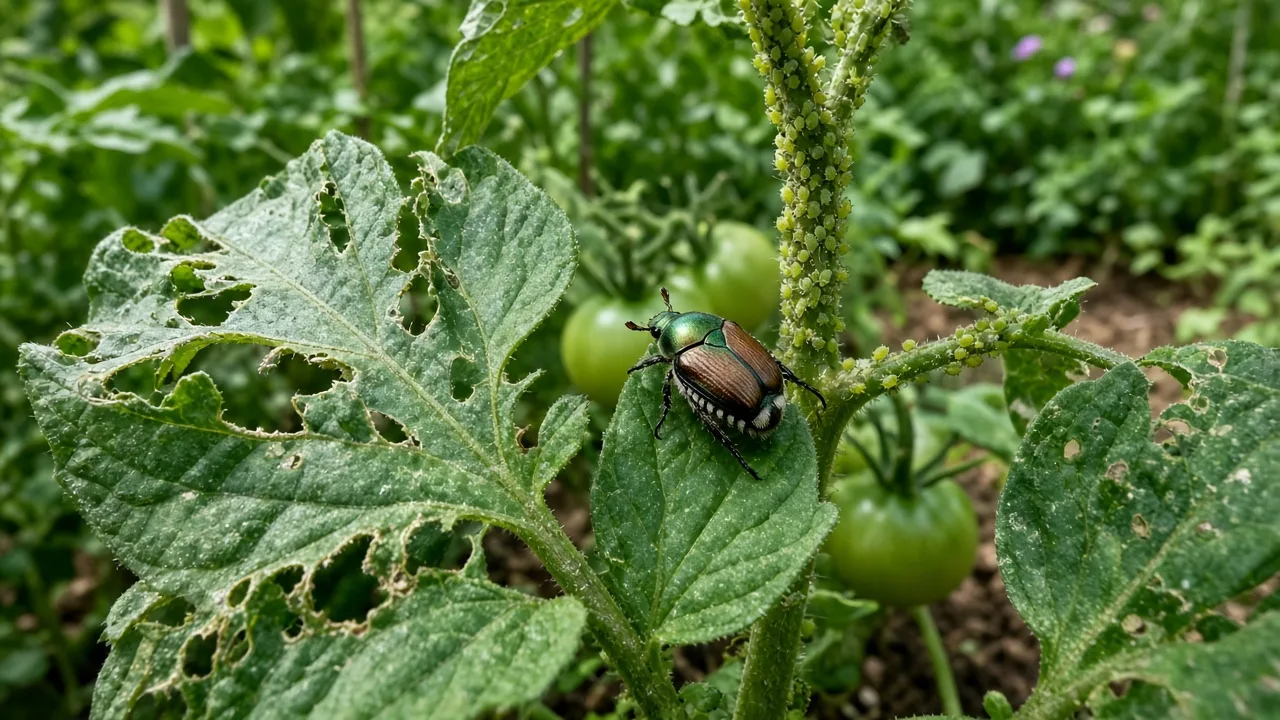
- Fresh chewing: irregular holes, scalloped edges, skeletonized leaves, or leaves reduced to midribs.
- Frass: small dark pellets beneath feeding sites or in leaf axils. Frass is caterpillar droppings, and fresh deposits tell you where to search next.
- Eggs: clusters or individual eggs on leaf undersides, stems, or the newest growth. An egg cluster is a future problem you can remove before it becomes dozens of larvae.
- Silk or shelter: webbed foliage, rolled leaves, folded leaves, or a tent-like nest in a tree.
Inspect in two passes. In daylight, check leaf undersides and new growth; at dusk, look again because many caterpillars feed after the sun drops. A small hand lens or your phone’s macro mode can reveal eggs and tiny larvae that are easy to miss at arm’s length.
For photo-based identification, compare the larva and damage pattern with UC IPM’s common-caterpillar identification guide. A name matters because host plant, feeding location, and safe control can differ sharply between a cabbage looper, hornworm, webworm, and a desirable butterfly larva.
Match the Response to the Damage
Use the least disruptive option that can realistically protect the plant.
| What you find | Best first response | Escalate when |
|---|---|---|
| One or two visible larvae | Hand-pick into soapy water or relocate a beneficial species | New larvae appear for several checks |
| Eggs on a crop | Cut off the leaf section or brush eggs into soapy water | Eggs are widespread or hard to reach |
| Young plants under repeated attack | Install a properly sealed row cover | The cover was installed after eggs were already present |
| Many small larvae on edible leaves | Use a labeled Bt-k product according to its label | Feeding continues after a correctly timed repeat |
| Large hornworms or nighttime feeding | Hand-pick at dusk; inspect soil and stakes | Damage is rapid across many plants |
| Webworm or tent nest in a reachable branch | Remove the web or prune the small branch | The nest is high, large, or near power lines |
The goal is not a sterile garden. It is to keep a pest population below the point where it damages harvest, plant vigor, or appearance. A few chewed leaves on an established ornamental rarely justify a treatment that coats every insect nearby.
That threshold-based approach follows the logic of integrated pest management explained by Growing Organic: monitor first, combine physical and cultural controls, and reserve a targeted treatment for pressure that justifies it.
Hand-Pick Caterpillars and Egg Clusters First
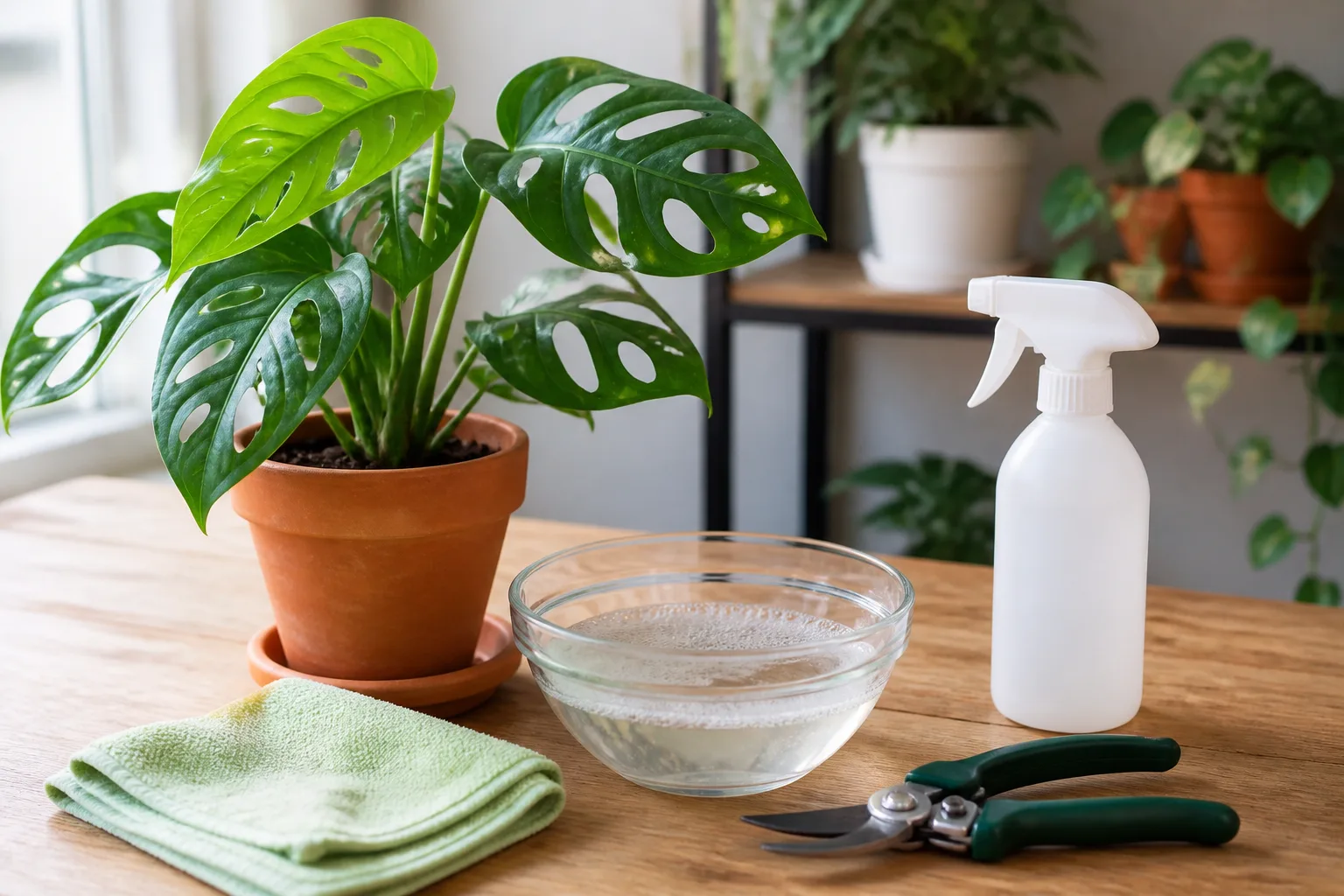
For a small garden, hand removal is usually the fastest natural control. Wear gloves, take a container of water with a little mild soap, and inspect both sides of every affected leaf. Drop confirmed crop pests into the container, or place a species you want to preserve on its host plant away from the crop.
Do not release a pest into a neighbor’s garden or a public planting. Relocation only makes sense when you know the caterpillar is desirable and you are moving it to an appropriate host. Otherwise, disposal in a sealed bag or soapy water prevents the same larvae from returning.
A safe five-minute inspection routine
Start at the newest leaves and work toward the stem. Check the underside where eggs and small larvae hide, then follow any fresh frass upward. Shake a suspicious branch over a pale sheet of paper; a caterpillar that drops is easier to see than one camouflaged against foliage.
After removing larvae, look for the next generation. Clip leaves carrying egg clusters if the plant can spare them, or scrape the eggs into soapy water. Record the plant and date in your phone. That tiny record tells you whether you have a one-off visitor or a repeating hatch.
Protect Vulnerable Crops With Row Covers
Floating row cover is a physical barrier that prevents adult moths and butterflies from reaching leaves to lay eggs. It works best on seedlings and leafy vegetables when installed immediately after planting, with every edge buried, pinned, or weighted so insects cannot crawl underneath. The mesh must be fine enough for the target moth and must not touch foliage that could press against it in wind.

Practical caterpillar-control guidance from Bob Vila’s garden pest coverage likewise puts row covers at the start of the season, before adults have access to the crop. That timing is the difference between exclusion and merely trapping an existing hatch.
Barriers do not solve eggs already on a plant. Inspect and remove eggs first, then cover the crop. Open the cover when the crop needs pollination unless you are growing a crop that does not need insect pollination; a barrier left on flowering squash, cucumbers, or melons can reduce fruit set. Heat and humidity also build under fabric, so lift or ventilate it when conditions require.
For trees and large shrubs, netting can be awkward and may trap birds. It is usually better to monitor, prune reachable infested tips, and protect only a high-value young tree than to drape loose netting over a mature canopy.
Use Bt-k When Young Larvae Keep Feeding
Bacillus thuringiensis var. kurstaki (Bt-k) is a biological control aimed at caterpillar larvae. It works after a susceptible larva eats treated foliage; it is not a contact knockdown, and it will not remove eggs or an adult moth. This makes coverage and timing important: apply when larvae are small and actively feeding, following the product label for dilution, crop eligibility, harvest interval, and repeat timing.
Bt-k is more selective than a broad-spectrum insecticide, but “natural” does not mean “spray anywhere.” It can affect susceptible butterfly and moth larvae, including species you may want to conserve, so do not spray a flowering wildlife patch indiscriminately. Keep the product on the crop with active damage, avoid drift, and never assume two products with “Bt” on the front label have identical permitted uses.
If larvae are already large, hiding deep in a web, or boring into fruit, Bt-k may be disappointing. Remove what you can by hand first, then use the label’s instructions for any follow-up. The product is a tool for a defined pest, not a general garden tonic.
Why Neem, Vinegar, Soap, and Pepper Sprays Are Not Equal
Homemade recipes sound gentle because the ingredients are familiar, but familiarity is not a safety test. Vinegar is acidic and can injure foliage; oil and soap mixtures can burn leaves in heat or sun; pepper and garlic mixtures vary wildly in strength and may irritate skin and eyes. A spray that repels one insect is not automatically effective against a chewing caterpillar.
Neem products are also not a universal caterpillar answer. Read the actual label and active ingredient, because neem seed oil, clarified hydrophobic extract, and azadirachtin products are not interchangeable in how they act or how they are labeled. Avoid spraying open flowers or beneficial larvae, patch-test a small area, and apply in cool conditions if the label permits it.
For vegetables and herbs, use only a product labeled for that crop and pest. Observe the harvest interval exactly. Wash produce as directed by the product label and your local food-safety guidance; do not improvise a concentration because a blog recipe uses a different plant, climate, or formulation.
Remove Tent and Webworm Nests Carefully
Tent caterpillars build conspicuous silk tents, often in branch crotches in spring. Fall webworms make looser webs around branch tips and can appear later in the season. The web itself is a useful clue, but the two groups differ in timing and location, so avoid assuming every white nest needs the same treatment.
On a small, reachable branch, prune and bag the webbed tip or use a pole tool to open and remove the web, then dispose of the contents. Wear gloves and eye protection, and avoid shaking a nest over people or pets. Do not climb an unstable ladder, work near electrical lines, or try to treat a high canopy from the ground with a homemade spray. A certified arborist or local extension office is the right next step when a mature tree is heavily defoliated or the nest cannot be reached safely.
Build a Garden That Supports Natural Enemies
Birds, predatory bugs, and parasitoid wasps already patrol many gardens for caterpillars. Dense mixed plantings, nectar plants, shallow water, and leaf litter in appropriate places provide habitat for these allies. Avoid broad-spectrum sprays that remove the predators you hoped would help.
You can also separate jobs in the garden. Put butterfly host plants in a designated patch and keep high-value vegetables under a barrier during the vulnerable seedling stage. A small sacrificial planting of dill, parsley, or mustard may draw some caterpillars away from a crop, but it is not magic: it can increase local caterpillar numbers if you never inspect or remove larvae from the trap plant.
Bird feeders are not a guaranteed caterpillar-control device, and feeding wildlife can create sanitation or predator issues. Habitat is a longer-term strategy, not a reason to tolerate severe defoliation on a crop.
Prevent New Eggs Without Removing Every Butterfly
The most reliable prevention is exclusion and observation. Cover young brassicas, inspect new plants before bringing them home, remove crop debris where pupae may shelter, and rotate annual crops when practical. Turn off unnecessary garden lighting at night or direct it away from beds; bright lights can alter moth activity, though lighting changes alone will not stop every species.
Keep pollinator and food plantings near enough to support wildlife but distinct enough that you can protect the food bed without covering the whole yard. Check the crop every two or three days during a known outbreak. Catching eggs or pin-sized larvae is much easier than chasing large, camouflaged caterpillars after a weekend away.
Caterpillar Control by Crop Type
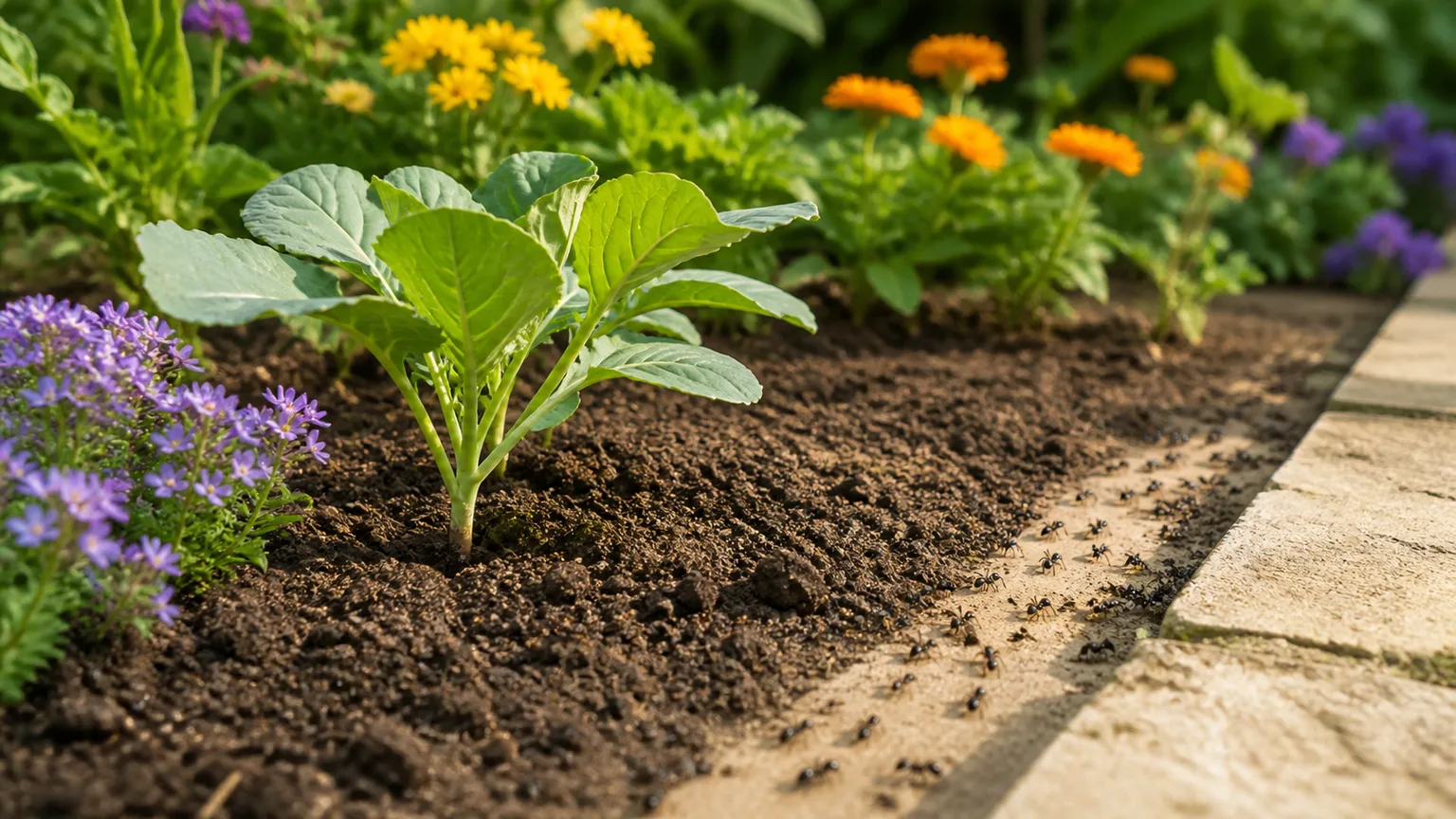
Brassicas: Cabbage, kale, broccoli, and related crops are common targets for imported cabbageworms and loopers. Row cover from transplanting is the cleanest prevention; inspect undersides and use Bt-k only if larvae are confirmed and the label allows the crop.
Tomatoes, peppers, and eggplant: Look for large droppings on lower leaves and stems, then search at dusk for hornworms. Hand-picking is often enough for a few plants. A hornworm covered in white parasitoid-wasp cocoons is being controlled naturally; leave it in place rather than destroying the helpful wasps.
Leafy greens and herbs: Because you eat the leaves, avoid unverified kitchen recipes. Physical removal, fine insect netting, and a labeled edible-crop product with its harvest interval are safer choices than vinegar, concentrated soap, or oil mixed by guesswork.
Fruit trees: A few caterpillars rarely justify treating an entire mature tree. Remove reachable nests, monitor new growth, and ask an extension service or arborist to identify a recurring species before applying anything to a canopy.
Ornamentals: Tolerate minor cosmetic damage when the plant is vigorous. Escalate when a young plant is being stripped, a shrub is repeatedly defoliated, or the caterpillar is a stinging species that threatens people using the space.
A Seven-Day Follow-Up Plan
Day 0: Photograph the damage, identify the crop and likely pest, inspect undersides, remove visible larvae and eggs, and install a barrier if appropriate.
Day 2: Recheck the same plant at daylight and dusk. Look for fresh frass rather than judging success only by old holes.
Day 5–7: If young larvae are still feeding, reassess whether hand removal, a sealed row cover, or a labeled Bt-k treatment is the best fit. Follow the product label rather than a generic calendar.
Day 10–14: Inspect nearby plants and any trap crop. Remove survivors and note whether new eggs are appearing. If damage is expanding despite correct use, identify the caterpillar more precisely before switching products.
This schedule matters because caterpillars are not all present at once. A treatment can reduce today’s larvae while eggs remain untouched. Repeated inspection closes that gap without automatically increasing spray frequency.
Common Mistakes That Make Caterpillar Damage Worse
The first mistake is treating before looking. A leaf miner, slug, beetle, or disease can produce holes that look vaguely caterpillar-like; the wrong product wastes time and may harm beneficial organisms. The second is spraying a repellent recipe over stressed plants in hot sun, when the mixture itself can scorch leaves.
Another common error is covering a plant after eggs were laid and assuming the barrier failed. The cover may have worked perfectly against new adults while the original larvae hatched underneath. Remove the existing population first, then keep the cover sealed.
Finally, do not equate “more dead insects” with better garden care. Broad treatment can kill parasitoids, pollinators, and desirable butterfly larvae while leaving hidden eggs untouched. A narrow response that you can repeat and verify is usually the more durable choice.
When a Tree or Crop Needs Professional Help
Ask a local cooperative extension office, master gardener program, or qualified arborist for help when you cannot identify the caterpillar, defoliation is spreading quickly, the plant is valuable or newly planted, or a nest is high and unsafe to reach. Professional identification is especially worthwhile for stinging caterpillars, recurring orchard damage, and large trees near structures.
Take clear photos of the larva, the whole plant, the damage pattern, and any web or egg cluster. Include your location, crop, timing, and anything already applied. That information is more useful than a photo labeled only “caterpillar problem,” and it helps prevent an unnecessary broad-spectrum treatment.
Conclusion
To get rid of caterpillars naturally, begin with the smallest response that can protect the plant: confirm fresh feeding, hand-pick visible pests, remove egg clusters, and cover vulnerable crops before adults lay more eggs. When young larvae continue feeding, a correctly labeled Bt-k product can provide targeted control; when a caterpillar is beneficial, tolerate it or move it to the right host instead.
Skip untested vinegar, pepper, soap, and oil recipes on valuable or edible plants unless you have verified the formulation, plant safety, and label requirements. Recheck on a schedule, protect natural enemies, and get help for unknown stinging species or unreachable tree nests. A garden does not need to be caterpillar-free to be healthy—it needs damage kept within a level the plant and gardener can sustain.