How to Deadhead Canna Lilies Without Cutting New Buds
Learn how to deadhead canna lilies, spot fading flowers beside new buds, and choose between removing one bloom or finishing a spent spike without harm.
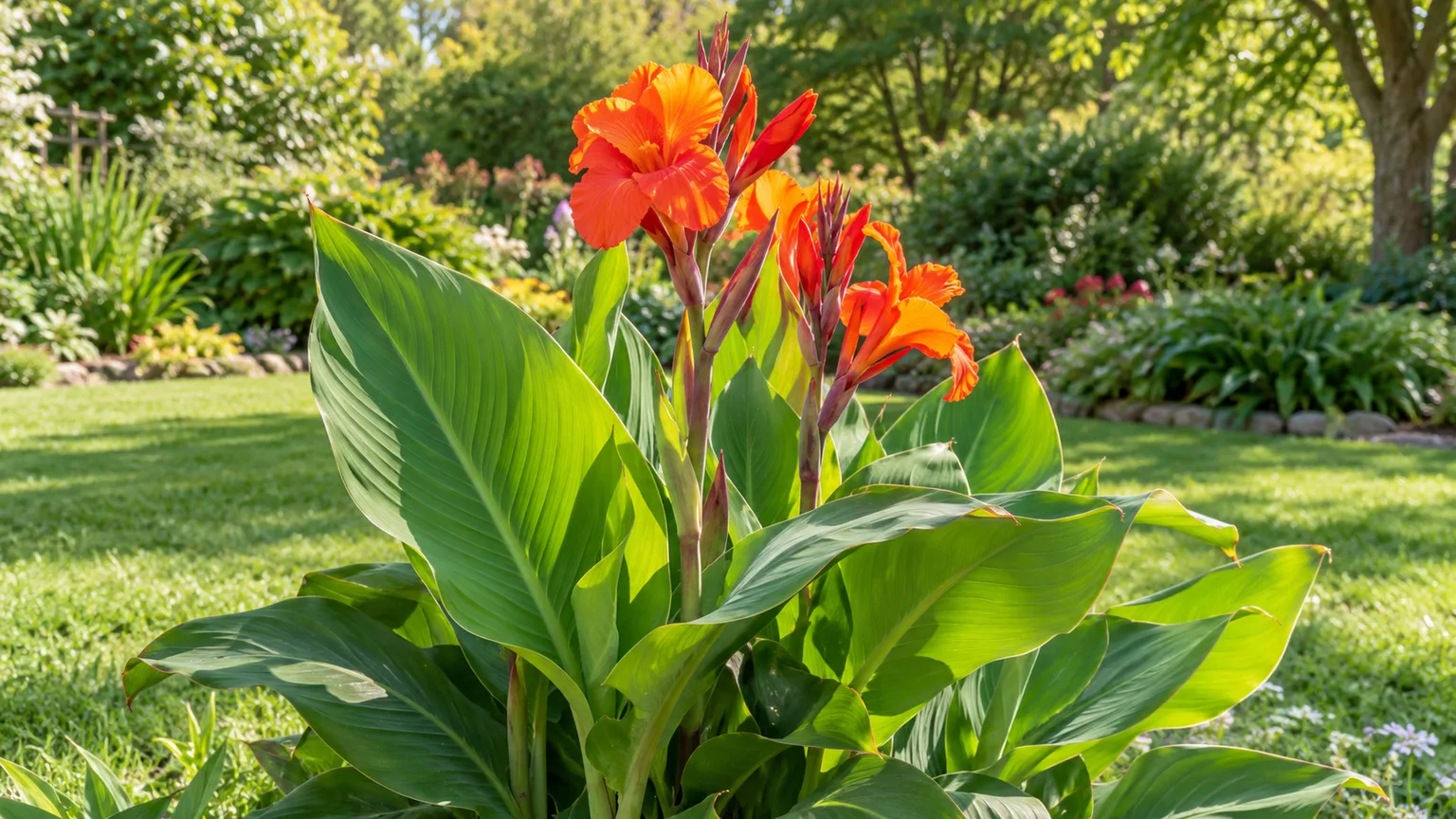
Canna lilies are easiest to deadhead when you treat each flower spike as a sequence of blooms, not as one disposable stalk. Snip off a faded flower while nearby buds are still developing; when the entire spike has finished, cut that flowering section back to the next healthy side shoot. Leave green leaves and any active buds alone.
That small distinction prevents the common mistake of cutting off a whole canna stem just because its top flower has faded. It also keeps the advice honest: deadheading can tidy a plant and may support continued flowering, but it cannot force a new flush when the cultivar, weather, or remaining season does not allow one.
The quick answer: remove the spent flower, not every green stem
Look for flowers that have lost their color, collapsed, or dried while the neighboring buds remain firm and closed. Use clean, sharp snips to remove only the individual spent bloom at its short attachment point. If the full flower spike has no unopened buds left, cut the spent flowering portion down to the next side shoot, where a secondary spike may develop.
Canna flower clusters do not always fade all at once. A single stalk can carry finished flowers beside buds that are still opening, so a weekly haircut can remove the next round before it appears. Work from the top and sides of the cluster, checking each cut against the nearest living bud; if you cannot tell whether a small point is a bud or a seed pod, wait a day or two and look again.
What deadheading can—and cannot—do for cannas
Deadheading means removing flowers as they fade, before or as seed begins to form. With cannas, it is useful for a neater display, for limiting seed development on flowers you do not want to keep, and for removing old flower tissue while the plant is still growing. The RHS recommends deadheading cannas to encourage continued flowering and advises pruning a flower spike with no buds left to the next side shoot, where a secondary spike should develop (RHS canna-growing guidance).
That is a reason to deadhead selectively, not a promise that each cut will produce more flowers. A plant can only continue if it has viable buds or time and conditions to make another flowering shoot. Deadheading will not correct deep shade, a dry root zone, heat or cold outside the cultivar’s comfort, or a plant that is naturally reaching the end of its flowering cycle.
It is also not a required plant-health treatment. A fading flower is part of a normal life cycle; leaving it does not automatically harm a healthy canna. If you like the look of the plant as it is, want to observe seed formation, or have only a few spent flowers, leaving them is a reasonable choice. The Royal Horticultural Society’s general guidance describes deadheading as a way to improve appearance and encourage more blooms, while noting that some flowers are worth leaving for their seeds and fruit (RHS advice on deadheading).
Read the canna flower spike before you cut
The word “flower” can refer to one blossom or the whole branching cluster above a leafy stem. Cannas produce their showy flowers in racemes or panicles, and different buds on a cluster can open at different times. The RHS describes canna flowers as being borne in these clusters and specifically advises waiting until a flower spike has no more buds before cutting it down to a side shoot.
That plant-by-plant approach matters because flower structures do not all share one safe cut point. BBC Gardeners’ World gives separate instructions for flowers on long stalks, branching spikes, and individual blooms; its general guide is useful for the principle, while the canna-specific side-shoot cut comes from the RHS (BBC Gardeners’ World guide to deadheading flowers).
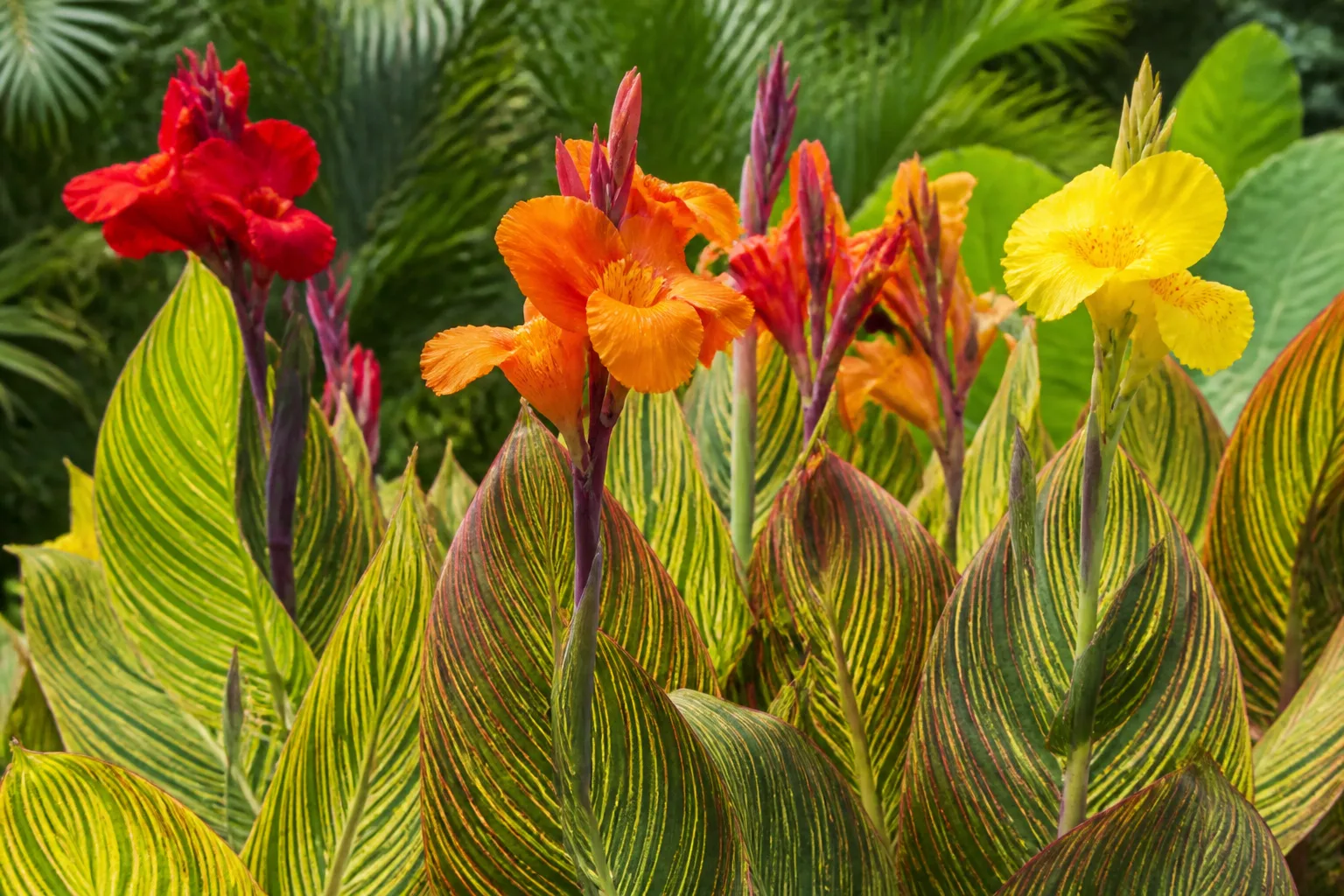
Use the plant’s shape to decide what “spent” means at that moment:
- One flower has faded, but other buds are swelling: remove the single flower if it bothers you or is turning into a pod; preserve the rest of the cluster.
- Several flowers are over, but unopened buds remain: keep working bloom by bloom. Do not cut the whole stem below the live buds.
- The full spike has finished: trace its branch to the next healthy side shoot and remove the completed flowering section there.
- The entire stalk is broken, diseased, or yellowing from the base: remove that stalk separately; its condition is a stronger reason to cut than a spent flower at the top.
A small side shoot is not the same as the next leaf on the main stem. Look just below the flower cluster for a healthy lateral growth point or a new flowering branch. When it is hard to see, make the smallest cut that removes only the old flower and return later rather than guessing low on the stem.
When to deadhead canna lilies
Start when flowers fade during active growth, not on a fixed calendar date. In climates with a long warm season, cannas may keep flowering for months; in cooler climates, a shorter season or an early frost may end the display sooner. The RHS lists outdoor flowering from June through October for its general canna guidance, but the exact start and finish shift with location, planting time, cultivar, and weather.
Check a flowering clump every few days when it is producing many blooms. You do not need to patrol daily: the goal is to remove old flowers before they become distracting or form pods, while giving live buds time to open. A brief delay will not ruin the plant, and it is better to wait than to cut a bud you have mistaken for a spent bloom.
When flowers are still bright and open, leave them. If a bloom is only slightly wilted after rain or a hot afternoon, check again once it has dried and recovered; temporary droop is not necessarily the end of that flower. Remove tissue that is clearly brown, collapsed, or finished, and make a decision based on the individual bloom rather than the calendar.
Spent flowers, live buds, and seed pods
A spent flower is usually soft, shriveled, faded, or beginning to dry. A live bud is firm and often pointed or rounded; it may sit close to an open flower, so place your fingers or snips carefully and support the cluster with your other hand if needed. A seed pod is a swelling structure left after pollination, not a fresh bud; as it develops it becomes more distinct and eventually forms a capsule.
Cannas vary in seed production. Some canna varieties form conspicuous seed pods, while others set little or no seed; Gardening Know How recommends watching one faded flower first, then removing later spent blooms for appearance if seed pods do not form (Gardening Know How on canna deadheading). That “test one, decide the rest” approach is useful if you are unsure what your cultivar does.
How to deadhead canna lilies step by step
Use small bypass pruners or sharp garden snips, a container for the trimmings, and clean hands. The tool only needs to be sharp enough to make a neat cut without crushing the fleshy flower stalk. If you are removing just one thin flower stalk and can reach it safely, scissors can work; avoid pulling or twisting, which can tear nearby buds and leave an untidy wound.
1. Inspect the flower cluster and locate live growth
Stand where you can see the whole cluster, including the back side. Identify each open bloom that has faded, then follow its small stalk to the point where it joins the branching flower stem. Before you cut, check for another bud immediately beside or behind that attachment; the next bloom can be close enough that a careless snip takes both. Penn State Extension gives the same general precaution—inspect faded clusters for hidden buds before cutting—though the canna-specific cut point should follow the RHS side-shoot guidance (Penn State Extension on deadheading).
If the entire cluster looks brown from a distance, look closer before removing it. A canna can have old petals and fresh pointed buds in the same area. A phone photo or a second viewing angle can help distinguish a dry spent flower from a live bud hidden behind it, especially on a dense clump.
2. Remove individual flowers without nicking buds
Position the snips just behind the faded flower, at its short flower stalk, and cut cleanly. The cut should remove the dead bloom or developing pod without slicing into the larger stem or the neighboring bud. If a few flowers are spent but the spike is still active, repeat this selective cut only where needed.
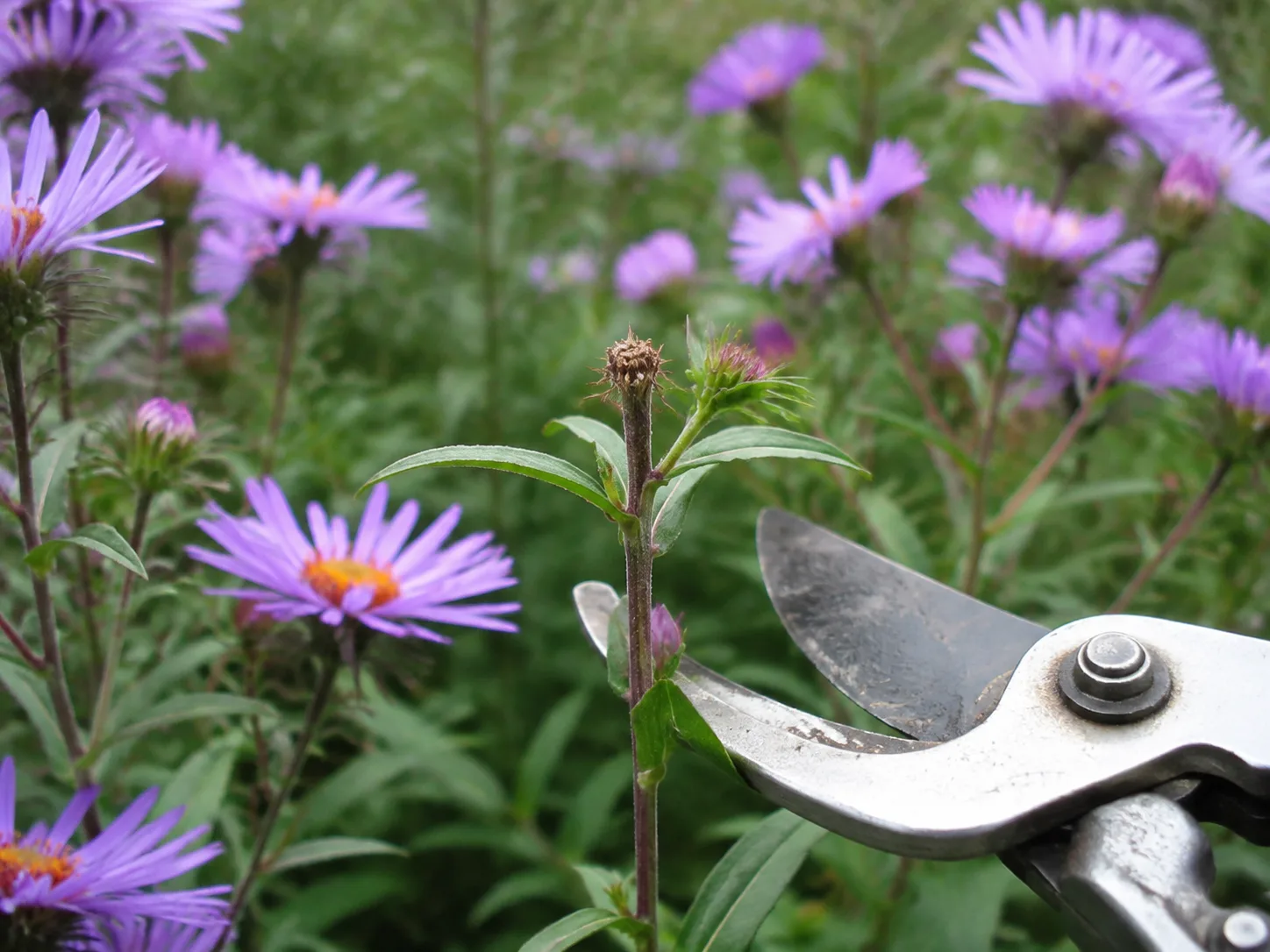
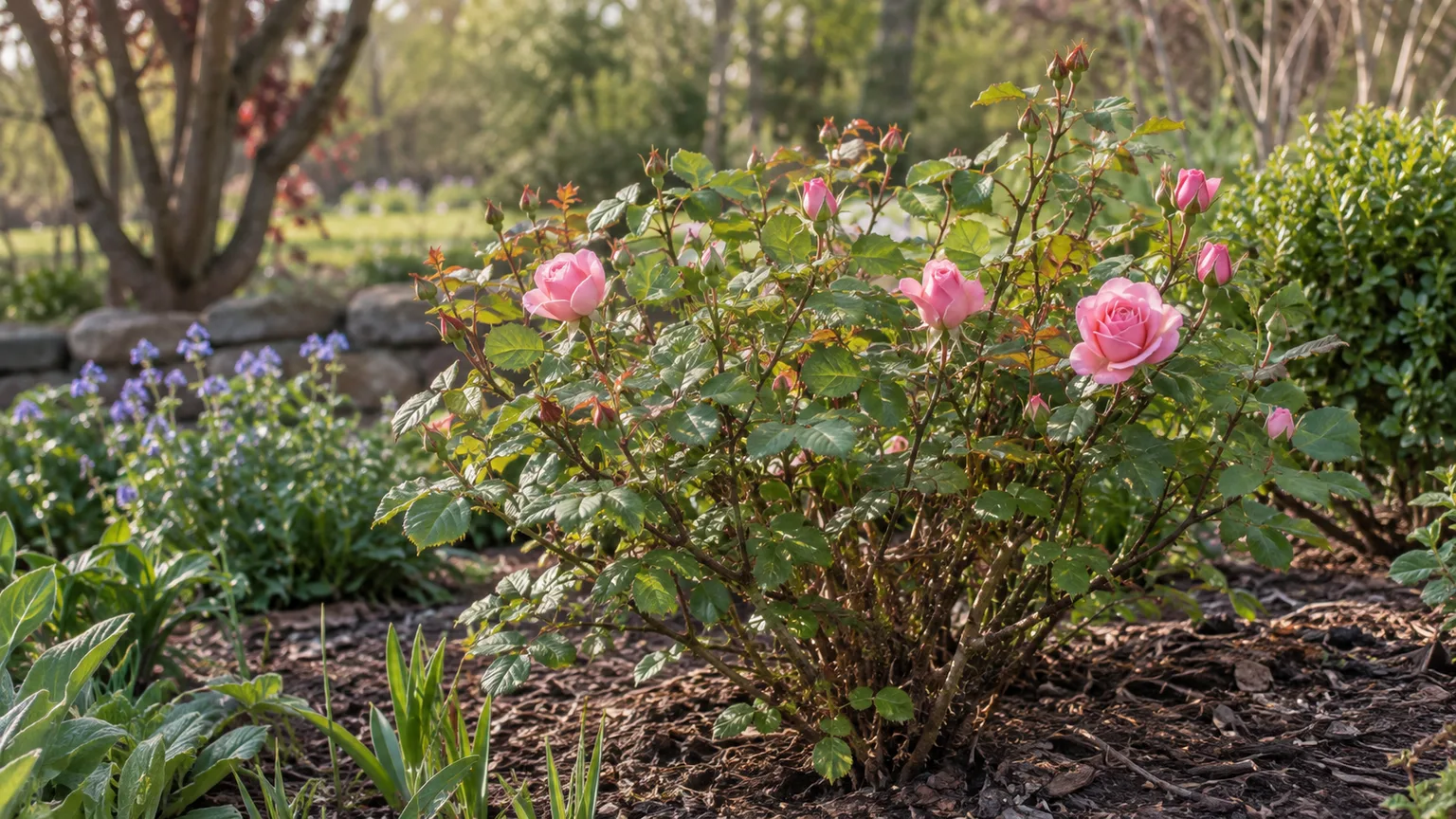
The figure shows the same bud-preserving principle on a different branching flower: cut the spent flower stalk close to its attachment, not through the living shoot beside it. On a canna, check the shape of the cluster carefully because its buds may be tucked alongside the fading flowers rather than neatly below them.
After each cut, pause and look at the remaining cluster. You should still see all the intact buds you saw before the cut, and the main leafy stem should remain untouched. If the cut exposes green tissue or you have removed a bud, stop and reassess rather than continuing down the stalk.
3. Finish a spike only after its buds are gone
Once there are no buds left on that flower spike, trace it down to the next healthy side shoot. Cut the spent flowering portion just above that shoot, leaving the side growth intact; this is the canna-specific cut recommended by the RHS because another spike may develop there. Make the cut slightly above the branch junction so the snips do not damage the new growth.
If no side shoot is visible, do not automatically cut the whole leafy stem to the ground. Leave a healthy green stem for now, particularly if the plant still has foliage or is producing new growth lower down. You can remove the full flowering stalk later if it is entirely finished, damaged, or dying, but keep the plant’s healthy leaves until the end of the growing season.
For a broken or clearly dead flower stalk, use clean pruners and cut that stalk near its base without cutting into the crown or neighboring shoots. The goal is to remove dead or damaged tissue cleanly, not to reshape the entire canna clump during summer.
When to leave a flower or seed pod in place
Leave open flowers that still look good; deadheading them shortens the display for no benefit. Also leave any firm unopened buds, however small, unless the flower stalk is broken or diseased. If you are unsure whether an individual bloom has finished, you can skip it and revisit it on the next walk through the garden.
If you want to collect seed, leave at least one healthy flower and allow its pod to develop and mature. A seed-grown canna cultivar may not come true to type, so the resulting plant can differ from the parent; the RHS notes that cultivars raised from seed are not guaranteed to retain their characteristics. Seed formation is a choice, not a failure to maintain the plant.
You can also leave some flowers if the plant is producing no visible pods and you prefer a natural look. Deadheading every flower is not necessary simply because a guide says to do it. One plant can be managed differently by location: tidy the front of a border while leaving a few blooms at the back for observation or seed.
What to do if you cut the wrong part
If you accidentally remove one unopened bud, the damage is limited to that bud. Do not cut more of the stem to “even it out”; keep watering normally and let the remaining buds and side shoots continue. Cannas generally produce new growth from their rhizomes, so a single misplaced cut does not mean the whole clump has failed.
If you remove an entire active flower spike, the plant may send up another shoot, but it can take longer and is not guaranteed to flower again before cold weather. Keep the green foliage, maintain even moisture, and wait rather than applying extra fertilizer to force an immediate replacement. The rhizome is the perennial storage structure; routine flower removal does not call for digging or dividing it.
If a cut has crushed or torn tissue rather than making a clean slice, recut the ragged end with sharp, clean pruners if you can do so without shortening the healthy stem too much. A clean cut is easier to inspect and less likely to leave a flap that catches debris. Do not apply paint or wound sealant to a normal flower cut.
Why deadheading may not bring more flowers
A fading flower is only one part of the bloom cycle. A canna needs enough warmth, light, water, and growing time to keep making flowers; removing a flower cannot create those conditions. Cannas are grown for both their bold foliage and flowers, and the RHS recommends a sunny position and watering during dry spells, with a potassium-rich liquid feed for container plants in midsummer when used according to its label.
If a plant has leafy growth but few flowers, check whether it is shaded by trees or structures for much of the day. Also look at the soil or container: a pot that dries out quickly can stall growth, while a plant that is crowded may have less room for the rhizomes and new shoots. Adjust one condition at a time, then watch the plant for new buds rather than cutting healthy leaves.
A single bloom flush can be the normal outcome for a particular cultivar or short season. Cool nights, an approaching frost, transplant stress, or late planting may leave too little time for another spike. In that situation, deadhead for appearance or pod control if you wish, but do not interpret the lack of a second flush as proof that you made the wrong cut.
The practical test is simple: if the plant has healthy foliage and new buds, selective deadheading can keep the display tidy while the next flowers develop. If the plant has no new buds and the season is almost over, a cleaner flower bed may be the only result. Both are valid outcomes.
Containers and garden beds need the same cut, but different follow-up
The cut itself is the same in a pot and in a border: remove a spent individual flower without damaging nearby buds, then finish a spike to the next side shoot only after the buds are gone. A container does not need a special deadheading technique, but its smaller root volume can change how quickly it dries and how much support a tall stalk needs.
Check container-grown cannas more often during hot or windy spells because their compost can dry sooner than garden soil. Water the root zone when needed rather than relying on a deadheading schedule, and avoid leaving a pot sitting in water unless you are intentionally growing a water-canna type. For container plants, follow product directions if you use a flowering-plant fertilizer; extra feed is not a substitute for adequate light or warmth.
In a bed, new shoots may be obscured by large leaves or neighboring plants. Move foliage aside gently to inspect the flower branch, but do not cut a healthy leaf merely to make the clump look sparse. If a heavy stalk leans after rain or wind, support it rather than shortening a healthy stem that still carries buds.
Keep the cleanup clean and the foliage intact
Clean off soil and plant residue from pruner blades after the job, and disinfect tools between plants when disease is suspected. RHS tool-care guidance recommends cleaning and sterilizing equipment to help control the spread of plant diseases and viruses (RHS advice on cleaning hand tools). For ordinary healthy deadheading, remove residue, then clean and dry the blade after use; you do not need to drench the plant or coat the cuts.
Collect normal spent petals and healthy flower stalks for compost if your home compost system handles them. If a stem shows clear disease or a serious pest infestation, separate it from healthy trimmings and follow local garden-waste guidance. Do not leave a pile of wet, decaying material against the canna crown, where it can hide new shoots and make the base difficult to inspect.
Use gloves if you prefer, especially when handling rough or sticky plant material, and keep pruners out of reach of children. The main safety issue is the blade, so set tools down securely between cuts and avoid reaching through a dense clump with the blades open.
Deadheading is not the same as fall cutback
During summer, deadheading removes flowers while the plant is still growing. It should not turn into cutting every stem down. Canna leaves continue to support the rhizome, so leave healthy green foliage in place even after flowering slows. A green stalk can still be contributing to the plant’s reserves and may carry side growth.
End-of-season cleanup depends on frost and how you overwinter cannas. In mild climates, cannas may remain in the ground with winter protection; in colder areas, gardeners often lift or move the rhizomes to a frost-free place after the top growth fades. The RHS advises cutting back canna foliage and stems to about 15 cm (6 inches) once top growth begins to wither in autumn for its colder-area overwintering approach; use local guidance because winter conditions and cultivars vary.
If frost blackens the leaves, the plant is no longer in the same active-flowering stage. At that point, remove frost-damaged top growth as part of winter preparation, but do not confuse the seasonal cut with a deadheading cut after one flower fades. The leafy stems can remain until they have clearly declined, and the rhizome-handling method should match your climate.
A quick decision guide for each canna stem
| What you see | What to do | Why |
|---|---|---|
| One faded bloom beside firm buds | Snip off only the faded bloom | Protects the next flowers |
| Several spent flowers, but buds remain on the spike | Remove only clearly spent flowers | The spike is still active |
| No buds remain on the flower spike | Cut the finished section to the next healthy side shoot | Leaves room for a possible secondary spike |
| A healthy flower or a flower you want to save for seed | Leave it in place | Preserves display or seed development |
| Broken, diseased, or dying stalk | Remove the affected stalk with clean pruners | This is a damage cleanup, not routine deadheading |
| Green leaves after flowers finish | Keep them until seasonal decline | The leaves still support the rhizome |
The safe default is the smallest cut that solves the problem in front of you. If you want tidy beds, remove faded flowers; if the spike is still carrying buds, keep it; if you want seed, leave one flower; if frost is ending the season, shift to winter care rather than continuing to deadhead.
Conclusion
To deadhead canna lilies, remove faded individual flowers carefully while preserving nearby buds. When a whole spike has finished, cut the flowering section to its next healthy side shoot; remove an entire stalk only when it is damaged, dying, or part of the season-end cleanup.
Check the plant every few days while it is flowering, but let your goal guide each cut. Cannas do not all set seed or repeat on the same schedule, and a clean cut cannot override the plant’s growing conditions. Protect the leaves, make only the cut you need, and your canna clump can continue its natural bloom cycle without losing the next buds by mistake.