Begonias Not Blooming? 5 Fixes That Work
Begonias not flowering? Check variety, light, watering, fertilizer balance, and temperature swings—five fixable causes with pro timing tips.
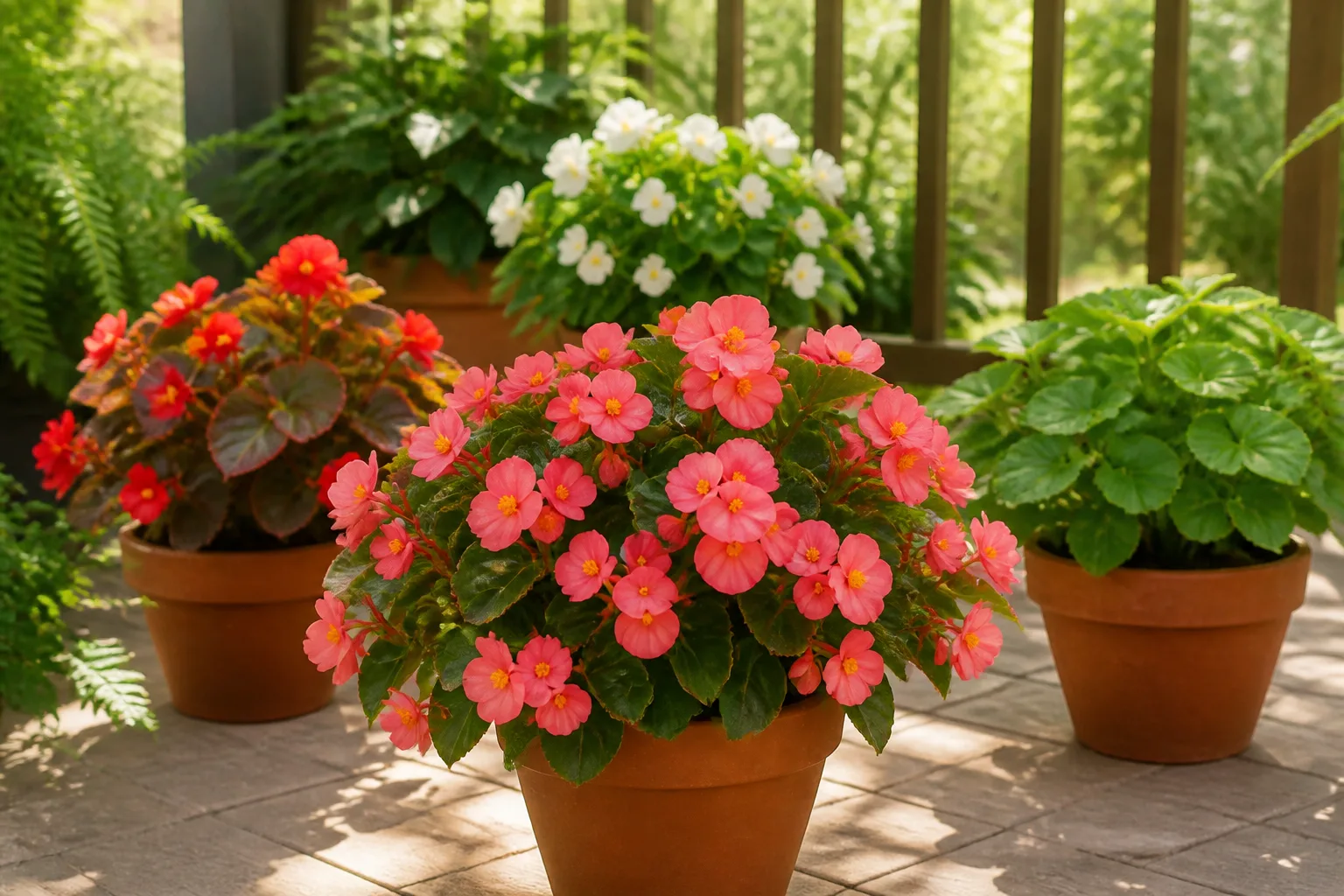
A healthy begonia with glossy leaves and zero flowers is one of the most common frustrations in shade gardens and on bright windowsills. The plant looks fine. You watered it. You even gave it a shady spot because someone told you begonias hate sun. Yet the buds never appear—or they form, then drop before opening.
Here is the uncomfortable truth most bloom guides gloss over: many begonias are not supposed to put on a heavy floral display. The genus contains more than 1,800 species and hybrids, and breeders have spent decades selecting some for painted leaves, others for cane-like architecture, and only a subset for the kind of continuous color you see in summer bedding beds. Before you change fertilizer or move a pot for the fourth time this week, you need to know which group you are growing and whether flowers are even the point.
When you do have a bloom-bred type—tuberous, wax, or selected hardy and cane cultivars—flower failure almost always traces back to five fixable stresses: wrong species expectations, uneven watering, insufficient bright filtered light, fertilizer imbalance, and temperature swings. Fix those in order and most flowering begonias rebound within a couple of weeks.
Start With the Question Most Gardeners Skip
The fastest way to waste a summer is troubleshooting a rex begonia the same way you would a tuberous basket hybrid. Rex and many rhizomatous types are grown for foliage color and texture, not floral impact. NC State Extension notes that rex begonia flowers are small and pinkish-white, frequently overshadowed by spectacular leaves. That is not a care failure—it is the plant doing what it was bred to do.
Foliage-First Types vs Bloom-Bred Types
UF/IFAS Gardening Solutions groups begonias into fibrous-rooted, rhizomatous, and tuberous categories. Each group has different bloom habits:
| If your plant is… | Bloom expectation | Best use |
|---|---|---|
| Rex and many rhizomatous hybrids | Small, brief flowers; foliage is the goal | Houseplant, container accent |
| Polka dot / cane types like Begonia maculata | Clusters of white to pink flowers when conditions align | Indoor or shaded patio |
| Wax/bedding begonias (Semperflorens group) | Continuous small flowers all summer | Beds, borders, containers |
| Tuberous hybrids (Nonstop, Illumination, etc.) | Large, showy seasonal flowers | Hanging baskets, shade beds |
| Selected cane cultivars (Dragon Wing®, ‘Torch’) | Heavy flower clusters when fed and lit well | Landscape borders, large pots |
Match your expectations to the label before you chase bloom hacks. Buying the wrong species for your goal is the number-one reason shade gardeners feel like failures every June.
How Begonias Decide Between Leaves, Roots, and Flowers
Begonias do not flower on a fixed calendar. They flower when energy, light, and temperature align. A plant pouring resources into new leaves—because nitrogen is high or light is too dim—will delay or skip bud formation. A plant fighting root rot from soggy soil cannot support flowers at all. A tuberous begonia sitting in cool, wet soil in early spring may stay dormant while you wonder why last year’s basket is all stems.
Think of blooming as the reward phase, not the default. Your job is to remove the stresses that keep the plant in survival or vegetative mode. That is why the fixes below follow a sequence: confirm type, stabilize water, correct light, balance feed, then address temperature.
Wax begonias illustrate the point well. UF/IFAS describes them as among the most reliable summer bedding plants because they keep rich flower color even in heat—provided moisture and morning sun stay consistent. Pull any one lever out of alignment and the same cultivar that carpeted a border in June turns into a leafy mound by August. Tuberous hybrids are even less forgiving: they need stored energy in the tuber, strong light during the growing season, and a dry rest period in winter before they can mount another floral display.
Reason 1: You Have a Begonia That Was Never Meant to Be a Floral Showstopper
Some of the most popular begonias in garden centers—rex hybrids, many polka dot selections, and certain rhizomatous landscape types—are leaf plants. Their marketing photos emphasize silver swirls, burgundy veins, and metallic sheen, not cascades of petals. If you brought one home expecting wax-begonia-level color, you bought the wrong plant for that job.
Rex and Painted-Leaf Begonias
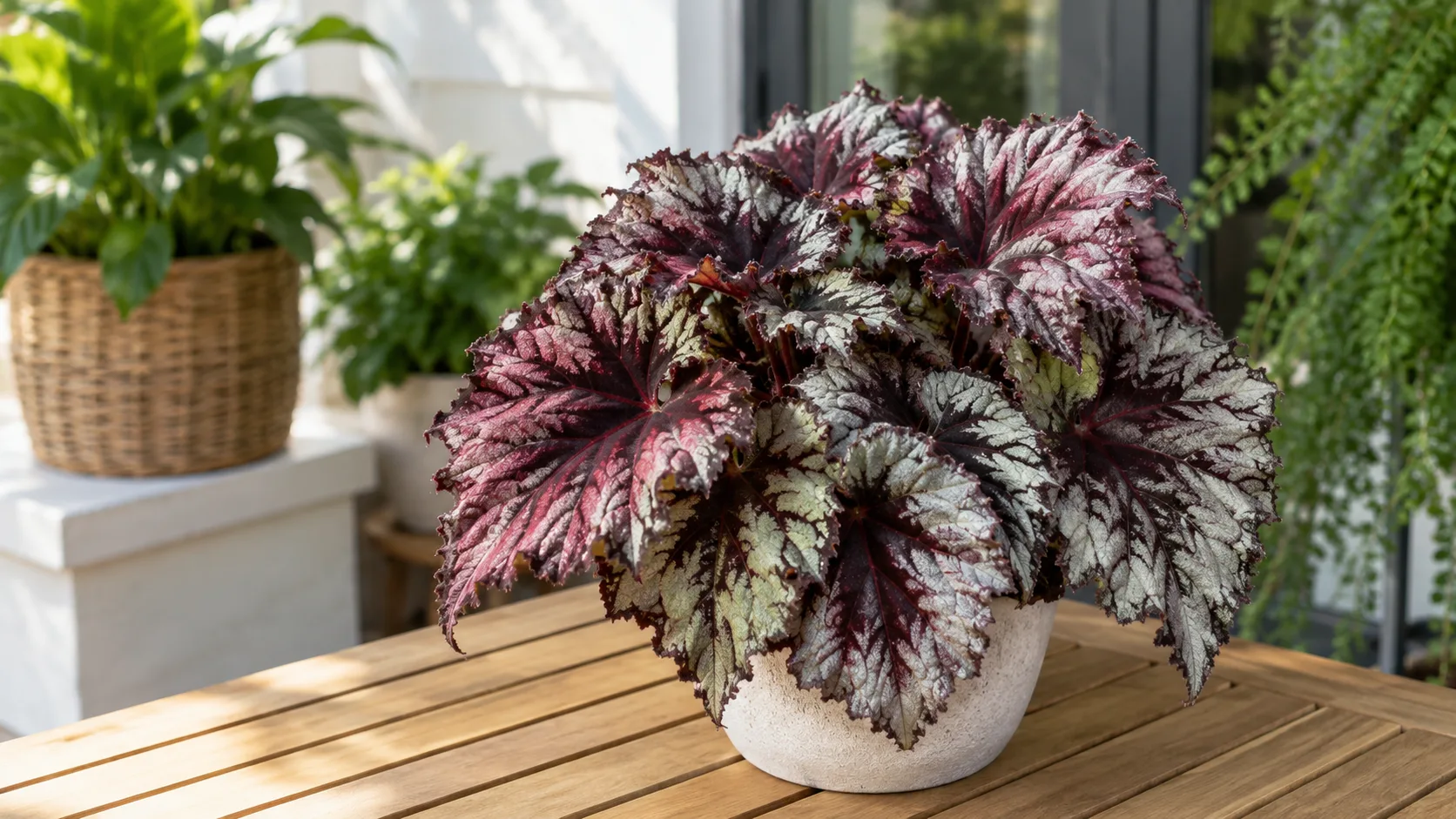
Rex begonias prefer bright but indirect light, moist well-drained soil, and high humidity according to NC State’s rex profile. They may send up thin flower stalks with insignificant blooms. Many experienced growers pinch those stalks so the plant channels energy into leaf size and pattern instead.
If you love rex foliage, stop measuring success by flower count. If you want basket color in the same shady corner, add tuberous or wax begonias beside them rather than forcing a painted-leaf plant to behave like a summer annual.
Cane Types: Sometimes Flowers, Sometimes Foliage Focus
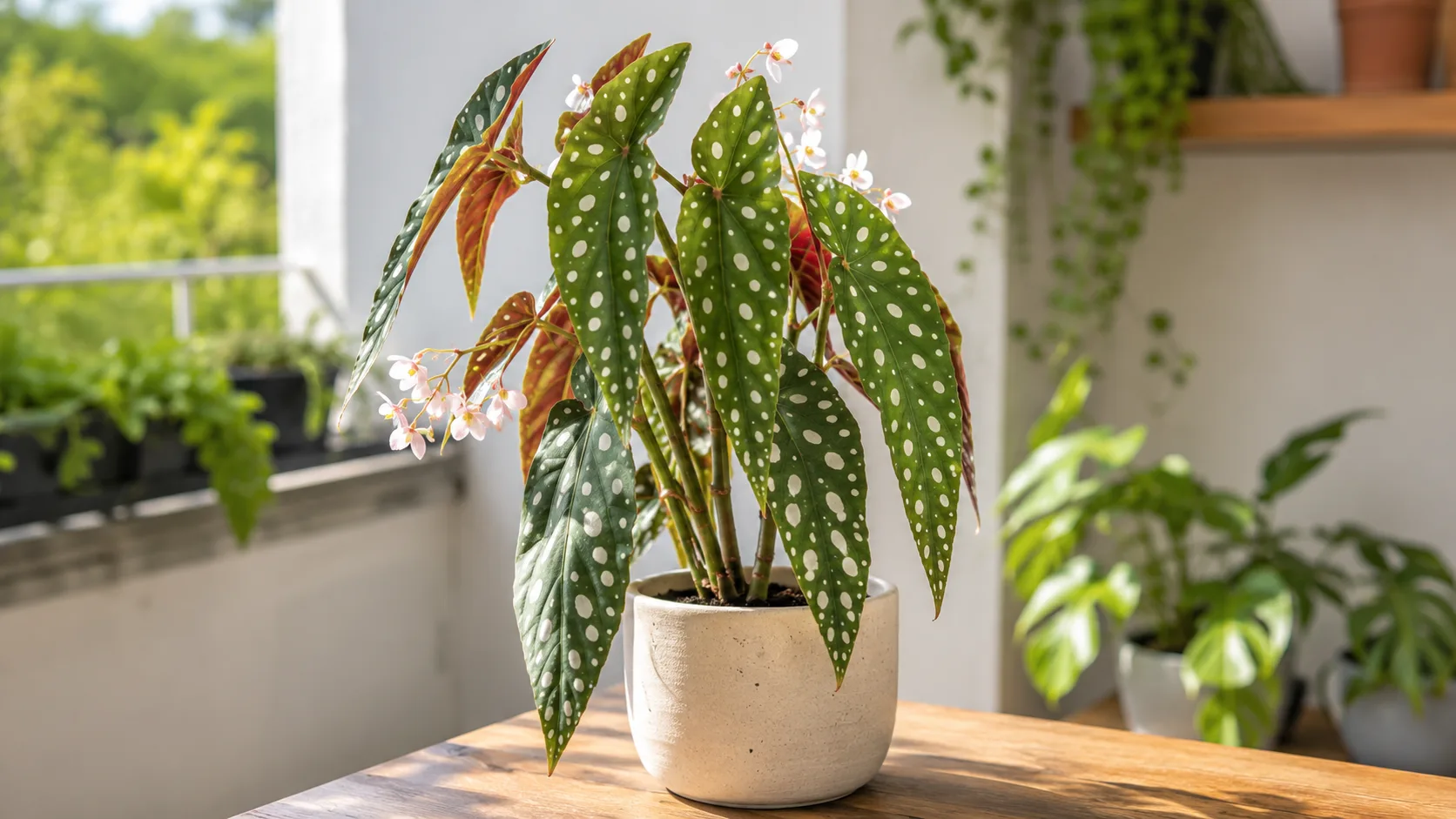
Cane begonias—often called angel wing or polka dot types—are a different story. NC State’s cane profile describes clusters of white, pink, red, or orange flowers on panicles, with bloom times in summer and fall when the plant receives partial shade, humidity, and moist humus-rich soil. Cultivars like ‘Dragon Wing Red’ and ‘Canary Wings’ are bred for showy flowers.
But not every cane hybrid prioritizes blooms. UF/IFAS notes that ‘Sophie Cecile’ is a reluctant bloomer valued instead for five-foot foliage. Read the tag. A cane type marketed for leaf architecture will not suddenly become a flower machine because you switched to bloom booster.
Reason 2: Watering Stress Is Aborting Buds Before They Open
Begonias are sensitive to both drought and saturation. UF/IFAS emphasizes well-drained soil because begonias rot quickly when roots sit wet. Yet they also wilt and drop buds when soil dries completely. The goal is evenly moist root zones—not a rigid Tuesday-and-Friday schedule.
Dry spells tell the plant to abort developing buds and conserve water. Soggy soil damages fine roots, reduces oxygen, and invites Pythium root rot and rhizoctonia crown rot—the same diseases extension services list as common begonia problems. Either extreme ends flowering.
The Finger-Test Method That Beats a Calendar
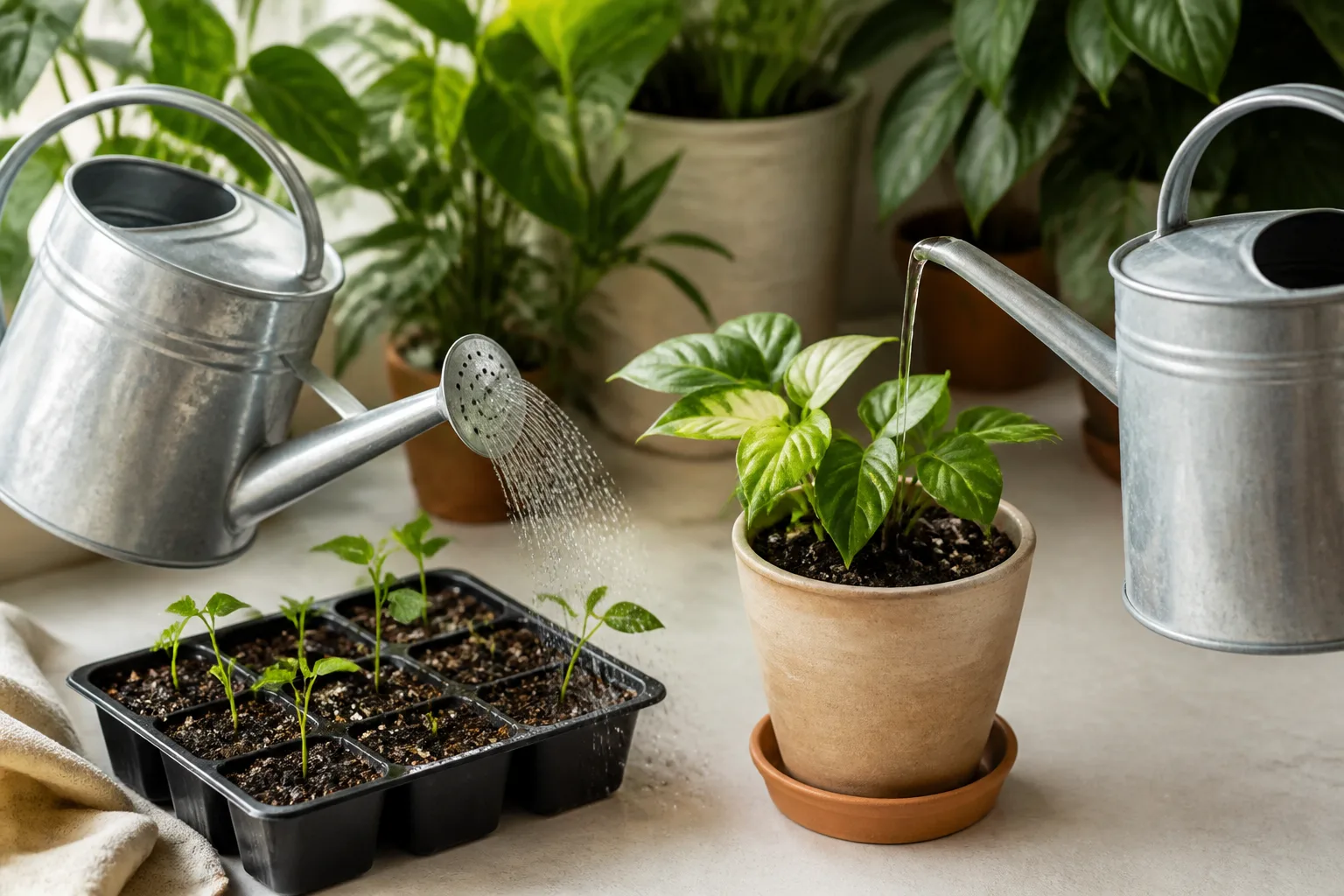
The reliable approach is simple: stick your finger about an inch into the soil. If it feels damp, wait. If it feels dry at that depth, water thoroughly until a little runs from drainage holes, then stop. Apply water at the edge of the pot, keeping the crown and stem base dry to reduce stem rot—especially important for tuberous types with fleshy stems.
Temperature, wind, and light all change how fast soil dries. A begonia on a hot west-facing patio may need water daily in July. The same plant in a cool east window might go four days between drinks in April. Let the soil tell you when, not the calendar.
Container vs In-Ground Watering Rules
Containers dry faster and need more frequent checks—sometimes daily during heat waves. In-ground beds hold moisture longer but can flood in low spots after heavy rain. Never plant tubers or fibrous roots where water pools. Amend heavy clay with compost so water drains while the root zone stays workable.
If you are growing wax begonias as landscape bedding, remember they are tender to cold. Plant after frost in spring, and in hot southern summers keep beds evenly moist to sustain continuous bloom.
Reason 3: Your Shade Spot Is Too Dark for Flower Initiation
Begonias have a reputation as shade plants, and that label causes more bloom failures than almost anything else. Shade-tolerant is not the same as shade-only. Most flowering begonias need bright, filtered light to initiate buds—roughly four to six hours of partial or dappled sun daily, according to cane begonia cultural data from NC State Extension, which lists partial shade as two to six hours of direct sun.
Deep shade under dense evergreens, or a dim interior corner far from windows, produces leggy stems, dark green leaves, and no buds. The plant is stretching for light and staying in vegetative mode.
Light Hours by Climate and Placement
Climate changes the rules. In hot southern regions, begonias need morning sun and afternoon protection from scorching rays. In cooler northern summers, the same cultivar may tolerate more light without wilting. A practical starting point:
| Situation | Light target | Warning signs |
|---|---|---|
| Hot climate (Zones 8–10) | Morning sun, afternoon shade | Scorched leaf edges, wilt despite wet soil |
| Cool climate (Zones 3–6) | Bright east or dappled all day | Leggy growth, no buds |
| Indoor flowering types | Bright east or south window, sheer curtain | Bleached leaves if touching hot glass |
| Deep shade bed | Usually insufficient for bloom | Large leaves, long internodes, zero buds |
Move pots incrementally over a week rather than jumping from a dark corner to full afternoon sun. Sudden light shocks burn foliage and can pause blooming another two weeks.
UF/IFAS recommends several hours of morning sun for landscape begonias, with moisture to match when light increases. That pairing—more light only when roots can support transpiration—is what turns “shade plant” into “blooming shade plant.”
Reason 4: Fertilizer Is Feeding Leaves Instead of Flowers
Fertilizer is a balancing act. Tuberous begonias are heavy feeders during active growth; underfed plants look pale, stunted, and shy to bloom. Overfed plants—especially with high-nitrogen formulas—push soft, lush leaves and skip flowers entirely. Lawn fertilizer drifting into shade beds can have the same effect.
Signs of Deficiency vs Excess Nitrogen
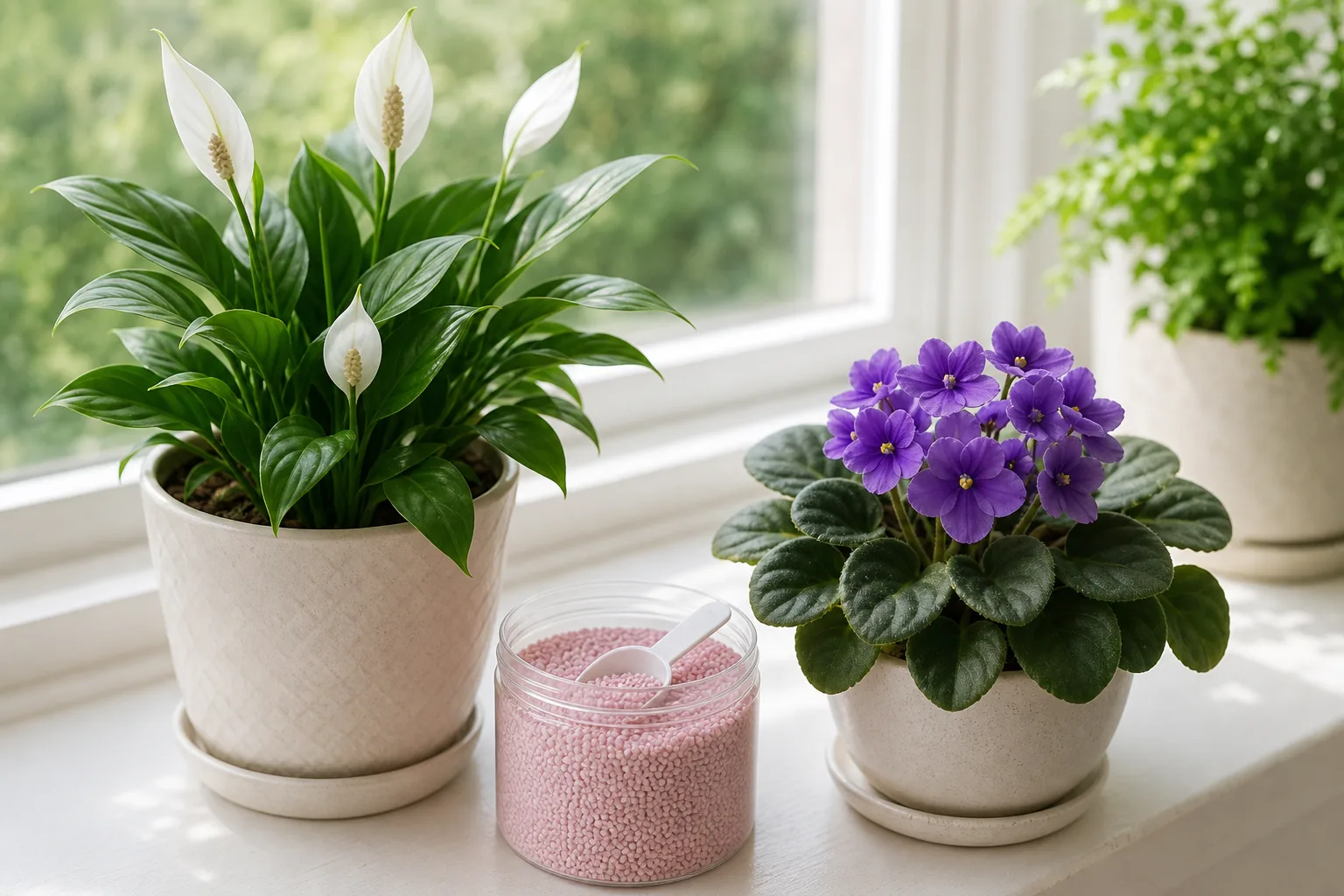
Underfeeding shows up as pale or yellowing older leaves, thin stems, and small or missing buds despite good light and water. Excess nitrogen shows up as deep green, oversized leaves, weak floppy growth, and no flower buds. If your plant looks like it is on a lettuce diet, back off nitrogen before you add more “bloom booster.”
During active summer growth, many growers apply a balanced fertilizer such as 10-10-10, diluted per label, about every two weeks. UF/IFAS also recommends controlled-release fertilizer several times per year for landscape plantings. Pause feeding when growth slows in fall.
If containers have been overfed, flush with plain water until it runs freely from drainage holes, let the plant recover for a week, then resume at half strength. In garden beds, a soil test reveals whether years of high-nitrogen lawn products migrated into your shade planting area.
Sterile hybrids like Dragon Wing® divert more energy to flowers because they do not set seed—a useful trait when you want continuous color without the plant finishing its life cycle after one seed flush.
Reason 5: Heat, Cold, and Dormancy Pause the Bloom Cycle
Temperature is the silent bloom killer. Cool nights below about 50°F (10°C) can keep tuberous begonias in dormancy long after you have set them out in spring. They sit green but flowerless until nights warm and stay stable.
Heat works the other way. When daytime temperatures climb above roughly 85–90°F (29–32°C), especially with dry air, begonias shed buds to reduce water loss. Roots cannot keep up with transpiration, so the plant sacrifices flowers to survive. Evening cooling matters: begonias often recover when nights drop and humidity rises.
Indoors, avoid blasting air conditioning directly on foliage or sitting pots on radiators. Outdoors, move containers to cooler shaded spots during heat waves, mulch beds to moderate soil temperature, and maintain even moisture so roots can function when the thermometer spikes.
In cold climates, store tuberous types per label when frost threatens. Hardy begonias may die back and return from underground parts the following year—but they still need a full warm season to rebuild bloom energy.
Secondary Blockers: Pot Size, Pests, and Spent Blooms
Sometimes the five main causes are fine and blooms still stall. Check these next:
Root-bound containers force the plant into survival mode. If roots circle the pot densely or emerge from drainage holes, up-pot one size in spring—never during heavy bud set unless the plant is wilting daily despite watering.
Pests on buds stop flowering fast. Aphids, thrips, mealybugs, and spider mites attack tender new growth. Inspect buds with a hand lens; wash lightly with water or use labeled controls if populations persist. UF/IFAS lists mites, mealybugs, scale, and whiteflies as common begonia pests.
Spent flowers drain energy if left on the plant. Deadhead wax and tuberous blooms as they fade to redirect resources to new buds. Light pruning of leggy stems also stimulates branching and more flowers—extension sources note that an occasional trim encourages fresh growth on landscape begonias.
Disease pressure from overcrowding, wet crowns, or poor air circulation shows up as botrytis, powdery mildew, or bacterial leaf spot. Remove affected leaves, improve spacing, and avoid overhead watering on foliage.
Recent transplant shock is easy to overlook. Begonias purchased in full bloom at the garden center often pause for two to three weeks after you bring them home while roots explore new soil. Resist the urge to fertilize heavily during this adjustment window. Keep moisture steady and light consistent; buds usually resume once the plant settles.
Indoor vs Outdoor Begonias: Different Rules for Flowers
Outdoor wax and tuberous begonias in USDA Zones 8b–11 often bloom from spring into early fall, then slow as days shorten. Indoor cane types can flower year-round in bright, humid conditions—but only if light is truly adequate. A north window alone rarely suffices for heavy bloom.
Humidity matters indoors, especially in winter when heating dries the air. Group plants, use pebble trays, or run a humidifier near cane and rex types. Avoid misting rex begonias directly; NC State warns that wet foliage encourages disease on rhizomatous types.
Transitioning plants between indoors and outdoors requires acclimation. Sudden exposure to wind, direct sun, or temperature swings after a cozy winter window commonly causes bud drop. Harden off over seven to ten days.
Day length also nudges indoor cane begonias. Short winter days can slow flowering even when temperatures are comfortable. Supplemental grow lights on a 12–14 hour timer during the darkest months often trigger bud formation on flowering cane cultivars that stalled on a windowsill alone. You do not need expensive equipment—a simple LED shop fixture positioned a foot above the canopy is enough for most hobby growers.
A Two-Week Begonia Bloom Recovery Plan
If you have a bloom-bred type and flowers vanished, run this sequence before you repot, swap fertilizer brands, or give up:
Days 1–3: Confirm species on the tag or compare leaves to the table above. Move the plant to morning bright shade or a sheer-curtained east window. Start finger-test watering only when the top inch dries.
Days 4–7: Remove spent blooms and yellowing leaves. Inspect buds and stem tips for pests. If the plant looked pale and had been unfed, begin diluted balanced fertilizer per label.
Days 8–10: If still no buds and stems are leggy, increase light one step—an hour more morning sun or a closer window position. If leaves are huge and dark green with no buds, skip the next fertilizer dose and flush containers if salt crust appears on soil.
Days 11–14: Watch for pinhead buds at stem tips. If buds appear then drop, suspect heat or uneven water. Shade during afternoon heat spikes; check that soil never fully dries and never stays soggy.
Only change one major variable per week after this plan. Constant repotting, fertilizer experiments, and location hops create more stress than they solve.
When Patience Is the Right Answer
Begonias pause blooming after transplanting, repotting, heat spikes, or a move indoors for winter. If light, water, and feed are finally correct, wait two full weeks before the next big intervention. Tuberous types especially need stable warm nights before they commit to flowers.
If you are growing rex or foliage-forward cane cultivars, patience means accepting beautiful leaves instead of chasing basket-level blooms. That is not settling—it is growing the plant you actually bought.
For bloom-bred types, the secret to more flowers is not a hidden product or a single magic hour of sun. It is aligning species, moisture, bright filtered light, balanced nutrition, and comfortable temperatures so the plant can afford to flower. Do that consistently and begonias become one of the longest-flowering assets in a shade garden—exactly what made them a staple in the first place.
Conclusion
Begonias fail to bloom when the plant is a foliage type, light is too dim, water swings shock roots, fertilizer pushes leaves over flowers, or temperature stalls the season. Start by confirming you are growing a bloom-bred tuberous, wax, or selected cane cultivar—not a rex or leaf-forward hybrid sold for pattern, not petals. Then stabilize moisture with the finger test, deliver four to six hours of bright filtered light adjusted for your climate, feed with balanced fertilizer during active growth without excess nitrogen, and protect plants from heat waves and cold dormancy.
Fix those five levers in order, run the two-week recovery plan if needed, and most flowering begonias return to color within a couple of weeks. Rex and polka dot growers can stop chasing summer-bedding performance and enjoy the leaves they chose on purpose—while adding a wax or tuberous companion if the shade bed still needs flowers.