How to Grow and Care for Cayenne Peppers
Grow productive cayenne peppers with the right planting temperature, spacing, water, fertilizer, support, harvest timing, and container-care routine.
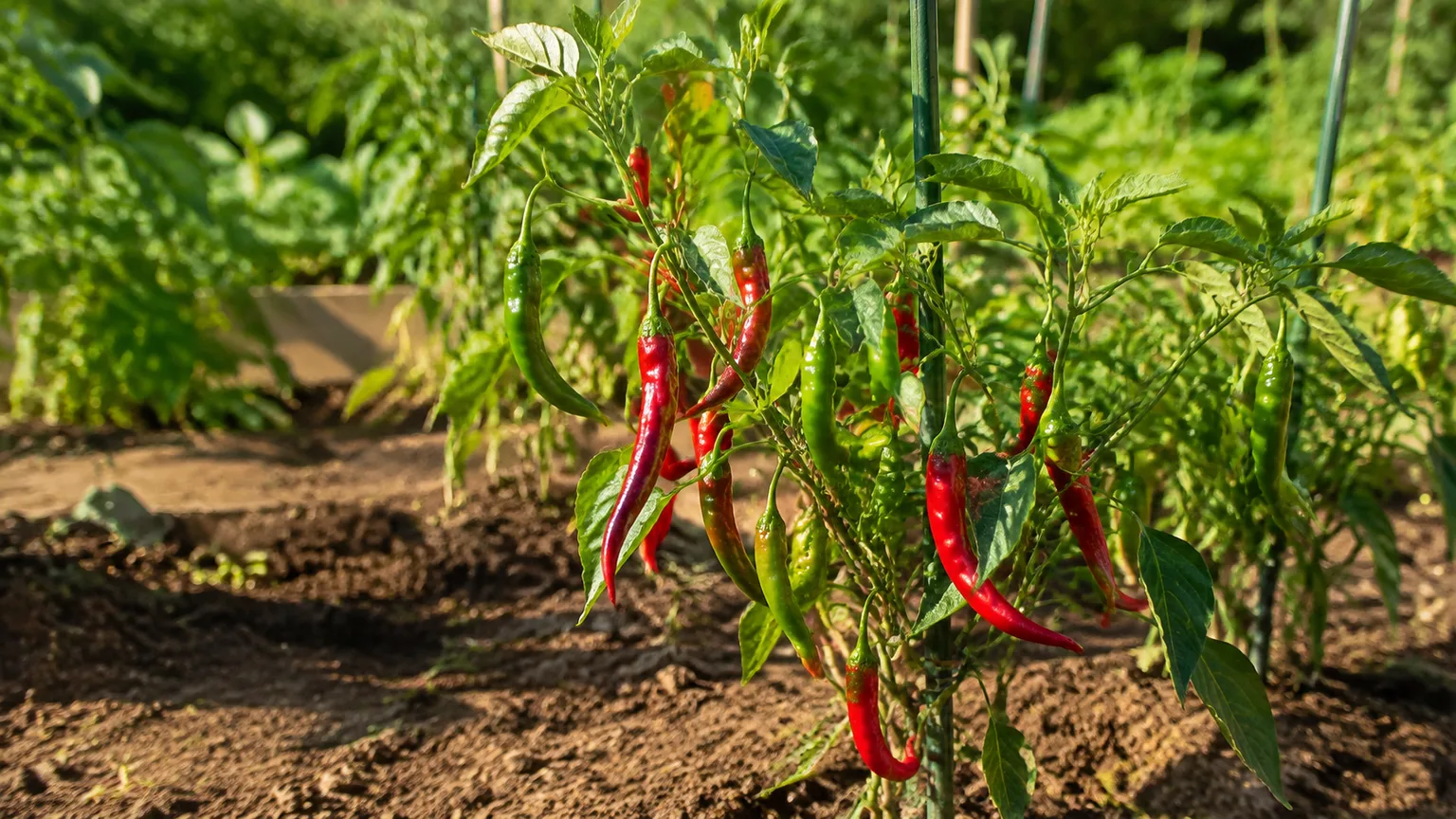
Cayenne peppers are productive warm-season plants when you give them a long enough run of warmth, direct sun, and steady soil moisture. The most useful way to think about them is not “hot peppers are tough,” but warm roots plus an uninterrupted fruiting season. A plant that is happy in July can still stall if it goes into cold soil in spring, swings from drought to saturation, or tries to set flowers during extreme heat.
The crop is usually grown as an annual, even though cayenne is a frost-tender perennial in its native tropical and subtropical range. Its long, narrow fruits are commonly harvested green or allowed to mature to red, then eaten fresh, dried, crushed, or ground. The NC State Extension plant toolbox lists cayenne in the Capsicum annuum Longum Group and notes its heat and drought tolerance, but that does not make a newly planted seedling immune to cold, poor drainage, or abrupt water stress.
Cayenne pepper quick facts and the harvest decision
Most cayenne plants are compact, branching plants about 1 to 4 feet tall and 1 to 2 feet wide, depending on cultivar and growing conditions. They produce small white flowers followed by slender, tapered fruit that may be green, red, orange, yellow, purple, or another cultivar-specific color. The familiar red cayenne is often around 4 to 6 inches long, but the seed packet is the best guide to that variety’s mature size.
The first choice to make is when you want to use the fruit. Green peppers are immature but perfectly harvestable; they usually have a fresher, sharper flavor and a firmer bite. Fully colored peppers have had more time to develop mature flavor and are often the better choice for drying or making a deep red powder. Do not assume every cayenne is equally hot: heat varies with genetics, maturity, water stress, and growing conditions, so treat the packet description as an estimate rather than a guarantee.
The NC State profile describes cayenne and related Capsicum annuum plants as edible but hot, with low-severity poison characteristics. Capsaicin can burn the mouth, eyes, and skin, especially when fruit, seeds, or plant sap is handled in quantity. Wear gloves when processing a large harvest, do not touch your face while cutting peppers, and wash tools and hands thoroughly with soap after handling them.
Choose a variety for your climate and kitchen
Variety choice can solve problems before they occur. In a short season, prioritize an early cultivar whose packet gives a manageable number of days to green or colored maturity. In a hot, long season, you can choose a large-fruited or especially productive type, but allow extra support if the branches will carry a heavy crop. If you grow in a pot, look for a compact habit or a variety described as suitable for containers.
Long, early, and ornamental cayenne types
Long Red Cayenne is a classic choice for drying: the fruit is slender, usually matures from green to red, and has thin walls that lose moisture readily. Red Ember is useful when you want a heavier crop of somewhat wider fruits. Arapaho and Ring-O-Fire are worth considering where an earlier harvest matters, but compare the current seed packet’s days-to-maturity and disease-resistance information because names can be sold by more than one seed company.
Some “purple cayenne” or mixed-color types are selected partly for ornamental value. Choose them when color matters in a patio pot or fresh cooking, and do not judge readiness by red color alone. The mature color printed on the packet may be purple, orange, yellow, or chocolate rather than red.
Start seeds early, or buy a transplant
Peppers need a head start in climates where spring is short. UConn’s pepper guidance recommends starting pepper seeds indoors 8 to 10 weeks before transplanting and waiting until outdoor soil reaches about 65°F. That extra time matters because a tiny seedling spends spring building roots and leaves before the garden is reliably warm enough for fast growth.
Seed-starting temperature and timing
Use a clean, fine-textured seed-starting mix in a tray or small cell. Sow seeds shallowly—about 1/4 inch is a reasonable starting point unless the packet says otherwise—and keep the mix evenly moist rather than wet. Warm bottom heat can make germination more even; Savvy Gardening’s cayenne guide reports strong results from keeping the seed zone around 80–90°F, while Gardening Know How describes germination in roughly 16–20 days under warm conditions.
Those numbers are targets, not a reason to cook the tray. Use a thermostat-controlled heat mat if you use bottom heat, remove the humidity cover as soon as seedlings emerge, and give sprouts bright light immediately. A warm, dim windowsill makes tall, weak seedlings that are harder to establish than shorter plants grown under a close, bright grow light.
Once seedlings have their first true leaves, water when the surface begins to dry and keep air moving gently. If roots fill the starter cell before outdoor conditions are ready, pot up one size rather than moving a small plant into a huge wet container. Feed lightly only if the seed-starting mix contains no nutrients; overly rich fertilizer can scorch young roots.
Harden seedlings without stunting them
Hardening off is a gradual transition from protected light, wind, and temperature to outdoor conditions. Begin on a mild, calm day with an hour or two of bright shade, then add more morning sun and outdoor time over about a week. Bring the trays in if temperatures will drop sharply, and do not leave them in a small black container where midday sun can overheat the roots.
Transplant when the danger of frost has passed, the soil is at least about 65°F, and nighttime temperatures are no longer persistently cold. UConn notes that direct-sown pepper seeds will not germinate in soil below 55°F and that nights below 60°F can inhibit fruit set. A late transplant that grows steadily will usually outperform an early transplant that sits purple, yellow, or motionless in cold soil.
Choose a warm, sunny planting site
Select the sunniest part of the garden: peppers generally need 6 to 8 hours of direct sun, and more light can help a warm-climate plant stay productive when water is adequate. Avoid a spot that becomes shaded when nearby tomatoes, corn, or shrubs leaf out. Morning sun dries dew; afternoon light supplies the energy the plant needs for flowers and fruit.
Wind protection is useful, but do not trade away airflow. A south-facing wall can warm a container or bed, while a dense hedge can create a damp pocket that encourages foliar disease. If the site is cool, dark, or wet in spring, a raised bed or large container may be a better solution than adding fertilizer to an unsuitable location.
Rotate nightshades when you can. Tomatoes, potatoes, eggplant, peppers, and tobacco are all in the same family, and soilborne pathogens can remain in a bed after an infected crop. UConn recommends avoiding the same location for these relatives for about three years when possible, and extending that caution when a serious disease was present. Rotation is not a guarantee, but it reduces the chance that a new plant starts in a problem zone.
Prepare soil and space plants for airflow
Work the bed deeply enough that roots can spread without hitting a compacted layer. Cayenne peppers prefer fertile, well-drained soil with plenty of organic matter; UConn gives a preferred pH range of about 6.0–6.8. A soil test is more reliable than adding lime or fertilizer by habit, especially if the bed has been amended repeatedly.
Mix finished compost into poor soil, but do not turn the planting hole into a pocket of rich, water-holding material. The root zone should transition smoothly into the surrounding soil. If water remains after rain, fix drainage with a raised bed, a different site, or a container rather than trying to make a wet bed work with frequent shallow watering.
Space plants about 18–24 inches apart, with rows roughly 3 feet apart if you have room. The exact distance can shift with the cultivar, but the principle is consistent: leaves should be able to dry, you should be able to inspect the undersides, and fruit should not rest against wet soil. Set a stake or small cage at planting time so you do not drive it through established roots later.
Water consistently without drowning roots
Peppers need a soil that is evenly moist but not saturated. As a starting benchmark, UConn recommends about 1–2 inches of water per week, counting rainfall. Treat that as a weekly total, not a rigid daily prescription: sandy soil, hot wind, a small pot, and a fruit-heavy plant may need more frequent watering, while cool clay soil may need less.
Check the soil several inches down before watering. If it is dry at root depth, water slowly at the base until the whole root zone is moistened; if it is already cool and damp, wait. A brief wilt during extreme afternoon heat is less informative than the plant’s condition in the morning and the moisture around its roots.
The most damaging pattern is repeated drought followed by flooding. Large swings can cause yellowing, flower drop, cracked or malformed fruit, and blossom-end rot-like symptoms. Mulch helps smooth those swings, but keep organic mulch a few inches away from the stem and wait until the soil has warmed. Water the soil rather than spraying the foliage, particularly in humid weather, because wet leaves and soil splash can spread disease.
Container plants dry faster. Check them by lifting the pot, feeling below the surface, and watching how quickly water drains from the holes. Empty a saucer after watering so the pot does not stand in a reservoir, and never compensate for poor drainage by watering less often; roots still need oxygen.
Feed for fruit, not a jungle of leaves
Start with a soil test and the fertilizer label. Peppers need nutrients for leaves, flowers, and fruit, but a heavy dose of nitrogen can produce a large green plant with disappointing fruit set. UConn recommends a fertilizer approach that supplies phosphorus and potassium for blossoms and fruit without pushing excessive leafy growth.
Compost at planting may be enough in a fertile bed. If the soil is lean or a container mix is being used, choose a vegetable fertilizer and apply it at the labeled rate. A slow-release product can reduce the risk of a feast-or-famine cycle; a liquid feed can be useful when a potted plant is actively growing, but more is not automatically better.
If leaves are dark green and growth is lush but flowers are scarce, stop adding nitrogen and review light, temperature, and watering. If lower leaves are pale and growth is weak, do not diagnose fertilizer deficiency from color alone: waterlogged roots, cold soil, pests, and disease can all limit nutrient uptake. Correct the growing condition before escalating the feeding.
Support, mulch, and pollination
Cayenne branches can be brittle, especially when long fruit hangs from several tips at once. A single stake tied loosely to the main stem may be enough for a compact plant; a tomato cage or several soft ties works better for a broad plant. Install support at transplanting and tie as the plant grows, leaving room for stems to thicken.
Apply a thin to moderate layer of straw, shredded leaves, or another clean mulch after the soil warms. Mulch reduces weeds, keeps soil moisture more even, and limits soil splashing onto leaves. Do not pile it against the stem, and remove diseased plant debris rather than hiding it under mulch.
Cayenne flowers are self-pollinating, and wind and insects can move pollen within the plant. You do not normally need to hand-pollinate a healthy outdoor plant. In a sheltered indoor or greenhouse setting, gently shaking the support or brushing the plant can help move pollen, but poor fruit set is more often a temperature, water, light, or nutrition problem than a missing pollinator.
Grow cayenne peppers in containers
A pot is useful when your garden soil drains poorly, your only sunny space is a patio, or you want to move the plant before a cold snap. Choose one container with drainage holes for each plant; a 5-gallon pot gives a vigorous cayenne room for roots and reduces how quickly it dries. Savvy Gardening recommends containers or buckets with drainage and a potting mix amended with compost and vegetable fertilizer.
Use a quality potting mix, not garden soil alone. Garden soil can compact in a pot and drain slowly. Set the transplant at the same depth it grew, water it in thoroughly, and place the container where it receives direct sun for most of the day. A light-colored pot may heat the root zone less than a thin black pot on a hot patio, but any container can overheat if it sits on reflective concrete with no afternoon protection.
Container care is a tighter feedback loop: the plant may need water daily during a heat wave and very little during a cool rainy spell. Do not keep the mix permanently wet to avoid wilting. Feed according to the fertilizer label, support the plant early, and turn the pot occasionally so growth is balanced.
Harvest at green, red, or full color
Count days to maturity as a planning estimate, not a promise. Many cayenne varieties begin producing harvestable fruit around 70–80 days after transplanting, while seed-to-harvest timing is longer because it includes indoor growth. Weather, transplant shock, cultivar, and whether you are waiting for green or fully colored fruit all change the date.
Pick green cayenne peppers when they have reached the size and firmness described by the seed packet. To let fruit mature, wait for the expected final color and a firm, glossy skin. A pepper that is soft, leaking, moldy, or damaged is past the point where storage will rescue it.
Use clean snips or pruners and leave a short piece of stem attached. Pulling can break a branch or uproot a shallow container plant. Harvesting regularly removes mature fruit and can encourage the plant to keep flowering while the season remains warm.
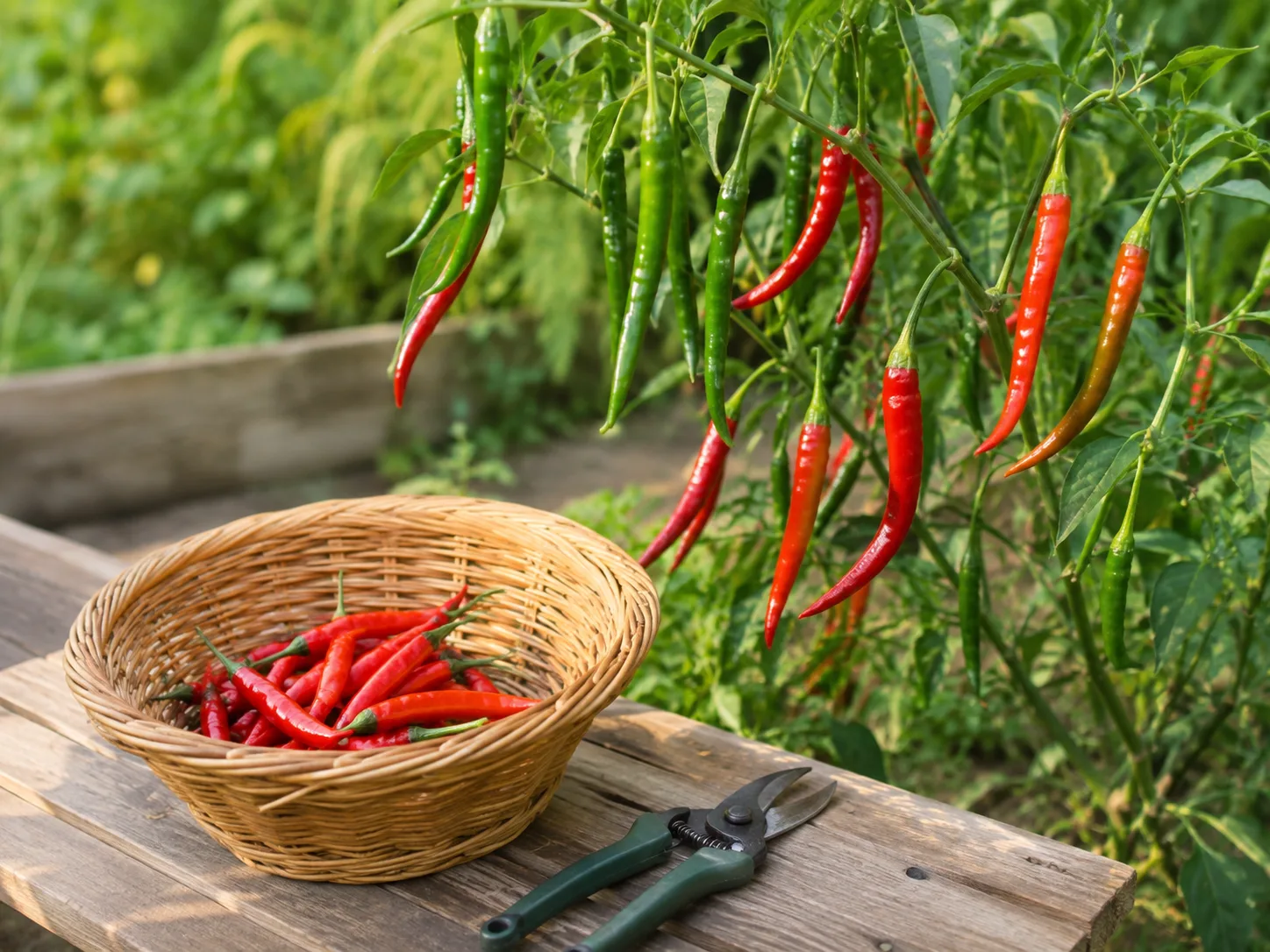
| Harvest stage | What to look for | Best use |
|---|---|---|
| Green | Full size for the cultivar, firm walls, glossy skin | Fresh cooking, pickling, sauces |
| Color change | Fruit is firm and moving toward its mature color | Fresh use when you want a transitional flavor |
| Fully ripe | The packet’s mature color, firm skin, developed flavor | Drying, powder, flakes, fresh cooking |
Refrigerate fresh peppers for roughly a week and avoid sealing damp fruit in a container. For longer storage, freeze them or dry them until completely brittle, then store whole, crushed, or ground in an airtight container. Thin-walled cayennes dry readily, but dried pepper dust is easy to inhale and can irritate eyes and airways; ventilate the area and wear a mask if you are grinding a large batch.
Solve common cayenne pepper problems
Start with the pattern, not the most dramatic symptom. Check the soil moisture, underside of leaves, new growth, stems, flowers, and fruit; then compare the plant’s location with the weather. A yellow leaf after a cool, saturated week points to a different first action than yellowing after a missed watering.
Pests and disease signals
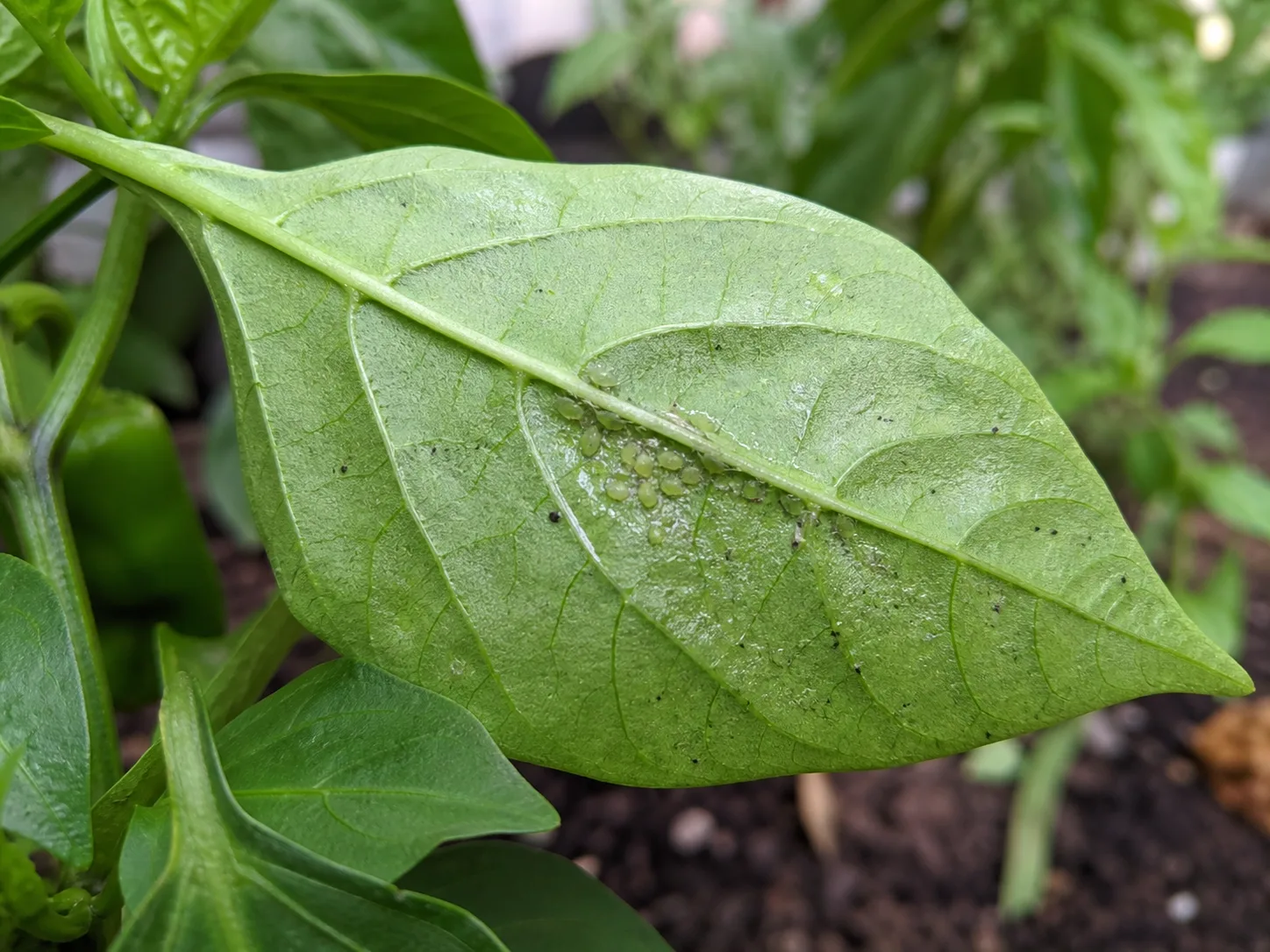
Aphids cluster on tender tips and leaf undersides and may leave sticky honeydew. Whiteflies flutter when foliage is disturbed, spider mites cause stippling and fine webbing in hot, dry conditions, and flea beetles leave small holes. Cutworms can sever young stems near the soil line, while pepper maggots or borers may be revealed only when fruit or stems are cut open. UConn’s pepper factsheet lists these and other pests, including thrips, stink bugs, and pepper maggots.
Inspect weekly and use the least disruptive effective action first: wash accessible aphids from foliage, hand-pick larger pests, remove badly damaged leaves, and keep weeds and plant debris from creating hiding places. If you use an insecticide, identify the pest, read the label, follow the crop and harvest interval, protect pollinators, and use only products legally registered for your location. “Natural” is not a substitute for a label or for correct timing.
Leaf spots, sunken fruit lesions, wilting, and stem or crown rot deserve more caution. Good spacing, base watering, drainage, clean transplants, and removal of diseased debris are preventive steps. Do not compost diseased material in a home pile that will be used around vegetables. UConn identifies bacterial spot, anthracnose, Phytophthora rot, Fusarium wilt, Verticillium wilt, and mosaic viruses among pepper disease concerns; rotation is particularly important for soilborne problems.
If an entire plant wilts while the soil is wet, do not keep adding water. Inspect the crown and roots, look for a plugged or waterlogged pot, and consider soilborne disease if the symptoms are one-sided or progress despite corrected moisture. A lab or local extension diagnosis is more useful than spraying an unknown disease.
Blossom drop and poor fruit set
Flowers can fall when nights are too cold, nights stay unusually hot, daytime temperatures climb above the plant’s comfort range, or the root zone swings between drought and saturation. UConn reports that nights below 60°F or above 75°F and daytime temperatures above 90°F can inhibit fruit set. In a heat wave, keep moisture even, provide temporary afternoon shade only if the plant is scorching, and wait for a milder stretch rather than force-feeding.
If flowers drop in otherwise mild weather, check whether the plant is receiving enough direct light and whether nitrogen has produced leaves at the expense of flowers. Also check for thrips or other flower-feeding pests. Avoid pruning healthy flowering branches as a first response; the plant needs those sites to produce fruit.
Overwintering and propagation
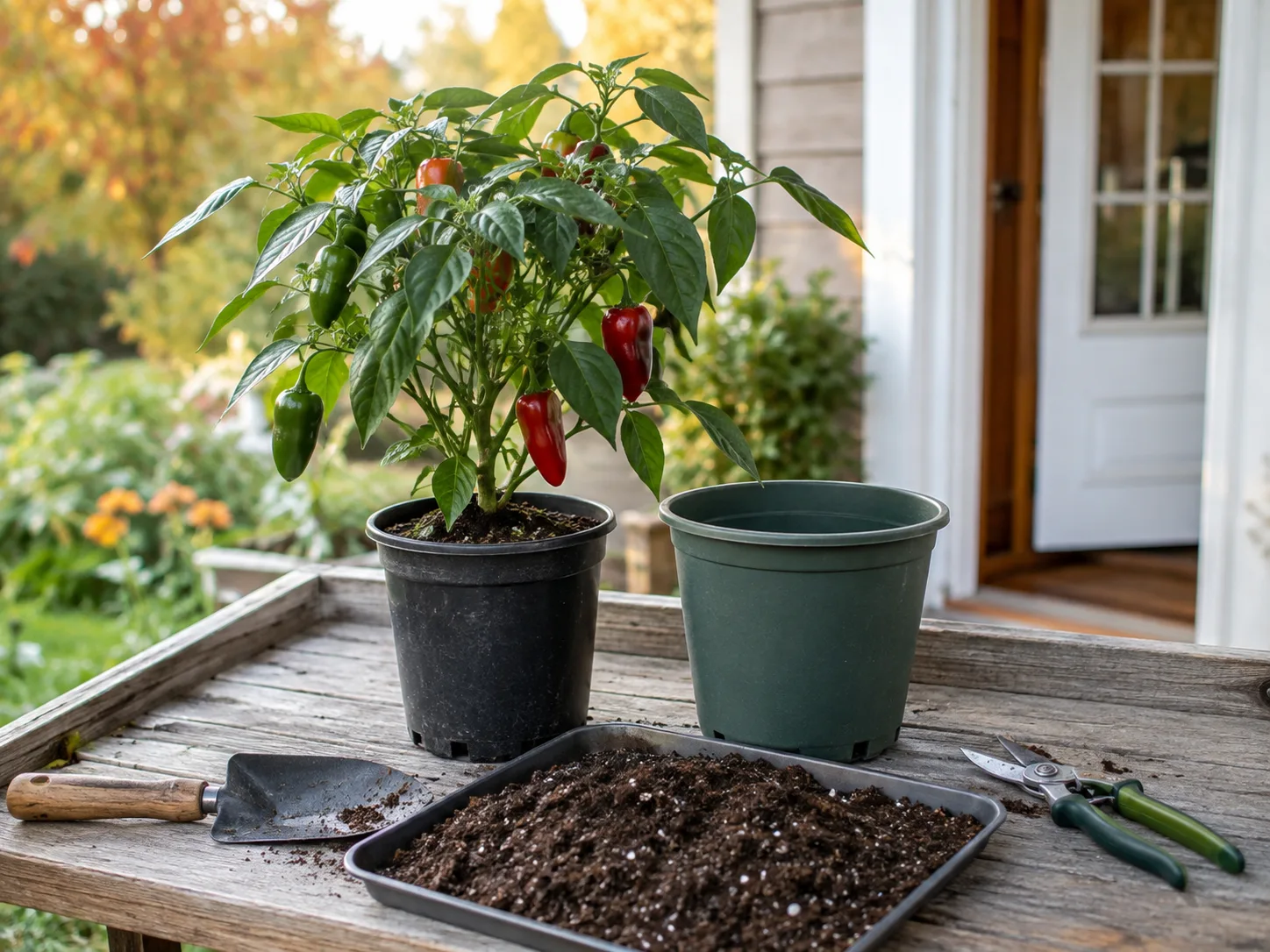
In USDA Zones 9–11, cayenne may survive as a short-lived perennial where frost is rare, but a cold climate usually treats it as an annual. Overwintering is worthwhile when the plant is healthy, productive, or a favorite cultivar that is hard to replace. It is not always worth dragging a pest-ridden plant indoors or sacrificing a bright indoor space for a weak plant.
Before bringing a plant inside, inspect leaf undersides, stems, and the pot rim for aphids, whiteflies, mites, and eggs. Remove damaged leaves, clean the container, and isolate the plant from houseplants for several weeks. Place it in the brightest available window or under a grow light, keep it away from cold drafts, and water less often as growth slows. Expect some leaf drop during the transition. In late winter or early spring, increase light and watering gradually, then harden it off again before returning it outdoors.
Cayenne is normally propagated by seed, which gives you the most predictable route to a new plant. Stem cuttings can produce clones in warm, bright, humid conditions, but they are a specialized project rather than the simplest way to replace an annual. If you save seed, remember that peppers can cross-pollinate with nearby varieties, so saved seed may not produce fruit identical to the parent unless flowers were protected from outside pollen.
Conclusion
To grow cayenne peppers well, protect the plant from the season’s two biggest traps: cold at the beginning and unstable moisture during flowering and fruiting. Start seeds 8–10 weeks before your expected transplant date, wait for warm soil, give plants full sun and room to dry, and support them before fruit weight bends the branches.
From there, the routine is straightforward: check soil moisture at root depth, feed moderately, scout leaves weekly, and harvest according to your cooking goal. Pick green fruit for a crisp, earlier harvest or wait for mature color and dry the thin-walled peppers for flakes and powder. If frost is approaching, harvest first; if the plant is healthy and you have enough light, overwinter it as an optional second season rather than a requirement.