How to Grow African Marigold (Mexican Marigold)
Grow African marigold from seed or nursery starts with practical advice on sun, spacing, water, staking, deadheading, seed saving, and common problems.
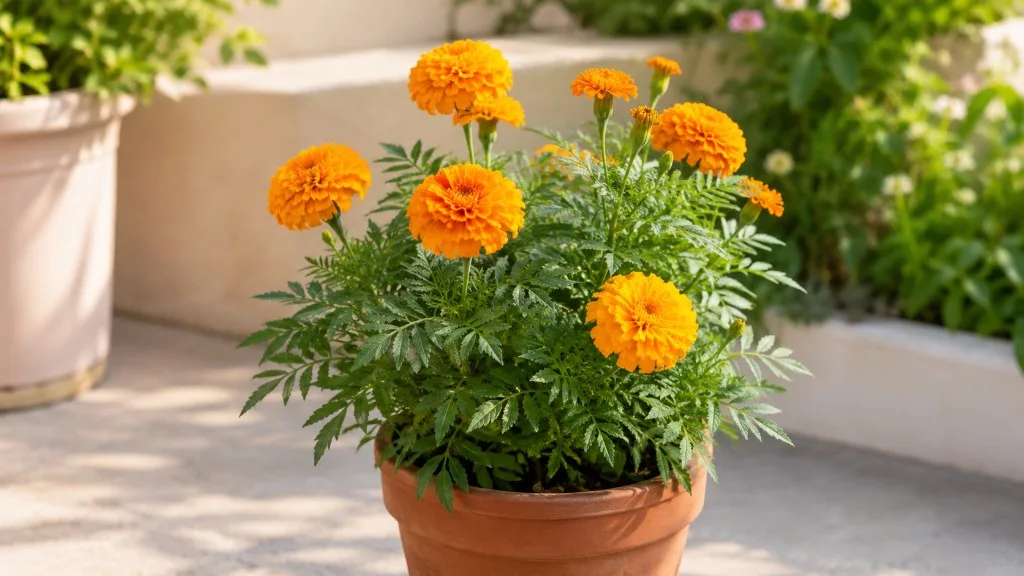
For a dependable show of large, warm-colored flowers from summer into fall, start with the botanical name on the packet: African marigold is Tagetes erecta. Give it a sunny site, let the soil drain between thorough waterings, and space it for the mature size of its cultivar. Those three choices do more for sturdy stems and repeat flowering than rich soil or frequent feeding.
This annual is easy to grow from seed or a nursery transplant, but “African marigold” does not mean every variety grows into a four-foot tower. Some compact selections stay around a foot tall; others carry broad, heavy flower heads on much taller stems that may need a pinch or a stake. Match the plant to the bed, container, and wind exposure you actually have.
Confirm the Plant Name Before You Plant
Common names overlap. Tagetes erecta is also sold as American, Aztec, or Mexican marigold, and it is native to Mexico and Guatemala despite the word “African.” The name reflects the route through which it became established in Europe, not its origin. Kew lists T. erecta as Mexican marigold, while Iowa State Extension notes that African and French marigolds originate in Mexico and Central America.
Check the scientific name when shopping, especially if the label only says “Mexican marigold.” That phrase is also used for other plants, including the perennial Mexican bush marigold (Tagetes lemmonii) and Mexican tarragon (Tagetes lucida). French marigold is a different species, T. patula, and signet marigold is T. tenuifolia; neither should be assumed to have the same height, flower size, or garden role as T. erecta. The word “marigold” can also mean calendula, Calendula officinalis, which is not a Tagetes. UF/IFAS Extension distinguishes the large-flowered African type from French and signet marigolds.
African marigold is an upright, bushy annual with divided, aromatic foliage and yellow, gold, orange, cream, or bicolored flower heads. The plant normally completes its life cycle in one growing season and is killed by frost. Its tall forms are useful as a back-of-border accent, mass planting, container feature, or cut flower, while compact cultivars fit edging and smaller pots.
Choose a Variety That Fits the Space
Read the cultivar’s expected height and spread instead of choosing only by flower color. University of Minnesota Extension lists African types that range from roughly 8 to 12 inches tall to forms reaching 3 to 4 feet, and Iowa State’s examples similarly range from compact bedding series to taller ‘Crackerjack’ plants. Large, double flowers make a bold display, but their weight can catch wind and rain, so a tall selection needs room and sometimes support.
Compact cultivars suit low borders, window boxes, and pots where you want color without a support stake. Taller varieties work better in the back of a bed, a cutting row, or a substantial container that will not tip. If you want a uniform hedge of color, buy plants from the same named series and check that the packet describes a similar height and bloom time.
Give It Sun and Fast-Draining Soil
Choose a spot that receives at least six hours of direct sun; all-day sun generally produces the strongest flowering. In partial shade, plants tend to stretch toward light, flower less, and lean more easily. In regions with punishing afternoon heat, some filtered shade can reduce stress, but expect less flowering than in a bright site and avoid deep shade. UF/IFAS recommends full sun.
African marigolds tolerate a range of soils, including sandy and loamy ground, as long as water does not remain around the roots. A modest amount of compost can improve poor soil structure, but do not turn the bed into a high-nitrogen, highly enriched patch. Extension guidance recommends moderate fertility: UF/IFAS notes that excess nitrogen or shade can produce leafy plants with few flowers.
Keep fertility moderate
If the bed is compacted or slow to drain, solve that before planting by improving the bed or choosing a raised location. A plant that is repeatedly wet at the roots is more likely to decline than one growing in average soil. Avoid adding a strong fertilizer simply because growth looks slow; first check sun, drainage, root health, crowding, and whether the plant is in a short heat-related pause.
For a garden bed, start with a soil test if you have persistent nutrient issues or unusually acidic soil. For a pot, use a fresh, free-draining container mix rather than dense garden soil. Keep fertilizer modest and follow its label, especially for liquid feeds in a small volume of potting mix.
Time Planting Around Frost
Wait until the local frost danger has passed before setting transplants outside or sowing seed directly in the bed. Tagetes erecta is a warm-season annual; a late cold snap can damage or kill tender seedlings, and a cold, wet planting hole slows establishment. In areas with a long, warm growing season, gardeners can direct-sow after the soil has warmed; in short-season regions, indoor sowing or nursery starts provide a head start. Botanical Interests recommends indoor sowing four to six weeks before the last frost.
Calendar dates vary by location, so use your average last frost as a planning guide rather than a guarantee. Check the short-range forecast before transplanting, and delay planting if an unusual cold night is expected. In frost-free climates, planting windows may shift to avoid the most intense heat, but the plant still needs warmth and bright light to grow well.
Start Seeds Indoors for Earlier Flowers
Sow indoors about four to six weeks before the expected last frost. Use clean seed trays or small pots filled with seed-starting mix, cover the slender seeds lightly according to the packet, and keep the medium evenly moist rather than saturated. Warm conditions help germination; UF/IFAS reports that marigold seed germinates in about a week at 70–75°F, though emergence time varies with seed quality and temperature.
As soon as seedlings emerge, give them strong light so their stems do not stretch. A bright window may not provide enough intensity for sturdy growth, especially if seedlings lean toward the glass; a grow light positioned close above the foliage can help. Once seedlings have true leaves, thin crowded cells to the strongest seedling rather than allowing several plants to compete in one small space.
Before planting outside, harden seedlings off over about a week. Put them outdoors in a sheltered, bright location for a few hours at first, then lengthen their exposure and introduce more sun and breeze gradually. Seedlings moved straight from a warm indoor room into full sun and wind can wilt or scorch even when the weather is frost-free.
Direct-Sow Once the Soil Warms
Direct sowing avoids transplant shock and is simple where spring arrives early. Prepare a weed-free surface, sow seeds shallowly, water gently, and keep the upper soil from drying until seedlings appear. Follow the packet’s depth and spacing; seed sown too deeply or into cold, waterlogged ground may take longer to emerge or rot.
Thin seedlings when they are large enough to handle, leaving the distance recommended for the cultivar. Pulling a tight clump can disturb neighboring roots, so snip unwanted seedlings at soil level if they are close together. Direct-sown plants start later than indoor seedlings, but they can still flower during the same warm season when planted early enough.
Transplant Seedlings Without Crowding Them
Set nursery plants or hardened seedlings at about the same depth they were growing in their pots, then firm soil around the root ball and water it in. Place compact cultivars according to their label; for many African marigolds, 12 to 18 inches is a useful starting range. A full-size variety needs the wider end of that range or more if its listed spread is broad. UF/IFAS recommends 12 to 18 inches.
Crowding may look colorful at planting time but becomes a problem as foliage fills in. Tight spacing reduces airflow, makes it harder to inspect leaf undersides, and encourages plants to compete for sun and water. Leave enough room to reach the base for watering and deadheading, particularly for the large-flowered forms that can lean into neighboring plants.
Water Deeply and Feed Lightly
After planting, water enough to settle the root zone, then let the top layer of soil begin to dry before watering again. Once established, T. erecta tolerates short dry spells better than persistently soggy soil. In a garden bed, a thorough soak is usually more useful than frequent splashes; in a pot, check moisture more often because containers dry faster in sun and wind. Iowa State Extension notes that marigolds tolerate drought better than overly wet soil.
Water at the soil line in the morning when possible. This lets foliage dry during the day and reduces the time leaves stay wet. If a container’s surface dries quickly while the root ball remains damp, do not water again just because the top looks pale; check a little below the surface and make sure drainage holes are open.
Use fertilizer only when the soil or container mix needs it. In a reasonably fertile bed, extra feeding is often unnecessary, and excessive nitrogen can shift growth toward leaves instead of flowers. If growth is pale or stunted, first rule out poor drainage, root rot, low light, or root-bound nursery stock before applying a light, balanced feed according to its label.
Pinch, Stake, and Deadhead for Stronger Plants
Pinching a young plant can encourage branching and a fuller shape. When a seedling is established and has several sets of true leaves, pinch or trim the growing tip above a leaf joint if you want more side shoots; this can delay the first bloom slightly. Skip the pinch on compact cultivars that already branch well or when the season is short and you want the earliest flowers.
Tall varieties may need support before they start leaning. Put a discreet stake near the root ball while the plant is still small, then tie the stem loosely with a soft tie so it can move without rubbing. A stake added after a stem has folded can support it, but it will not always restore the original shape; spacing, sun, and early pinching are better preventive measures.
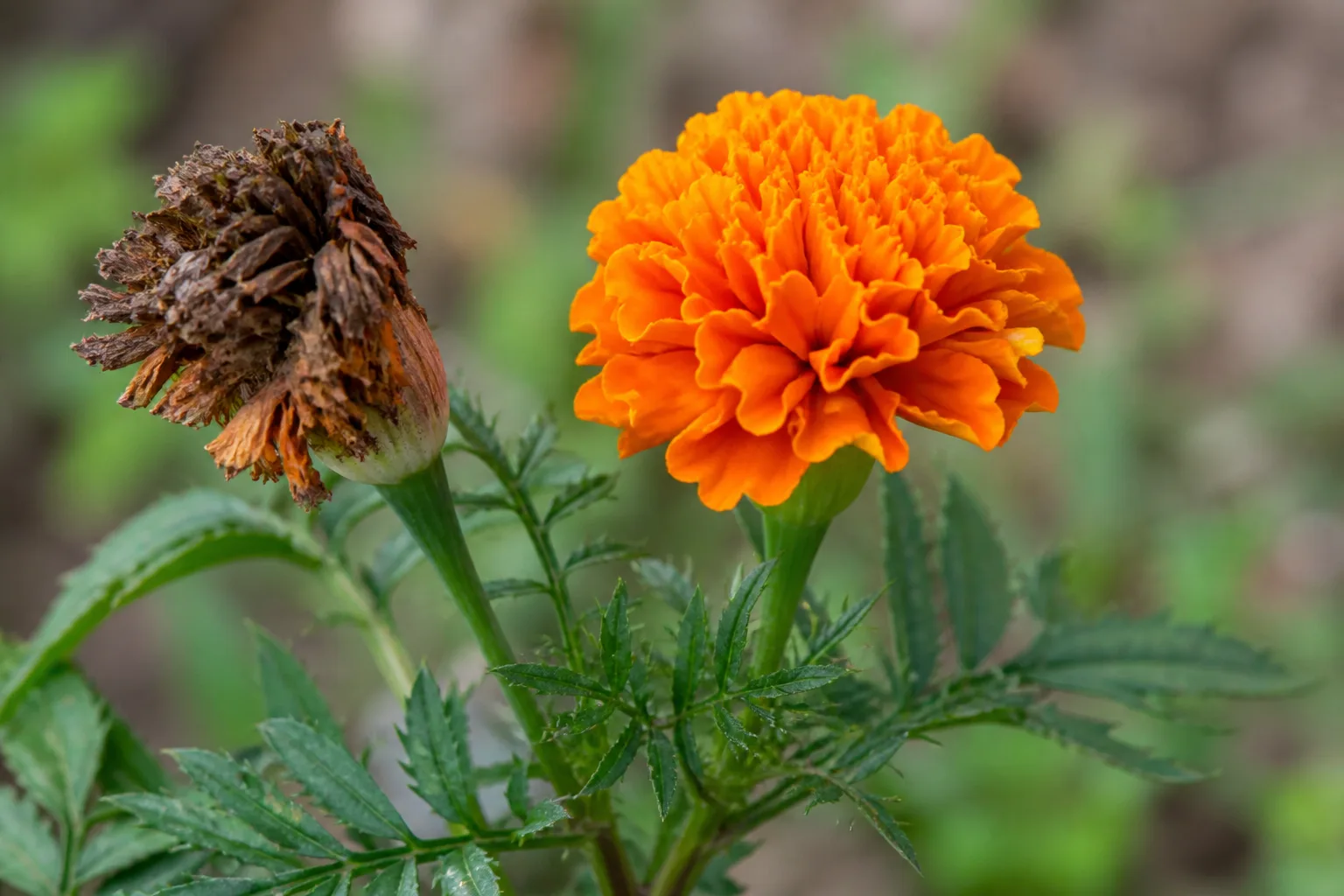
Remove faded flowers to keep the planting tidy and encourage continued bloom. Clip the spent flower stalk back to a healthy leaf or side shoot instead of tearing the flower head off. If you want to collect seed, leave selected heads on the plant to mature and stop deadheading those blooms; deadheading and seed collection are competing goals on the same flower.
The Royal Horticultural Society recommends regular deadheading to prolong flowering.
Grow African Marigolds in Containers and for Cutting
Use a container with drainage holes and enough weight to resist tipping. A pot around 12 inches wide is a reasonable starting point for one compact plant; a taller cultivar may need a larger, heavier container or a short stake. Do not crowd several full-size plants into a small bowl just to make the pot look full on planting day.
Container-grown marigolds need closer moisture checks than plants in open ground, particularly during hot, windy weather. Water until excess drains from the bottom, then empty any standing water from a saucer. If the pot becomes root-bound or dries out within a few hours, move to a larger container early in the season rather than trying to compensate with constant shallow watering. The RHS includes African marigold among suitable patio and container plants.
For cut flowers, harvest stems when blooms are open but still fresh, and strip foliage that would sit below the waterline. Long-stemmed cultivars make the best cutting choices; compact bedding types may have shorter stems even when their flower heads are attractive. Regular cutting also removes some mature flowers and can function like deadheading, encouraging the plant to direct energy toward developing shoots.
Expect a Summer Bloom Cycle, Not a Perennial
African marigolds generally flower through the warm season and continue until frost, provided they have enough light, water that drains, and spent blooms removed. Their flowering can slow temporarily during very hot weather, especially when nights stay warm and the soil dries quickly. Mississippi State Extension notes that peak summer heat can stall growth and bloom for a time; this pause does not automatically mean the plant needs fertilizer.
If a heat wave causes afternoon drooping but leaves recover by evening, check the soil before adding water. A plant in a pot may need a deeper morning soak, while one in wet soil may be suffering at the roots and should not be watered more. Once temperatures moderate, healthy plants may resume growth and flowering.
Frost ends the display. In cold-winter areas, pull or cut plants after frost damage and compost healthy material; do not expect them to return from the roots next spring. In mild climates, a plant may linger longer, but it is still most reliably treated as a warm-season annual and replanted when conditions suit it.
Diagnose Pests and Disease Early
African marigolds are usually straightforward, but occasional pests include aphids, spider mites, slugs, snails, beetles, and caterpillars. Inspect the leaf undersides and new growth before treating. A few insects can often be removed by hand or washed off; insecticides are not automatically necessary, and spraying open flowers can harm visiting pollinators.
Wet soil is a more serious risk than many leaf-chewing insects. Root rot can cause yellowing, collapse, or persistent wilt, and the plant may not recover if roots are brown and mushy. Improve drainage, let the soil dry appropriately, and remove a severely affected plant rather than keeping its roots in standing water. Iowa State Extension identifies root rots in moist soils as a serious problem for African marigolds.
Look for a pattern before acting. Spider mites tend to cause stippled, faded foliage and may leave fine webbing during hot, dry weather. Leaf spots or powdery growth are more likely when leaves stay damp or plants are crowded; remove badly affected foliage, water at ground level, and improve airflow. Misshapen growth across the plant, including distorted flowers, can signal a more serious disease or insect-vectored problem and is a reason to remove the plant and seek local extension identification.
Few flowers or stems that lean
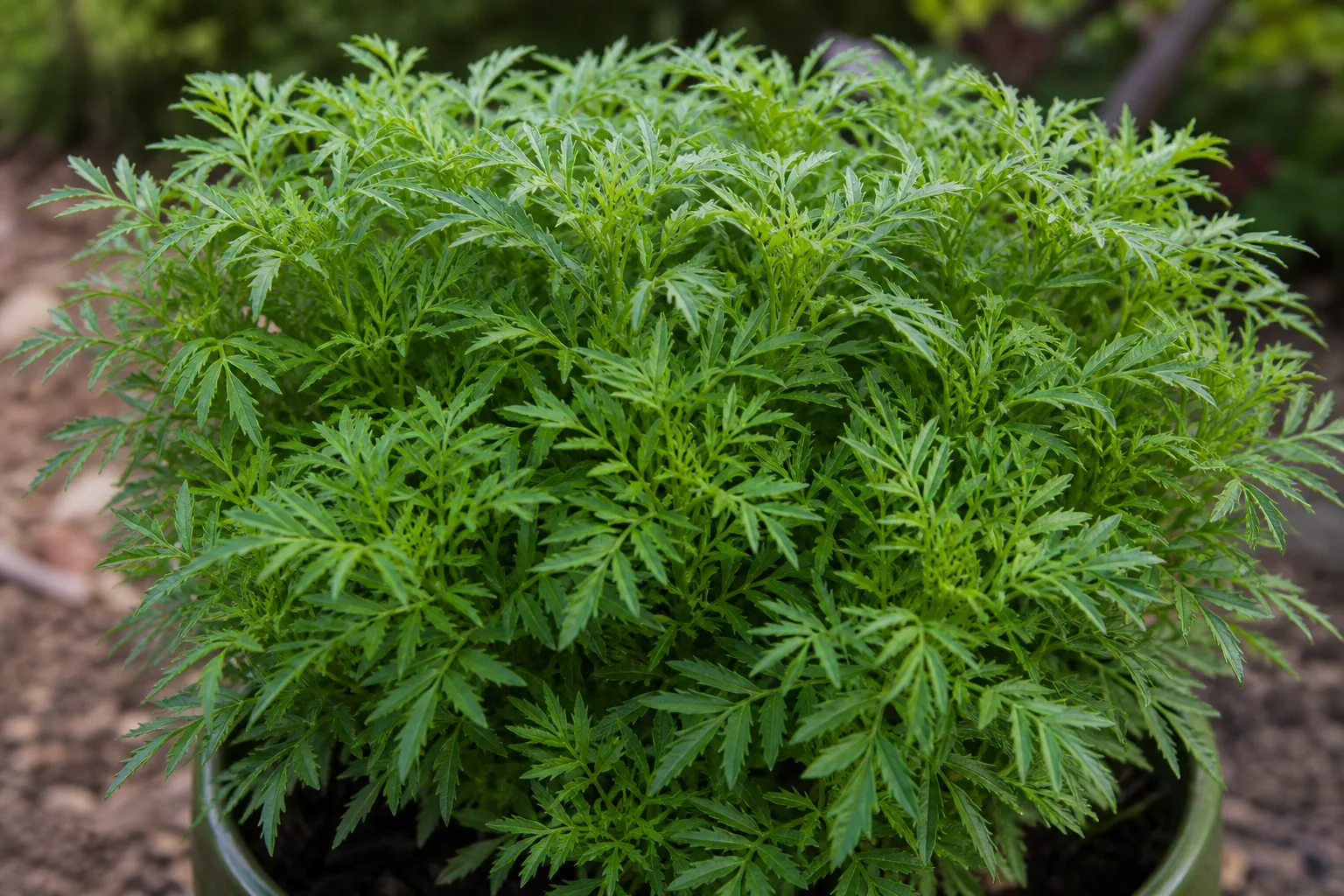
When foliage is lush but blooms are sparse, check sun exposure and fertilizer history first. Move or thin plants that receive less than six hours of direct light if practical, and stop routine high-nitrogen feeding. During a heat spell, wait for cooler conditions and maintain even—not constantly wet—root moisture before deciding that flowering has failed.
Leaning usually points to a mismatch between plant size and support: tall cultivar, shade-stretched stems, tight spacing, or wind and rain load. Stake early and pinch young stems for branching if the cultivar and season allow it. If the plant is repeatedly toppled in an exposed site, choose a shorter series next season instead of adding a more elaborate support structure.
Leaf damage, wilt, and wet-soil problems
Pale stippling and webbing on the undersides suggest spider mites; clustered soft-bodied insects on new growth are more likely aphids. Rinse foliage early in the day and monitor whether the population returns. Use a labeled product only if the damage warrants it, following directions for flowering plants and pollinator exposure.
Wilt can mean thirst, heat stress, or root injury, so test the soil before watering. Dry soil and a pot that feels unusually light point toward underwatering; damp soil, sour odor, and declining lower leaves point toward poor drainage or root disease. A plant with wet roots does not need another deep soak, even if the top leaves look limp.
Save Seed Only If You Accept Variation
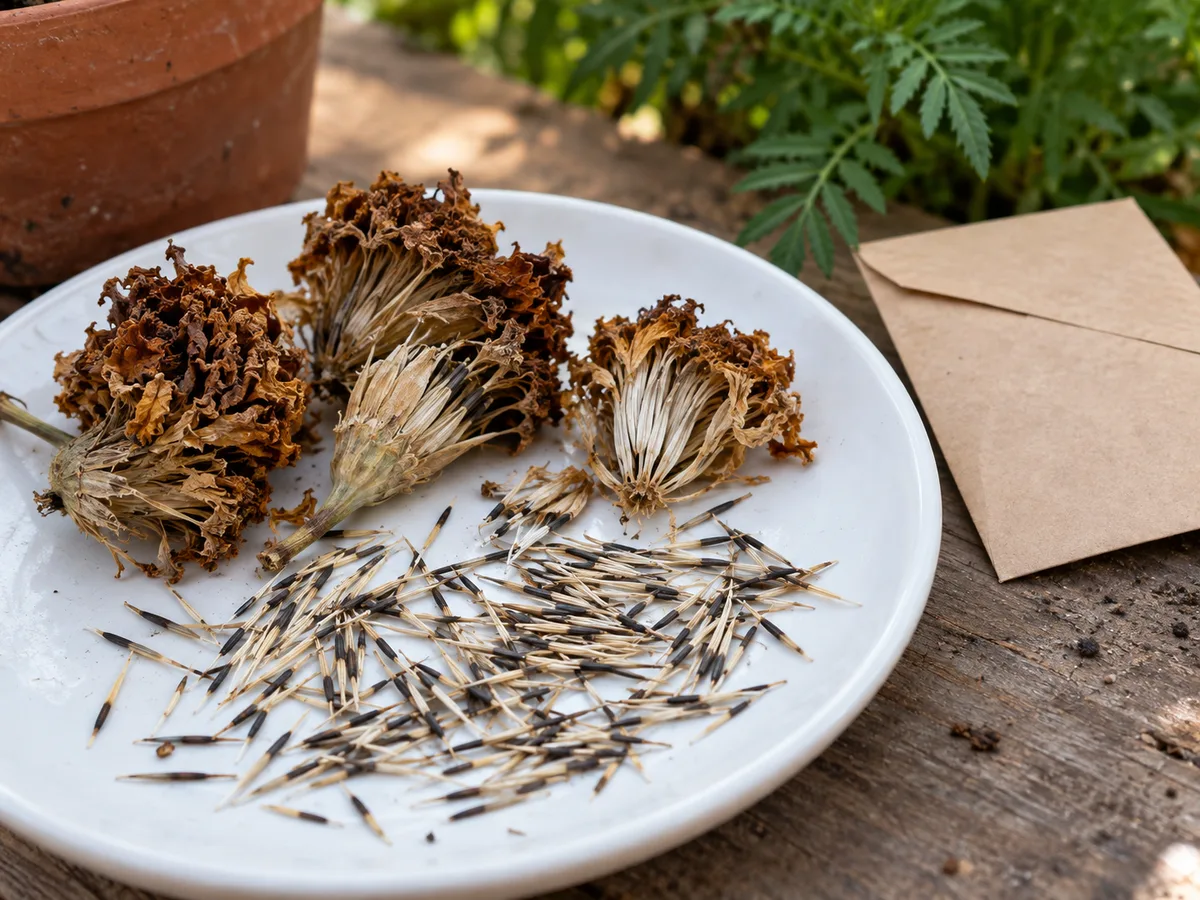
To collect seed, choose a healthy flower and leave it on the plant until the head dries and turns brown. Harvest in dry weather, open the head, remove the slender dark seeds, and spread them out to finish drying before storing them in a labeled paper envelope in a cool, dry, dark place. Seeds collected while the head is green or damp are more likely to be immature or mold in storage.
Check the variety label before relying on saved seed. Seed from an open-pollinated cultivar may resemble its parent if pollination is controlled, but Tagetes flowers can cross with nearby plants of the same species. Seed from an F1 hybrid can still germinate, yet the next generation may vary in height, color, or flower form instead of matching the named cultivar. University of California seed-saving guidance recommends selecting healthy plants, allowing seed to mature, keeping it dry, and labeling the variety and year; Gardener’s Path explains the limits of saved seed from hybrids.
For exact color and flower form, buy fresh seed of the same named hybrid each year. For a relaxed border where surprises are welcome, saved seed can be worthwhile even if the offspring differ. Keep a few plants for seed rather than leaving every flower to mature, since an abundance of seed heads can reduce the tidy, continuous display you get from deadheading.
Protect Pollinators, Pets, and Sensitive Skin
Open African marigold flowers are included in Alabama Cooperative Extension’s list of plants attractive to bees and butterflies, and North Carolina State Extension also notes butterflies and hummingbirds. Single or more open flower forms make it easier to see the center of a bloom; dense double varieties are often chosen for appearance, so use a range of flower shapes if pollinator access is a priority. Avoid spraying broad-spectrum insecticides on blooming plants, and follow any product label for pollinator restrictions.
Handle cut stems carefully if you have sensitive skin. North Carolina State Extension lists low-severity human toxicity and reports that sap contacting broken skin plus sunlight can cause redness, burning, or blisters; the flower aroma can also irritate the nose or eyes. Wear gloves while pinching or deadheading if you react to plant sap, wash skin after contact, and do not rub your eyes while handling the foliage.
Do not use a generic “marigold is safe” claim to make a decision about pets. The ASPCA entry commonly returned for garden marigold names Calendula officinalis, which is a different genus from Tagetes erecta. Keep pets from chewing large amounts of ornamental plants, confirm the botanical name with a veterinarian or poison-control resource if an exposure occurs, and seek veterinary advice if an animal becomes ill.
Conclusion
Grow Tagetes erecta in sun, give it room to reach the cultivar’s mature width, and keep water moving through the root zone. Start seeds indoors for an earlier display or sow directly after frost when the soil is warm; then harden seedlings off, water deeply as needed, and avoid excess nitrogen.
If a tall plant starts to lean, check light, spacing, wind, and flower load before reaching for more fertilizer. Deadhead the flowers you want to replace, leave only selected heads to ripen if saving seed, and use the scientific name whenever a label’s common name is ambiguous. With those choices made early, African marigolds can provide a long, vivid season of flowers with little fuss.



