How to Grow and Care for Ptilotus Exaltatus
Learn how to grow Ptilotus exaltatus with full sun, fast drainage, careful watering, seed-starting tips, container guidance, and realistic winter expectations.
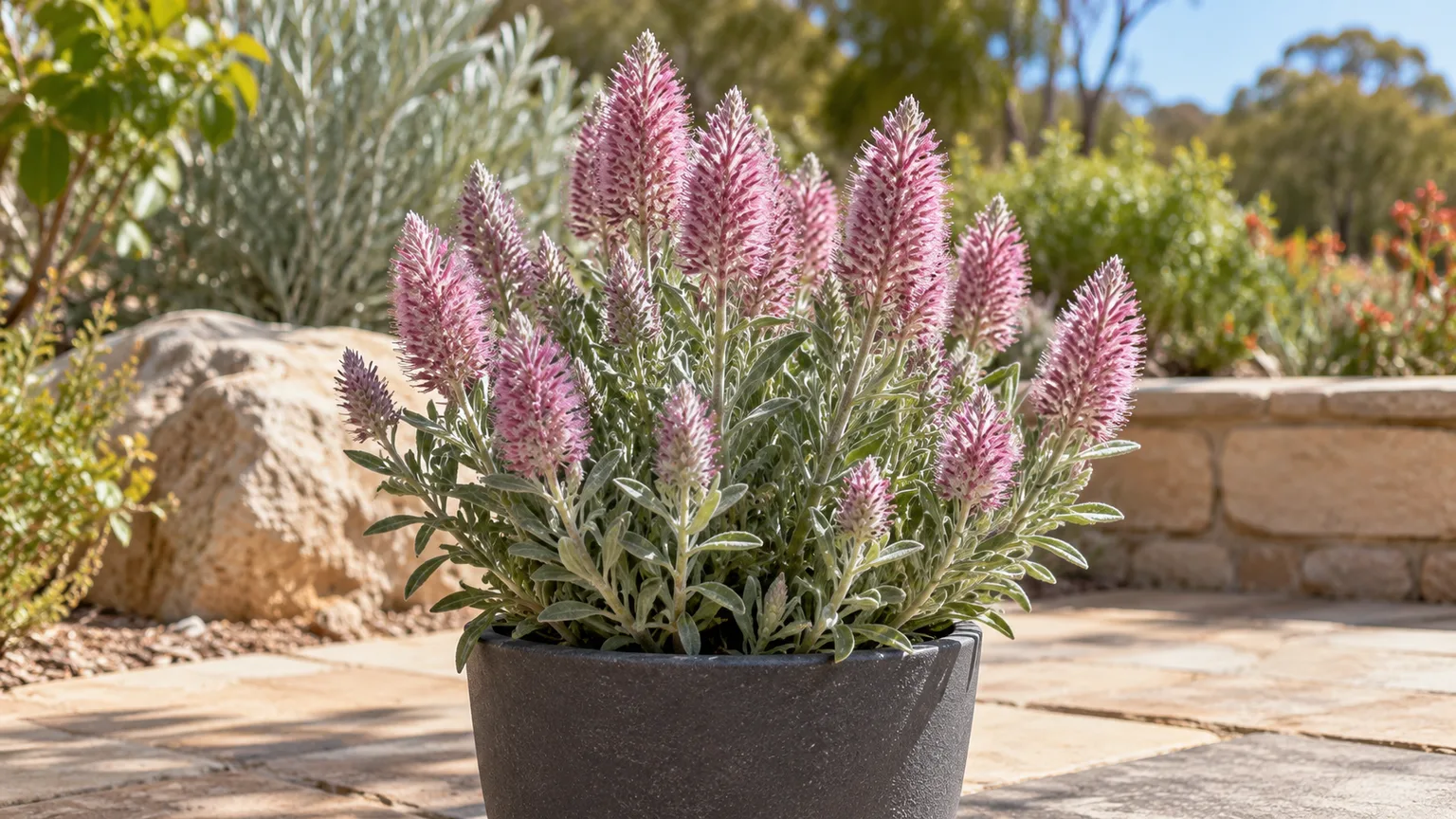
Ptilotus exaltatus, usually sold as pink mulla mulla or tall mulla mulla, is a sun-loving Australian flower with upright, densely packed pink-to-purple spikes and silvery-green foliage. Give it warmth and fast-draining soil, and it can flower through hot weather when some familiar bedding plants fade; leave it in cold, saturated ground and it is likely to fail. The practical rule is simple: choose a sunny, dry site, keep the root crown at soil level, and treat winter survival as a local trial rather than a guarantee.
This plant is often called a perennial, but the word can mislead gardeners in climates with freezing winters. In its native range it may live as an annual or short-lived perennial, while commercial selections are frequently grown as seasonal bedding plants in cooler regions. The Australian Native Plants Society notes both the species’ short-lived life cycle and the need for open sun and excellent drainage; this guide turns those broad requirements into a step-by-step plan for beds, containers, and seed trays. The Australian Native Plants Society’s profile of Ptilotus exaltatus also points out that seed can germinate slowly or unreliably, a useful expectation to set before sowing.
| Growing factor | Practical starting point | What to adjust |
|---|---|---|
| Light | At least 6 hours of direct sun; more is often better | Choose the brightest site that also drains freely |
| Soil | Loose, well-drained ground or potting mix | Raise the bed or use a container if water lingers |
| Water | Keep new plants evenly moist but not soggy | After establishment, water when the root zone has started to dry |
| Planting depth | Set the rootball level with the soil | Do not bury the stem base or crown |
| Winter | Protect from frost or grow as a seasonal annual | Treat indoor overwintering as an experiment, not a dependable routine |
| Feeding | Light feeding in ordinary garden soil | Avoid repeated high-nitrogen feeding that favors foliage over stems |
Identify pink mulla mulla before choosing a plant
Ptilotus is a genus in the amaranth family, Amaranthaceae, and P. exaltatus is recognized by upright or spreading stems, oblong leaves, and dense conical flower spikes. The flowers can appear soft and feathery from a distance, but the packed floral structures feel firmer and more bristly than the fluffy plume of a celosia. Colors range from dusty pink to purple, often with pale or silvery tones, and the flower heads rise above foliage that can look gray-green in strong light.
Common names overlap. Pink mulla mulla, tall mulla mulla, lamb’s tail, pussy tail, and showy foxtail may refer to this species or to related Ptilotus plants, depending on region and nursery labeling. The Australian Native Plants Society explains that P. exaltatus was once grouped under P. nobilis before being restored as a separate species, so older or imported seed descriptions may show both names. Check the botanical name and cultivar on the packet or pot label before making assumptions about mature size or flower color.
The species, cultivar, and common-name distinction
The wild species can become a substantial, airy plant, while selected garden cultivars are often bred or selected for shorter stems and a more uniform habit. For example, GardenWorks lists Joey® mulla mulla (Ptilotus exaltatus ‘Joey’) at about 18 inches for foliage height and 24 inches when flowering, with a spread around 15 inches; other growers may report slightly different dimensions because climate, pot size, and growing time affect the plant. A species seed packet may grow taller and less evenly than a named compact cultivar, so read the specific supplier’s description rather than using a single height for every Ptilotus.
Use the size and shape to place it. A compact Joey selection can sit toward the front or middle of a border or act as the upright “thriller” in a container, while a taller species form is easier to appreciate behind low edging plants or in a loose drift. GardenWorks’ nursery profile for Joey® describes the cultivar as suitable for containers and mass planting, and Kings Park volunteer guides’ plant profile shows the taller species growing in warm, open garden beds.
Match the plant to your climate and garden plan
Mulla mulla earns its place where summers are warm, bright, and relatively dry around the roots. It is a good fit for a gravel garden, a sunny raised bed, a dry border, or an outdoor container that can be moved out of prolonged rain. It is a poor choice for a shaded, persistently damp corner or a low point in heavy soil where water collects after every storm.
Kings Park reports that new spikes continue through the summer in its warm Western Australian garden, while Epic Gardening and Blooming Expert also describe the plant as suited to warm-season beds. Flowering dates shift with hemisphere and weather, so use your local planting season rather than copying an Australian month-by-month calendar.
Annual or perennial depends on winter conditions
The most helpful answer is: it can be a short-lived perennial in suitable warm conditions, but gardeners in regions with regular frost should plan on growing it as an annual. The Australian Native Plants Society describes it as an annual or perennial and records flowering from winter into summer in Australia; in a cooler climate, that does not mean its roots will survive a hard freeze. A nursery might label Joey as a perennial based on its performance in a mild region, while another may sell it as an annual in a frost-prone market. Both descriptions can reflect local practice rather than a botanical contradiction.
Treat any USDA hardiness number as a rough clue, not a promise. The same cultivar may overwinter in a warm, sharply drained microclimate but die in a wetter garden at a similar zone rating. If you want to test perennial behavior, choose one healthy plant, keep it in a protected site with quick drainage, and keep a backup seed packet or replacement plant for spring. Do not base a whole border on a winter survival claim until you have seen it work in your own garden.
Give Ptilotus a genuinely sunny position
Aim for a place that receives at least six hours of direct sun, with eight hours a reasonable goal where summers are not brutally reflected off walls or paving. Sunlight supports compact stems and flowering; in shade, the plant may stretch toward the brightest side, lean, and produce fewer flower spikes. Epic Gardening’s growing guide recommends full sun and notes that low light can limit bloom, while the Australian Native Plants Society describes successful cultivation in open positions with plenty of sun.
Look at the site across the whole day instead of relying on a label such as “part sun.” Morning and midday sun with a little late-afternoon shade can work in very hot inland gardens, but dense shade beneath trees usually does not. If the plant is healthy but sparse and bloom-poor, assess light before adding fertilizer; extra nutrients cannot compensate for a dark position.
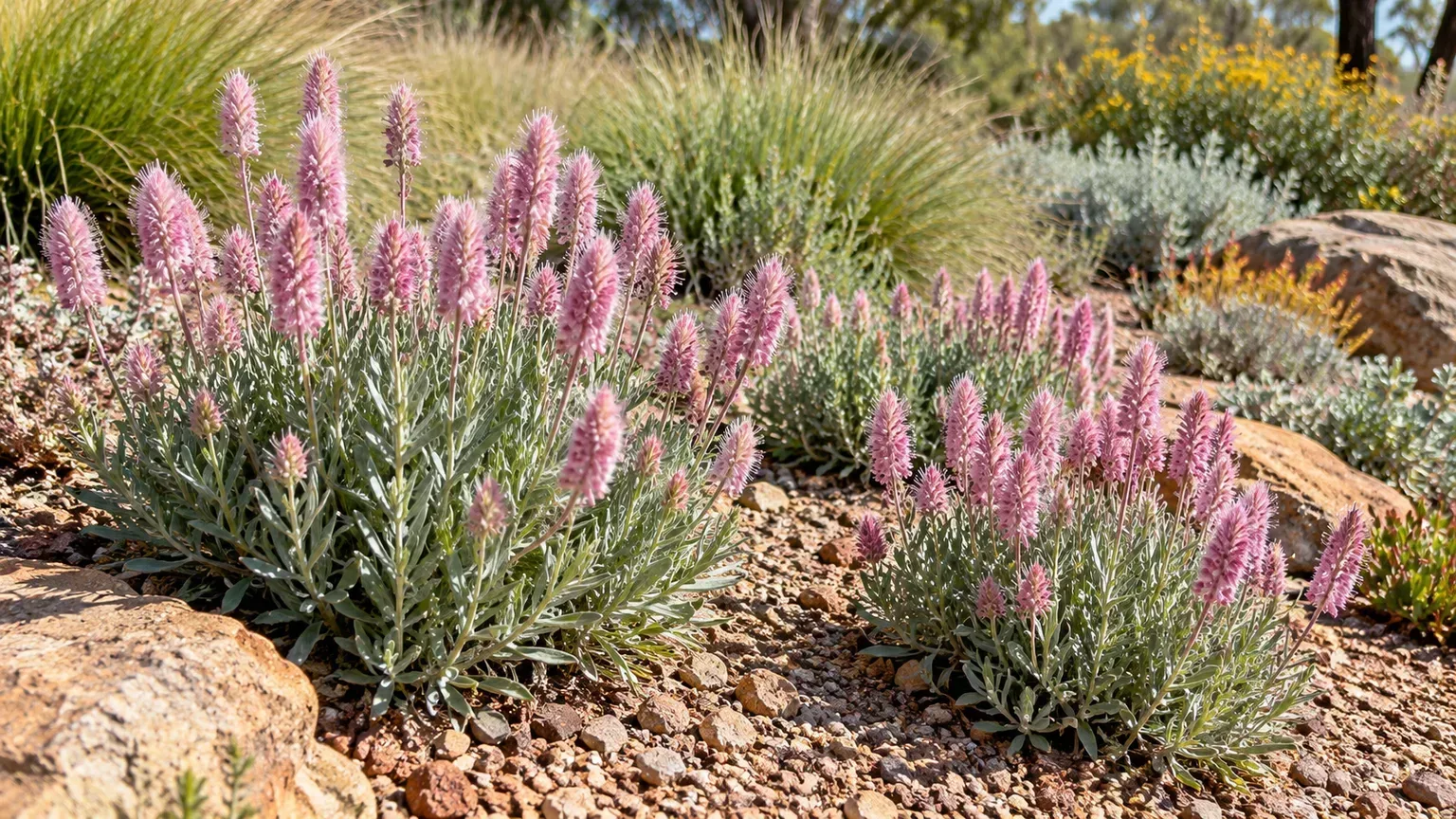
Make drainage the first soil decision
The key soil question is not whether your garden is sandy, clayey, or rich in organic matter; it is whether water drains away from the crown and root zone. The species can adapt to a range of soils if they are open and freely drained, but persistent wetness increases the risk of root and crown rot. The Australian Native Plants Society calls for excellent drainage, and this is a more reliable instruction than adding a particular soil amendment to every garden.
Before planting into a questionable bed, observe it after a heavy rain. If water remains pooled or the soil is glossy and sticky well after nearby beds have dried, move the plant to a raised bed or a container instead of trying to solve a drainage problem with a light dusting of grit at the surface. For a planting hole in heavy soil, loosening a broad area and improving the bed’s structure is more useful than creating a small pocket of gritty mix surrounded by dense clay, which can hold water like a bowl.
In pots, use a quality mix that drains but does not turn hydrophobic between waterings. A general container mix amended with perlite or fine horticultural grit can improve air space; choose the proportion according to how quickly the mix dries in your climate. Do not cover drainage holes with a solid layer of stones or leave the pot standing in a full saucer. The water needs a clear route out of the container.
Plant or transplant without burying the crown
Wait until frost risk has passed and the soil has warmed before setting nursery plants outdoors. A few mild afternoons do not make a warm-season plant frost-safe, and cold, wet soil can stall roots just when a new transplant needs to establish. In warm climates, planting during a mild stretch can reduce stress, but avoid days when the rootball will dry out in hot wind before it can settle.
Water the nursery pot before planting so the rootball holds together. Dig a hole only as deep as that rootball and wide enough to loosen the surrounding soil, then set the plant so the top of the rootball sits level with the finished bed. Do not mound mulch or soil against the stem base: if the plant needs support because it is tall or top-heavy, use a small stake rather than burying the crown to make it feel stable.
Give the plant breathing room. Compact ‘Joey’ plants are commonly spaced about a foot apart in grouped plantings, but allow more distance for large species forms or in humid locations where air movement matters. Follow the nursery label when it offers a cultivar-specific spread; a little extra space is usually easier to manage than foliage crowded against neighboring plants.
Water the planting hole thoroughly after setting the rootball, then keep an eye on the soil during the first few weeks. New roots need a steady supply of moisture, but “keep watered” does not mean “keep saturated.” When the plant starts making new growth and resists a gentle tug, reduce the frequency and let the upper soil begin to dry between watering sessions.
Grow from seed when nursery plants are unavailable
Seed is a practical way to grow Ptilotus when local garden centers do not stock it, and it is the usual propagation route described by the Australian Native Plants Society. Germination may be slow or uneven, so sow a few more seeds than you need and do not discard the tray after only a few days.
A reliable seed-starting sequence
Use a clean shallow tray with drainage holes and a fresh, fine-textured seed-starting mix. Moisten the mix first, scatter the seed on the surface, then press gently so it makes contact; follow the supplier’s directions on covering, since seed size and seed treatment can vary. Some horticulture guides recommend leaving the seed uncovered and keeping it warm, but the supplier’s packet is the best guide for the seed lot in your hands.
Place the tray in a warm, bright area; a heat mat can help if the room is cool. Keep the medium lightly and evenly moist, using a fine mist or bottom watering so small seeds are not washed into clumps. Air a cover daily and remove it once seedlings appear.
When seedlings have true leaves, pot them individually and grow them in bright light. Transplant outdoors when nights are reliably warm; seedlings held too long in tiny cells can become rootbound and more vulnerable to transplant shock. Epic Gardening’s seed-starting instructions offer a warm surface-sowing approach, while the Australian Native Plants Society cautions that germination may remain slow or unreliable even without pretreatment.
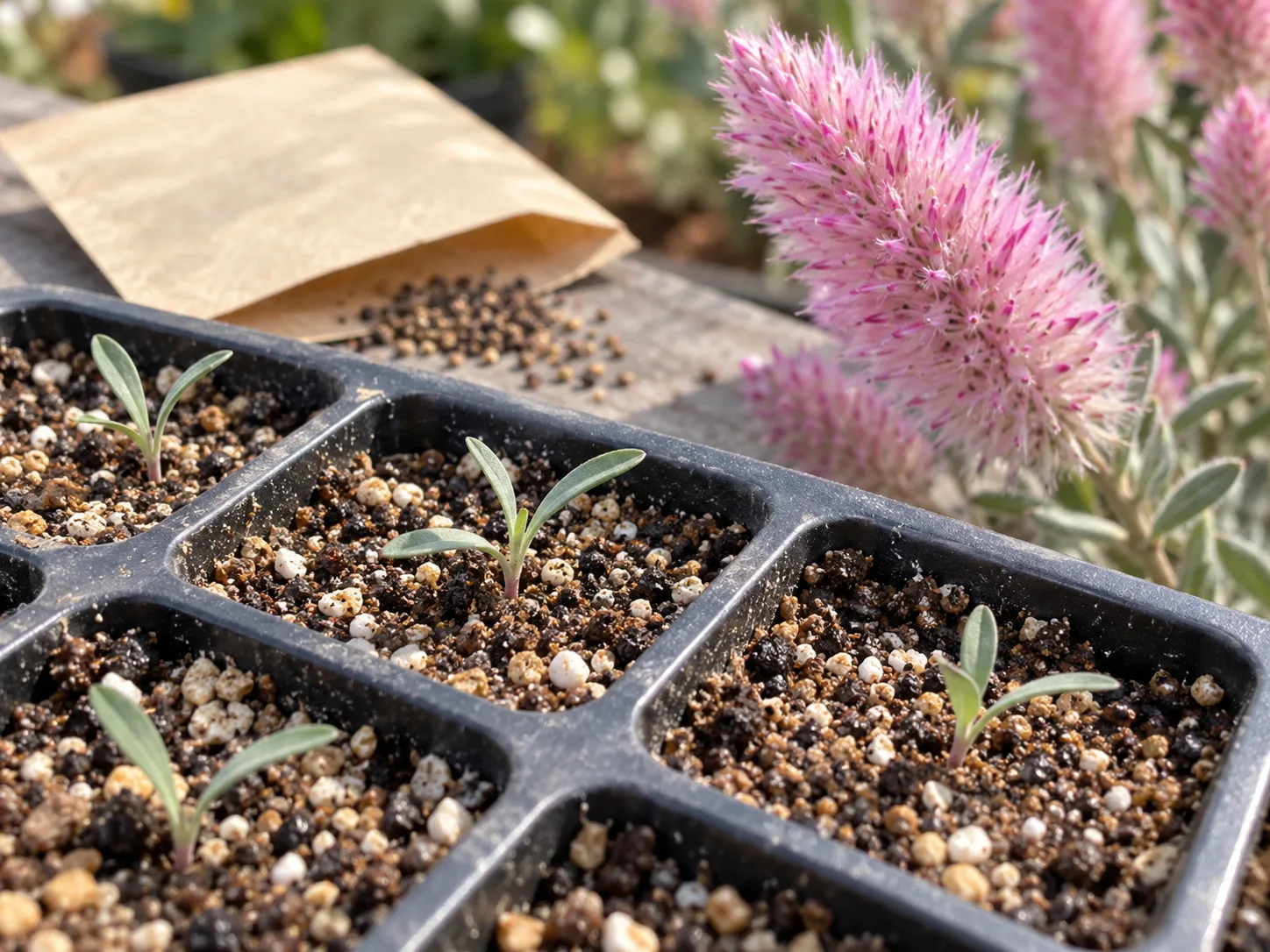
Direct sowing is possible where the climate is consistently warm and the bed is prepared, but it gives you less control over moisture and seedling protection. If birds, wind, heavy rain, or weeds are likely to disturb the seedbed, start in trays and transplant instead. For a first attempt, sow a small test batch before committing an entire bed; that lets you learn how your supplier’s seed behaves without losing the planting window.
Water for establishment, then respond to the soil
Water newly planted mulla mulla often enough to keep the rootball from drying completely while roots move into surrounding soil. Frequency will vary with temperature, wind, soil texture, and container size, so check the soil rather than following a weekly schedule. A thorough watering followed by a partial dry-down encourages roots to explore; shallow daily splashes can keep the crown damp without wetting the deeper root zone.
Once established, the plant tolerates dry spells better than it tolerates chronically wet soil. In a garden bed, water when the soil around the rootball has dried down several inches and the plant is entering an extended hot, rainless stretch. In a pot, check more often because sun and wind can dry the mix quickly; water through until excess drains, then empty the saucer. Avoid keeping its roots continuously wet.
If the foliage droops during a hot afternoon, check the soil before reaching for the hose. Dry mix and recovery after watering point toward temporary water stress; a wet mix, yellowing lower leaves, and a soft or dark stem base point toward poor drainage or root damage. Adding more water to a plant with failing roots can make the decline faster, so moisture status is the first diagnostic check.
Feed lightly and avoid pushing soft growth
Ptilotus is not a heavy feeder in an ordinary garden bed. If the soil already supports healthy ornamental flowers, start without extra fertilizer and observe the plant; a small amount of balanced, slow-release fertilizer at planting is an option for poor soil, but repeated high-nitrogen doses are unnecessary. Too much feeding can produce lush, weak growth that leans and draws attention away from the flower spikes.
Do not add a thick layer of rich compost simply because the plant is Australian. The native range includes varied soils, and gardeners are better served by matching the plant’s need for drainage than by trying to recreate a desert substrate exactly. If growth is pale, check light, root health, and watering before feeding.
Grow Ptilotus in a pot or mixed container
A container makes mulla mulla easier to position in a sunny patio or balcony and easier to shelter from prolonged rain or an early cold snap. Choose a pot with several open drainage holes and enough depth for the rootball plus room for new roots. A compact Joey selection fits smaller containers; a taller species form needs a heavier pot or support so wind does not topple it.
Use a free-draining mix, set the rootball at the same level it sat in the nursery pot, and keep the container in direct sun. If combining plants, choose companions with similar light and watering needs, such as other sun-loving plants that prefer the mix to dry between waterings. Do not pair it with a thirsty annual that requires constantly moist soil; the watering compromise will be bad for one of them.
Pots lose moisture faster than beds, especially when exposed to afternoon sun or wind. Check the mix with a finger or wooden skewer and water when the root zone is beginning to dry, not when the foliage has already collapsed. If water runs straight through a very dry mix, rewet it slowly in two passes rather than leaving the pot submerged for a long time.
Moving a container under cover before frost may extend the season, but it does not guarantee that the plant will behave as a perennial indoors. Bring it to a bright, cool, frost-free location, avoid a warm dim room, and water less while growth slows. If the plant declines despite good light and dry-downs, replace it in spring rather than repeatedly escalating fertilizer or water.
Maintain flower spikes and harvest for arrangements
Flower spikes are the main show, so cut or remove them when they fade, brown, or look untidy. Deadheading can improve the plant’s appearance and may encourage further flowering when it is actively growing, but it cannot override the season, temperature, or plant’s natural life cycle. Use clean snips and cut the spent stem back to a healthy leaf or side shoot without removing the whole crown.
If you are growing stems for a vase, harvest when a flower spike is well formed and still holds its color. Cut early in the day when stems are hydrated, remove leaves that would sit below the waterline, and place the stems promptly in clean water. You can also test a few mature spikes as dried material; flower texture and color retention vary with cultivar and harvest stage, so dry a small sample before cutting the entire plant.
Avoid shearing the plant into a tight ball after flowering. This is an upright, somewhat open-growing ornamental, not a hedge, and heavy cuts into old, leafless stem sections may leave it slow to recover. Remove individual spent stalks and lightly shape only where fresh leafy growth remains.
Propagate and save seed with realistic expectations
If you want more plants next season, seed is generally simpler than dividing an established crown. Let a few flower heads dry on the plant, then collect them into a paper bag when they are dry and beginning to release seed. Store clean, dry seed in a labeled envelope in a cool, dry place, and sow a small test batch before depending on saved seed for a full border because viability can vary.
The Australian Native Plants Society reports that cuttings can also succeed, though seed is the more usual propagation method. If trying cuttings, take several healthy nonflowering shoot tips during active warm growth, use a clean medium that drains well, and keep them bright but out of harsh drying sun while roots form. Treat this as an experiment: if the parent plant is already flowering heavily or stressed, its cuttings may root poorly, and the time may be better spent sowing seed or buying a new plant.
Named cultivars may not come true from seed. If a packet identifies a cultivar, ask the supplier whether it is stable from saved seed or must be purchased as treated or selected seed. For consistent height, flower timing, or color in a formal planting, use the named seed or plugs again rather than assuming offspring will match the parent exactly.
Diagnose wilting, yellowing, and poor flowering
Mulla mulla has relatively few routine pest problems, but cultural conditions can still cause decline. Look first at the pattern: a whole plant suddenly limp after heat, a slow yellowing from the base, and a single leaning stem are different clues. Check the root zone and the plant’s recent weather history before applying a fungicide or fertilizer; unnecessary treatment does not correct a waterlogged bed, cold soil, or inadequate sun.
When a plant wilts or yellows in damp soil
If the soil is wet and the foliage is fading, stop adding water and inspect the drainage. A plant that wilts in wet soil can be suffering because damaged roots cannot take up water, not because the soil needs more. Check the base of the stem for softness or dark discoloration and, if the plant is in a pot, confirm that the holes are not blocked and the saucer is emptying.
For a healthy-looking plant in saturated soil, move a container to a sheltered, airy place and allow it to drain; do not repeatedly lift and disturb the roots. In the ground, redirect runoff, open the bed, or remove a plant whose crown has rotted rather than leaving it in a site that floods after each storm. Prevention is much more reliable than trying to reverse advanced root rot, which is why raised beds and containers are useful where native soil stays wet.
If the mix is dry several inches down and the plant perks up after a deep watering, drought stress is more likely. Water slowly at the base and check again the next day; if the soil is moist but wilt persists, reassess the root system and crown rather than continuing to irrigate. A midday droop that disappears in the evening can also be temporary heat stress, particularly for a newly transplanted plant with a small root system.
When stems stretch or flowers fail to develop
Long, thin stems with few spikes usually point to inadequate direct sun, excess fertilizer, or crowding. Move a container gradually into brighter conditions to avoid scorching foliage, and avoid trying to fix the shape with a heavy haircut. If plants are packed together, thin or relocate some while they are small enough to handle.
A plant may also produce little bloom if it was started too early and sat rootbound in a small plug, was planted while nights were cold, or was moved after buds formed. Give new transplants time to settle and keep conditions warm; do not force them with extra fertilizer. If the cultivar is a naturally taller species form, some open growth is normal and should be allowed rather than treated as a defect.
Plan for winter before frost arrives
In a frost-prone climate, decide before autumn whether you are content to replace the plant or want to attempt overwintering it in a pot. A pot can be moved to a bright, frost-free spot, but warmth and low indoor light can create weak growth, while excessive winter watering can rot roots that are using little moisture. Reduce watering as growth slows and keep the mix only lightly moist; resume normal checks when active growth returns.
For in-ground plants, a thick wet mulch over the crown is not a safe substitute for frost tolerance. If winter is usually cold or wet, consider the plant a seasonal annual and save seed or purchase new plugs in spring. In a mild region where local gardeners reliably overwinter it, follow the methods proven in that climate and keep the crown dry and undisturbed through cold weather.
Conclusion
Ptilotus exaltatus is easiest to grow when you treat it as a warm-season ornamental with a low tolerance for cold, stagnant moisture, and buried crowns. Start with direct sun and fast drainage, choose a compact cultivar if you want a pot or front-border plant, water new transplants while they root, and then let the soil begin to dry between thorough waterings. Keep the label and local winter performance in view: a short-lived perennial in one garden may be an annual in yours.
If you are starting from seed, use a fresh, clean tray, keep the medium warm and evenly moist, and allow time for uneven germination. If a plant wilts, check whether the soil is dry or saturated before watering again; if flowers fade, remove the stalks for a tidier display and keep expectations tied to sunlight and temperature. With those practical decisions made early, mulla mulla can add distinctive pink spikes to a hot, sunny garden without asking you to keep its roots constantly wet.