7 Hard-to-Kill Houseplants for Beginner Plant Owners
Compare seven beginner-friendly houseplants by light, watering, size, and pet concerns, then choose one that fits your room and routine with confidence.
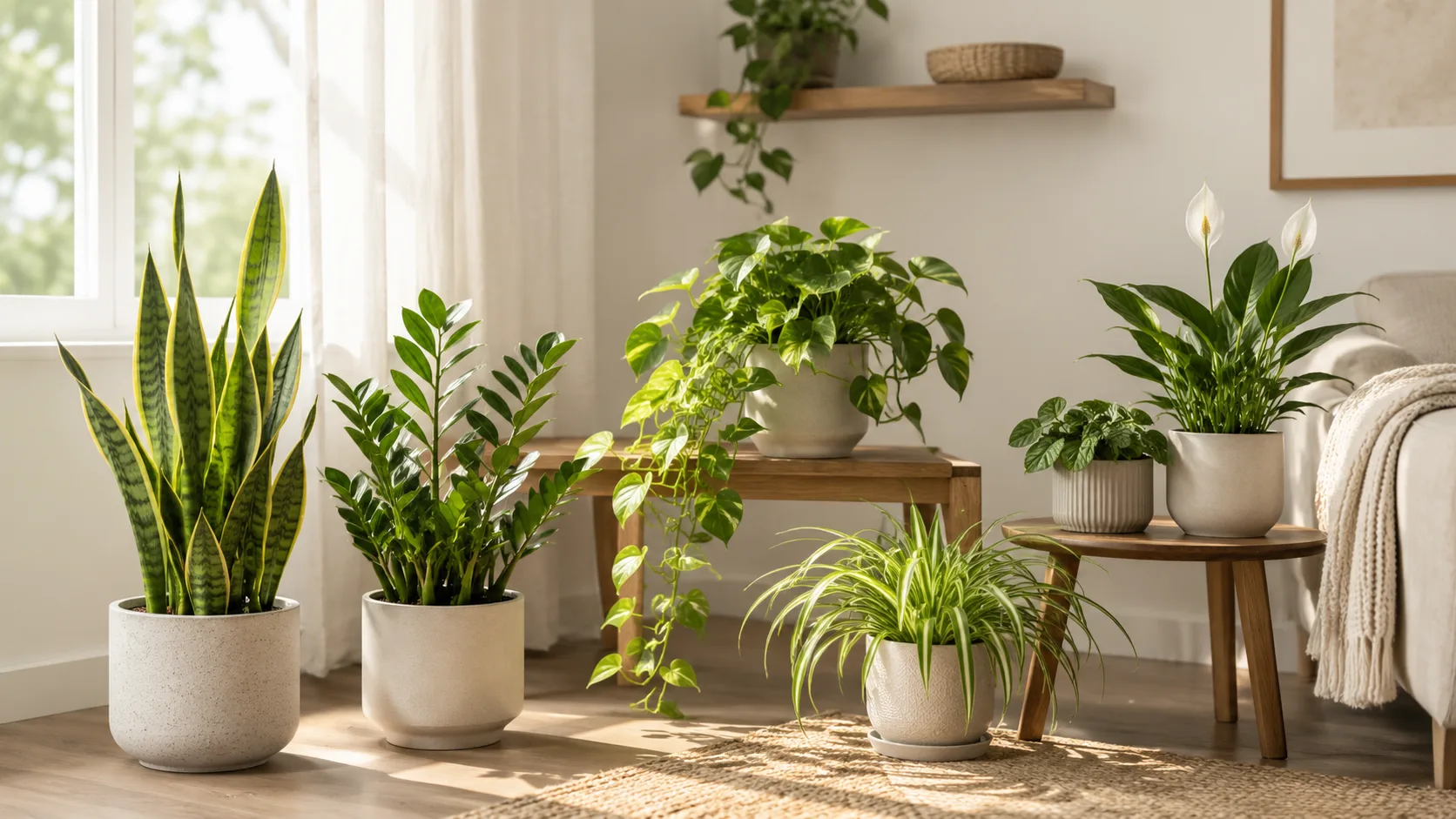
The best first houseplant is the one whose care fits your home. A plant that tolerates missed waterings can still fail in a dim corner if you water it on a weekly timer, while a plant that likes steady moisture can struggle on a sunny shelf where its pot dries in two days.
“Hard to kill” means a plant can forgive an occasional imperfect week. It does not mean the plant needs no daylight, can live in standing water, or will stay attractive in any room. The RHS explicitly cautions that even easy-care houseplants need daylight, and Wisconsin Horticulture Extension explains that watering needs change with the plant, pot, season, and growing conditions. (RHS easy-care houseplants; Wisconsin Horticulture Extension’s houseplant care guide)
Which houseplant fits your room and routine?
Start with the window, not the plant shelf. A room with bright indirect daylight, a dimmer corner near a window, and a space that gets no natural light are three different growing conditions. Then be honest about your watering habit: if you tend to water again because a plant “looks thirsty,” choose a plant that prefers a dry-down.
| Plant | Best fit | Check before watering | Pet-list note |
|---|---|---|---|
| ZZ plant | Missed waterings and lower-light rooms | Let most of the mix dry | Check by botanical name; do not treat a missing list entry as proof of safety |
| Snake plant | A dry home and a low-frequency routine | Let the mix dry nearly all the way | ASPCA lists it as toxic to cats and dogs |
| Cast iron plant | A shaded spot with some daylight | Check the upper soil before watering | ASPCA lists it as non-toxic to dogs; verify separately for cats |
| Chinese evergreen | Colorful foliage in medium or lower indirect light | Water after the surface begins to dry | ASPCA lists Chinese evergreen as toxic to cats and dogs |
| Pothos | A trailing plant for a shelf or hanging pot | Let the top layer dry first | ASPCA lists pothos as toxic to cats and dogs |
| Spider plant | A forgiving, pet-aware starter | Water when the upper soil dries | ASPCA lists it as non-toxic to cats and dogs |
| Baby rubber plant | Compact growth and a brighter shelf | Let the mix dry slightly between waterings | ASPCA lists it as non-toxic to cats and dogs |
The ASPCA uses botanical names in its cat plant list and dog plant list. Common names can be confusing, and the lists do not settle the status of every cultivar or plant. If a pet chews greenery, check the exact name on the label and treat “non-toxic” as a classification, not an invitation to eat the plant.
What “hard to kill” really means
Forgiving plants usually have one or more useful traits: water-storing stems or roots, sturdy leaves, a tolerance for imperfect indoor light, or a slower growth rate that gives you time to correct a mistake. That resilience is relative. A plant that can cope with a missed watering may be much less tolerant of a pot that stays wet for weeks.
Low light also changes how you should water. A plant in a dimmer spot uses water more slowly, so the same weekly watering that works beside a bright window may leave roots sitting in damp mix elsewhere. The RHS recommends easy-care plants for varied indoor positions but notes that no houseplant tolerates complete darkness; move a plant closer to daylight before trying to solve weak growth with fertilizer or extra water. (RHS easy-care houseplants; Wisconsin Horticulture Extension)
Seven beginner-friendly houseplants
These picks cover different homes and habits rather than pretending one plant is perfect for every beginner. Read the “best for” and “watch out” notes as part of the recommendation; a plant is only easy when its needs match the conditions you can provide.
ZZ plant
The ZZ plant (Zamioculcas zamiifolia) is the strongest choice here for someone who forgets to water. Its thick underground rhizomes store water, which helps it tolerate dry spells, and it can adapt to lower indoor light. Epic Gardening’s plant guide also notes that it grows best with bright indirect light, even though it can persist in dimmer conditions. (Epic Gardening’s ZZ plant guide)
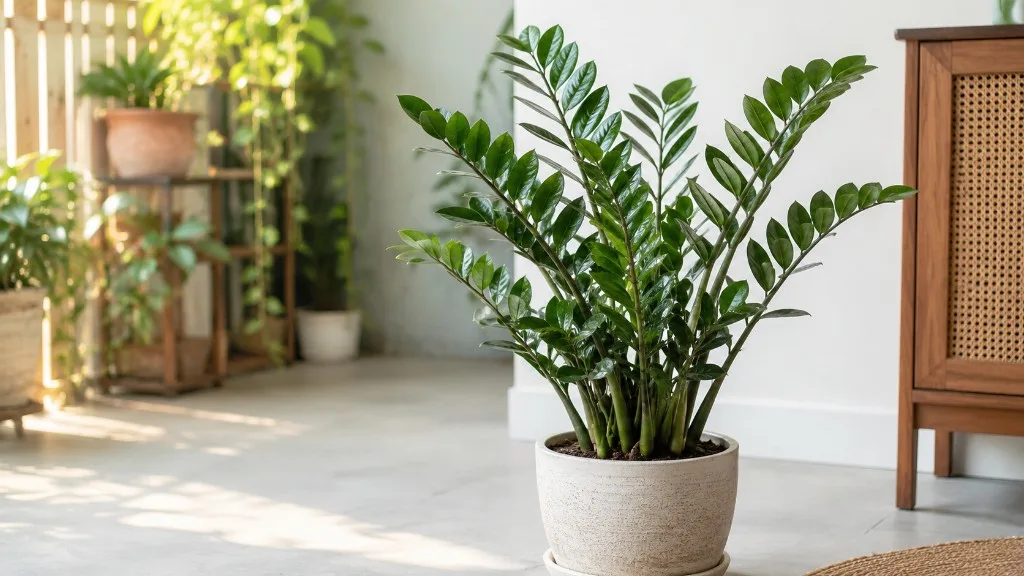
Let most of the potting mix dry before watering again. In a dim room, that can take longer than you expect, so check the soil rather than copying a schedule from a brighter room. The main way to lose a ZZ is to water repeatedly while the mix is still damp; yellowing stems or mushy bases call for a soil and drainage check, not another drink.
Snake plant
Snake plants (Dracaena trifasciata, often sold under the older name Sansevieria trifasciata) suit growers who want upright leaves and long gaps between waterings. RHS includes Sansevieria among easy-care houseplants and describes it as drought tolerant. Brighter indirect light supports steadier growth, but the plant can manage a less sunny position if it still receives daylight. (RHS easy-care houseplants)
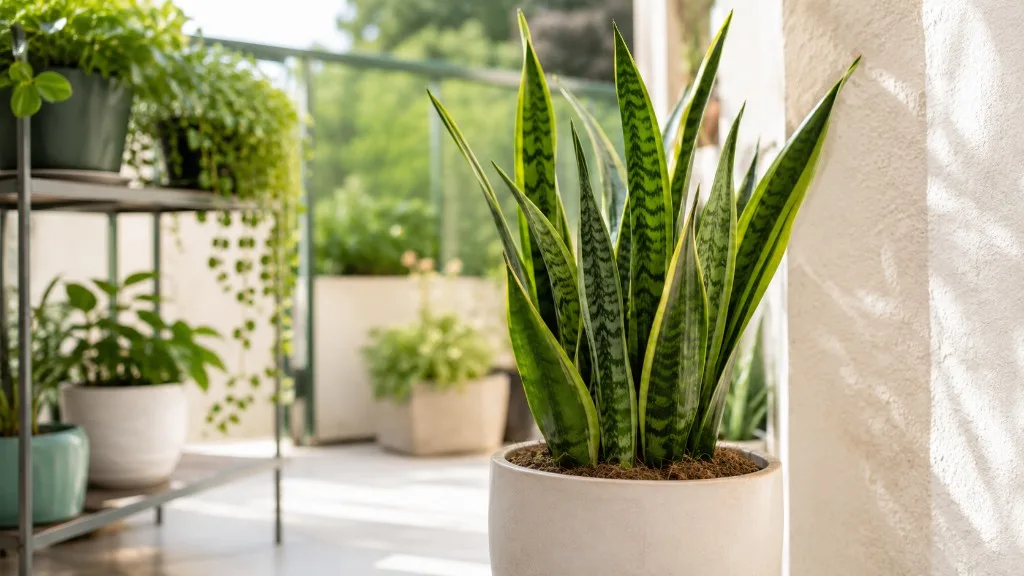
Wait until the mix is dry well below the surface before watering. Use a pot with a drainage hole, and pour away runoff rather than leaving the plant in a decorative cachepot full of water. It is a poor choice for a plant owner who wants to keep soil constantly moist, and ASPCA lists snake plant as toxic to cats and dogs.
Cast iron plant
The cast iron plant (Aspidistra elatior) is for a home where the best plant spot is not the sunniest one. It grows slowly, tolerates lower light better than many leafy houseplants, and does not need frequent shaping or pruning. “Tolerates shade” still means it should sit where it receives some ambient daylight, not in a windowless closet.
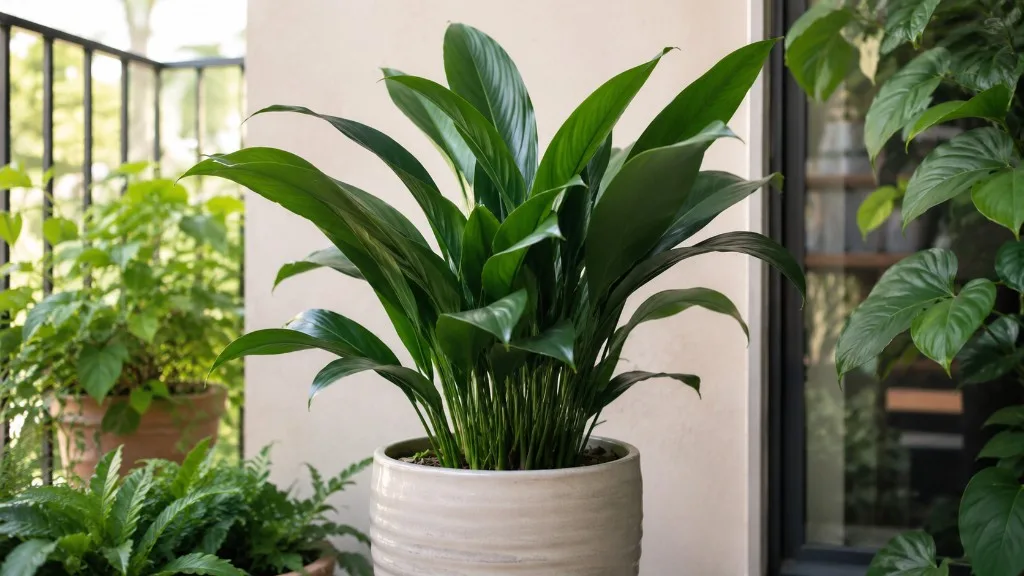
Let the upper layer of mix dry before watering, then drain the pot. Because it grows slowly, do not assume a month without a new leaf means it needs more fertilizer or a larger container. ASPCA lists cast iron plant as non-toxic to dogs; its cat list should be checked separately rather than assuming the two classifications are interchangeable.
Chinese evergreen
Chinese evergreen (Aglaonema) gives beginners broad leaves and, depending on cultivar, silver, green, pink, or red patterns. A green or silver variety is the more forgiving choice for a room with moderate indirect light; colorful cultivars generally show their pattern better when they receive brighter filtered light. Avoid direct midday sun on the leaves.
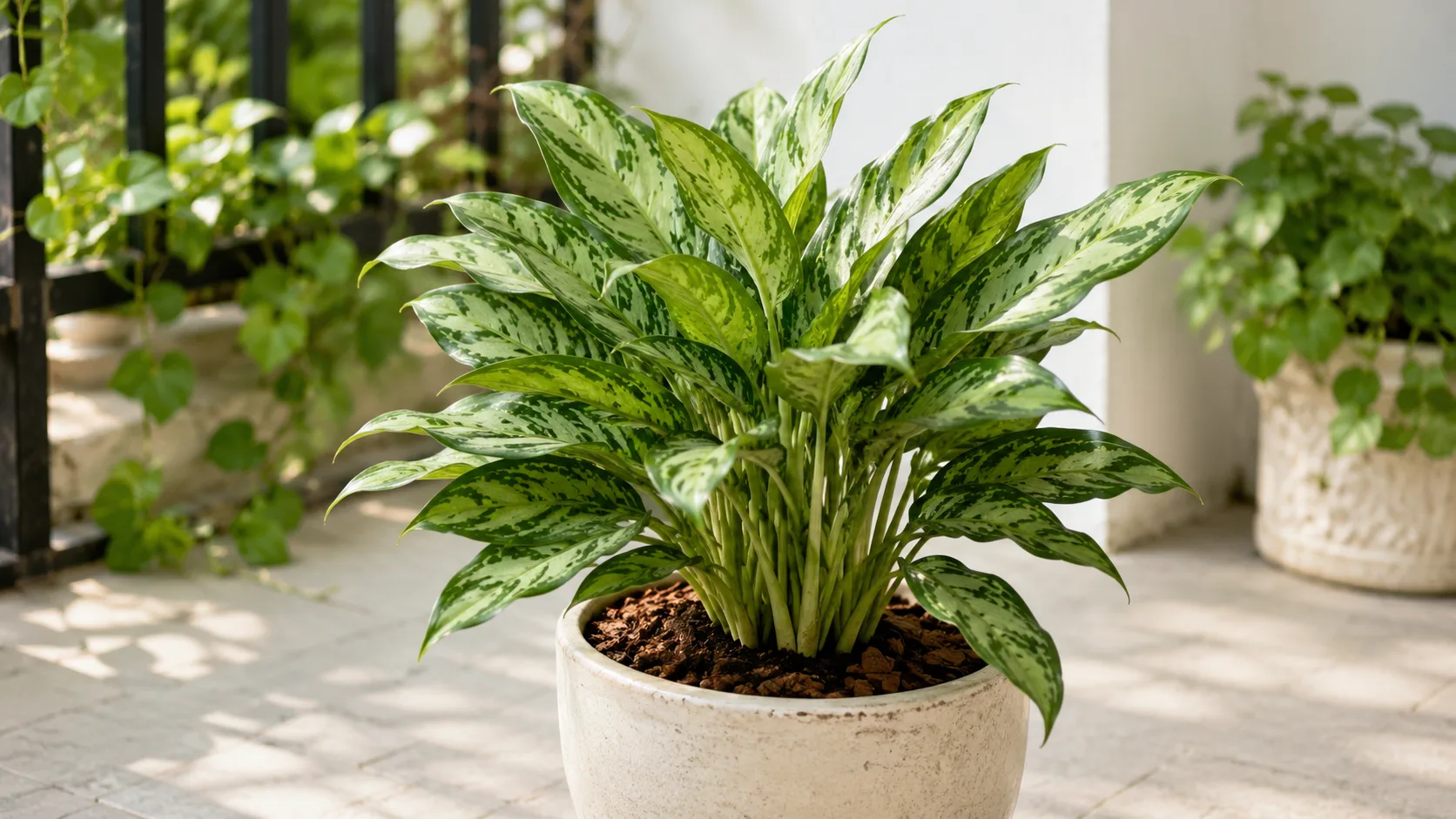
Water when the surface of the mix has started to dry, then let excess drain away. It likes a more even routine than a ZZ or snake plant, but “even” does not mean soggy. Keep it away from cold drafts, and note that ASPCA lists Chinese evergreen as toxic to cats and dogs.
Pothos
Pothos (Epipremnum aureum) is a useful first trailing plant because it grows visibly and adapts to many ordinary indoor settings. BBC Gardeners’ World Magazine includes devil’s ivy, another name for pothos, in its collection of houseplants that tolerate neglect. Give it a spot with daylight and indirect light if you want fuller growth; a dark corner may keep it alive for a while but will not produce vigorous vines. (BBC Gardeners’ World Magazine’s houseplants-that-thrive-on-neglect guide)
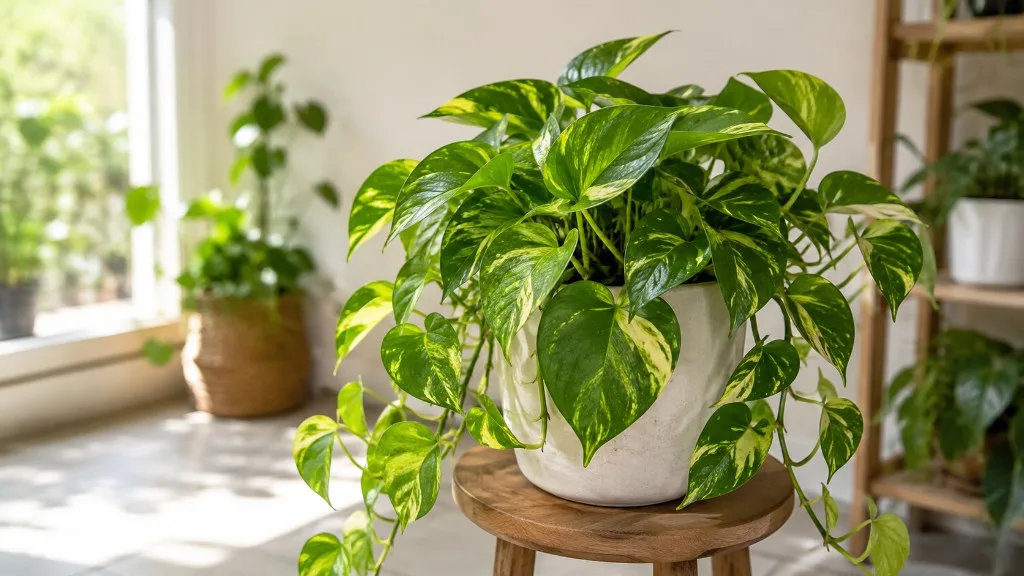
Check the upper inch or two of mix and water when it feels dry. If a vine goes limp and the pot feels unusually light, water thoroughly and let the pot drain; do not let repeated wilting become your routine. Trim long vines above a leaf node when you want a fuller pot. Pothos is toxic to cats and dogs according to ASPCA, so place it where a pet cannot chew the leaves.
Spider plant
Spider plant (Chlorophytum comosum) is a resilient, pet-aware option with arching leaves and small plantlets that form on mature runners. It is a good fit for a shelf near a bright window, but it can adapt to ordinary indirect light. Give it a pot that drains and leave room for the runners to hang.
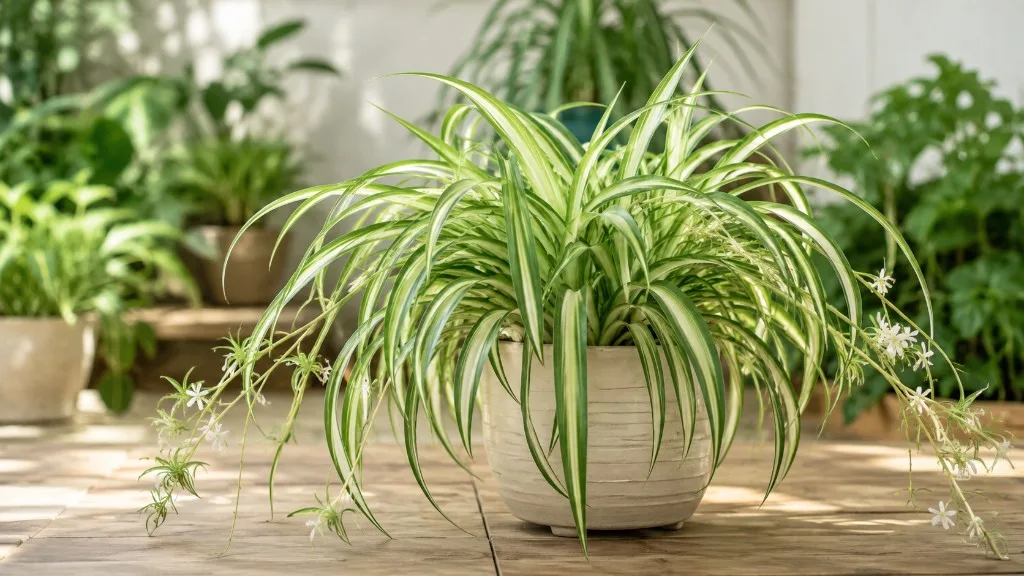
Water after the upper soil begins to dry, then empty the saucer. If the leaf tips turn brown, resist the urge to soak the pot more often: check for inconsistent drying, fertilizer or mineral buildup, and hot dry air first. ASPCA includes spider plant in its non-toxic lists for cats and dogs, though preventing chewing still avoids mess and stomach upset.
Baby rubber plant
The baby rubber plant (Peperomia obtusifolia) is a compact choice for a bright shelf or desk. Its thick leaves hold some moisture, so it is more forgiving of a short dry spell than a plant that needs consistently moist soil. This is not the same species as the large rubber tree sold as Ficus elastica; check the Latin name on the label if you want this smaller plant.
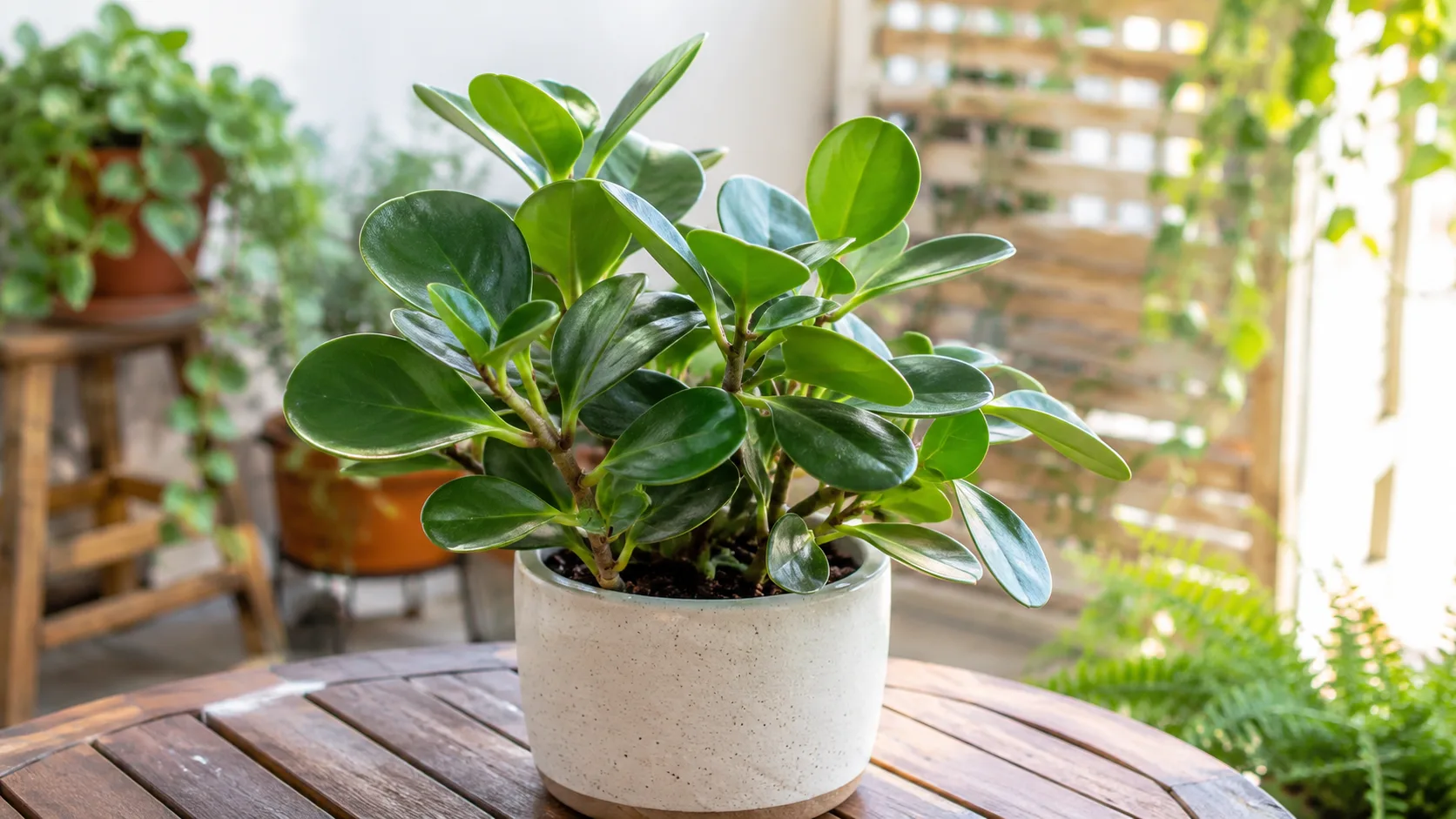
Give it bright indirect light and let the mix dry somewhat between waterings. A pot that is too large can stay wet around its small root system, so move up only when the roots have filled the current container. ASPCA lists baby rubber plant as non-toxic to cats and dogs; that listing applies to Peperomia obtusifolia, not to every plant sold with “rubber” in its common name.
Give a new plant a calm first month
New plants are adjusting to a different window, temperature, and watering pattern. Keep the first few weeks simple: choose a stable spot, check the potting mix before watering, and avoid changing several conditions at once. That makes it much easier to see whether the plant is settling in or asking for a different placement.
Place it in usable daylight
Look at the spot during the day before you buy. If you can comfortably read there without turning on a lamp, it may be a workable indirect-light location for foliage plants; if it feels cave-like, choose a brighter shelf or use a suitable grow light. A plant can tolerate lower light without making new growth there, and growth usually slows when the light is weak.
Keep foliage out of hot direct sun until you know how it responds. A sheer curtain, a position a short distance back from a bright window, or a nearby east-facing window can soften the exposure. Turn the pot occasionally if growth leans toward the window, but do not rotate it every day; the goal is even growth, not constant movement.
Water by the soil, not the weekday
Check each plant at the depth where roots are growing. For moisture-loving foliage plants, feel the top inch or two; for a ZZ or snake plant, wait for the mix to dry much further down. Pot size, pot material, room temperature, season, and light all change how quickly the soil dries, which is why a fixed “every Sunday” rule fails across different homes. Wisconsin Horticulture Extension recommends checking soil moisture and watering according to the plant’s needs and growing conditions. (Wisconsin Horticulture Extension’s houseplant care guide)
When a plant is ready, water the whole root ball until some runs through the drainage holes. Let it drain, then empty the saucer or outer pot. A small splash that wets only the surface encourages uneven moisture; repeated watering before the lower mix has dried can deprive roots of air and invite rot.
Keep roots from staying wet
Use a pot with drainage holes, even if you set it inside a decorative cover pot. After watering, remove the inner nursery pot and pour away collected water, or tip the cachepot carefully. Do not let the bottom of a ZZ, snake plant, or baby rubber plant sit in runoff.
Most beginners do not need to repot immediately. If the nursery pot drains and the mix is not breaking down or staying wet for days, let the plant settle before disturbing its roots. When repotting becomes necessary, choose a container only modestly larger than the root ball; excess soil around small roots dries slowly. Wisconsin Extension notes that oversized pots can hold extra moisture around the roots and increase the risk of root problems. (Wisconsin Horticulture Extension)
Match the plant to the habit you want to build
If you often forget to water, start with a ZZ or snake plant and decide in advance to check the soil before adding water. If you tend to overwater because you want to care for the plant, a spider plant, pothos, or Chinese evergreen gives you more visible growth, but a drainage hole and a pause between waterings still matter.
For a dim room, try a cast iron plant or a green-leaved Chinese evergreen near the brightest available window. If the space has no daylight, none of these is a good permanent fit without a grow light. For a home with curious cats or dogs, begin with spider plant or baby rubber plant and confirm the scientific name on ASPCA’s lists; do not rely on a nursery tag that says only “rubber plant.”
A Boston fern is another familiar beginner suggestion, but it is a better fit for someone who can keep the mix consistently moist and has a room with more humidity. If your usual mistake is forgetting to water or your home is heated and dry, choose one of the seven above first. Likewise, choose a true rubber tree only if you have brighter indirect light and room for a larger plant; it is not interchangeable with the compact baby rubber plant.
When a starter plant looks unhappy
One yellow leaf is not enough to diagnose a problem. Check the soil and the pattern of change before watering, fertilizing, or repotting; make one correction, then give the plant time to respond.
Yellow leaves with wet mix
If leaves are yellowing while the mix is still damp, pause watering and check that the pot drains. A plant in a dark position may be using water slowly, and a pot that stands in a filled saucer stays wet longer still. If the plant continues to decline, slide it gently from its pot and look for roots that are brown, soft, or unpleasant-smelling; healthy roots should feel firm.
Do not add fertilizer to a plant with wet, stressed roots. First restore drainage and let the mix dry to the level appropriate for that species. Remove only leaves that are fully yellow or damaged, so you can still see whether new growth improves after the care change.
Drooping leaves with dry mix
When leaves droop and the soil is dry, water thoroughly and let the pot drain. A thirsty pothos may recover after a drink, but a ZZ or snake plant should not be watered simply because a leaf looks tired; check the soil first. If the mix is wet and the plant is still drooping, adding more water can make the problem worse.
Brown tips have several possible causes, including inconsistent moisture, mineral or fertilizer buildup, and dry air. Trim a crispy tip for appearance if you like, but leave a thin brown margin rather than cutting into healthy green tissue. If the same symptom returns, check the plant’s location, pot, and watering history before changing the water source.
Conclusion
Choose a first plant by matching it to the room and the care you can repeat. ZZ and snake plants suit a less frequent watering routine; cast iron and green Chinese evergreen tolerate less-bright positions; pothos adds trailing growth; spider and baby rubber plants offer two compact, pet-aware options when you confirm their botanical names.
Give the plant daylight, a pot that drains, and a soil check before every drink. Those three habits matter more than finding a supposedly indestructible species, and they will make even a forgiving houseplant easier to keep healthy.