15 Hardy Plants You Don't Have to Prune This Winter
Learn which 15 hardy plants can wait until spring, when old-wood bloomers should be cut, and what dead, diseased, or broken growth to remove now.
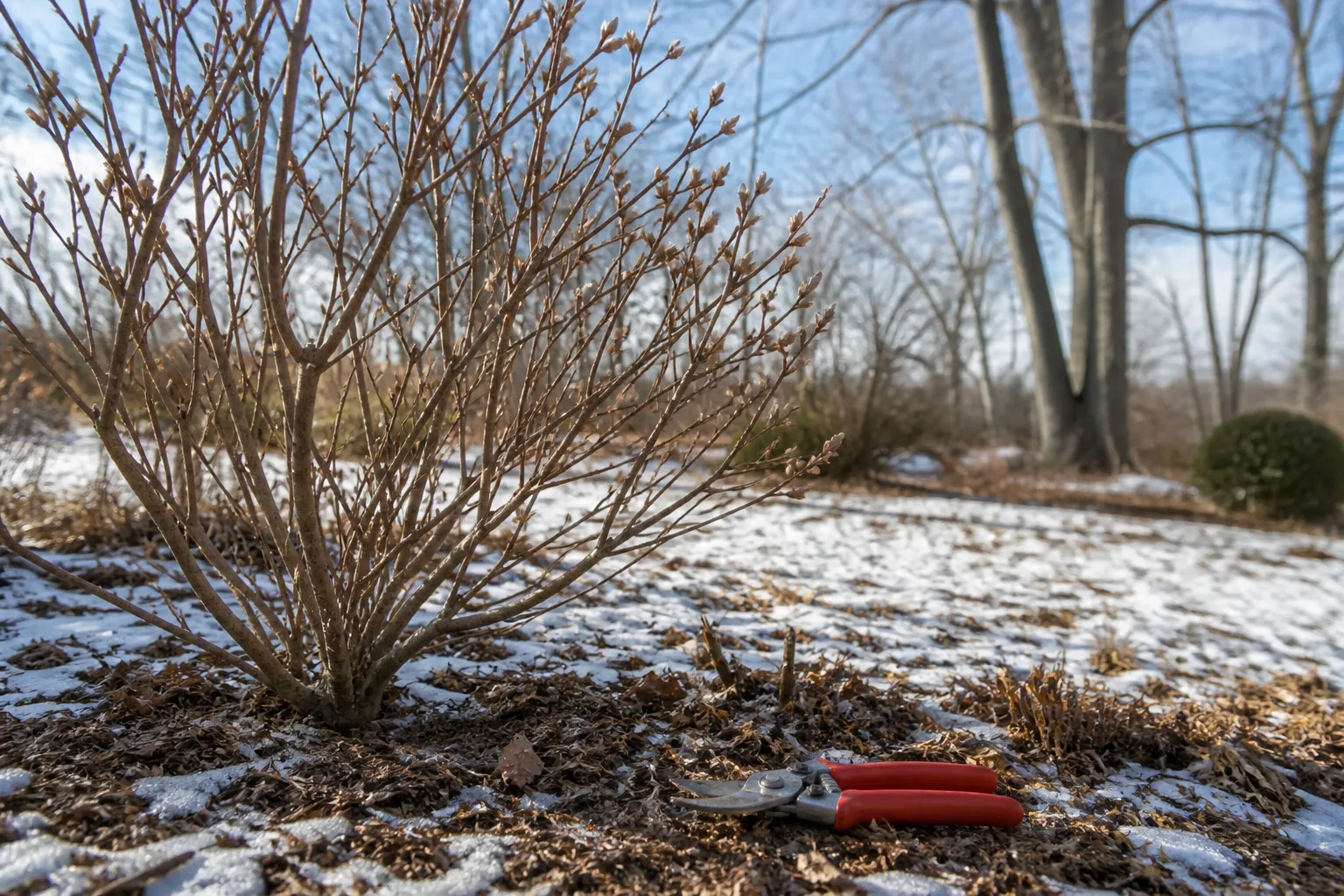
Winter is a good time to pause before you cut. A leafless garden makes every branch look like a task, but many established plants are already carrying next season’s flower buds, protecting wildlife with seed heads, or resting in a shape that does not need correction. For those plants, routine winter pruning can remove the flowers you were hoping to see in spring or create wounds that gain you nothing.
The useful distinction is not simply “hardy” versus “tender.” Ask what the plant is growing for, where its buds are, and why you want to make the cut. A flowering shrub that blooms on last year’s stems usually belongs on the post-bloom schedule. A perennial with dry seed heads may be serving birds. A damaged limb, diseased stem, or branch threatening a walkway is a different matter and should not be protected by a blanket rule.
The Quick Rule: Pruning Timing Follows Flowers, Growth, and Purpose
“Old wood” means stems or shoots produced during the previous growing season. Many spring-flowering shrubs form their flower buds on that older wood before winter arrives, so cutting in winter removes buds that are already in place. “New wood” means growth produced during the current season; shrubs that flower on new shoots can often be pruned during dormancy or in early spring before vigorous growth begins. The Royal Horticultural Society’s pruning groups use this distinction to separate early-flowering shrubs from plants that flower on current-season growth.
That is why a winter pruning list cannot be applied by calendar alone. The RHS guide to pruning shrubs notes that spring-flowering shrubs are generally pruned after flowering, while summer-flowering deciduous shrubs can often be pruned in spring before new flowering shoots develop. The RHS light-pruning guide also puts magnolia, lilac, deciduous azalea, and flowering dogwood among plants that need little routine pruning. The safest routine is to identify the plant, determine whether it flowers on old or new wood, and then decide whether your goal is bloom, shape, safety, disease control, or size reduction.
The 15 plants below are good candidates for skipping routine winter pruning, not permission to ignore a hazard. Leave healthy structure alone, remove clearly dead or diseased material, and postpone shaping until the timing below. Cultivars and climates can change the details, especially for jasmine, honeysuckle, dogwood, rosemary, and sedum. Epic Gardening’s practical overview makes the same useful distinction: old-wood bloomers and seed-bearing perennials should generally be left alone, while dead or diseased growth remains fair game.
15 Plants That Can Usually Wait Until Spring
Azaleas and Rhododendrons
Azaleas and rhododendrons generally set next year’s flower buds well before winter. If you shear or shorten healthy branches during the dormant season, you may be removing the tips that would have carried spring flowers. This is particularly frustrating because the plant can look perfectly healthy after the cut while producing a noticeably thinner bloom display months later.
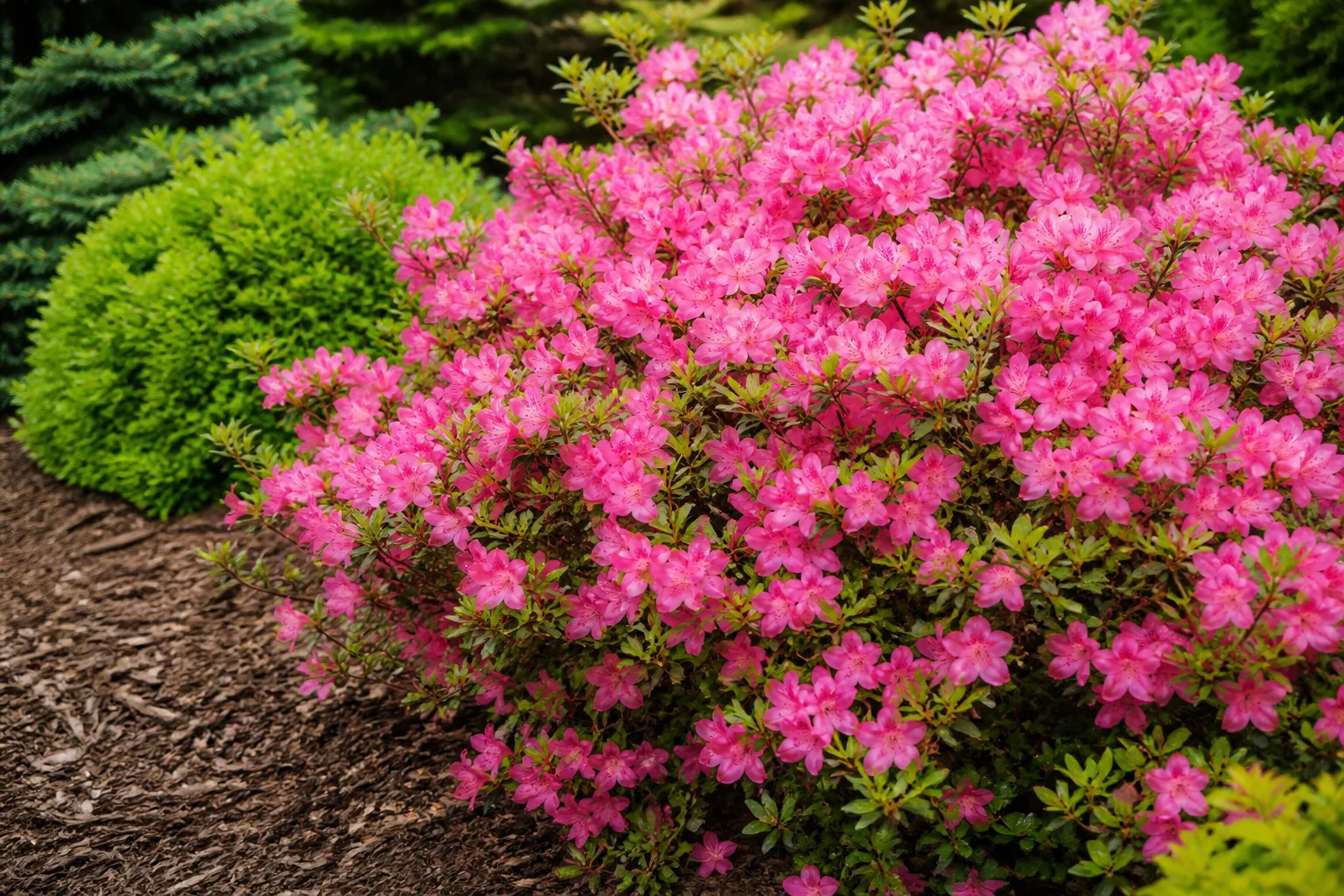
Leave healthy branches alone through winter. After flowering, remove spent flower clusters if you want a tidier plant, then make selective cuts to reduce crowding or correct a wayward branch. Avoid turning a large rhododendron into a smaller shrub with one drastic haircut unless you have checked that the plant and cultivar tolerate renovation; a staged reduction is usually easier for the plant and the gardener.
Black-Eyed Susans
Black-eyed Susans are herbaceous perennials, so winter pruning here means cutting stems and seed heads rather than shaping woody branches. The dry heads can look untidy to someone who prefers a polished border, but they supply seeds and vertical structure through the cold months. NC State Extension’s plant profile specifically notes that the seed heads provide winter food for birds, including goldfinches.
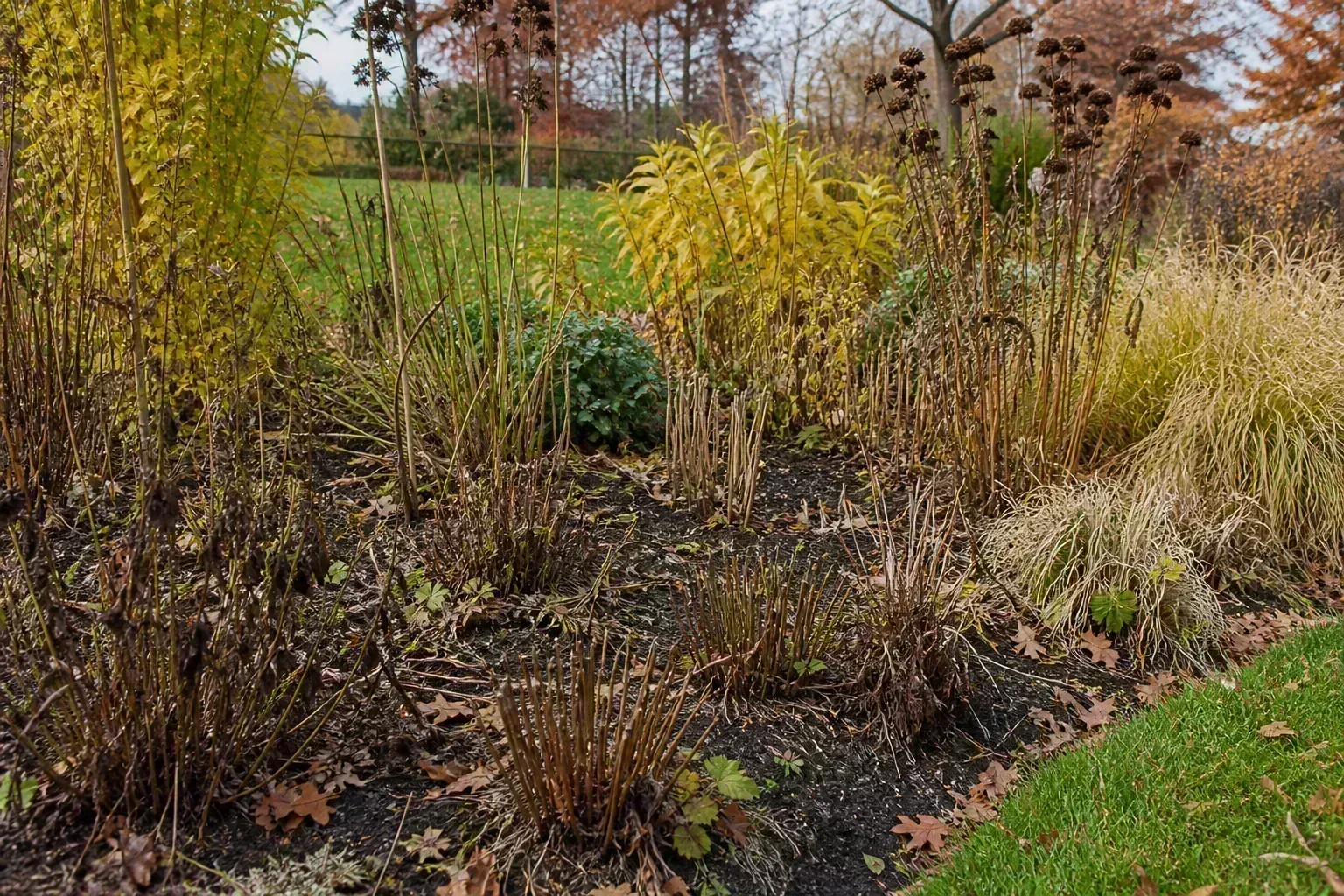
Leave the stalks in place unless they are diseased, collapsing into a path, or creating a fire or access concern. In late winter or spring, cut the old stems when new basal growth is clearly starting. If the plant self-seeds more than you want, remove some heads after birds have had a chance to feed rather than treating every stem as an emergency cleanup job.
Coneflowers
Purple coneflowers and related Echinacea also earn a place in the “wait” category because their seed heads are useful in winter. They give birds something to forage when fewer fresh seeds are available, and the stems hold snow and add shape to a dormant bed. The Ask Extension response on perennial cleanup recommends leaving coneflowers and black-eyed Susans to overwinter for wildlife, then delaying the spring cleanup until beneficial insects have had time to resume activity.
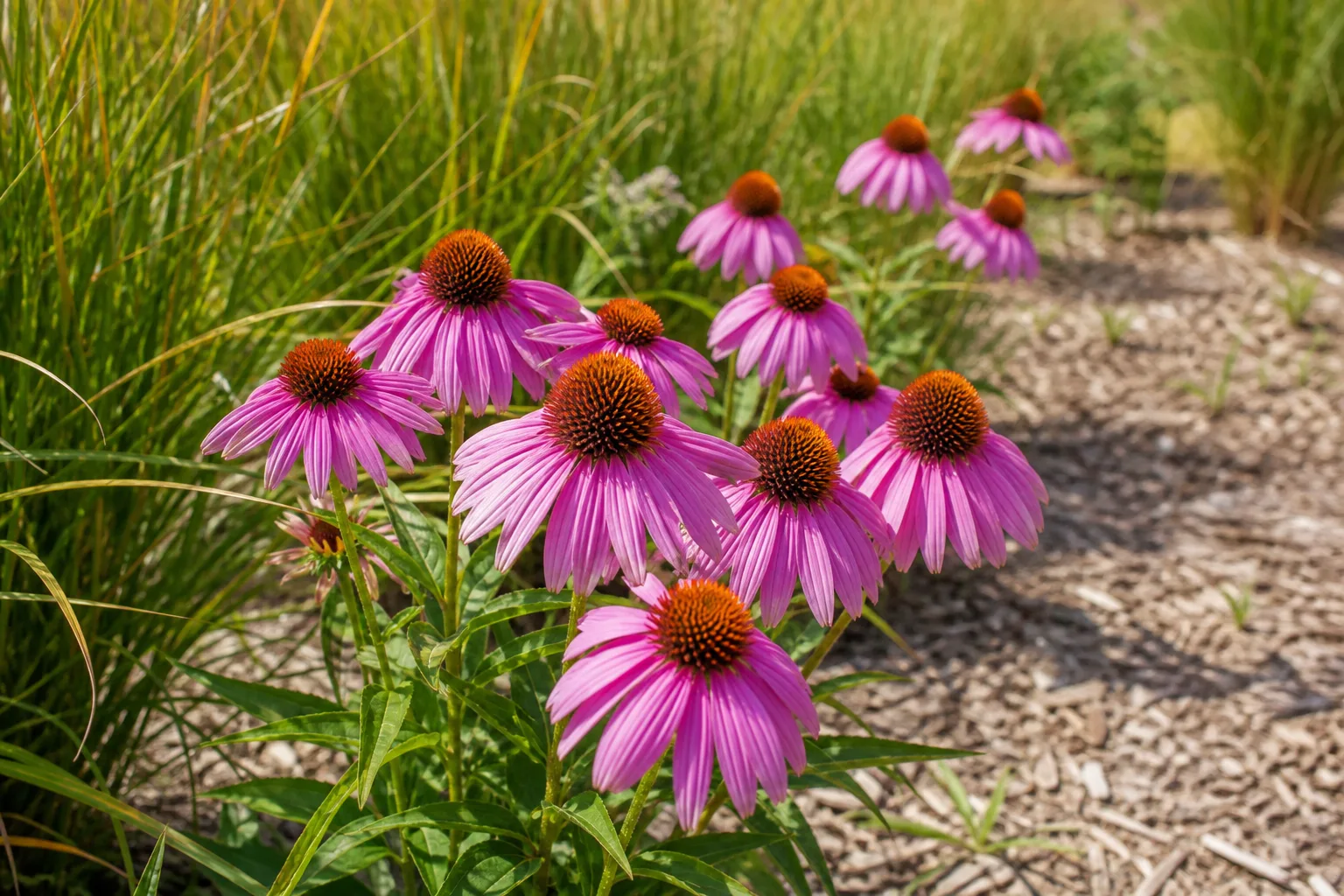
Cut coneflowers back in late winter or early spring, once you can see where fresh growth is emerging at the crown. If a stem is covered with powdery mildew or another disease that could spread, remove that material according to local extension guidance and keep it out of the home compost pile. Healthy brown stems are not the same thing as diseased stems.
Coral Bells
Coral bells, or Heuchera, are grown mainly for their foliage, which often forms a low evergreen or semi-evergreen mound. They do not need a winter haircut simply because the border is dormant. Hard cutting can expose the crown and remove leaves that are still helping the plant gather energy during mild weather.
Inspect the clump instead of reaching for hedge shears. Remove leaves that are mushy, badly damaged, or lying against wet soil, and cut old flower stalks when they no longer add anything. In cold regions, a light mulch around—but not over—the crown can buffer temperature swings. In spring, remove winter-burned foliage once you can tell which tissue is truly dead, then let the new rosette fill back in.
Dogwoods
“Dogwood” is too broad a name for one universal pruning date. Flowering dogwoods such as Cornus florida and Cornus kousa generally need only light, purposeful pruning, while shrubby red-twig dogwoods are often cut hard in late winter to encourage colorful young stems. The RHS lists flowering dogwood among plants that need little routine pruning, but places stem-color dogwoods in a group that is intentionally cut back for winter display.
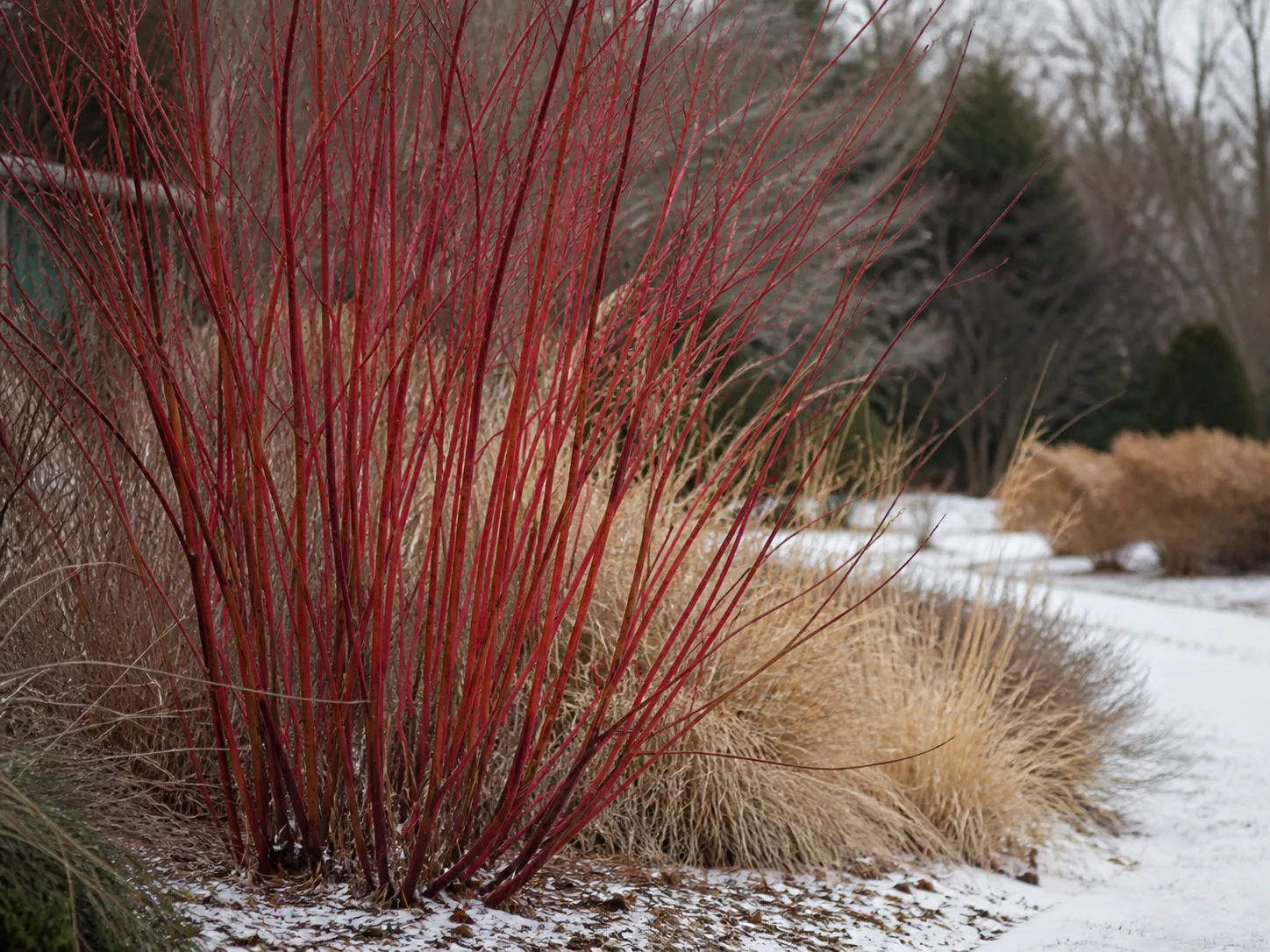
If yours is a flowering dogwood, leave healthy branches alone and schedule light structural work after flowering or according to a local extension recommendation. If it is a red-twig or yellow-twig shrub grown for bright winter stems, late-winter renewal pruning may be exactly what it needs—but that is a different plant job. Remove dead, broken, or crossing branches whenever safety requires it, and call an arborist for large limbs near structures or utility lines.
Forsythia
Forsythia is one of the clearest examples of why winter pruning can cost you spring color. Its yellow flowers open on stems made the previous year, so a winter haircut removes the buds that have been waiting there. Purdue’s horticulture guidance lists forsythia among shrubs best pruned immediately after flowering because late-winter cuts sacrifice some or all of the spring display.
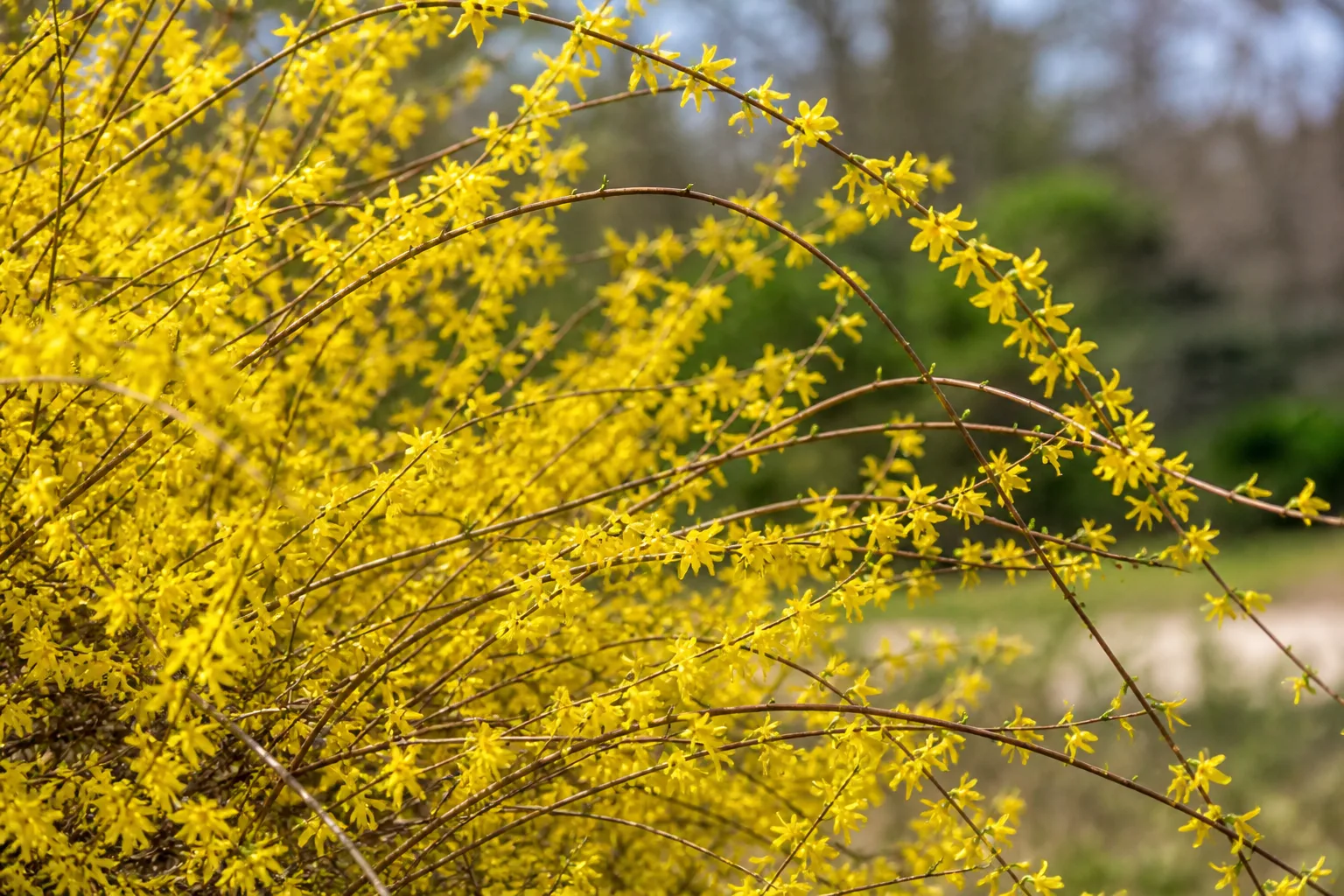
Wait until the flowers fade, then remove a few of the oldest or weakest stems at ground level and shorten only the branches that need redirecting. Forsythia tolerates renewal pruning well, but “tolerates” does not mean “needs to be cut hard every year.” If the plant is healthy and fits its space, a selective post-bloom thinning is kinder and preserves more of its natural arching form.
Hardy Geraniums
Hardy geraniums are not the same plants as frost-tender annual geraniums commonly grown in containers. Most hardy types form a low mound of foliage and can be left through winter, especially when their leaves are still providing crown protection. A little winter mess is often preferable to exposing the plant before the coldest weather has passed.
Remove only dead, diseased, or slimy foliage that is trapped against the crown. If powdery mildew was severe, clean up affected leaves rather than leaving a heavy layer of infected debris around the plant. Otherwise, wait until spring growth makes the line between old and new tissue obvious. Shear the remaining stems back to the fresh basal foliage for a cleaner appearance, but do not confuse a spring tidy-up with a need for winter shaping.
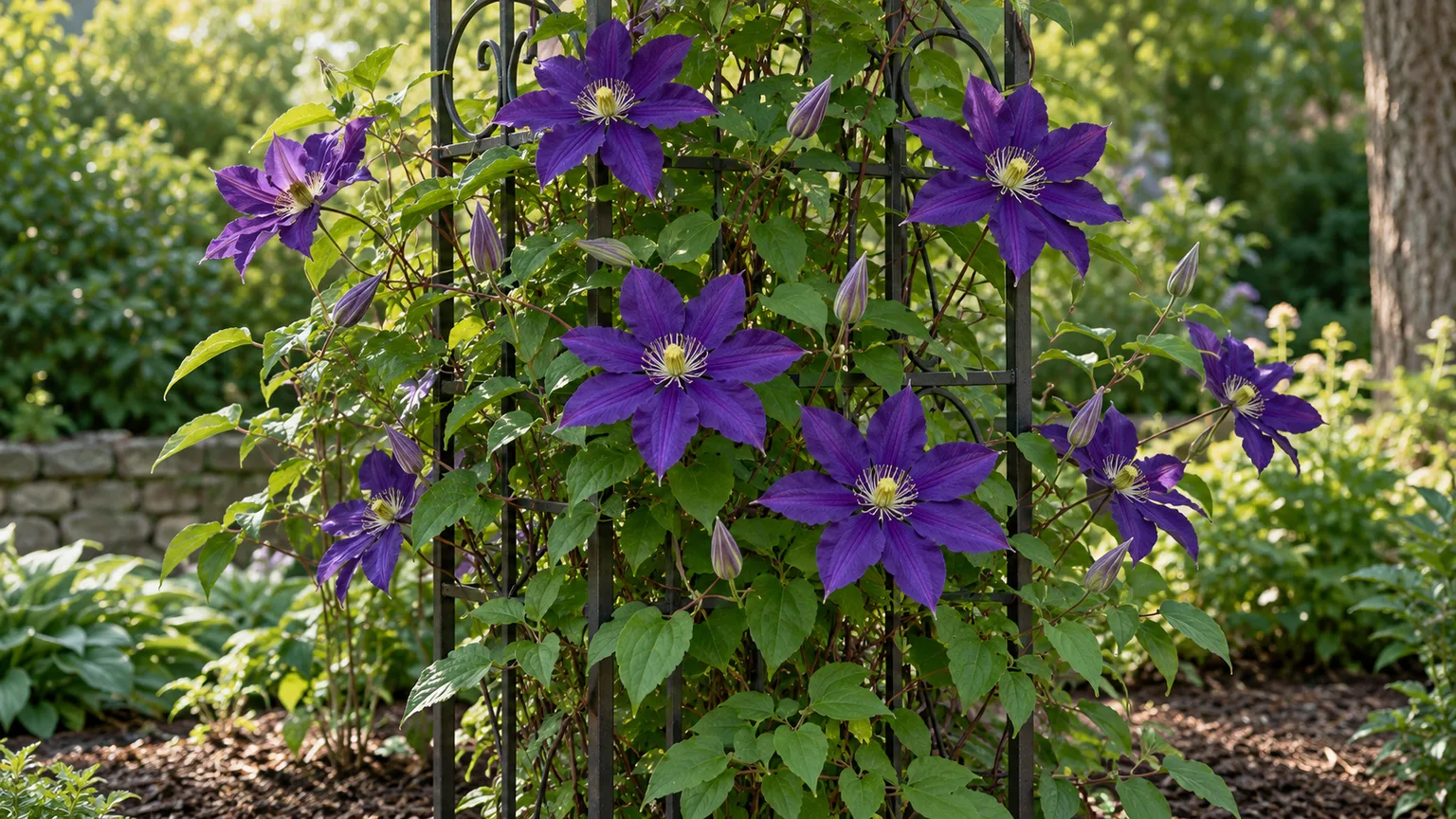
Honeysuckles
Honeysuckle pruning depends heavily on the species and how the vine is being used. Many honeysuckles flower on older wood and should be pruned after flowering if you want to keep their bloom. Some types flower on new growth and can be pruned in late winter or early spring. The RHS describes vigorous climbers such as Lonicera as plants that may need trimming to fit their space but do not automatically need annual pruning.
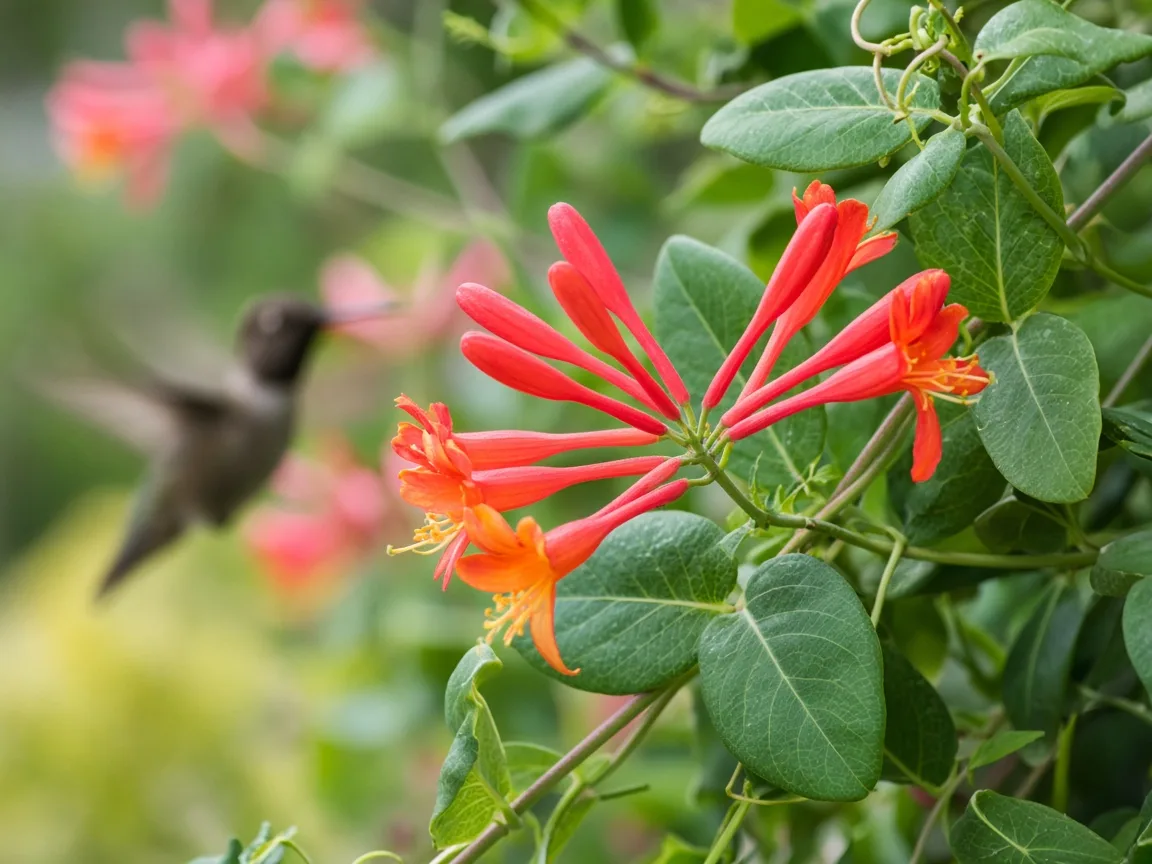
In winter, remove a stem only if it is dead, broken, dangerously loose, or clearly crossing and rubbing. For a healthy vine that has simply grown too large, identify the species and wait until after its main flush of flowers unless the plant’s care instructions say it flowers on new wood. Also check whether the honeysuckle is invasive where you live; pruning is not a substitute for containing a plant that is spreading beyond the space you intended.
Jasmine
Jasmine is another common name that hides several different plants. True jasmines vary in hardiness and flowering habit, while star jasmine is a semi-evergreen vine with a different growth pattern. A winter cut can remove flower-bearing old growth, expose tender tissue to cold, or leave a plant with a bare section that is slow to refill.
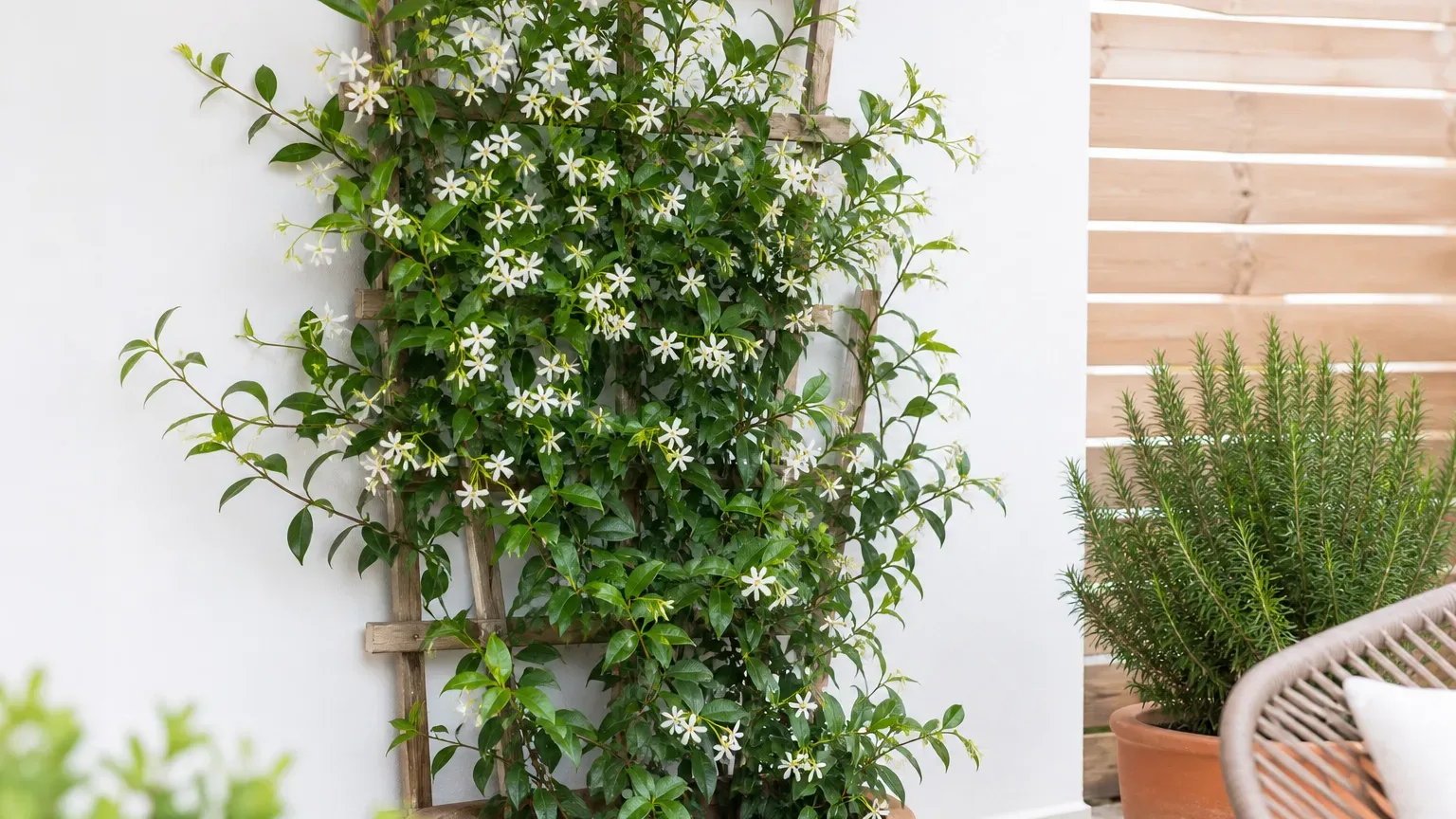
Leave healthy jasmine stems alone through cold weather unless they present a safety or disease problem. In mild climates, prune after flowering to control length and redirect the vine. In colder areas, protect the root zone and wait to assess frost damage in spring; brown tips do not always mean the entire stem is dead. Cut back to live tissue only after the plant begins to show where it is recovering.
Lilacs
Lilacs form flower buds on old wood and usually bloom in spring. Pruning in winter removes those buds before you can enjoy them, which is why the correct routine is to wait until after flowering. The goal is not to make every lilac look like a tightly clipped ball; an open, multi-stemmed shrub with a few older stems removed at the base often flowers better and is easier to maintain.
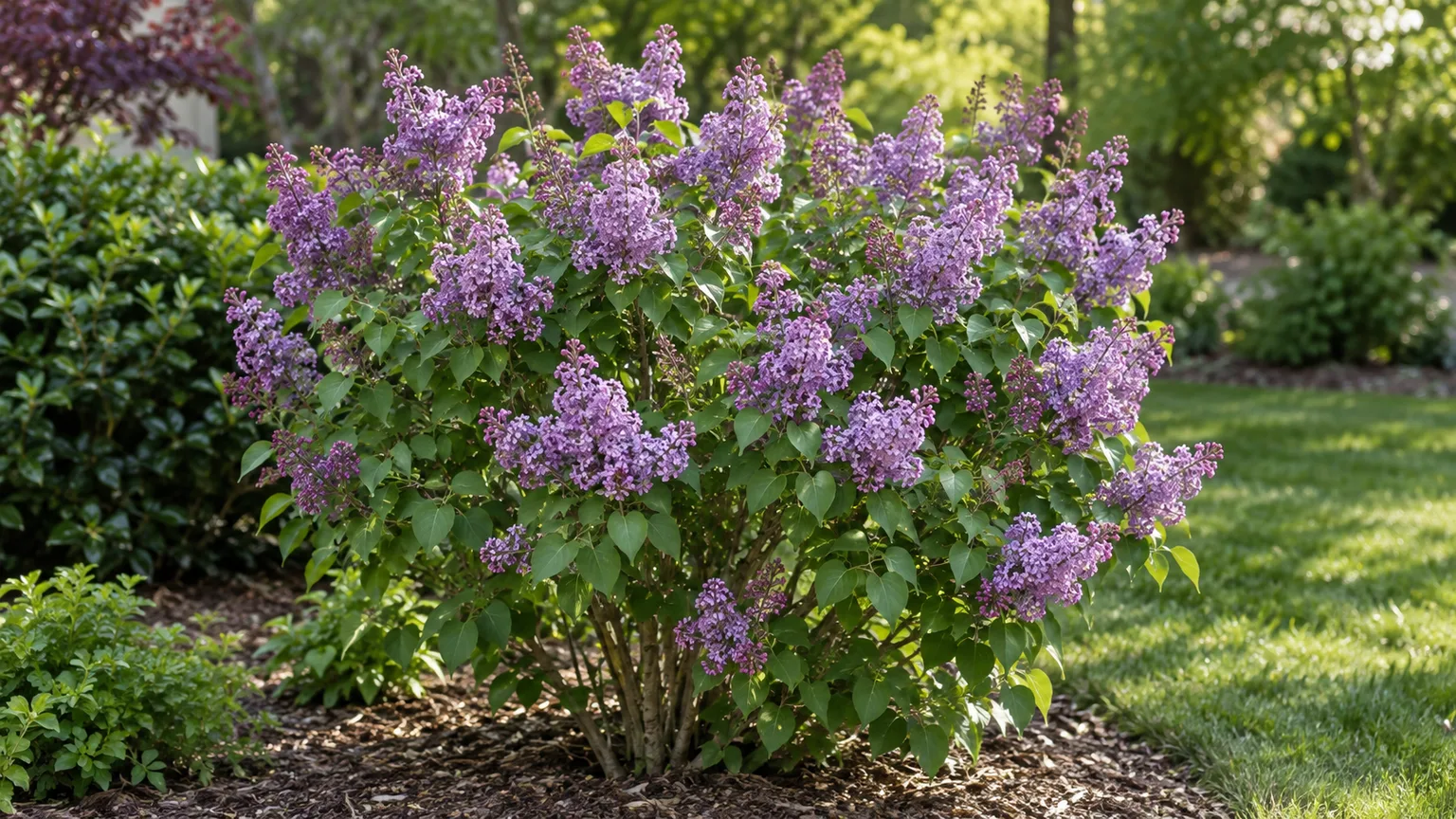
After the flowers fade, remove spent clusters if you want to reduce seed production, then thin crowded or aging stems. If a neglected lilac needs major renovation, you can trade one season of flowers for a healthier framework, but make that a deliberate decision. A shrub that is simply tall is not automatically unhealthy, and winter size reduction can create a bare, flowerless season.
Magnolias
Magnolias generally need little pruning, and heavy cuts can spoil their natural form. Many deciduous magnolias carry flower buds on older wood, while some types and climates have different schedules. The RHS places magnolia among trees and shrubs suited to light pruning and notes that deciduous magnolias are often pruned in late summer to reduce the risk of dieback.
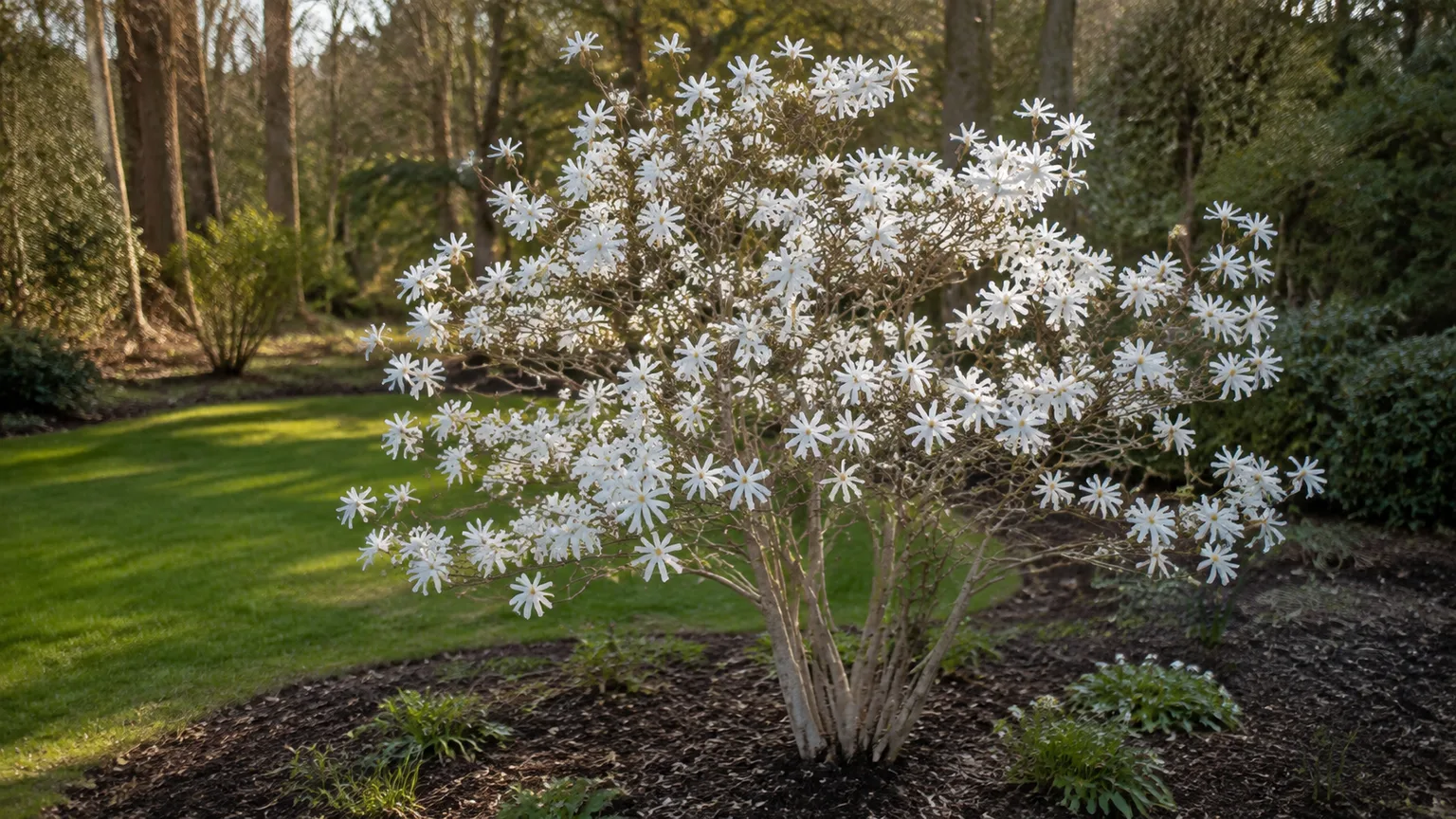
Do not shorten healthy magnolia branches just because the tree is leafless. Remove dead, damaged, or crossing wood, and take out low branches only when you have a clear long-term structural goal. For a mature magnolia or a limb beyond easy reach, use an arborist rather than climbing with a saw; a small ornamental correction and a large tree cut are not the same task.
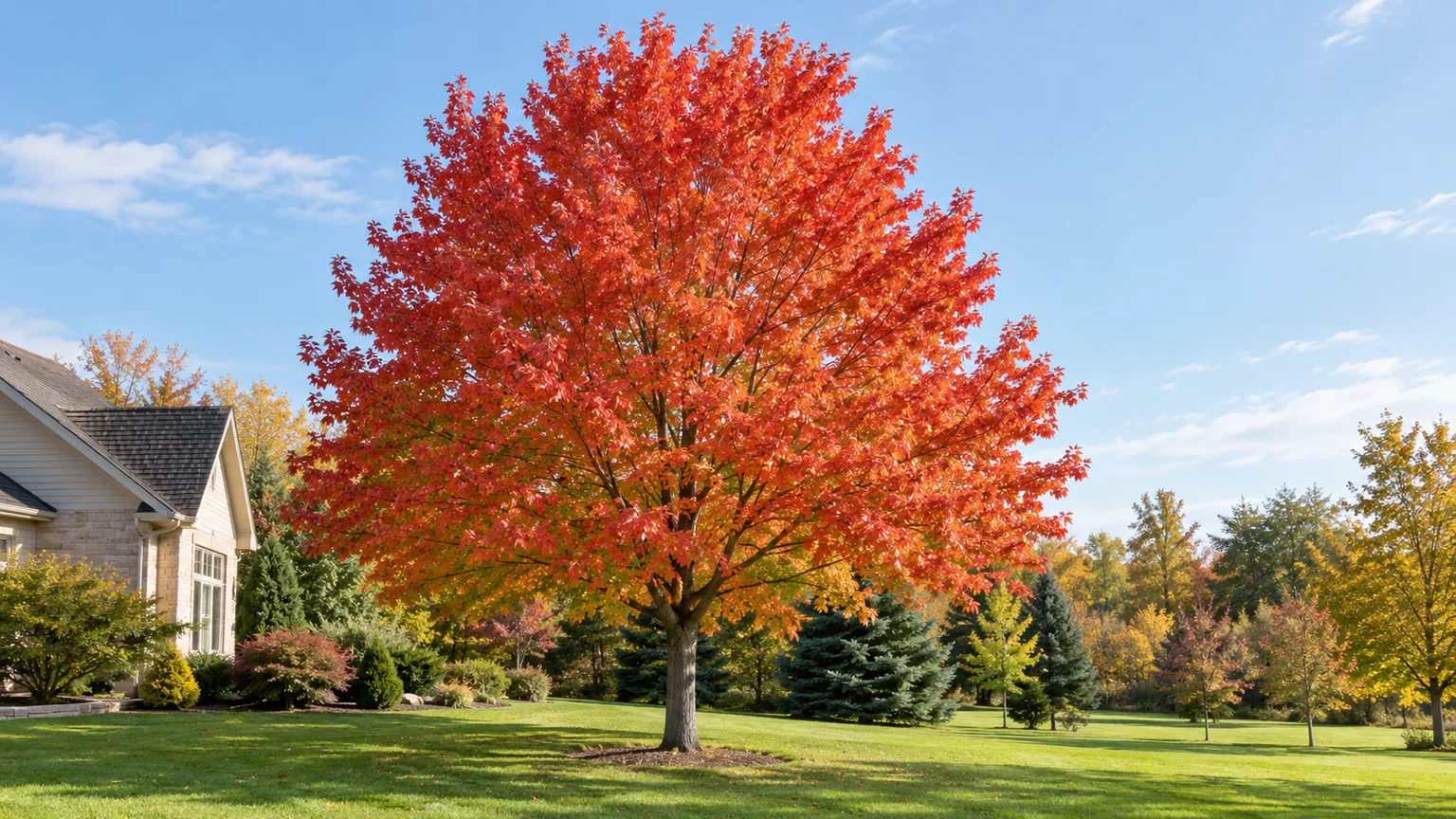
Red Maples
An established red maple usually does not need routine winter pruning. Its broad canopy can look chaotic without leaves, but that is not evidence that every crossing twig should be removed. Start with a purpose: clearance, a dead limb, a damaged branch, or a structural defect that needs professional assessment.
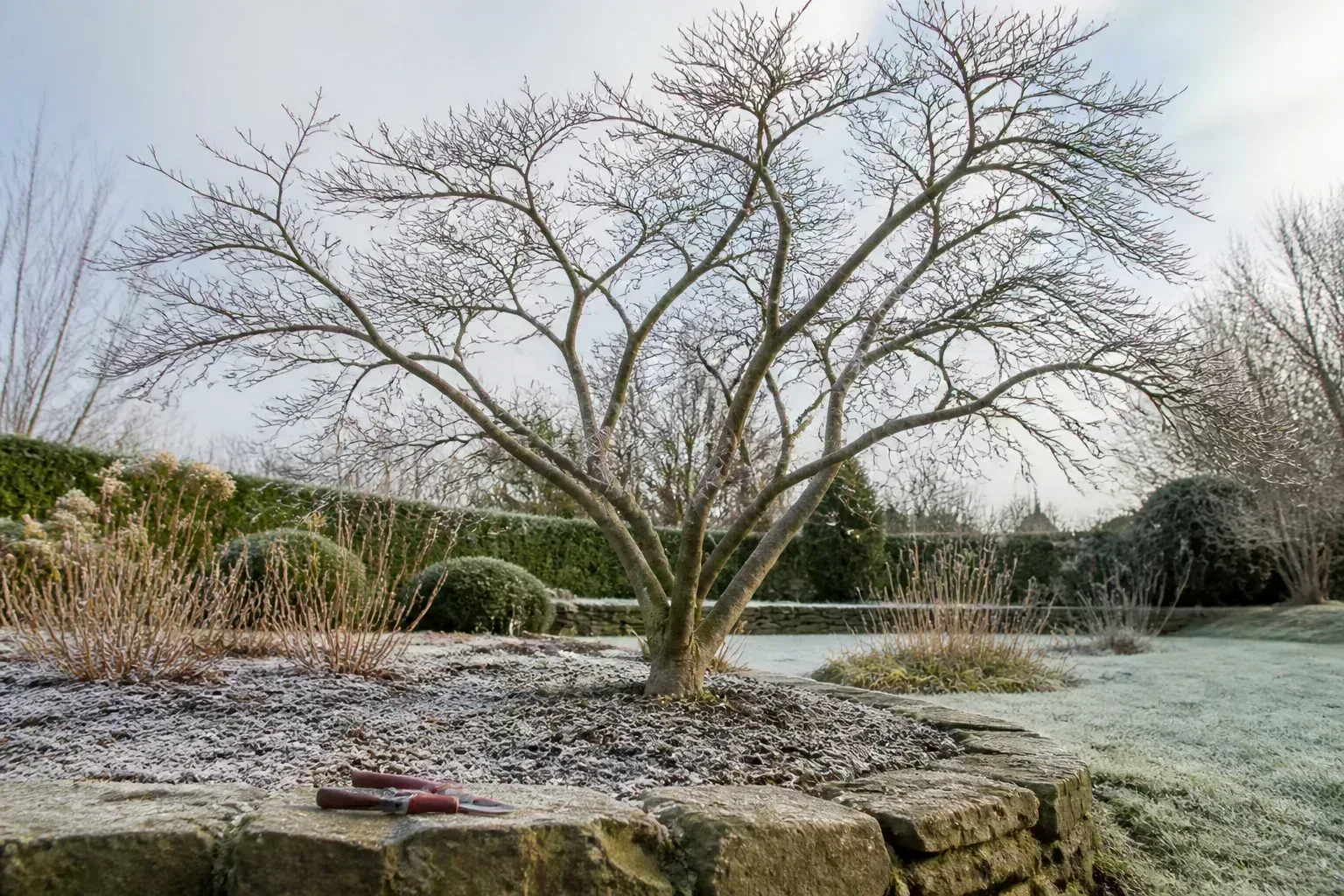
Remove small dead twigs when you can identify them confidently, but do not make large cuts from the ground if you cannot see the branch collar or predict where the limb will fall. Young maples may need formative pruning, and storm-damaged trees may need prompt attention, but those are targeted jobs. For a large red maple near a home, road, or power line, ask a qualified arborist to assess it rather than treating winter dormancy as a do-it-yourself invitation.
Rosemary
Rosemary is an evergreen woody herb, but it is not equally hardy in every climate. A plant that survives winter outdoors in a mild region may be grown as a container plant or protected herb in a colder one. Cutting it hard just before frost can remove foliage that would have helped protect the plant and can expose older wood that is slow to resprout.
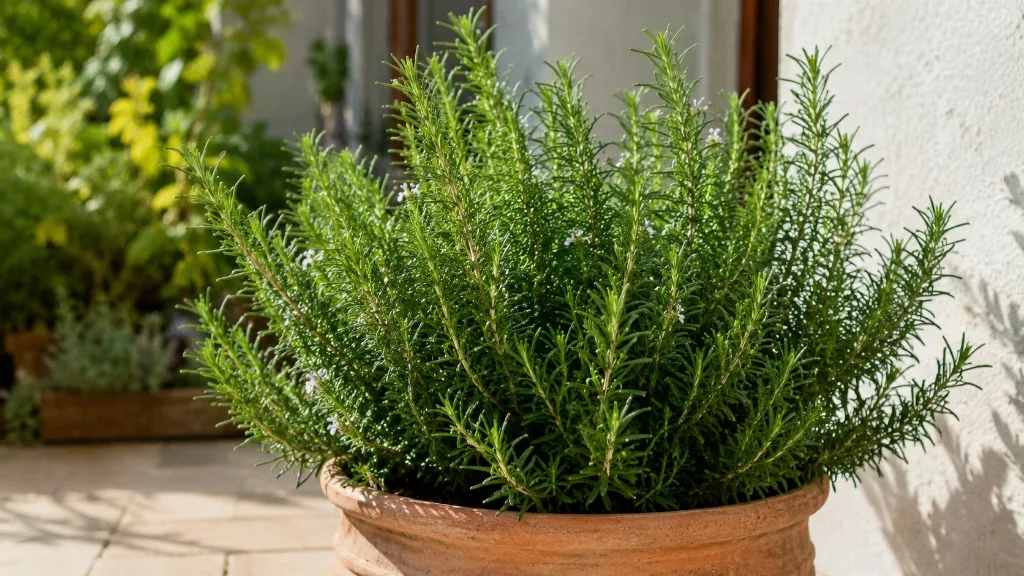
Harvest green tips lightly when needed, but avoid cutting deep into bare, old wood in winter. In mild climates, give rosemary a light shape after flowering or in spring once active growth is visible. In cold climates, prioritize drainage, shelter, and winter protection; move a potted plant before a hard freeze if its cultivar is not reliably hardy in your area. The plant’s label and local climate should overrule a generic calendar.
Sedum
Tall sedums and many stonecrops hold their dried flower heads above the crown for months. Those stems provide winter structure, catch frost and snow, and make it easier to see where the clump is before fresh shoots emerge. There is no need to cut them to the ground simply because the flowers have browned.
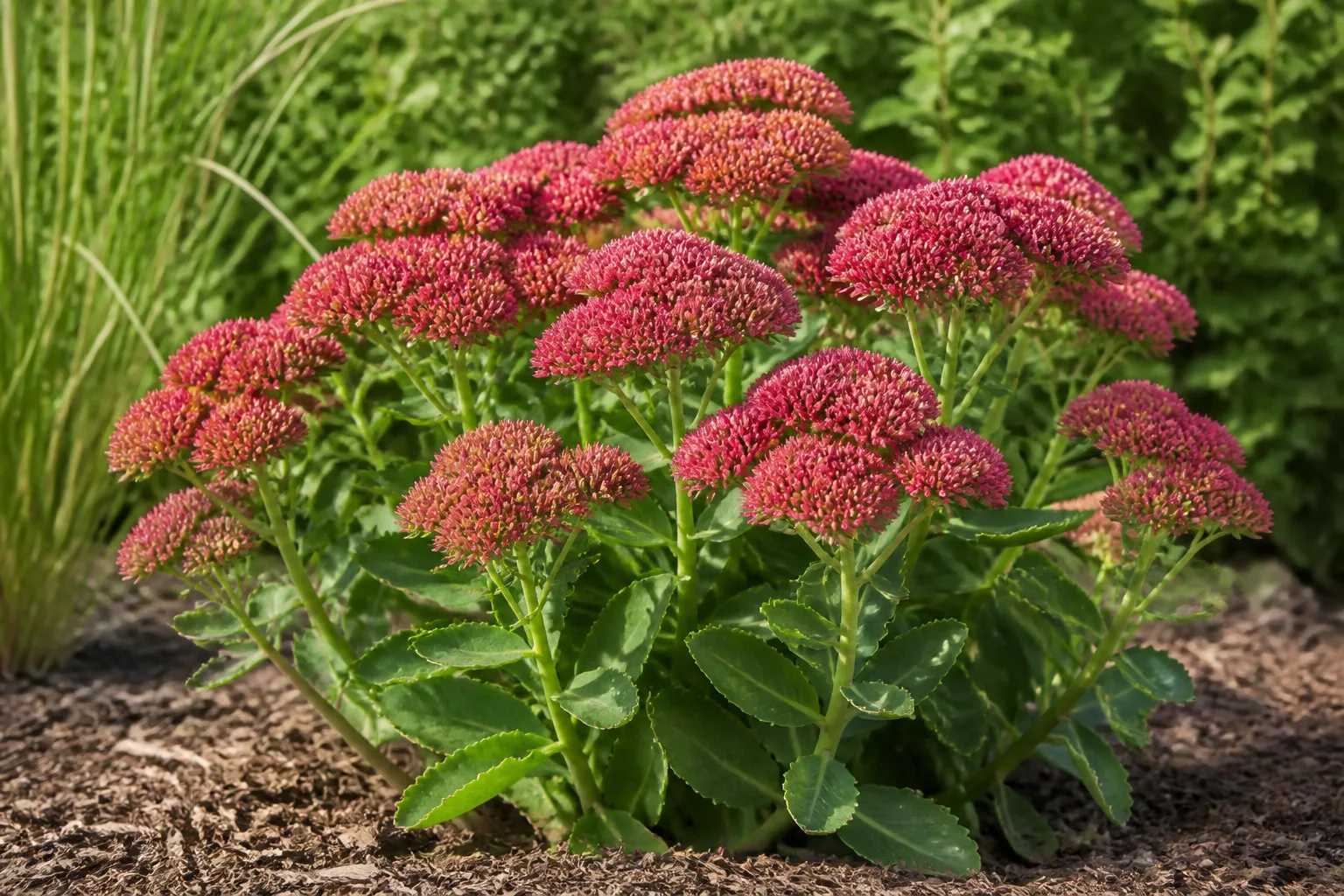
Leave healthy sedum stems until late winter or early spring, then cut them just above the new growth. If stems have collapsed onto wet foliage or show obvious disease, remove the affected material sooner and improve air circulation around the plant. Pinching some vigorous sedums in early summer can produce shorter, fuller plants; that is a growing-season technique, not a reason for a winter haircut.
What to Remove Now—and What to Leave Standing
The phrase “do not prune” should never mean “ignore a dangerous or diseased branch.” In winter, make a short inspection before you put the tools away. Remove material that is clearly dead, broken, rubbing badly, diseased, or blocking a path. Cut back to healthy tissue without leaving a long stub, and use the right tool for the branch rather than forcing oversized wood through hand shears.
Leave healthy flower-bearing stems, seed heads, basal foliage, and winter-interest branches when they are not causing a problem. The NC State Extension profile for black-eyed Susan records the seed heads as a fall food source for songbirds, while Ask Extension notes that some overwintering stems shelter insects and recommends delaying a full perennial cleanup until temperatures are consistently above 50°F. If you need a tidier edge, cut a portion and leave a portion; wildlife value does not require an all-or-nothing garden.
Be stricter with plants that repeatedly harbor disease. Mildew-covered stems, rotting foliage, and material that is known to carry a recurring pathogen should be removed and disposed of according to local guidance. Do not put diseased plant tissue in home compost unless your system reaches temperatures and manages materials well enough to destroy the pathogen.
For most plants on this list, winter care is about protecting the root zone and reducing stress, not forcing a perfect silhouette. Keep mulch a few inches away from woody stems and perennial crowns so moisture does not stay against the plant. A consistent layer of organic mulch can reduce rapid freeze-thaw swings, but piling it into a wet mound around a trunk or crown creates a different problem.
Check container plants more often than in-ground plants. Rosemary, jasmine, and other marginally hardy plants may need shelter, a protected wall, or a move indoors, while established shrubs generally benefit from being left in their normal site. Water evergreens and newly planted shrubs during a winter thaw if the soil is dry and unfrozen, but do not turn a dormant bed into a saturated one.
Finally, label anything you cannot identify. A shrub’s common name may cover several species with different pruning groups, and a plant sold as “jasmine,” “dogwood,” or “sedum” may not match the care advice for another member of the same common-name group. A photograph of flowers, leaves, growth habit, and the plant tag will make spring timing much easier to confirm.
A Simple Spring Pruning Plan
When the weather begins to moderate, work through the garden in this order:
- Inspect before cutting. Look for live buds, basal shoots, new leaves, flower remnants, rubbing branches, and damage from snow or ice.
- Clean up hazards first. Remove broken, dead, or diseased material before making cosmetic cuts. Leave large or elevated branches to an arborist.
- Wait for bloomers to finish. Prune azaleas, rhododendrons, forsythia, lilacs, old-wood honeysuckles, and many jasmines after flowering, not simply on the first warm day.
- Tidy herbaceous perennials when new growth is visible. Cut coneflowers, black-eyed Susans, sedum, hardy geraniums, and coral bells back to the point where fresh growth begins.
- Thin instead of shear. Remove selected old or crossing stems at their origin so light and air can move through the plant. Repeatedly shaving the outer surface creates dense, weak growth.
- Stop when the goal is met. If the plant is healthy, flowering, and within bounds, more cuts are not an upgrade.
This sequence keeps pruning tied to plant biology and purpose. It also gives you a chance to observe how winter affected the garden before removing tissue that may still be alive.
Conclusion
The best winter pruning decision for many hardy plants is to wait. Azaleas, rhododendrons, forsythia, lilacs, magnolias, old-wood honeysuckles, and many jasmines are carrying future growth or flowers; black-eyed Susans, coneflowers, and sedum are offering seed, structure, or shelter; and coral bells, hardy geraniums, rosemary, dogwoods, and red maples need plant-specific judgment rather than an automatic haircut.
Use winter for inspection, hazard removal, mulch, protection, and planning. Then make the meaningful cuts when the plant’s flowers, new shoots, or damage pattern tells you the timing is right. A garden does not need to be bare to be healthy, and a pair of pruners does not need to be busy just because the branches are visible.