Holes in Your Yard but No Mounds? Find the Cause
Find out what causes holes in a yard without dirt mounds. Use size, shape, tracks, timing, and nearby damage to identify the culprit and respond safely.
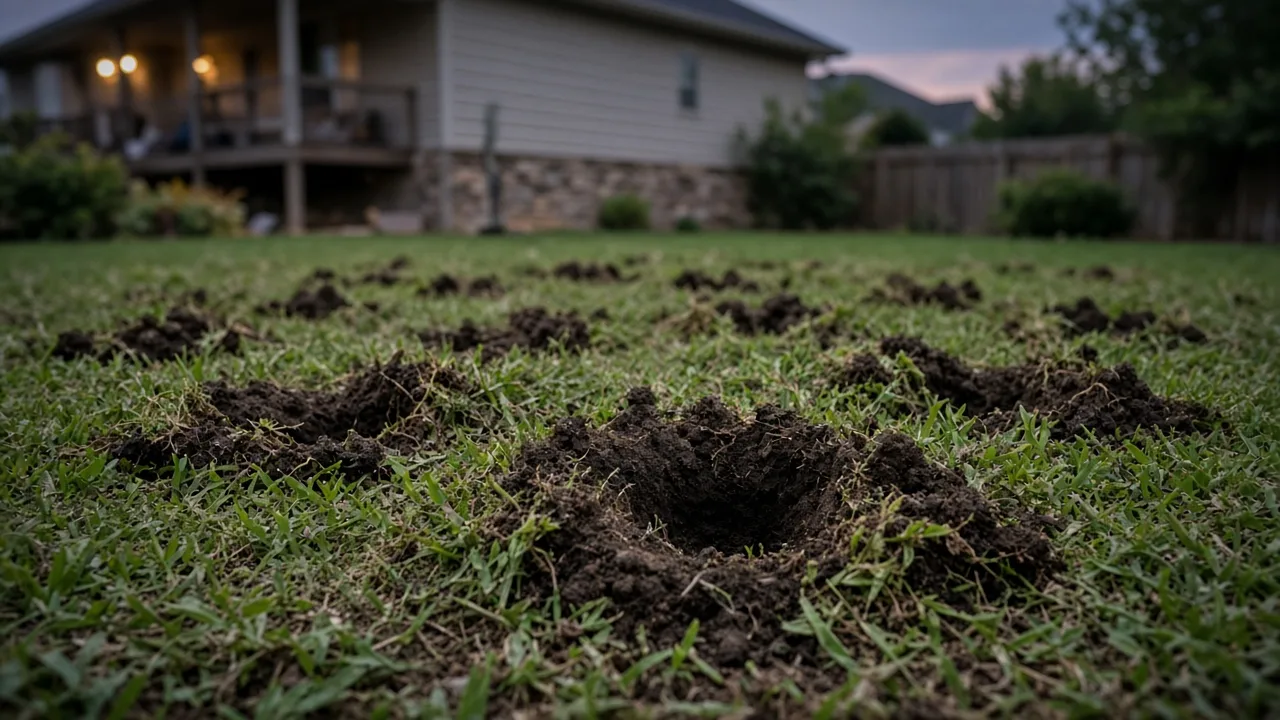
Finding holes in your yard without the familiar pile of soil is frustrating, but it is also a useful clue. The animal or insect may be taking soil into an existing tunnel, foraging just below the surface, entering a nest that was already there, or leaving a shallow feeding pit rather than excavating a permanent burrow. In some cases, there is no animal at all: a lawn aerator, settling soil, irrigation leak, or decaying root can create a convincing opening.
The fastest way to solve the mystery is to delay filling the hole for one observation cycle. Measure it, photograph it, check the surrounding grass, and look for fresh activity at dawn or dusk. A one-inch opening with a runway means something very different from a half-inch opening with bees circling it, and neither should be treated like a molehill.
Why a Hole Without a Mound Is a Useful Clue
Mounds form when an animal excavates soil and pushes it to the surface. If the soil is loose, the tunnel is shallow, the opening is an old entrance, or the creature is only hunting for food, the dirt may be scattered so widely that no mound remains. A clean-looking hole can therefore indicate a nest entrance, a reused tunnel, or a quick dig rather than a large underground colony.
Do not identify the cause from diameter alone. Soil texture changes the apparent size, rain softens edges, and animals can enlarge another species’ opening. Use at least three clues together: opening size, shape and edge, and a nearby sign such as tracks, clipped vegetation, a runway, overturned sod, droppings, or an insect entering the hole.
What to Measure Before You Fill It
Measure the widest part of the opening with a ruler and record whether it is round, oval, slit-like, or ragged. Note whether the sides are smooth, whether a tunnel is visible, and whether the opening is under a shrub, beside a foundation, in a vegetable bed, or in exposed lawn. Location often narrows the possibilities more reliably than a vague guess about the animal.
Place a small twig across the entrance—not into the tunnel—and photograph it from above. Return later to see whether the twig moved, the edges were freshly scraped, or an insect is using the opening. Never put a hand, tool, hose, smoke, or poison into an unknown hole. A defensive animal, a nest, or a collapsing cavity can turn a curiosity into an injury.
Read the Edges and Surrounding Soil
Fresh digging usually leaves bright, loose soil, torn roots, pushed grass, or sharp edges. A smooth, polished entrance suggests repeated traffic, while a crumbly edge may be an abandoned opening or one made in dry soil. A shallow depression with no tunnel may be a feeding pit, especially if several pits appear in a loose cluster.
Also inspect the lawn several feet away. Look for narrow paths through grass, grass blades pressed in one direction, gnawed bark, missing bulbs, rolled-back sod, or turf that feels spongy. Check compost, bird-feeder spill, fallen fruit, pet food, and trash storage; a food source can explain why holes are concentrated in one part of the yard.
Check Timing, Tracks, and Nearby Feeding Signs
Use time of day as a filter, not proof. Skunks and raccoons often work after dark. Bees and wasps are easiest to observe on warm, bright days. Squirrels are active during daylight, while voles may leave more visible runways after snow cover or heavy grass growth is flattened.
A cheap motion camera aimed at the ground for two or three nights can solve what a daytime inspection cannot. If you use one, point it away from neighbors and public areas. You are trying to answer one question—who is visiting the spot—not collect a dramatic wildlife video.
Shallow Feeding Pits From Grubs and Other Insects
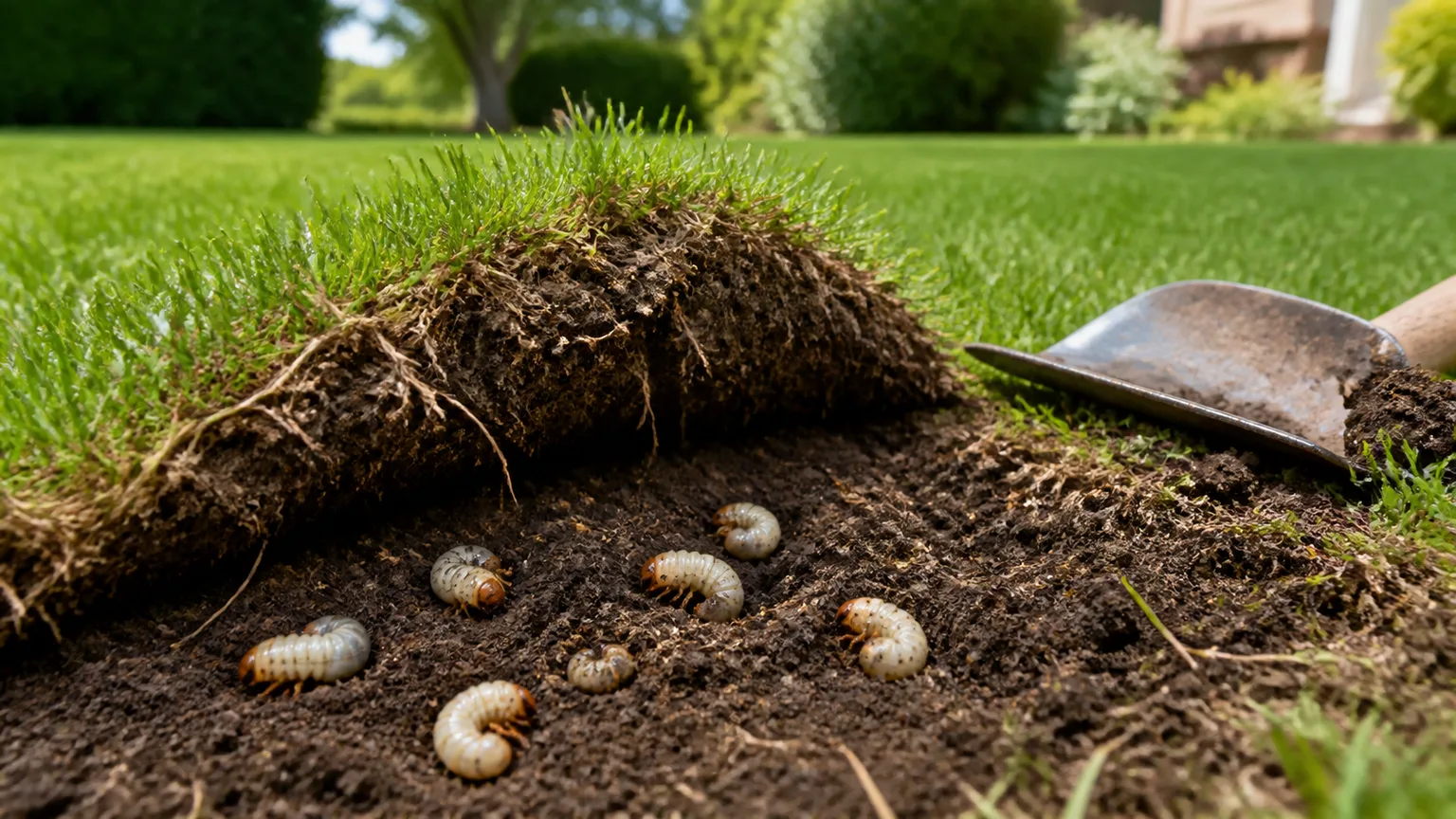
Small irregular divots, lifted turf, and scattered grass can mean a vertebrate is hunting for grubs rather than digging a home. Skunks, raccoons, and some birds probe soil for beetle larvae and earthworms. The grub is not necessarily the digger; it is the reason a larger animal keeps returning. For a second opinion on identifying larvae and deciding whether treatment is warranted, compare the University of Minnesota Extension lawn grub guidance with your local recommendations.
Lift a small flap of turf at the edge of the damage and inspect the root zone. C-shaped cream-colored larvae, thinning roots, and irregular brown patches support a grub diagnosis, but do not assume every lawn hole requires an insecticide. Grub populations vary by season, grass type, moisture, and local species. A local extension office can help confirm whether the population is high enough to justify treatment.
The practical fix is two-part: reduce the food source when a real infestation is confirmed, and remove attractants such as accessible compost or spilled birdseed. Treating grubs without changing an overflowing trash bin may leave the nighttime visitor looking for another meal in the same lawn.
Squirrels and Chipmunks: Similar Openings, Different Patterns
Squirrel holes are often shallow, neat, and scattered where nuts or bulbs were buried. The animal may replace some soil, so the opening can look like a small puncture rather than a crater. Missing bulbs, freshly disturbed containers, and chewed fruit point toward squirrels.
Chipmunk entrances are commonly around one to two inches wide and may sit beside a foundation, retaining wall, woodpile, or dense planting. The opening can lead to a longer tunnel system, but the absence of a mound is normal because soil is carried away or packed into the burrow. Look for repeated routes and small droppings rather than widening the hole to investigate.
Protect valuable bulbs with a properly anchored bulb cage or buried hardware cloth, and clean up spilled seed. Barriers should be secured at the soil line and checked for gaps. Do not seal an entrance until you are confident no animal is inside; trapping a resident in a wall, shed, or foundation void creates a larger problem.
Voles and Their Surface Runways
Voles are compact herbivores that can make small openings without the raised ridges associated with moles. The strongest clue is a network of narrow, grass-level runways that connect feeding areas, mulch, and cover. In spring, flattened tunnels may become obvious after snow melts. Voles may also chew flower bulbs, root vegetables, and the bark near the base of young trees.
Reduce cover first. Mow high but keep the area around trunks, beds, and structures free of dense weeds and thick mulch piled against stems. Protect trees and vegetables with fine mesh buried several inches where practical; the mesh must be tight enough to prevent a vole from squeezing through. Repellents are inconsistent, especially when shelter and food remain available.
Ground-Nesting Bees and Wasps
A small round opening in dry, bare, or sandy soil may be an insect nest rather than a mammal burrow. Many solitary bees use individual tunnels and spend much of their time provisioning larvae. They are usually not interested in defending a large colony, and their presence can be beneficial. Watch from several feet away on a warm day to see whether bees enter and leave.
Ground wasps can also use soil openings, including abandoned rodent burrows. Their activity may be concentrated near flowering or fruiting plants. A steady stream of wasps, repeated flight paths, or an opening near a walkway deserves caution. Do not pour fuel, boiling water, or household chemicals into a nest, and do not poke it with a stick.
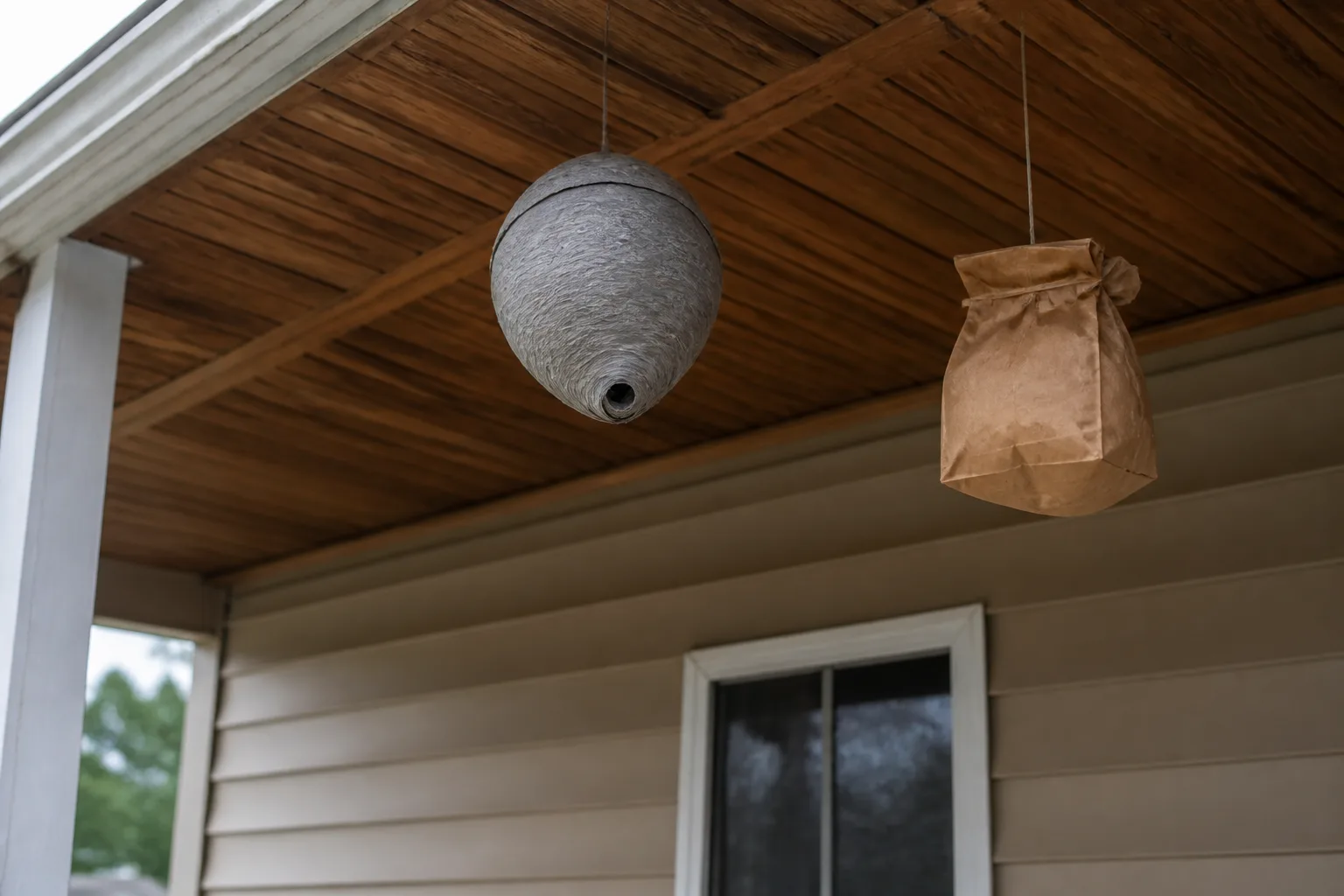
If the nest is away from play areas and nobody in the household has a sting allergy, leaving it undisturbed is often the lowest-risk option. The University of New Hampshire Extension explains why many ground-nesting bees are not aggressive, but the species and setting still matter. Mark the location discreetly and keep children and pets away. If it is beside a door, under play equipment, or in a high-traffic path, hire a licensed pest professional who can identify the insect before choosing a control.
Skunks and Raccoons: Overnight Lawn Foraging
Skunks often leave a field of shallow cone-shaped divots or a rough, rutted patch after searching for grubs. Raccoons may make similar holes but can also peel back sections of sod with their front paws. Both animals are most likely where the soil is moist and food is abundant.
Look for damage that appears between evening and morning, paw prints in soft soil, disturbed compost, or tipped containers. A motion-activated sprinkler can interrupt a route without injuring the animal. Secure garbage, pause bird feeding during the damage, pick up fallen fruit, and manage confirmed grub problems according to local extension advice and product directions.
Avoid scattering mothballs, applying concentrated chemicals, or using homemade irritants. These can harm pets, children, soil organisms, and wildlife without addressing the food source. If an animal is denning under a deck or shed, exclusion should happen only after confirming the den is empty and local wildlife rules allow it.
Rats and Other Serious Burrow Risks
A two-and-a-half- to three-and-a-half-inch opening with smooth, well-used walls, multiple entrances, gnawed materials, or a sheltered location near food raises the possibility of rats. Rats can use gaps beneath sheds, decks, compost structures, and dense vegetation. The risk is not merely cosmetic: they can contaminate food, damage wiring or hoses, and bring a control problem close to the home.
Do not reach into the hole or scatter loose poison where pets, children, or wildlife can access it. The U.S. Environmental Protection Agency’s rodenticide safety guidance is a useful reminder that bait placement and label compliance matter. Remove food and water sources, secure compost and trash, and contact a licensed pest professional if the signs persist. A professional can inspect for entry points and choose a control method that accounts for secondary poisoning and animal access.
A Decision Tree for Identifying the Likely Culprit
Start with the opening. If it is under half an inch and bees are using it, treat it as a possible solitary bee nest. If it is roughly one to two inches and connected to surface runways, investigate voles; if it is beside a wall with repeated small traffic, consider chipmunks. If it is a two- to three-inch smooth entrance near food or shelter, investigate rodents.
Next ask whether the damage is a hole or a pit. Many shallow irregular pits across turf suggest nocturnal grub hunting, while one deep opening is more consistent with a den or reused tunnel. Finally, ask whether the damage is active. New soil, fresh tracks, moving insects, or a changed twig means wait and observe before repairing.
What to Do in the First 24 Hours
Photograph the area, measure the openings, and remove obvious attractants. Keep children and pets away until stinging insects and rodents are ruled out. If the hole is beside a foundation, utility line, retaining wall, or large tree, avoid digging around it because the cavity may affect stability or conceal infrastructure.
If there is no urgent hazard, monitor for one or two activity windows. Mark the perimeter with a small flag rather than filling it immediately. Once you have a reasonable identification, choose the least disruptive control that solves the cause: exclusion for rodents, habitat changes for voles, food-source management for skunk and raccoon foraging, and tolerance or professional removal for stinging insects in dangerous locations.
How to Deter Digging Without Harming Wildlife
Make the yard less rewarding. Store seed and pet food in sealed containers, use latched bins, harvest ripe fruit promptly, and keep compost covered. Prune dense cover near structures, mow consistently, and avoid mulch piled against trunks or foundations. These changes help several species at once and are safer than applying a broad repellent without knowing what you are targeting.
Use physical barriers where they fit the job. Bury galvanized hardware cloth around a vegetable bed or under a shed edge, protect bulbs with cages, and use trunk guards for young trees. Fold or bury the lower edge so an animal cannot simply push under it. Inspect barriers after heavy rain and whenever fresh damage appears.
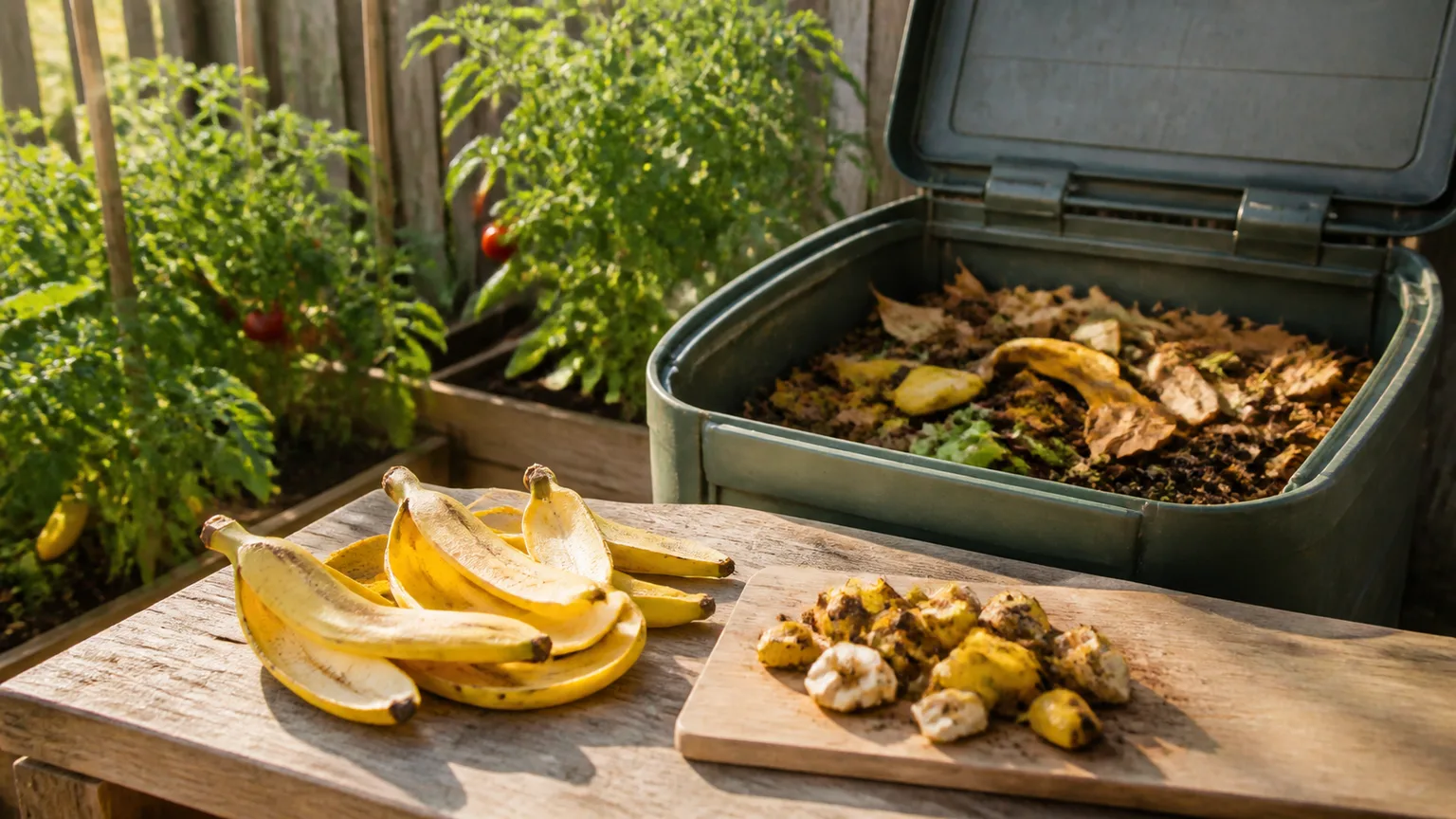
Repellents and sprinklers are supporting tools, not magic. A motion sprinkler may redirect a raccoon from a favorite patch, but it will not solve an accessible compost pile. Castor-oil products and scent-based deterrents can lose effect after rain and may work differently in different yards. Read the label, keep products away from water, and never use a pesticide or rodenticide off-label.
Repairing the Lawn After the Activity Stops
Wait until the hole is inactive and the underlying cause is addressed. For a shallow divot, rake loose soil back into place, press lifted turf gently, and water enough to settle the root zone. For missing patches, loosen compacted soil, add a thin layer of compatible topsoil or compost, reseed with a grass suited to the site, and keep the seed evenly moist until established.
Do not bury a live nest or close an occupied burrow. If the opening is near a structure, fill only after exclusion and inspection are complete. Large cavities should be assessed for voids below the surface; a thin layer of soil on top can hide a trip hazard and collapse again after rain.
When a Professional Is the Safer Choice
Call for help when you cannot identify the animal after monitoring, when rats are suspected, when a nest is in a high-traffic area, or when anyone nearby has a serious sting allergy. A wildlife professional is also appropriate for an animal inside a wall, under a deck, or in a protected-species situation. Choose someone who explains exclusion and prevention, not only removal.
Contact the utility locator before digging near buried lines, and use extra caution around retaining walls, foundations, and large tree roots. If a hole is appearing beside a downspout or irrigation line, a drainage or plumbing professional may be more useful than pest control. Not every lawn opening is biological.
Common Mistakes That Make the Problem Worse
The most common mistake is filling every hole immediately. That removes the evidence and can trap an animal or force it to create a second exit. The second is treating a guessed culprit with poison. Poison can affect non-target wildlife and pets, while failing to remove the food, shelter, or access that caused the activity.
Another mistake is confusing moles and voles. Moles primarily tunnel for invertebrate prey and commonly leave raised ridges or soil pushes; voles are plant-eaters that use surface cover and may leave small openings without mounds. The control strategy is different, so identify the trail pattern before buying a product.
Finally, do not destroy a harmless ground-bee nest simply because it is visible. A nest in an unused corner can be monitored and left alone. The right question is not whether a hole looks untidy; it is whether the occupant creates a realistic safety, structural, crop, or sanitation risk in that exact location.
Conclusion: Identify First, Intervene Precisely
Holes in your yard without mounds usually point to shallow foraging, a reused entrance, an insect nest, or a small animal moving soil out of sight. Measure the opening, inspect the edge, look for runways and feeding damage, and monitor at the time the suspected visitor is active. Then match the response to the evidence: remove food sources, add a properly installed barrier, protect pollinators where possible, and bring in a professional for stinging insects, rats, structural burrows, or uncertain wildlife.
The repair is the last step, not the first. Once the cause is gone, the lawn can be leveled and reseeded with far less chance that the next morning brings another unexplained hole.