12 Houseplants You Can Grow Without Soil
Explore 12 houseplants you can grow without soil, from pothos in water to orchids in bark. Match each plant to the right setup, feeding, and care.
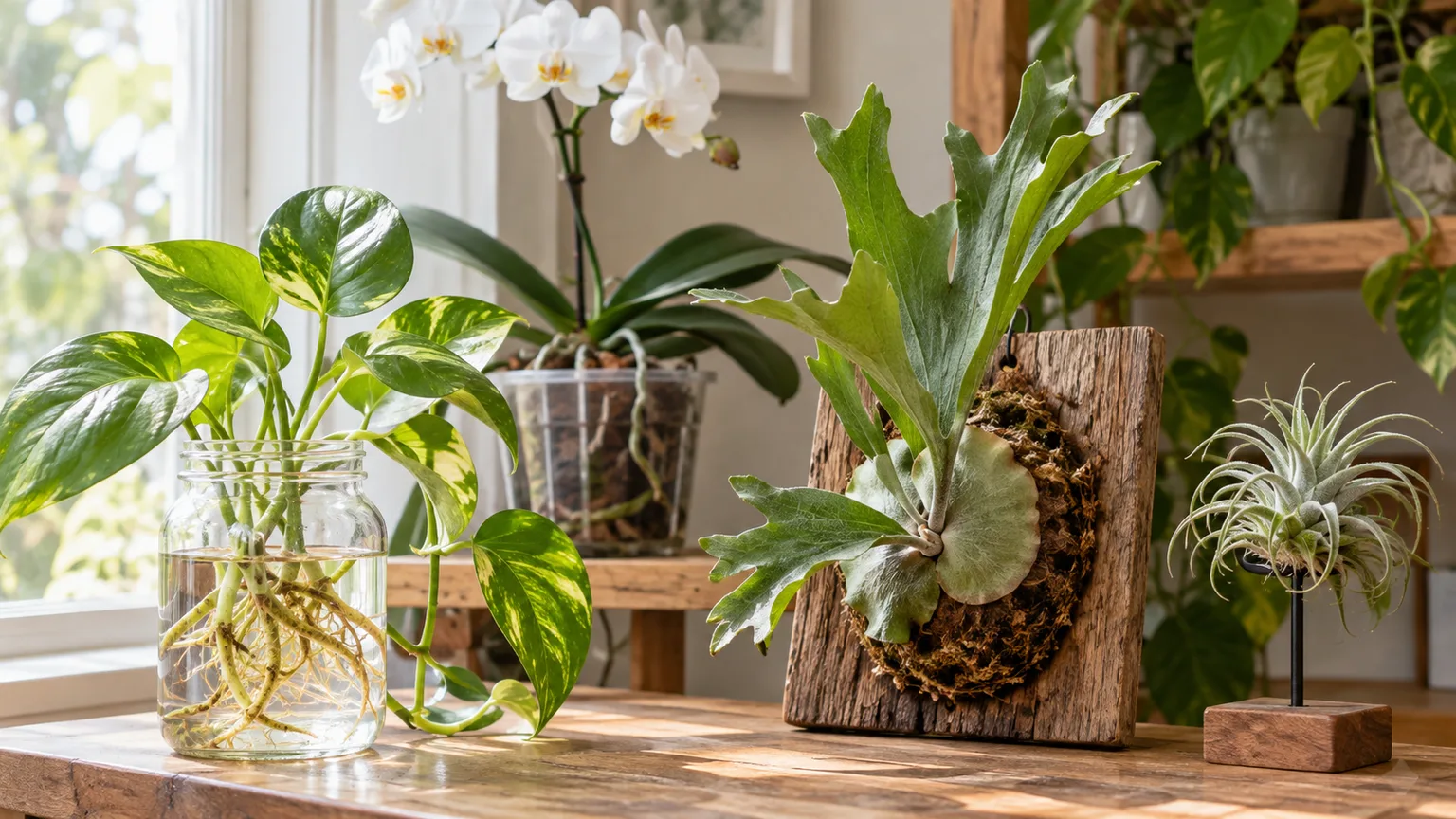
“Without soil” does not always mean “in a jar of water.” A pothos cutting can root in water, an air plant can sit on a shelf with no pot at all, and a moth orchid can grow in coarse bark. Those are three different growing systems, and choosing the right one matters more than finding a plant that tolerates a decorative glass container.
Some of the plants below can live in water for an extended time if you supply nutrients and keep the water clean. Others are epiphytes: they naturally attach to a tree or another support, but still need moisture, minerals, and air around their roots. The rest are most dependable in a loose, soil-free medium. Gardening Know How makes a similar practical distinction: water is often used to root cuttings, while a plant kept in water long term needs light, oxygen, and nutrition as well as water. Its guide to growing houseplants in water from Gardening Know How is useful for the basic routine.
| Plant or group | Best soil-free setup | How well it suits a beginner |
|---|---|---|
| Lucky bamboo, pothos | Water culture with nutrients | Easiest water choices |
| Spider plant | Root a plantlet in water; use a nutrient solution for longer culture | Easy to start, more upkeep to keep long term |
| Tillandsia, staghorn fern | Airy display or mount, hydrated on the plant’s schedule | Soil-free, but not water plants |
| Phalaenopsis, bromeliad, anthurium | Bark-based or other porous soilless mix; some can be mounted | Good if you can match moisture to the plant |
| Bird’s nest fern, blue star fern, Hoya, Dischidia | Moisture-retentive but airy medium or a carefully managed mount | Less forgiving than a jar-grown cutting |
First, know what “without soil” means
Water culture is not the same as hydroponics
A stem cutting sitting in a glass is water propagation: it can make roots without a pot of mix. Water culture describes maintaining a plant with its roots in water, usually with clean water and supplemental nutrition. Hydroponics is the more deliberate version, where the grower supplies a balanced nutrient solution and manages the root zone; plain water is not a complete long-term food source.
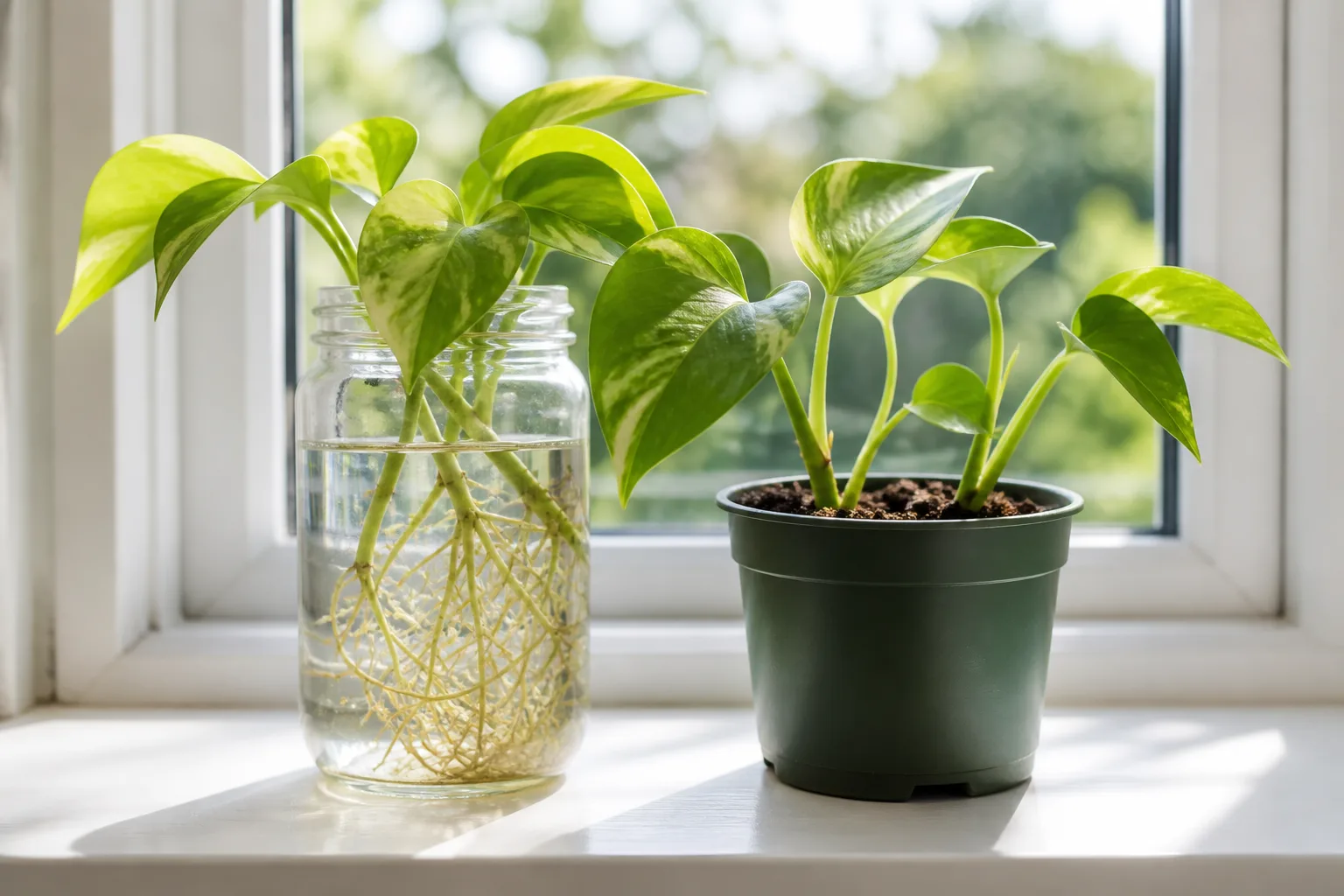
For a cutting, place at least one node—the small joint where a leaf or root emerges—under water and keep the leaves out. Set it in bright, indirect light, then replace cloudy or dirty water and keep the node covered. Gardening Know How recommends changing propagation water regularly and moving cuttings only after roots have formed; for a plant you intend to keep in water, use a complete liquid or hydroponic fertilizer according to its label, diluted conservatively. Too much fertilizer can damage new roots just as surely as too little nutrition can stall a plant.
Soilless media and mounts still support roots
Potting soil is not the only material that can hold a plant upright and regulate moisture. Orchid bark, sphagnum moss, coco coir, perlite, pumice, and expanded clay pellets (often called LECA) can provide support and air spaces without ordinary potting soil. Some are organic and hold water; others are nearly inert and rely on the grower to provide nutrients. They are not interchangeable: a moisture-loving fern and a drought-tolerant Hoya should not be put into the same mix just because neither needs garden soil.
A mounted plant has support instead of a pot. A board, cork slab, or basket can hold a small root pad while exposing it to air, but the surface can dry much faster than a container. “Epiphyte” means a plant grows on another plant or surface for support rather than parasitizing it. It does not mean the plant can live without water, nutrients, or a suitable root environment.
12 houseplants and the soil-free setup that suits each
Staghorn fern (Platycerium bifurcatum)
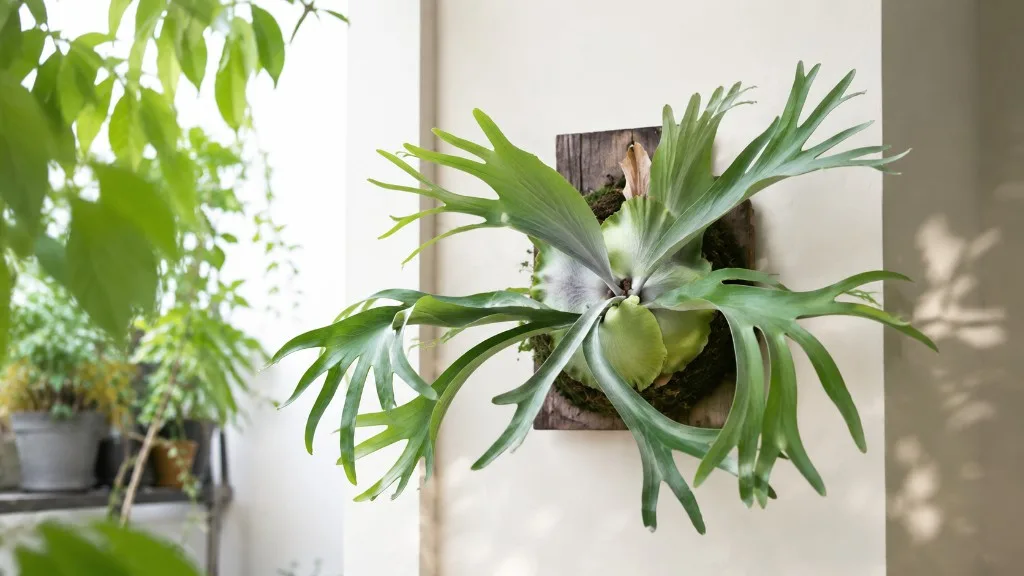
Staghorn fern is one of the clearest candidates for a mount. In nature, it attaches to a tree and catches leaf litter around its shield-shaped basal fronds; it is not a parasite. At home, attach the root crown to a sturdy board or bark slab with a small pad of sphagnum or an epiphytic mix. Use broad, plant-safe ties rather than cinching thin wire against the crown, and leave the shield fronds in place even when older ones turn brown.
Water the root pad when it is drying, then let excess drain. A mounted fern needs more frequent checks than one in a basket because the exposed pad can dry quickly in a warm, low-humidity room. NC State Extension notes that staghorn ferns can be grown on wood or bark or in an orchid or sphagnum mixture; the practical mounting guidance from Planet Natural is another useful reference. If you want a plant that can sit in a vase and be ignored, choose pothos or lucky bamboo instead.
Lucky bamboo (Dracaena sanderiana)
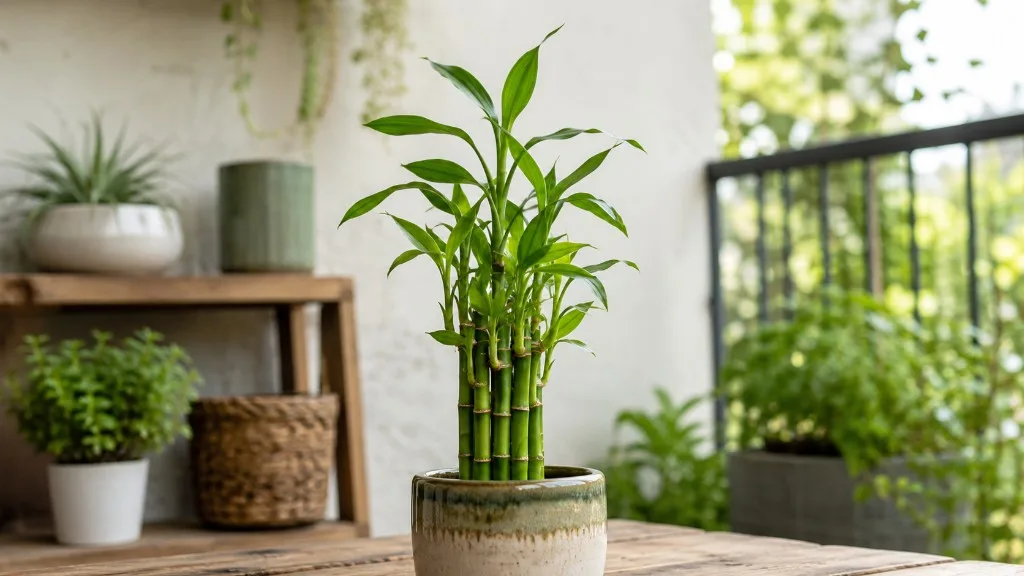
Lucky bamboo is not a true bamboo; it is a tropical Dracaena that adapts well to water culture. Stand the rooted canes in a stable glass or ceramic vessel, using pebbles only to keep them upright. Keep the roots under water while leaving the cane bases and leaves above the waterline; permanently submerging the stem can lead to decline.
Replace the water about weekly, or sooner if it becomes cloudy, and rinse the vessel when residue builds up. NC State Extension recommends chlorine-free water and a weak liquid fertilizer for plants grown this way. Follow the product label rather than pouring a full-strength dose into a small vase: salts accumulate in a closed container and may scorch roots or brown leaf tips. Give the plant bright, indirect light, not hot direct sun.
Tillandsia (air plants)
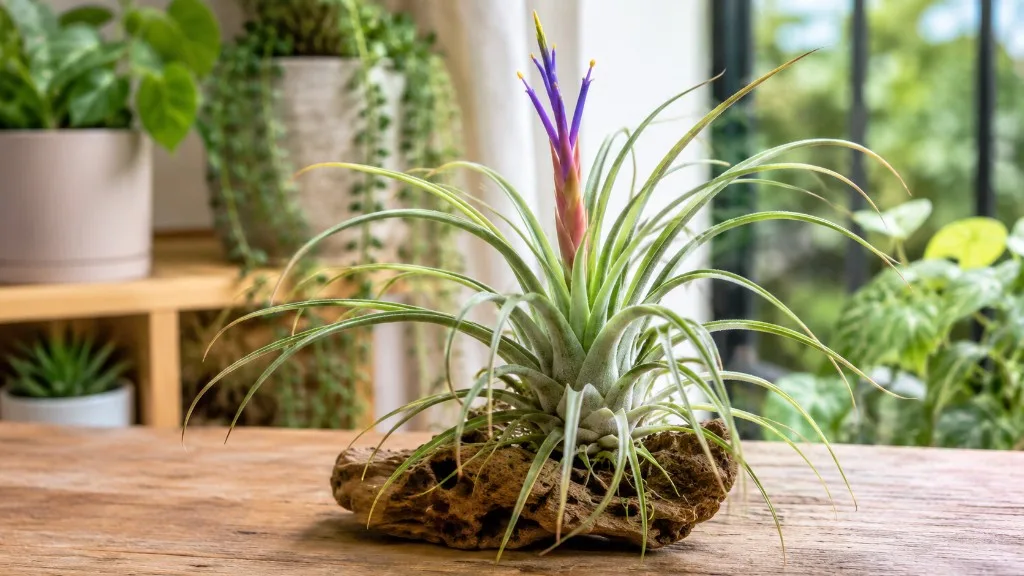
Tillandsia is the group most people mean by “air plant.” These bromeliads do not need a soil-filled pot; set one on a dry stand, tuck it into an open display, or attach it loosely to a suitable support. The key is airflow. A decorative shell or closed glass globe can trap moisture around the base, so avoid arrangements that stay damp after watering.
Hydrate an air plant by wetting it thoroughly, then shake off excess water and let it dry completely in moving air before returning it to its display. In a dry home, occasional misting alone may not wet the plant evenly; check whether the leaves remain firm and open rather than curled or limp, and adjust how often you soak or rinse it. Keep it in bright, filtered light. UF/IFAS explains that many bromeliads—including epiphytic types—collect moisture and nutrients from their surroundings, but a Tillandsia still needs regular hydration and air circulation.
Orchids, especially Phalaenopsis
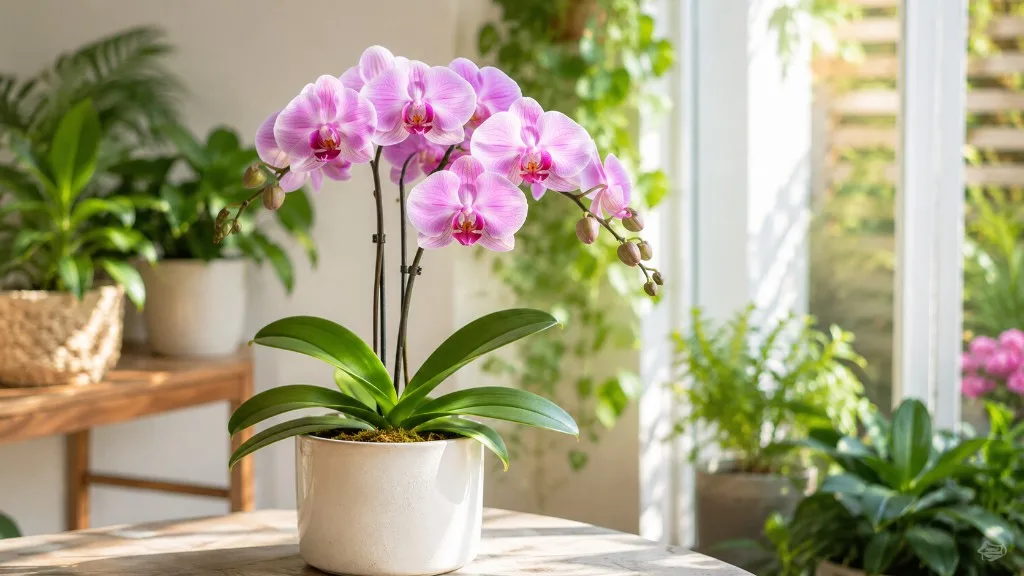
Common moth orchids (Phalaenopsis) grow as epiphytes, but that does not make them water plants. Their roots need support and oxygen, so use a coarse orchid bark mix or another airy orchid medium in a pot with generous drainage. A clear pot can make it easier to see the roots and judge when the medium is drying, but it is not a substitute for drainage.
Water thoroughly, then let the pot drain completely; do not leave the roots standing in water. NC State Extension describes Phalaenopsis as an epiphytic orchid grown in bark-based medium, and cautions that a soggy medium can damage roots. Some orchids are terrestrial, so identify the type before copying a bark recipe. If you want no medium at all, an orchid can be mounted, but the exposed roots require more frequent attention than a potted orchid.
Bromeliads
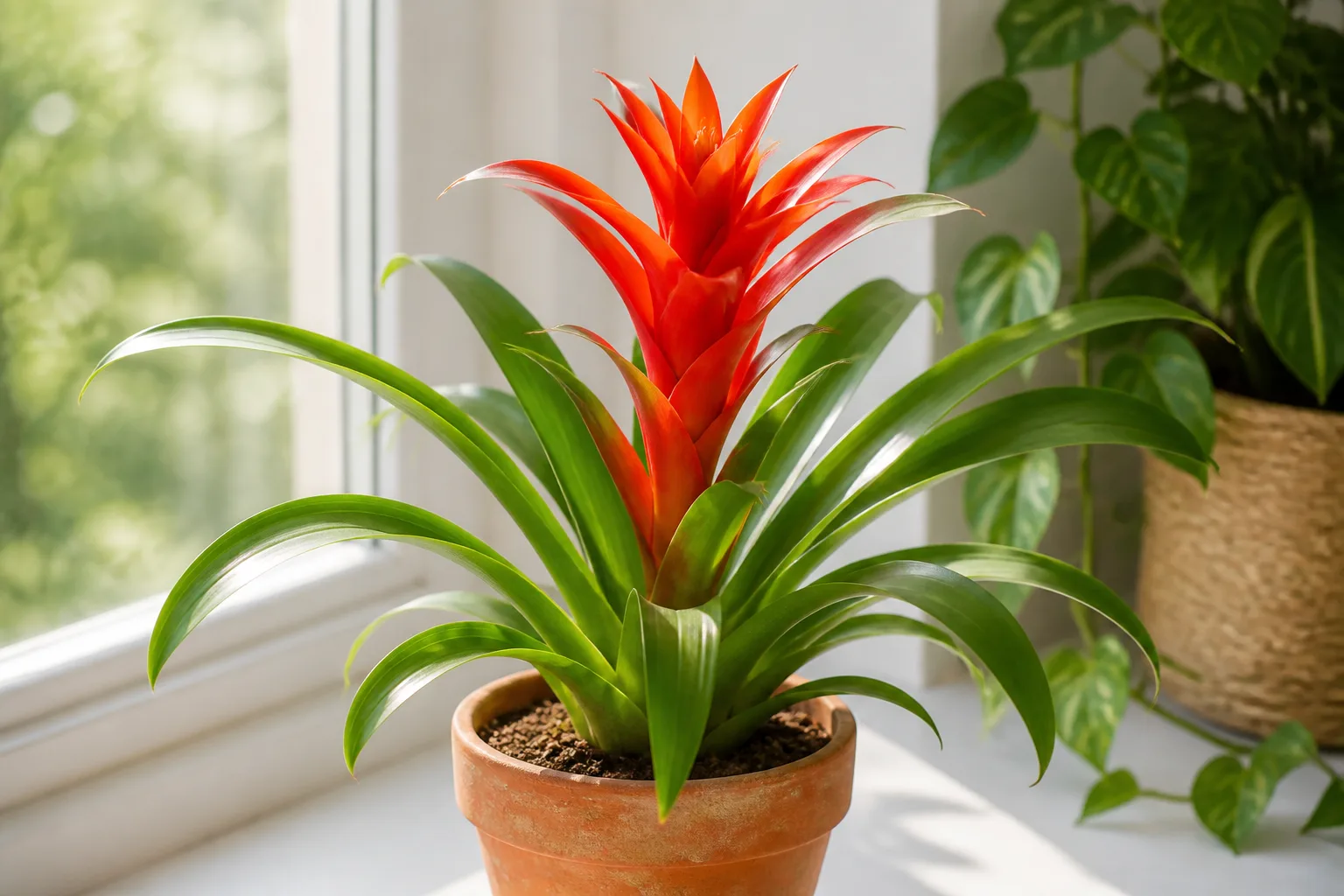
Bromeliads are a large family, not one uniform care type. Many popular indoor forms—such as Guzmania—are epiphytic and can grow in a light, porous mix or be mounted; other bromeliads are terrestrial and should remain in a container. For a first soil-free attempt, choose a clearly identified epiphytic bromeliad rather than assuming every plant in the family belongs on a board.
Some rosette-forming bromeliads hold water in a central cup. Keep that cup clean and flush it occasionally so stale water and debris do not sit there indefinitely. UF/IFAS notes that potted bromeliads need a light, porous medium, that some can be grown on bark or a board, and that fertilizer should not be poured into the central cup because salts can collect and injure new leaves. A mount also dries faster than a pot, so check its moisture rather than following a calendar.
Pothos (Epipremnum aureum)
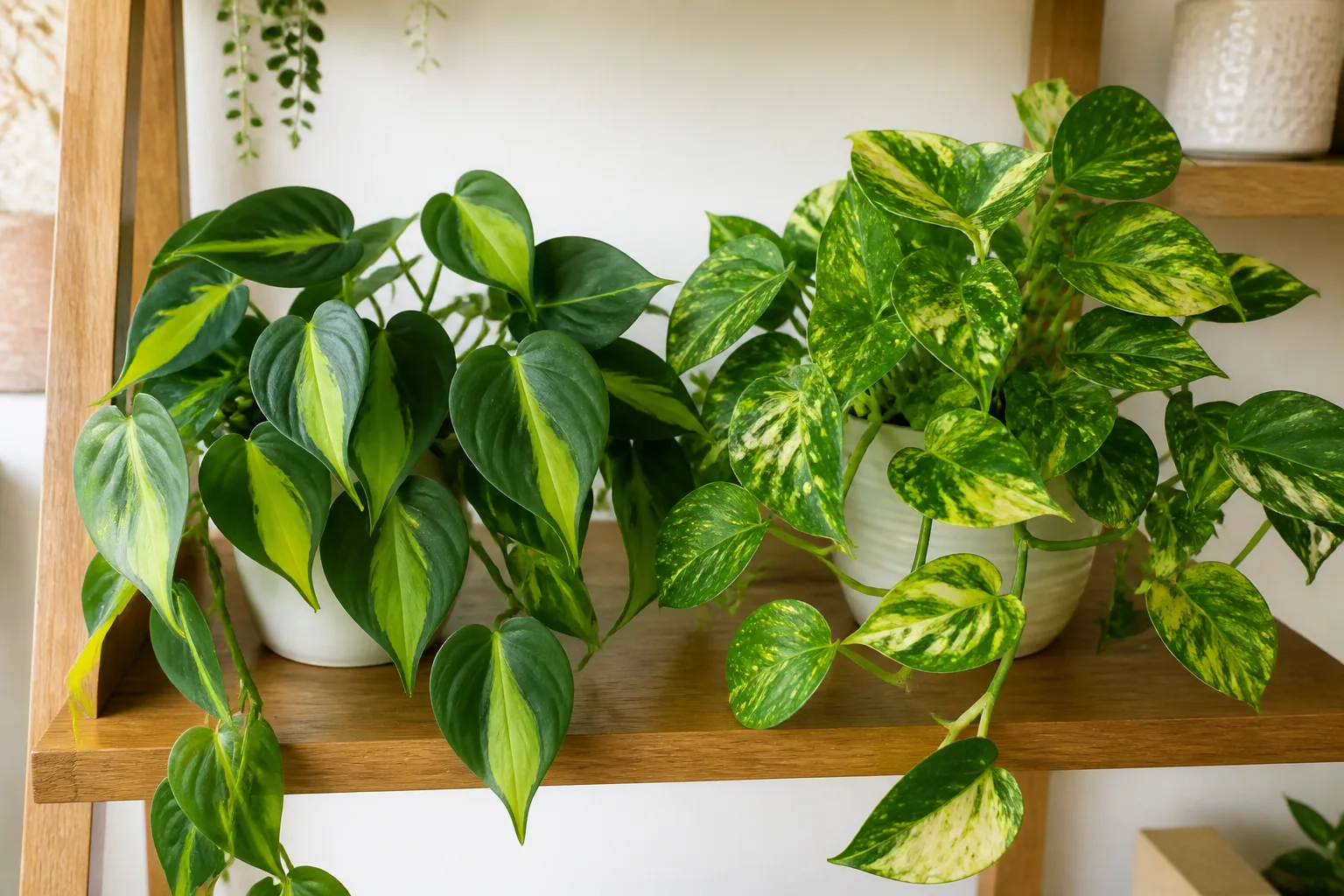
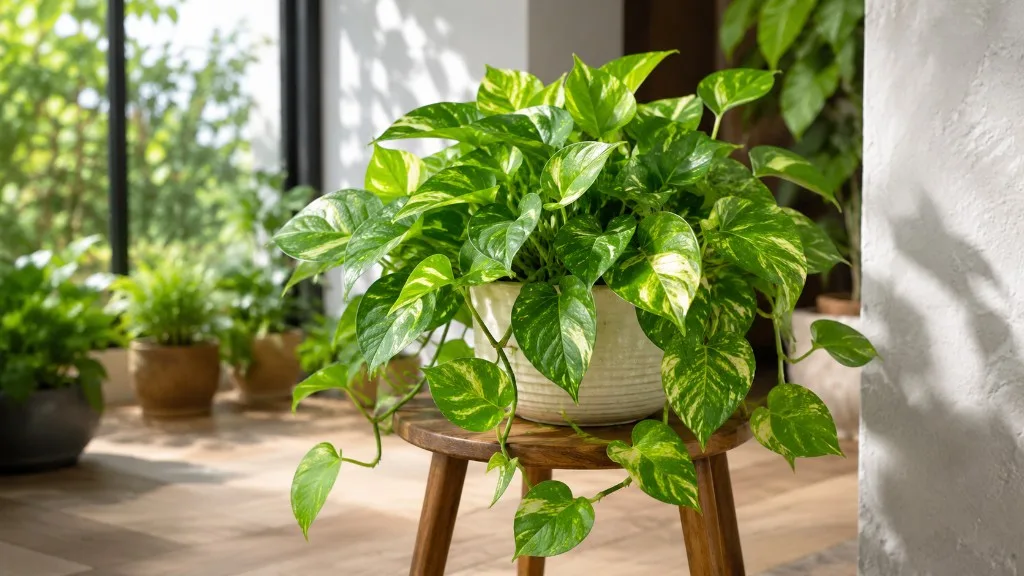
Pothos is a forgiving choice for water propagation and one of the better vines to trial in long-term water culture. Start with a healthy stem cutting that has a node; leaves alone will not produce a new vine. Keep the node and any existing root nub underwater, but keep leaves above the surface. Set the jar near bright, indirect light and refresh the water if it turns cloudy or develops a film.
NC State Extension confirms that pothos vines root readily in water. A cutting can remain decorative in a vase, but new growth may be slower or smaller if the plant runs short of minerals. For steady long-term growth, use a modest amount of complete hydroponic fertilizer according to its directions and periodically rinse the vessel. If your real goal is a larger, faster-growing vine, a porous potting mix is simpler than trying to tune a jar into a full hydroponic system.
Spider plant (Chlorophytum comosum)
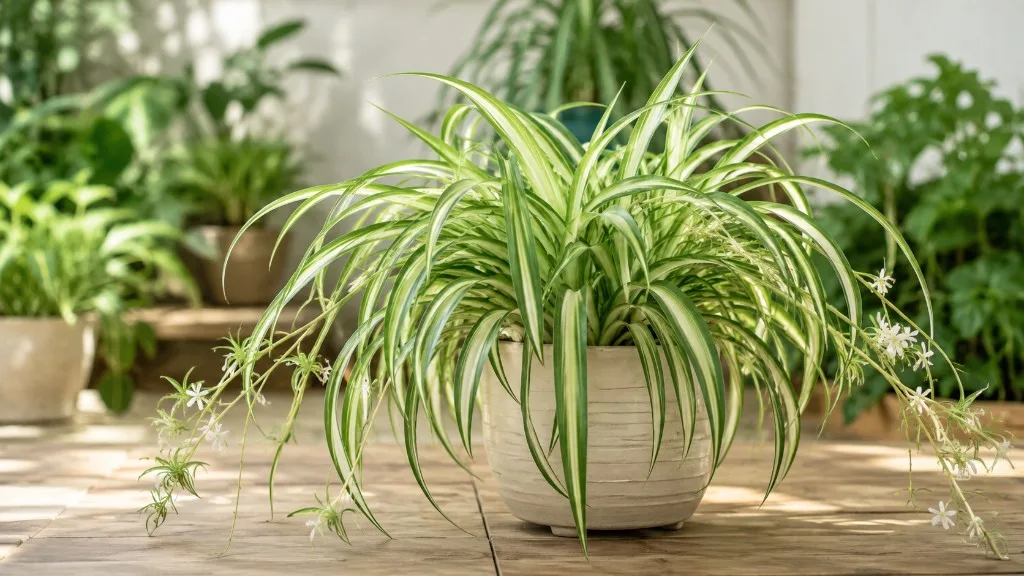
Spider plants make plantlets on trailing stems, and those small offsets are convenient to root without soil. Snip a healthy plantlet, set its root nubs just into water, and keep the leaves dry. A narrow-necked glass can hold the plantlet in place without forcing the crown below the waterline. Once roots form, either continue with a clean, nutrient-supported water setup or move it into an airy medium.
Think of the jar as a propagation station first, not a promise of effortless lifelong growth. Spider plants grown in water can become pale or weak if nutrition is missing, and the mother plant can produce fewer plantlets if overfertilized. NC State Extension recommends avoiding excessive fertilizer and notes that spider plants propagate readily from plantlets; Gardening Know How’s water-growing guide also includes spider plant among candidates for water culture. Start with one offset before converting a mature plant.
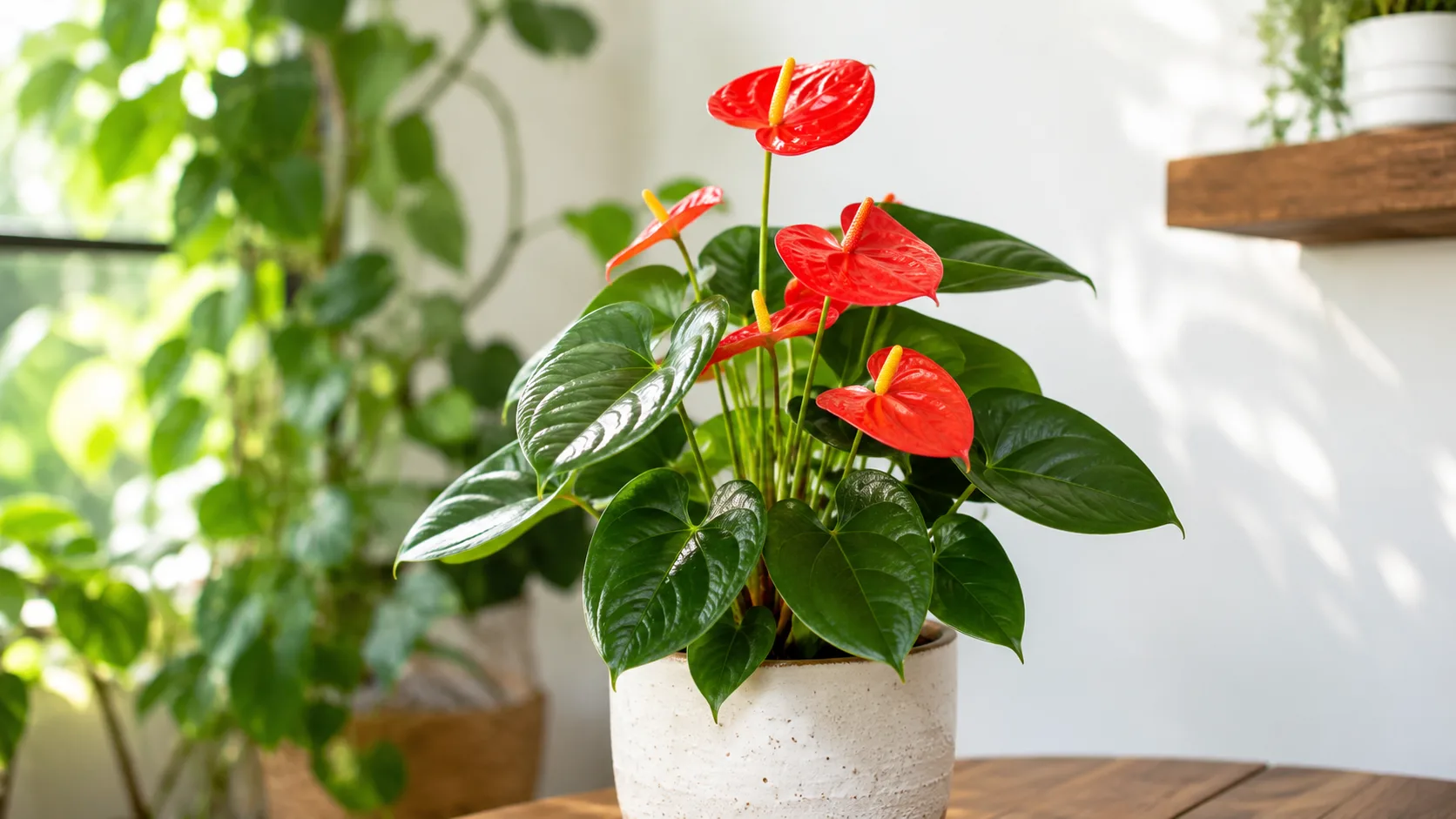
Anthurium (Anthurium andraeanum)
Anthurium is a tropical aroid that can grow epiphytically in nature, but a standing jar is usually not the easiest household setup. Give the roots a loose, airy medium such as a blend built from orchid bark, coco chips, and perlite, and use a pot or basket that drains freely. The aim is to let water pass through while leaving air pockets around the roots, not to pack the roots tightly into fine, wet material.
Keep the medium evenly but not constantly saturated, and provide bright, indirect light and warmth. NC State Extension describes Anthurium andraeanum as epiphytic in its native habitat while recommending moist, well-drained conditions for it as a houseplant. That distinction is useful: the plant’s wild growth habit explains why a coarse soilless medium can work, but it does not mean the plant should be left bare-root or kept underwater.
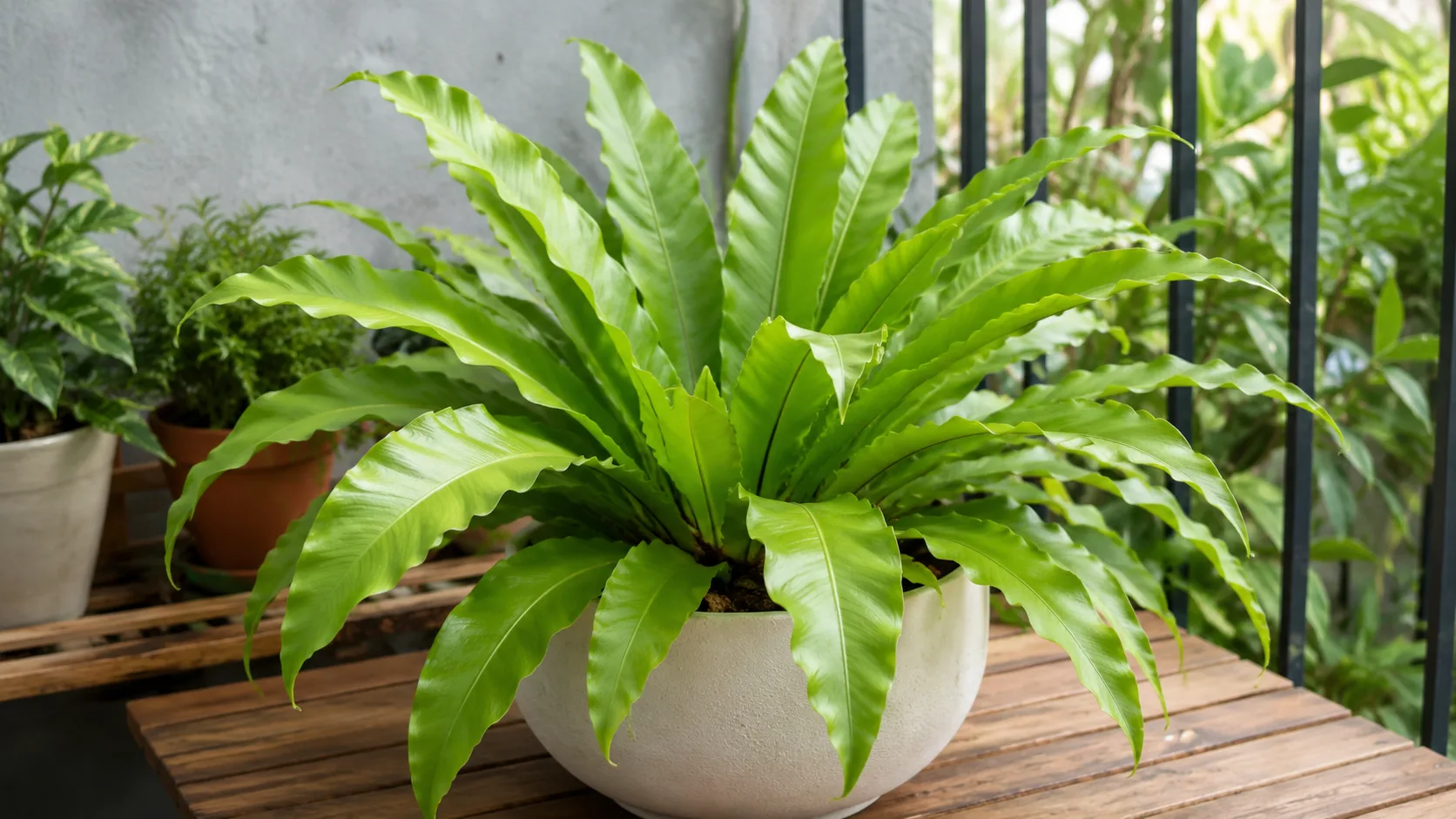
Bird’s nest fern (Asplenium nidus)
Bird’s nest fern is epiphytic in tropical forests, where its broad rosette can collect water and falling organic matter. Indoors, however, it is not a carefree wall-mount plant. NC State Extension recommends a rich, moist, porous fern medium for houseplants, and the fern dislikes drying out. If you want a soil-free version, use a moisture-retentive but airy substrate in a basket or mount a small specimen only if you can check it often.
Keep water from collecting for long periods in the central crown, and do not confuse the plant’s need for steady moisture with tolerance of waterlogged roots. A standard water jar removes the root aeration this fern needs and is a poor choice. This is the list’s “possible, with caveats” plant: it can grow on a support, but a porous medium is more forgiving in most homes.
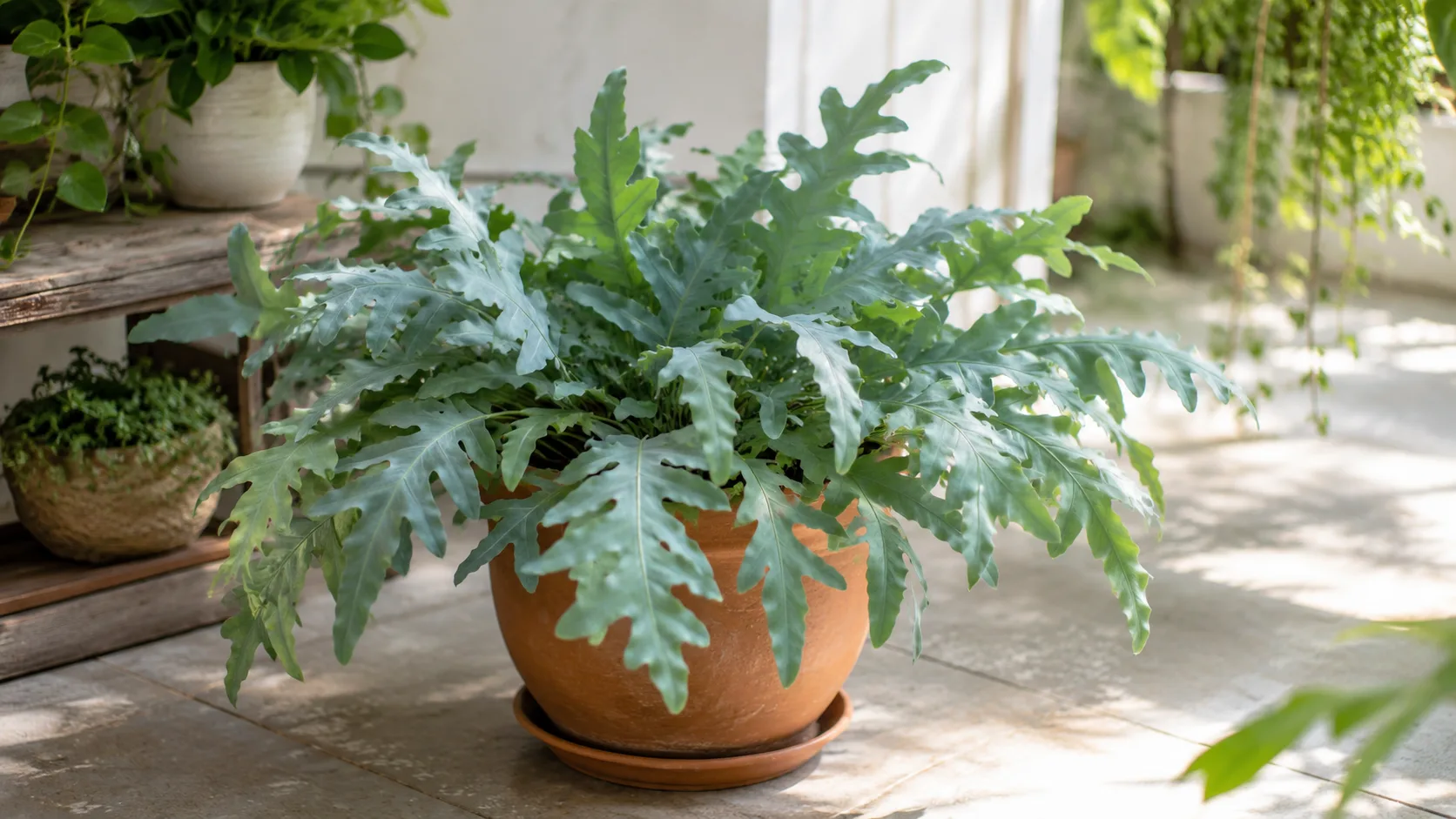
Blue star fern (Phlebodium aureum)
Blue star fern has creeping, scaly rhizomes and an epiphytic growth habit, so an airy basket or mount can suit it better than dense, compacted potting soil. Use a loose, organic, acidic medium that stays lightly moist but still drains and breathes. A hanging basket can show off the rhizomes and improve airflow around the foliage.
Do not translate “epiphyte” into “let it dry out completely.” NC State Extension recommends a moist but not soggy substrate, good air movement, and medium to high humidity. A bare board may dry too fast in a heated or air-conditioned room, so a basket with a small amount of coarse medium is the safer soil-free compromise. Avoid keeping the root zone constantly wet, which raises the risk of crown and root rot.
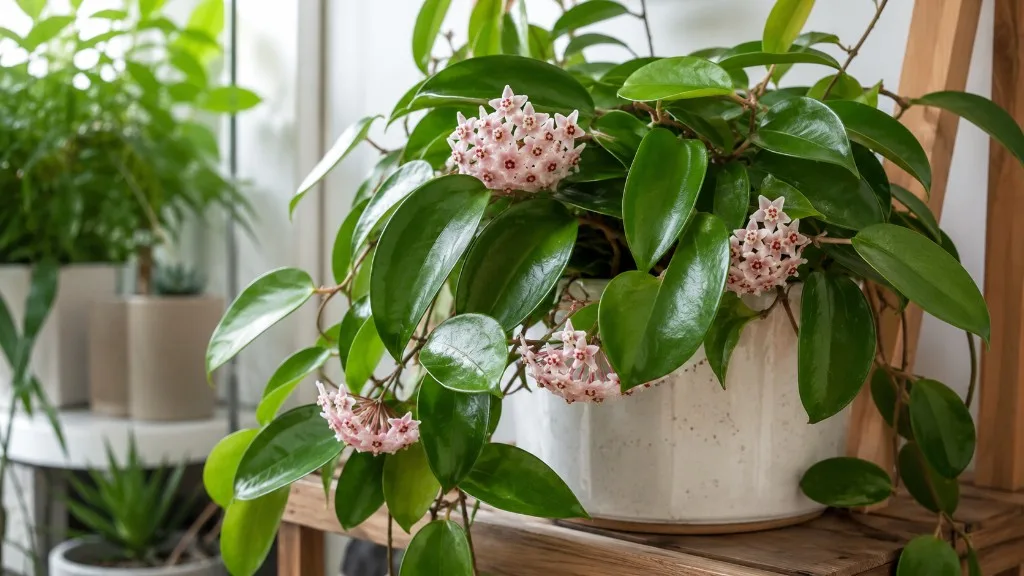
Hoya (Hoya carnosa)
Hoya is an epiphytic vine with thick leaves, but it is not a good candidate for being parked indefinitely in a vase of water. Grow it in a chunky, quick-draining soilless blend with substantial bark or other coarse particles, or try a carefully managed semi-hydro setup if you already understand how to control nutrient strength and reservoir level. A container with drainage is the easier starting point.
NC State Extension recommends a loose, fast-draining medium for Hoya carnosa and advises letting it dry between waterings. That is the opposite of keeping its roots constantly submerged. Give the vine bright, indirect light and water when the medium has dried appropriately for the pot and room. Do not cut off old flower spurs when pruning; the same spur can bloom again.
Dischidia
Dischidia is a genus of tropical vines related to Hoya, and many commonly grown kinds are epiphytic. A hanging basket, cork mount, or airy orchid-style medium gives the roots support without burying them in dense potting soil. Use a small amount of moisture-retentive material around the root zone, but leave enough open space for air to move through it.
Treat Dischidia as a mounted or chunky-medium plant, not as a water-jar plant. Check the individual species before copying a recipe: leaf size, storage capacity, and moisture preference vary across the genus. Let the medium approach the dryness appropriate to that plant before watering again, and be especially cautious with a mount in a room with low humidity because it can dry much faster than a basket. If you are new to soil-free growing, pothos or lucky bamboo is a more forgiving first project.
Set up and maintain a soil-free houseplant
Start by choosing the plant for the care you want to provide, not by choosing a vessel first. If you want roots visible in glass and are willing to refresh water and supply dilute nutrients, begin with lucky bamboo or a pothos cutting. If you want a sculptural display and can monitor moisture, try a staghorn fern or Tillandsia. If you prefer a normal watering routine without potting soil, select a plant that suits bark, coir, moss, or another airy medium.
For a water-grown cutting, use a clean jar with an opening that supports the stem without squeezing it. Keep leaves above the water, cover at least one node, and place the cutting in bright, indirect light. A clear vessel makes roots easy to inspect, but algae may grow where light reaches nutrient-rich water; an opaque sleeve can reduce that while still letting you lift the plant to check it. Wash away slime and replace the water rather than simply topping up a dirty jar.
For a soilless mix, buy or blend a medium for the plant group, not a one-size-fits-all “no-soil” recipe. Bark and coir hold moisture differently from perlite or LECA. A coarse orchid mix that works for Phalaenopsis may dry too rapidly for a bird’s nest fern, while dense sphagnum can stay wetter than a Hoya wants. Use a pot with drainage unless you are deliberately managing a hydroponic reservoir, and note how quickly the mix dries in your own light and temperature.
Be cautious when converting an established soil-grown plant straight to water. Soil roots and water roots develop under different conditions, and washing every particle of medium off a mature root ball can injure fine roots. When a species roots easily from cuttings, starting a fresh cutting in water is often less disruptive. If you do move a rooted plant, rinse the roots gently, remove only dead or slimy tissue, and watch it closely for several weeks rather than adding a strong fertilizer dose to compensate for transplant stress.
Troubleshoot weak roots, pale growth, and algae
- Roots turn soft, dark, or foul-smelling: lift the plant out, remove decaying material, wash the container, and restore clean water or a better-aerated medium. Do not keep a stem or crown submerged just to keep the water level high. A few older roots may naturally darken, so judge the whole root system: healthy new growth should feel firm, not mushy.
- New leaves are small, pale, or slow: check light first, then ask whether the setup supplies nutrients. A glass of plain water is not a complete fertilizer plan. If the plant is actively growing in water, use a complete nutrient product at the label’s conservative rate; if it is dormant or receiving little light, adding more fertilizer can worsen salt stress.
- Water turns green or develops a film: clean the vessel and replace the water. Reduce direct sun on the container or use an opaque sleeve; do not put the jar in darkness if the leaves themselves need light. Rinse the roots gently if residue coats them.
- A mounted plant wilts soon after watering: the support may be drying too quickly for your room. Soak the root pad thoroughly, allow it to drain, and reassess the interval; alternatively, switch to a basket with a little more moisture-retentive medium. Increasing misting without checking the root pad may wet foliage while leaving the actual roots dry.
- Leaves yellow after a move from soil: pause before changing several variables at once. Recheck light, root firmness, water cleanliness, and whether the plant was suited to a water setup in the first place. If decline continues, return it to a porous medium it tolerates rather than insisting on a jar.
Soil-free growing is not automatically cleaner or easier. It replaces one set of chores—handling potting mix and judging moisture inside a pot—with another: maintaining nutrient balance, preventing stagnant water, and keeping exposed roots from drying. The best setup is the one that matches both the plant and the amount of attention you want to give it.
Conclusion
For the easiest start, root a pothos cutting in water or grow lucky bamboo with its roots submerged and its canes above the waterline. Choose Tillandsia or staghorn fern if you want a mount, and choose an orchid, Hoya, fern, or Anthurium when you are willing to use a breathable, soil-free medium. Match the plant to its natural root needs, then manage air, water, and nutrients as separate parts of the setup.