How Often to Water Calla Lilies Indoors and Out
Find out how often to water calla lilies indoors and outside, how to tell wet from dry stress, and why white and colored callas need different winter care.
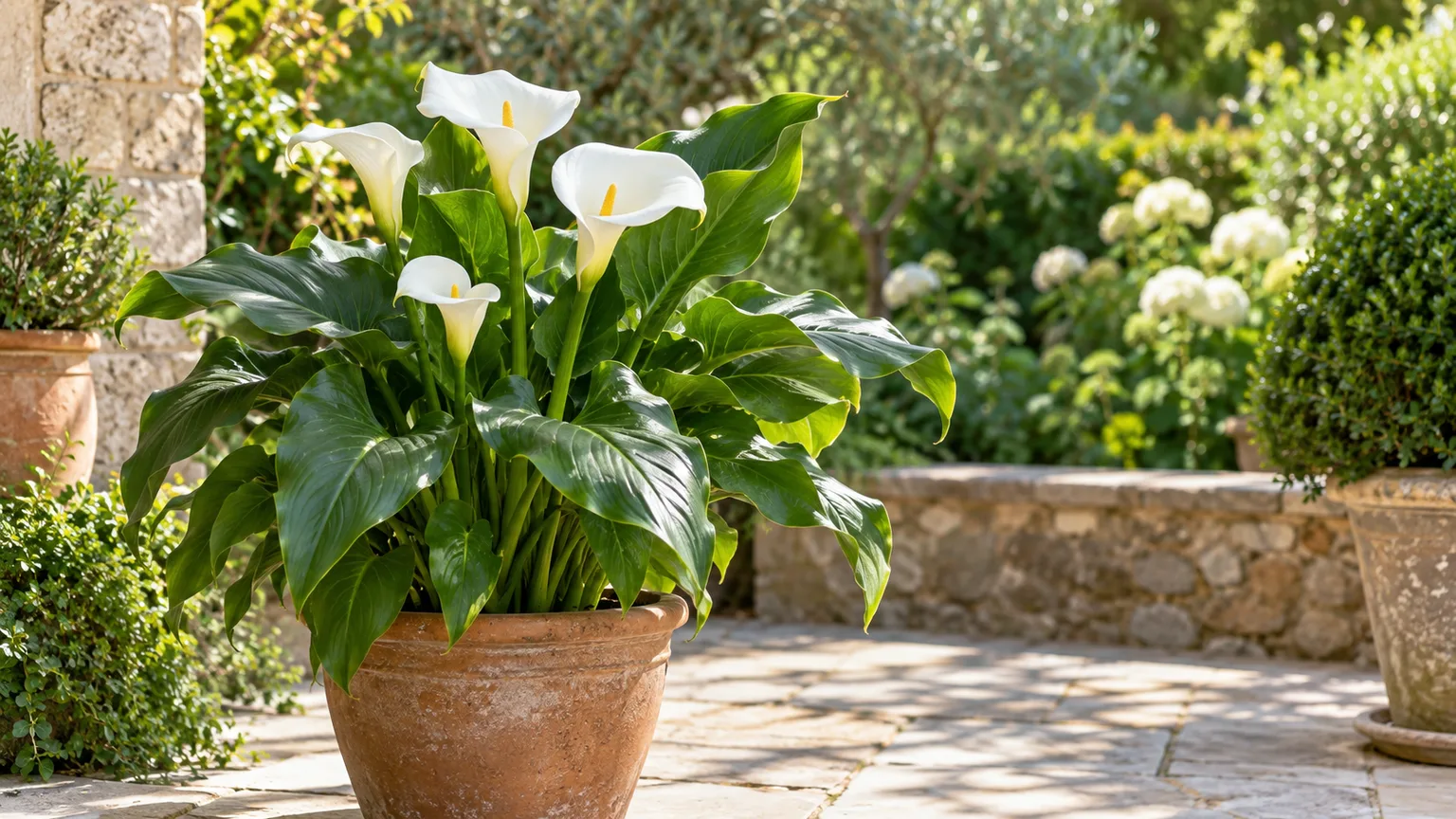
There is no dependable “every Sunday” rule for a calla lily. During active growth, a potted plant may need water about once a week, but a small pot in hot sun can dry in a few days while a cool, low-light plant may stay moist much longer. The useful cue is the potting mix: water when the upper layer has begun to dry, before the root zone becomes parched.
The name also covers plants with different seasonal habits. The familiar white arum lily, Zantedeschia aethiopica, can grow in very moist ground and even shallow pond margins; many colored callas need better drainage and a drier winter rest. The Royal Horticultural Society separates these groups and says tender types need less water and better drainage, especially in winter (RHS growing guide for Zantedeschia).
The short answer
For an actively growing calla lily in a typical pot, check the soil every two or three days at first. Water thoroughly when the top inch of mix feels dry but the root ball below is not bone-dry; indoors, that often works out to roughly once a week. In warm, bright, or windy conditions, expect to check daily and possibly water two or three times in a week. In cool, dim conditions, the interval may stretch to 10–14 days. These are starting ranges, not automatic appointments.
For a calla in a garden bed, check the soil instead of counting days. Water during a rainless stretch when the upper inch or two has dried, then soak the root zone. Established plants may get enough from rain in a mild climate, while newly planted callas, sandy soil, and heat call for closer checks. A Z. aethiopica planted in a shallow pond margin is a special case: there, the question is whether its water level and growing conditions suit the site, not whether to water it this week.
| Growing situation | How often to check | Water when… |
|---|---|---|
| Actively growing indoor pot | Every 2–3 days until you know its pattern | The surface inch is dry and the mix below is only lightly moist |
| Small pot, hot patio, or full sun | Daily in a heat spell | The root ball is beginning to dry; do not wait for leaves to collapse |
| Garden bed | Every few days in hot, rainless weather | Soil near the roots is drying; skip a soak after useful rain |
| Dormant colored calla | Check occasionally, not on a weekly watering schedule | Keep the rhizome nearly dry; give little or no water while dormant |
| White arum lily at a pond edge | Check site water and plant growth | Follow the aquatic planting setup; this tolerance does not apply to every calla |
What “evenly moist” means in practice
Callas like access to steady moisture while leaves and flowers are growing. “Moist” does not mean the mix should be muddy every day, nor does it mean the entire root ball should dry between drinks. For a normal potted plant, aim for a root zone that feels faintly damp after watering, then let the surface start to dry before watering again. A short period of drainage after a soak is normal; water trapped in a saucer or decorative outer pot is not.
Check below the surface rather than judging by color alone. Push a finger about an inch into the mix, or use a wooden skewer if the pot is too deep for a finger. If the top is dry but the skewer comes out cool and damp, wait and check again tomorrow. If the mix is dry at the surface and barely moist below, water. A moisture meter can help with a large pot, but compare its reading with a finger check before trusting a new meter.
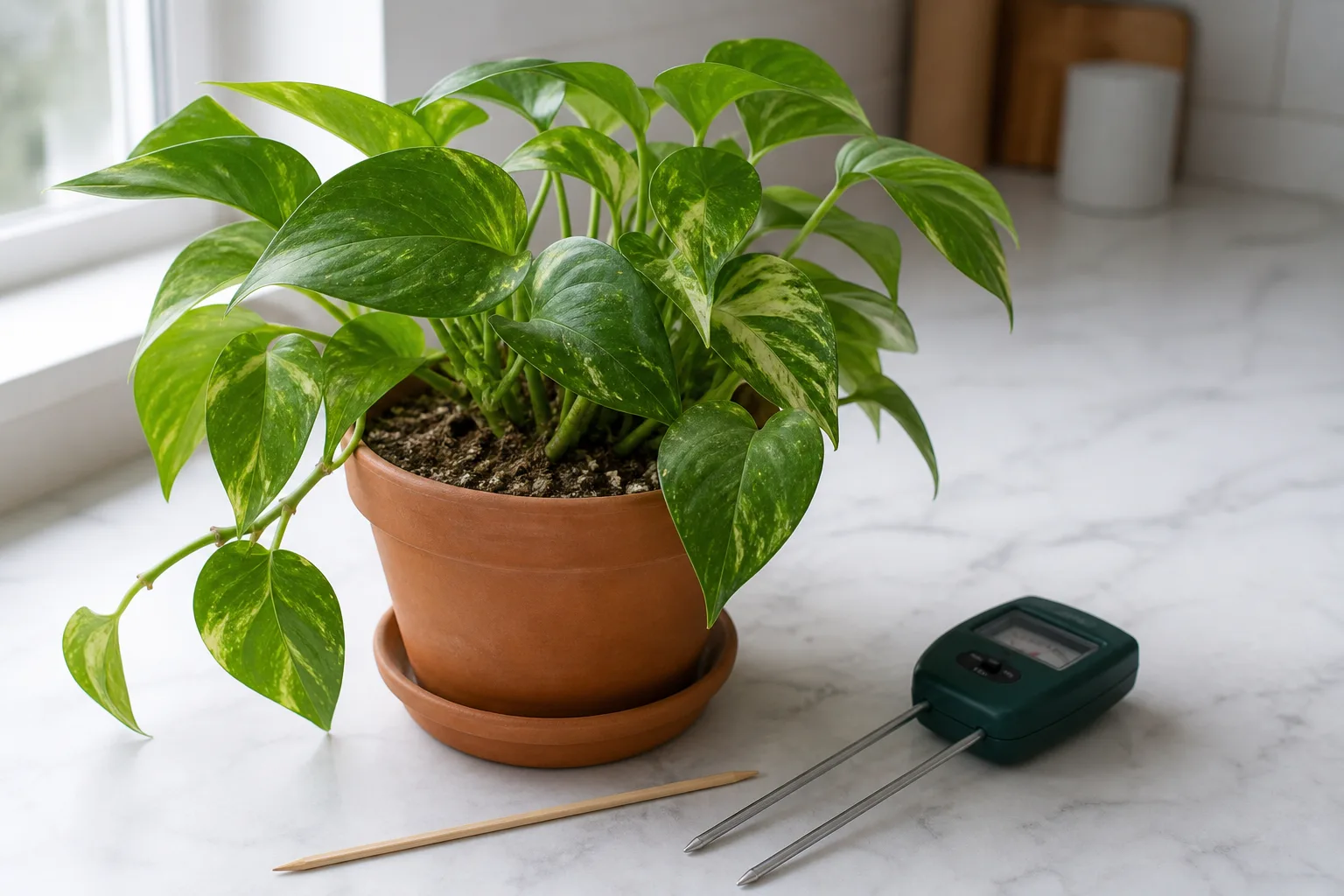
Check below the surface; a probe can supplement, not replace, a finger or skewer check.
This matters because calla leaves can droop from either too little or too much water. A dry pot often feels light and the mix pulls away from its edges; a saturated pot feels heavy and stays wet for days. Looking at the foliage without checking the root zone can send you in the wrong direction. The Better Homes & Gardens indoor-watering guide likewise recommends checking about an inch into the mix and letting excess water drain away.
Identify the calla lily before setting a routine
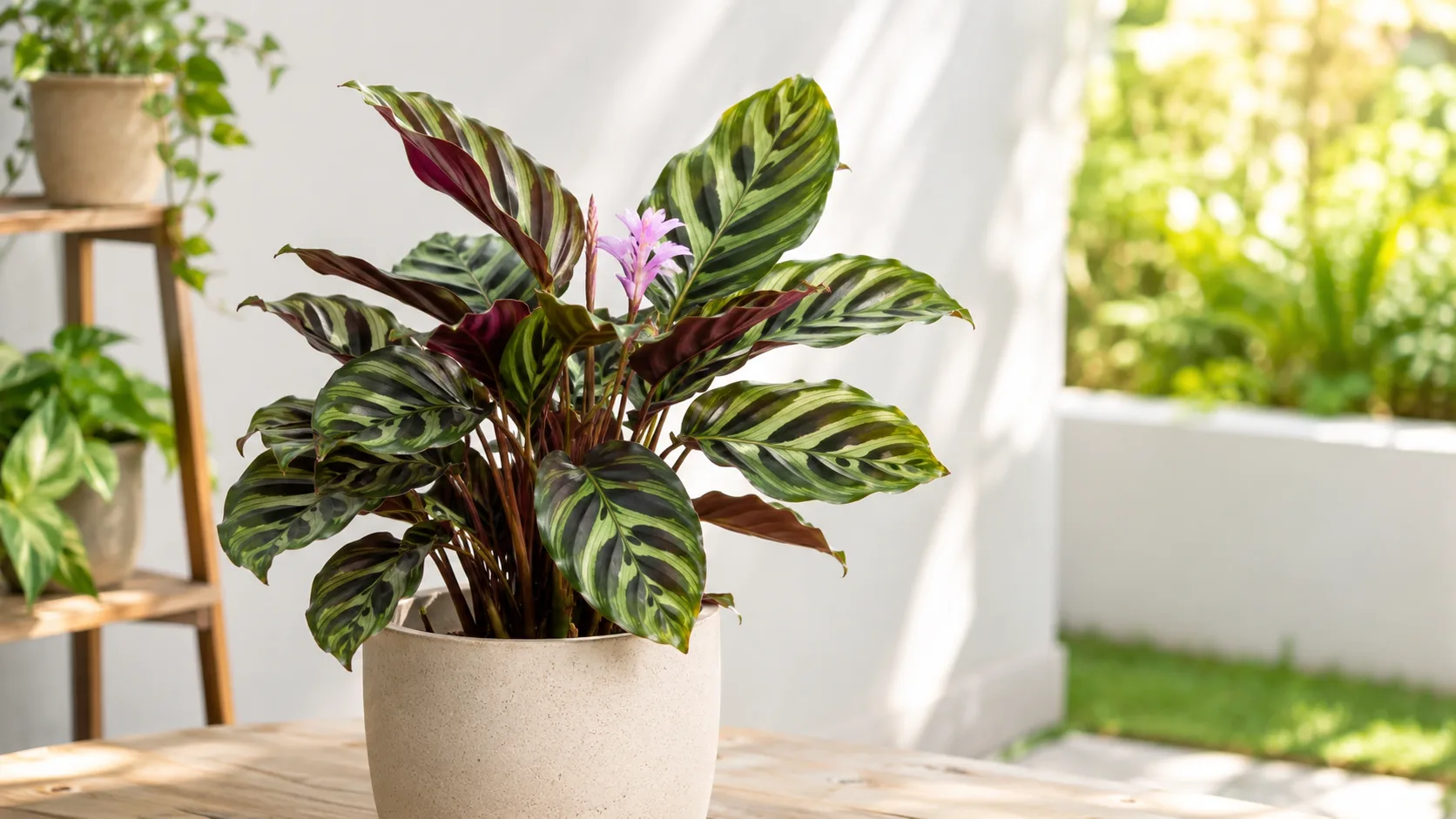
If you still have the nursery tag, look for the botanical name or whether it describes the plant as hardy or tender. White flowers often indicate the arum lily, Z. aethiopica, but flower color alone is not a perfect identification: cultivars and hybrids vary. The RHS describes many brightly colored callas as cultivars of Z. elliottiana and Z. rehmannii, which are usually grown as tender seasonal plants or houseplants and need a different winter routine from hardy arum lilies.
This distinction prevents two opposite mistakes. Treating every calla as a bog plant can keep a tender colored variety too wet, especially when growth stops. Treating every calla as a dry-resting tuber can stress an evergreen white arum lily that is still actively growing. If the label is missing, use the plant’s behavior as evidence: active new leaves mean it is using water; foliage that naturally yellows and dies back in autumn may signal dormancy, although persistent soggy soil can cause similar yellowing.
White arum lilies and colored calla lilies have different water seasons
White arum lilies are the most tolerant of wet conditions. NC State Extension describes Z. aethiopica as a rhizomatous perennial that grows in moist, organically rich soil, often along stream banks or pond margins, and can survive in water up to 12 inches deep (NC State Extension’s plant profile). In a regular container, that does not mean leaving the pot submerged or abandoning drainage; it means the species itself is not harmed by the same moisture level that would overwhelm many houseplants.
Colored callas are generally less forgiving of winter wetness. The RHS says tender callas need less water and better drainage than hardy arum lilies, particularly in winter, and recommends little or no water during dormancy. That is why a single rule such as “keep all calla soil constantly wet” is incomplete. Identify the group when you can; if you cannot, give a potted plant reliable drainage and base each watering on its growth and soil, not just its flower color.
How often to water a calla lily in a pot
For an actively growing indoor calla, once a week is a reasonable first estimate in a bright room at ordinary indoor temperatures. It is not a target. Start checking the mix after two or three days; if it remains cool and damp, wait. If it is already drying by day three, adjust for that pot’s conditions rather than forcing a seven-day interval. A plant in a sunlit window, near a heater, or in a warm dry room can use water much faster than one several feet from the window.
For a patio container, check more often than you would indoors. Sun warms the pot from the sides, wind speeds moisture loss, and a small root ball holds less reserve. In midsummer, a pot may need a drink every two or three days, sometimes more often during an extreme heat wave. Check in the morning; if the surface and root ball are dry, water then. Do not give an extra drink just because leaves look tired at noon if the soil is still moist—heat can temporarily soften foliage.
In fall and winter, do not automatically keep a potted calla on its summer schedule. If the plant is still green and producing leaves, reduce watering as light and growth decline, but do not let an actively growing root ball turn completely dry. If the foliage dies back and the plant is entering dormancy, follow the dormancy guidance below instead of continuing weekly soaks.
How the pot and potting mix change the interval
Two identical plants can need different watering intervals because they are not growing in identical reservoirs. A small pot dries faster than a larger one; terracotta loses moisture through its walls faster than glazed ceramic or plastic; and a root-bound plant may use up the water in its container quickly. A large pot around a small rhizome can have the opposite problem: excess mix stays wet long after the plant has taken up what it needs.
Use an airy, moisture-retentive potting mix and a container with drainage holes. Dense garden soil packed into a pot can stay saturated, while a very coarse mix may dry too fast for a moisture-loving calla. If water rushes through the sides but the center stays dry, the mix may have shrunk away from the pot or become difficult to re-wet. Apply water slowly in two or three passes and check whether the center has actually absorbed it.
Do not try to fix a slow-draining mix by adding gravel to the bottom of the pot. That does not create a better drain for the root zone. Repot into a suitable mix and a pot with open drainage holes if the soil stays wet for days, smells sour, or the plant repeatedly declines while the container remains heavy.
How to water a potted calla lily correctly
When the soil check says it is time, wet the whole root ball rather than sprinkling just one patch near the stem. Pour slowly over the surface until water starts to leave the drainage holes. This deep soak wets roots throughout the pot and gives you a useful signal that the mix can drain. If dry potting mix repels water, pause after the first pass and water again instead of allowing all the water to run down a gap at the pot’s edge.
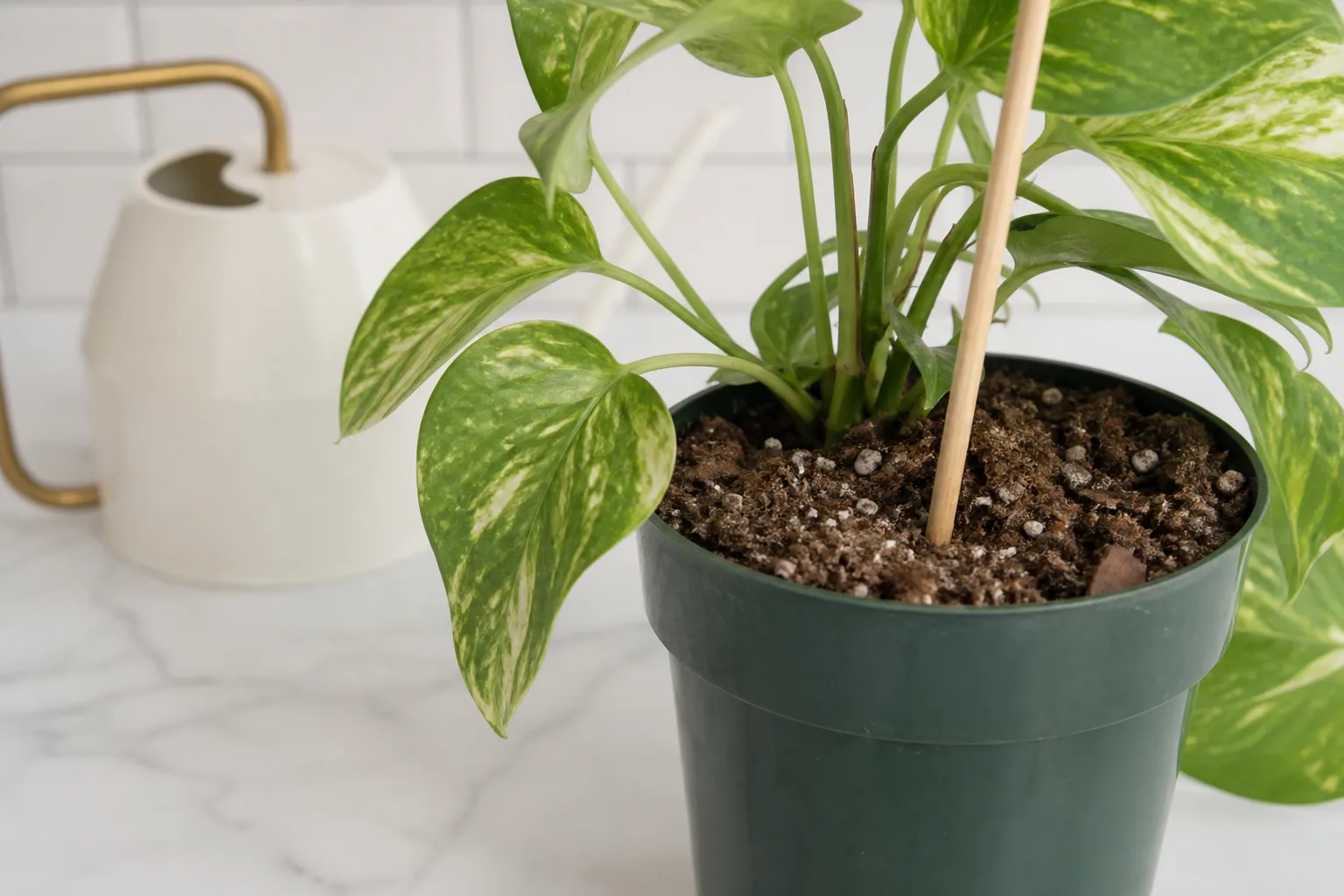
A thorough soak followed by free drainage wets the root ball more evenly than small surface splashes.
Let the pot drain fully, then empty the saucer or cachepot. Better Homes & Gardens recommends saturating the mix until water drains from the pot and removing the runoff after about ten minutes; that is a practical default for callas in ordinary containers too. Bottom watering can help re-wet a dry or compacted root ball, but it is a method, not a permanent reservoir: remove the pot once the mix has taken up water, and make sure excess can still drain.
Water the soil, not the flower spathes. A watering can with a narrow spout helps direct water under the foliage. Avoid repeated little splashes that wet only the top few millimeters; that can leave the lower root zone dry while the surface looks dark. If the pot has no drainage hole, move the plant to a draining nursery pot or drill an appropriate hole before making deep watering a routine.
How often to water calla lilies outdoors
In a garden bed, rainfall and soil type matter more than the date. After a useful soaking rain, there may be no need to water for several days. In a hot, rainless week, inspect the soil near the root zone every few days and water deeply when it begins to dry. Sandy soil, a raised bed, a new planting, and full sun shorten the interval; organic-rich soil, mulch, and partial shade usually slow drying.
Water slowly at the base so moisture can sink rather than run off. A brief shower may wet foliage without reaching the roots, especially if the soil is dry or compacted. Check a few inches down with a trowel or finger near the plant, then make sure your irrigation has moistened that depth. Newly planted callas need more attentive checks while roots establish; established clumps can draw from a wider area and may rely on rainfall in mild weather.
There is one important exception to the usual “well-drained bed” advice. Hardy white arum lilies, Z. aethiopica, can grow at pond margins and in shallow water. The RHS specifically limits that aquatic use to this species; do not assume colored callas can be planted in the same waterlogged position. If yours is in an aquatic basket, follow the basket and pond-depth setup rather than using the potting-mix schedule for an ordinary planter.
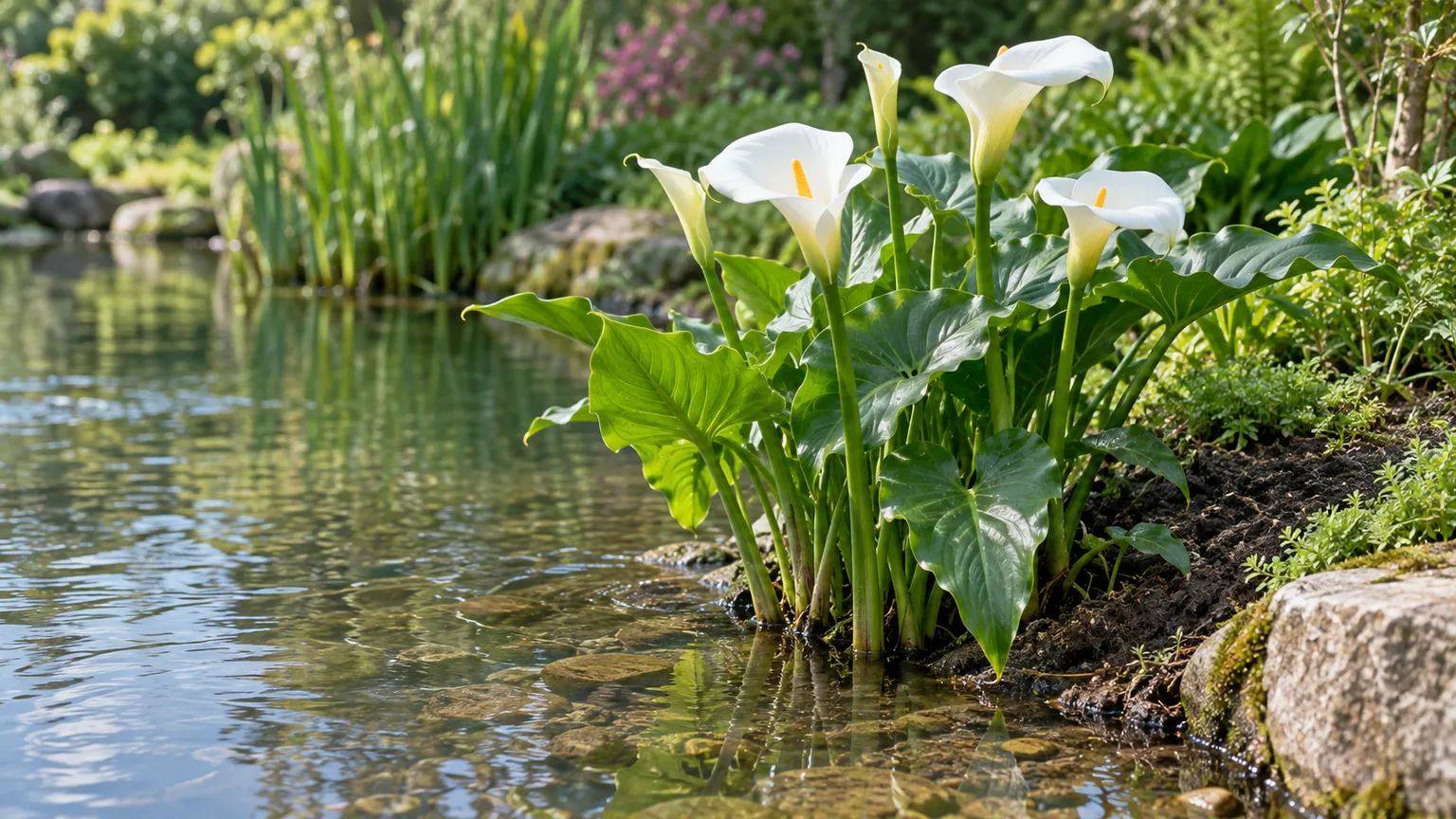
Only Z. aethiopica suits the shallow-water setting shown; colored callas need better drainage.
Adjust the routine for weather and light
The fastest way to tune a watering routine is to track how long a particular pot takes to reach the dry trigger. Water thoroughly, note the date, and check again after two days. If the mix is still damp, continue checking every day or two until the surface begins to dry. Repeat after a major weather change, a move outdoors, repotting, or a change in plant growth; the interval is a property of the plant and its environment together.
Light affects water use indirectly. Brighter light and warmth usually support faster growth and evaporation, while low light and cool temperatures slow both. A calla moved from a shaded indoor corner to a sunny patio may need more frequent checks within a few days. A plant that stops flowering or loses leaves may use less water, so keep watching the soil instead of maintaining its previous summer rhythm.
During hot, bright, or windy weather
On hot days, a container’s surface can dry long before the whole root ball does. Check at the soil line and slightly below it, and do not judge only by the top crust. If the lower mix is still cool and moist, wait until evening or the next morning and check again. If the root ball is dry, water thoroughly; in a small container under direct sun, that can mean checking daily and watering more than once a week.
Wind and heat from paving or a wall can make the pot dry faster than a nearby garden bed. If a healthy plant repeatedly needs water every day, consider moving the pot out of the harshest afternoon sun or grouping it with other containers to reduce heat stress. Do not solve rapid drying by leaving the pot permanently in a full saucer of water unless you have the appropriate aquatic Z. aethiopica setup.
During cool weather and indoor winter
When temperatures fall or daylight shortens, a leafy calla usually slows down. Let the surface dry a little more between waterings, and check the mix before every soak. A bright room with active growth may still need regular water; a cool, dim room may take much longer to dry. The phrase “water every two weeks in winter” is only an estimate, not a reason to water a pot that is still wet.
Also check where the water goes. A plant beside a cold window or in a decorative pot without drainage may stay damp far longer than expected. Move it away from cold drafts, confirm the inner pot can drain, and do not let the roots sit in runoff. If leaves yellow while the mix remains wet, pause watering and investigate drainage before deciding the plant is thirsty.
Watering a dormant calla lily
Many tender, colored callas rest after their leaves yellow and die back. Once growth has stopped, their rhizomes use far less water; continuing the summer routine can leave them rotting in cold, wet mix. The RHS advises giving callas a winter dormancy with little or no water and increasing water in spring when new shoots appear. Gardening Know How similarly recommends reducing water as blooming ends and leaves yellow, then resuming regular watering when growth returns after dormancy (Gardening Know How’s calla lily watering guide).
Do not impose dormancy just because the calendar says winter. First look for genuine dieback and identify whether the plant is a tender type. A white Z. aethiopica can remain leafy in a mild, moist climate, although it may become deciduous in cold or prolonged dry conditions. If it is still actively growing, reduce watering only as its use of water slows; do not store a green, growing plant bone-dry.
For a dormant container, keep the rhizome cool and frost-free and give little or no water while it is resting. If you lift and store it, follow the cultivar’s storage directions and keep it dry enough to prevent rot. When shoots appear in spring, resume watering gradually; once leaves are growing, return to the active-growth soil check. Do not leave a dormant pot standing in water, and do not pour a full watering can onto a bare rhizome simply to “wake it up.”
Signs a calla lily needs water
The most reliable sign is a dry root zone, not a drooping leaf. A potted calla may need water when the surface inch is dry, the mix below has only slight moisture, and the pot feels lighter than it did after watering. In a garden bed, a dry layer around the roots during a rainless spell is the signal to soak the soil. Water before the leaves become limp; visible wilt is a late and less precise cue.
If the plant has wilted and the mix is dry, water thoroughly and let it drain. Leaves may recover as the roots take up moisture, but recovery is not instantaneous and a badly dried rhizome may not bounce back. Do not fertilize a severely dry or wilted plant as a quick fix. Restore moisture first, then review the pot, light, and watering interval once it stabilizes.
Signs a calla lily may be getting too much water
Look for a combination of clues: mix that stays wet for days, a pot that remains unusually heavy, yellowing leaves, slow growth, or soft tissue at the base. A sour smell or mushy rhizome is more concerning than one yellow older leaf by itself. In a pot, standing runoff and blocked drainage are direct reasons to stop adding water until the container can drain.
Yellow leaves do not prove overwatering. A leaf can yellow as it ages, during normal seasonal dieback, after a sudden change in light, or when the plant is too dry. Before repotting, check whether the potting mix is saturated, whether the container has open drainage, and whether the plant should be dormant. Digging up a healthy rhizome every time one leaf yellows can cause unnecessary stress.
Tell thirst from excess water before changing the routine
Drooping is especially easy to misread because both dry roots and damaged, oxygen-starved roots can leave leaves limp. Start with the soil. If it is dry and the pot is light, water; if it is wet and the pot heavy, hold off. Then look at the base of the plant: firm stems and rhizomes are more reassuring than soft, dark, or foul-smelling tissue. The BHG watering guide also cautions that wilting can accompany both underwatering and overwatering, so a moisture check is more useful than the symptom alone.
If a wet plant does not improve after the mix starts to dry, inspect the roots or rhizome rather than watering again. Healthy tissue should feel firm; remove only soft, rotted material with a clean blade, discard the soggy mix, and replant in a clean pot with drainage. If the rhizome is still firm and the plant is simply entering dormancy, leave it to rest instead of treating normal dieback as an emergency. If uncertainty remains, correct the growing conditions first and watch the next new growth.
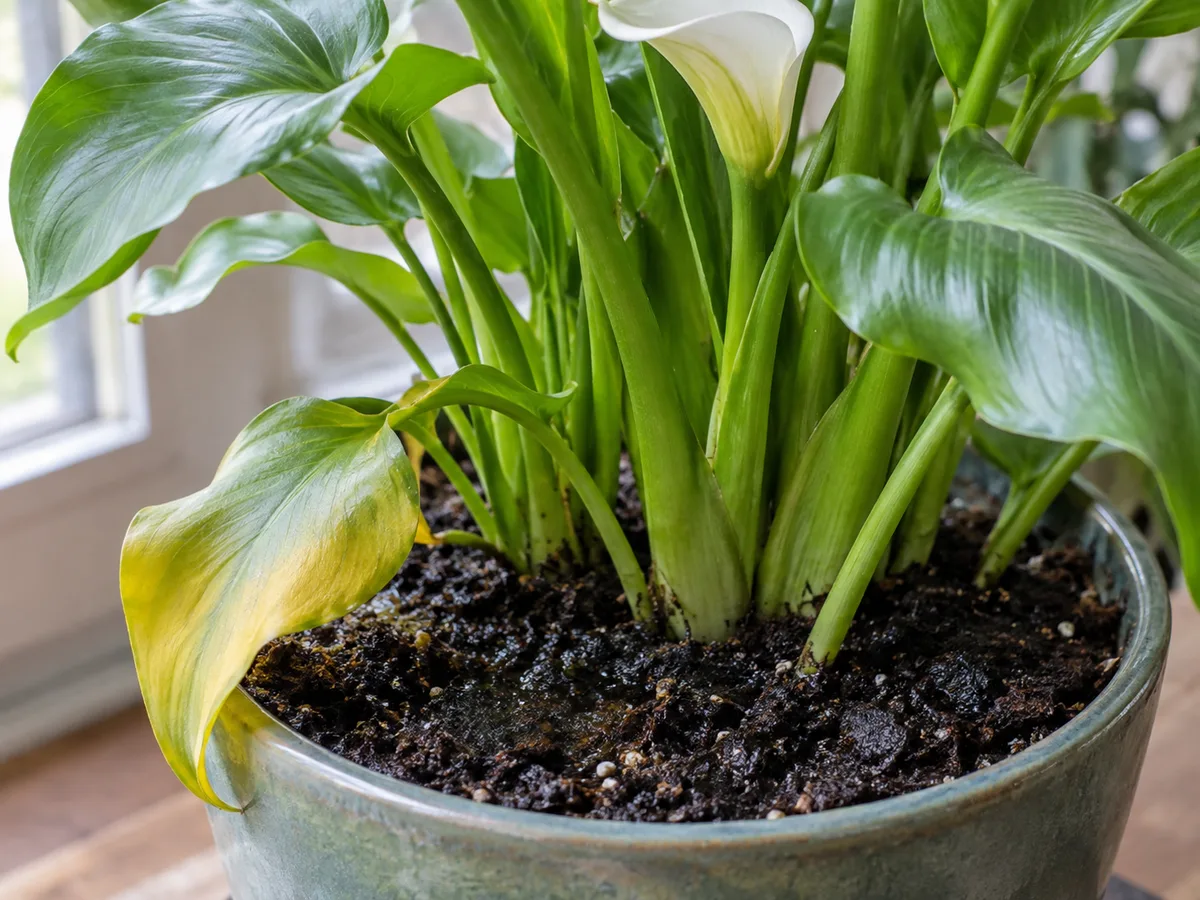
Yellowing and drooping can have more than one cause; check the mix and rhizome condition before adding water.
Fix slow drainage before watering more often
If a pot stays wet for several days after watering, changing the schedule alone will not fix the cause. Check for a blocked or missing drainage hole, a tight outer cachepot, dense compacted mix, or a container far larger than the root ball. Empty runoff, clear the holes, and move the plant into an airy mix if the current soil remains waterlogged. Do not add a layer of stones at the bottom and assume it has improved drainage through the root zone.
If the pot drains freely but dries almost immediately, check whether roots have filled the container, water is bypassing dry mix, or the plant is in a hot exposed position. A thorough soak in two passes can help the center rehydrate; repotting into a slightly larger pot may help if the root ball is tightly packed. Make one change at a time so you can tell whether the interval improves.
Outdoor beds need a different repair. If water pools around a colored calla after rain, improve the bed’s drainage or move the plant rather than watering less while leaving it in an unsuitable site. A white arum lily may tolerate a wet pond margin, but that exception does not make every garden soil or calla cultivar safe from rot.
A simple check-and-adjust routine
For the next two weeks, use the same quick sequence instead of watering by memory. Check the surface and just below it; feel the pot weight if it is container-grown; look at whether leaves are actively emerging, holding steady, or dying back; then water only if the soil and growth stage call for it. After a thorough soak, let the pot drain and empty the saucer. Record how many days pass before the top inch begins to dry again.
Repeat that check whenever the weather changes, the plant moves, or the leaves start growing quickly. If the soil dries sooner, shorten the checking interval; if it stays wet, lengthen it and investigate drainage. In-ground plants need the same observation, with rainfall and moisture a few inches down replacing the pot-weight check. A moisture meter is optional; the reliable routine is simply to verify the root zone before each watering.
If the plant is dormant, replace the weekly check with an occasional inspection for unwanted moisture or rot and wait for new shoots before returning to regular watering. If it is a pond-margin white arum lily, follow the aquatic setup instead. The result is a schedule shaped by the plant you own—not a number copied from a different cultivar, climate, or pot.
Conclusion
Water an actively growing calla lily when its soil begins to dry at the surface, then soak the root zone and let excess water drain. A potted plant may need water around weekly indoors and more often in heat, but soil moisture, pot size, light, and weather decide the actual interval. For outdoor plants, let rainfall and a check near the roots set the timing.
Before choosing a winter routine, identify the calla if possible. Tender colored types usually need a dry rest once they die back; white Z. aethiopica can tolerate much wetter conditions, including shallow pond margins. When leaves droop or yellow, check the mix before watering. That simple pause prevents both drought stress and the more common mistake of keeping a resting or poorly drained rhizome wet.