Forcing Bulbs Can Be Effortless—How to Do It Like a Pro Gardener
Learn how to force bulbs indoors with the right varieties, chill times, containers, water, light, bloom timing, and after-flowering care.
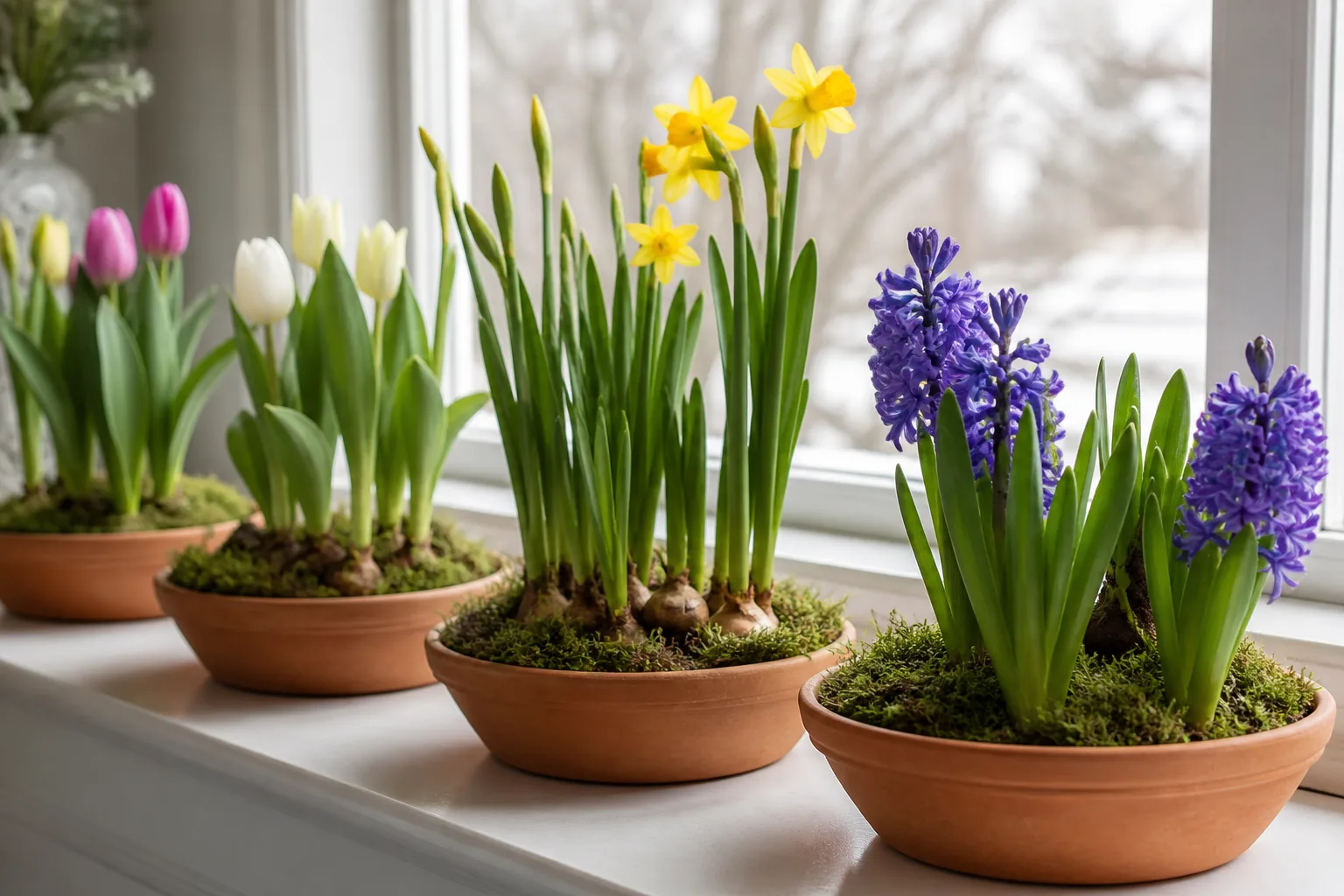
Forcing bulbs means persuading a bulb to flower indoors before it would bloom outside. The trick is not a secret fertilizer or a heated greenhouse. It is a sequence: choose a bulb with the right biological needs, give it the cold or warmth it expects, then move it into light at the right moment.
The easiest first project is a paperwhite or amaryllis because neither needs a long chilling period. Tulips, daffodils, hyacinths, crocuses, grape hyacinths, snowdrops, and dwarf iris can also make excellent indoor displays, but most need several weeks of cold before they can flower. This guide shows how to choose, schedule, pot, chill, and finish the process without drowning the bulbs or bringing them into a warm room too soon.
What Forcing Bulbs Means
A bulb is a compact food reserve with a dormant shoot inside. In nature, many spring bulbs spend autumn making roots, pass through winter cold, and then use warmer temperatures and increasing light as the signal to grow leaves and flowers. Forcing recreates that pattern in a container so the plant blooms on your indoor schedule.
The word “bulb” is used broadly here. Crocuses and gladiolus, for example, grow from different kinds of underground storage organs, but the indoor job is similar: keep the storage organ healthy, provide the environmental signal it needs, and avoid conditions that encourage rot. The Virginia Cooperative Extension guide to forcing flower bulbs describes forcing as an orderly process of selection, storage, potting, cooling, bloom, and aftercare; treating it as a sequence makes the timing much less mysterious.
Choose Bulbs by Chilling Need and Bloom Speed
Start by deciding whether you want a fast display or a project that begins in autumn and pays off in winter. Chilling is not optional for most hardy spring bulbs. It is the cold signal that lets the flower develop properly, and an under-chilled bulb may produce leaves without a good flower, a short stem, or no bloom at all.
No-chill bulbs: amaryllis and paperwhites
Amaryllis (Hippeastrum) is the best choice when you want one dramatic bulb in a pot. It usually needs no cold treatment and often blooms in about six to twelve weeks, depending on the variety and the bulb’s starting condition. A snug pot, warm bright light, careful early watering, and a little patience are more important than a refrigerator.
Paperwhite narcissus (Narcissus papyraceus and related tazetta types) are the quickest route to a cluster of fragrant flowers. They generally bloom in about four to eight weeks without a traditional chilling period. Their fragrance is strong, so plant a small test group before filling a large bowl; what smells festive to one person can be overpowering to another.
Chilled bulbs: hyacinths, daffodils, tulips, and small bulbs
Penn State Extension groups amaryllis and paperwhites separately from spring bulbs because the latter need cold exposure to initiate successful flowering. A useful planning range is 12 to 18 weeks of chilling, followed by roughly two to six weeks in the growing room. The exact requirement varies by species, cultivar, bulb preparation, and whether the package says the bulbs have already been pre-chilled. Its current forcing guidance lists approximately 12–15 weeks for hyacinths, 15–17 for crocus, daffodils, grape hyacinths, and tulips, and 10–12 for snowdrops.
Here is a practical starting chart. Treat it as a planning range, not a guarantee.
| Bulb | Chilling target | Bloom after chilling | Best first impression |
|---|---|---|---|
| Amaryllis | None | 6–12 weeks from potting | One large, architectural flower display |
| Paperwhite narcissus | None | 4–8 weeks from planting | Fast, fragrant bowl of flowers |
| Hyacinth | 12–15 weeks | 2–4 weeks | Strong fragrance and a dense flower spike |
| Snowdrop | 10–12 weeks | 2–4 weeks | Small, delicate early-spring flowers |
| Daffodil | 15–17 weeks | 2–6 weeks | Reliable trumpet flowers and many cultivars |
| Crocus | 15–17 weeks | 2–4 weeks | Low, colorful flowers for shallow pots |
| Grape hyacinth | 15–17 weeks | 2–4 weeks | Compact blue flower clusters |
| Tulip | 15–17 weeks | 2–6 weeks | Dramatic color, but more sensitive to timing |
If this is your first attempt, choose paperwhites or amaryllis for speed, or hyacinths and daffodils for a more forgiving chilled project. Tulips are worth trying when you can follow the package instructions and keep the temperature steady, but they are less forgiving of poor chilling, weak bulbs, and an overheated room.
Buy Bulbs That Have Energy to Spare
Choose bulbs that are large, firm, and free of mold, soft spots, deep cuts, and shriveling. Size matters because the bulb must contain enough stored energy to support roots, leaves, and flowers in a small container. A bulb that already feels hollow or papery is a poor candidate even if it is inexpensive.
Buy cultivars labeled for forcing when possible. Prepared hyacinths and other pre-chilled bulbs can shorten the calendar, but they do not remove the need to read the label. Ask whether the listed cold time has already been completed, whether it was chilled loose or in a pot, and how soon the seller expects you to plant it.
Store unplanted bulbs in a breathable paper or mesh bag in a cool, dry place. A refrigerator can work for hardy bulbs, but keep them away from apples, pears, peaches, and other ripening fruit. Ethylene released by fruit can damage bulbs or interfere with flower development; Longfield Gardens’ forcing guide gives the same warning for refrigerator storage.
Do not seal bulbs in plastic, where trapped moisture encourages mold. Label every bag or pot with the bulb name, cultivar, purchase date, chill start date, and intended bloom date. That one-minute habit prevents a refrigerator full of mystery bulbs and lets you adjust next year’s timing based on what actually happened.
Plan Backward From Your Bloom Date
Choose the occasion first, then count backward. For a hardy spring bulb, add its chilling requirement to the expected time from cold storage to bloom. For example, a tulip or daffodil that needs 15–17 weeks of cold and another two to six weeks to flower needs roughly 17–23 weeks from potting to flowers. If you want blooms around February 14, start the process in late August or September, depending on the cultivar and whether the bulbs are already chilled.
That long lead time is why Christmas displays made from tulips, daffodils, and hyacinths are often started in early fall. Penn State Extension’s simple rule is to count back about 14–19 weeks for many spring bulbs, combining chilling and the post-chill growing period. A warmer home, a later cultivar, or a bulb that begins with little root growth can push the result later.
For a succession of flowers, do not put every pot into the cold on the same day. Start one group, wait two or three weeks, then start another. Staggering works especially well with paperwhites and amaryllis because you can plant several small batches and keep the display moving instead of having every pot peak and fade together.
If you are starting after your target date, do not try to force a hardy bulb through an abbreviated chill. Switch to paperwhites, amaryllis, or a clearly labeled pre-chilled bulb. A realistic late start is more successful than asking an under-chilled tulip to perform on a holiday deadline.
Pick Soil, Water, or Gravel
The method should match the bulb and what you want to do after flowering. Soil is the most forgiving and gives hardy bulbs the best chance of being planted outdoors later. Water and gravel are clean, attractive, and excellent for watching roots, but they offer little nutrition and make aftercare less useful for many spring bulbs.
Soil is the most forgiving method
Use a clean container with a drainage hole and a loose, well-drained potting mix. A commercial indoor potting mix is fine; the point is air around the roots, not garden soil packed into a decorative bowl. The UConn bulb-forcing factsheet recommends leaving at least two inches of mix below the bulb so roots have room to develop.
Pot hardy bulbs close together for a full display, but do not let them touch. In a six-inch pot, a rough starting point is three large hyacinths, five or six medium tulips or daffodils, or up to 15 small crocuses. These are display densities, not outdoor planting rules; the crowded container is intended for a short indoor show.
Water and gravel make roots part of the display
Use a forcing vase for a single hyacinth, or a shallow watertight bowl filled with clean gravel for several paperwhites. Set each bulb so that the base is supported, then add water until it reaches the roots or sits just below the bulb’s base. Never submerge the bulb itself. Constant contact between the bulb and water is a fast route to rot.
Water-grown bulbs need closer checking than soil-grown bulbs because evaporation changes the waterline quickly. Top up with clean water when the roots are no longer reaching it, and replace cloudy or foul-smelling water rather than simply adding more. The Easy To Grow Bulbs method comparison also emphasizes the key difference: roots may grow into water, but the bulb must stay above it.
Pot Spring-Blooming Bulbs Before Chilling
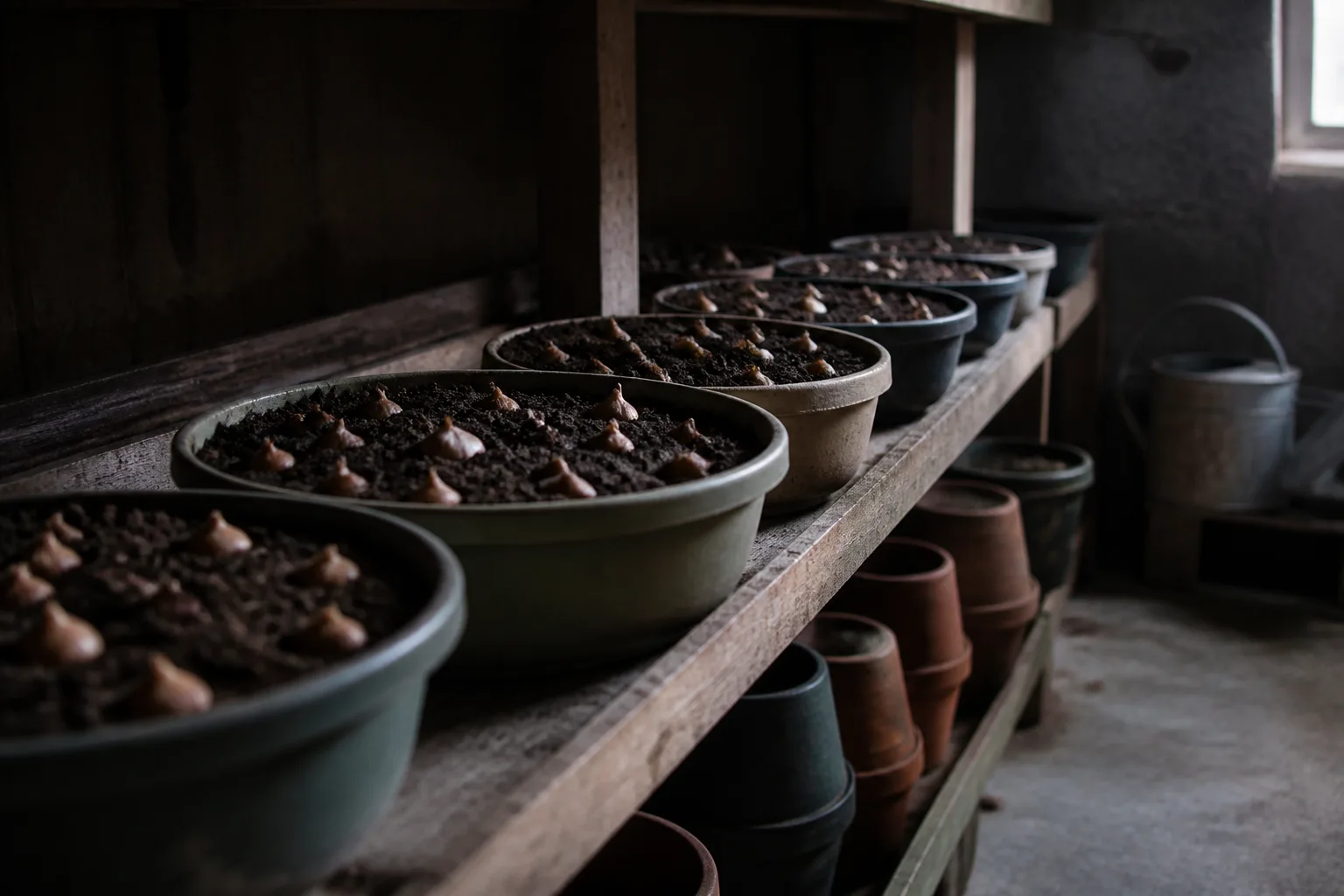
For a soil-grown hardy bulb, fill the container until the bulb will sit with about two inches of mix beneath it. Set the pointed growing tip upward; if you cannot tell which end is up, plant the narrower neck upward and do not press hard enough to damage it.
Leave the tips of large bulbs such as tulips, daffodils, and hyacinths visible or barely covered. Cover small bulbs such as crocuses, grape hyacinths, and snowdrops more fully, following the forcing instructions for that bulb. Tulips have a useful presentation detail: place the flat side of each bulb toward the pot wall so the first leaves form a more even outer ring.
Water until excess drains from the bottom, then empty the saucer. The mix should be moist but not saturated when the pot enters cold storage. Do not add fertilizer at planting; the bulb already contains the energy needed for the initial display, and extra nutrients in a cold, wet pot can make the process messier without improving the first bloom.
Give Chilled Bulbs a Cold, Dark Rest
Put the planted pot somewhere consistently cool, dark, and protected from freezing. The useful range is about 35–50°F, with many extension recommendations clustering around 40–45°F. An unheated garage, cold basement, root cellar, or spare refrigerator can work if the temperature stays stable and the pot will not freeze solid.
Darkness matters because warmth and light can push top growth before the roots and flower stem are ready. Check the pot every week or two. The mix should never become bone dry, but it should also never remain waterlogged. Lift the pot if necessary; a cold, heavy, saturated container is a warning sign.
Roots are the best readiness test. A few inches of shoot growth does not prove the bulb is prepared to bloom. When you see a healthy root mass at the drainage hole or around the lower bulb, plus firm shoots, the pot is much safer to move. Easy To Grow Bulbs recommends checking for substantial white roots rather than relying on stem growth alone.
If you pre-chilled loose bulbs before planting, subtract that completed cold time from the total requirement. If you buy bulbs labeled “prepared” or “pre-chilled,” follow the seller’s remaining-time instructions rather than automatically giving them another full winter. Too little cold risks poor flowering; much longer cold is not automatically better and can leave you with short stems or poorly timed growth.
Move Rooted Pots Into Light in Stages
After chilling, move pots first to a cool room with indirect or medium light, ideally around 50–65°F. This transition lets the shoots green up and expand without the shock of a warm radiator, bright afternoon window, or dry forced-air vent.
After about a week, increase the light gradually. Rotate the pot a quarter turn every few days so stems do not lean toward one window. When buds show color, move the container out of direct sun and away from heat; cooler conditions slow the opening of the flowers and lengthen the display.
Keep soil-grown bulbs evenly moist while they are growing, but let excess water drain completely. Water-grown bulbs should have water just below the bulb base, never around the shoulders. A white shoot in the first days after dark storage is normal; it should turn green once it receives light.
Keep Blooms Short and Sturdy
The best way to prevent floppy growth is to solve the cause before it becomes visible. Give hardy bulbs their full cold period, keep them in bright light after the transition, and avoid a hot room. Warmth accelerates stem growth faster than the available light can support it, producing tall, weak foliage and top-heavy flowers.
Paperwhites are especially prone to falling over because their flower stems can outgrow their root support indoors. A cool, bright position helps. If a mature clump still leans, tie the stems loosely with a soft ribbon or use a discreet support; do not bind the foliage tightly or place the pot in a dark corner.
Amaryllis is easier to manage when the pot is only about an inch wider than the bulb and the bulb is planted with roughly one-third to one-half above the soil. Water thoroughly at planting, then wait until the mix begins to dry before watering again. Once the stalk emerges, rotate the pot regularly so the stem grows straight toward an even light source.
Fragrance is part of the selection decision. Hyacinths and paperwhites can scent a room strongly, especially when several bulbs bloom together. Place a fragrant pot in a room with ventilation or use fewer bulbs if the first bloom becomes overwhelming.
Troubleshoot No Roots, Rot, and Flopping
The symptom usually tells you which part of the sequence failed. A bulb that is firm but slow is often simply unfinished; a bulb that is soft, foul-smelling, or covered in spreading mold is usually past recovery. Do not keep a rotting bulb in a shared bowl hoping it will turn around—remove it before the problem reaches its neighbors.
If shoots appear before chilling is done
Move the pot back into the coolest dark location you have, provided the shoots are not pale, damaged, or collapsing. A little premature growth is not automatically fatal, but the pot may flower earlier and produce shorter stems. Do not compensate by adding fertilizer or moving it into stronger light while the root system is still developing.
If the refrigerator is too warm or full, use an unheated garage or basement and protect the pot from freezing. In mild climates, a buried pot in a protected cold frame can provide the same general temperature pattern, but outdoor rain must not leave the container saturated.
If bulbs rot, dry out, or refuse to bloom
Mushy bulb or sour water: Remove it, discard the contaminated water or mix, and clean the vessel. The usual cause is a submerged bulb, poor drainage, or a container that stayed wet too long.
Dry roots or shriveled bulbs: Rehydrate soil-grown pots slowly and check whether roots are still alive. A water-grown bulb can be moved so its roots touch fresh water, but a severely dried bulb may not recover enough stored energy to flower.
Leaves but no flower: Review the bulb type and the cold record first. Hardy bulbs commonly fail after an incomplete or interrupted chill, while warm conditions can push foliage ahead of the flower. A small or damaged bulb can also lack the reserves needed for a strong bloom.
Green stems that flop: Increase light, lower the room temperature, and rotate the pot. If the plant was under-chilled, there is no reliable midseason fix; support the display, let it finish, and correct the calendar next time.
Cloudy water: Replace it rather than topping it up. Rinse the stones if they are slimy, keep the bulb above the waterline, and move the bowl away from a heater that is increasing evaporation and temperature swings.
What to Do After the Flowers Fade
Aftercare depends on the bulb, the method, and how much patience you have. Remove faded flowers so the plant does not spend energy making seed, but keep green leaves on soil-grown hardy bulbs while they are still photosynthesizing. Continue modest watering until the leaves yellow naturally, then reduce water and let the bulb rest.
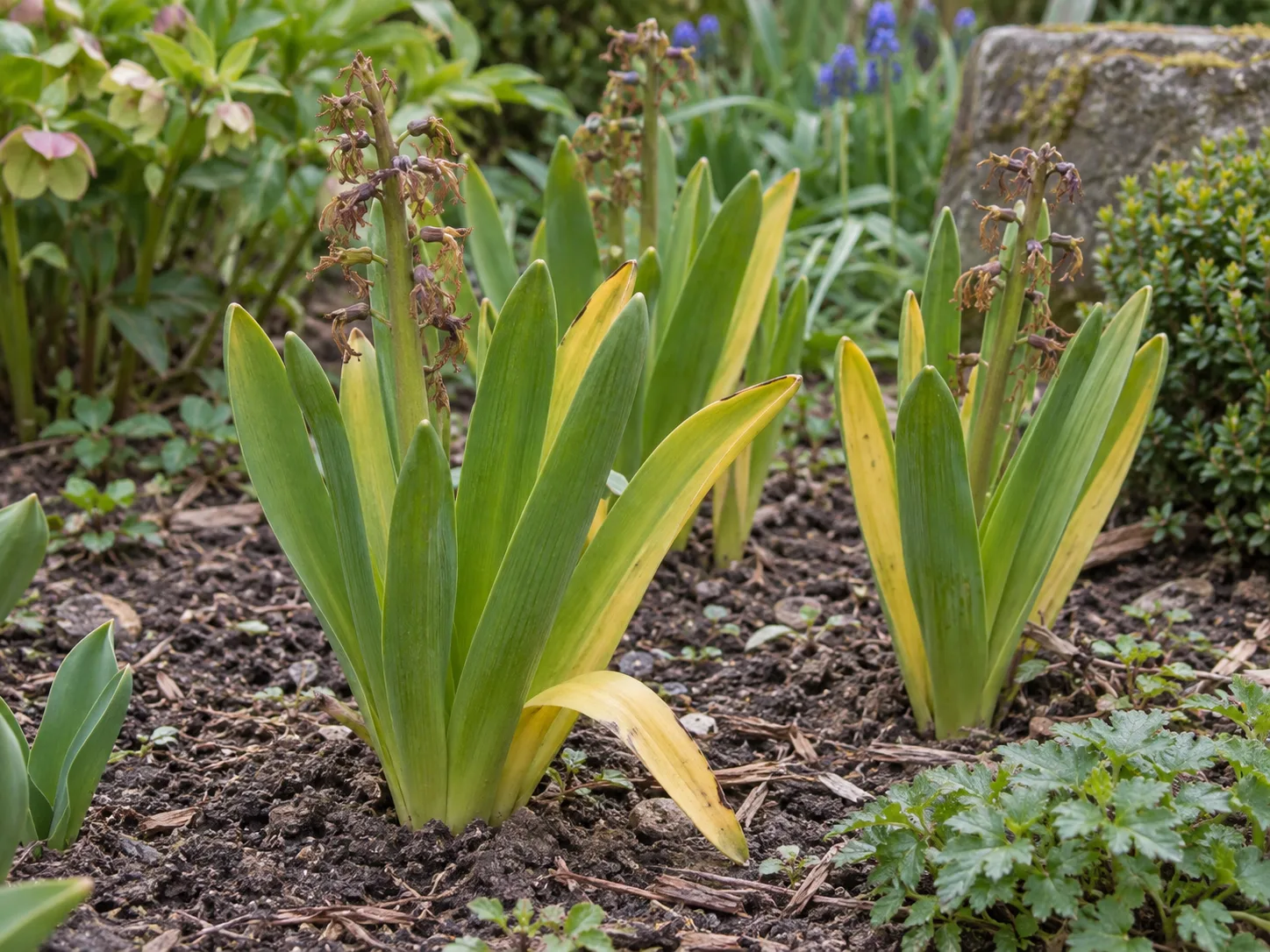
Most tulips and many hyacinths forced indoors are best treated as a one-season display. You can plant some hardy bulbs outdoors after the foliage matures, but success is uncertain because forcing consumes stored energy and indoor light is not as strong as outdoor spring light. If the bulb was grown in water, the odds are lower because it did not spend the season in a nutrient-holding mix; composting is often the practical choice.
Amaryllis is the exception worth saving. After flowering, move it into bright light, keep the leaves growing, and feed lightly during the active season. Before the next cycle, stop watering and give it a dry rest of roughly eight weeks, then resume watering when new growth appears. The UConn after-bloom guidance outlines this repeatable rest-and-growth cycle.
Paperwhites are less reliable for reblooming indoors, and they are not hardy outdoors in most climates. If you plan to try saving them, follow the bulb’s regional instructions and accept that the next flowering may be delayed or absent. Labeling a saved bulb with the forcing date makes the experiment useful even if the result is not a second display.
Keep forced bulbs away from pets and children, especially when bulbs are loose or being planted. The ASPCA plant database lists amaryllis, hyacinth, daffodil, and tulip among plants that can be toxic to pets. Do not leave discarded bulbs, bulb scales, or rinse water where an animal can investigate them; call a veterinarian or poison-control service if ingestion is suspected.
Conclusion
Successful bulb forcing is mostly a matter of matching the plant’s clock to your calendar. Choose paperwhites or amaryllis when you need a fast, no-chill display; choose daffodils, hyacinths, crocuses, grape hyacinths, snowdrops, or tulips when you can provide a steady cold period.
Give every bulb a healthy start, use a draining pot or keep the bulb above the waterline, count backward from the date you want flowers, and move the rooted pot into light gradually. The flowers may look like a winter miracle, but the method is practical: cold builds readiness, light builds strength, and cooler temperatures buy you more bloom time.