How to Get Rid of Cockroaches at Home for Good
Get rid of cockroaches at home with a practical IPM plan: identify the species, map activity, remove food and water, bait safely, seal entry points, and know when to call a pro.
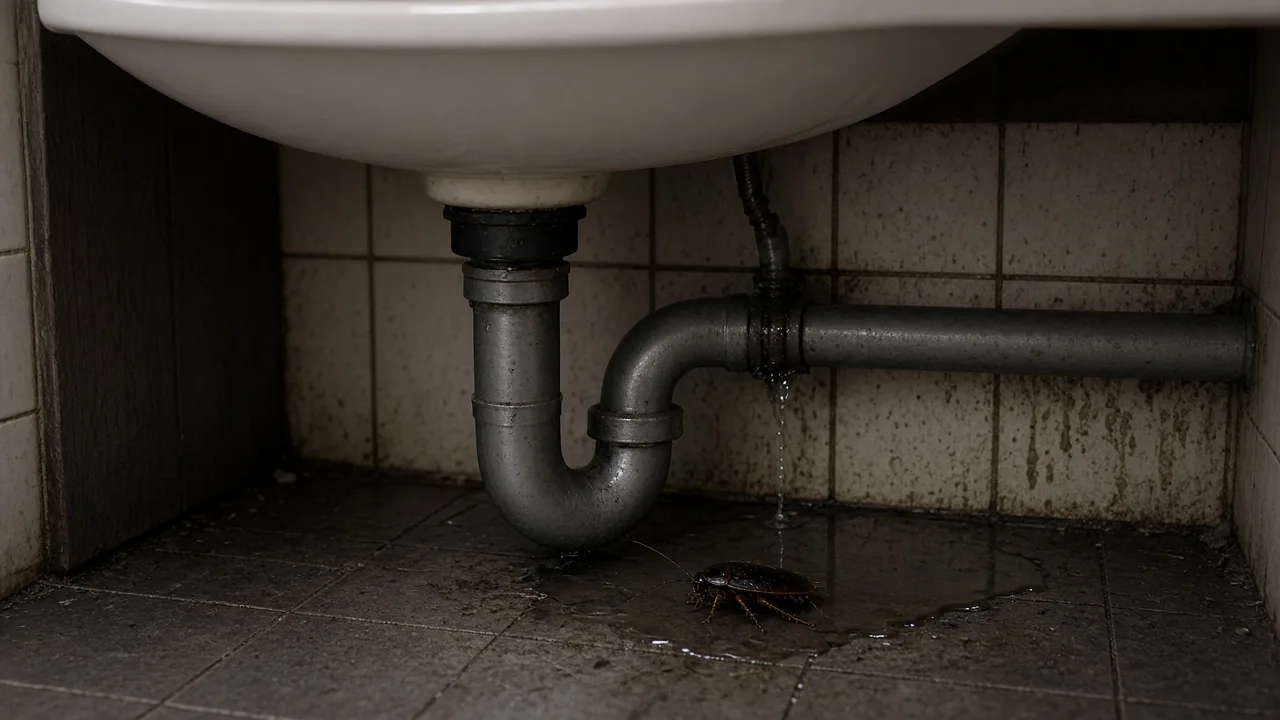
If you want to get rid of cockroaches at home for good, do not start by spraying every room. Start by finding out which cockroach you have, where it is traveling, and what is keeping it alive. Then remove food and water, place monitoring traps, use a labeled bait where it can work, and close the route that brought the insects in.
That sequence matters because a contact spray can kill the roach you see while leaving eggs, nymphs, harborages, and entry gaps untouched. Lasting control is usually an integrated pest management (IPM) job: inspection, sanitation, exclusion, targeted control, and follow-up. UC IPM makes the same central point: pesticides alone will not solve a cockroach problem, and baits generally provide better long-term control than sprays. (UC IPM)
The quick answer: control the conditions, not just the visible roach
Use this order when you find a cockroach indoors:
- Photograph or safely capture the insect if you can, because species changes the plan.
- Put sticky monitors along walls, under the sink, behind appliances, in cabinets, and near doors.
- Remove crumbs, standing water, leaking moisture, exposed food, pet-food residue, cardboard, and clutter.
- Place a labeled bait or enclosed bait station beside likely harborages, not in the middle of an open room.
- Seal cracks, pipe penetrations, door gaps, and damaged screens after you know where activity is concentrated.
- Check the traps daily at first, then reassess after about a week.
Do not promise yourself that the problem is solved because you killed one adult. Also do not assume that a clean home cannot have roaches; they can arrive in grocery bags, appliances, furniture, deliveries, boxes, or through gaps shared with another unit. The goal is to make the home hard to enter, hard to hide in, and poor at supplying food and moisture.
Decide whether you have a visitor or an infestation
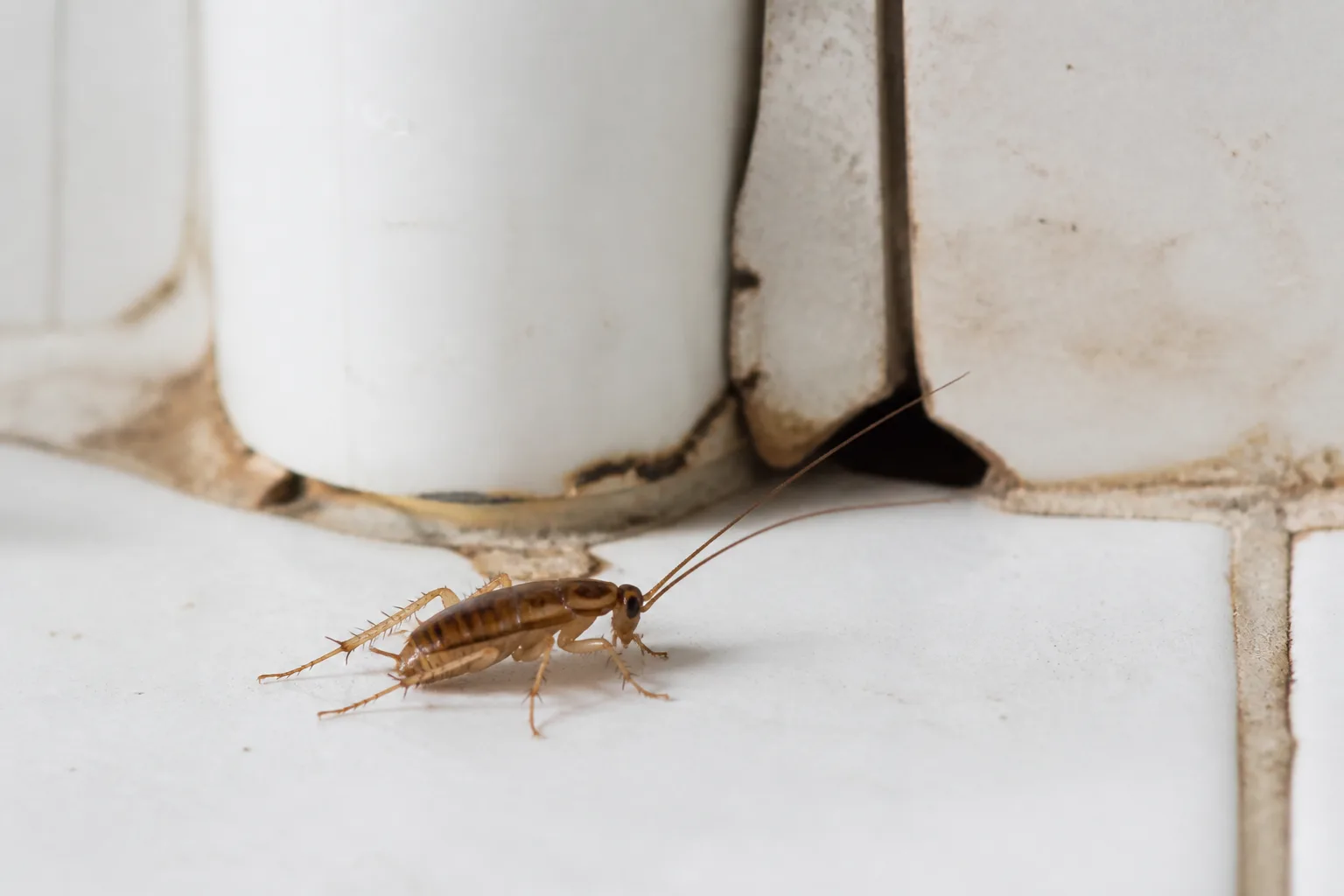
One large cockroach near a door, drain, garage, or basement may be an outdoor species that wandered inside. A small tan roach in a kitchen, especially with two dark stripes behind the head, is more concerning because German cockroaches commonly live and breed indoors. The difference is not absolute, so use traps and repeated observations rather than guessing from size alone.
Treat the situation as established activity when you find nymphs, egg cases, droppings, shed skins, a musty odor, or roaches in more than one room. Repeated nighttime sightings, catches in several traps, or activity that returns after cleaning also point to a population rather than an isolated visitor.
Signs the population is established
Nymphs are especially useful evidence. They are smaller, wingless or wing-developing young roaches, and finding several of them usually means a nearby harborage is supporting reproduction. An egg case, called an ootheca, may look like a small ridged capsule tucked into a crack, behind an appliance, or among stored items.
Look for pepper-like droppings or dark smears in cabinet corners, along wall edges, behind appliances, and around plumbing. Shed skins, dead roaches, and a persistent stale or oily smell add weight to the diagnosis, but none of these signs tells you the exact species on its own. Use a clear photo or a local extension office if identification will change your treatment choice.
Identify the cockroach before choosing treatment
Species identification is not entomology for its own sake. It tells you whether to search for an indoor colony around food and warmth or an outdoor source around drains, vegetation, woodpiles, crawl spaces, and building openings. The National Pesticide Information Center recommends identifying the species because effective options can differ, and suggests using sticky traps or glue boards to monitor activity. (NPIC)
As a rough guide, German cockroaches are about half an inch long and light brown with two dark stripes behind the head. American cockroaches are much larger, reddish brown, and often associated with sewers, drains, warm humid spaces, or ground-floor entry. Oriental cockroaches are dark and favor damp, cool places such as basements, drains, and outdoor debris. Brownbanded cockroaches can occupy drier, warmer hiding places and may be found in furniture, appliances, or upper areas rather than only under a sink.
German roaches versus outdoor invaders
Small roaches, nymphs, and repeated kitchen sightings deserve faster action than a single large roach found near an exterior door. German roaches can breed in kitchens and bathrooms, hide in very narrow cracks, and spread through apartments or connected building spaces. They also have a short life cycle compared with many outdoor species, so waiting for “a few more signs” can make treatment harder.
Large roaches appearing near drains, garages, basements, patios, or plumbing may be entering from outside or from a sewer or utility route. That does not make them harmless; it changes the emphasis toward drain and pipe repairs, screens, door sweeps, outdoor clutter reduction, and sealing. If traps show activity only at an exterior threshold, exclusion may be more important than treating every cabinet.
Map the hot spots with sticky traps
Sticky traps are not just a way to kill a few insects. They are a map of movement. Place several open-ended glue boards flat against walls and edges: under the sink, beside and behind the refrigerator and stove, inside lower cabinets, in the bathroom, near the water heater, along baseboards, and just inside exterior doors. Purdue Extension recommends using at least six traps in a home when monitoring, with placement along walls and in corners. (Purdue Extension)
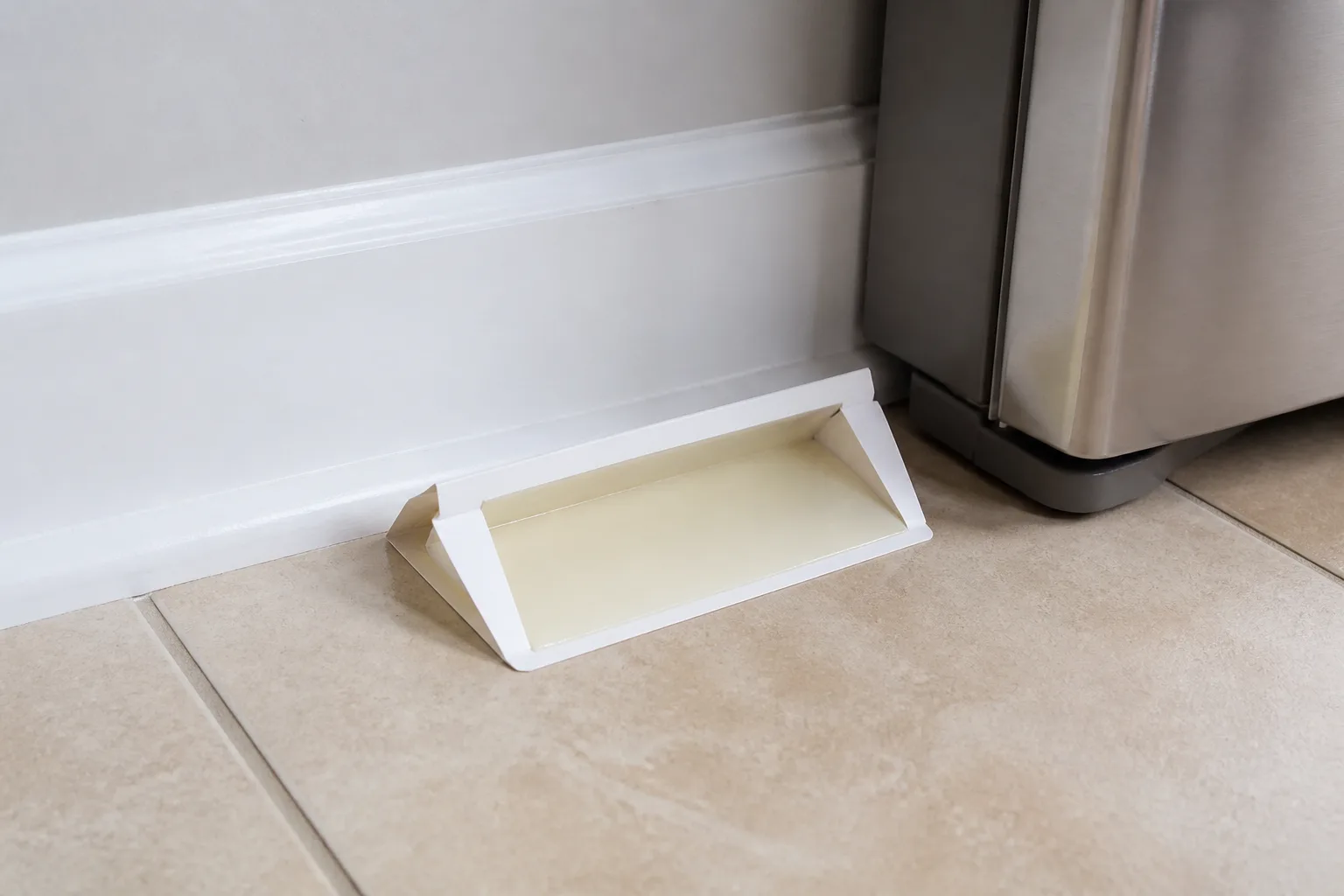
Number the traps with a pencil on the outside of the cardboard and check them daily for several days. Record the location, approximate number, life stage, and whether the insects are small or large. The trap with the most activity identifies where bait and cleanup will do the most good; a trap with no catches does not prove the room is roach-free.
Put traps where people and pets cannot step on them, and dispose of used boards in a sealed bag. If you are monitoring a child’s room, a pet area, or a food-preparation space, use a placement that cannot be reached or choose a professional monitoring option. Traps also help you judge whether a treatment is working: falling catches are more meaningful than one night without a sighting.
Remove food, water, and shelter at the same time
Cockroaches need more than crumbs. They need a combination of food, moisture, warmth, and protected cracks. Removing just one resource can help, but removing the stack makes bait and exclusion more effective because the insects have fewer alternatives.
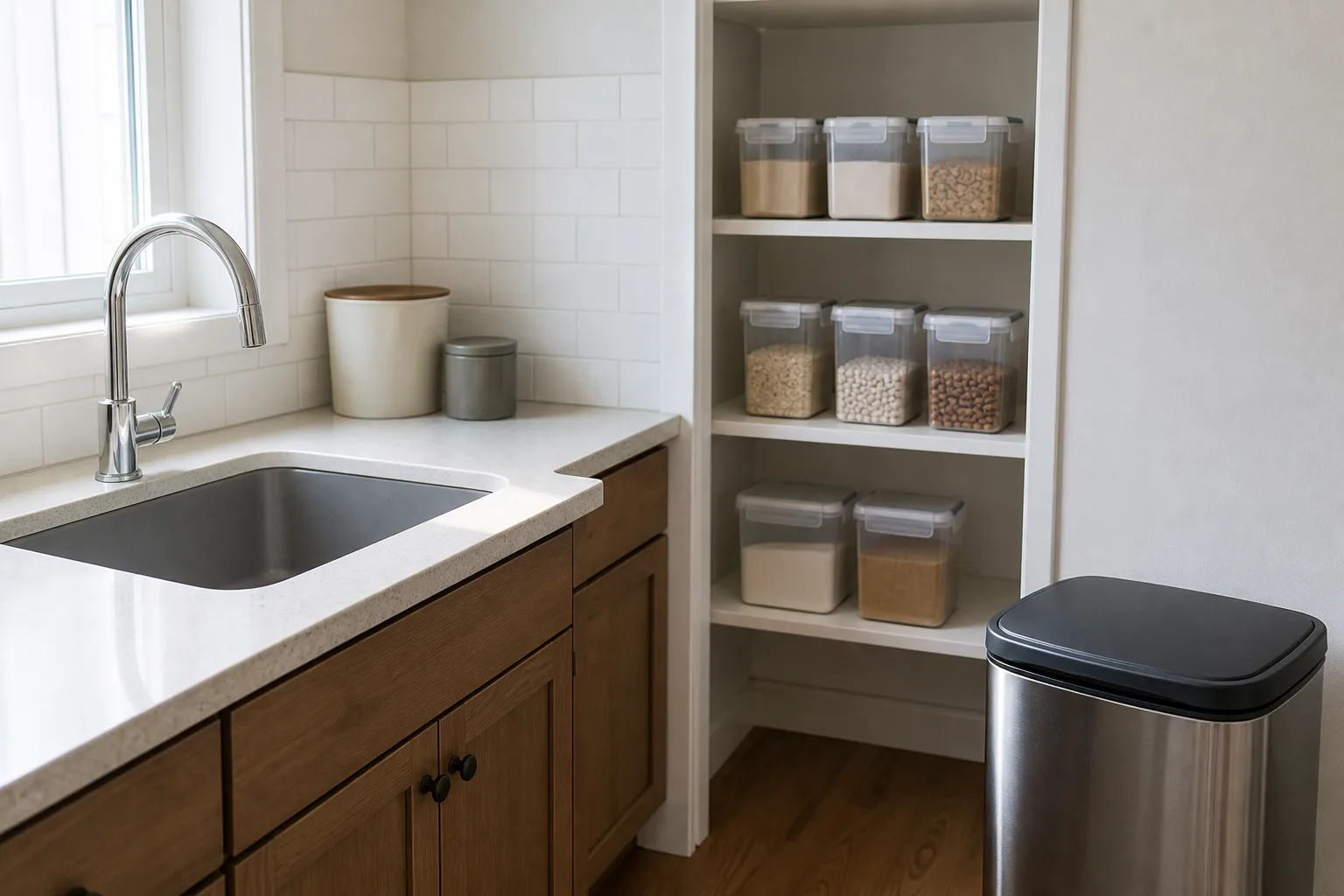
Each evening, wipe counters and the floor around food areas, wash or load dishes, rinse sticky spills, empty food waste, and dry the sink. Store cereal, flour, pet food, and other dry goods in solid, sealed containers rather than leaving them in thin bags or cardboard. Vacuum along baseboards and under appliances, then empty or seal the vacuum contents promptly.
Fix leaking faucets, pipe joints, refrigerator lines, toilets, and condensate pans. Do not leave water in pet bowls overnight if that is practical for your animal’s routine, and clean food crumbs from feeding areas. UC IPM also recommends reducing paper, boxes, bags, rags, and other clutter that provides hiding places, while using a HEPA-filtered or well-filtered vacuum can reduce exposure to allergen-containing debris. (UC IPM)
That practical order is echoed by the horticulture editors at Better Homes & Gardens, who put evening crumb cleanup, sealed food, dry plumbing, and decluttering ahead of targeted insecticide.
Reset the kitchen and pet-food routine
The kitchen is the highest-return place to reset because it concentrates food, water, heat, and appliance voids. Pull out movable appliances safely, clean the floor and wall edge behind them, wipe grease and food residue, and inspect the underside and back of cabinets. Do not flood electrical or appliance components; use a damp cloth where appropriate and let surfaces dry before returning items.
Pet food deserves its own rule. Keep dry food in a sealed container, sweep or vacuum crumbs, wash bowls, and keep the feeding station away from wall cracks if you can. Do not place insecticide where an animal can lick it, knock it over, or reach it with a paw; a product being sold for indoor use does not mean every placement is safe for every household.
Seal entry routes and shared-wall pathways
After traps show where roaches are traveling, inspect the nearby structure. Seal gaps around plumbing, cables, baseboards, cabinet backs, doors, windows, vents, and utility penetrations with a material suited to the surface. Add door sweeps and repair screens when the activity pattern suggests entry from outdoors.
Do not seal a damp wall or active plumbing leak without fixing the moisture source. A caulked crack beside a dripping pipe can still leave a favorable harborage behind the cabinet. In outdoor areas, move firewood, leaf piles, dense ground cover, trash, and stored cardboard away from the foundation; trim vegetation that touches vents or walls, and keep drains and screens in working condition.
A tidy home can still receive roaches through a neighboring unit. In apartments, duplexes, and row homes, cracks around pipes, outlets, cabinets, and ceilings can connect rooms that look separate. Purdue Extension describes control in multi-family housing as a coordinated job involving residents, management, and the pest-control contractor—not a task one resident can always complete alone.
For outdoor-to-indoor pressure, Gardening Know How similarly emphasizes early trapping and sealing before relying on a larger pesticide treatment. That is useful prevention advice, but the product label and local regulations still control any pesticide use.
Use cockroach bait safely and strategically
For an established indoor population, a properly labeled bait is usually more useful than spraying the room. A cockroach eats the bait and may carry or leave the active ingredient near its harborage, while the slow action gives the insect time to return. Baits still work only when roaches can find them and when competing food, moisture, and repellent chemicals are limited.
Read the current product label before buying or placing any pesticide. Confirm that the product is labeled for cockroaches, the indoor site you intend to treat, and the way you intend to apply it. Follow the label’s placement, quantity, ventilation, storage, and disposal directions; never infer safety from a social-media recipe or from the words “natural” or “pet friendly.” NPIC specifically advises reading and following the label and notes that some roaches are resistant to certain pesticides or avoid particular bait formulas. (NPIC)
Place bait beside walls, in corners, under appliances, in cabinet voids, or near droppings and trap activity—where roaches already travel. Do not scatter bait across countertops, shelves with food, open floors, houseplant soil, or places where a child or pet can touch it. Keep bait away from food, dishes, medications, and animal bedding.
Choose between stations, gel, and dust
Tamper-resistant bait stations are often the most practical starting point for a household with children or pets because the bait is confined inside a small housing. They still need to be placed where a child or animal cannot access, and “tamper-resistant” is not the same as chew-proof under every circumstance. Inspect the station as the label directs and replace or remove it according to the product instructions.
Gel bait can reach narrow cracks and crevices, but it is exposed during placement and can harden or become contaminated. Use only small label-directed placements in inaccessible voids. Purdue notes that gel is often applied at active or hiding areas, while stations trade some speed and access for more contained placement. (Purdue Extension)
Boric acid or desiccant dust is not a harmless kitchen powder. Professional and extension guidance places insecticidal dust in dry, enclosed, out-of-the-way voids, not in thick lines across floors, counters, or air pathways. Wet dust can cake and lose effectiveness, and visible powder can become an exposure hazard. Do not make or deploy a loose homemade bait where children, pets, food, or houseplants can contact it; use a registered product exactly as labeled or hire a professional.
Why foggers and broad indoor sprays usually fail
Foggers and “bug bombs” sound thorough because they fill a room, but the vapor does not reliably reach the cracks where cockroaches hide and breed. UC IPM warns that foggers and aerosols can be hazardous, may repel and disperse roaches, and often provide poor long-term control. (UC IPM)
Broad sprays can also interfere with bait. A repellent residue may make roaches avoid the area or push them deeper into walls and neighboring rooms, while spraying food-preparation surfaces creates a separate cleanup and exposure problem. If a product label specifically directs a targeted application, follow it; otherwise, do not layer a repellent spray over a bait program and assume more chemicals will produce faster results.
Essential-oil sprays, bay leaves, citrus peels, baking soda, and similar household ideas may change a smell or kill an insect under narrow conditions, but they are not a dependable colony-control plan. The practical test is whether the method identifies the source, reaches the harborage, reduces trap catches, and prevents new activity. If it cannot do those jobs, treat it as a minor supplement at most—not the solution.
Follow a seven-day control plan
An organized week is easier to judge than a series of disconnected cleanups. The exact timeline changes by species, building, product label, temperature, and infestation size, but this schedule gives you a useful baseline.
Day 1: inspect, clean, trap, and place bait
Photograph the roach or save a clear image. Inspect kitchens, bathrooms, laundry areas, basements, garages, under sinks, behind appliances, cabinet corners, pipe openings, drains, and storage boxes. Place and number your sticky monitors before moving furniture so you can compare activity instead of relying on memory.
That same day, remove food residue and clutter, dry leaks, seal obvious non-damp gaps, and put away food and pet supplies. If traps show an indoor pattern, add a labeled bait in inaccessible active areas. If the only catch is a single large outdoor roach near a door or drain, prioritize exclusion and moisture repair before distributing insecticide throughout the home.
Days 2–7: read the traps and adjust
Check the monitors at roughly the same time each day. More catches behind one appliance means the treatment and cleaning effort should concentrate there; more catches in a bathroom or near a drain point toward moisture or plumbing. Nymphs, egg cases, or catches spreading to new rooms are reasons to escalate rather than simply add more bait.
Do not move bait every few hours or keep replacing it because you have seen a roach. Bait is often slow acting, and UC IPM notes that fewer roaches may take seven days or longer to become obvious. Keep competing food scarce, leave the bait accessible to the target insect, and follow the product’s reapplication interval.
If trap counts do not decline after the label’s expected period, check for overlooked food, water, entry gaps, bait contamination, or a different species. NPIC notes that resistance or bait aversion can occur; a licensed professional can identify the problem and select a different active ingredient or treatment sequence without turning the home into a spray zone.
Prevent reinfestation after activity drops
Keep a small number of monitoring traps in the former hot spots for several weeks, replacing them as directed. Maintain the nightly kitchen reset, sealed food storage, dry sinks, covered trash, prompt recycling cleanup, and weekly vacuuming along wall edges. Recheck pipe penetrations, door sweeps, screens, appliance voids, and storage boxes whenever you bring in used furniture, appliances, groceries, or packages.
Do not remove every control measure the moment you stop seeing roaches. First confirm that trap catches remain low and that new droppings, shed skins, nymphs, and odors are absent. Then remove or replace products according to their labels and keep the structural and sanitation improvements in place.
Apartments and shared walls need coordinated action
Report repeated activity to the landlord, property manager, or housing maintenance contact, especially when roaches appear in multiple rooms, along shared plumbing, or in more than one unit. Ask for inspection of adjoining units, common utility spaces, leaks, trash areas, and wall or cabinet penetrations. Treating only the cleanest-looking unit can leave the source untouched and give the insects a route back.
Cooperate with scheduled preparation instructions: remove clutter from treatment areas, store food, cover or remove exposed items, and keep children and pets out of treated spaces as directed. Purdue’s multi-family guidance emphasizes resident sanitation, management repairs, and thorough contractor inspection as parts of the same control program. (Purdue Extension)
When to call a licensed pest professional
Call sooner rather than later when you see roaches in daylight repeatedly, find nymphs or egg cases, catch them in several rooms, smell a persistent odor, or live in a building where activity crosses units. Professional help is also the better choice when someone in the household has asthma or severe allergies, when children or animals can reach likely treatment sites, or when plumbing and wall voids cannot be safely inspected.
Do not wait for a dramatic number. A small German-roach population in a warm kitchen can be more urgent than one large outdoor roach in a garage. A licensed professional can identify the species, inspect inaccessible harborages, choose products permitted for the site, and set a follow-up schedule. Ask what will be treated, what preparation is required, how re-entry works, what products and active ingredients are being used, and how success will be measured.
Conclusion
The most reliable way to get rid of cockroaches at home is a repeatable system: identify the insect, map its route with sticky monitors, remove food and water, place a labeled bait where roaches hide, seal entry gaps, and recheck the results. Cleaning helps, but cleaning alone cannot reach a wall void; bait helps, but bait alone cannot overcome an active leak or a neighboring infestation.
Start tonight with the kitchen, bathroom, and appliance edges. Keep a written trap count for one week, avoid foggers and improvised pesticide mixtures, and escalate to a licensed professional when the signs point to an established, shared, or hard-to-reach problem. That is how you move from killing the roach you saw to changing the conditions that keep bringing roaches back.