How to Grow and Care for Bloomerang Lilac
Grow Bloomerang lilac successfully with clear advice on planting, water, fertilizer, pruning, containers, winter care, and why its second bloom may be lighter.
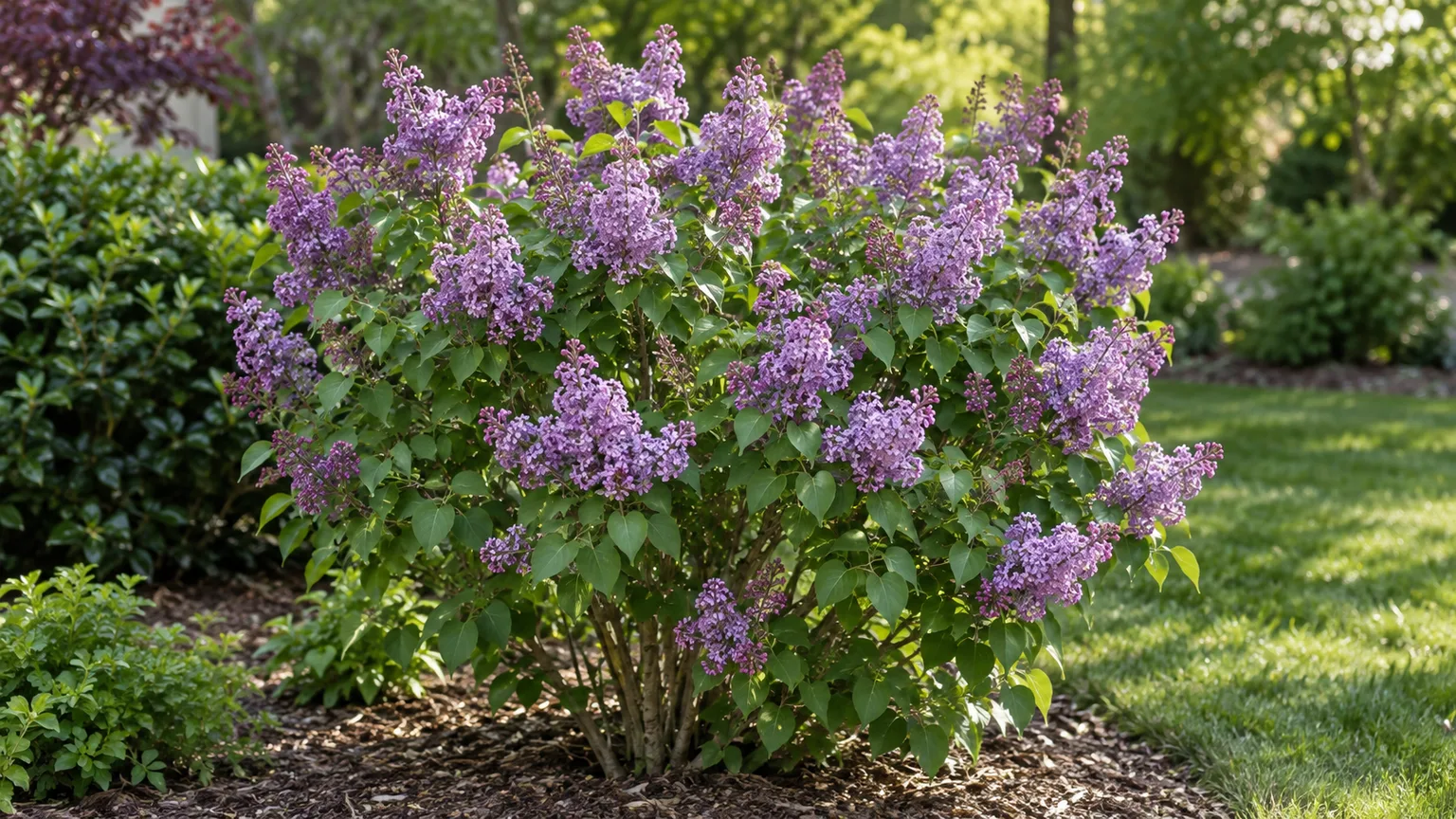
Bloomerang lilacs are compact, reblooming shrubs that give their biggest show in spring and can flower again later in the growing season. Their reliable recipe is straightforward: choose the right named selection for your available space, plant it in well-drained soil with ample sun, water consistently while it establishes, and prune lightly after the main spring flush only if you want to neaten its shape. A summer pause is normal; the later flowers are often intermittent and less abundant than the first display.
“Bloomerang” is a series name, not a promise that every lilac will stay in bloom continuously. Selection matters: some forms are dwarf and mound-shaped, while others become medium shrubs. Climate, sunlight, establishment, and pruning all influence how strongly a plant flowers again. The care below helps you set it up for its best performance without treating every Bloomerang as identical.
| Care question | Practical answer |
|---|---|
| Light | Full sun; aim for at least six hours of direct light for the strongest flowering |
| Soil | Fertile, well-drained soil; avoid a spot that stays wet after rain |
| Water | Water deeply during establishment and extended dry spells; let the soil guide frequency |
| Pruning | Optional light trim just after the main spring bloom; the series can rebloom without it |
| Size | Varies by selection; dwarf forms are about 3 feet tall and wide, while medium forms need more room |
| Rebloom | A later flush begins after a pause and may continue intermittently into late summer or fall |
What Bloomerang Lilac Is—and Why the Cultivar Matters
Bloomerang lilac is a group of repeat-flowering garden lilacs in the genus Syringa. The RHS includes the Bloomerang series among compact lilacs that can flower after their late-spring display, while the series’ grower describes mid- to late-summer rebloom for its named selections. That makes Bloomerang different from a typical common lilac, which is usually grown for one concentrated spring flowering period. The later flowers extend the season; they do not turn the shrub into a continuously blooming plant. (RHS Growing Guide; Proven Winners lilac guide)
Look for the full cultivar name on the nursery tag rather than relying on “Bloomerang” alone. For example, Bloomerang Dark Purple is described as a medium-sized, rounded shrub with dark buds that open lavender, while Bloomerang Dwarf Purple and Dwarf Pink are compact forms listed at about 3 feet tall and wide. The RHS also lists Bloomerang Purple ‘Penda’. These names and colors are useful when comparing plants, but the tag for the exact plant you buy is the best guide to its mature dimensions and local growing range. (Proven Winners lilac guide; RHS Growing Guide)
Like other lilacs, Bloomerang is a deciduous woody shrub in the olive family, Oleaceae. It loses its leaves in fall, rests through winter, and flowers on a seasonal cycle. Its cone-shaped flower clusters are called panicles. The cultivar series is valued for fragrance as well as its repeat bloom, so place the shrub where you can enjoy it at close range rather than burying it at the back of a border.
Choose a Bloomerang Selection for Your Space
Start with the mature width, not the plant’s size in its pot. A three-foot dwarf selection can work at the front of a sunny border or in a substantial patio container. A medium-sized selection needs more room and can anchor a mixed shrub bed. Give the canopy space to develop naturally; trying to keep a medium shrub permanently tiny through repeated shearing can remove flower-bearing growth and leave an awkward outline. (Proven Winners lilac guide; Gardenia lilac guide)
Flower color is another practical distinction. Bloomerang Dark Purple opens from dark buds into lavender flowers; the Dwarf Purple selection has dark lavender buds and lavender blooms; Dwarf Pink has bright pink flowers. If fragrance is a priority, compare the tag and cultivar description instead of assuming every plant will smell equally strong. When shopping online, confirm that the product title, image, and botanical name all refer to the same named cultivar. Similar lilac photos can make distinct selections look interchangeable.
Think about the spring and later bloom windows in the context of the rest of the garden. A Bloomerang can add color after many spring shrubs have faded, but it still needs a suitable site and time to establish. If your space only fits a dwarf shrub, select one labeled for that scale; if you want a screen or broad hedge, do not assume a compact series will fill it quickly. Buying the right mature size is easier on the plant and usually less work than corrective pruning later.
Light and Climate: Give It Sun and Match Your Region
Plant Bloomerang lilac in full sun. The grower’s general lilac guidance recommends at least six hours of direct sunlight daily, and the RHS notes that lilacs need a sunny, open position to flower well. A shrub can survive in partial shade and still produce leaves, but sparse flowering is a common result. Check the site at different times of day; a place that seems sunny in early spring may be shaded for much of summer after nearby trees leaf out. (Proven Winners lilac guide; RHS Growing Guide)
Lilacs are adapted to seasonal climates, and cold tolerance is not the same as bloom reliability in every region. The amount of winter chill needed varies among kinds and cultivars; hot summers and mild winters can reduce flowering in lilacs that are otherwise alive and growing. Before purchasing, use the exact cultivar’s label and ask a regional nursery whether it performs well locally. Do not infer suitability from a generic “lilac” hardiness range or from a neighboring garden’s different variety. (Gardenia lilac guide; Proven Winners lilac guide)
In a warm area, favor a site with morning sun and some protection from harsh late-afternoon heat if local growers recommend it, while preserving enough daily light for flowers. In a cooler region, an open sunny position is usually preferable. If a shrub grows strongly but repeatedly has few flowers, assess winter and summer conditions before adding fertilizer: no feeding routine can replace a cultivar that is poorly matched to the local climate.
Soil, Planting, and Spacing
Drainage matters more than achieving a particular soil texture. Lilacs grow in different garden soils as long as excess water can move away from the root zone. Bloomerang generally prefers neutral to slightly alkaline conditions, but the Proven Winners guide notes that lilacs tolerate neutral and slightly acidic soil too. Do not add lime simply because a lilac is in the garden; test first if pH is a concern, then amend only when a test and the cultivar’s guidance support it. (Proven Winners lilac guide; RHS Growing Guide)
Plant in spring or fall when temperatures are moderate and the soil is workable. Dig a hole wide enough to loosen the surrounding ground, but set the root ball at the same depth it grew in its nursery pot. Loosen circling roots gently and backfill with the native soil. A hole that is much deeper than the root ball can settle and bury the crown; a deep planting does not help the roots establish. Water thoroughly after planting so soil settles around the roots. (Gardenia lilac guide; Proven Winners lilac guide)
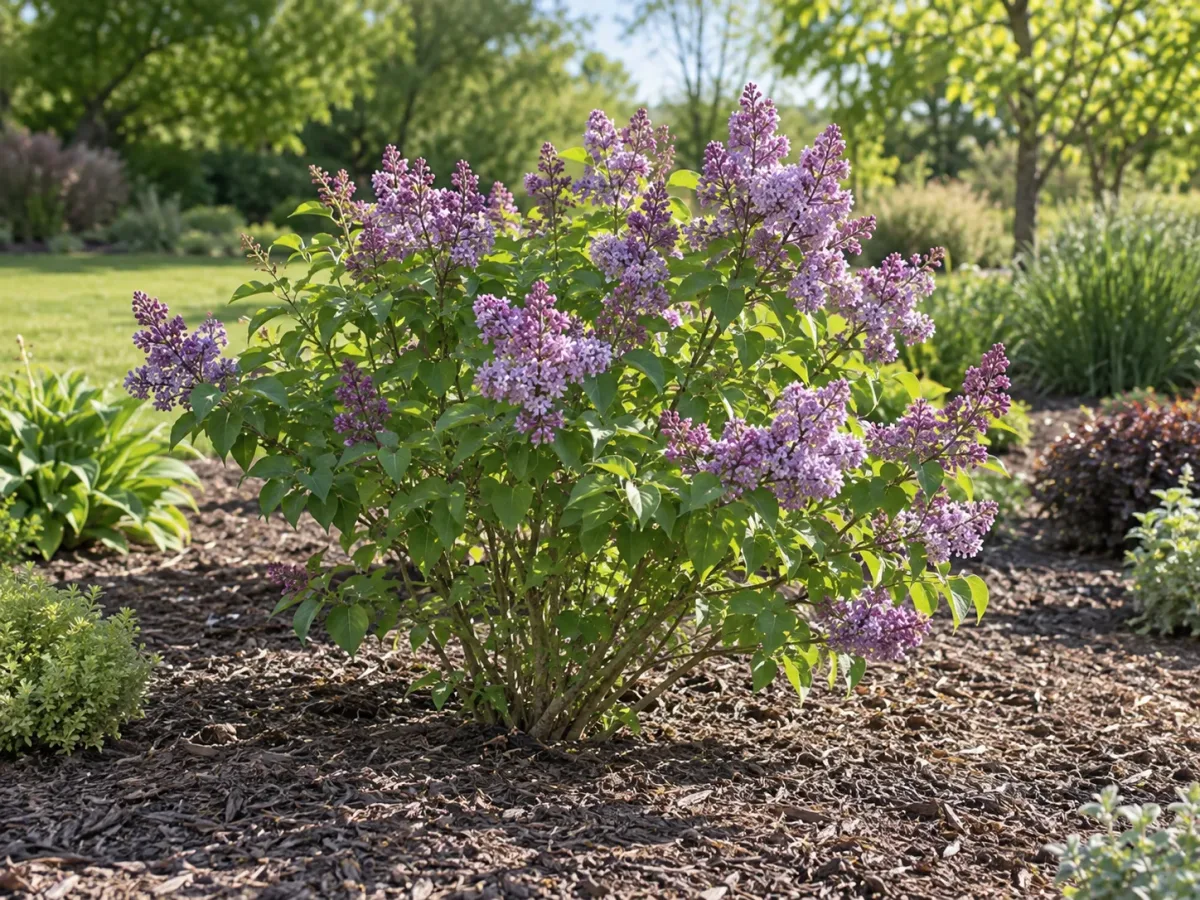
Use the cultivar’s mature spread to set spacing. Leave enough room between plants and nearby walls or dense shrubs for the canopy to receive sun and air. Tight spacing can make pruning harder and keep foliage damp longer, which favors powdery mildew. Apply a modest layer of organic mulch over the root zone to reduce moisture loss, but keep it a few inches away from the stems. Do not pile mulch against the shrub’s base.
The first season is about root growth, not rapid top growth. Keep the area around the young plant free of competing weeds and avoid disturbing the root zone with frequent shallow cultivation. If the site holds standing water after rain, solve the drainage problem or choose a better planting place before setting the shrub there. Regular water cannot compensate for soil that stays saturated.
Watering During Establishment and Dry Weather
Water a newly planted Bloomerang deeply when the root zone begins to dry, then allow excess water to drain. During its first growing season, check the soil several inches below the surface rather than watering by a fixed weekly schedule. The RHS notes that newly planted lilacs may need extra water during dry spells in their first year or two, while established shrubs generally need water only in exceptionally dry weather. Container plants dry faster and need more frequent checks than shrubs in the ground. (RHS Growing Guide; Proven Winners lilac guide)
To check a garden bed, feel the soil near the root ball. If it is still cool and moist, wait; if it is dry several inches down and rain is not expected, water slowly at the base so moisture reaches the roots. A quick sprinkle that only wets the surface encourages shallow rooting and does little for a shrub. During a long hot spell, repeat the check every few days, adjusting for soil texture, wind, and rainfall rather than following a calendar.
Yellow leaves do not automatically mean the plant is thirsty. Wilt combined with dry soil can indicate a need for water, but yellowing in persistently wet soil can signal poor drainage or root stress. Before increasing irrigation, check the moisture at root depth and make sure water is not collecting around the crown. A mulch layer can reduce evaporation, but it will not correct a soggy site.
Fertilizer: Feed Only When It Helps
Do not fertilize by default just to force a second flush. Lilacs planted in reasonably fertile ground often grow well without routine feeding, and excessive nitrogen can produce plenty of leaves with fewer flowers. If the shrub has healthy annual growth and normal foliage color, leave the soil alone. The RHS recommends no special feeding for in-ground lilacs unless there are signs of a deficiency; its container guidance differs because nutrients are depleted from pots more quickly. (RHS Growing Guide; Gardenia lilac guide)
If growth is weak, first rule out shade, waterlogging, drought, root disturbance, and climate mismatch. A soil test can show whether a nutrient or pH correction is actually needed. Where feeding is appropriate, use a fertilizer labeled for woody shrubs and follow its instructions; avoid applying a high-nitrogen lawn product over the root zone. Fertilizer is not a substitute for sunlight, drainage, or enough time for a new plant to establish.
For a potted dwarf selection, follow the potting mix or fertilizer label and feed conservatively during active growth if the plant needs it. Flush the pot occasionally with water to help prevent excess soluble salts from building up, and do not fertilize a dry root ball. Stop feeding as growth slows toward fall so new, tender growth is not encouraged just before winter.
How the Bloomerang Rebloom Works
Expect a strong spring display, a pause, and then a later scattering or flush of flowers. Bloomerang Dark Purple is described as blooming for weeks in mid- to late spring, then reblooming from mid- to late summer until frost; the dwarf selections are described as flowering again from summer into fall. The RHS similarly describes compact repeat-flowering lilacs as blooming intermittently after their late-spring peak. This is a second season of flowers, not an uninterrupted curtain of panicles from spring onward. (Proven Winners lilac guide; RHS Growing Guide)
The spring and later displays may differ in both timing and intensity. The young shrub may flower lightly while it puts energy into roots and branches, and the later panicles can be fewer or smaller than the main spring crop. Weather, sunlight, soil moisture, plant maturity, and cultivar all affect what you see. Compare the shrub with its own performance over several seasons rather than expecting a set number of weeks in bloom every year.
If the plant is healthy but takes a break between displays, that pause is normal. Keep the roots evenly moist during extended dry weather and avoid heavy pruning or a large nitrogen application in an attempt to force flowers. Give new shoots time to grow; reblooming selections produce flowers later in the season as the plant continues its growth cycle. A good site and steady care matter more than an aggressive “rebloom treatment.”
Pruning and Deadheading Without Losing Flowers
Bloomerang does not require routine pruning to rebloom. The series’ grower says its plants will flower again whether or not they are trimmed, although a light cut after the spring display can create a neater shape. If you want to prune, wait until the main spring flowers fade, then remove spent panicles and only the amount of new growth needed to tidy or balance the shrub. (Proven Winners lilac guide)
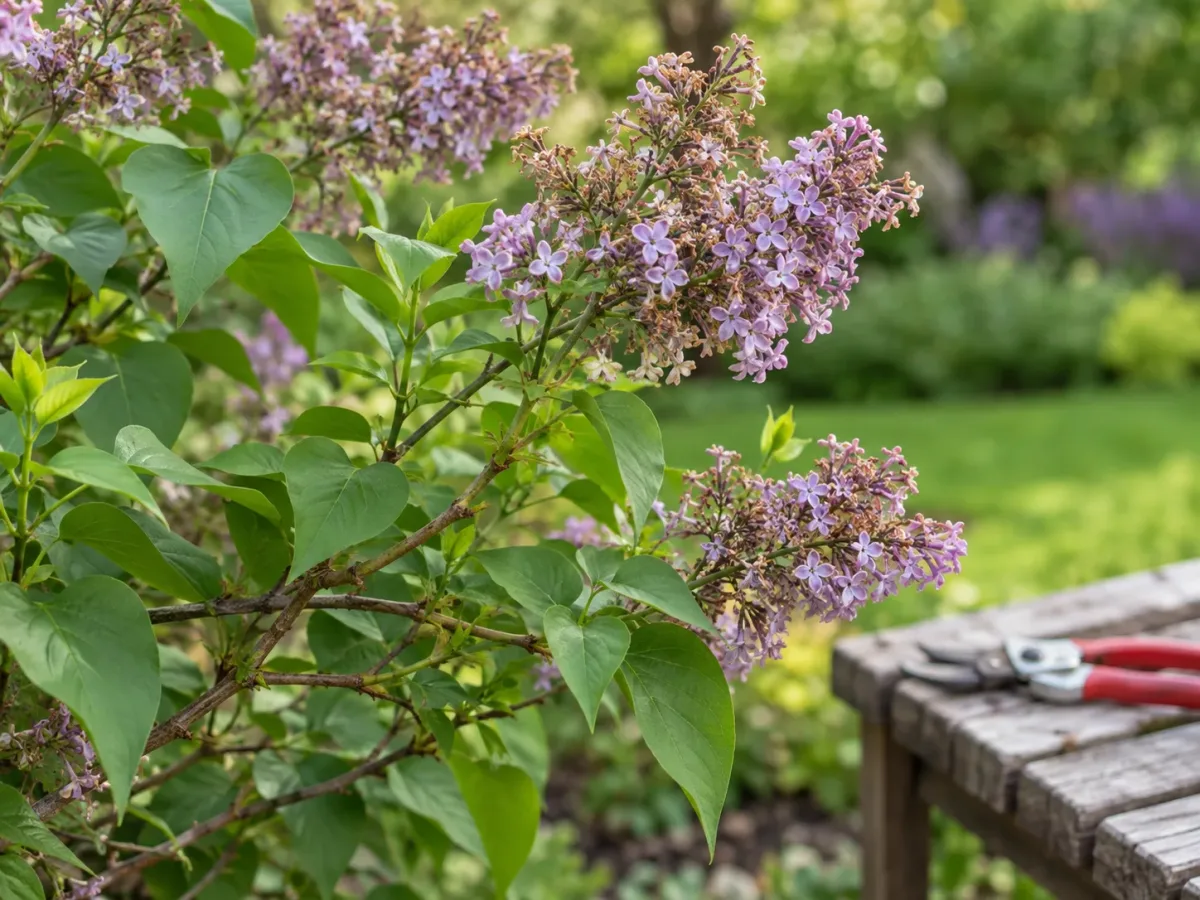
Use sharp, clean pruners for small stems. Follow a spent flower cluster down to the first healthy pair of leaves or side shoots and make a clean cut just above them; do not clip the whole plant into a tight ball. If one branch is too tall, shorten it to a side shoot rather than cutting every stem to the same height. This preserves a natural outline and leaves plenty of leafy growth to support the next flowering cycle. (Fine Gardening pruning guide)
For routine maintenance, remove broken, crossing, or dead branches at their point of origin. Take out only a few older stems when needed to open a crowded base. The Fine Gardening pruning guide emphasizes selective thinning and shows why cuts should preserve a sound framework, but its recommendations for conventional lilacs should not be applied wholesale to a compact reblooming cultivar. A Bloomerang usually needs less corrective pruning than an old, overgrown common lilac. (Fine Gardening pruning guide)
Avoid major size reduction in fall, winter, or early spring. Pruning at the wrong time can remove developing flower buds or leave the shrub with an uneven season. If the plant has outgrown its location, consider moving it while dormant or replacing it with a smaller cultivar instead of repeatedly shearing it. Removing every spent cluster is optional; it is a cosmetic task, not a guarantee of a heavier second flush.
Growing Bloomerang Lilac in a Container
Choose a naturally compact selection, such as a dwarf Bloomerang, and use a substantial pot with unobstructed drainage holes. The plant’s tag should state its mature dimensions; a three-foot shrub still needs room for its root system and a stable container. A pot that is too small dries quickly, tips in wind, and restricts growth. Before filling it, place it where it will live because a large planter becomes heavy once filled with soil and water. (Proven Winners lilac guide; RHS Growing Guide)
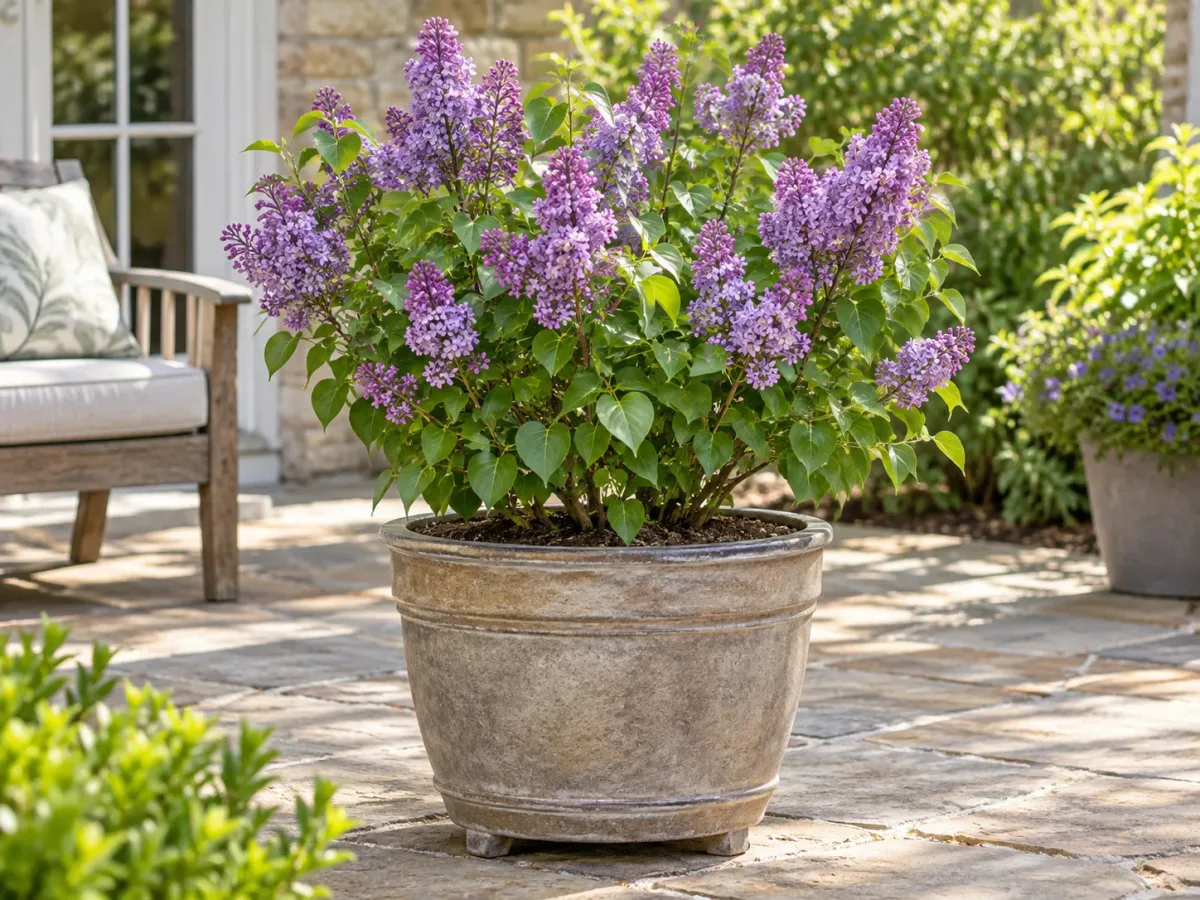
Use a high-quality outdoor potting mix that drains freely. Do not fill the container with dense garden soil, which can compact and remain wet. Water until excess runs from the drainage holes, then wait until the upper mix begins drying before watering again. In hot, windy weather, check daily; during cool or rainy periods, the mix may stay moist much longer. The goal is even moisture during growth without leaving the roots submerged.
Container lilacs need more attention than those planted in the ground. In spring, refresh the upper layer of mix or repot when roots crowd the pot, following the RHS guidance for lilacs grown in containers. A light feed during active growth may be useful, but avoid repeated heavy fertilizing. If a pot dries out in minutes or roots circle densely around the root ball, move up one container size rather than jumping into an oversized planter that stays wet. (RHS Growing Guide)
Winter Care for Garden and Container Plants
For an in-ground shrub, use the cultivar’s stated cold-hardiness range and local advice as your guide. A young lilac benefits from consistent moisture before the ground freezes if autumn has been dry. Keep mulch over the root zone, but do not heap it against stems. Avoid late-season feeding and pruning, both of which can stimulate growth or remove buds at the wrong point in the cycle.
Container roots experience colder swings than roots insulated by garden soil. In regions with freezing winters, move the pot to a sheltered outdoor location, such as beside a protected wall, and insulate the container if local conditions call for it. The goal is to buffer repeated freeze-thaw cycles while leaving the plant outdoors through winter dormancy. Do not bring a temperate lilac into a heated room; it needs its normal outdoor seasonal cycle.
Check the soil in a sheltered pot during dry winter spells. Water sparingly when the mix is dry and temperatures are above freezing, then allow the pot to drain fully. Do not keep dormant roots continuously wet. In spring, return the container to its sunny growing position gradually if it was protected from wind or unusually bright exposure.
Troubleshooting Bloomerang Lilac
Before treating a problem, note which part of the plant is affected, how quickly symptoms appeared, recent weather, and whether the soil is wet or dry. Lilac problems can overlap: a plant with yellowing leaves may be stressed by heat, excess water, or shade, while powdery mildew can appear on an otherwise vigorous shrub. Start with site and care checks before reaching for a product. (RHS Growing Guide; Gardenia lilac guide)
Few or No Flowers
First check direct sun. A shrub receiving less than about six hours of direct light is a likely candidate for reduced bloom. Next, confirm the cultivar name and local climate suitability. A plant can grow leaves while receiving too little winter chill for dependable flowering in a warm region. Also consider age: a recently planted shrub may spend its first seasons establishing roots rather than producing a full display. (Proven Winners lilac guide; Gardenia lilac guide)
Then review the pruning history. If the shrub was cut back in fall, winter, or early spring, flower buds may have been removed. If foliage is unusually lush and flowers sparse, check whether lawn fertilizer or other high-nitrogen feed reaches the root zone. Correct one likely cause at a time and assess the next growing season; moving or heavily pruning a stressed shrub in the same year can make it harder to identify what helped.
Powdery Mildew and Leaf Spots
Powdery mildew may leave a pale, dusty coating on leaves, often later in the season. Lilacs can also develop leaf spots or other foliage damage. A minor late-season cosmetic problem does not automatically call for treatment. Give the shrub enough spacing, keep air moving through the canopy, and avoid overhead watering that leaves foliage wet for long periods. The RHS lists powdery mildew and lilac blight among possible lilac problems and recommends thinning crowded growth to improve airflow. (RHS Growing Guide)
Remove fallen diseased leaves from beneath the shrub and avoid moving suspect plant material to a new bed. If symptoms spread quickly, damage new growth, or recur severely, use a local extension diagnostic service to confirm the cause before treating. Different leaf problems can look alike, and a fungicide will not fix poor drainage, shade, or the wrong cultivar for the site.
Yellow Leaves, Sparse Growth, or Decline
Look for a pattern. Yellowing mainly on the sunny side after a heat wave can signal heat or drought stress; yellow leaves throughout a wet planting area point toward drainage or root trouble. Sparse, stretched growth often indicates inadequate light. Brown leaf edges can follow drought, wind exposure, or root stress. Compare recent weather and soil moisture before changing watering or fertilizer.
If the shrub declines despite suitable sun and moisture, inspect the base for damage and check whether water stands around the roots after rain. Clear weeds and mulch piled against stems, and avoid digging through the root zone. Where leaves show distinct spots, holes, or silvery marks, compare symptoms with a reliable local plant diagnostic resource rather than assuming every mark is mildew. A precise diagnosis prevents unnecessary treatments and helps you decide whether the plant needs a care change or professional assessment.
Propagation and Keeping the Cultivar True to Name
If you want the same color, size, and reblooming habit as the parent, buy a plant carrying the full cultivar name from a reputable nursery. Seedlings are genetically variable and should not be expected to repeat the parent exactly. Lilacs may also be grafted; a shoot arising from below a graft union can belong to the rootstock rather than the named top growth. The RHS notes that suckers from own-root plants can match the parent, while suckers from grafted plants will not flower true to it. (RHS Growing Guide; Fine Gardening pruning guide)
For that reason, do not dig up an unidentified sucker and assume it is a dwarf Bloomerang or will have the same rebloom. Identify where it originates before deciding whether to keep it. Named commercial cultivars can also have propagation restrictions that vary by selection and location, so check the plant label or ask the breeder or nursery before reproducing a cultivar for distribution. For most home gardeners, buying a correctly labeled plant is the simplest way to get the intended selection.
Where Bloomerang Lilac Fits in a Garden
Use the spring display as an anchor, then pair the shrub with plants that carry the border after lilac flowers fade. A dwarf selection can sit near a path, patio, or the front of a mixed bed, where its fragrance is easy to enjoy. A medium form can act as a specimen or part of a loose shrub grouping. Give every plant enough room for its mature spread and keep the lilac’s sunny canopy from being overtaken by taller neighboring shrubs. (Proven Winners lilac guide; Gardenia lilac guide)
To make the garden feel continuous through the season, combine Bloomerang with spring bulbs or perennials for the first wave, then summer-flowering plants that contrast in form and color. Avoid crowding the lilac with moisture-loving plants that require frequent irrigation if that keeps its root zone persistently wet. A container gives you more control over placement and scale, while an in-ground shrub is better suited to a permanent sunny bed with room to mature.
Conclusion
Bloomerang lilac is a useful choice when you want a compact-to-medium lilac with a spring display and the possibility of flowers again later in the season. Choose the exact named selection for its mature size and color, then plant it in full sun and well-drained soil. Water consistently while it establishes and through prolonged dry spells, but do not keep the roots saturated or feed heavily to chase more flowers.
The repeat bloom is a bonus, not a continuous guarantee: expect a pause and an intermittent later flush whose strength varies with cultivar, weather, and growing conditions. Pruning is optional for rebloom; if you want to tidy the shrub, do a light trim just after the main spring flowering. When blooms disappoint, check light, climate, pruning timing, and nitrogen before changing the care routine. A well-matched site and restrained maintenance give this lilac the best chance to flower well in both parts of its season.