How to Keep Your Backyard Cool All Summer
Learn how to keep your backyard cool all summer with smarter shade, trees, groundcover, patio materials, fans, and a phased plan for any budget.
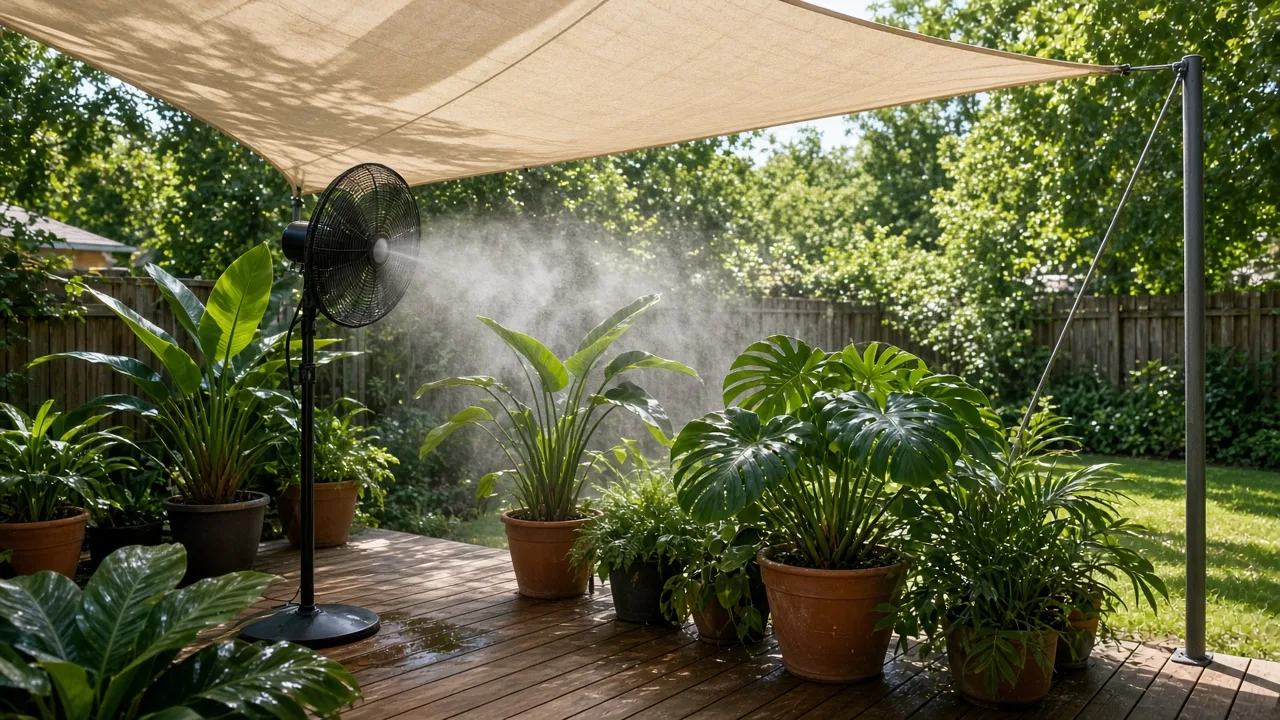
A cooler backyard starts with one question: what is making your main outdoor zone uncomfortable? Direct afternoon sun, heat radiating from paving, still air, reflected heat from a wall, and humid conditions need different fixes. A shade sail will not solve a patio that is roasting from below, and a new tree will not help much this season if the seating area stays in full sun while it matures.
The most reliable plan layers three things: shade over the place you use, vegetation that cools and buffers the edges, and surfaces and airflow that do not keep feeding heat back into the space. Water features, fans, screens, and outdoor kitchens can help, but they work best after the basic geometry of sun and shade is right. Use the steps below to make the yard more comfortable now while building a landscape that performs better in future summers.
Start with a heat map of your yard
Before buying a pergola or digging a tree hole, watch the yard on a clear day. Stand in the seating area at about 9 a.m., noon, 3 p.m., and 5 p.m. Note when the sun reaches the chairs, when glare bounces off a wall or concrete slab, and when the air begins to move. A quick phone photo from each time slot is often more useful than a general assumption that the whole backyard is “sunny.”
This observation tells you whether the problem is solar exposure, stored surface heat, or poor ventilation. A west-facing wall can keep radiating heat after the sun has moved lower; a narrow courtyard can be shaded but stagnant; a lawn beside a dark patio can feel noticeably different under the same sky. Mark the spots where people actually sit, eat, play, or walk barefoot. Those are the zones worth cooling first.
Track the hot window, not just midday
Many yards feel tolerable at lunchtime and unbearable from 3 to 6 p.m. That is why a tree or screen placed on the western or southwestern side can be more useful than one planted where it creates attractive morning shade. The afternoon position of the sun, your home’s walls, nearby fences, and the height of existing trees all determine whether the shadow will land on the patio when you need it.
Do not treat a compass direction as a guarantee. In a sloped yard, a neighboring building or a tall fence may change the result, and in the Southern Hemisphere the seasonal sun path changes the best placement logic. Watch the actual shadow, then size the fix to the hours you spend outside.
Find reflected heat and wind gaps
Walk barefoot only where the surface is safe, or use the back of your hand briefly to compare shaded and sunny paving. You are looking for a pattern, not a laboratory measurement. If the chair seat, wall, paving, and nearby gravel all feel hot, you need shade and a surface strategy; if the surfaces are shaded but the air feels heavy, you need more cross-breeze.
Also note the direction of the usual breeze. A solid fence or dense evergreen hedge can block useful airflow, while a slatted screen, trellis, or loosely layered planting can soften glare without turning the seating area into a pocket of trapped heat. Your best layout should create shade and leave at least one path for air to enter and exit.
Shade the place you use first
Start with the smallest zone that makes the biggest difference: the two chairs, dining table, play space, or hammock where people actually spend time. Shading the whole yard is expensive and often unnecessary. A well-positioned canopy over the main seating area can make the backyard feel more usable even while the rest of the landscape remains in progress.
Think in terms of overhead shade plus side protection. Overhead cover blocks direct solar radiation; a west-side screen or leafy planting can reduce low-angle glare later in the day. If you are planning a roof, pergola, or awning, stand in the intended seating position and check the shadow during the hottest hours before fixing posts. The shade needs to land on people, not merely on the edge of the patio.
An outdoor living plan should also keep the hottest jobs away from the coolest seats. Put the grill or pizza oven where its heat and smoke will not drift through the dining area, leave enough circulation space around the table, and make the path to the house short. BBC Gardeners’ World Magazine’s outdoor-living guidance similarly treats the yard as a set of functional zones, with cooking, dining, and seating placed deliberately rather than spread across the available hardscape.
Use temporary shade while long-term fixes grow
Temporary shade is not a compromise; it is a way to test the location before committing to construction. A large, stable patio umbrella is flexible and useful for a dining table. A retractable awning works well when you want shade only during the afternoon and more open sky at other times. A shade sail can cover an awkward rectangle, but its posts, hardware, and footings must be designed for wind rather than attached casually to a weak fence.
Choose between an umbrella, shade sail, awning, or pergola
Choose an umbrella when you want the quickest targeted relief and may rearrange the furniture. Choose a sail when you need broad coverage across a small patio and can anchor it safely. Choose an awning when the house wall is the right side for afternoon protection and you value easy retraction. Choose a pergola when you want a permanent outdoor room and are prepared to add a canopy, slatted roof, or vines for more complete coverage.
The fabric itself is only part of the decision. Check the wind exposure, drainage, attachment points, and the shadow angle at the hottest time. Close or retract movable shade before storms, use a heavy enough umbrella base, and follow local rules for permanent structures. If a sail or canopy pulls on a house wall, have the attachment and flashing details checked rather than assuming a decorative eye bolt can carry a storm load.
Plant canopy on the west and southwest sides
Trees cool in two different ways: their leaves block solar radiation, and water moving through the plant is released through the foliage in a process called evapotranspiration. WWF’s explanation of tree cooling describes both mechanisms, while the American Society of Landscape Architects’ heat research summary emphasizes that the amount, size, and connected distribution of greenery all affect cooling benefits.
For a backyard, that means a healthy canopy placed where it shades a patio, wall, or path during the late-day heat can do more than a tree chosen only for appearance. A row of smaller trees or a tree combined with a pergola-side planting can sometimes shade the useful zone sooner than one distant specimen. The goal is not to cool every square foot; it is to reduce the heat load where people and plants need relief.
Pick trees for mature size and water needs
Do not choose a tree simply because it is marketed as fast-growing. Check its mature height and spread, root behavior, drought tolerance, wind resistance, leaf drop, and fit with your local soil and climate. Keep trunks and future branches away from utility lines, roof edges, gutters, septic systems, and structures. A tree that eventually shades the patio but constantly scrapes the roof or needs more summer water than your site can supply is not a successful cooling plan.
Deciduous trees can provide summer shade while allowing winter sun through, which may be useful in climates with cold winters. Evergreen trees or shrubs can provide year-round screening, but a dense wall may block breezes and can create a dark, damp edge. Use local extension or municipal tree guidance for species selection and planting distances; the right tree is site-specific.
New trees need establishment care before they become cooling infrastructure. Water slowly and deeply according to the plant and soil, keep competing turf away from the root zone, and add a moderate mulch layer without touching the trunk. Protect the tree from mower and string-trimmer damage. A temporary umbrella or sail can make the space usable during the years when the canopy is still too small to cast meaningful shade.
Layer shrubs, vines, and groundcovers
You do not need to wait for a tall tree to build a more comfortable edge. Large shrubs, trellised vines, and broad-leaved perennials can intercept low afternoon sun, soften a hot wall, and make the seating zone feel less exposed. Place the tallest layer on the side where glare arrives, then step down toward the patio so the planting does not become a wall that blocks every breeze.
Match plants to the actual microclimate. A strip beside a reflective wall can be hotter and drier than the rest of the bed; a shaded area under mature trees can be cooler but full of thirsty feeder roots. Fine Gardening’s guidance on planting under mature trees points out that root competition can make establishment difficult, and that constantly wet shade has its own problems. Choose plants that fit the soil and light instead of assuming every shade plant will thrive beneath a canopy.
Vines need a real support system and regular pruning. Keep them off siding, gutters, and fragile fences unless the structure is designed for their weight. In a small yard, a freestanding trellis with an airy vine can provide vertical shade without consuming the floor area that a hedge would require.
Cool the ground with grass, mulch, and permeable surfaces
Overhead shade helps, but the ground can still radiate heat into the seating zone. Grass and living groundcover release moisture and generally feel different underfoot from a broad expanse of sun-baked paving. Mulched beds protect soil from direct sun and reduce rapid moisture loss, while permeable surfaces with planted or gravel joints can break up a large heat-storing slab.
Use mulch as a soil-management layer, not as a dark blanket over every inch of the yard. Keep it away from trunks, crowns, drains, and siding, and adjust the depth to the material and local conditions. In a damp climate, thick organic mulch beside a poorly drained patio can stay wet and invite problems; in a dry climate, it can be one of the simplest ways to protect new plantings.
When replacing lawn, consider the maintenance and heat trade-off. A climate-fit groundcover may need less mowing and keep the surface greener, but it still needs establishment water. Gravel can drain quickly but may glare, shift under furniture, and become hot in full sun. The comfortable choice depends on shade, color, moisture, texture, and how you use the space—not on a single “coolest” material.
Choose patio materials that stay usable
Light-colored or reflective surfaces usually absorb less solar energy than very dark ones, but color is not a magic temperature control. A pale concrete patio in full sun can still be uncomfortable, while a darker surface under a well-designed canopy may be perfectly usable. Prioritize shade over a costly surface replacement, then improve the materials when a renovation is already planned.
For a new patio, compare concrete, pavers, stone, brick, wood, composite decking, and gravel by more than appearance. Ask how hot the surface becomes in your sun, whether it stays stable under furniture, how it handles drainage, and whether it can be repaired without replacing the entire area. Permeable joints or planted gaps can help water move into the soil, but they still need to be maintained so they do not fill with sediment.
Keep heat-sensitive items out of the sunniest strip. Dark metal chair frames, black cushions, and plastic toys can become too hot to touch even when the air temperature is moderate. Use removable cushions, lighter outdoor fabrics, and furniture that can move with the shade; flexibility is valuable while you are still learning how the sun moves across the yard.
Move air with fans without making a safety mistake
An outdoor fan can make people feel cooler by moving air across the skin and helping sweat evaporate. It does not lower the temperature of the whole backyard or make an unshaded patio safe during dangerous heat. Use a fan to extend the comfort of an already shaded seating zone, especially when a fence or house wall reduces natural airflow.
Choose equipment rated for the location, protect cords and connections from water, and use the required ground-fault protection for outdoor power. Keep blades and stands away from children, pets, walkways, and loose curtains. A ceiling fan under a covered structure needs a proper exterior-rated installation; an indoor fan on a damp porch is not an equivalent substitute.
Aim airflow across the seating area rather than directly at a hot wall. If the yard has a predictable evening breeze, position the fan to support that path instead of fighting it. Two modest fans moving air through a shaded zone may work better than one powerful fan pointed at a single chair.
Use misting and water features with restraint
Misting systems can be effective in hot, dry air because evaporation removes heat before the water settles. In humid weather, the air has less capacity to accept additional moisture, so the cooling effect drops while wet cushions, slippery paving, and damp clothing become more likely. A practical shade-planning source notes the same trade-off: misters can feel helpful in dry conditions but often create wet surfaces in humid areas.
If you install misters, place them over a shaded sitting area rather than spraying the entire yard. Use clean water, inspect nozzles for clogging, and shut the system off when it is leaving puddles or soaking furniture. Keep spray away from electrical equipment, food-preparation surfaces, and neighboring property, and check local water restrictions before making it a daily habit.
A fountain or pond is primarily a sensory and wildlife feature, not an outdoor air conditioner. Moving water can make a shaded corner feel fresher and cover traffic noise, but a small feature will not transform a sun-exposed patio. Place it where people can see or hear it from the seating zone, provide a stable base, maintain it so it does not become stagnant, and protect children and pets according to the feature’s design.
Design a cool cooking and dining zone
Separate the heat source from the comfort zone. Put a grill, smoker, pizza oven, or outdoor burner where its radiant heat and smoke move away from the table, then shade the dining area independently. A roof or pergola over the cooking station can be useful, but it must be designed for ventilation and clearance around heat-producing equipment.
Use movable furniture to follow the shade during the season. A small table under a tree may be cooler than a larger table on a bright slab, and a bench placed near—but not against—a leafy edge can gain shade without losing airflow. Create a clear path to the kitchen, water, and storage so people are not crossing the hottest part of the yard every time they need a plate or drink.
Shade, surfaces, and convenience reinforce one another. If the comfortable seating is close to an outdoor refrigerator, serving shelf, or shaded drink station, people are more likely to use it during the peak heat window. The same BBC Gardeners’ World Magazine guidance on outdoor entertaining recommends zoning cooking, dining, and seating so the space works as an outdoor room rather than a collection of disconnected furniture pieces.
Add screens without trapping hot air
A privacy screen can reduce low-angle west sun, glare, and the feeling of exposure. Slatted wood, woven panels, perforated metal, a trellis, or a loosely planted hedge can filter light while preserving some air movement. A solid wall may block more sun, but it can also reflect heat back toward the patio or stop the breeze that would otherwise make the space comfortable.
Before adding a screen, stand at the seating area during the late afternoon and identify the glare line. The panel only needs to intercept that angle; a full-height barrier around the entire yard may be unnecessary. Leave a gap beneath or between panels when appropriate, anchor the structure for local wind, and choose a material that will not become an oversized dark radiator directly beside the chairs.
Living screens need the same planning as trees: mature width, irrigation, pruning, roots, and the ability to survive the reflected heat of the site. A bamboo screen or fast-growing vine may fill space quickly, but check whether the species spreads aggressively or needs more water than the rest of the bed. A slower, well-behaved plant combined with a temporary panel is often easier to maintain than a rushed hedge.
Follow a phased summer prep plan
This weekend: Move the main chairs or dining table into the best existing shade, add a stable umbrella if needed, and remove furniture that is absorbing afternoon heat. Photograph the yard at several times so you can see where the shadow actually lands. If you use a fan, make sure it is outdoor-rated and safely powered before running it.
Before the next heat wave: Add mulch to exposed beds, water new trees and shrubs according to their needs, repair irrigation leaks, and create one west-side screen or trellis where it will intercept the worst glare. If the patio is bare and reflective, add movable rugs or containers only where they will not impede drainage or create trip hazards.
This planting season: Choose one or more climate-fit canopy plants using mature dimensions, root behavior, water needs, and utility clearance. Plant them where their future shade will land, not wherever an empty corner happens to be. Keep the temporary shade in place while the plants establish.
For a larger renovation: Put the seating zone, canopy, drainage, cooking area, and wiring on one simple plan before pouring new paving or building a roof. A landscape professional can help with tree selection, structural loads, grading, irrigation, and permits; those decisions are cheaper to correct on paper than after construction.
Avoid mistakes that make a backyard hotter
The most common failure is treating a comfort problem like a shopping list. Buying a fountain, a black pergola, or a fast-growing tree without observing the site can add cost without putting shade where people need it.
Watch for these predictable mistakes:
- Planting only for speed: Fast growth can mean weak wood, large roots, heavy debris, or high water demand. Choose for mature fit and health first.
- Blocking the breeze completely: A solid fence or dense hedge can make a shaded patio feel stagnant, especially in humid weather.
- Putting dark materials in the sunniest zone: Dark paving, metal, and cushions can store and radiate heat long after direct sun moves away.
- Misting through humid weather: If surfaces stay wet, the system is creating a maintenance and slip problem rather than useful evaporation.
- Overwatering the “cooling” landscape: Plants cool through healthy transpiration, not through permanently saturated soil. Poor drainage can suffocate roots.
- Ignoring establishment time: A new tree is a long-term asset, not an immediate shade structure. Keep a temporary solution while it grows.
- Skipping wind and electrical checks: Shade sails, umbrellas, fans, pumps, and lights all need secure installation and weather-appropriate equipment.
The best backyard cooling plan is usually less dramatic than a full rebuild. It puts shade over the right seats, protects the soil and paving from direct sun, uses plants that can thrive on the site, and keeps a route open for air. Once those basics work, decorative upgrades become more useful instead of being asked to solve every heat problem at once.
Conclusion
To keep a backyard cool all summer, start with the hours and places that matter most. Map the late-day sun, identify the surfaces that radiate heat, and note where the breeze enters before you plant or build. Then combine immediate shade—an umbrella, sail, awning, or canopy—with longer-term trees and layered planting on the side that receives the harshest afternoon sun.
Finish the plan at ground level with mulch, living cover, and surfaces that stay usable under shade. Add fans to move air through the seating zone, and use misters or fountains only when the climate, water supply, drainage, and maintenance burden make sense. A small, correctly placed improvement this week can make the yard more comfortable now, while a thoughtful tree-and-shade plan steadily makes it better each summer.



