How to Keep Raccoons Out of Your Garden: 7 Humane Fixes
Learn how to keep raccoons out of your garden with a practical sequence for cleanup, fencing, crop protection, deterrents, and humane escalation.
The most reliable way to keep raccoons out of your garden is to remove the food reward, block the route they use to enter, and protect the crops that are nearly ripe. Start tonight by picking ripe produce, collecting fallen fruit, closing trash and compost, and cleaning up seed or pet food. Then choose a physical barrier that fits your garden instead of relying on a scent or a plastic owl that a clever nocturnal animal can learn to ignore.
Raccoons are strong climbers and diggers with dexterous front paws. Virginia Cooperative Extension’s raccoon overview describes the animal’s adaptability around human food sources. A garden gives them several rewards at once: tender shoots, ripe corn and melons, fallen fruit, insects in loose soil, compost, and water. That combination explains why one tactic rarely solves a persistent problem. The goal is to make your garden less profitable than the next available route while keeping people, pets, birds, and beneficial wildlife safe.
Start with tonight’s damage check
Before you rebuild a fence or spread a repellent, document what happened. Photograph overturned plants, tracks, torn mulch, missing fruit, and any disturbed containers. Mark the edge where damage begins. Raccoons often leave a pattern of bent stems, pawed soil, scattered mulch, and partially eaten produce rather than the clean bites associated with some herbivores.
Raccoon clues versus other garden visitors
Raccoon tracks are usually handlike, with five long toes and visible claw marks. Their prints are often around three to four inches long, though mud, soil, and the animal’s gait change the appearance. Look for tracks near compost, ponds, fences, and the garden entrance rather than only among the plants.
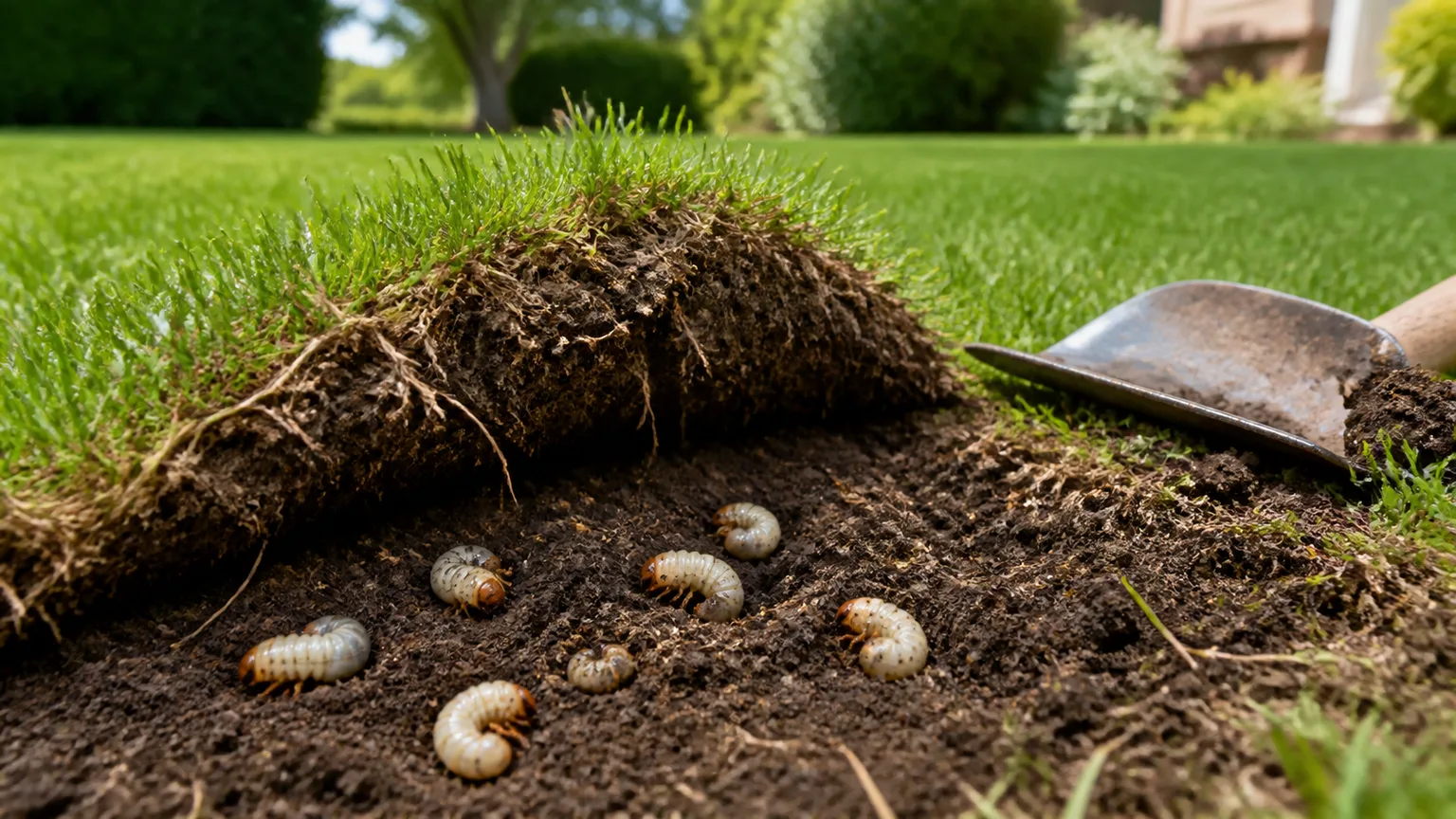
Raccoons may flip sections of turf or mulch while searching for earthworms and grubs. They can pull up young plants, roll containers, open loose lids, and leave dark, tubular droppings. A motion camera set at the garden edge for two or three nights is more dependable than guessing from a single damaged tomato. Deer usually leave hoof prints and ragged browsing; rabbits leave smaller tooth marks and pellets; groundhogs tend to make low, repeated bites and burrows; skunks often leave cone-shaped digging holes.
Do not approach, corner, or feed a raccoon. An animal that is staggering, unusually aggressive, disoriented, injured, or active in full daylight needs distance and a call to your local wildlife agency or a licensed wildlife professional. Rabies risk and other wildlife diseases make handling a bad garden project.
Find the food reward and access route
Walk outward from the damaged bed and make two lists. The first is every food or water reward: ripe vegetables, fallen fruit, bird seed, suet, pet bowls, open compost, garbage, grubs in fresh mulch, and standing water. The second is every route: a fence top, low branch, deck, shed roof, retaining wall, drainpipe, gate gap, or soft strip beneath the fence.
You are looking for the easiest explanation. If the soil is pawed but the vegetables are untouched, insects or grubs may be the primary attraction. If the crop is eaten but the fence is undisturbed, the raccoon may be climbing over a nearby object. If the same corner is damaged every night, begin your barrier there instead of fencing the entire property blindly.
1. Remove every easy meal for one week
Sanitation is not glamorous, but it is the first control because it prevents a raccoon from being rewarded while you improve the garden. Harvest ripe produce promptly. Pick up fallen fruit and vegetables each evening. Bring pet food and water indoors before dark, secure garbage with a latched lid, and keep compost in a closed container that cannot be tipped over.
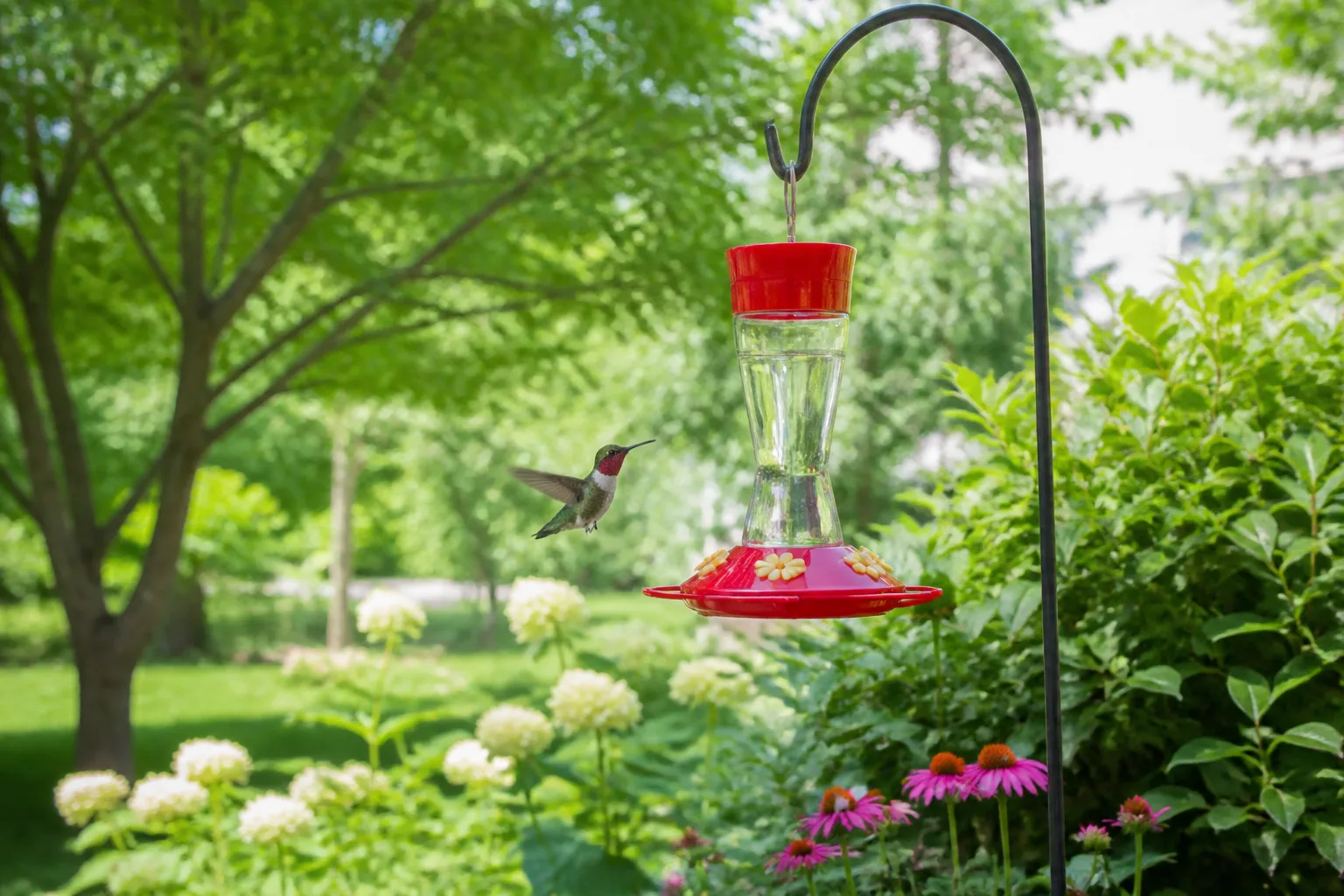
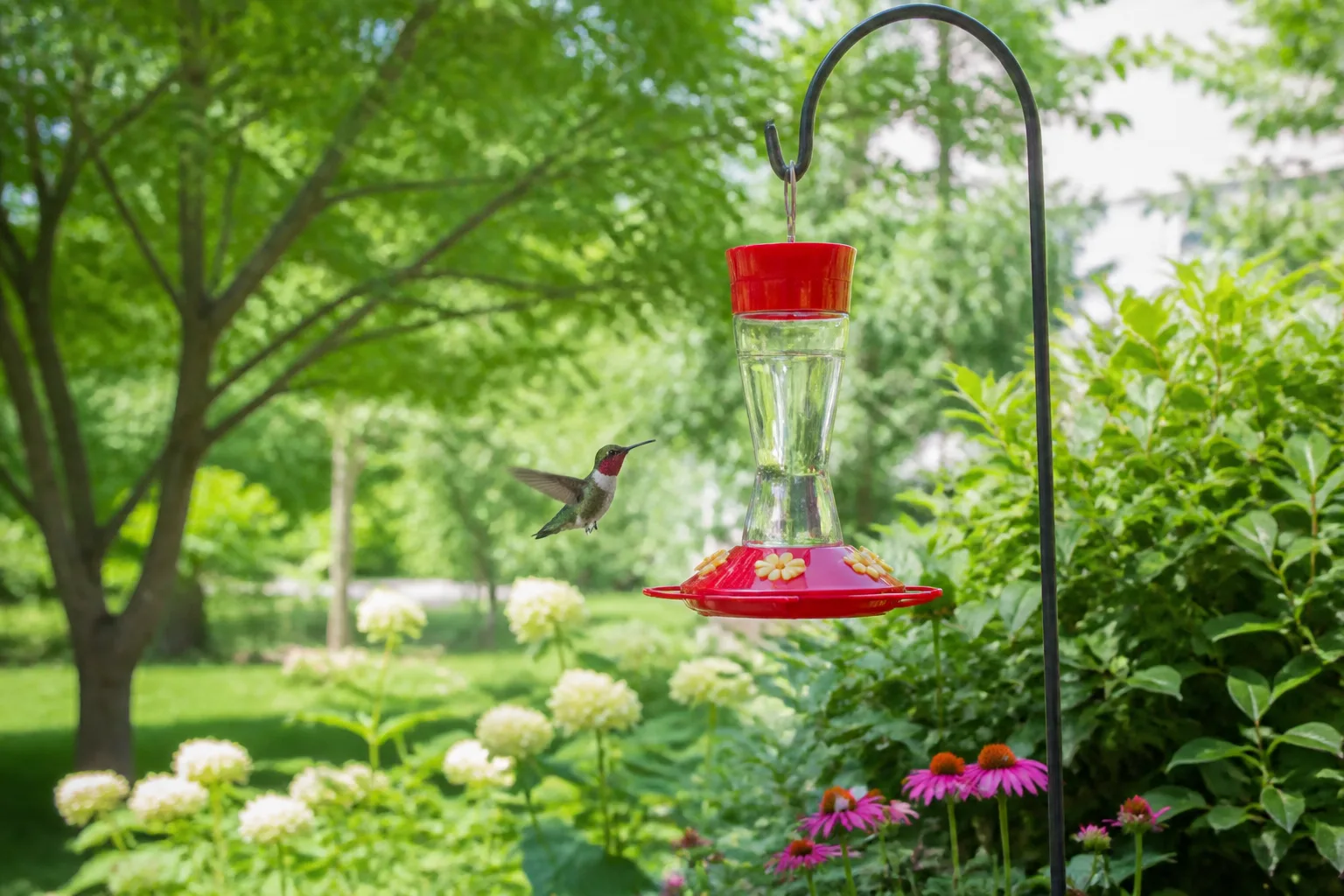
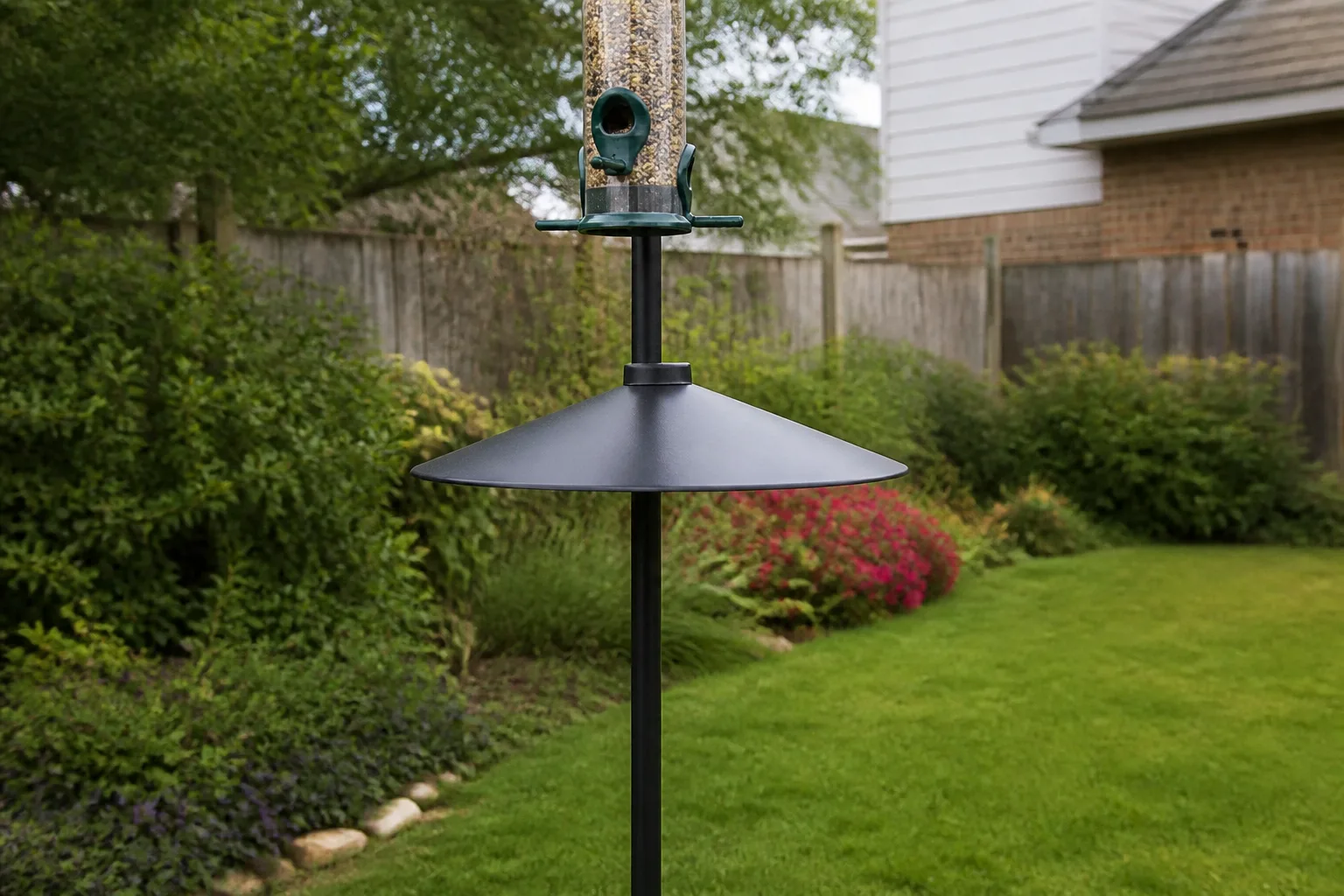
Sweep or rake spilled seed under bird feeders, including seed hidden beneath leaves. If raccoons are visiting a feeder, take detachable feeders down before dusk during the reset period. Do not leave a catch tray full of wet seed on the ground; it simply turns the feeder station into a low bowl of food.
University of California Integrated Pest Management guidance emphasizes exclusion and removal of attractants for nuisance wildlife. That principle matters here: a repellent cannot compete with a reliable calorie source. Clean the ground daily for the first week, then adjust the routine once new tracks and damage stop.
2. Protect the crops raccoons want most
Raccoons are opportunistic, but ripening sweet crops deserve priority protection. Corn, melons, berries, grapes, peaches, tomatoes, and other ripe fruit are common targets. Pick at the first usable stage rather than leaving a fully ripe crop exposed for several nights. For melons and squash, support fruit on a trellis or platform only if the support does not create a bridge over your barrier.
Use individual cages or a temporary frame over a few high-value plants. Secure the cover at ground level with landscape staples, boards, or a buried edge. A loose sheet draped over plants is easy to nose under and may entangle birds or small mammals. Check the cover after wind, rain, and watering.
For corn, a fence around the bed is usually more dependable than trying to cover each ear. Harvest promptly, remove damaged ears, and do not leave husks or cobs in an open compost pile. If the crop is nearly finished, a short-term barrier may be all you need; permanent fencing is a better investment when the same bed is used every season.
3. Build a fence raccoons cannot simply climb or dig under
A fence works when it addresses three behaviors: climbing, reaching, and digging. A rigid panel alone may fail if the raccoon can climb it, and a low mesh edge may fail if the animal can lift or tunnel beneath it. Extend the barrier outward along the soil surface or bury the lower edge several inches, and anchor it so there is no loose corner to nose underneath.
For a small raised bed, use welded wire or hardware cloth with a secure top and a skirt fastened to the frame. For a larger vegetable garden, combine a tall, tight mesh perimeter with an outward-facing buried or pinned apron. Inspect gates daily at first; the gate gap is often the weakest point.
When low electric fencing makes sense
A properly installed, low electric fence can be effective around a garden because it changes the animal’s cost-benefit calculation before it reaches the crops. Use a product designed for the situation and follow its instructions for grounding, energizer type, warning signs, and safe placement. The New York City Department of Health’s raccoon guidance stresses keeping distance from wildlife and avoiding direct contact. Keep vegetation from shorting the wire and keep children and pets away from the setup.
Two low wires are often used as a starting arrangement: one several inches above the ground and another roughly a foot higher. Treat those dimensions as a planning reference, not a universal prescription. Soil, slope, snow, vegetation, and local safety rules matter. Do not electrify improvised wire near a walkway, and do not use a fence where you cannot inspect it regularly.
Raccoons may climb over a non-electric fence, so trim branches and remove stacked lumber, trellises, bins, and other launch points beside it. The best barrier is the one that is complete at the bottom, hard to climb, and easy for you to maintain.
4. Cover small beds with secure netting
Netting is useful when the problem is concentrated in one raised bed, berry patch, or ripening crop. Build a frame so the mesh is held above the plants, then pin or bury its edges. Choose a mesh that is visible and taut rather than a loose web that can catch birds, snakes, or pets.
Inspect the perimeter after installation. A raccoon may pull at a corner, roll a lightweight hoop, or reach through a large opening. Weigh down the edges with boards or clips that you can remove for harvesting. Netting is usually a seasonal crop-protection tool, not a replacement for closing trash, compost, and pet food.
5. Make the garden less convenient after dark
Raccoons are usually most active at night, so timing can help. Remove loose harvest baskets, trays, and portable feeders before dusk. Close the garden gate, bring in ripe produce, and use a secure storage area for seed and fertilizer. If a raccoon has learned to visit at a predictable time, a week of no reward can break the routine while the physical barrier is improved.
Motion sprinklers and lights as supporting tools
A motion-activated sprinkler can startle an animal approaching a garden, especially when aimed at a known entry path. A motion light may make the space less comfortable, but raccoons often habituate to repeated signals. Move the device or rotate the cue instead of leaving it in the same position for months.
Keep water away from electrical connections, slippery walkways, windows, and children’s play areas. Avoid aiming a sprinkler directly into a bird feeder or onto ripening produce. Use these tools as a supporting layer after sanitation and exclusion, not as permission to leave an open buffet in the yard.
6. Close denning and launch points around the yard
A garden may be only the visible part of the problem. Raccoons can shelter beneath decks, in sheds, attics, chimneys, brush piles, and hollow structures. Seal gaps in buildings only after confirming that no animal or dependent young is inside. A one-way door or professional exclusion plan may be safer than blocking an entrance and trapping animals indoors.
Prune low branches that touch the roof, fence, or garden frame. Move firewood, lumber, and unused pots away from the garden edge. Repair a gate that lifts from its hinges and fill a gap under a fence with a properly anchored apron. Remove brush piles only when you are confident they are not occupied.
If you have a pond, protect fish with a secure net or a design that gives fish deep cover and prevents easy access. Never rely on a pet to chase a raccoon. Dogs and cats can be injured in a confrontation, and allowing pets to interact with wildlife increases risk for everyone.
7. Use repellents cautiously and rotate expectations
Commercial repellents may help at the edge of a garden, but they are temporary. Rain, irrigation, new plant growth, and warm weather reduce their effect. Reapply only according to the label, and do not put a product on edible crops unless the label specifically allows that use and provides directions for harvest intervals.
Avoid mothballs, loose ammonia, bleach, gasoline, hot-wire improvisations, and concentrated homemade mixtures. These can poison pets and wildlife, contaminate soil or water, damage plants, or create a fire hazard. Strong smells are not a substitute for a barrier, and a raccoon that is hungry or already habituated may ignore them.
Plant-based claims deserve skepticism. There is no dependable list of flowers that makes a whole garden raccoon-proof. A pungent plant might alter a small route, but it will not outweigh ripe corn, open compost, or a sheltered den. Spend effort on the food reward and access geometry first.
What not to put in a raccoon garden
Do not use poison, glue traps, snares, or sharp barriers. They can injure non-target animals and create a dangerous carcass or entanglement problem. Do not leave food out to lure a raccoon away from the vegetables; feeding teaches the animal that your property is a dependable source.
Do not trap and move an animal on a whim. Relocation rules vary by state, province, county, and municipality, and moving a raccoon can spread disease, separate a mother from young, or place the animal in unfamiliar habitat. A live trap also requires frequent monitoring and safe handling. If the raccoon is inside a building, under a deck, or repeatedly ignoring exclusion, call a licensed wildlife-control professional and ask how they will prevent re-entry.
When trapping or professional help is appropriate
Call for help when a raccoon is denning in an attic, chimney, wall, crawl space, or occupied structure; when there are young; when the animal behaves abnormally; or when damage continues after a complete sanitation and exclusion attempt. Ask for humane exclusion and repair, not simply removal. A professional should explain how they will check for dependent young, close entry points, and prevent the next animal from using the same opening.
If local rules allow a live trap for a specific situation, obtain permission first and use the trap exactly as directed by the wildlife authority or professional. Never transport a trapped raccoon without confirming that it is legal. Keep people and pets away from the cage, and do not attempt to release or handle the animal yourself.
A seven-day raccoon reset plan
Day 1: Photograph the damage, inspect for tracks, pick all ripe produce, remove fallen food, close trash and compost, and bring pet bowls inside.
Day 2: Walk the perimeter and mark the entry route. Move branches, bins, lumber, trellises, and other launch points. Repair the gate and close the largest ground-level gap.
Day 3: Install the barrier around the most valuable bed. Pin or bury the bottom edge, secure the gate, and check that netting cannot entangle wildlife.
Day 4: Clean the area again at dusk. If a feeder is nearby, remove it overnight and sweep spilled seed from the ground.
Day 5: Add a motion sprinkler or light to the active approach route if needed. Keep it away from electrical hazards and walkways.
Day 6: Inspect for new tracks, lifted edges, bent mesh, and fresh droppings. Repair the weak point rather than adding another random scent.
Day 7: Decide whether damage has stopped. Keep the routine that removed the food reward, and upgrade to professional exclusion if the animal is denning, entering a building, or defeating a complete barrier.
Conclusion
Keeping raccoons out of a garden is less about finding a magic smell and more about changing the yard’s rewards and routes. Clean the garden edge, harvest promptly, secure every food source, protect high-value crops, and build a barrier that accounts for climbing and digging. Motion devices and labeled repellents can support that work, but they are rarely enough on their own. If a raccoon is denning, acting strangely, or still getting through after careful exclusion, involve local wildlife professionals rather than escalating to unsafe traps or poisons.