How to Create a Winter Sensory Garden
Learn how to design a winter sensory garden for scent, sight, touch, sound, and taste, with plant choices and low-maintenance ideas for any space.
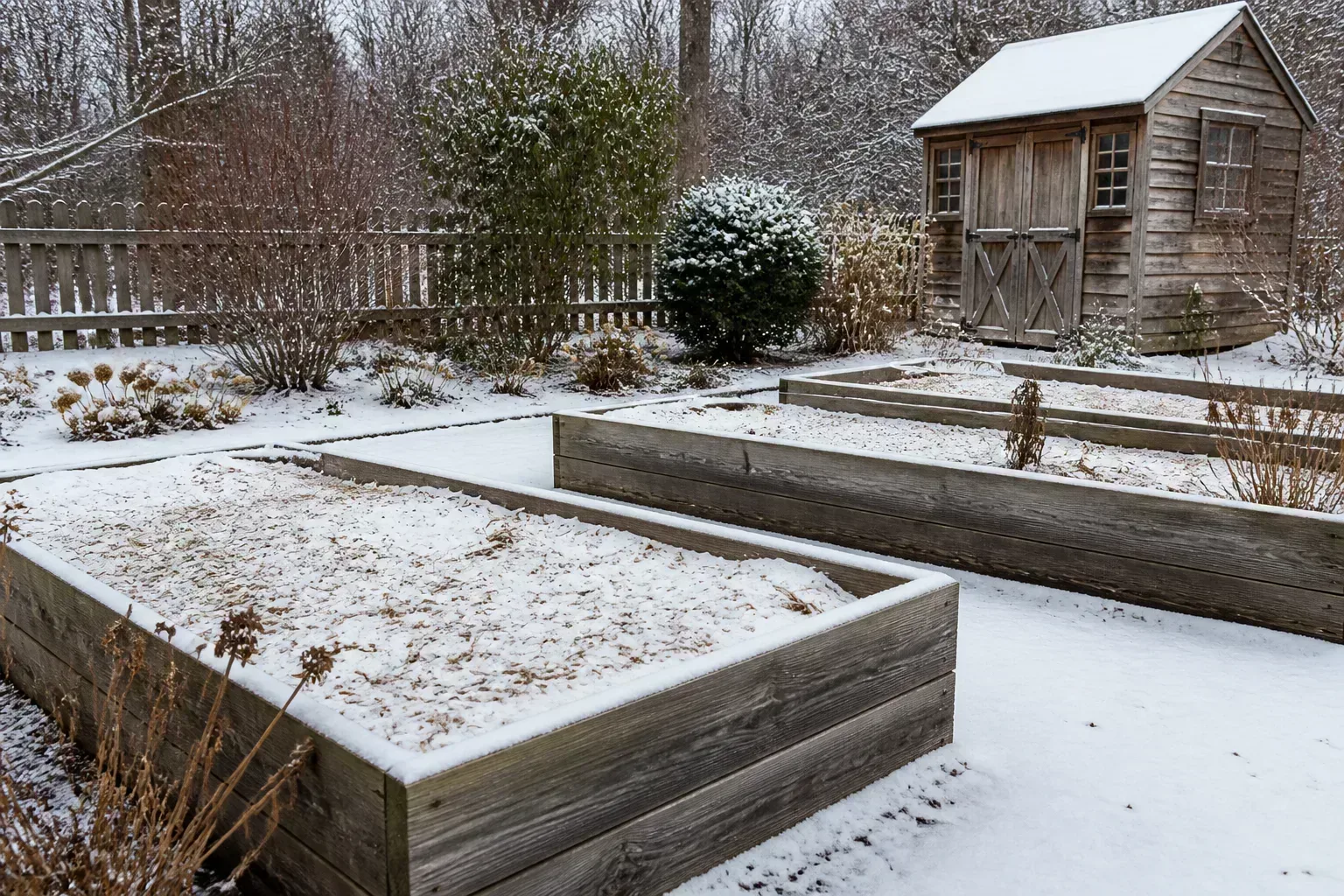
A winter sensory garden is not a special kind of garden that requires a large budget or a long plant list. It is a small, intentional outdoor space arranged so you can notice winter through sight, smell, touch, sound, and—if you choose—taste. A doorway border, balcony, raised bed, or group of containers can all do the job.
Winter gives you different material to work with than summer. Flowers may be fewer, but bare branches, evergreen leaves, colored stems, seed heads, berries, birds, wind, and low sunlight can make the garden feel layered and alive. The Royal Horticultural Society describes sensory gardening as a way to heighten the experience of nurturing and observing plants, and emphasizes that the best choices depend on the people using the space (RHS).
The goal is not to force every sense into every square foot. Start with one route, one place to pause, and a few reliable sensory cues. Then choose plants that fit your climate and exposure instead of buying a winter plant because it looks good on a label.
Start With a Small, Walkable Garden Zone
Choose the part of the garden you are most likely to visit in winter: the path to the mailbox, the back door, a kitchen window, or a sheltered patio. A garden hidden at the far end of a wet lawn can be beautiful and still fail as a seasonal escape because you will not want to cross the space to reach it on a cold, dark afternoon.
Sketch a short loop or a straight approach with a stopping point. You do not need a formal path; a firm surface, stepping stones set level with the ground, or a clear strip beside a bed is enough. Leave room for winter boots, a watering can, and a chair or leaning rail if those will help you stay outside longer.
Place the strongest sensory details at the speed of the walk. Put a fragrant shrub beside the gate or doorway, textured foliage at hand height, and a berrying or flowering plant where it can be seen from the approach. Put quieter details—bark, seed heads, the sound of grasses—near the place where you sit.
Choose the Best Winter Microclimate
Observe the site on a cold day before planting. A south-facing wall may warm a container and concentrate fragrance, while an exposed corner can strip scent away and punish broad evergreen leaves with drying wind. A low spot that holds water may be fine for some plants but frustrating for rosemary, lavender, and other herbs that need fast drainage.
Look for a balance of winter light and shelter. Many fragrant plants perform best where their flowers or leaves can be reached easily and are not immediately battered by wind; BBC Gardeners’ World specifically recommends large, well-drained containers and sheltered placement for winter-scented plants (BBC Gardeners’ World Magazine). If the site is shaded, lean into bark, evergreen form, pale stems, and foliage texture rather than promising a border full of sun-loving flowers.
Use your indoor view as part of the design. A winter sensory garden can be enjoyed through a window when ice or deep snow makes a walk unsafe. Frame the most dependable structure—an evergreen, colored-stem shrub, or sculptural seed head—where you can see it from the room where you spend the most time.
Design a Five-Sense Planting Palette
Treat the five senses as a checklist for balance, not a demand for five separate garden zones. A winter honeysuckle might provide fragrance and flowers for early pollinators; a grass can add movement, sound, and structure; a rosemary pot can offer scent and an edible leaf. Multi-use plants make a small garden feel generous.
For each sense, choose one anchor and one supporting detail:
- Sight: an evergreen shape, colored stem, berry, winter flower, or strong container silhouette.
- Smell: a shrub or herb whose fragrance you can reach from the path.
- Touch: a soft leaf, peeling bark, smooth stone, or rustling grass placed where gentle contact is safe.
- Sound: birds, moving foliage, or a quiet water feature rather than several competing noises.
- Taste: a clearly marked group of edible herbs, only if the garden can be managed so nobody confuses them with ornamental plants.
This prevents the common mistake of buying several colorful plants and discovering that the garden has no winter scent, no comfortable place to sit, and no reason to linger. PlantNYS defines a sensory garden as a collection of plants and other elements that appeal to one or more of the five senses, and also stresses that the space should be enjoyable for people with and without disabilities (PlantNYS).
Keep the palette calm enough to use. One strong fragrance beside a seat may be more enjoyable than six perfumed plants blooming at once. Likewise, one birdbath or gentle fountain can create a focal sound; a feeder, wind chime, pump, and rustling bamboo together may turn a quiet retreat into a busy corner.
Build Winter Sight With Shape, Color, and Light
Winter color is more dependable when you build it from several kinds of interest. Evergreen leaves hold the composition together, while stems, bark, berries, seed heads, and flowers take turns catching the eye. The RHS highlights winter gardens that combine stems, bark, winter flowers, berries, evergreen foliage, and seed heads rather than relying on one spectacular bloom (RHS).
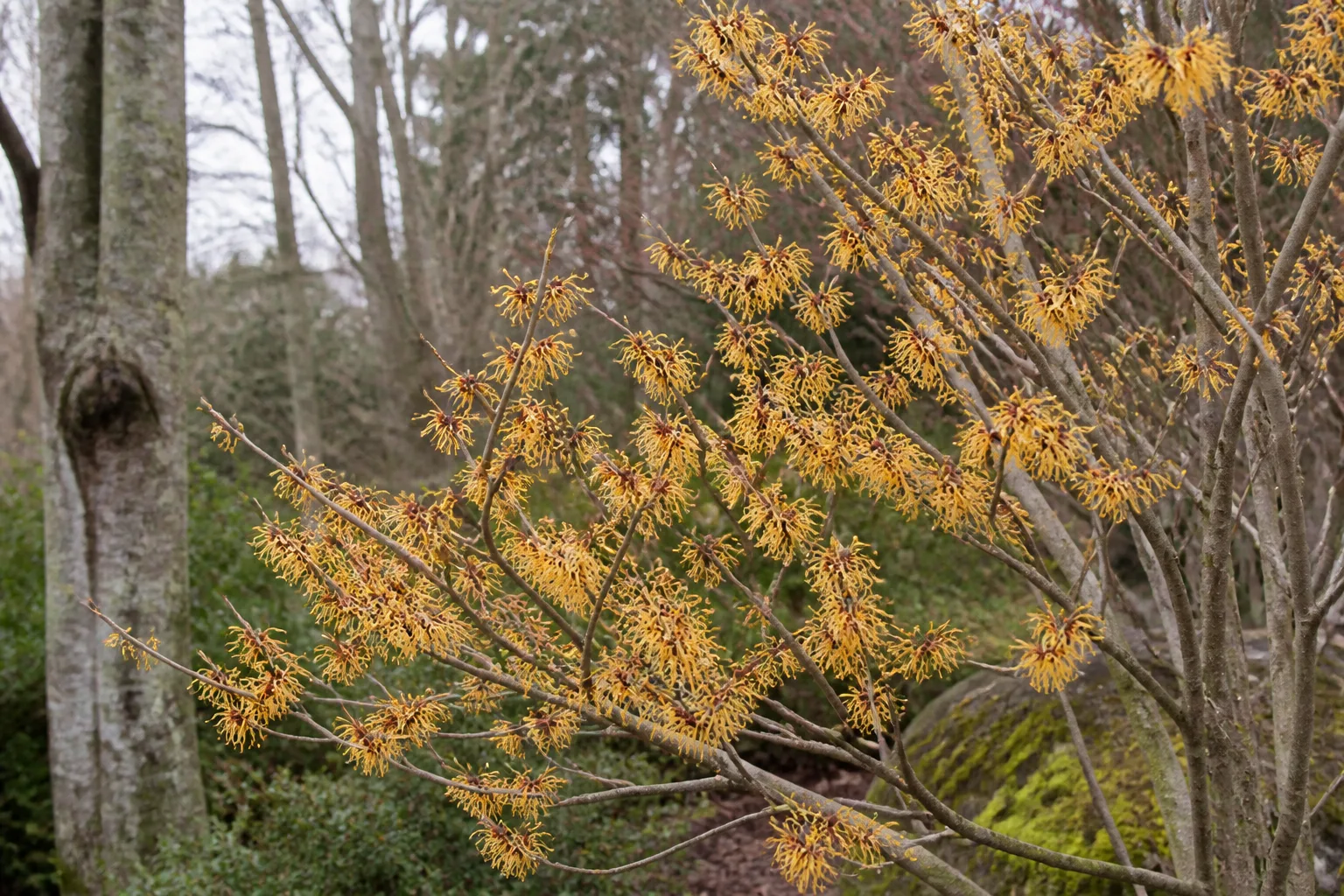
Use contrast deliberately. Pair a dark evergreen with pale bark, red or orange stems with snow or gravel, and fine grass heads with a broad-leaved shrub. A single bright berry cluster can be more visible than a crowded planting if it has quiet space around it.
Low winter sun is part of the palette. Place grasses, birch-like bark, open branches, or translucent seed heads where morning or late-afternoon light can pass through them. If the garden is viewed mostly from indoors, test the sightline from a chair or kitchen counter; a plant that looks dramatic while standing in the bed may disappear behind a fence from the window.
Use Stems, Bark, Berries, and Evergreen Form
For colored stems, look at dogwood selections suited to your area. For berries, consider holly or winterberry, but remember that winterberry is deciduous: its leaves drop, leaving the red fruit on bare branches. Many cultivars also need compatible male and female plants for a good berry display, so check the nursery tag rather than assuming one shrub will fruit heavily.
For flowers, witch hazel, snowdrops, hellebores, and early crocus can create bright points in different parts of winter, but bloom timing varies with climate and exposure. Fine Gardening’s winter-garden examples show why a succession of snowdrops, daphne, and other seasonal plants is more useful than choosing a single “winter bloomer” and expecting it to perform on a fixed date (Fine Gardening).
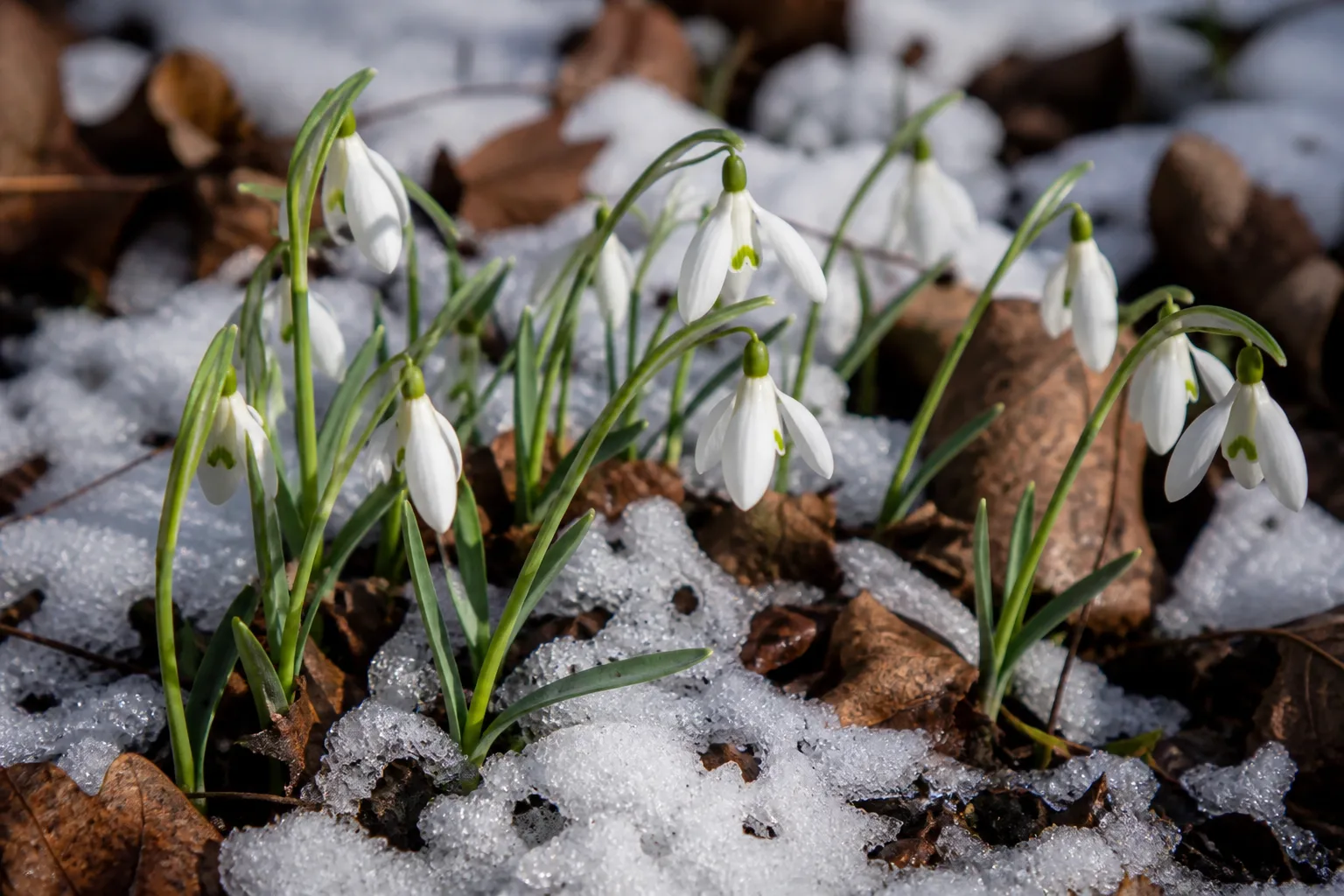
Do not cut every perennial down in autumn. Dry coneflower, sedum, ornamental grass, and other seed heads can provide winter silhouettes and food or cover for wildlife. Leave them where they remain sturdy and attractive, then cut them back when new growth or access requires it. Remove anything that collapses into a wet, slippery mat beside the path.
Add Fragrance Where You Will Notice It
Scent is easy to waste in an open winter garden. Wind disperses fragrance, cold reduces how much you notice, and a plant placed ten feet away may be invisible to your nose even when it is blooming. Put scented plants beside a door, gate, bench, or narrow path where you pass close enough to experience them.
Choose fragrance for the season you want to extend. Winter honeysuckle and sweet box can offer perfume during the colder months; witch hazel, wintersweet, mahonia, and some daphnes add flowers and fragrance in areas where they are hardy. Rosemary, sage, and thyme contribute aromatic foliage when brushed, but they need sun and well-drained soil and may need protection or relocation in colder climates.
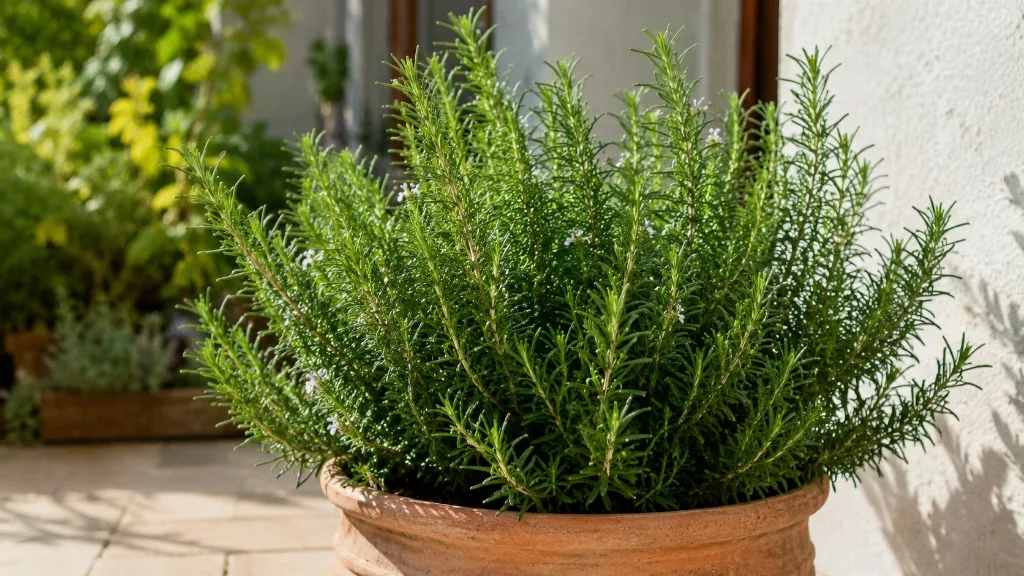
Warmth and shelter matter. A plant in a sheltered spot near a wall may release more scent than the same plant in an exposed bed, and Gardeners’ World notes that winter fragrance can come from container-grown witch hazel, sweet box, daphne, rosemary, wintersweet, winter honeysuckle, and mahonia (BBC Gardeners’ World Magazine). Verify the mature size and winter tolerance before putting a shrub in a small passage.
Best Winter-Scented Plants
Use this as a menu, not a universal shopping list:
- Winter honeysuckle (Lonicera fragrantissima and related types): creamy flowers and strong fragrance on a shrub that works well near a gate or door. The RHS recommends sheltered placement and notes that winter-flowering honeysuckles can support early pollinators and, in some cases, later berry production (RHS).
- Sweet box (Sarcococca confusa): an understated evergreen with small flowers and powerful winter scent, useful in a partly shaded entry planting or a large container.
- Witch hazel (Hamamelis): spidery winter flowers, architectural branching, and fragrance; give it enough room to become a shrub rather than treating it like a border annual.
- Wintersweet (Chimonanthus praecox): bare branches and very fragrant flowers, best where its eventual size and local hardiness make sense.
- Rosemary, sage, and thyme: edible or culinary herbs that release scent when brushed, provided the site is sunny, sharply drained, and warm enough for the plant.
- Daphne: intensely fragrant flowers, but daphnes can dislike root disturbance and have specific growing requirements. Buy a healthy plant, place it once, and avoid crowding it with several competing perfumes.
If you combine fragrances, stagger them along the route. The RHS warns that planting winter honeysuckle beside another strongly fragrant plant can create an unpleasant mix, a useful reminder that “more scent” is not always better (RHS).
Use Texture Without Creating a Safety Problem
Texture should invite a gentle pause, not require people to grab every plant. Put soft lamb’s ear where it can be touched without stepping into a bed, use peeling or ridged bark as a visual and tactile feature, and let fine grasses move at the edge of a path. The RHS lists downy leaves, grasses, and different bark types as ways to create tactile variety (RHS).
Add nonliving textures so the garden does not depend on tender foliage surviving winter. Smooth river stones, a rough but stable log, pinecones in a shallow basket, and a wooden bench can make the space interesting even when plants are dormant. Secure anything that could roll into a path, and avoid loose gravel where it makes walking unstable.
Create a boundary between “touch gently” plants and plants that should be viewed only. Thorny shrubs, spiky leaves, irritating sap, unknown berries, and brittle dried stems do not belong at hand level on a route used by toddlers, pets, or anyone with limited vision. Sensory does not mean everything is safe to handle.
Make the instruction physical rather than text-heavy. A low rail, raised planter edge, or clearly separated herb box can show where it is appropriate to reach. If children use the garden, a two-finger touch rule and a designated tasting area are more useful than assuming they will know which plants are edible.
Make Sound With Birds, Wind, and Water
Start by listening before adding equipment. Winter may already give you wind through branches, rain on leaves, distant birds, and the soft scrape of seed heads. A sensory garden feels more restorative when a new sound supports the existing soundscape instead of covering it completely.
Water is optional. A small recirculating fountain can mask traffic and provide a steady trickle, while a shallow birdbath adds movement and wildlife activity without a pump. Choose a feature you can safely clean, keep from becoming a slipping hazard, and protect from freezing damage according to the manufacturer’s instructions.
Plants can make sound too. Dry grasses and retained leaves rustle, and a hedge or group of shrubs can soften a hard boundary. If you consider bamboo for movement or screening, follow the RHS warning to choose non-invasive, clump-forming types; a plant that escapes its bed is a poor trade for a little winter swish (RHS).
Invite Birds With Habitat, Not Just Feeders
Birdsong is most reliable when birds find the garden useful, not merely decorative. Garden for Birds summarizes the basic habitat needs as food, water, shelter, and safe places to raise young, and notes that native plants are the foundation of that habitat (Garden for Birds). In winter, that can mean seed heads, berries, dense evergreen cover, and a clean water source as much as a feeder.
Leave selected seed heads standing, add locally appropriate native shrubs or trees, and let a small area remain less manicured if it does not block the path. If you use a feeder, place it where you can clean and refill it easily and where birds have nearby cover but predators cannot hide immediately beside it. A birdbath or shallow dish should be stable, refreshed, and positioned where fallen leaves will not turn the water into a stagnant bowl.
Avoid designing the sound section around one bird species. The visitors depend on region, habitat, weather, and food, so promise only that the garden will offer better conditions for wildlife. You may hear birds before you see them, which is part of the sensory experience.
Make Taste Optional and Clearly Safe
Taste is the sense most likely to create confusion, so it deserves its own boundary. A winter sensory garden does not need edible plants; if children, pets, or guests may explore it, a sight-and-scent garden with no tasting invitation can be the safer and simpler choice.
If you include taste, group and label culinary herbs such as rosemary, thyme, sage, chives, parsley, or hardy sorrel in a dedicated planter. PlantNYS and the RHS include herbs and edible plants in sensory-garden examples, but KidsGardening also warns that not everything in a garden is edible and recommends avoiding plants with toxic parts in spaces used by very young children (KidsGardening).
Never encourage anyone to sample an unidentified berry, leaf, flower, or seed head. Holly and winterberry may provide valuable winter color and wildlife food, but they are ornamental choices here, not tasting plants. Keep treated plants out of the edible zone, wash harvests, and teach children to ask before touching or eating anything.
Plant in Layers for Small Spaces and Containers
Use three layers even if the garden is only a few feet wide. A low layer can be thyme, sedum, heuchera, or a small winter bulb; a middle layer can be rosemary, sage, hellebore, evergreen fern, or a compact shrub; and a tall layer can be a small tree, trellis, colored-stem shrub, or grass. The layers make the garden legible from a distance and rewarding up close.
For a balcony or patio, use large containers with drainage holes, stable bases, and enough root space for the plant you choose. Large pots lose moisture more slowly and give roots more insulation than tiny decorative pots, while grouping containers near a wall can reduce exposure. Move tender herbs to shelter before a hard freeze instead of pretending a pot has the same protection as ground soil.
Containers are also useful for testing the idea. Put a rosemary pot by the door, a shallow dish or birdbath where it can be seen from a window, and a pot of winter flowers or a small evergreen near a chair. Live with that arrangement for two weeks; the spots you actually visit will tell you more than a perfect plan drawn indoors.
Create an Accessible, Comfortable Place to Pause
Accessibility is part of sensory design, not an afterthought. Make the main route firm, level, and wide enough for the people who will use it; reduce glare and trip hazards; and give a clear edge where the path meets the bed. Avoid forcing a visitor to reach through spiky branches or step onto loose stones to smell a plant.
Add a seat with a back or arm support if that makes standing up easier. A raised planter can bring fragrance, leaves, and herbs within reach for someone who cannot bend easily, while a low planting can help a child or seated gardener see the details. PlantNYS specifically frames sensory gardens as spaces that should be accessible to disabled and non-disabled people (PlantNYS).
Keep the pause point comfortable in real winter weather. A wall can block wind, a nearby evergreen can provide a sense of enclosure, and a view of the garden from inside can extend its use on icy days. Do not put a water feature, electrical cord, or slippery mossy stone where it creates a hazard beside the chair.
Keep Winter Features Healthy and Low-Work
Winter maintenance should protect the experience rather than turn the garden into another chore. Check containers for dry soil during thaws, clear leaves from drains and paths, remove broken branches, and inspect water features after storms. Watering needs are lower in cold weather, but evergreen plants and containers can still dry during windy, sunny spells.
Keep the strongest maintenance tasks close to the route. A small hand pruner, brush, watering can, and cleanable tray stored nearby will make it easier to remove a collapsed stem or refresh a birdbath. Do not prune every shrub for tidiness; retain useful stems and seed heads until they become unsafe, diseased, or obstructive.
Common Winter Sensory-Garden Mistakes
Choosing plants for a catalog photo instead of the site. A fragrant shrub that needs shelter will disappoint in a wind tunnel, and a sun-loving herb will decline in damp shade. Start with the microclimate, then select the plant.
Putting every sensory element at once place. A feeder above a seat, a fountain beside a chime, and several intense fragrances can create clutter. Spread the experiences along the route and give each one enough quiet space to register.
Treating flowers as the only winter interest. Snow, deep shade, and regional bloom dates can erase a flower display. Evergreen shape, bark, stems, berries, and seed heads are the structural insurance.
Making the garden edible by accident. Attractive berries and fragrant leaves are not automatically safe to taste. Separate edible herbs, keep them identifiable, and make the no-tasting rule explicit for unknown plants.
Ignoring wildlife after installing a feeder. Food without water, shelter, and safe cover does not create a complete habitat. Native plants and retained plant material can support more of the seasonal food web than a feeder alone (Garden for Birds).
Building a water feature you will not maintain. Stagnant, dirty, frozen, or hard-to-reach water quickly becomes a liability. Choose a smaller feature that fits your cleaning routine, or rely on rain, birds, and wind for sound.
Refresh the Garden as Winter Changes
Think in transitions rather than one fixed winter display. Early winter may be about evergreen foliage, seed heads, and the first fragrant shrubs; midwinter may bring witch hazel, winter honeysuckle, berries, bark, and birds; late winter may shift toward snowdrops, hellebores, crocus, and the first fresh herb growth.
Keep a short observation log. Note when the garden first smells good, when the seat becomes too windy, when the birdbath freezes, and which plants remain visible after snow. Those notes are more useful than a generic hardiness list because they describe your site, your weather, and the way you actually use the space.
As days lengthen, refresh rather than rebuild. Move containers into better light, cut back only plants that are collapsing, divide crowded perennials when the soil is workable, and add one new sensory layer for the next winter. A garden that evolves slowly is easier to care for and more personal than a complete makeover that has to perform immediately.
Conclusion
The most successful winter sensory garden is close enough to visit, sheltered enough to enjoy, and varied enough to reward a second look. Begin with a walkable zone and a place to pause, then combine a few dependable assets: an evergreen silhouette, a winter flower or colored stem, fragrance at nose height, a safe texture, and habitat that brings birds or other quiet movement.
Let climate, exposure, accessibility, and maintenance capacity set the limits. You do not need all five senses in equal measure, a fountain, or a large yard. One well-placed pot of rosemary beside a bench, a winter honeysuckle by the gate, or a bed of snowdrops beneath a small tree can be the first step toward a seasonal escape that feels genuinely yours.