How to Change Hydrangea Color From Pink to Blue
Learn how to change hydrangea color with a soil test, the right amendment, and realistic timing—plus which varieties stay white or resist a shift safely.
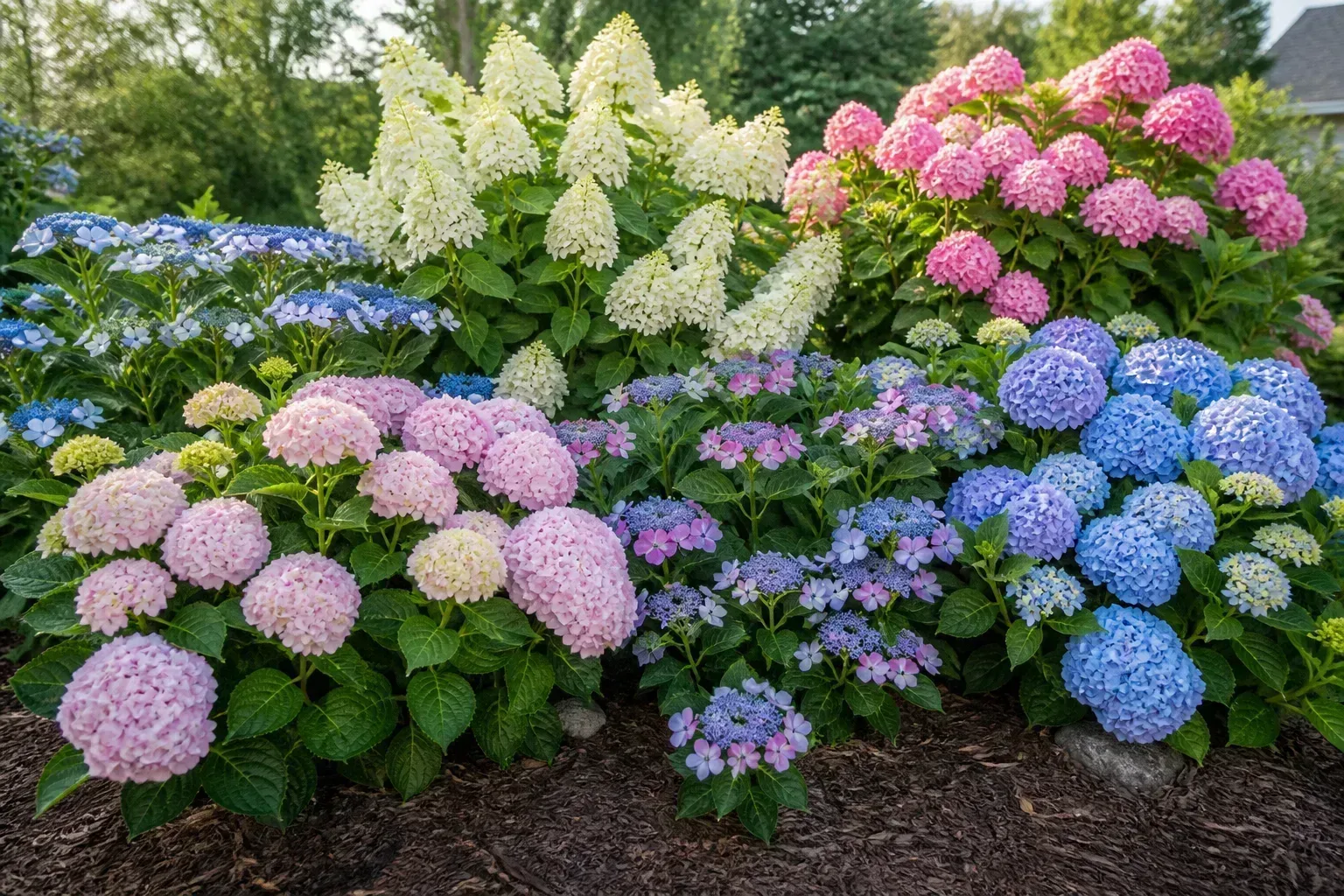
A pink or blue hydrangea can sometimes shift toward the other color, but the reliable route is slower and more controlled than pouring a household ingredient around the shrub. First identify the hydrangea, then test the soil where its roots are growing; only after that should you decide whether to lower or raise pH. This order prevents the two most common disappointments: treating a variety that cannot respond and changing the soil in a way that stresses the plant without making the desired color available.
The color change is also a goal, not a guarantee. Cultivar genetics, existing soil minerals, drainage, the starting pH, and the plant’s health all affect how much the flowers shift. If a dependable pink or blue display matters more than experimenting, choosing a cultivar already bred for that color is often easier than repeatedly adjusting the soil.
First confirm your hydrangea can change color
Do not buy a soil acidifier or lime until you know what is growing in the bed. The common name “hydrangea” covers several species, and a blueing treatment cannot turn a naturally white or cream panicle into a blue mophead. Check the original plant tag, purchase record, or a reliable identification guide; leaf shape and flower form can help, but cultivar labels are more useful than a guess based on color alone.
Bigleaf and mountain types are the candidates
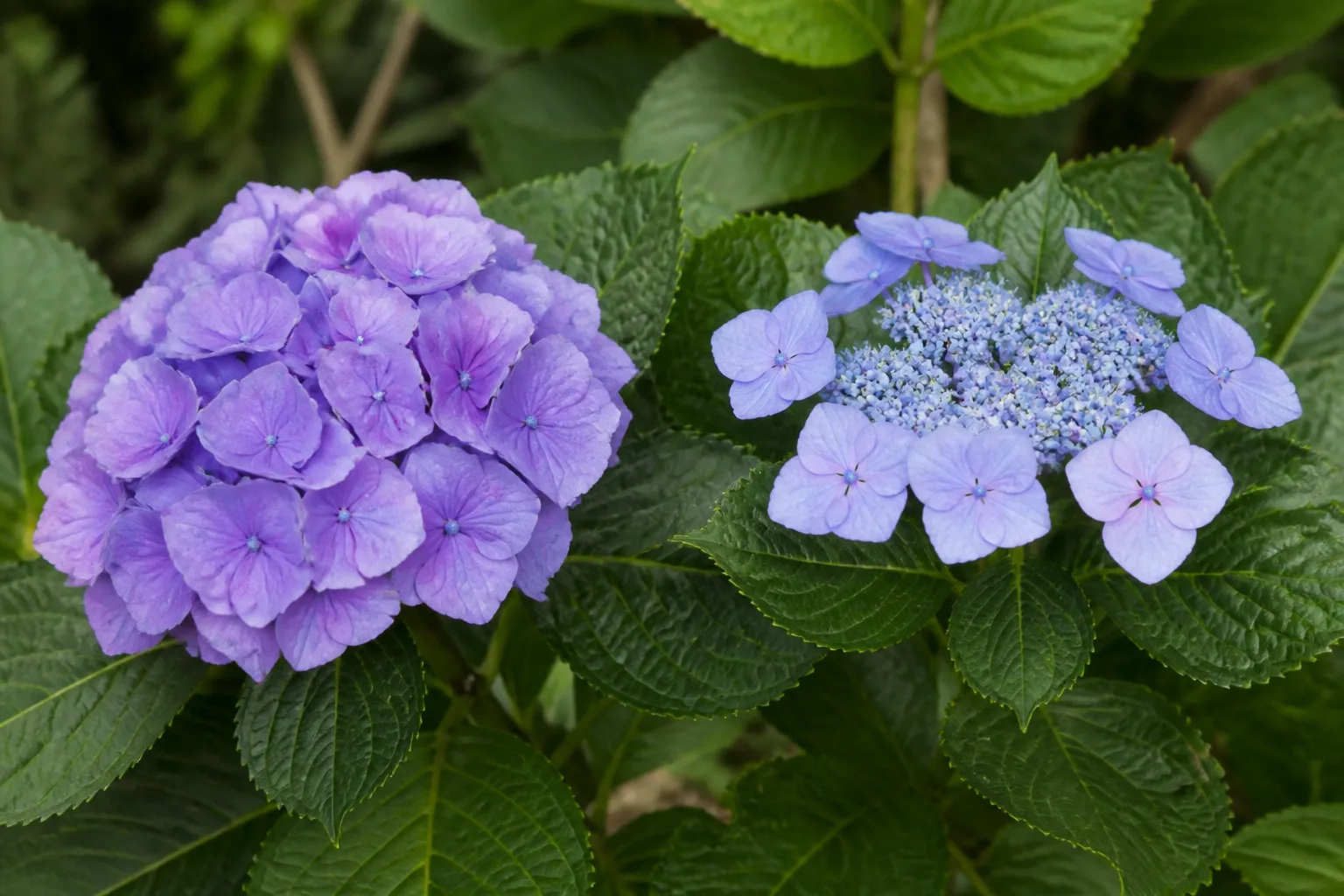
Color adjustment mainly applies to bigleaf hydrangeas (Hydrangea macrophylla) and mountain hydrangeas (H. serrata). Bigleafs include familiar mophead and lacecap forms: mopheads have rounded flower clusters, while lacecaps have a flatter ring of showy flowers around smaller central florets. These are the types commonly sold in blue, pink, purple, and bicolored cultivars.
Mountain hydrangeas can also respond, though many are smaller shrubs with more delicate leaves and flower heads. The University of Georgia’s University of Georgia Cooperative Extension explains the chemistry and treatment options for H. macrophylla; use its species focus as a reminder that published rates should not be transferred casually to every hydrangea in the yard. If you cannot identify your shrub confidently, a local Extension office or knowledgeable nursery can help before you amend.
White flowers and color-aging cultivars are exceptions
White-flowered hydrangeas generally lack the color response gardeners are trying to manage; adding aluminum sulfate will not make a white bloom blue. Panicle hydrangeas (H. paniculata), smooth hydrangeas (H. arborescens), oakleaf hydrangeas (H. quercifolia), and climbing hydrangeas are not switched from pink to blue by changing soil pH. Their flowers may age from white to blush, green, or tan as the season progresses, but that is a normal developmental change rather than proof that the soil is changing color.
Even within bigleaf and mountain hydrangeas, cultivars are not interchangeable. Some are more responsive, while others are bred to hold a pink, red, or blue range; white-flowered selections often remain white. Fine Gardening notes that cultivar and aluminum supply both matter, and the experts interviewed by Real Simple likewise caution that not every bigleaf responds equally. If the tag is missing and blooms have always stayed one shade, treat the result as uncertain rather than escalating amendment doses.
The real color mechanism: available aluminum
People often say “acid makes hydrangeas blue,” but pH is an indirect control. The pigment chemistry in a responsive flower can form blue when aluminum reaches the sepals; in more acidic soil, aluminum is generally more soluble and accessible to roots. At higher pH, aluminum becomes less available, so the same type of flower tends toward pink. University of Georgia CAES Field Report explains that pH affects aluminum availability, while a peer-reviewed review of hydrangea sepal color details the aluminum–pigment complex behind blue coloration.
Think of pH as a valve, not a dye. Lowering the pH does not paint a bloom blue overnight, and adding aluminum does not guarantee a blue flower if the root zone remains too alkaline or the cultivar is not responsive. Intermediate access to aluminum can produce lavender, mauve, or purple tones, and a single shrub may carry more than one shade when soil conditions vary across its roots.
These ranges are useful starting points, not exact promises for every garden. The University of Iowa’s hydrangea color explainer gives a similar approximate transition, and UGA Extension emphasizes that lower pH generally increases aluminum availability.
| Approximate soil pH | Likely direction on a responsive cultivar | What it means |
|---|---|---|
| About 5.0–5.5 | Blue to blue-violet | Acidic conditions make aluminum more available; do not push pH lower without test guidance. |
| About 5.5–6.5 | Purple, mauve, or mixed shades | The plant may receive an intermediate or uneven aluminum supply. |
| About 6.5–7.0 | Pink to pink-purple | Aluminum is less available; lime may be appropriate only if the test calls for it. |
The boundaries overlap because soil pH is not the only variable. Soil texture and buffering capacity, aluminum already present, cultivar genetics, and the spatial pattern of amendments can all affect the flower color you see. Use a lab’s recommendation for your actual soil instead of treating the table as a prescription.
Test the root-zone soil before choosing an amendment
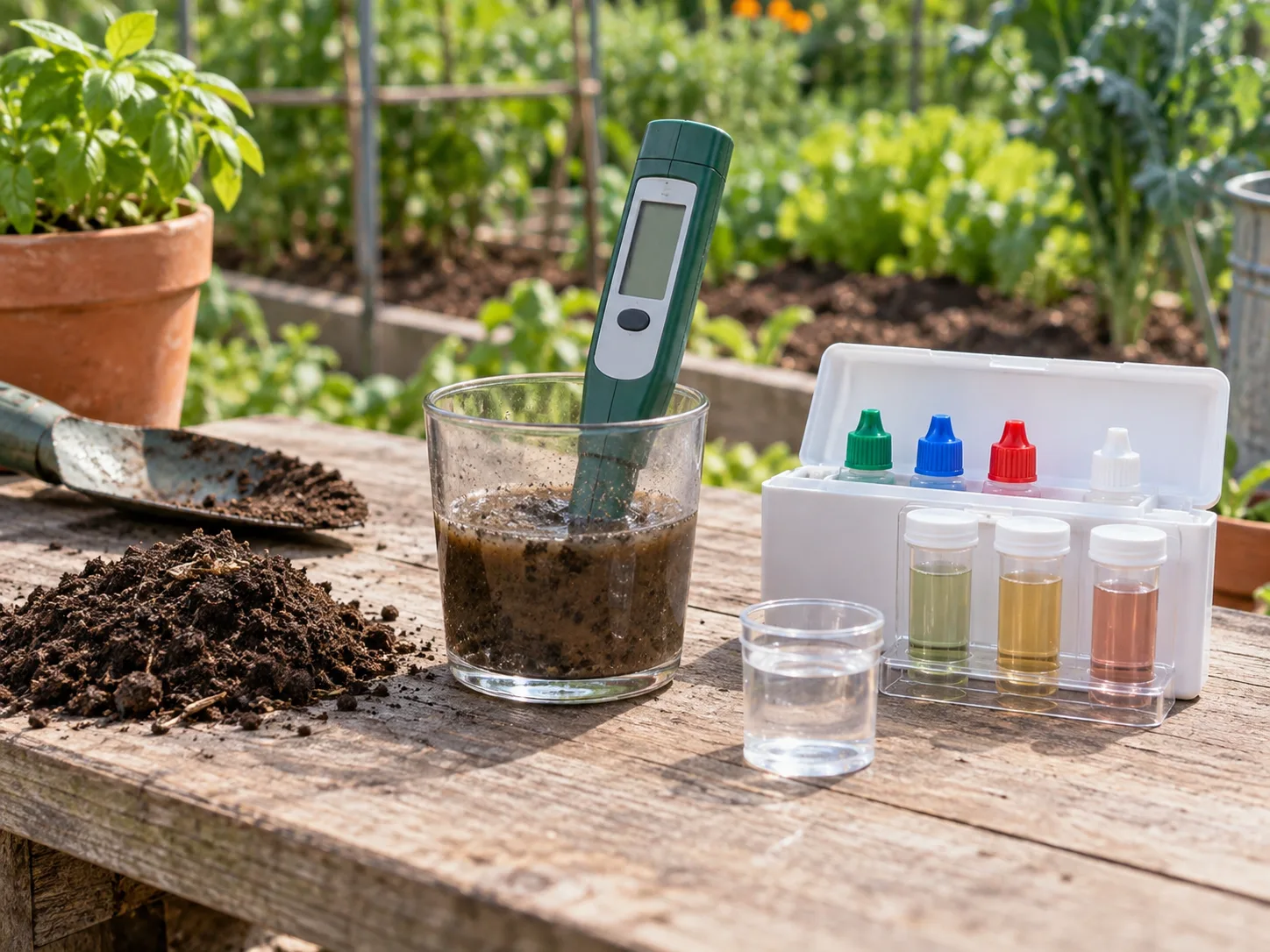
A soil test answers a more useful question than “Is my soil acidic?” It can show the current pH and, depending on the lab, whether the soil needs lime or sulfur and how much is appropriate for its texture and buffering capacity. This matters because two beds with the same pH reading can require different amounts of amendment to shift and hold that pH.
A quick home pH meter or kit can help screen a bed, but a laboratory test is a better basis for applying lime or a concentrated acidifier. Ask whether the lab can test soil from an established shrub bed and whether it provides crop- or plant-specific recommendations. Do not add aluminum sulfate simply to see whether a flower changes; excessive soluble aluminum and an unnecessarily low pH can damage roots and interfere with other nutrients.
How to take a useful soil sample
Sample the soil where the shrub’s feeder roots occupy the bed, rather than collecting only a pinch from beside the stem. Take several small samples from around the root zone, remove mulch and surface debris first, mix the soil together in a clean container, and submit the amount requested by the lab. If a bed includes plants with different fertilizer or pH needs, sample those areas separately instead of blending them.
For a container hydrangea, do not send a scoop of potting mix to a garden-soil test service unless that lab says it accepts container media. Potting mixes are lightweight blends with different chemistry and nutrient behavior from mineral garden soil. Record the mix, fertilizer, water source, and any color product you have already used; those details help a nursery or extension educator interpret why the plant is staying pink, blue, or purple.
Choose the direction that matches your goal
Once you know the species and have a soil result, choose one direction and make one measured change at a time. The two goals are not symmetrical: encouraging blue requires suitable acidity and available aluminum, while encouraging pink usually means reducing aluminum availability by raising pH. If your soil is already close to the target or the plant has a good bloom color, a small, monitored adjustment is safer than chasing a specific color chart number.
To encourage blue, lower pH and preserve aluminum availability
For a responsive pink-flowered cultivar, blue is more likely when the root zone is acidic enough for aluminum to be available. Elemental or wettable sulfur can lower pH over time; aluminum sulfate supplies aluminum and also acidifies the soil, so it is more direct but easier to overdo. Which one makes sense depends on the test result, the amendment label, the bed’s buffering, and whether aluminum is already present.
Do not combine acidifiers or increase the dose because the first bloom did not change. Sulfur works through soil processes and may take months to affect pH; aluminum sulfate can act more quickly but concentrated applications can burn roots or push pH too low. The Fine Gardening guide “How to Change Hydrangea Color: pH Isn’t the Only Factor” also stresses that pH alone is not the whole story. Follow a local soil-test recommendation and the exact product label, keep granules off stems and foliage, and water them in only as directed.
To encourage pink, raise pH without overshooting
If the soil is acidic and the cultivar is currently blue, garden lime may raise pH and make aluminum less available. Dolomitic lime also supplies magnesium; calcitic lime supplies calcium without the same magnesium contribution. A soil test helps determine whether liming is needed and which type is appropriate. Never choose a lime product by package color claims alone, and do not add lime if the pH is already neutral or alkaline.
Use a soil-applied, labeled lime product at the rate specified for your bed. Hydrated lime is caustic and is not a casual substitute for garden lime; avoid improvising a drench recipe or allowing any product to contact leaves. UGA Extension gives regional treatment examples, including dolomitic lime for pinker blooms, but its figures are not universal rates for every soil, product, or climate. The field report says a visible change can take about a year, so a dose that sounds “faster” is not necessarily a better choice.
Apply amendments gradually and protect roots
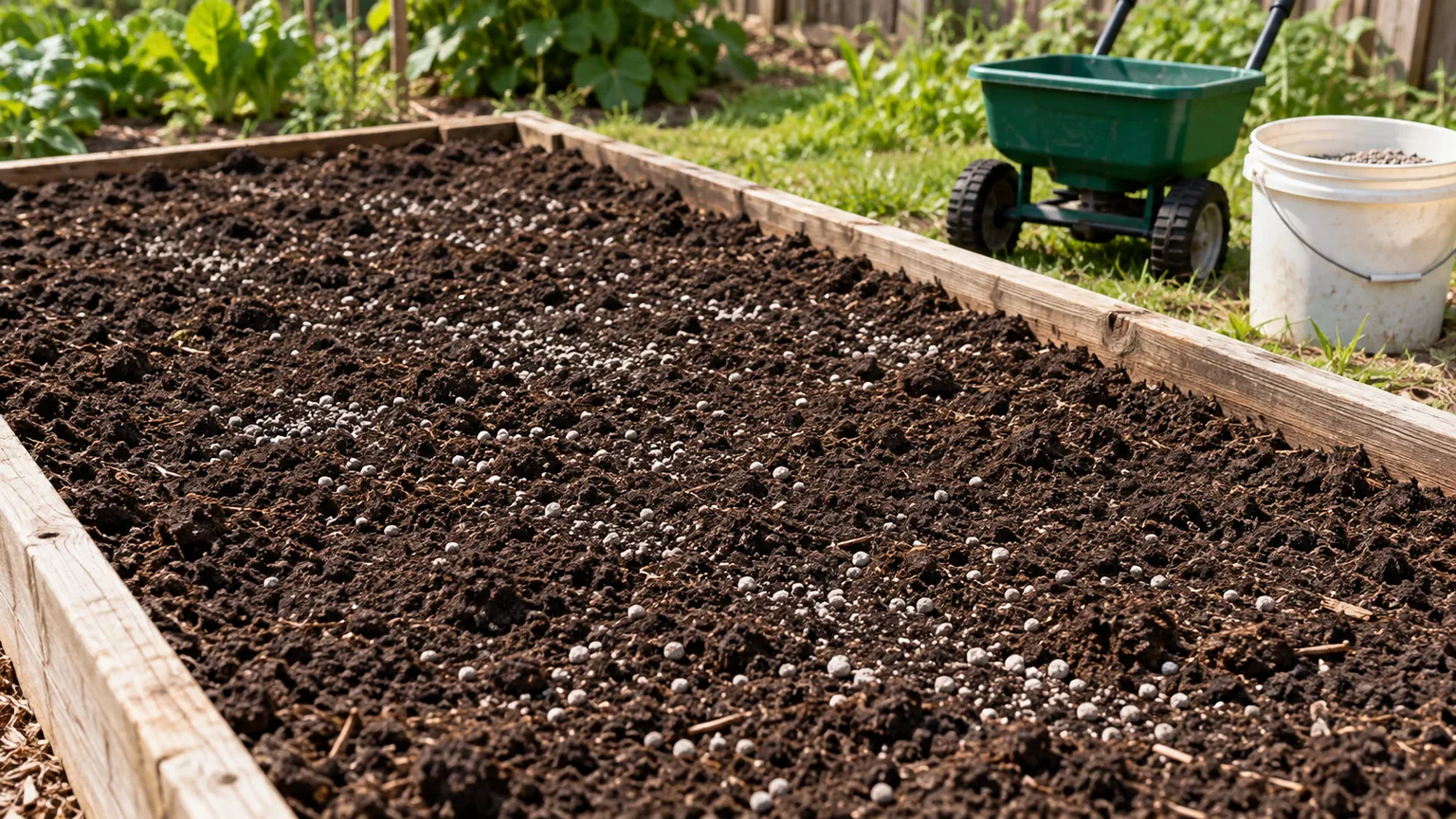
Think in terms of a measured adjustment followed by a check, not a recipe repeated every month. Mark the treated area, record the product and amount, water according to the label, and avoid applying other pH-changing products until you know what the first treatment did. Keep amendments away from direct contact with the crown and leaves, and do not apply to a drought-stressed plant or waterlogged soil.
The root system extends beyond the visible stems, so a narrow ring right at the base may not reach the active feeder roots evenly. But broadcasting too widely can affect neighboring acid-loving or lime-sensitive plants. If the amendment recommendation covers a bed rather than one shrub, consider whether the surrounding plants can tolerate that shift before treating the whole area.
In-ground shrubs: treat the whole root zone
For a garden-bed hydrangea, use the test result and product label to calculate the amount for the measured area. Apply granular material evenly over the root zone without piling it against stems, then water it in if the instructions call for watering. Do not cultivate deeply around an established shrub; hydrangea feeder roots are near the surface, and rough digging can do more harm than a slow color shift.
Recheck pH at the interval recommended by your test lab rather than immediately after watering or after one rain. A reading taken too soon may not represent the soil after the amendment reacts and moves through the root zone. If the soil pH changes but the flower color does not, look again at cultivar, aluminum availability, and bloom age before adding more material.
Container hydrangeas: make changes in a small volume
A pot can be easier to manage because it is isolated from native soil, but its small volume can also change quickly. A concentrated dose can alter the whole root environment at once, and frequent irrigation can leach nutrients or move soluble amendments through the pot. Use a color-control product only if it is labeled for container hydrangeas, follow its smaller-volume directions precisely, and do not stack it with a general acid fertilizer or another aluminum source.
For a new container, start with a quality potting mix and a pot with drainage holes; avoid filling a container with garden soil. Choose an acid-loving mix if the goal is blue, but remember that low pH still does not supply aluminum by itself. If the plant came from a florist or nursery with a prepared pink or blue bloom, its temporary production mix may differ from what it will experience after transplanting; wait for healthy new growth and test or consult the grower before making major corrections.
When to start and how long results take
Color adjustment is not an instant bloom treatment. UGA Extension notes that gradual granular amendments can take about a year to show a noticeable change; even a faster soil drench does not recolor flowers already open. The most useful window is before the next round of flower development, with the exact calendar depending on climate, product, and local recommendations.
Make a first adjustment when the soil is workable and the plant is actively growing or at the season recommended by your extension service. Avoid late-season “rescue dosing” after flowers have formed, especially with aluminum sulfate. Maintain normal hydrangea care—moist, well-drained soil and appropriate light—because a stressed shrub may produce fewer or smaller flowers even if the chemistry is moving in the desired direction.
Expect the first sign to be a softer shift, such as pink becoming lavender or blue becoming more muted, rather than a sudden uniform transformation. The color can also vary from year to year as rain, irrigation, soil amendments, and root growth change the plant’s access to minerals. Retest only after the lab-recommended interval and let the next bloom cycle tell you whether the adjustment is working.
Troubleshoot mixed or unchanged blooms
Mixed pink, purple, and blue flowers do not automatically mean something is wrong. They can reflect an intermediate pH, uneven soil conditions around a wide root system, a plant with several stems rooted in different areas, or normal differences among flower heads. If the shrub is otherwise healthy, consider mixed color a result to evaluate at the next scheduled soil test rather than a reason to add more product immediately.
If a bloom has green, pink, or red edges late in the season, consider aging before soil chemistry. Some hydrangea flower heads naturally deepen or fade as they mature, and white cultivars may blush without becoming pH-sensitive. Compare newly opened flowers with older heads and look at the plant tag before interpreting every shade as a soil signal.
Separate soil chemistry from cultivar and bloom age
When flowers remain unchanged after one growing season, use this diagnostic order: confirm the species and cultivar, check that the test sampled the correct root zone, review the pH change, then confirm the amendment supplied the condition you needed. A blueing attempt can fail if pH is still high, if available aluminum is lacking, or if a phosphorus-rich fertilizer or existing soil chemistry limits uptake. A pinking attempt can fail if the pH was already high or if the cultivar resists shifting.
Also check whether you are judging the new season’s blooms rather than last year’s flower heads. A bloom cannot be “recolored” like fabric after it has opened; soil changes influence developing flowers through the plant over time. If the soil report indicates the target pH but a responsive-looking shrub remains the same after a full bloom cycle, ask an Extension educator or experienced hydrangea grower to review the cultivar and test rather than doubling the rate.
Common mistakes that slow or harm the process
The most expensive mistake is treating the flower color before confirming the plant. The second is adding a product because “acid” sounds like the answer: acidity may increase aluminum availability, but the plant still needs a responsive cultivar and the right mineral conditions. Testing first is cheaper than buying several amendments that push the soil in opposite directions.
Coffee grounds and eggshells are not dependable color controls. Coffee grounds may add organic matter and can have a modest or temporary effect as they decompose, but the material and dose do not reliably move a whole root zone to a specific pH, and grounds do not supply a predictable amount of available aluminum. Eggshells break down slowly and are not a measured replacement for agricultural lime; scattering them will not create a quick, controlled pink shift. Compost them if you like, but use a tested amendment when the goal is to change soil chemistry.
Avoid common shortcuts that make the result harder to interpret:
- Do not use a one-size tablespoon or cup rate from another region without checking the soil test and product label.
- Do not apply both sulfur and aluminum sulfate at once unless a qualified local recommendation specifically calls for both.
- Do not repeat a dose before the stated interval just because open flowers still look unchanged.
- Do not let concentrated solution or dry material sit on leaves, stems, or the crown.
- Do not use fertilizer primarily to force color; choose a balanced fertilizer only when the plant or soil needs it.
- Do not keep pushing pH below the desired range. Extremely acidic soil can limit other nutrients and can injure roots.
Hydrangeas need steady moisture, not saturated soil. Watering enough to move an amendment through the root zone does not mean flooding the bed; follow the label, account for drainage, and pause if the soil is already wet. A color project should never take priority over a healthy root system.
When keeping the existing color is better
There is no gardening failure in deciding the soil is not a good candidate for repeated adjustment. If a soil report recommends substantial amendment, if native soil quickly returns to its original pH, if the shrub is a poor responder, or if other plants share the bed, maintaining a stable and healthy root environment may be the better choice. Choose a cultivar bred for the color you want when planting a new shrub, or grow an eligible bigleaf hydrangea in a container where its root medium can be managed separately.
This is especially sensible in naturally alkaline or strongly buffered soil. Trying to acidify a large bed can require repeated inputs and may not hold a target pH, while an overly acidic patch can create a different set of nutrient problems. A flower color that suits the site is often more satisfying than spending each season correcting a soil condition the landscape continually restores.
If you do decide to adjust, keep the goal modest: move a responsive plant toward a cooler blue, warmer pink, or balanced purple over more than one bloom cycle. Track the soil test and amendment rather than judging success by one flower head. The safest plan is one the shrub can tolerate and the rest of the garden can live with.
Conclusion
To change hydrangea color, first confirm you have a color-responsive bigleaf or mountain hydrangea, then test the soil before choosing an amendment. Lowering pH can make aluminum more available and encourage blue; raising pH can reduce availability and encourage pink, but neither change is automatic or immediate.
Use measured, label-directed amendments, give the plant a full growing cycle, and resist adding more when flowers do not change right away. If the soil or cultivar is not suited to the color you want, keeping the current shade—or choosing a better-matched plant—is the more reliable and plant-friendly decision.



