How to Overwinter a Plant and Keep It Alive in the Cold
Keep tender plants alive through winter with practical guidance on frost timing, indoor moves, dormancy, bulb storage, mulch, watering, and spring recovery.

Overwintering is not one trick. It is the practice of matching a plant’s winter shelter, light, water, and temperature to the way that plant naturally handles cold. A hardy perennial may need to remain outdoors under mulch, while a tropical container plant may need a warm room, and a dahlia may be safest as a dry tuber in storage.
The best time to make that decision is before the first damaging frost, not after blackened leaves or a frozen root ball tell you the season has changed. Use this guide to sort plants into the right winter plan, move them with less shock, prevent storage rot, and restart growth gradually in spring.
Start With the Plant’s Actual Cold Tolerance
Read the plant tag, look up the cultivar, and consider whether the plant is in the ground or in a pot. A hardiness rating describes what an established plant may tolerate in the ground; it does not mean the same roots are equally protected in a small exposed container. A plant that is hardy in your region may still need a sheltered spot when it is newly planted, root-bound, or sitting above frozen pavement.
Also look at your garden’s microclimate. A bed beside a building may be warmer and less windy than an open yard, while a low wet pocket may be colder and more damaging than the official zone suggests. Winter survival depends on the lowest temperature, duration of cold, wind, wetness, and whether the crown or root ball experiences repeated freeze-thaw cycles.
Hardy Plants That Usually Stay Outside
Many established perennials, shrubs, and trees are designed to spend winter outdoors. They slow down or go dormant, and their roots remain insulated by surrounding soil. Deciduous plants may drop their leaves or stems completely; that seasonal dieback is not proof that the crown is dead.
For these plants, overwintering usually means cleaning up diseased material, protecting the root zone, and reducing exposure to wind rather than digging them up. Leave a hardy plant in the ground when its label and local conditions support it. Unnecessary lifting can damage roots and remove the stable soil environment that protects them.
Tender Plants That Need a Frost-Free Plan
Treat tropicals, tender perennials, summer patio plants, and borderline plants more cautiously. Common candidates include hibiscus, coleus, some salvias, pelargoniums, cannas, caladiums, dahlias, tuberous begonias, and many plants sold primarily as houseplants. Some remain active indoors, some rest in a cool room, and some are stored as bulbs, corms, rhizomes, or tubers.
Container plants deserve special attention because their roots are surrounded by a relatively small mass of potting mix instead of insulating ground. Southern Living Plants’ overwintering guide notes that plants in containers are effectively more exposed than plants installed in the ground, so a plant that is marginally hardy in a bed may need protection when potted. If you cannot identify a treasured plant, move it to a frost-free location until you have confirmed its needs.
Pick the Winter Strategy Before the First Frost
Overwintering means keeping a plant alive through the non-growing season by using one of four broad methods: keep it growing indoors, hold it in cool dormancy, lift and store its underground storage organ, or protect it outside. Choose the method that fits both the plant and the space you can actually monitor.
Use a warm, bright indoor location for tropicals and plants that need foliage to remain active. Use a cool, frost-free area for plants that naturally rest and tolerate low light. Lift dahlias, cannas, caladiums, and similar plants when their tubers, corms, or rhizomes are the part meant to survive. Leave a hardy in-ground plant outside when mulch, shelter, or a wrap gives the crown and stems enough protection.
The wrong combination is more dangerous than a modest setup. A dark garage with frequent watering is not a warm-houseplant plan, and a sealed plastic wrap around a wet outdoor crown is not insulation; it is an invitation to rot. Decide whether the plant should be active, dormant, lifted, or protected in place before you start pruning and watering.
Prepare a Plant Before Moving It Indoors
Start several days before the plant must come inside. Remove dead leaves, spent flowers, and visibly diseased material so the plant is easier to inspect. If the root ball is extremely dry, water it appropriately before moving it, but do not bring a waterlogged pot into a cool, dim room where it will dry slowly.
If the plant is in the ground, dig with a sharp spade well outside the crown and preserve as much of the root ball as possible. Use a container with drainage holes and a potting mix that drains reliably. This is a rescue move, not a reason to bury the crown deeply or cram a large, disturbed plant into a tiny pot.
Inspect, Clean, and Quarantine
Outdoor plants can carry pests that are easy to ignore in a large garden and hard to control once they reach a warm indoor room. Inspect leaf undersides, stems, soil surface, pot rims, drainage holes, and dense crowns for aphids, scale, mealybugs, spider mites, ants, webbing, or sticky residue.
Rinse the foliage gently when the plant tolerates it, remove obvious insects, and allow the leaves to dry before placing the plant indoors. Keep new arrivals separate from established houseplants for at least a week while you inspect them repeatedly. The Missouri Botanical Garden’s geranium guidance offers a useful example of keeping winter plants in a bright, cool location or starting clean cuttings. If you use a pesticide, choose a product labeled for that plant and pest, test it on a small area, and follow its directions for concentration, ventilation, and reapplication.
Bring Potted Plants Indoors Without a Shock
Move tender plants before the forecast reaches the point where cold injury is likely. Do not use the first visible frost as your reminder; a cold night can damage tender foliage and roots before dawn, and moving a frozen plant indoors does not reverse that injury. Use the plant’s documented minimum temperature when available, then allow a margin for wind and the cooler conditions around a pot.
Southern Living Plants recommends transitioning plants toward lower light before moving active specimens indoors. Place the pot in progressively deeper shade over about a week, if weather allows, and move it when outdoor temperatures are closer to the indoor environment. This reduces the contrast between intense summer light and a filtered window and helps prevent a dramatic flush of weak, pale growth.
Do not repot, hard-prune, spray, move, and change the light all on the same day unless the plant is in immediate danger. Make the essential move first, then let the plant settle. A few lost leaves after a change in light, temperature, and air movement can be a stress response; repeated disturbance makes it harder to tell whether the plant is recovering.
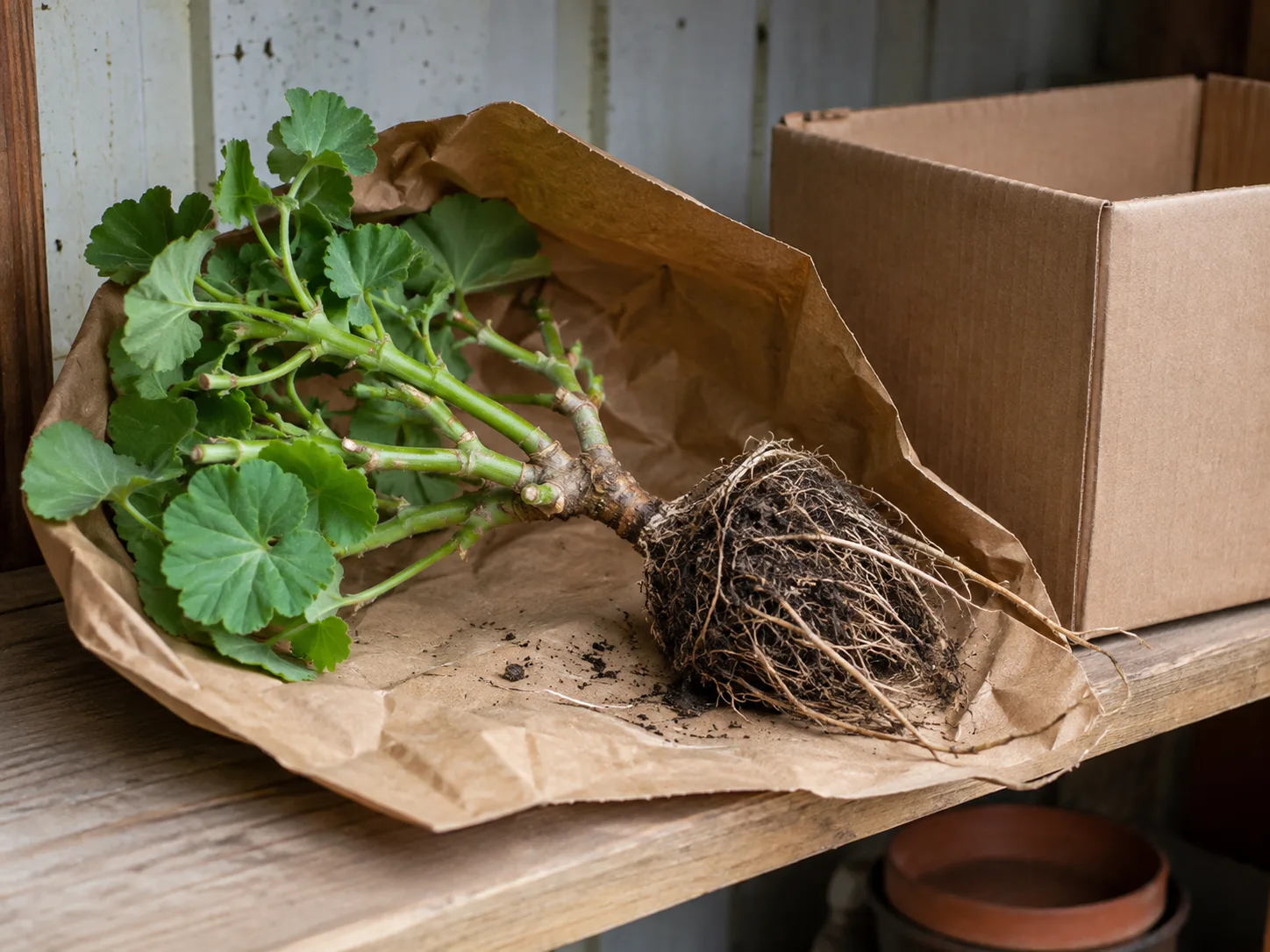
Choose an Indoor Location for Winter Growth
An indoor winter location should be stable, bright enough for the plant’s chosen strategy, and away from blasts of hot or cold air. A bright window is useful, but do not press foliage against cold glass at night. Keep pots away from radiators, forced-air vents, fireplaces, exterior doors, and drafts that repeatedly change leaf temperature.
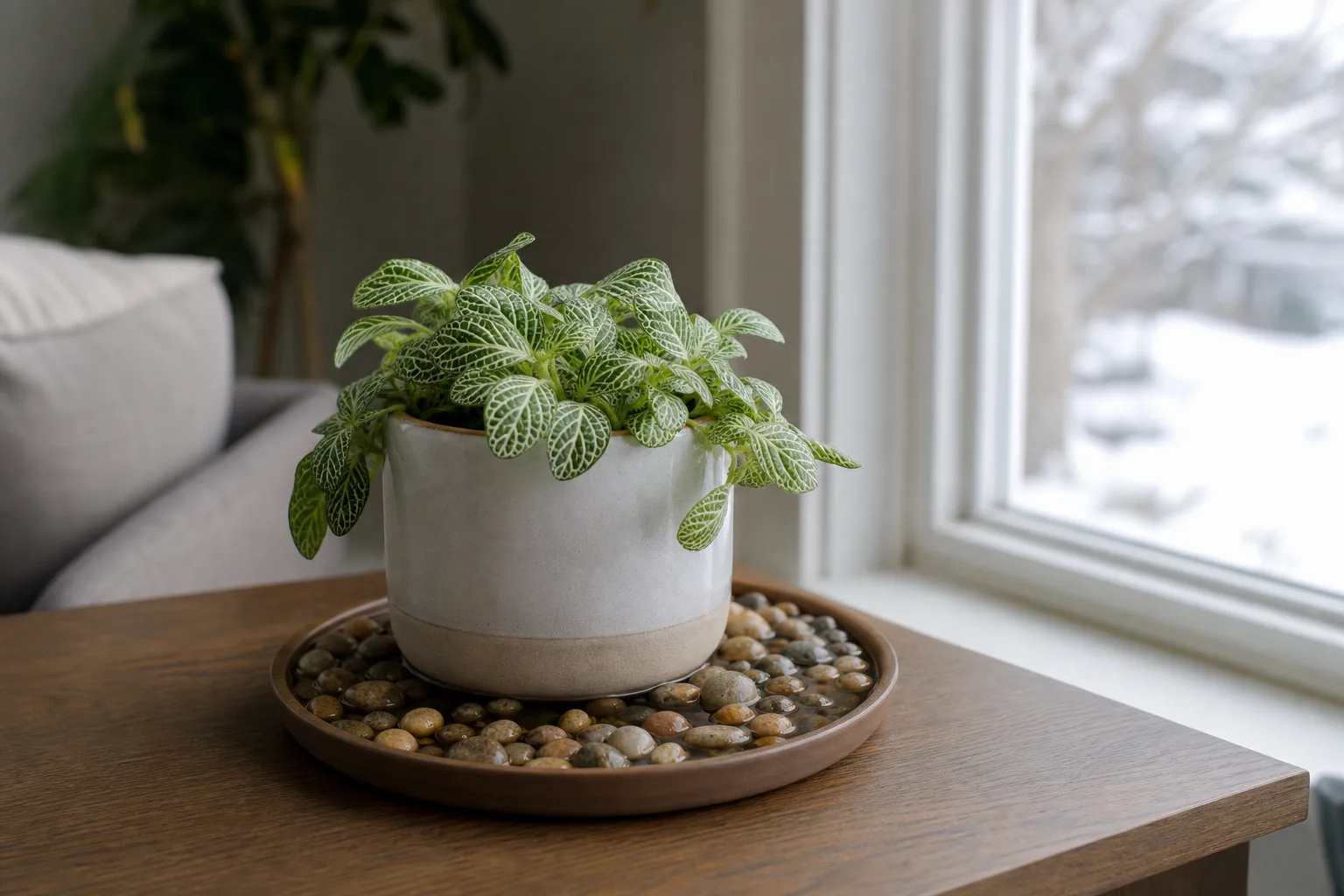
For active plants, use bright filtered light or a grow light positioned according to the light’s instructions. A plant that grew under full outdoor sun may need a gradual transition even when it is called a sun plant. Indoors, the glass, angle of winter light, and shorter day length can produce a very different amount of usable light than the plant received outside.
For a cool storage area, check the actual temperature with a thermometer rather than assuming an attached garage or basement is frost-free. An unheated space can work for a dormant plant if it does not freeze and the plant’s moisture needs are compatible with the low light. The container-overwintering guidance from Epic Gardening likewise emphasizes shelter, occasional moisture checks, and protection from freeze-thaw damage. It is not a suitable home for a tropical plant that is still trying to grow.
Decide Between Active Growth and Dormancy
The most reliable winter routines are internally consistent. Light, temperature, and water should point in the same direction instead of asking a plant to grow and rest at once.
Warm and Bright for Active Growth
Choose active growth for tropicals and tender plants that keep making leaves in a warm room. Give them the brightest practical indirect light, protect them from hot dry airflow, and monitor the potting mix as it dries. They may need less water than in summer because days are shorter, but they still need more than a dormant plant if they are actively producing new growth.
Growth can become thin when indoor light is weak. Prune to keep the plant manageable, but do not respond to sparse growth with heavy fertilizer. First correct the light, temperature, and root-zone moisture; fertilizer cannot replace missing light.
Cool and Frost-Free for Dormancy
Many tender plants can rest in a cool room with reduced light and reduced water. Southern Living Plants describes roughly 45 to 55°F as a useful range for some plants held inactive, while its guidance for stored bulbs and tubers uses a cooler frost-free range. Those figures are examples, not universal settings: follow the plant’s specific requirements and keep the temperature above freezing.
In dormancy, remove yellowing foliage when it is clearly dead, keep the plant from sitting in water, and check the pot periodically. The goal is not to force new leaves in a dark room. The goal is to keep the crown and roots alive without encouraging soft growth that cannot be supported by the available light.
Store Bulbs, Tubers, and Rhizomes Correctly
Dahlias, cannas, caladiums, tuberous begonias, and gladioli are common examples of plants that may be stored as underground structures. A bulb, corm, tuber, or rhizome is not interchangeable with every other one, so use the plant’s growing guidance when deciding whether it should be dry, barely moist, or planted in a small amount of medium.
Dig after foliage has naturally died back or after the first light frost when that timing is appropriate for the species, but do not wait for a hard freeze if the plant is tender. Cut back tops, lift carefully to avoid bruising the storage organ, remove loose soil, and discard anything soft, diseased, or badly shriveled. Label varieties immediately; dormant pieces are surprisingly easy to confuse by spring.
Let freshly lifted pieces cure in a cool, dry, well-ventilated place before packing them. Then store them in a breathable box, tray, paper bag, or open container with the medium recommended for that plant, such as dry sand, vermiculite, coir, or barely damp peat-free material. A closed plastic bag traps condensation. Check every few weeks for mold, rot, shriveling, or premature shoots and adjust moisture rather than adding water on a schedule.
The RHS guidance on lifting and mulching emphasizes that bruised tubers can rot and that stored organs need a cool, frost-free environment. It also notes that some plants can remain in the ground under a thick, dry mulch in mild, sheltered conditions. When your winter is cold, wet, or unpredictable, lifting is usually the more controllable choice.
Protect Outdoor Plants With Mulch and Wraps
Outdoor protection works by reducing rapid temperature changes, insulating the crown and roots, and limiting wind and wetness. Apply mulch after the plant has slowed down and the soil is not waterlogged. Use a thick, loose layer of leaf mold, straw, compost, or bark around the root zone, but keep woody stems and plant crowns uncovered enough to breathe.
The RHS winter-protection guidance describes mulch and wraps as climate-dependent protection and notes that tender plants may be left under thick, dry mulch in mild areas. That is a climate- and plant-dependent option, not a guarantee for a tender plant in a cold zone. Mulch cannot stop a tropical stem from freezing above ground, and wet mulch packed tightly against a crown can encourage decay.
Wrap plants that are too large to lift or that need protection from wind as well as cold. Use horticultural fleece, burlap, straw, or a supported cage rather than tying a heavy, airtight sheet directly onto foliage. Covers should shed rain where necessary but still allow airflow. The RHS warns that trapped moisture under wraps can lead to crown rot, so open or remove protection during extended mild weather and replace it before the next cold event.
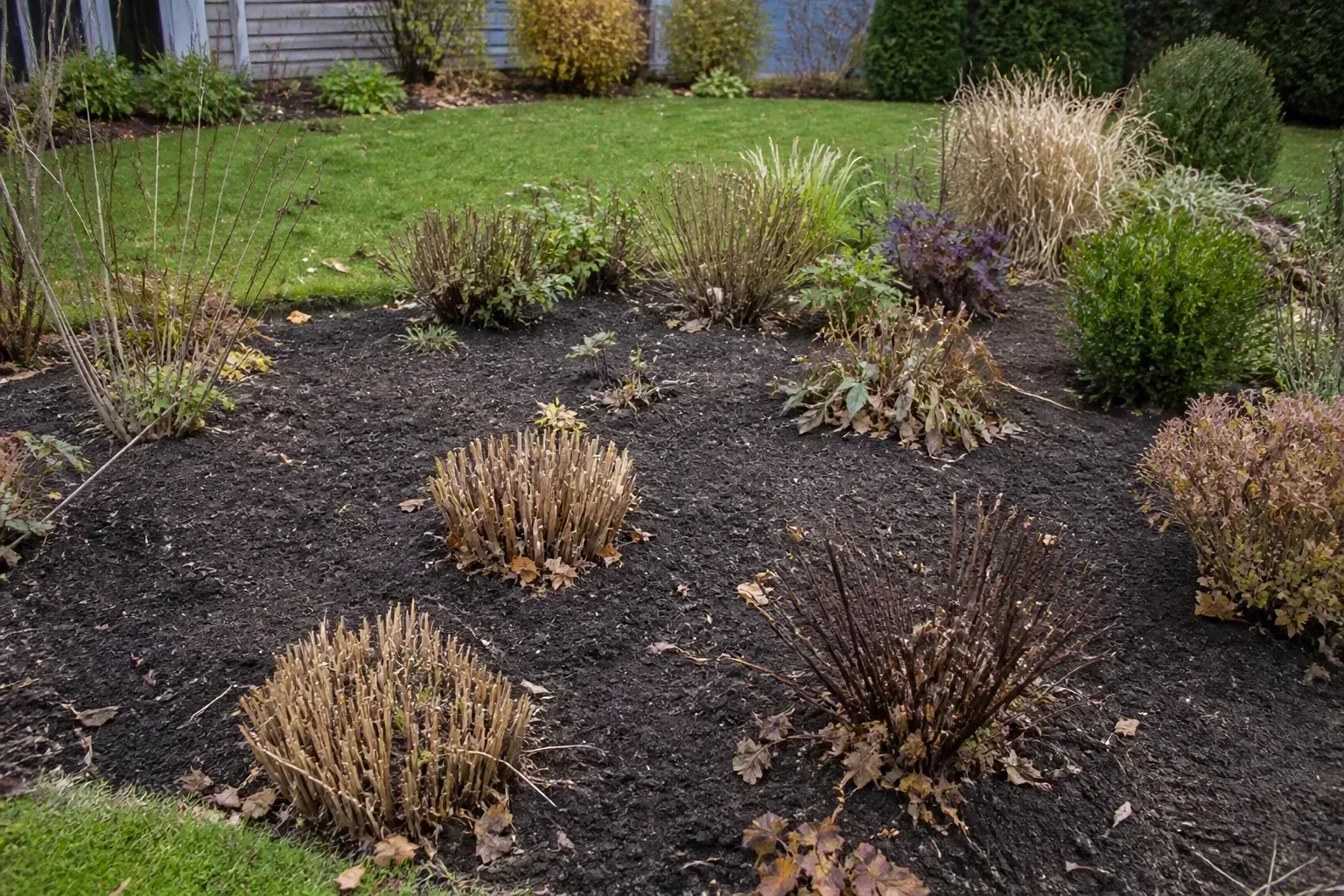
For borderline shrubs and young trees, shelter may matter as much as temperature. Group outdoor containers, place them near a building or hedge without blocking drainage, and use a windbreak that slows wind rather than creating turbulence. The RHS winter-damage guidance recommends sheltered placement, sound drainage, and protection of containers because exposed pots are particularly vulnerable to cold and drying.
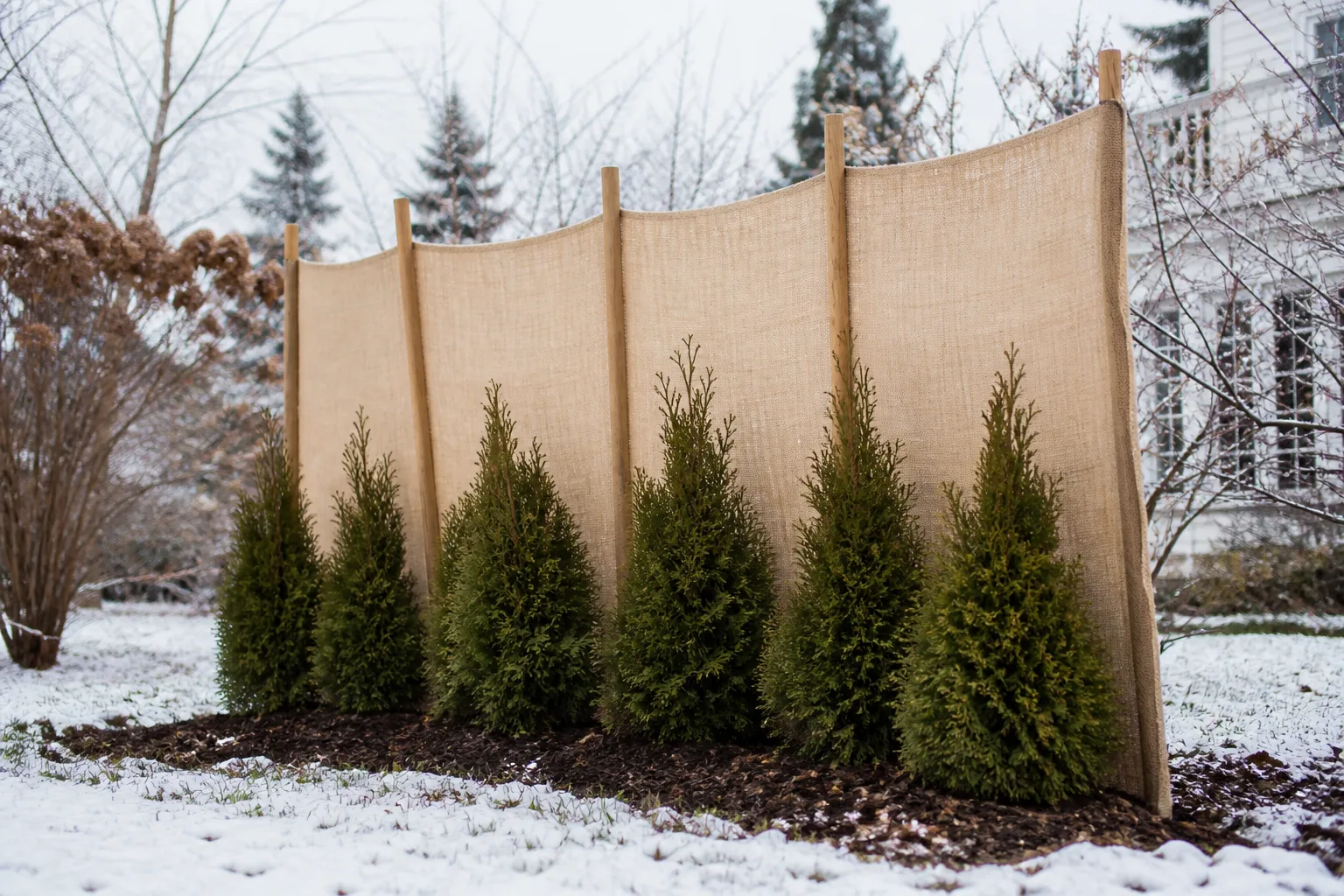
Water Overwintered Plants by Conditions
Winter watering should be based on the plant’s current activity, temperature, pot size, and drainage. A warm room with active leaves may dry a pot regularly, while a cool dormant plant may use very little water. Touch the mix, lift the container to learn its weight, and inspect drainage before watering.
When a plant needs water, water the root zone thoroughly if the container drains freely, then empty the saucer. Do not give a small splash every few days to a pot whose center remains wet; that pattern keeps roots in a persistently damp, low-oxygen mix. Savvy Gardening’s overwintering overview makes the same practical distinction between a cool dormant plant that needs occasional moisture and an indoor plant that remains active. Conversely, do not abandon a dormant plant until the root ball becomes hard and dust-dry.
Outdoor container plants can dry during winter, especially in wind or under an overhang that blocks rain and snow. Check them during thawed periods. If the mix is frozen, wait until it can absorb water; never rely on ice around a pot as a substitute for checking the root zone.
Skip Late Fertilizer and Avoid Soft New Growth
Do not use late-season nitrogen fertilizer to push a plant into lush growth just before cold weather. The RHS winter-damage guidance advises avoiding nitrogen-rich fertilizer late in the season because it can encourage soft, sappy growth that is more vulnerable to winter damage. A plant preparing for dormancy needs time to slow down, not a surge of leaves that a short day and cold night cannot support.
Pause routine feeding when growth has stalled or the plant has entered storage. Resume only when light, temperature, and new growth show that spring activity has returned. Start at the label rate, not a stronger dose intended to compensate for winter leaf loss, and make sure the plant is draining well before feeding.
Monitor for Pests and Disease Through Winter
Inspect plants weekly during the first month indoors and then regularly through winter. Look especially at leaf undersides, stems, crown crevices, and storage containers. Warm indoor air can turn a small outdoor pest population into a larger problem, while damp dormant storage can hide rot until the damage is advanced.
Separate any suspect plant immediately. Rinse foliage when appropriate, remove heavily damaged tissue, and improve airflow without putting the plant in a cold draft. For stored bulbs and tubers, discard rotten pieces rather than trying to save a soft center, and keep healthy pieces from touching a leaking or moldy one.
Do not diagnose every brown leaf as a nutrient deficiency. Pests, dry air, freeze injury, low light, root stress, salt buildup, and natural dormancy can look similar. Treat the environment as part of the diagnosis: a wet pot in a cold room points in a different direction from a dry pot beside a heating vent.
Read Winter Damage Before You Try to Fix It
Brown, crispy edges usually call for a root-zone and airflow check before extra water or fertilizer. If the mix is dry, water thoroughly; if it is saturated, improve drainage and wait. Move the plant away from the heat source or cold draft and trim only tissue that is fully dead. Old brown tissue will not turn green, so judge recovery by new growth.
Yellow leaves can be normal aging, low light, overwatering, cold stress, or root damage. Several yellow leaves paired with wet mix, a sour smell, or mushy roots is more concerning than one old leaf turning yellow. Let the plant dry to the degree its species requires, increase usable light, and do not feed a stressed root system.
Sudden leaf drop after an indoor move can reflect a rapid change in light, humidity, temperature, or air movement. Stabilize the plant before making another major adjustment. If the crown remains firm and the root system is sound, give it time; if stems turn black, roots collapse, or storage organs soften, remove the damaged parts and reassess whether the chosen method suits that plant.
Wake Plants and Remove Protection in Spring
Spring recovery begins when days lengthen and the plant shows active growth. Watch for new shoots, faster drying, and swelling buds rather than switching to a summer routine on a fixed date. Increase watering as the root zone dries more quickly, then resume light feeding after new growth is established.
Remove outdoor wraps and heavy mulch in stages as severe frost risk passes. The RHS recommends removing wraps once new growth has started and acclimating plants rather than exposing tender tissue immediately. Pull mulch away from crowns gradually, leaving a lighter layer where it still helps conserve moisture and suppress weeds.
Plants that spent winter indoors need hardening off. Start outdoors in bright shade for a short period, protect them from wind, and bring them back inside if nights are too cold. Increase outdoor time over one to two weeks before moving into the plant’s full summer light. A plant that survives winter can still scorch or wilt if it goes straight from a dim room into midday sun.
For stored bulbs, tubers, and rhizomes, inspect for rot and premature growth before planting. Pot or plant only firm, healthy pieces, keep them protected from a late freeze, and label them so you know which pieces are waking. Spring is also the time to learn from the winter: note which storage area stayed too damp, which pots dried quickly, and which plant needed an earlier move.
Conclusion
To overwinter a plant successfully, identify what is meant to survive the cold and protect that part in the right way. Hardy plants may need mulch and wind shelter, tender foliage may need a frost-free room, dormant plants need cool restraint, and bulbs or tubers need careful curing and storage.
The most useful habits are simple: make the plan before frost, inspect plants before bringing them indoors, keep temperature and water in agreement, prevent damp storage, and reintroduce plants to spring light slowly. Winter damage is easier to prevent than reverse, but a firm crown, healthy roots, and new spring growth are encouraging signs even when the old foliage does not look perfect.