How to Protect Plants From Frost This Winter
Protect plants from frost this winter with a plant-first plan for covers, watering, mulch, containers, row covers, and post-frost recovery.
The best frost protection is not the most expensive one. It is the method that matches the plant, the forecast, and the amount of time you need to keep cold away. A tender basil plant facing one clear night needs a different plan from a potted citrus tree or a perennial that must survive months of wind and freeze-thaw cycles.
Start by protecting the most vulnerable tissue. Tender leaves and flower buds may need a cover, while roots may need mulch or an insulated container. Watering can help when the root zone is dry, but it cannot make a tropical plant hardy. The sequence below helps you decide what to do before dark, what to leave in place, and what to do after the cold passes.
Check the forecast and identify the type of cold
Do not make the decision from a single number in a weather app. Look at the overnight low, the hours below freezing, wind, cloud cover, and whether the threat is a short dip or several nights of cold. A clear, calm night encourages heat to radiate away from the ground, so low foliage can be colder than the official air reading taken higher above the surface.
The Royal Horticultural Society separates ground frost from air frost and notes that repeated freezing and thawing, rapid thawing, and cold wind can all increase injury RHS frost guidance. Your yard also has its own microclimates: low spots collect cold air, while a sheltered wall or hedge may reduce wind and slow heat loss.
Frost, freeze, and hard freeze are not interchangeable
Gardeners often use “frost” to describe any cold night, but the risk changes with duration and temperature. A light frost may nip tender foliage while leaving stems and roots alive. A freeze can injure warm-season crops, and a prolonged or hard freeze can kill exposed tissue, freeze container root balls, or damage woody plants that would survive a brief cold snap.
The label matters less than the plant’s tolerance. Cool-season crops such as kale, spinach, peas, broccoli, and cabbage may tolerate light frost, while tomatoes, peppers, basil, cucumbers, squash, and many annual flowers are much more vulnerable. Alabama Extension similarly distinguishes cool-season vegetables from warm-season crops, noting that warm-season foliage can be injured around the freezing range while some cool-season crops tolerate colder temperatures for a limited time Alabama Extension.
Prioritize plants before you cover anything
Make a quick walk through the garden and rank plants by consequence, not just by size. Covering every shrub is exhausting and can create unnecessary moisture and overheating problems. Protect the plants that are tender, newly planted, actively growing, carrying valuable flower buds, or growing in containers first.
Your highest-priority group usually includes warm-season vegetables, annual flowers, tropical or subtropical ornamentals, young transplants, newly planted shrubs, fruit blossoms, and small pots. A mature plant with a dormant crown and good hardiness may need only root-zone care. A hardy crop with a forecast light frost may be safer uncovered than it would be under a wet, poorly ventilated blanket.
Also look at the plant’s stage. A dormant perennial may lose its top growth and return from the crown, while a flowering fruit tree can lose that season’s crop even if the tree itself survives. Newly emerged seedlings and late-season soft growth are often more vulnerable than established, hardened tissue.
Match protection to the plant and the event
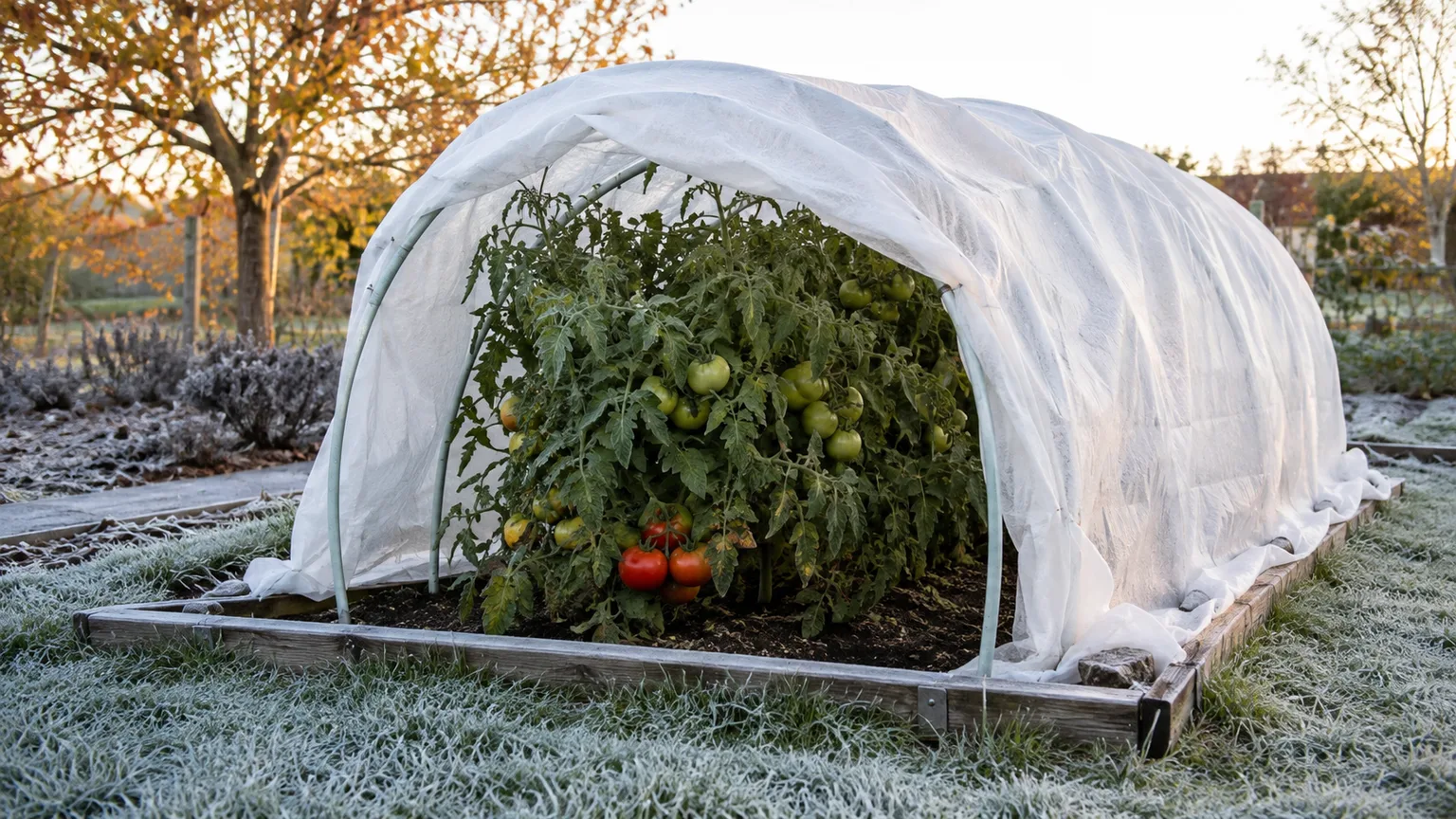
Use this decision rule: cover foliage for a short frost, insulate roots for winter, and move or enclose plants that cannot tolerate the forecast at all. A breathable fabric cover is a strong first choice for a one- or two-night event. A cloche works for one plant. A row cover or cold frame makes sense for a bed. A container usually needs relocation or protection around the pot as well as over the leaves.
For an established, hardy in-ground plant, avoid building a sealed winter tent simply because frost is forecast. For tender plants in a marginal climate, combine methods: water the root zone if it is dry, cover before dusk, mulch around the roots, and block wind. For a deep or prolonged freeze, do not assume a sheet provides enough protection. Bring movable plants inside or use a frost-free shelter when the plant’s tolerance is below the expected conditions.
Water the root zone before a frost
If the soil is dry and still workable, water the root zone deeply earlier in the day before the cold arrives. Moist soil has more heat capacity than dry soil and can release some of that stored heat overnight. Arkansas Extension recommends hydrating plants before a freeze and explains that watering the soil helps it retain heat around roots and lower stems University of Arkansas Extension.
Water the soil, not the foliage, and let excess drain away. The goal is to correct drought stress, not to create a saturated bed. Cold, waterlogged soil can deprive roots of oxygen and may be more damaging than a slightly dry but well-drained root zone.
Timing matters. Water while the ground can absorb it, not after the soil has frozen solid. During a mild winter thaw, check the soil before watering again. Do not follow a calendar that keeps plants wet simply because it is winter; a dormant plant usually uses less water, and a frozen root ball cannot take up water until it thaws.
Cover plants with frost cloth, sheets, or blankets
For most backyard gardens, a breathable frost cloth or floating row cover is the most useful all-purpose option. It lets some light and air through, can be supported over hoops, and is easier to reuse than improvised plastic. An old sheet or light blanket can protect a few plants for one night, especially when the edges reach the soil and the fabric is secured against wind.
Put the cover on before dark, while the soil still holds the day’s warmth. A cover does not generate heat; it slows the escape of heat rising from the ground. Alabama Extension describes lightweight fabric covers as more effective than plastic touching foliage and emphasizes that the material should be weighed down so the trapped warmth does not escape Alabama Extension.
The cover should be loose enough that it does not crush stems or snap branches under dew or snow. If the fabric is heavy, wet, or likely to sag, support it with hoops, stakes, a tomato cage, or a simple frame. For a multi-day cold spell, use breathable horticultural fabric and inspect it rather than leaving a damp household blanket pressed against leaves.
Secure the edges and keep fabric off tender foliage
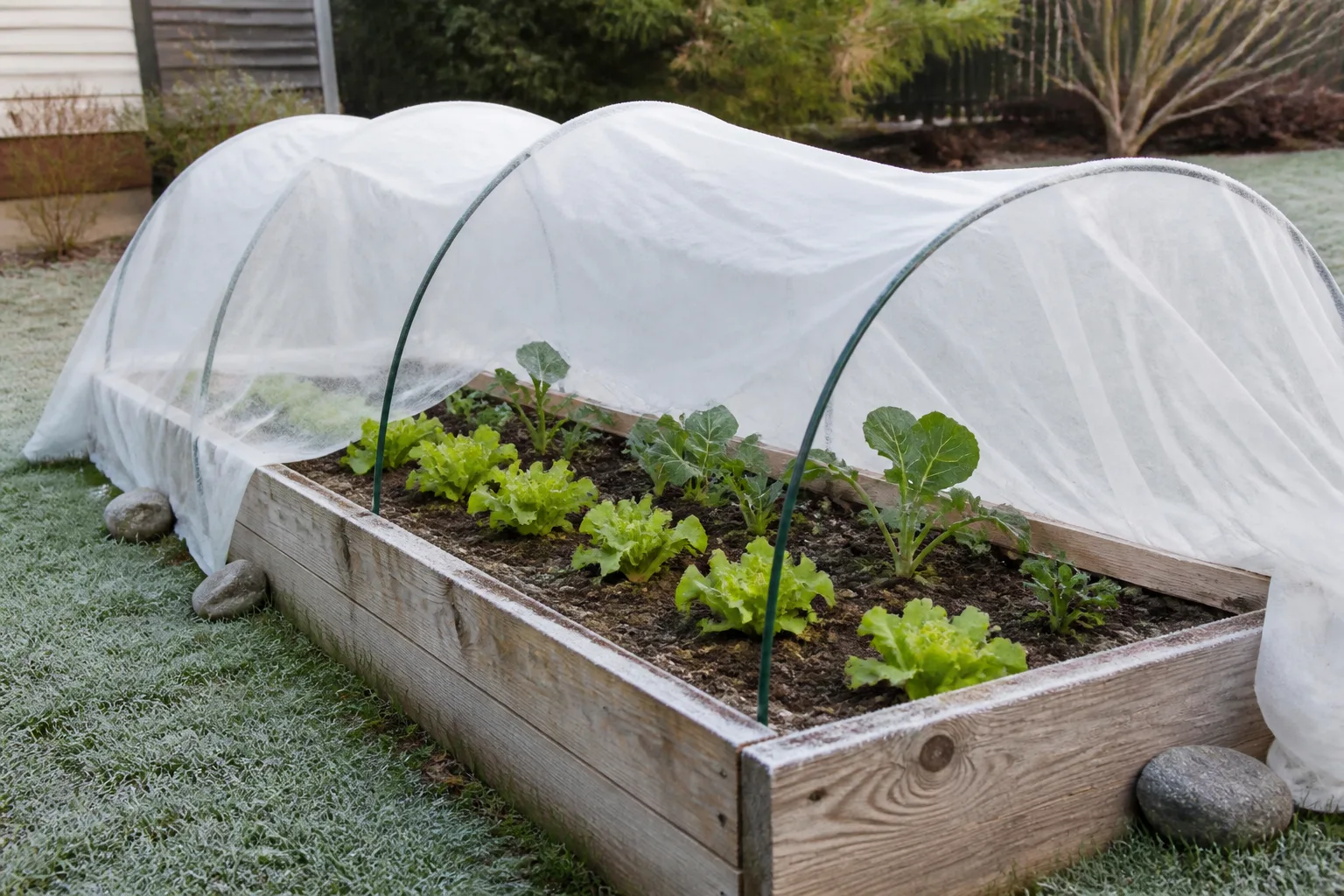
A cover thrown over the top of a plant with open sides is not a reliable cover. Use stones, boards, landscape pins, or soil to hold the edges down around the bed. The warmer air you are trying to hold is near the soil surface; gaps let wind strip it away.
Keep fabric from rubbing delicate leaves whenever possible. Frost cloth may rest lightly on sturdy low crops, but a supported cover is safer for tomatoes, peppers, flowers, and broad-leaved ornamentals. If the forecast includes wind, leave enough slack for movement and anchor the frame rather than relying on clothespins alone.
Remove sheets and blankets in the morning once temperatures rise above freezing and the immediate threat has passed. The Arkansas and Alabama Extension guidance both warn that covers left on in direct sun can overheat plants, and condensation can freeze or keep foliage wet University of Arkansas Extension. Breathable row cover is more forgiving, but it still needs inspection and ventilation during warm daylight.
Use cloches for single plants
A cloche is a small cover placed over an individual plant. It is useful when only a few seedlings, transplants, or container flowers need protection and a full row cover would be unnecessary. Purpose-made domes work well, but an upturned bucket, large pot, cut-bottom milk jug, or sturdy box can provide short-term shelter.
Set the cloche in place before sunset and anchor lightweight versions so wind cannot lift them. Leave the plant enough room that leaves do not press against cold plastic. If the cloche has no ventilation, remove or open it as soon as the sun warms the air; a tiny covered space can heat rapidly even on a cold day.
Do not use a cloche as a promise that a tender plant can survive any freeze. It is a short-term buffer for a brief cold event. For repeated hard freezes, move the plant, add a larger supported structure, or accept that the plant may be at the end of its season.
Build a row cover or cold frame for beds
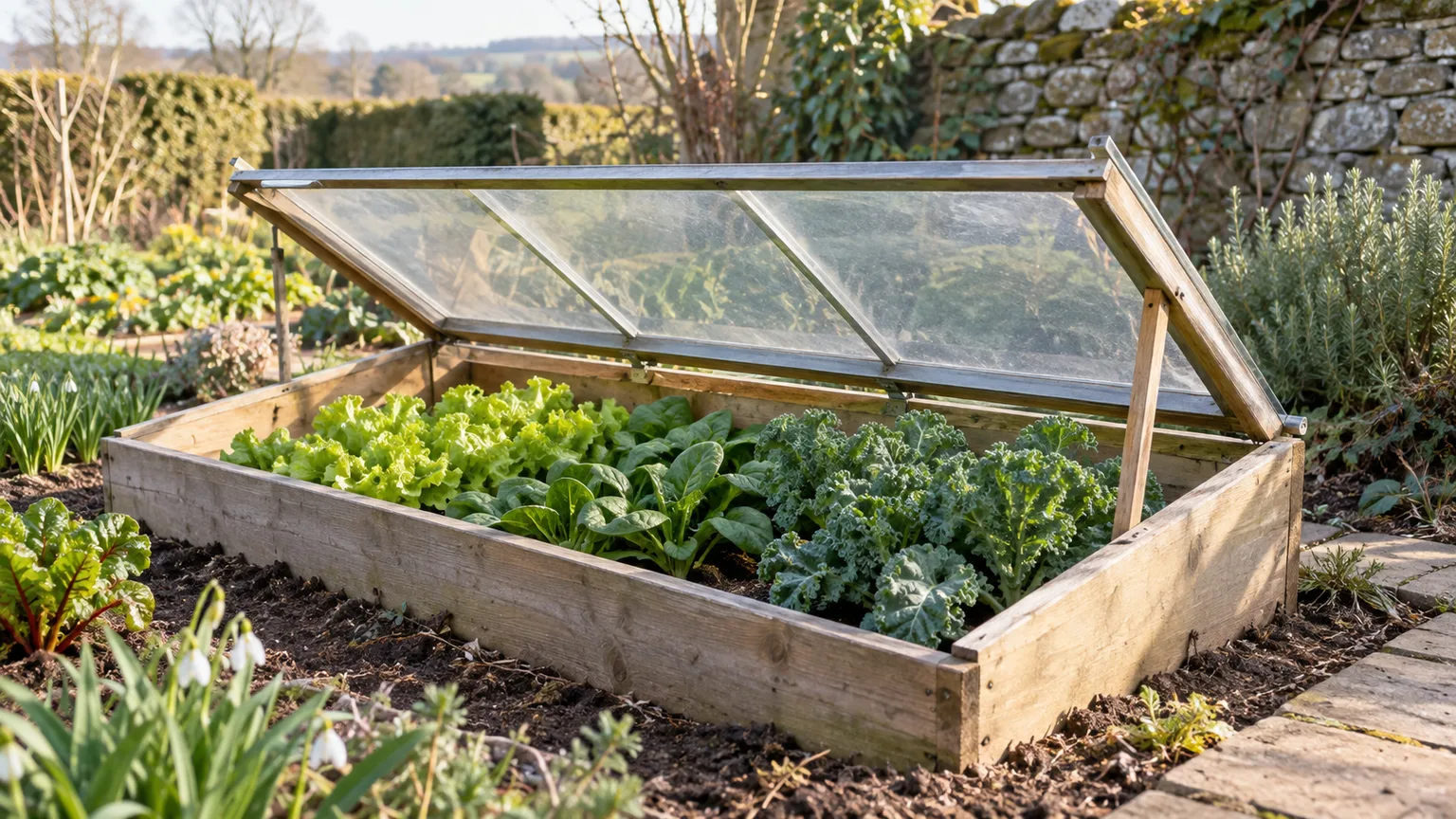
When plants are arranged in a row or raised bed, hoops create a simple low tunnel. Space flexible hoops evenly, drape frost cloth over them, and secure the sides and ends to the bed or soil. Leave enough headroom that the fabric does not rest on the crop, and check for wind lift after the first gusts.
Row covers are especially helpful for groups of seedlings, greens, and late-season vegetables. Harvest to Table recommends combining supported covers with careful anchoring and ventilation, while noting that plastic should stay off foliage Harvest to Table. If snow is possible, the structure needs enough support to prevent fabric and snow from collapsing onto plants.
A cold frame is a more permanent low structure with a transparent lid. It can protect hardy greens and seedlings from wind and light frost, but it is not the same as a heated greenhouse. Open the lid on sunny days, monitor the temperature inside, and close it before evening. A cold frame is a useful season-extender, not a guarantee against a severe freeze.
Protect containers and hanging baskets
Container plants are more exposed than plants in the ground because their root mass is surrounded by cold air and has less soil volume to buffer temperature swings. A plant that is hardy in the landscape may still suffer root injury in a small pot. Hanging baskets are particularly exposed because wind can chill the entire root ball from every side.
Move tender containers indoors, into a garage, shed, greenhouse, or other cool shelter before a hard freeze. The space should be cold enough to avoid forcing new growth but warm enough to keep the root ball from freezing. Check for insects before bringing plants inside, and give them light appropriate to their dormancy or active growth rather than placing every plant in a hot, dark corner.
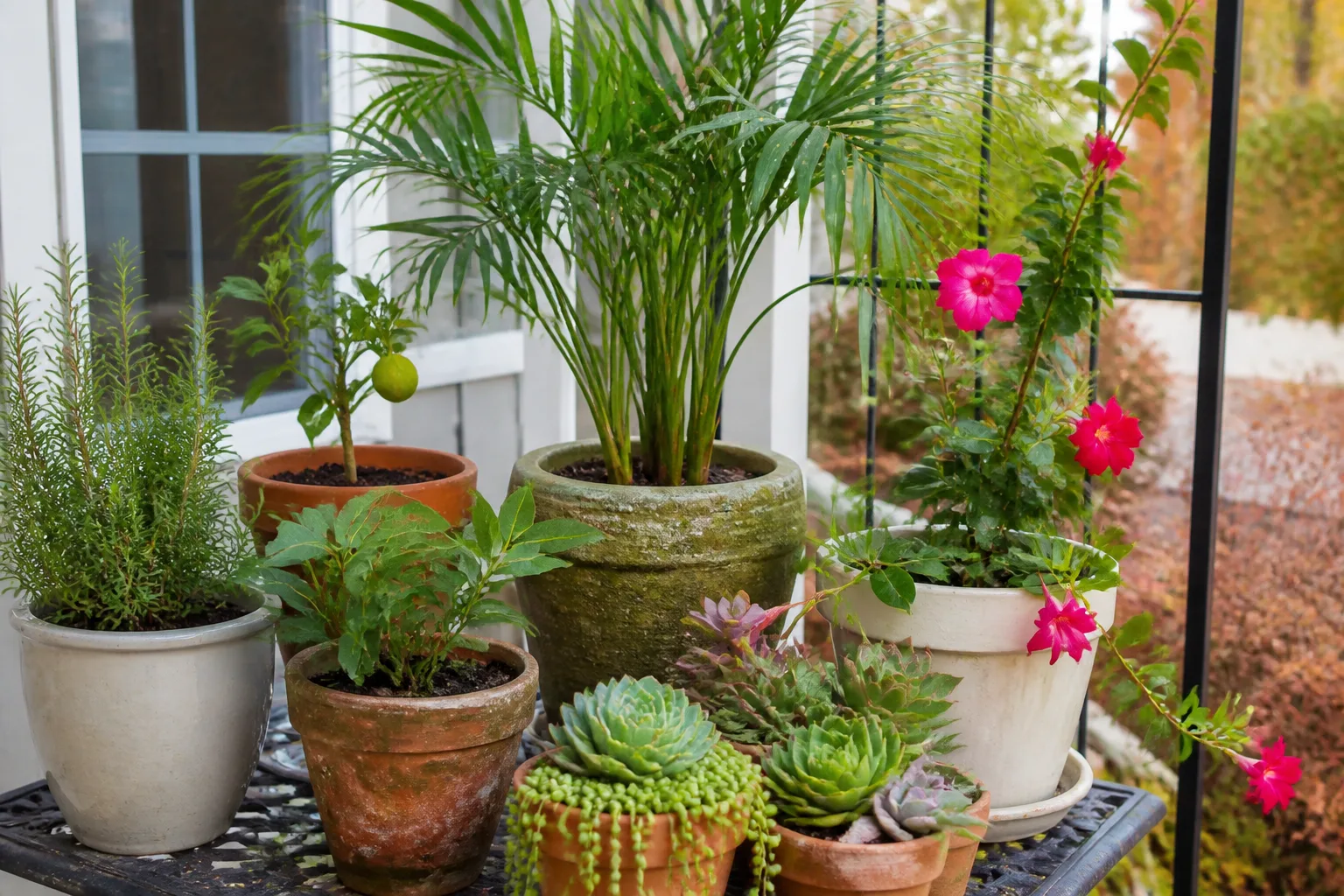
If a large pot cannot move, place it in the most sheltered spot available, group it with other containers, and insulate the pot itself with bubble wrap, burlap, straw, or another breathable material. Raise it off cold concrete if practical, keep drainage holes open, and protect it from wind. Do not wrap the foliage tightly in plastic while ignoring the frozen roots underneath.
Insulate roots with mulch
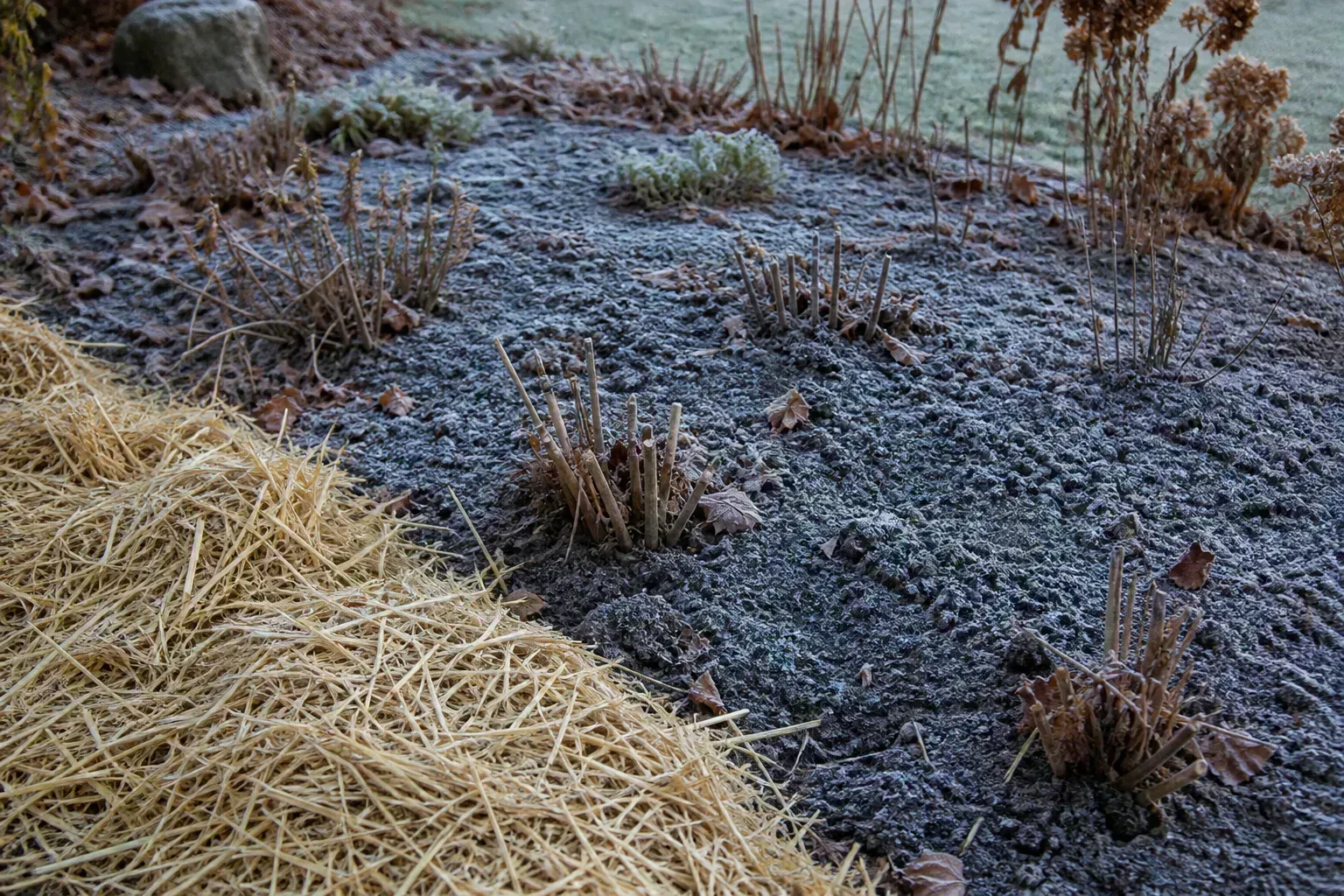
Mulch is a root-protection tool, not a substitute for a foliage cover. A loose layer of shredded leaves, straw, pine needles, or suitable bark helps moderate soil temperature and reduces the shock of repeated freezing and thawing. It is most valuable around shallow-rooted perennials, newly planted shrubs, strawberries, and plants that can regrow from a protected crown.
Apply mulch after the soil has cooled but before the ground is locked in ice. Keep it several inches away from the crown and main stems so air can circulate and the base does not stay wet. Avoid packing fresh grass, wet leaves, or heavy compost tightly around a plant; material that collapses into a soggy mat can promote rot rather than insulation.
Use more care around plants that need winter air movement or have a history of crown rot. The RHS recommends mulching vulnerable root areas but also emphasizes matching protection to the plant, the site, and the weather RHS frost guidance. A moderate, airy layer is safer than a huge pile applied without checking drainage.
Use shelter and heat-retaining surroundings wisely
A sheltered microclimate can reduce the amount of emergency covering you need. Place containers near a building wall, group pots together, or use a permeable hedge or screen to reduce wind. A south- or west-facing wall may release stored heat after sunset, although it can also encourage earlier growth that is vulnerable to a later frost.
Avoid low corners and the bottoms of slopes where cold air settles. A solid fence can block wind but may also trap cold air on the wrong side; a partially permeable windbreak often creates a gentler transition. The RHS identifies frost pockets and wind exposure as important causes of damage and recommends choosing planting positions with those patterns in mind RHS frost guidance.
Water-filled buckets, stones, bricks, and other heat-retaining objects may help near a covered plant by releasing heat slowly, but their effect is limited. They are supporting players, not replacements for a cover or a frost-free shelter. Never use an open flame, unsafe heater, or improvised electrical setup beside fabric and dry mulch.
Handle prolonged winter cold, wind, and snow
A one-night frost is a different problem from a winter that stays cold for weeks. For prolonged exposure, protect the root zone, manage wind, and use a breathable enclosure that can be inspected. Tender perennials may be better lifted and stored dormant, while hardy shrubs may need only mulch and a windbreak. The right choice depends on species, cultivar, hardiness, drainage, and your local pattern of cold.
Winter wind can dry evergreen foliage even when the soil is frozen. It can also loosen newly planted shrubs and lift roots during freeze-thaw cycles. Stake vulnerable plants, firm soil around a newly planted root ball when the ground is workable, and repair coverings after storms. The RHS recommends shelter, wrapping, mulching, and careful attention to containers for winter damage prevention RHS winter-damage guidance.
Light snow can insulate the soil, but heavy wet snow can break branches. Brush excess snow off gently when it is safe to do so, and do not handle branches that are frozen and brittle. Avoid pouring hot water on frozen plants; a rapid thaw can add damage, and the sudden temperature change does not repair injured tissue.
Avoid these frost-protection mistakes
The following errors are common because each one sounds reasonable until you understand what the cover is supposed to do.
- Draping bare plastic on leaves: Plastic can conduct cold to the points where it touches foliage. If plastic is the only option, keep it on a frame and remove it early the next morning.
- Covering only the top: Open sides allow the stored warmth near the soil to escape. Extend the material to the ground and anchor it.
- Covering after the plant is already cold: A cover traps existing warmth; it does not warm a chilled plant. Put it on before dark or before the temperature drops.
- Leaving a sheet on all day: Opaque fabric blocks light and can overheat plants in direct sun. Uncover once the immediate threat has passed.
- Watering a saturated bed: Moist soil can hold heat, but waterlogged soil damages roots. Water only when the root zone is dry enough to benefit and can drain.
- Pruning immediately after a frost: Brown or limp leaves do not tell you whether the crown or lower stems are alive. Wait until the damage is easier to see and additional cold risk has passed.
- Assuming a light cover defeats a hard freeze: Every material has limits. A sheet may buy time on a brief frost but cannot turn a tropical plant into a hardy perennial.
What to do after frost damage
Do not rush outside to strip or cut a plant while it is still frozen. Frozen tissue is brittle, and handling it can break stems that might otherwise recover. Once temperatures rise, assess the plant without rubbing the leaves: frost-injured foliage may look water-soaked, limp, dark green, brown, or black before it dries and becomes crisp.
Give the plant time, protect it from another frost, and keep the root zone evenly but not excessively moist. A damaged leaf will not turn healthy again, but an intact stem, crown, or dormant bud may still produce new growth. The RHS notes that some woody damage appears months later and that many plants can re-shoot from lower buds or below soil level RHS frost guidance.
If the plant is a vegetable or annual near the end of its season, decide whether the remaining tissue is worth protecting or whether harvesting and replanting is more practical. If it is a perennial, shrub, or tree, wait longer before making a final decision. Scratch a small area of stem only when the tissue has thawed and the plant is dry; green tissue suggests life, while uniformly brown, brittle tissue may be dead.
When to prune and when to wait
Wait several days after a light frost and longer after a hard freeze before removing damaged stems. The timing depends on the plant and the likelihood of another cold event. Leaving damaged top growth in place temporarily can protect lower buds and makes it easier to see where living tissue begins.
Once the threat has passed, prune back to living tissue or an undamaged bud with clean, sharp tools. Do not cut an entire shrub to the ground simply because the outer leaves are black. Some plants lose their foliage but regenerate from the crown; others retain living stems below the damaged tips.
If spring frost killed flower buds, recovery may mean a healthy plant with fewer flowers rather than a full return of the same season’s display. Fruit trees can survive while losing blossoms, and old-wood ornamentals can survive while losing next season’s flower buds. That is a disappointing outcome, but it is different from a dead plant.
Plan a frost-ready garden for next winter
The easiest frost rescue is the one you do not need. Record which plants were damaged, where cold collected, how long the cover stayed in place, and whether the container or root zone was the weak point. Keep frost cloth, hoops, landscape pins, and a few breathable covers together before the next cold warning rather than searching for them after sunset.
Choose plants suited to your hardiness and microclimate, and delay tender planting until the local frost risk has passed. Harden off indoor-grown seedlings gradually before moving them outside. In exposed beds, improve shelter and drainage before winter rather than trying to solve every problem with a heavier blanket.
For a simple seasonal checklist, prepare in fall by checking containers, mulch, stakes, and covers. Before a forecast frost, water dry soil early, cover tender plants before dark, and secure every edge. In the morning, remove or ventilate covers as conditions allow. After damage, wait, protect, and prune only when living tissue is clear.
Conclusion
To protect plants from frost this winter, start with the plant rather than the thermometer. Cover tender foliage for a short cold snap, insulate the root zone with airy mulch, move vulnerable containers, and use hoops or a cold frame when a bed needs repeated protection. Water only when dry soil can benefit, and keep plastic off foliage.
The details that save plants are simple: cover before the cold settles, seal the edges to hold ground heat, uncover before the day overheats the plant, and do not mistake black leaves for a dead crown. With a few materials ready and a clear recovery plan, you can protect the plants that matter without wrapping the entire garden in unnecessary layers.