How to Protect Hydrangeas From Frost This Winter
Protect hydrangeas from frost this winter with type-specific timing, shelter, mulch, burlap or frost cloth, potted-plant care, and spring recovery.
Hydrangeas do not all face the same winter risk. A panicle hydrangea that flowers on new stems can lose its first flush of tender growth and still bloom later, while a bigleaf hydrangea may survive as a shrub but lose the old stems carrying next summer’s flower buds. That difference is the key to deciding whether you need mulch, a temporary cover, or a full protective enclosure.
The most reliable plan is to protect the right tissue at the right time. Before the ground freezes, make sure the root zone is hydrated and insulated. Once the plant is dormant, protect vulnerable old wood from wind and severe cold. In spring, switch strategies: cover swelling buds overnight when frost is forecast, then remove the cover so warmth and air can reach new growth.
Start by identifying the hydrangea’s bloom wood
“Hydrangea” describes a group of shrubs with different flowering habits, not one winter-care template. The Royal Horticultural Society notes that the genus includes shrubby types with different levels of hardiness, while the Connecticut Agricultural Experiment Station specifically flags winter injury and lost flowers on bigleaf hydrangeas because their flowers are set on the previous season’s growth (RHS; Connecticut Agricultural Experiment Station).
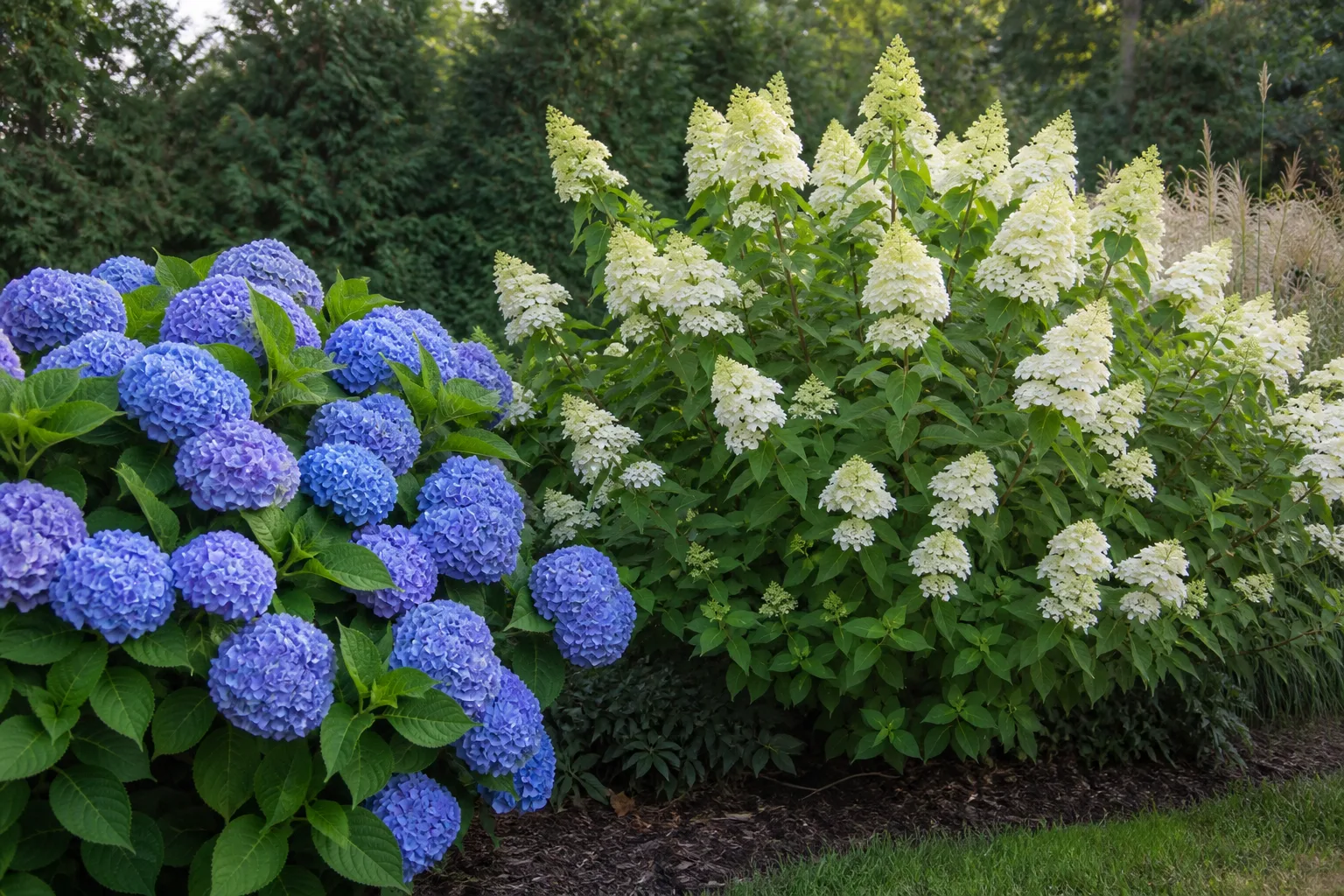
If you can find the plant tag, record the cultivar now. If the tag is gone, use clues: big rounded mophead or lacecap flowers usually point to bigleaf or mountain hydrangea, while cone-shaped panicles and smooth hydrangeas such as ‘Annabelle’ commonly flower on new wood. Reblooming bigleaf cultivars are a special case; treat them as old-wood plants for winter protection because preserving those older buds can add an earlier or stronger flush even if new stems later flower too.
Quick ID: old wood, new wood, and reblooming types
| Type | Common examples | Where next season’s flowers form | Winter decision |
|---|---|---|---|
| Old wood | Bigleaf, mountain, oakleaf, climbing, many lacecaps and mopheads | Stems that grew during the previous season | Prioritize shelter and bud protection, especially in exposed or marginal sites. |
| New wood | Smooth and panicle hydrangeas | New stems produced during the coming growing season | Roots still benefit from mulch, but a full enclosure is often unnecessary for an established, well-sited plant. |
| Old and new wood | Reblooming bigleaf cultivars | Both older stems and new growth | Protect it like an old-wood hydrangea if reliable early flowers matter. |
This is a planning shortcut, not a replacement for the cultivar label. Hardiness, exposure, plant age, and the severity of your winter can move a plant from “mulch only” to “cover the stems.” When in doubt, protect a valuable old-wood plant conservatively and avoid cutting healthy stems until you know which buds survived.
Decide whether your plant actually needs cover
A cover is most useful when it protects flower buds or newly active spring growth from a forecast cold event. It is not automatically helpful for every hydrangea all winter. An established new-wood hydrangea in a sheltered bed may need only a healthy root zone and mulch, while a young bigleaf hydrangea on an exposed corner can lose its flower show without a physical wind and cold barrier.
Use four questions. Is the plant an old-wood or reblooming type? Is it younger, newly planted, unusually tall, or growing outside the conditions listed on its tag? Does cold air collect there, or do winter winds hit the stems from one direction? Finally, is the threat a single overnight frost, repeated hard freezes, or a long cold and windy season? The more answers point to vulnerability, the more worthwhile a frame or sheltered move becomes.
Do not use a tight plastic bag as a substitute for protection. A cover needs to buffer temperature and wind while allowing some air movement. Trapped condensation, wet leaves, and rubbing fabric can create rot or broken stems, problems the cover was meant to prevent.
Put the plant in a winter-smart location
Location is the first layer of winter protection because it changes how quickly the shrub loses heat and moisture. A wall, fence, evergreen hedge, or group of shrubs can reduce wind, but do not place the hydrangea in a low pocket where cold air settles. The RHS describes these low spots as frost pockets and recommends matching plant choice and placement to the site’s microclimate (RHS frost guidance).
For future plantings, choose a sheltered position with bright light suited to the cultivar, good drainage, and protection from the prevailing winter wind. A wall can provide useful thermal shelter, but reflected heat may also encourage earlier spring growth; that can make a late frost more damaging. The goal is a stable site, not the warmest possible site at any cost.
Newly planted shrubs deserve extra attention. Their roots have not yet filled the surrounding soil, and freeze-thaw movement can loosen the root ball. Firm the soil around a lifted plant once the ground is workable, then keep the root zone mulched and evenly moist rather than repeatedly soaking a plant sitting in cold, saturated soil.
Water deeply before the ground freezes
Hydrangeas should enter winter without being drought-stressed. Water slowly and deeply when the soil is dry several inches down and the ground is still open, allowing the root zone to absorb moisture. Then stop and let excess water drain; winter protection does not mean keeping the bed constantly wet.
The last pre-freeze watering is not a magic treatment and it does not make stems frost-proof. It simply prevents a thirsty plant from facing cold, dry wind with an already depleted root zone. The RHS also warns that winter wind can increase moisture loss and that healthy, unstressed plants generally cope better with weather damage (RHS winter-damage guidance).
After the ground freezes, do not chip through frozen soil to water on a schedule. In mild climates or thaw periods, check the soil first. Water only when the root zone has thawed enough to absorb it and the bed is not already saturated. A potted plant needs the same logic: inspect the mix, do not follow a monthly calendar blindly.
Mulch the root zone without smothering the crown
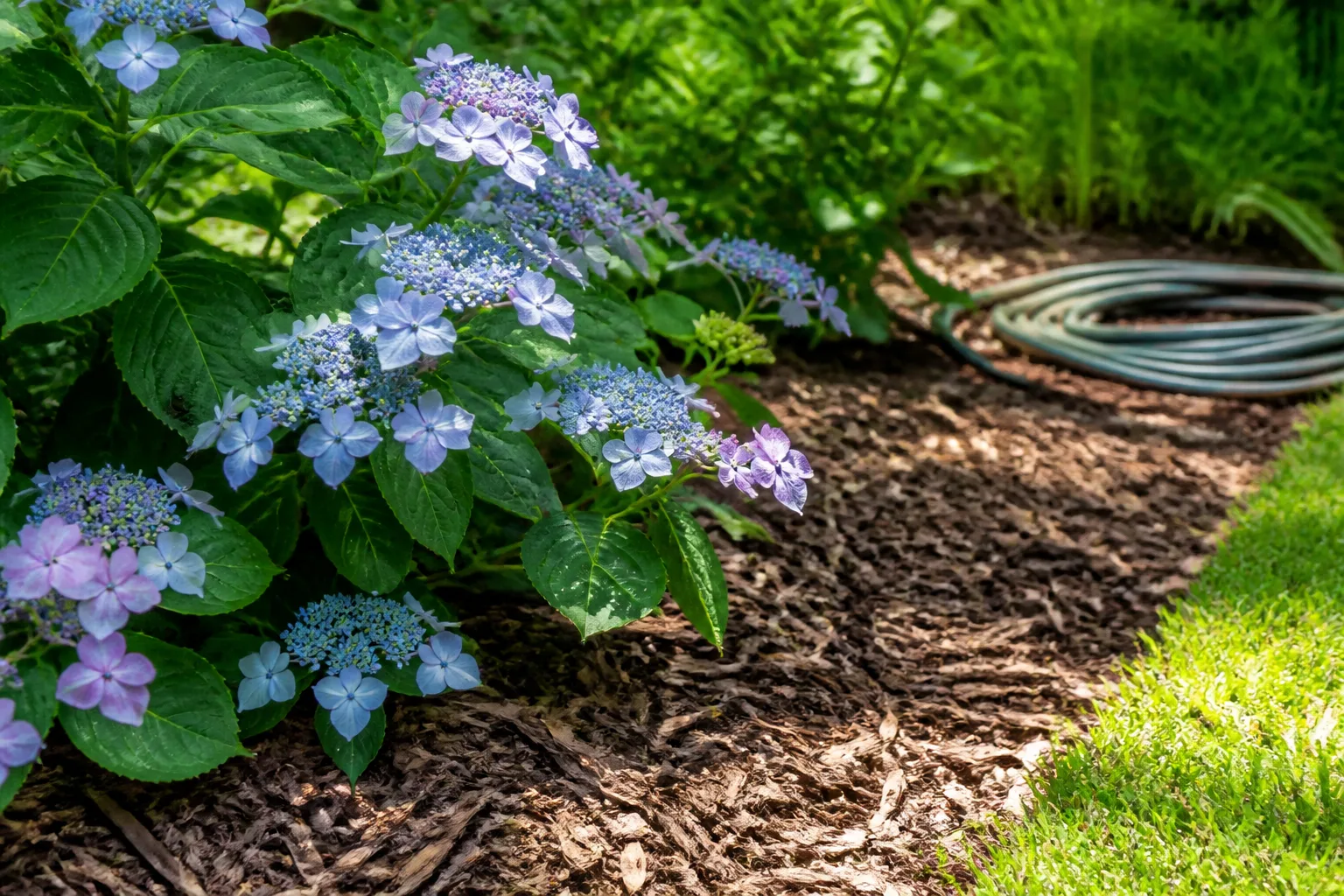
Mulch protects the roots from abrupt temperature swings and can reduce frost heaving, but it should not be piled against the stems. Spread about 2 to 3 inches of loose organic mulch over the root zone after the soil has cooled, keeping a small air gap around the crown. In a very exposed garden, add more insulation only if it remains airy and dry; a thick, wet mat is not better protection.
Suitable materials include shredded leaves, pine needles, clean straw, or finished compost used as a light top dressing beneath a coarser mulch. Avoid packing fresh, wet leaves tightly around the base. They can collapse into a dense layer that holds moisture against the crown and invites decay. Gardening Know How also emphasizes mulch for insulating roots and reducing freeze-thaw disturbance, while recommending that the timing be adjusted around the first freeze and local pest pressure (Gardening Know How).
Snow can function as a useful blanket over the ground, but it is not a reason to leave heavy, icy branches bent for days. Let light snow insulate the soil; gently remove dangerous loads from upper branches after a storm if doing so will not snap frozen stems. Never pour hot water on frozen soil or branches to speed thawing.
Stop late fertilizer and time pruning correctly
Late-season nitrogen is a poor frost strategy. It can encourage soft, sappy growth that has not hardened before a freeze, and it does nothing to restore flower buds already lost to cold. Stop routine feeding early enough for the plant to slow down, following the label and your local growing season rather than applying a late dose because the leaves still look green.
Pruning is where many hydrangea winter plans go wrong. Old-wood hydrangeas should generally be pruned after flowering, before the next season’s buds are developed or swelling. Cutting them back in fall or winter can remove the very stems you are trying to protect. New-wood types can be pruned in late winter or early spring, but there is no advantage to cutting them simply because frost is coming.
Dead or clearly diseased wood can be removed when necessary, but do not cut a living brown stem just because it looks dormant. Wait until the risk of additional frost has passed and inspect for green cambium or new buds. The safest winter rule is simple: protect first, prune after you can tell what is alive.
Protect in-ground hydrangeas with a frame
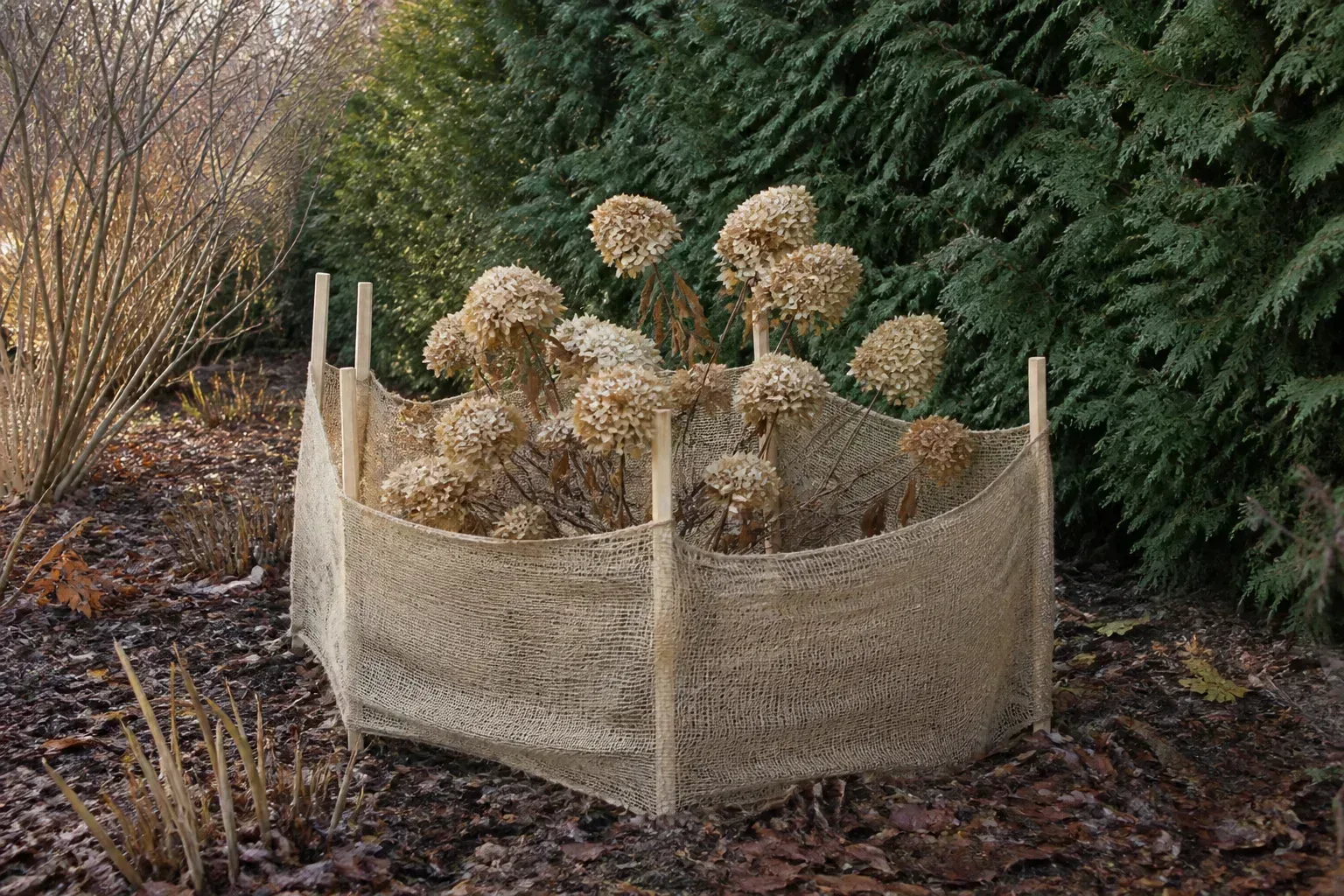
For a vulnerable in-ground hydrangea, build protection around the plant instead of wrapping fabric directly over every stem. Push sturdy stakes into the ground outside the branch spread, leaving enough space that the frame will not press against buds. Attach burlap or another breathable material to the stakes, with the bottom secured against wind but not sealed like a plastic tent.
The frame creates a buffer from drying wind and gives you room to add dry leaves or straw around, not tightly against, the stems. Keep the top open in ordinary conditions so rain and snow do not turn the enclosure into a wet box. In severe weather, a removable lid or extra breathable layer can be added temporarily, then loosened when conditions moderate.
Burlap plus dry leaves for a full-winter enclosure
This method is best for old-wood hydrangeas in marginal climates, young plants, and shrubs in exposed locations. Fill the gap between the stems and the burlap with dry, light material. Do not use wet grass clippings, heavy compost, or material that will settle into a packed mass and stay damp.
Inspect the enclosure after wind and thaw cycles. Refill leaves if they settle, repair gaps, and remove any material that becomes waterlogged. A winter enclosure is a seasonal tool, not a permanent plant habitat. The RHS recommends breathable coverings and cautions that wrappings should be removed during long mild periods to avoid sweating and rot (RHS wrapping guidance).
Frost cloth for a short cold snap
For a one- or two-night frost, frost cloth is usually easier than building a full cage. Drape it over a support so it reaches the ground on every side, then anchor the edges with stones or landscape pins. The cloth should not crush the tips or sit in puddles. An old sheet can work for a brief overnight event, but a breathable horticultural cloth is easier to secure and reuse.
Remove the cover after the danger passes, especially when the sun will warm the plant. If a late spring freeze is expected, cover in the evening and uncover in the morning once temperatures rise above freezing. Do not leave opaque fabric on a leafed-out hydrangea for days; it can reduce light and trap humidity just when tender growth needs air.
Protect potted hydrangeas from frozen roots
Containers are more exposed than garden soil because their roots are surrounded by a smaller volume of mix and more surface area. A hydrangea that is hardy in the ground may still suffer root injury in a small pot. The RHS recommends moving container-grown plants to sheltered areas and wrapping pots or otherwise preventing the root mass from freezing (RHS winter-damage guidance).
The most dependable option is to move the pot before a hard freeze to an unheated garage, shed, cold frame, or cool basement that stays above freezing. If the plant must remain outdoors, group pots in a protected spot, set them off cold concrete, wrap the container rather than the foliage, and mulch around the outside of the pot. Keep drainage holes clear and never let the pot sit in a saucer of ice-cold water.
Choose a cool shelter and manage dormancy
A cool, dark or dim shelter is usually better than a warm living room. Warmth and strong indoor light can push the plant out of dormancy, producing weak shoots just as outdoor conditions remain hostile. Once dormant, the plant needs far less water than it did in summer, but it should not be left bone-dry for months.
Check the mix every few weeks. If it is frozen, wait. If it has thawed and is genuinely dry below the surface, add a small amount of water and let excess drain. Remove dropped leaves, inspect for rodent damage, and return the plant outdoors gradually in spring after the worst freezes, protecting new growth if a late frost is still likely.
Handle snow, ice, and winter wind
Cold is only one part of winter damage. The RHS explains that repeated freezing and thawing, rapid thawing, strong wind, and heavy snow can each damage plant tissue or increase moisture loss (RHS frost guidance). A hydrangea can therefore look scorched after a windy thaw even when the thermometer never reached the lowest temperature of the season.
Let snow cover the soil when it is light and powdery. Brush off heavy, wet snow from a frame or branches with a soft broom, working upward from below and choosing a time when stems are not brittle with deep freeze. Do not shake a frozen shrub. If a limb is bent but not broken, leave it until it thaws and then assess it.
Windbreaks help most when they block the prevailing wind without trapping a permanently damp pocket. A burlap screen a short distance from the plant can be more useful than wrapping every branch. Site changes, mulch, and a properly secured frame work together; none should be treated as a substitute for a hydrangea suited to the climate.
What to do after a late spring frost
Late spring frost is a different event from winter dormancy. Leaves and buds may already be expanding, so the immediate goal is to keep tender tissue from freezing overnight. Cover the plant before temperatures fall, support the cover above the foliage, and anchor it to the ground. Remove it the next morning after the air warms.
Do not fertilize, prune, or flood the plant immediately after a frost. Brown or limp tips may be damaged, but nearby stems can still carry viable buds. Give the plant several days to show which tissue is dead. If a second frost is forecast, protect the still-green growth again rather than cleaning up too early.
If the first flush of new growth is lost on a new-wood hydrangea, later shoots may still flower, though the season can be delayed. If old-wood buds freeze on a bigleaf hydrangea, the plant may remain healthy but produce fewer or no flowers from those stems. That is a flower-bud loss, not proof that the whole shrub is dead.
Diagnose frost damage before you prune
Frost injury can appear as blackened tips, water-soaked tissue that later turns brown, limp leaves, split stems, or delayed spring growth. The RHS cautions that damage on woody plants may take months to become obvious and that a brown plant can still re-shoot from lower dormant buds (RHS frost damage guidance).
Use a three-part check before cutting. First, scratch a small area of stem with a clean fingernail: green tissue beneath the bark suggests life, while uniformly brown, dry tissue is more suspicious. Second, move down the stem and look for a swelling bud or flexible side shoot. Third, wait until the forecast is safely above freezing; cutting immediately before another frost exposes fresh wounds and can remove tissue that might have recovered.
When you do prune, cut back to healthy green wood or an active bud, making a clean cut just above the node. Remove collapsed, mushy, or broken sections, but keep any stem that is firm and potentially productive. Water normally once the soil has thawed, avoid a panic fertilizer application, and give the plant time. Some shrubs do not show meaningful recovery until late spring or early summer.
A simple winter checklist by season
Before the first hard frost: Identify the hydrangea type, stop late feeding, water the root zone if it is dry, check drainage, and move potted plants or prepare their shelter. Decide whether a valuable old-wood shrub needs a full frame or only a frost-cloth plan.
During winter: Keep mulch loose and the crown visible, inspect frames after storms, keep potted roots above freezing, and water only during a thaw when the mix or soil is actually dry. Do not prune healthy dormant stems just to make the shrub look tidy.
As spring approaches: Watch bud swell and local frost forecasts. Remove full-winter insulation gradually on mild or cloudy days, but keep frost cloth ready for overnight freezes. Delay structural pruning until you can see which stems and buds survived.
After the last meaningful frost: Prune confirmed dead wood, resume growth-season feeding only when the plant is actively growing and the product timing is appropriate, and replace a failed enclosure with a better site or hardier cultivar if the same damage happens repeatedly. The best winter protection is often a combination of the right plant, the right location, and a small amount of well-timed intervention.
Conclusion
To protect hydrangeas from frost, start with the flowering habit rather than the calendar. Old-wood and reblooming types deserve the most attention because their future flowers may already be sitting on exposed stems; new-wood types usually need root protection and sound siting more than a sealed winter wrap.
Water before the ground freezes, mulch without covering the crown, stop late nitrogen, and use a breathable frame or temporary frost cloth when the forecast and plant type justify it. For pots, protect the root ball in a cool, frost-free shelter. In spring, cover swelling growth overnight, remove the cover after the freeze, and wait to prune until the difference between dead tissue and dormant tissue is visible. That sequence keeps protection proportional, reduces rot and premature growth, and gives the hydrangea its best chance of returning with healthy stems and flowers.