How to Prune Lavender Plants in Every Season
Learn when and where to prune lavender in spring, summer, and fall, with variety-specific cuts, woody-plant rescue limits, and aftercare.
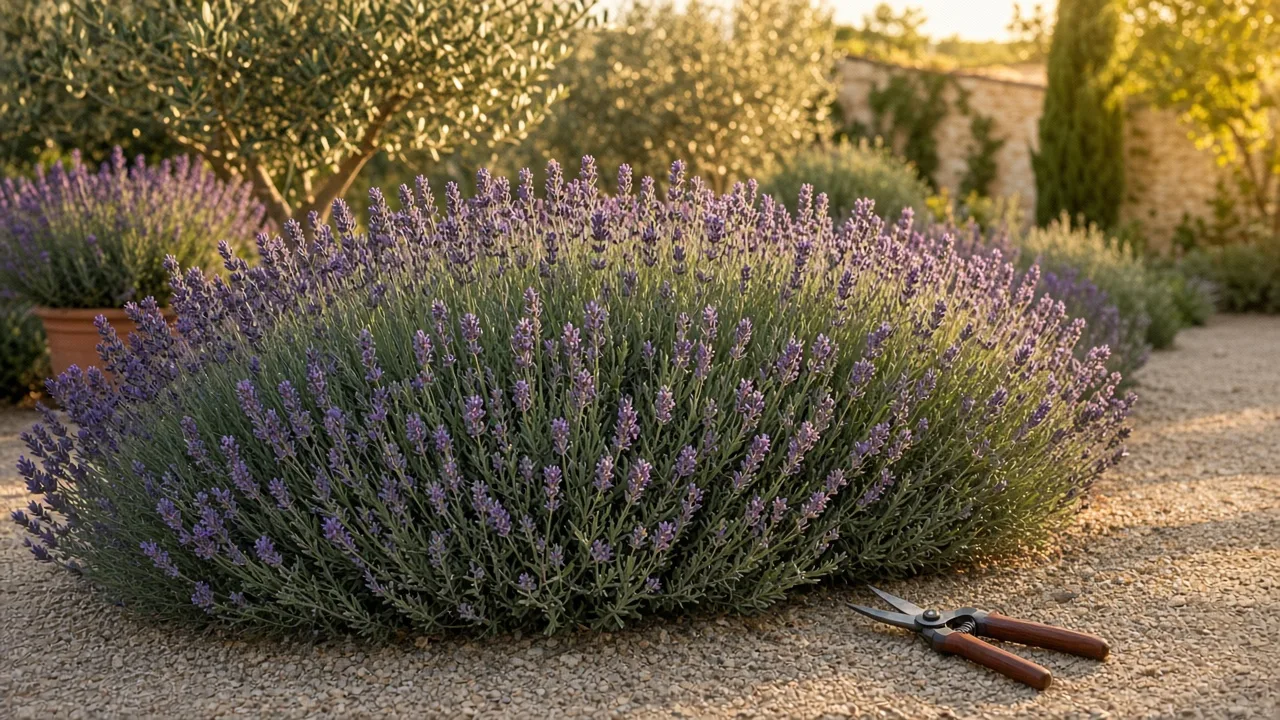
Lavender is a semi-woody plant: it carries soft, leafy stems above a framework that gradually hardens with age. Good pruning keeps enough young green growth to make a compact mound and removes spent flower stems before they turn the plant into a loose, split-prone shrub. The key is not cutting to a particular height. It is learning where live growth ends and non-regenerating old wood begins.
The most reliable routine is to trim after the main flowering flush and make a lighter spring inspection. That schedule still needs adjustment. English lavender and lavandin generally tolerate a more substantial shaping cut than tender Spanish or French types, and a gardener in a cold, wet climate should finish late-season work earlier than someone growing lavender in a mild, dry winter.
The pruning goal: green growth, not a haircut
Pruning has three jobs: remove flower stalks, preserve a dense leafy framework, and prevent long stems from splaying away from the crown. It also lets you see damaged or diseased material before it traps moisture in the center. NC State Extension describes English lavender as a mounded, drought-tolerant plant that benefits from yearly cutting and removal of spent spikes; its guidance for ‘Provence’ similarly points to pruning after flowering or in spring for shape.
The target is a low dome with light reaching the interior. A dome is better than a flat-topped ball because the outer edge receives strong light while the center remains supported. Do not chase perfectly symmetrical geometry if achieving it would force you into leafless wood. A slightly uneven plant with live buds is healthier than a neat-looking plant that cannot replace the removed stems.
Identify the lavender before you cut
Look for a plant label, cultivar name, or flower shape. English lavender (Lavandula angustifolia) is usually compact and relatively hardy, with short flower spikes. Lavandin (Lavandula x intermedia) is a larger hybrid with long stems and a later summer bloom. Spanish lavender (L. stoechas) has topped flower heads with conspicuous bracts, while French lavender (L. dentata) often has toothed foliage and can flower for a long season in mild climates.
Names are not always used consistently in garden centers, so flower timing and structure can help. If you are unsure, use the conservative method: remove spent spikes and shorten only the leafy portion, leaving more green growth than you think you need. A cautious cut can be repeated. A cut into a bare, old stem may be permanent.
Variety and climate change the calendar
Use plant events, not a date printed on a generic calendar. The main trim belongs after the plant’s principal bloom has faded, while the spring pass belongs after you can see which stems survived winter and new leaves are beginning to emerge. RHS recommends an annual late-summer trim after flowering, removing spent stalks and about an inch of leafy growth, with spring clipping reserved for untidy or frost-damaged growth.
In a cold region, do not push a hard cut into late autumn. Fresh shoots need time to mature before freezing weather, and a heavily opened plant is more exposed to wet and frost. In a mild region, a longer flowering season may justify several light deadheading passes, but the plant still needs a final shape before the period of prolonged cold or rain.
Gather tools and inspect the plant
Use clean, sharp bypass pruners for individual stems and hedge shears for a broad, established hedge. Bypass blades make a slicing cut rather than crushing the stem. Wear gloves when working through a dense plant, and keep a bucket or tarp nearby for dry trimmings. Wipe soil and sap from blades as you go; disinfect them between plants if you are removing suspiciously discolored or dying material.
Before making the first cut, lift a few stems and inspect their bases. Green-gray foliage, flexible leafy shoots, and visible side buds are good places to cut. Brittle, gray-brown, completely leafless wood is a warning boundary. Also check whether the plant is stressed by saturated soil, root exposure, winter breakage, or a pest problem. Pruning cannot correct a site that stays wet, and extra watering immediately after a cut can worsen root problems.
The safe-cut rule: follow green growth
Choose a leafy side shoot or a cluster of leaves and cut just above it, leaving a short amount of stem so the cut does not tear into the bud. On a mature branch, the safe cut may be several inches above the woody base. The exact distance is less important than the presence of live foliage or a viable node below the cut.
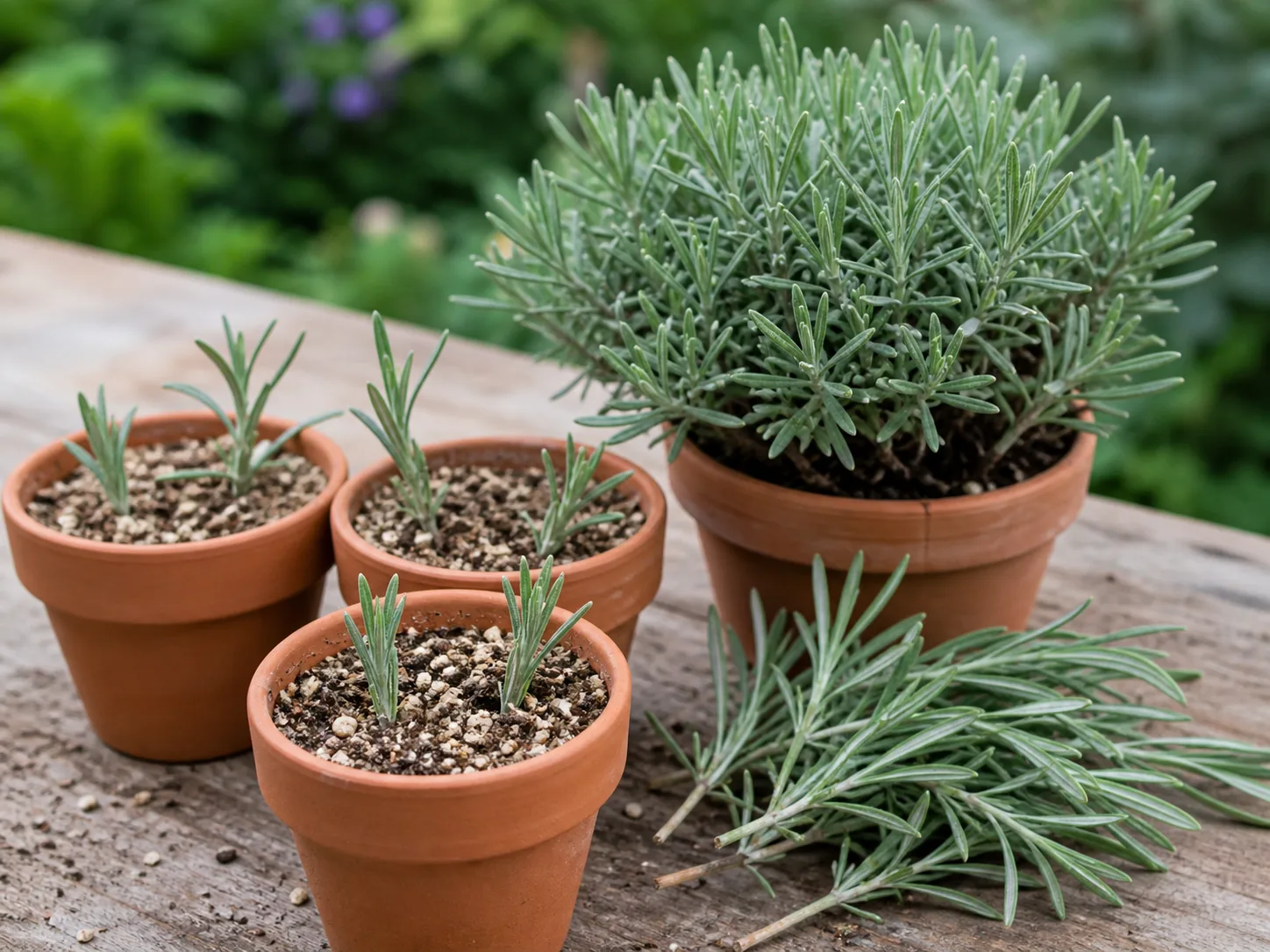
Never treat lavender like a deciduous shrub that can be cut to a stump and expected to resprout. RHS notes that lavender does not break new growth easily from old stems. Homes & Gardens gives the same practical boundary: trim into the leafy section, not down into the bare wood. If a branch has no green growth below the desired height, stop and accept the branch’s natural length.
A simple pruning sequence
Start by removing dead, broken, or crossing stems. Then cut the spent flower stalks, taking a small amount of leafy stem with them. Step back and look at the whole mound before shortening more; lavender is easy to over-trim when you work close to the plant.
Shape the outside before the center
Trim the outer stems slightly shorter than the inner stems. This preserves the rounded profile and keeps the center from becoming a taller, shaded chimney. Work in small handfuls for a hedge, but pause often to check that you are still cutting into green growth rather than using the hedge shears to flatten everything at one height.
For a plant that has sprawled, do not pull the long stems upright and cut them all at the same point. That creates a blunt top and can remove the plant’s remaining leafy renewal points. Shorten each stem to a side shoot where possible, and remove only the worst offenders if the plant has little safe green growth left.
Pruning young lavender in its first year
Young lavender needs a light formative trim, not a major reduction. Once it has settled and produced fresh growth, pinch or snip the tips of vigorous shoots to encourage branching. If it flowers in its first season, remove the spent spikes and shorten the stems by up to about one-third while leaving a generous cushion of green foliage.
Do not sacrifice a young plant’s entire bloom just to make a perfect shape. The priority is a branching framework and a healthy root system. Avoid hard pruning during heat, drought, or immediately before a forecast freeze. A recently planted plant has fewer reserves and less root reach than an established mound, so timing and aftercare matter more.
Pruning established lavender after flowering
For an established English lavender or lavandin, cut back the flower stalks and roughly one-third of the leafy growth after the main flush. Use the plant’s shape as the guide: if the outer stems are long and the center is compact, take a little more from the outside; if the plant is already tight and young, take less.
Lavandin often has long, arching stems that look untidy after its mid- to late-summer display. It can need a stronger shape correction than a compact English cultivar, but do not assume that “up to half” is always safe. If a half-size cut would land in bare wood, leave the plant larger and plan to replace the oldest branch through gradual removal or propagation from younger material.
Spring pruning and frost damage
Spring is the best time to assess winter survival. Wait until the worst freezes have passed and new growth begins to show, then remove stems that are clearly dead or cracked. If foliage was browned by frost, shear only the damaged tips back to living leaves. Do not strip every brown-looking stem immediately; scrape or bend-test questionable wood and give dormant buds time to reveal themselves.
A spring shape cut can delay some flowers because it removes emerging tips, but lavender flowers on new-season growth. The trade-off is worthwhile when the mound is badly lopsided or winter-damaged. In a cold climate, leave tender lavender fuller than hardy English types so its woody framework and crown have more protection from exposure.
Summer deadheading and repeat bloom
You do not need to remove each tiny flower individually. Gather the finished spikes and cut them back to a leafy junction. English lavender may offer a second flush after an early trim; Spanish and French types can keep producing flowers over a longer period when spent stalks are removed regularly.
Deadheading is optional if you enjoy the dry seed heads and the plant is healthy, but it becomes useful when the stems are collapsing into the mound or blocking airflow. Make light passes rather than repeatedly reshaping the entire plant. Stop late-season trimming early enough for new cuts to mature before cold weather.
Fall pruning without winter damage
The phrase “fall pruning” covers two different jobs: a late-summer post-bloom trim and a late-autumn cleanup. The first is often useful. The second is where gardeners can create trouble by cutting tender growth just before freezing weather or by opening the crown to rain and snow.
Finish the main shape while there is still a reasonable growing window. In frost-prone areas, remove broken stems and spent stalks but avoid a severe haircut late in the season. In wet-winter regions, airflow and drainage matter as much as the cut; do not mound wet mulch against the crown to compensate for exposed soil.
English lavender and lavandin
English lavender is generally the safest type for a firm annual shape. After its late-spring or early-summer flowering, trim the spent stalks and a modest portion of green growth. A second, more complete late-summer cleanup can be appropriate if it blooms again, provided the plant retains leafy stems and the timing is not too close to frost.
Lavandin blooms later and often becomes broad and stemmy after its main display. Shape it after flowering, keeping the top rounded and the crown open enough to dry. Because these hybrids can become large, plant spacing and sunlight are part of pruning success: a crowded plant will sprawl again no matter how carefully you cut it.
Spanish and French lavender
Treat Spanish and French lavender more gently when winter is cold. Remove spent flower heads and a small amount of green growth after the first flush, then continue light deadheading instead of repeatedly cutting deep. In mild climates, a fall trim can maintain shape; elsewhere, wait until late winter or early spring after the most damaging frost has passed.
These types are often grown for their long or distinctive bloom, so the best schedule may be several small corrections rather than one heavy cut. If a tender plant is in a container, move it to a bright, sheltered position according to its hardiness and keep the pot from sitting in winter water. Pruning does not make a marginally hardy variety hardy.
What to do with woody lavender
First decide whether the wood is a few old branches or the whole plant. If green shoots still emerge above the woody framework, remove the oldest branches one at a time and shorten the remaining leafy stems to live nodes. If every stem is bare below the height you want, there is no reliable “rejuvenation” cut that will force a new leafy framework from the stump.
At that point, take softwood or semi-ripe cuttings from healthy young growth if the variety is worth preserving, and plan a replacement. RHS lists cuttings as a practical way to make genetically identical plants. A replacement is not a failure; lavender establishes quickly, and a young plant maintained with annual green-wood pruning usually outlives an old specimen that has been cut back too hard.
Common pruning mistakes
The most damaging mistake is cutting everything to ground level. Other failures include pruning on a hot, drought-stressed day; using dull shears that crush stems; trimming after a flush of tender regrowth has started; and watering the crown heavily because the plant looks freshly cut. Lavender prefers sharply drained soil and does not recover well from a wet root zone.
Another common error is using one schedule for every plant in the bed. A hardy English cultivar beside a tender Spanish lavender may need different winter decisions. Finally, do not confuse flower removal with structural pruning: deadheading keeps spikes tidy, while structural pruning changes the leafy framework and should be done less often and with more inspection.
Aftercare and what to do with trimmings
After pruning, leave the plant in its normal sunny, well-drained position. Water only if the soil is genuinely dry and the plant is not already suffering from poor drainage. Avoid high-nitrogen fertilizer or rich manure as a reflex; NC State’s notes for ‘Provence’ caution that excess nitrogen can produce floppy growth, while lavender’s form depends on sturdy, restrained shoots.
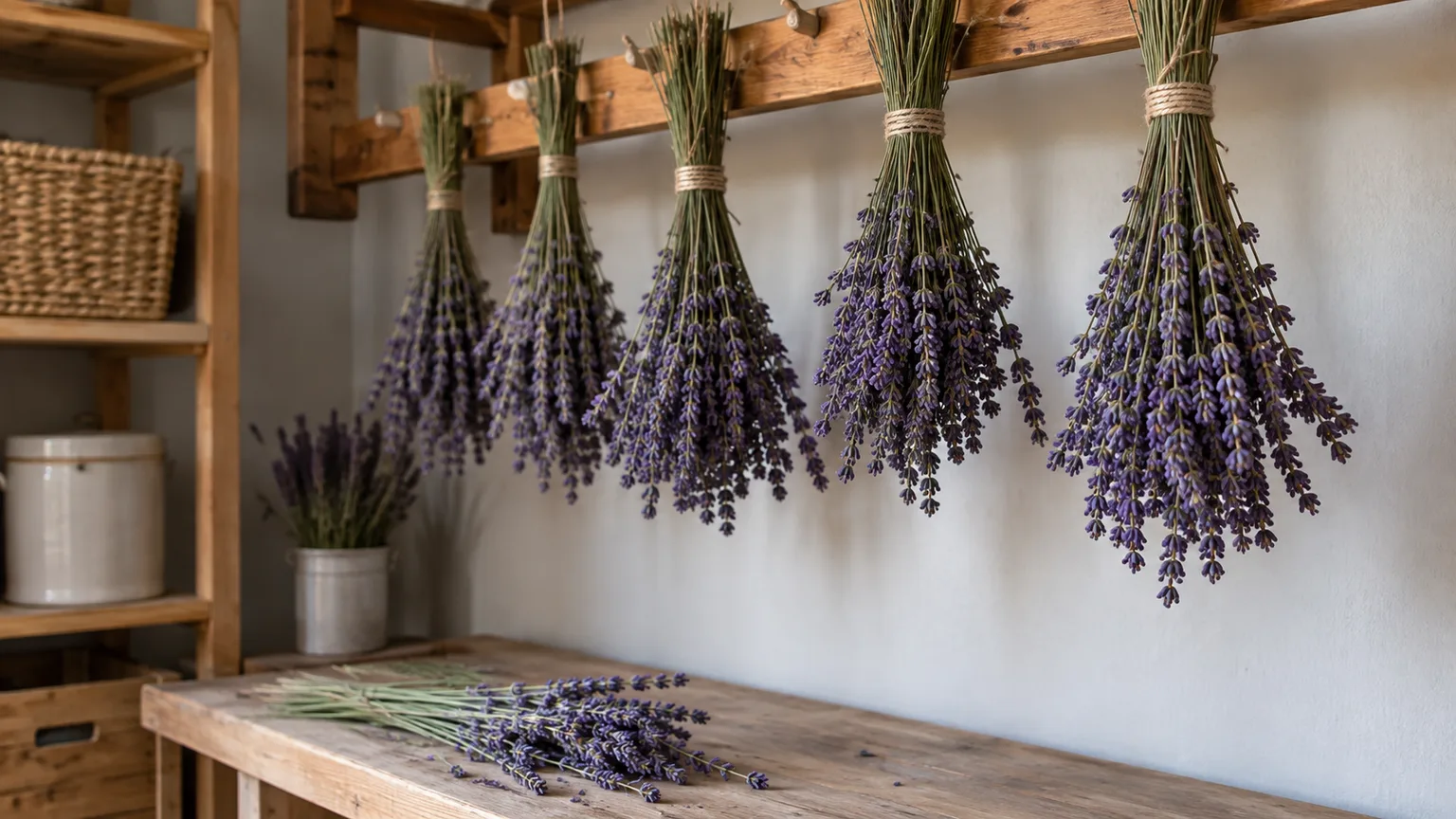
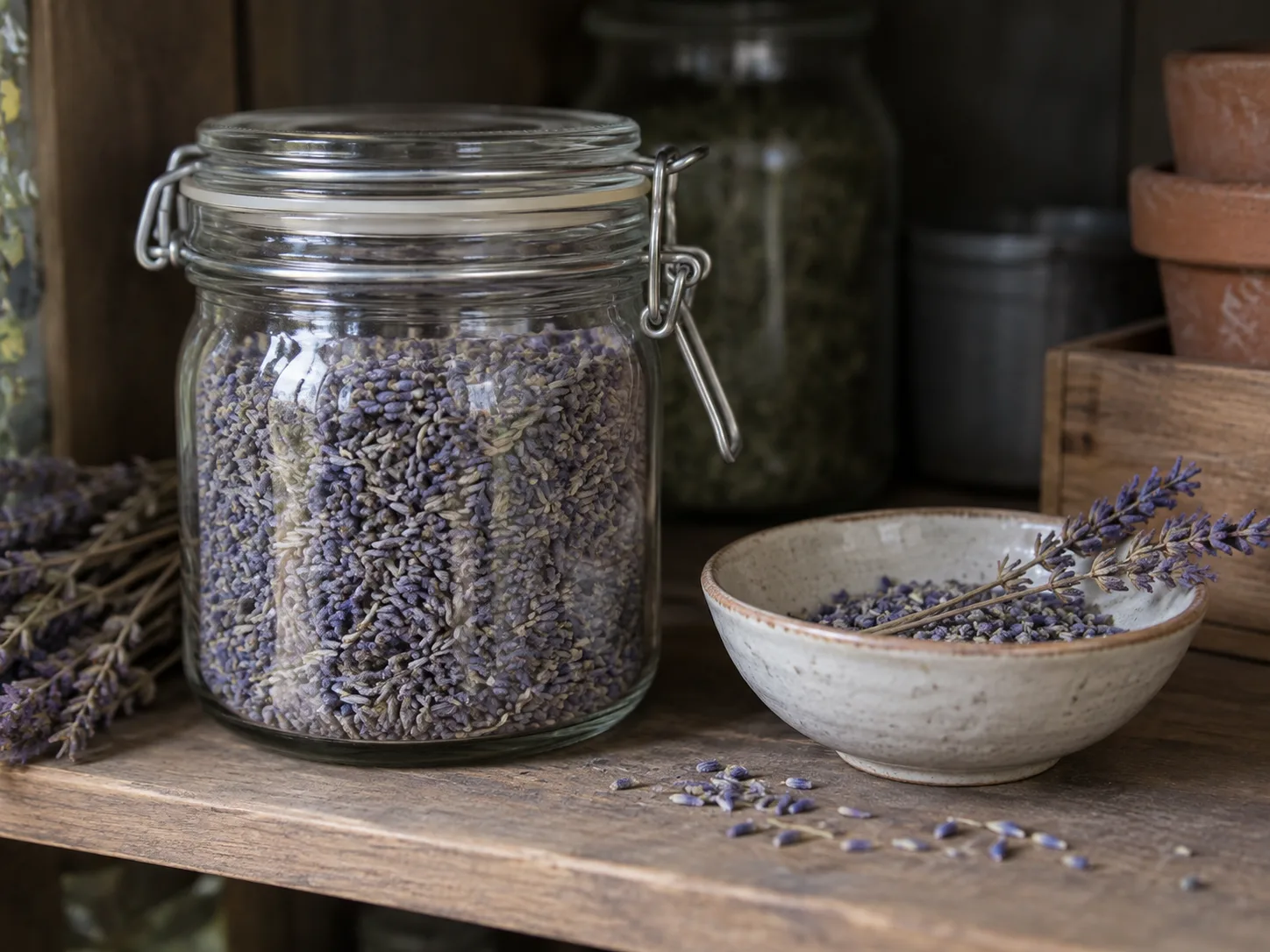
Fresh, fragrant summer trimmings can be bundled for sachets or dried in a warm, airy place. Older woody stems are better composted or chipped than forced into crafts. Do not use material from a diseased plant in home compost unless your composting process reliably reaches the required temperatures; bag and dispose of questionable cuttings according to local guidance.
Conclusion
Prune lavender by following live green growth, not by imposing a fixed haircut. Give young plants a light formative pinch, shape established English lavender and lavandin after flowering, and use gentler, climate-aware cuts on Spanish and French types. A spring inspection can remove frost damage, while summer deadheading keeps long-blooming plants open and tidy.
The permanent rule is simple: never cut a lavender plant back into a large section of bare old wood unless you are prepared for that branch not to return. If safe green shoots remain, reduce gradually and keep the mound rounded. If the entire plant is woody, propagate a healthy young piece and replace it. That decision protects the next several seasons better than a dramatic cut that leaves a dead stump.



