How to Prune Shrubs in Fall Without Damaging Growth
Should you prune shrubs in fall? Use this plant-by-plant guide to protect flower buds, avoid frost damage, and make only cuts your shrub can handle.
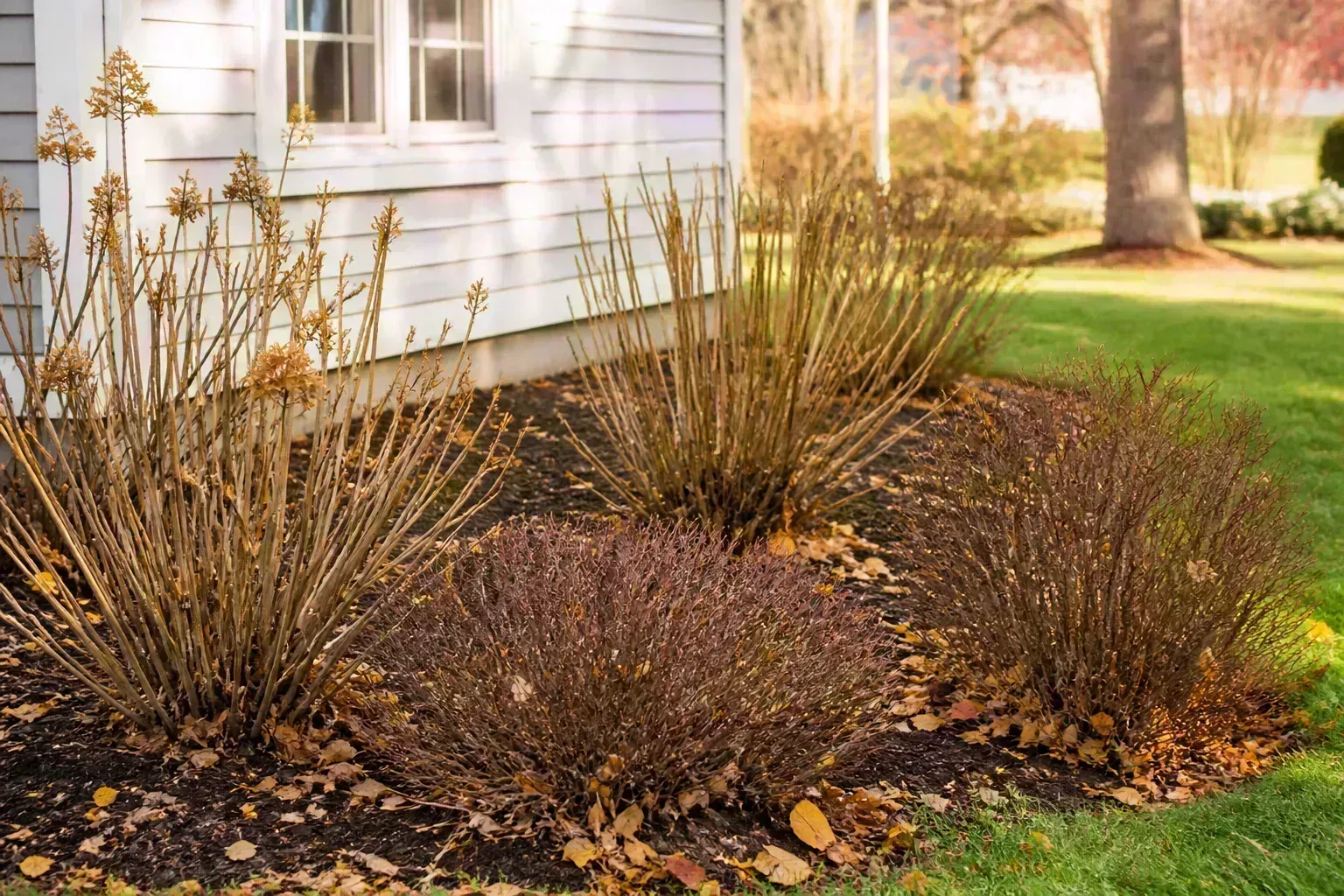
Fall is a good season to inspect shrubs, but it is not a universal invitation to cut them back. The safest autumn approach is to remove material that is already dead, diseased, broken, or likely to fail in winter, then postpone live-wood shaping until you know the plant’s flowering habit and the right growth window.
The detail that decides the outcome is where next year’s flower buds live. Lilacs and forsythias carry buds on older stems, while panicle hydrangeas, smooth hydrangeas, butterfly bushes, and Rose of Sharon flower on new season growth. The same fall routine can remove one group’s spring display or push tender growth on the other.
The fall pruning rule: decide before you cut
Use this order whenever you approach a shrub in autumn: identify the plant, name the reason for pruning, inspect the stems, and only then decide whether a cut is justified. If you cannot identify the shrub or its bloom habit, the conservative choice is deadwood-only pruning and a note to check the plant while it is flowering next year.
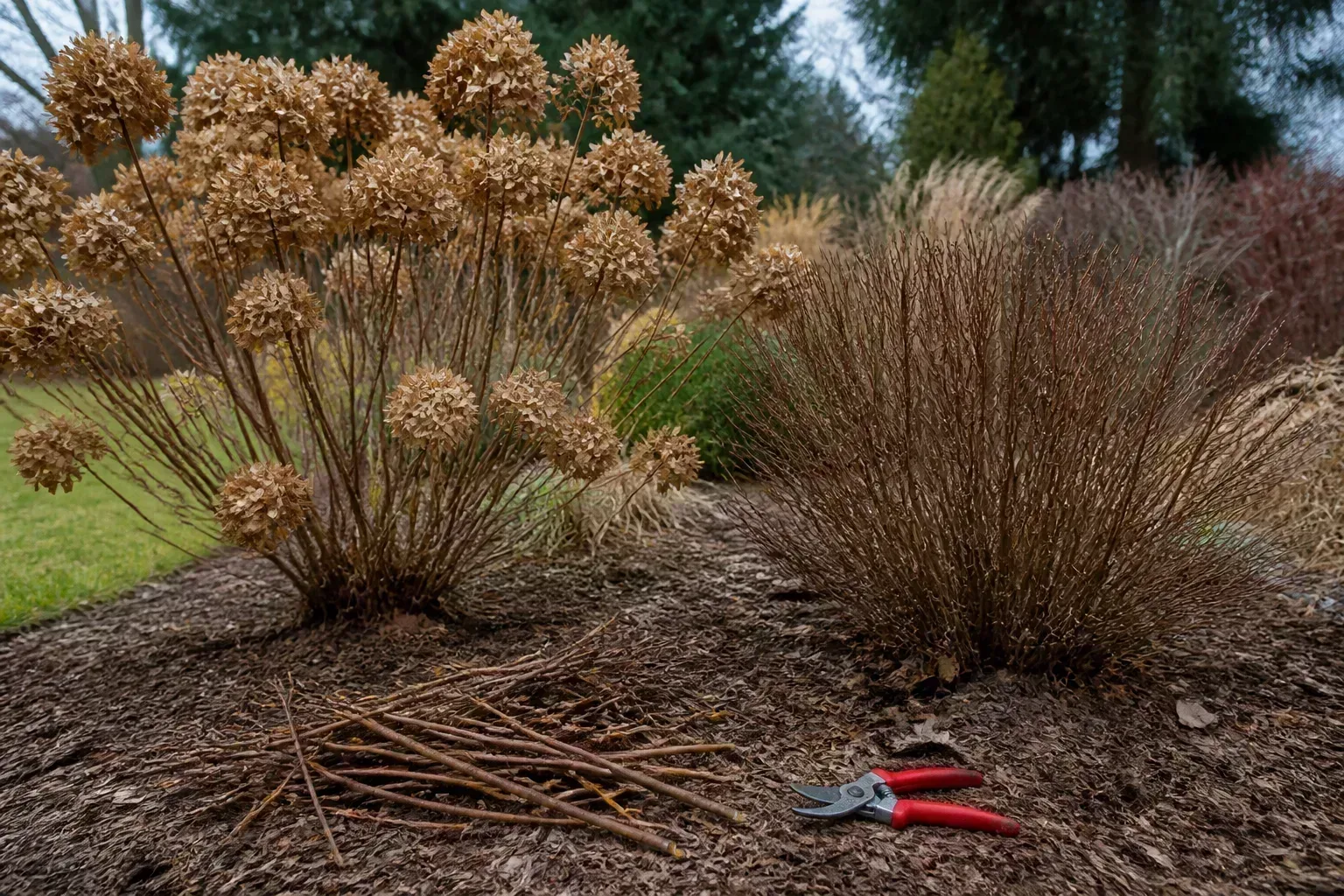
For most established shrubs, there are only three strong reasons to prune in fall. You may need to remove a real hazard, eliminate diseased or broken wood, or make a small plant-specific cut that reduces winter damage without sacrificing flower buds. A fourth reason—cosmetic tidying—is valid only when it does not require cutting healthy flowering wood or stimulating a flush of late growth.
This is why “after the leaves fall” is a useful inspection cue but a poor stand-alone rule. Leaf drop reveals the branch structure, yet the plant may still carry dormant flower buds or be too close to a hard freeze for a large live cut.
K-State Research and Extension describes fall pruning as a job best focused on dead, dying, broken, or hazardous limbs, with major corrective work reserved for the dormant season or early spring. That guidance is a helpful baseline, but your shrub’s bloom wood and local weather still determine the exception (K-State Research and Extension).
Why fall pruning can cost spring growth
A pruning cut is an injury, even when it is made neatly. Plants must isolate the damaged area and grow new tissue around it, and the process slows as temperatures and light decline. K-State explains that late winter and early spring are usually better for significant cuts because plants are moving toward active growth rather than entering dormancy.
The risk is not that every autumn cut kills a shrub. A cut can remove flowering wood, trigger soft new shoots that meet frost before they mature, or reduce the canopy while the plant is preparing for winter.
Deciduous shrubs also change their internal priorities through the seasons. The Royal Horticultural Society notes that deciduous plants move food reserves toward their roots in winter, giving them resources for regrowth when pruning is done in the dormant period; summer pruning removes green leaves that are actively producing those reserves (RHS pruning shrubs guide).
That seasonal biology explains the difference between maintenance pruning and renovation pruning. Removing one dead branch is a small correction. Reducing a mature shrub by half, rebuilding a congested framework, or shearing a whole hedge is a structural project that needs a more suitable window and a plant known to tolerate it.
Use bloom wood to choose the season
“Old wood” and “new wood” describe the age of the stems that carry flowers, not whether the whole shrub is old or young. This distinction is the most reliable way to predict whether a fall cut will remove next spring’s buds.
| Flowering habit | Where the important buds form | Typical examples | Safer pruning window |
|---|---|---|---|
| Old wood | On stems made during the previous season or earlier | Lilac, forsythia, weigela, many viburnums, azalea, rhododendron, bigleaf and oakleaf hydrangea | Immediately after flowering, with fall limited to the four Ds |
| New wood | On shoots produced during the coming growing season | Panicle hydrangea, smooth hydrangea, butterfly bush, Rose of Sharon, crape myrtle | Late winter or early spring before strong new growth, depending on climate |
| Evergreen structure | On living foliage and stems that must face winter | Boxwood, holly, yew, rhododendron, laurel, many tender evergreens | Usually after flowering or after heavy frost risk passes; follow the species’ guidance |
Use the table as a starting map, not a substitute for the cultivar label. Hydrangeas, roses, spireas, and viburnums include plants with different habits, so when identity is uncertain, protect a possible old-wood display and limit fall work to deadwood.
Old-wood shrubs: protect next spring’s flowers
Old-wood shrubs often finish flowering, then form the buds that will open the following spring. Those buds can be tiny after leaves fall, so a hard autumn cut may look harmless while removing the entire next display.
Common examples include lilac, forsythia, weigela, mock orange, many viburnums, azalea, and rhododendron. Prune these after flowering, when you can see what bloomed; in fall, limit work to deadwood, broken stems, and urgent clearance.
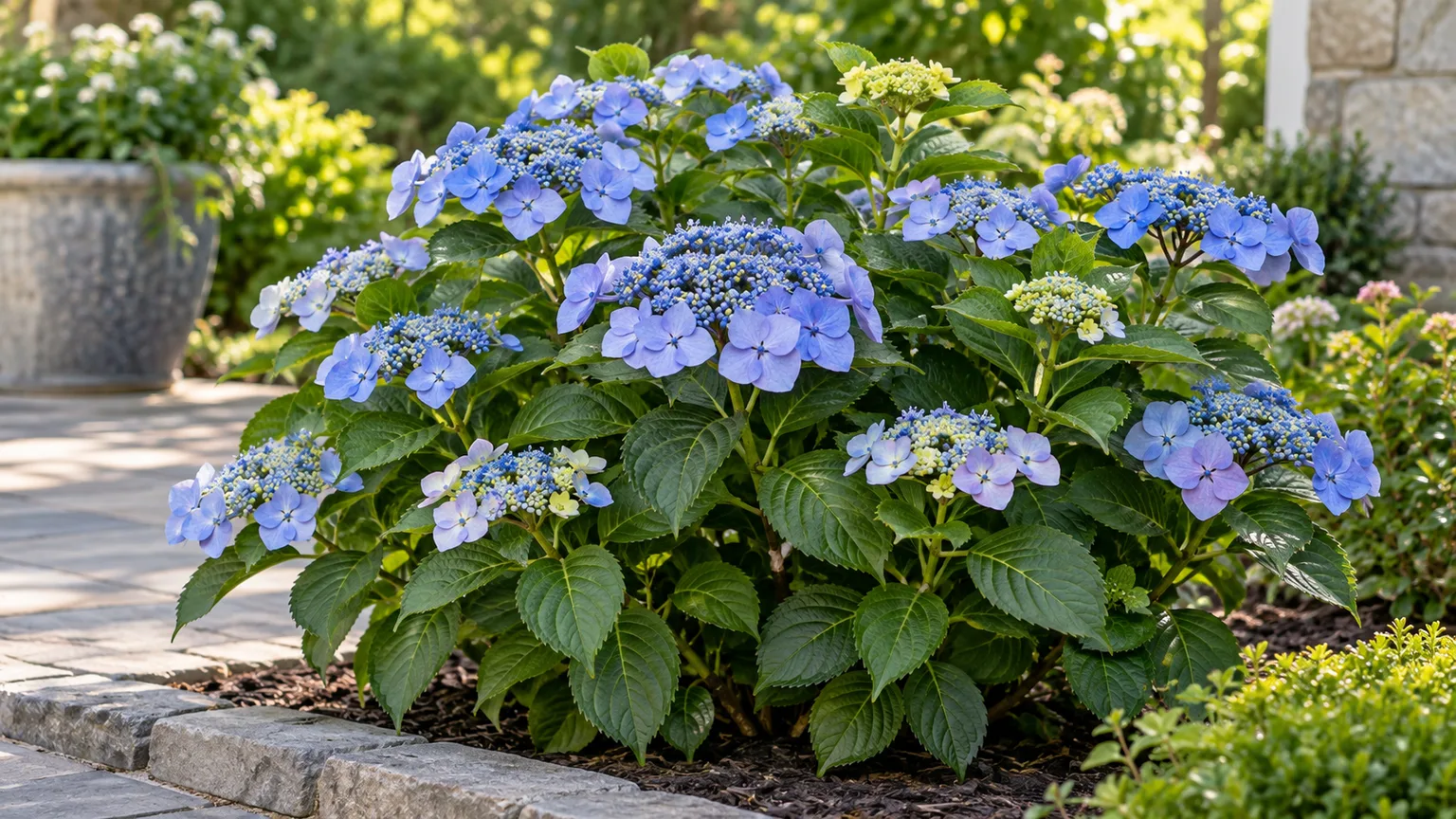
The same caution applies to bigleaf and oakleaf hydrangeas. Bigleaf hydrangeas include many mophead and lacecap types, and oakleaf hydrangeas carry their flowers on older stems; a fall size reduction can remove dormant buds even if the plant looks untidy after frost. Savvy Gardening advises treating fall hydrangea work as optional deadheading or damage removal and separating old-wood types from panicle and smooth hydrangeas, which flower on new wood (Savvy Gardening hydrangea fall care).
New-wood shrubs: still wait for the right window
New-wood shrubs are more forgiving because next year’s flowers will form on shoots that emerge in the coming season. That does not mean every new-wood shrub should be cut hard in early autumn. A live cut while the plant is still growing can wake dormant buds and produce soft shoots that are poorly prepared for cold.
Panicle hydrangea, smooth hydrangea, butterfly bush, Rose of Sharon, and crape myrtle are familiar new-wood examples in many gardens. For these plants, the preferred major pruning window is commonly late winter or early spring, just before growth begins or after the worst frost risk has passed. The RHS recommends early to mid-spring pruning for late-flowering deciduous shrubs and cutting last year’s flowering stems back to the older framework (RHS summer- and autumn-flowering shrubs).
In fall, limit new-wood shrubs to light grooming or a clear wind-risk correction. Remove a dead cane, flower head weighing down a branch, or broken stem that would catch snow; save height reduction and renewal for the season of strong regrowth.
Spirea needs a closer look because the group includes both spring-flowering and summer-flowering types. Mounded Japanese spireas generally tolerate pruning after growth has slowed, while bridal-wreath types bloom on older arching stems and should be handled after their spring show. If the plant is a mass of bare branches with flowers appearing early in the year, do not use a generic “spirea” rule.
Evergreen shrubs: a separate risk calculation
Evergreen shrubs do not shed their full canopy before winter, so a heavy autumn cut removes foliage that would otherwise continue to support the plant and buffer its structure. The RHS warns that autumn and winter pruning can unbalance the root-to-shoot relationship when evergreens cannot replace lost growth quickly; it generally favors pruning after flowering and major reduction in late winter or early spring.
This matters most for broadleaf evergreens such as rhododendron, laurel, holly, and some pittosporums, especially in exposed sites. Their leaves can lose water to cold sun and wind while frozen soil limits the roots’ ability to replace it. A late hedge trim may therefore create winter-burn risk even when the shrub does not flower on old wood.
Hardy yew is a useful exception because it tolerates later clipping than many evergreens. BBC Gardeners’ World Magazine lists early autumn as workable for a once-yearly yew hedge trim, while cautioning that many tender shrubs and evergreens should not be cut in winter (BBC Gardeners’ World autumn pruning). The species and purpose still matter.
What you can safely prune in fall
Begin with the lowest-risk material and stop as soon as the actual problem is solved. A few necessary cuts do not justify a blanket haircut.
Start with the four Ds
The four Ds are dead, diseased, damaged, and dangerous wood. They are the most defensible fall targets because they are not contributing to a healthy flower display and may create a bigger winter or disease problem if left in place.
Dead wood is dry, brittle, and often darker than live stems. Scrape a tiny patch of bark on a questionable twig: green tissue suggests life, while brown, dry tissue suggests dieback. If only the tip is dead, work downward to healthy tissue rather than removing the entire cane.
Diseased wood may show cankers, sunken bark, spreading black lesions, persistent mildew, or a clear line of dieback. Cut below the affected section into healthy-looking wood, bag the debris when disease is plausible, and sanitize the blade before moving to another shrub. The RHS notes that pruning wounds can provide an entry point for disease, so clean tool technique and restrained cuts are part of the prevention strategy.
Damaged wood includes storm-split branches, cracked joints, bark tears, and stems rubbing hard enough to create an open wound. Dangerous wood is a branch that can strike a path, window, vehicle, play area, or roof, or one that is visibly loaded and likely to break in snow or wind. If the limb is too large to control safely from the ground, stop and hire a qualified arborist rather than turning a seasonal task into an injury risk.
Remove suckers, crossing stems, and wind hazards selectively
Suckers rise vertically from the base or root area and can drain energy from a grafted shrub or distort its intended form. Cut them at their point of origin instead of leaving a short stub that can produce a cluster of replacements. If the sucker is emerging from the root system below a graft union, do not confuse it with a desirable shoot from the named cultivar.
Crossing and inward-growing stems deserve a judgment call. Remove one when the branches rub, trap wet foliage in the center, or create a weak tangle that snow can pull apart. Keep both when they merely overlap visually without rubbing; every live cut has a cost, and opening the center should not become an excuse to hollow the shrub.
Wind hazards can justify a little live-wood reduction. On a tall shrub rocking in wet soil, reduce a long leverage point or weak crowded stem at the base, then postpone the main shaping work rather than shearing the canopy.
What to leave until after flowering or late winter
Leave healthy branches alone when the only goal is to make the shrub look smaller, rounder, or more uniform. The calendar is especially unforgiving for spring bloomers because their next flowers may already be set on the branches you can see.
Avoid fall renovation of lilac, forsythia, weigela, early-flowering viburnum, azalea, rhododendron, and other old-wood shrubs unless you are correcting a genuine hazard. Do not cut bigleaf or oakleaf hydrangeas for size in autumn, and do not assume that a frost-blackened hydrangea stem is dead before you inspect its buds and tissue.
Postpone hedge shearing when you do not know the plant’s flowering schedule or when the cut would expose a large amount of evergreen interior wood. Hedge walls are maintained by repeated, deliberate trimming, not by one late rescue session. If the hedge has outgrown its space, plan a staged reduction or replacement rather than removing a large percentage of live canopy in cold weather.
Major rejuvenation also belongs in a season selected for that shrub. The RHS describes renovation for overgrown deciduous shrubs and some evergreens, but its guidance uses late winter through early spring or a staged multi-year approach depending on the plant. That is a different operation from removing a dead stem, and it deserves a written plan before the first cut (RHS renovation pruning).
Spring bloomers, hydrangeas, and uncertain shrubs
Use a three-way pause when you are unsure: What month does it flower? Where did this year’s flowers grow? Can I see a real reason to cut today? If the shrub flowers in spring and you cannot answer the second question, stop at deadwood and wait until after flowering.
Hydrangea is the classic trap because one yard may contain several species with different pruning needs. Panicle and smooth hydrangeas flower on new wood and can receive their main reduction before spring growth; bigleaf and oakleaf hydrangeas carry old-wood buds and should receive only careful cleanup in fall. Repeat-blooming types can be even less predictable by cultivar, so a minimal approach protects more options than a hard cut.
Roses also need identification rather than a single seasonal slogan. A repeat-blooming shrub rose can tolerate a light autumn tidy in some climates, while a hybrid tea, climber, or newly planted rose may need different timing and winter strategy. Remove dead, diseased, or broken canes; save ambitious shape reduction for the pruning window recommended for that rose class.
A climate-aware fall timing checklist
Replace the phrase “in October” with a set of plant and weather signals. Fall arrives early on a high, exposed site and late in a mild coastal garden, and the same calendar date can mean active growth in one yard and full dormancy in another.
Before making any live-wood cut, check the following:
- Plant identity: Confirm the species or cultivar and whether it flowers on old wood, new wood, or both. A nursery tag, local extension profile, or a photo of the flowering plant is more useful than a guess based on leaf shape alone.
- Growth stage: Look for slowing growth and, on deciduous shrubs, leaf drop. Do not read leaf drop as a guarantee that a hard cut is safe; use it as permission to inspect more accurately.
- Weather window: Do not prune when frost is imminent or when the plant will face a rapid freeze immediately after cutting. BBC Gardeners’ World Magazine advises avoiding pruning when frost is forecast within three days because fresh cut ends can be damaged before they dry.
- Reason for the cut: If it is not a four-D, a real winter hazard, or a documented plant-specific exception, wait.
- Amount: Keep fall live-wood work light. If the job involves lowering the shrub, removing a major framework branch, or taking out a large fraction of the canopy, move it to late winter or the post-flowering window.
- Stress level: Newly planted, drought-stressed, diseased, or recently transplanted shrubs should not be pushed into a major autumn recovery project. Water and root protection usually do more good than another shaping cut.
The most forgiving session is often late fall after leaf drop, once the plant has stopped making soft shoots and the weather is dry and frost-free. In a short-season climate, that window may be absent; “deadwood only” is a successful decision.
Tools and setup for low-stress cuts
Bring the smallest tool that can make the cut without crushing or forcing the branch. A sharp bypass pruner handles small live stems, loppers provide leverage on thicker branches, and a pruning saw is safer for wood that would require twisting or repeated squeezing. Hedge shears belong to formal hedges and deliberate shaping jobs, not to every shrub that looks uneven in October.
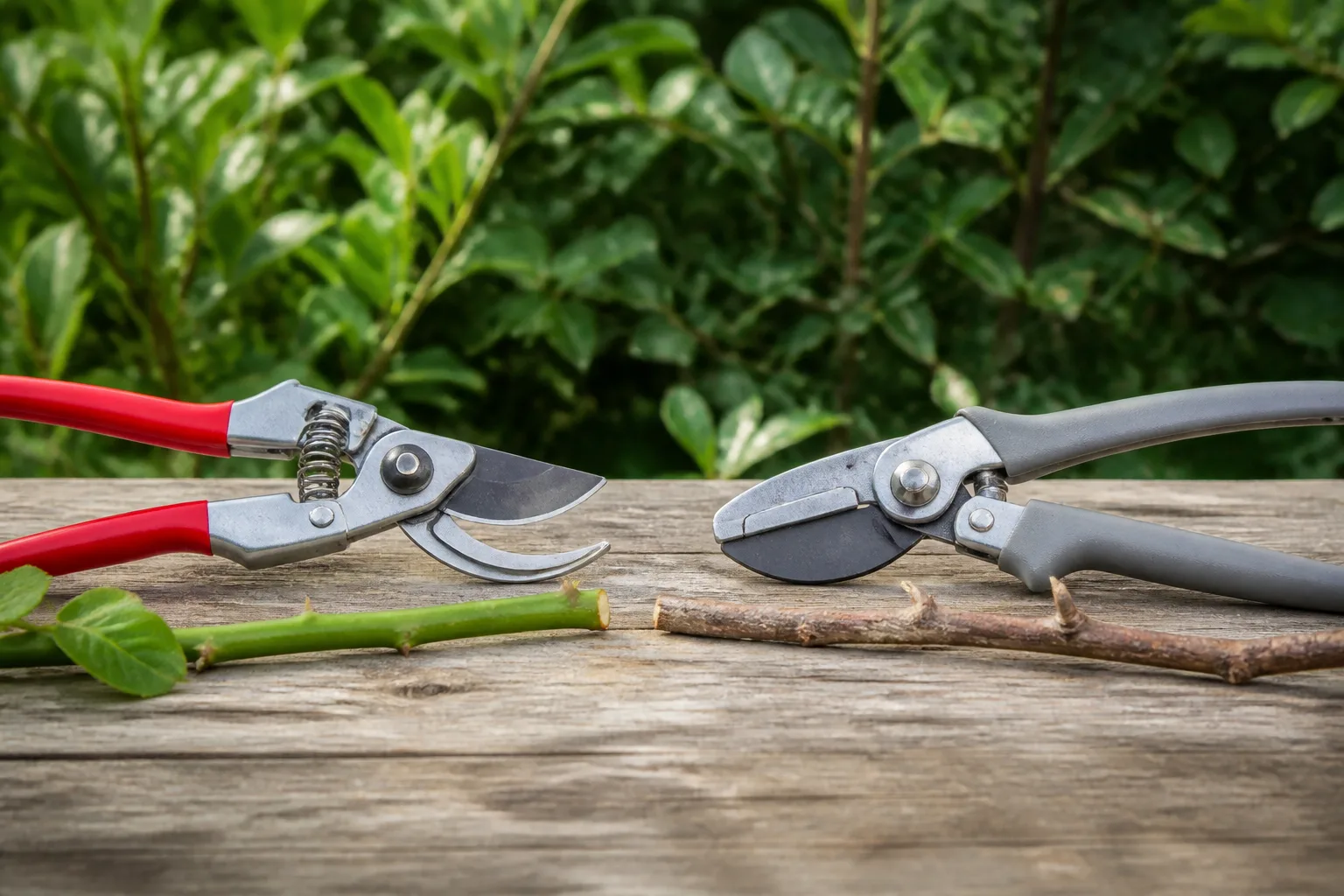
Fine Gardening emphasizes choosing tools for the plant and cut, while BBC Gardeners’ World lists secateurs, loppers, a folding saw, and shears for different branch sizes and purposes (Fine Gardening pruning guide; BBC Gardeners’ World year-round pruning guide). If the tool leaves a crushed edge, use a better-sized or sharper blade.
Start with clean blades and a stable stance. Keep one hand away from the jaws, avoid cutting above shoulder height, and lay a tarp or bag nearby so questionable debris does not get dragged through the bed.
Sanitation matters most when you move between shrubs or cut diseased wood. Fine Gardening recommends washing off dirt, removing stuck sap, and disinfecting the tool; it gives a 10 percent bleach solution or disinfectant wipe as an example of the final sanitation step (Fine Gardening tool sanitation). Follow the disinfectant label, keep the blade wet for the required contact time, then rinse and dry metal if the product calls for it.
How to make each pruning cut
First decide whether you are removing a whole stem or shortening it. Whole-stem removal is usually the better fall choice because it reduces congestion without leaving a new shoot sitting at the edge of a cold-season canopy. Shortening is more likely to stimulate buds below the cut, so use it only when there is a clear structural or safety reason.
For a stem that joins a larger branch, find the branch collar, the slightly swollen area at the base of the branch. Cut just outside the collar, leaving the collar intact; a flush cut removes protective tissue, while a long stub dies back and becomes another problem. On a small twig, cut just above a healthy outward-facing bud or a strong side branch so the next growth points away from the center.
Make the cut in one controlled motion when possible. The cut surface should be smooth, not torn, and the remaining branch should not wobble under its own weight. A slight angle can help water run away from a bud, but do not create a long sloping wound simply to imitate a diagram.
For a heavy branch that could tear bark as it falls, use the three-cut method: a shallow underside cut, a top cut farther out to remove the weight, then a final cut just outside the collar. This protects bark during an unavoidable removal; it does not make a large fall cut appropriate.
Thin at the base; don’t shear the shell
Thinning removes a stem where it begins, opening selected parts of the framework while preserving the shrub’s natural shape. Heading cuts shorten a branch and leave several buds or side shoots below the cut, which can create a dense cluster. For fall maintenance, thinning is usually the more predictable technique because it solves congestion without turning every remaining branch tip into a prompt for new growth.
Shearing the outside of a shrub produces a neat outline quickly, but repeated shearing can create a thick green shell with a shaded, declining interior. That effect is especially unhelpful when the shrub enters winter with long, weak outer growth and a framework that cannot carry snow evenly. Step back after every few cuts; if the plant already looks lighter and better ventilated, put the shears down.
A simple working sequence is to remove dead wood, then diseased wood, then broken or rubbing wood, and finally one or two stems that clearly compromise balance. Walk around the plant before touching healthy branches. The goal is not an empty center; it is enough space for stems to move, dry, and carry winter load without rubbing.
Aftercare for shrubs you pruned in autumn
After cutting, clear the ground of pruned stems and leaves that show disease. Do not bury questionable infected material or add it to home compost unless you know the system will destroy the disease. Clean tools before storing them, then inspect the shrub from a distance.
If autumn is dry, keep the root zone evenly moist while the soil is workable. Water slowly and deeply around the roots, stopping when the ground freezes or is already saturated.
Apply a shallow organic mulch layer over the root zone after cleanup, generally about 2 to 3 inches where that depth suits the bed. Leave a bare gap around the stems so mulch does not stay wet against bark or create cover for rodents. Mulch buffers temperature swings and conserves moisture, but it cannot restore flower buds removed by a mistimed cut.
Skip the urge to compensate with late nitrogen fertilizer. Fertilizer does not heal a pruning wound, and a nitrogen-driven flush is exactly the kind of soft growth that can suffer in an early freeze. If a soil test shows a real nutrient need, address it in the plant’s normal feeding window rather than guessing after an autumn mistake.
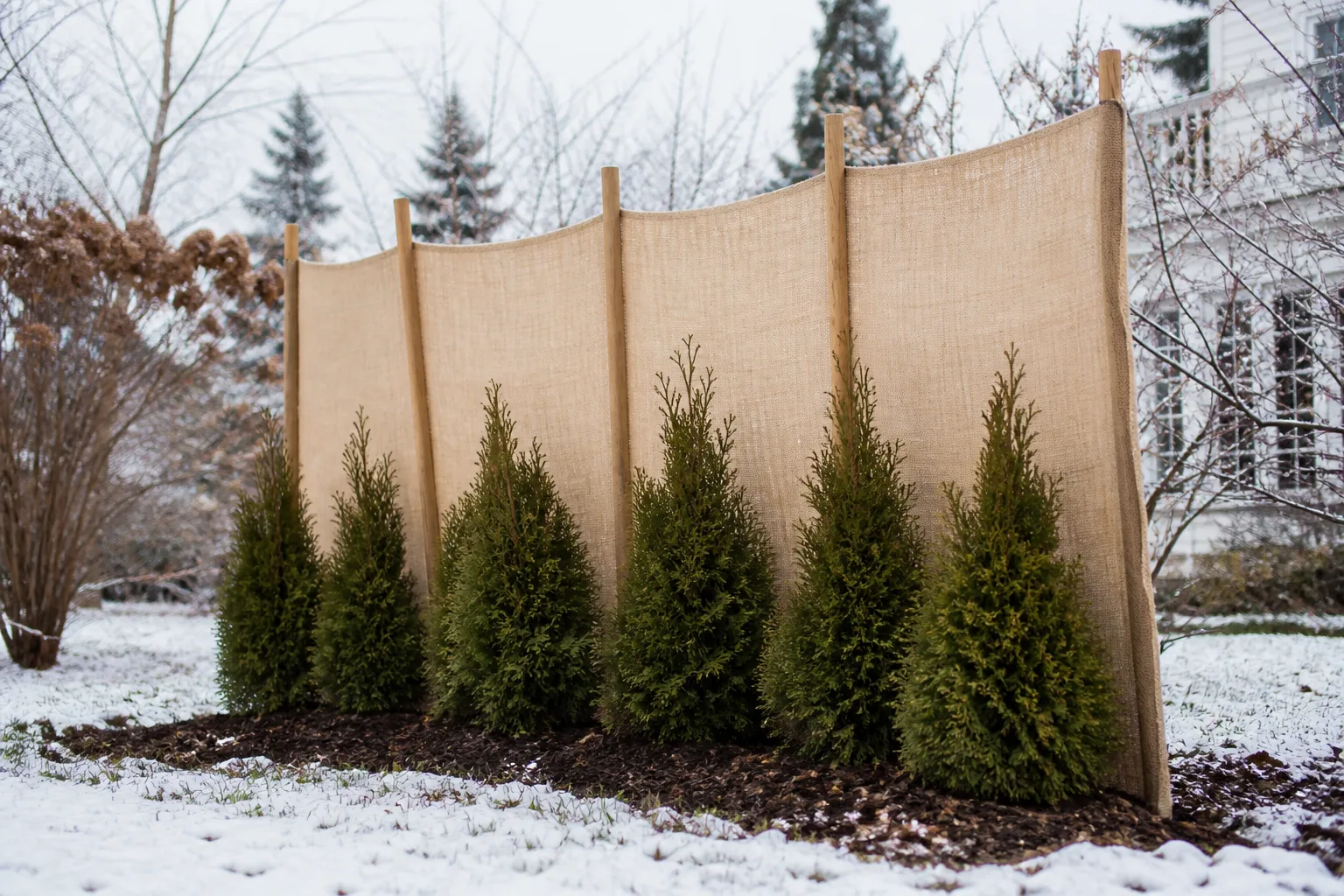
Add a wind screen only when the site calls for it. A newly planted or exposed evergreen may lose water from foliage while frozen soil restricts root uptake; a sheltered, dormant-pruned deciduous shrub usually needs no wrap. Use stakes and breathable fabric without packing it against leaves.
What to do if you pruned too much or too early
Do not keep cutting to make a mistaken haircut look intentional. Stop, record what you removed, and let the plant show you what survives. Another round of cuts compounds the loss of stored energy and creates more wounds just when the plant has less time to respond.
If you cut an old-wood shrub in fall, the most likely consequence is fewer flowers next spring, not automatic death. Protect the remaining stems from breakage, keep the root zone from drying out, and wait until the next flowering cycle before deciding whether the plant needs structural correction. A low bloom count is useful information about timing; it is not a reason to prune harder.
If you sheared a new-wood shrub while it was still actively growing and see pale, flexible shoots, do not trim them again. Keep the plant watered during dry weather, avoid late fertilizer, and expect some tender tips to die back. Once spring growth is clearly underway, remove only the dead sections and return to the species’ normal pruning schedule.
If a recently pruned evergreen begins to bronze or brown, look beyond the cuts: wind, frozen soil, salt, drought, root damage, and disease can all contribute. Protect it from drying wind where appropriate, then wait for spring inspection instead of stripping more foliage.
Wound sealants are rarely a useful rescue. They can trap moisture or hide the boundary between healthy and damaged tissue, while a clean cut in the correct place lets the shrub manage the wound on its own. If a large branch failed, the trunk is split, or a cut is near utility lines or a roof, get professional help rather than experimenting with paint or another deep cut.
Conclusion
The safest answer to “how do I prune shrubs in fall?” is not a month or a number of inches. It is a decision: identify the shrub, determine where its flowers form, confirm that the plant is slowing down, and remove only the wood that has a clear job to be gone.
In practical terms, start with the four Ds—dead, diseased, damaged, and dangerous. Leave old-wood bloomers such as lilac, forsythia, weigela, and bigleaf hydrangea alone except for necessary cleanup; treat new-wood shrubs as more tolerant but still postpone heavy cuts until the right dormant window; and give evergreens their own winter-exposure calculation.
When a fall cut is justified, use a sharp, clean tool, cut just outside the branch collar or above an outward-facing bud, thin from the base instead of shearing the outer shell, and stop before the shrub becomes a project. Water the root zone if it is dry, mulch without burying stems, and let the plant enter winter with as much healthy structure—and as many flower buds—as possible.