How to Remove Tomato Stains From Clothes and Carpet
Learn how to remove tomato stains from clothes, carpet, upholstery, and plastic with surface-safe steps for fresh spills, dried marks, and stains after washing.
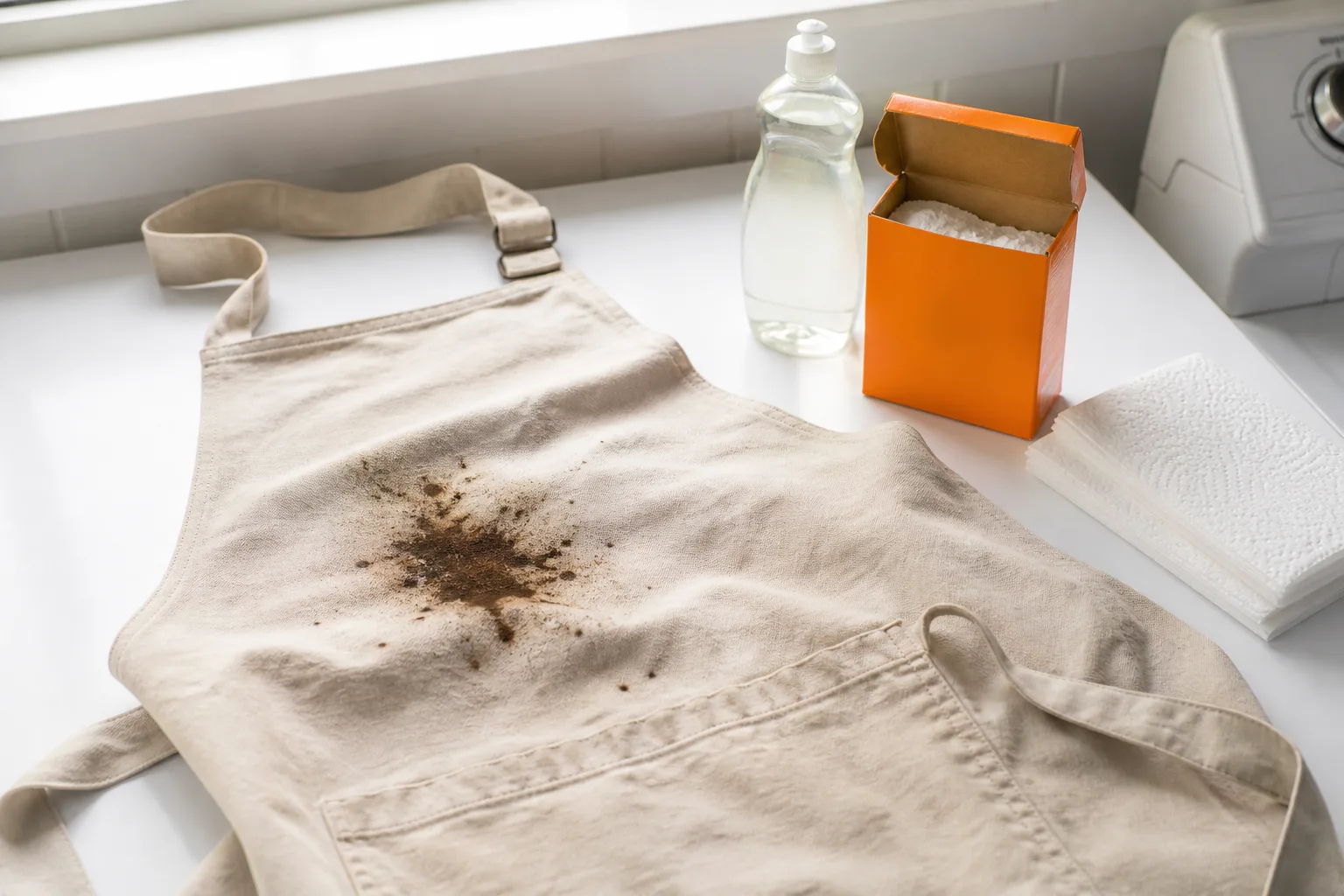
Tomato sauce looks dramatic on a white shirt, but a fresh spill is often manageable if you lift the solids, rinse from the back of washable fabric, and pretreat before laundering. The order matters: rubbing pushes colored residue deeper, and dryer heat can make a faint leftover mark much harder to remove. Carpet and upholstery need a lower-moisture approach than clothing, while delicate and dry-clean-only pieces should follow their care labels first.
The same plan works for ketchup, marinara, pizza sauce, and spaghetti sauce, with one caveat: prepared sauces may contain oil, cheese, meat, or added sugar. That extra material can leave a greasy or textured residue along with red color. Start with the mildest method suited to the surface, check the stain before heat drying, and repeat a compatible treatment if needed rather than piling several cleaners on at once.
Why Tomato Stains Can Be Stubborn
Tomato-based stains are not simply red dye. The colored tomato material can cling to fibers, while oil in a cooked sauce or dressing may leave a translucent greasy shadow after the obvious red is gone. A meat sauce can add protein, and ketchup or barbecue-style sauces may leave a sticky film. This mix explains why a single quick rinse sometimes lightens the spot without fully clearing it.
The best approach separates the jobs. First remove bulk sauce without spreading it. Next, use water or a pretreatment compatible with the item to move pigment and loosen oily residue. Then launder or rinse thoroughly so the treatment and loosened soil leave the material. Better Homes & Gardens’ tomato-stain guide also describes sauce as a combination stain and stresses checking a garment’s care tag and inspecting the item before it goes into the dryer.
What to Do in the First Few Minutes
If sauce just landed, lift any thick pieces with the edge of a spoon or a dull table knife. Work from the outside toward the center and keep the utensil nearly flat so you do not scrape sauce across a larger area. Do not rub it in with a napkin. Press a clean white cloth or paper towel onto the wet spot to absorb liquid, then turn to a clean area as the towel picks up color.
On a washable garment, take it to a sink as soon as practical and hold the stained area with the reverse side toward the faucet. A gentle stream of cool water from the back can push loose color back out instead of driving it farther through the weave. Keep the area supported so the stain does not touch another part of the garment. If you cannot rinse immediately, blot, scrape away solids, and use a stain-removal wipe only as a temporary measure; wash the item when you can follow its care label.
For carpet and upholstery, do not pour water over the spot. Blot the excess first and keep the treatment confined to the stained fibers. The Carpet and Rug Institute’s spot-removal advice favors blotting and small amounts of cleaning solution for household stains, and it notes that difficult spots may need a professional. Water saturation can spread color, leave detergent behind, or carry soil into the backing.
How to Remove Fresh Tomato Stains From Washable Clothes
Before applying anything, check the care label and the cleaning product’s instructions. If the garment is marked dry clean only, or it is an expensive piece you would be upset to damage, blot off the excess and take it to a cleaner. For machine-washable cotton, polyester, and similar everyday fabrics, use this sequence:
Flush, Pretreat, and Wash in Sequence
- Remove the excess. Scrape thick sauce gently, then blot liquid with a white towel. Do not scrub back and forth.
- Rinse from the reverse. Hold the back of the stain under cool running water so loosened material moves out through the side it entered. Rinse until the water runs clearer; do not expect this step alone to remove all color.
- Pretreat the remaining mark. Apply a small amount of liquid laundry detergent or a fabric-compatible stain remover according to its label. Work it gently into the fabric with fingertips or the applicator recommended by the maker. Avoid aggressive brush pressure, especially on knits and printed fabric. Give the product its labeled dwell time.
- Launder promptly. Use the detergent and the warmest water temperature permitted by both the garment label and the stain-remover instructions. Cooler is not always better for the wash itself: after the initial rinse, the label-safe wash temperature and detergent can help clear oily sauce residue. Michigan’s laundry stain guidance similarly recommends removing food residue, pretreating, and laundering stains with a fabric-safe product.
- Inspect before drying. Check the damp fabric in good light, including the back of the spot. If any red or oily shadow remains, treat and wash again. Do not machine-dry until the stain is gone.
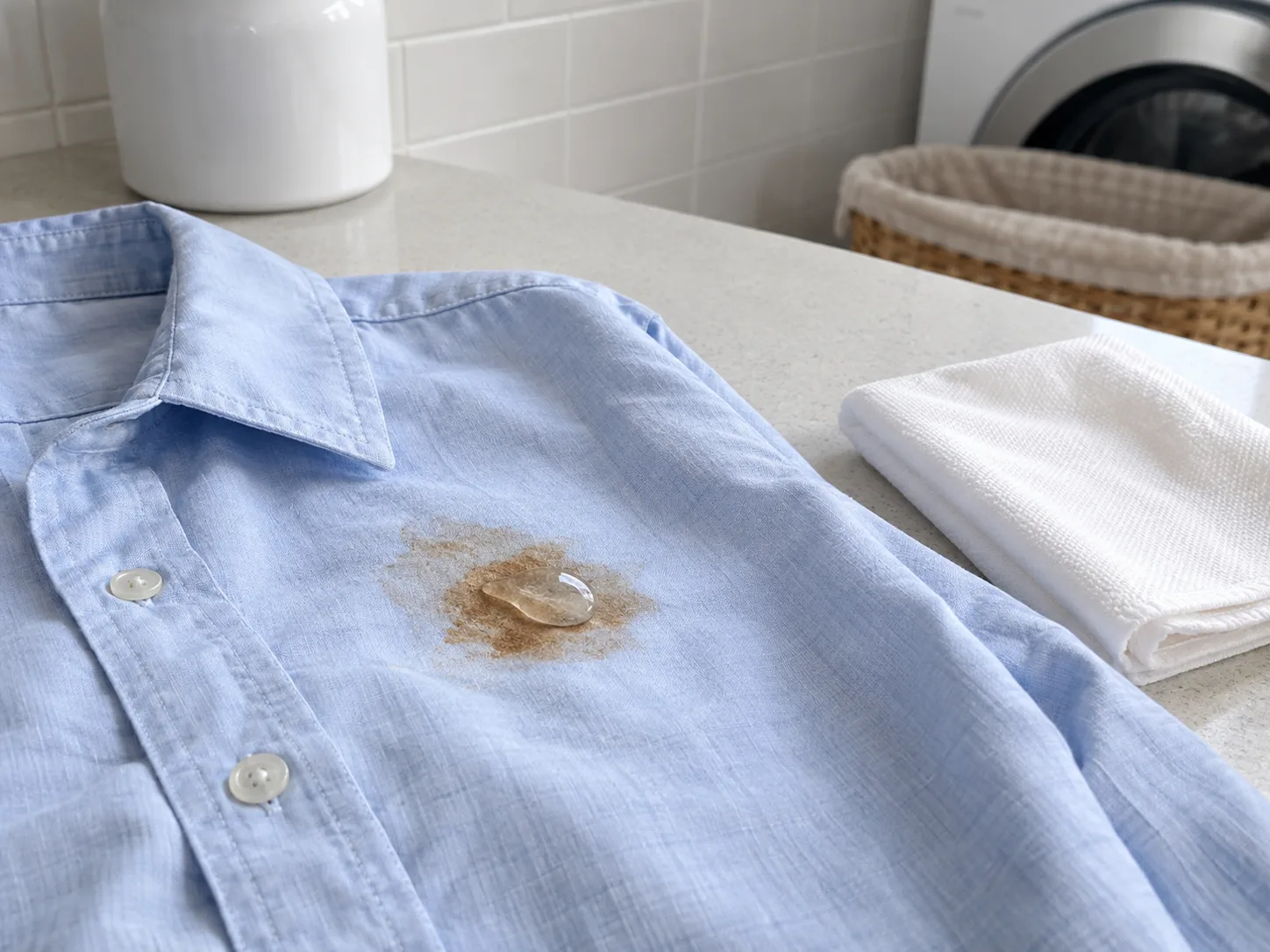
This photo shows a general fabric pretreatment scene, not tomato sauce; use it as a visual reminder to put cleaner on the affected textile and let the product work before washing. The treatment must still match the garment’s fiber and label.
How to Remove Dried or Older Tomato Stains From Clothes
A dried spot takes longer because sauce has had time to bond with the fibers and lose moisture. It can still respond to treatment, but avoid picking or scraping so hard that you rough up the weave. If a hard crust remains, soften it by briefly dampening the area with cool water, then lift what loosens with a spoon edge.
Apply a laundry pretreatment or liquid detergent suitable for the fabric and let it sit for the time stated on its label. For an old stain, one round may not be enough; rinse and repeat the pretreatment rather than increasing the amount beyond directions. Wash using the warmest temperature the care tag permits. Good Housekeeping’s tomato-sauce instructions likewise distinguish fresh from dry marks and recommend softening a dry stain before continuing with fabric treatment.
If color remains on a washable, bleach-safe item, a soak with an oxygen-based laundry product may be an option. Use only a product specifically labeled for the fiber and color, dissolve it as directed, and test an inconspicuous area first. Do not assume that a product marketed as color-safe is suitable for every dye or material. The Drycleaning and Laundry Institute’s clothing-care advice emphasizes prompt attention to stains and warns that heat can make stains harder to remove; the dryer should wait until the mark is gone.
Adjust the Method for Whites, Colors, and Delicate Fabrics
White and Colorfast Washable Items
A white cotton T-shirt may tolerate a different stain treatment than a dark printed blouse. Start with detergent and a care-label-safe wash for both. If color persists on a white item, check whether its care label permits chlorine bleach or whether the product label permits an oxygen bleach soak. These are different products with different use instructions; neither belongs on a garment whose label rules it out.
For colored garments, color-safe oxygen bleach can help with some stains, but it can still fade a vulnerable dye. Test a hidden seam or inside hem first, follow soak limits, and rinse thoroughly. Do not put bleach directly on the red spot unless the product label explicitly directs that use. Never combine stain products; rinse between treatments and use one product at a time according to its label.
Silk, Wool, Dry-Clean-Only, and Special-Care Garments
Silk, wool, leather, acetate, embellished clothing, and pieces with unstable dyes can react badly to water, enzymes, solvents, or bleach. Read the care tag before wetting the item. If it says dry clean only, blot the spill without rubbing, keep the stain description handy, and take the garment to a professional cleaner promptly. Tell the cleaner whether you rinsed it or used any product; that information helps them select a compatible treatment.
For washable wool or silk, use only a detergent and stain product whose label specifically allows that fiber, plus the garment’s recommended water temperature. If the label is unclear or the item is valuable, stop after blotting and ask a cleaner. Alcohol, lemon juice, vinegar, peroxide, and household bleach are not universal shortcuts: they may shift dyes or damage delicate fibers, even when they remove color from a test stain.
How to Remove Tomato Sauce From Carpet and Upholstery
Start by lifting solids with a spoon, then blot the spill with white paper towels from the outer edge toward the center. Switch to a clean section often. Before using a cleaner, test it on an inconspicuous part of the carpet or cushion and check for color transfer, texture change, or a water ring after it dries. Read the carpet or furniture maker’s care instructions; upholstery labels may restrict cleaning to water-based products, solvent-based products, or vacuuming only.
Blot With Minimal Moisture and Rinse Away Residue
For a water-safe carpet, the Carpet and Rug Institute gives a solution of 1/4 teaspoon clear, non-bleach, non-lanolin dishwashing liquid in 1 cup cool water for certain common spills. Its examples are not tomato sauce, so treat that ratio as a cautious starting point only after the carpet maker’s care instructions and a hidden-area test permit water cleaning. Dampen a white cloth with a little solution rather than pouring it on the stain; blot from the edge inward, lifting color into the cloth. Do not scrub or soak the padding. For upholstery, use only the cleaner type its care code allows.
When the cloth stops picking up color, blot with a second cloth lightly dampened with plain water to remove soap residue, then press dry towels into the spot. Use only enough moisture to rinse the surface fibers. Let the area air-dry completely, and avoid walking on it while damp. If the mark returns after drying, the stain or cleaning residue may have wicked upward; repeat a careful blot-and-rinse cycle only if the care instructions allow it. Large spills, wool rugs, natural-fiber upholstery, and spots that spread or change texture are better handled by a professional.
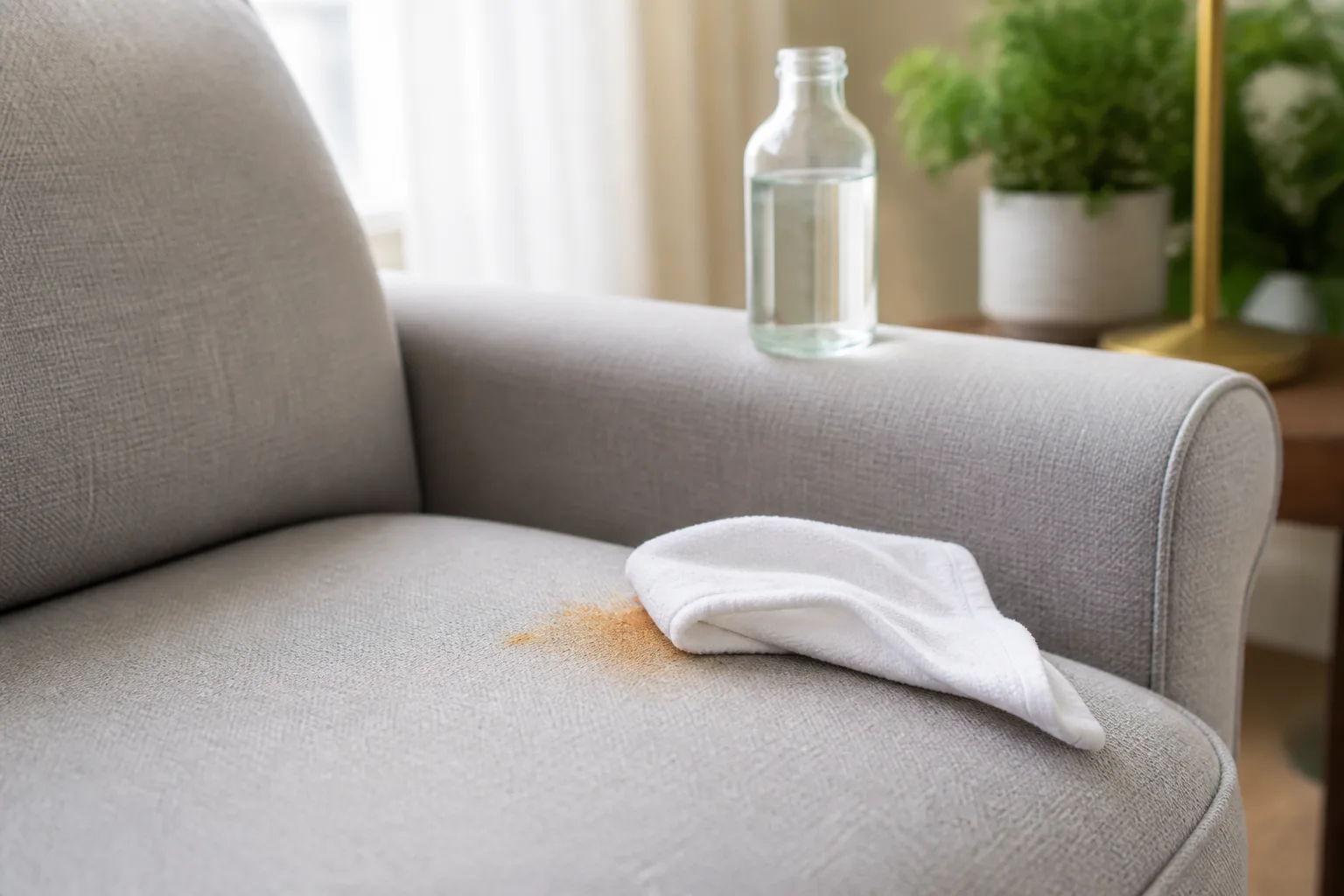
The image illustrates a blotting motion on upholstery, but the pictured mark is not tomato sauce. For a tomato spill, use a clean white cloth and a compatible surface cleaner so you can see how much color transfers.
Cleaning Tomato Stains From Counters and Plastic Containers
On a sealed counter, start with a damp cloth and a little dish detergent, then rinse and dry. Follow the surface maker’s care instructions before using a scrubber or a stronger cleaner. Natural stone, unsealed grout, painted surfaces, and some laminates can be dulled or discolored by acids, abrasives, or bleach, so do not treat every countertop like a washable plate.
Tomato can leave an orange tint inside plastic food-storage containers even after grease and food residue are gone. Wash with dish soap first. If a tint remains, try a mild baking-soda paste only if the container maker permits gentle abrasion, rub lightly with a soft cloth, and rinse well. Good Housekeeping’s guidance for tomato-stained plastic food containers discusses oil and baking soda as possible approaches, but a stained container may simply retain color; do not use a rough pad that scratches the surface. For a wooden cutting board, use its manufacturer’s cleaning directions and dry it promptly rather than soaking it.
What to Do When a Stain Remains After Washing
A wash is not the last chance. If a tomato shadow remains, keep the garment out of the dryer, inspect whether the residue looks red, greasy, or both, and repeat the compatible pretreatment. A second pass with a labeled laundry stain remover is often a better next move than adding an unrelated household cleaner. If the stain is mostly oily, apply detergent to the spot and rinse well; if the remaining color is on a bleach-safe fabric, consider the product-label-approved oxygen bleach route.
If a piece has already been machine-dried, the mark may be harder to remove, but you can still try a careful pretreatment and wash if the care label allows it. Do not iron over the area. After each wash, check the front and reverse side in bright light. Once you no longer see a red or darkened outline, dry according to the care label. If the garment is valuable, the fabric is delicate, or repeated attempts leave a halo, take it to a cleaner and explain what has already been applied.
Tomato Stain Mistakes That Can Make the Mark Worse
- Rubbing the spill: It spreads pigment and may push it deeper into fabric or carpet pile. Scrape solids and blot liquid instead.
- Using heat before checking: A hot dryer or iron can make a remaining mark harder to remove. Inspect after laundering while the item is still damp.
- Using too much cleaner: Extra product is not extra cleaning; residue can attract soil or leave a ring, especially on carpet and upholstery.
- Treating every fabric the same: A cotton T-shirt, silk scarf, wool rug, and solvent-clean-only chair do not share the same safe method.
- Skipping a hidden-area test: Cleaner can lift the dye or change the finish before it removes the stain. Test, let it dry, then inspect.
- Mixing remedies: Do not layer bleach, vinegar, ammonia, alcohol, peroxide, or different commercial products. Use one labeled product at a time and rinse between methods.
- Assuming the red color is the whole stain: Sauce with oil can leave a slick shadow. Pretreat and wash according to the label, then check from more than one angle.
Quick Guide by Surface and Stain Age
| Where the stain is | First move | Next treatment | Stop or escalate when |
|---|---|---|---|
| Fresh washable clothing | Scrape, blot, and cool-rinse from the back | Pretreat, then wash at the care-label temperature | The garment is delicate, dry-clean-only, or dye transfers in a test |
| Dried washable clothing | Soften the crust with cool water | Pretreat for the labeled dwell time; repeat or use compatible oxygen bleach if permitted | The mark persists after repeated safe treatments or the fabric is valuable |
| Carpet | Lift solids and blot with white towels | Test, use a small amount of carpet-safe solution, rinse lightly, and blot dry | The spill is large, the pile changes, or the stain returns after drying |
| Upholstery | Blot without saturating the cushion | Follow the furniture cleaning code and test a hidden spot | The code restricts water or the fabric is delicate |
| Counter or container | Wipe with dish detergent and water | Use only a surface-safe mild cleaner; rinse and dry | The finish dulls, scratches, or retains a tint after gentle cleaning |
Conclusion
To remove tomato stains, first lift the sauce without rubbing, then match the treatment to the stained material. For washable clothes, cool-rinse from the back, pretreat with a compatible laundry product, wash as the care tag directs, and inspect before drying. For rugs and furniture, blot with minimal moisture, test any cleaner, rinse away residue, and let the area dry. Older stains may need another labeled treatment, while delicate or valuable items are safest with a professional cleaner. Patience and a surface-specific method beat a forceful scrub or a mix of household remedies.