Hydroseeding Cost per Square Foot: 2026 Price Guide
Hydroseeding costs about $0.07–$0.21 per square foot in current estimates. See lawn-size budgets, added preparation costs, and how to compare quotes today.
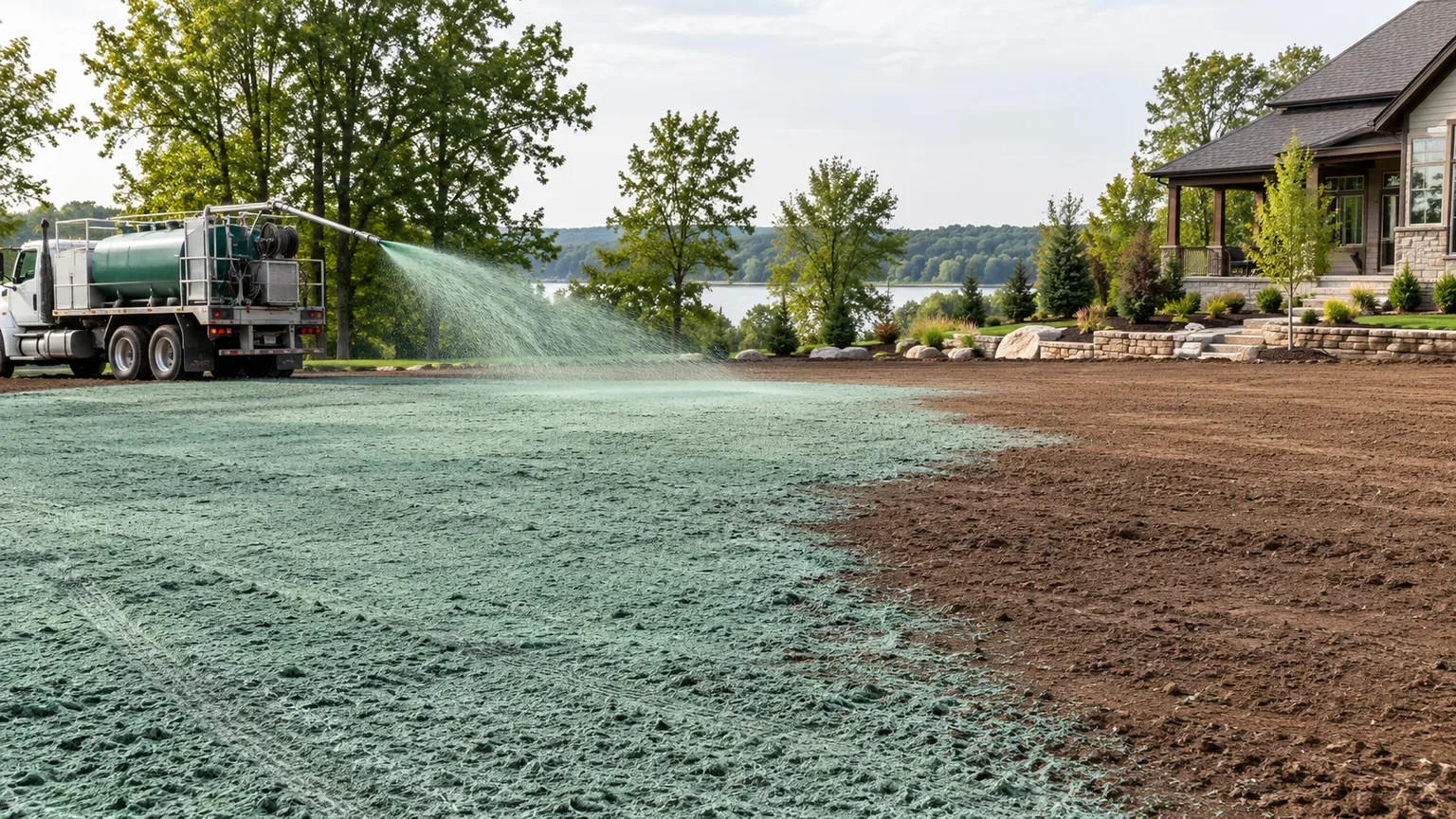
Hydroseeding is a way to plant grass by spraying a slurry of water, seed, mulch, and usually fertilizer over prepared soil. Current U.S. cost guides put many residential projects around $0.07 to $0.21 per square foot, but that number is only a starting point: small jobs may hit a contractor minimum, and grading or soil work can add substantially to the bill.
For a 10,000-square-foot lawn, that range works out to roughly $700 to $2,100 as a broad project estimate. Before choosing a quote, find out whether the price also covers seedbed preparation, topsoil, old-grass removal, irrigation, and follow-up care; those items can determine both the true cost and whether the lawn establishes.
The short answer: hydroseeding cost and what it covers
As a first-pass budget, use $0.07–$0.21 per square foot, then check the estimate for a minimum charge and confirm which work is included. One 2026 pricing guide reports about $0.10–$0.19 per square foot, including labor and materials; another gives $0.07–$0.21 and says its range includes labor, soil preparation, and materials. The second guide also notes that some providers set a $300–$500 minimum. Those estimates do not use identical scopes, so treat them as planning ranges rather than a guaranteed local price (2026 cost guide estimating $0.10–$0.19 per square foot; 2026 hydroseeding cost and minimum-fee guide).
The estimate becomes useful once you know what it buys. A basic application may include seed, mulch, fertilizer, water, machine time, labor, and cleanup, but contractors differ on whether they include soil amendments, grading, imported topsoil, vegetation removal, mobilization, or return visits. A low per-square-foot number can be a fair application price and still be a poor comparison if another bid includes more preparation.
What hydroseeding is—and what the slurry contains
A hydroseeder mixes seed and water in a tank, often with fiber mulch and fertilizer, then pumps the slurry through a hose or spray gun across a seedbed. Some blends also include soil amendments, a tackifier that helps the material cling to the surface, or a temporary colorant so the operator can see where the spray has landed. The mix is not a roll of mature turf: the grass still has to germinate, root into the soil, and fill in.
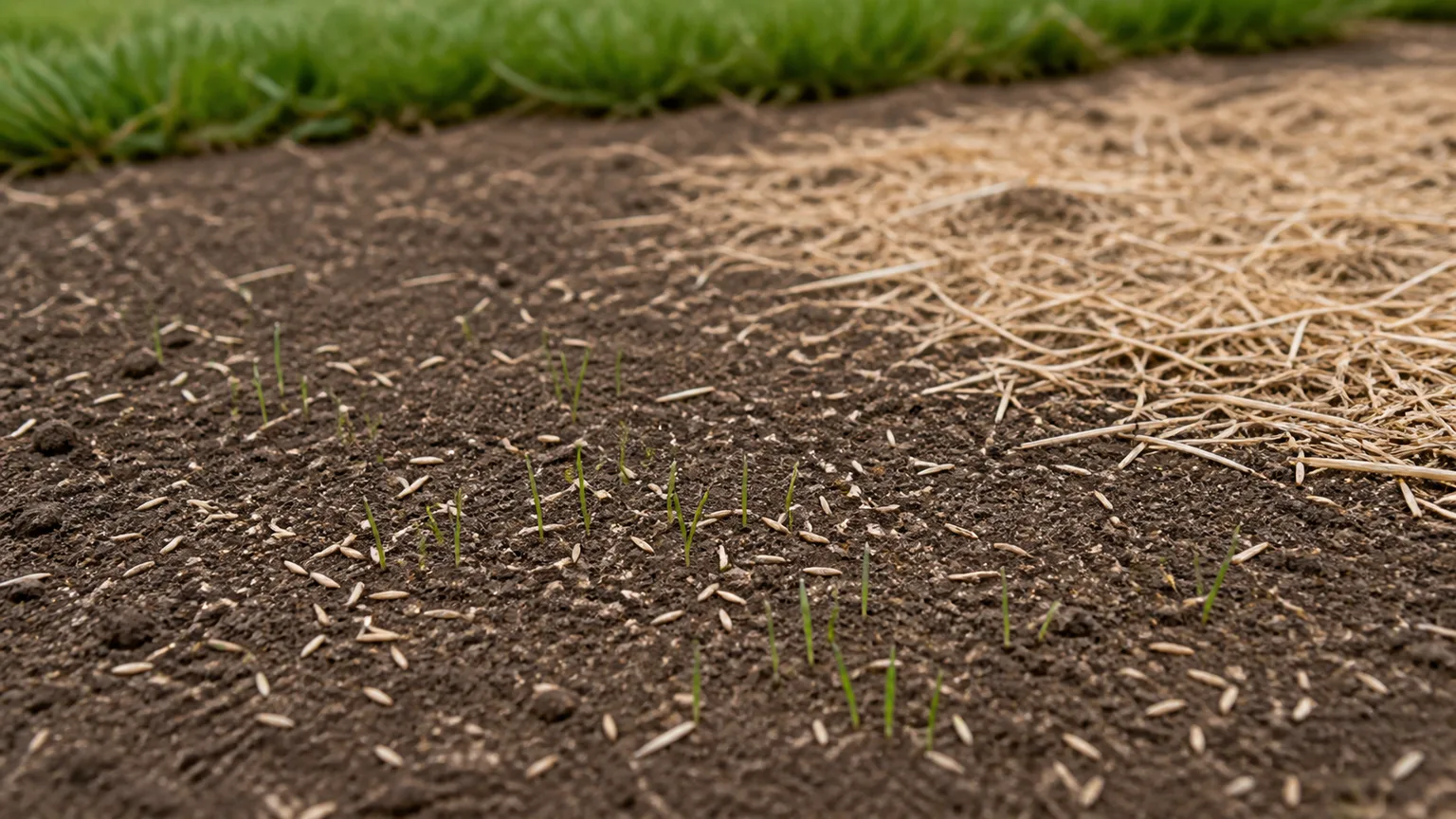
Penn State Extension describes hydroseeding as a method often chosen for large areas and slopes because an operator can cover ground quickly. It also notes the trade-off: seed sits on the surface rather than being buried, so it may not make close contact with soil and can dry out without proper establishment care (Penn State Extension, “Lawn Establishment”). The mulch can buffer moisture and help keep seed in place, but it cannot compensate for a badly prepared or waterlogged site.
Hydroseeding is most often discussed for a new lawn, but the same equipment can distribute other seed-and-mulch mixes. The right seed depends on region, sun exposure, soil drainage, expected foot traffic, and how much mowing or irrigation the owner is prepared to do. Ask the contractor to name the grass species and explain why they suit your site instead of accepting a generic “premium blend” description.
Hydroseeding vs. hydromulching
Hydroseeding applies seed and mulch together. Hydromulching applies a protective mulch slurry over seed that has already been placed by another method; the two terms are sometimes used loosely in estimates, so ask which operation the contractor is pricing. Penn State Extension describes hydromulching as a mulch layer applied over seed, commonly with fiber and tackifier, and warns that excessive mulch can smother seedlings or create other establishment problems (Penn State Extension, “Lawn Establishment”).
Hydroseeding cost by square foot and lawn size
The simplest estimate is lawn area multiplied by a published per-square-foot rate. At $0.07–$0.21 per square foot, the arithmetic below gives a broad planning range; a local quote may be higher or lower depending on its scope, minimum service charge, materials, site conditions, and region.
| Seeded area | Broad planning estimate | Budget note |
|---|---|---|
| 1,000 sq. ft. | $70–$210 | A service minimum may raise the invoice above the calculation. |
| 2,000 sq. ft. | $140–$420 | Ask whether the crew has a minimum mobilization charge. |
| 5,000 sq. ft. | $350–$1,050 | Compare the seed mix and prep scope as well as the rate. |
| 10,000 sq. ft. | $700–$2,100 | A useful planning range for a large suburban yard. |
| 20,000 sq. ft. | $1,400–$4,200 | Access, topography, and water logistics matter more at this scale. |
| 1 acre (43,560 sq. ft.) | About $3,050–$9,150 | Large commercial jobs may use different pricing and equipment. |
These figures are not a promise that every contractor will accept a small project at the low end, nor do they guarantee that a quote includes the same tasks as a cost guide. If an installer has to transport a tank, crew, and materials to cover a compact patch, its minimum charge can outweigh the area-based math. Conversely, a large, open, accessible site can be efficient to spray, but difficult terrain or extensive preparation may erase the size advantage.
Example budget for a 10,000-square-foot lawn
Suppose the usable lawn area is 10,000 square feet and a contractor quotes $0.14 per square foot for a standard hydroseed application. The base estimate is 10,000 × $0.14 = $1,400. If the same proposal excludes regrading, imported soil, removal of construction debris, or irrigation setup, those costs belong in a separate part of the project budget rather than being assumed to fit inside the $1,400.
A practical worksheet has three lines: application, site work, and establishment. Application covers the slurry and crew; site work covers any grading, cleanup, topsoil, soil corrections, or drainage changes; establishment covers water, temporary barriers, and any agreed follow-up. This breakdown makes bids comparable and helps prevent a common surprise: paying for a low application price, then discovering that the site needs more work before the seed can be sprayed.
Why small jobs may cost more than the square-foot math
A 500-square-foot patch multiplied by $0.07–$0.21 comes to only $35–$105, but a contractor is unlikely to price the visit as though the machine and crew were already on site. Some providers set a minimum fee; others quote a flat mobilization amount, combine hydroseeding with grading or landscaping, or decline a tiny job. Get a quote for the exact area rather than extrapolating a national average down to a small patch.
For a small, level repair, compare the minimum hydroseeding quote with a suitable seed-and-mulch product or hand-seeding service. A garden-hose attachment that sprays seed slurry can be convenient for small areas, but it is not equivalent to a commercial hydroseeder with a large agitated tank, pump, and experienced operator. The relevant comparison is the total cost to establish that particular patch, not whether two products use the same word on the package.
What changes the price of hydroseeding
The application rate is only one part of the estimate. Price changes with the amount of labor and equipment time, the mix required for the site, how much preparation is needed, and whether the crew can reach the area and keep the slurry where it belongs. Two lawns with equal square footage can therefore produce very different bids.
Site preparation, grading, and soil condition
Hydroseeding is an application step, not a substitute for preparing the soil. A new-build yard may need construction debris removed, rough grades corrected, compacted soil loosened, and an adequate layer of topsoil spread before seeding. A finished, level lawn area with loose, clean soil may need little more than final raking; a rutted lot with buried rubble or poor drainage can require equipment and soil deliveries that dwarf the slurry charge.
Penn State Extension recommends planning for site conditions and soil requirements before establishing turf, and its lawn-establishment guidance emphasizes that seedbed quality and seed-to-soil contact affect success (Penn State Extension, “Lawn Establishment”). If the soil needs amendments, base them on a soil test and the grass species rather than buying fertilizer or lime by guesswork. Ask the contractor to state whether their price includes a soil test, amendments, grading, and topsoil—and what depth or quantity of topsoil they assume.
Seed blend, mulch, tackifier, and water access
A standard, locally appropriate grass blend usually costs less than a specialty mix selected for unusual conditions, but “more expensive seed” is not automatically better. The mix should be suited to climate, shade, soil moisture, traffic, and the intended look. The Royal Horticultural Society’s lawn guidance distinguishes hard-wearing, fine, and shade-tolerant seed mixes; the labels and species composition matter more than a generic premium claim (RHS, “Starting a Lawn from Seed”). In the U.S., ask for the actual species and cultivar blend and check it against local extension recommendations.
Mulch type and rate also affect cost. Fiber mulch can help retain moisture and reduce seed movement, especially where the surface is exposed, but a contractor should explain whether the product is wood fiber, paper fiber, or a blend and whether a tackifier is included. More mulch is not always safer: Penn State cautions that poor or excessive mulch application can move seed, increase erosion or disease problems, smother seedlings, and add cleanup work (Penn State Extension, “Lawn Establishment”).
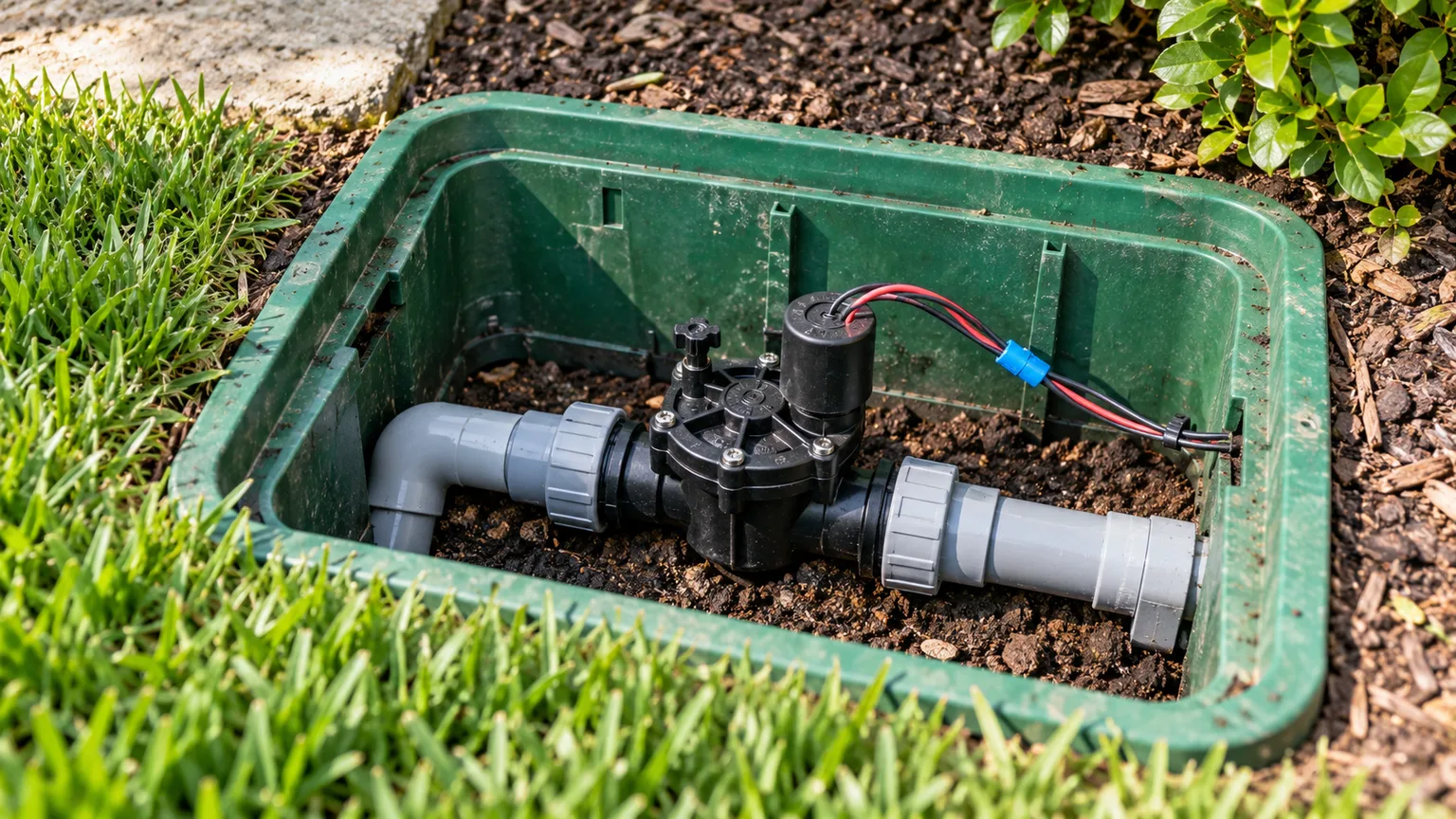
Water access matters before and after the crew arrives. The slurry itself contains water, and a large hydroseeder may carry hundreds of gallons, but the lawn still needs irrigation while seedlings establish. If a hose bib cannot reach the area, water pressure is inadequate, or local restrictions limit watering, the project may need temporary irrigation or a different schedule. Ask what the crew expects you to do after application and whether the quote includes any irrigation equipment.
Slope, access, and equipment
Hydroseeding can be efficient on broad areas and on moderate slopes because the spray reaches ground that is awkward to seed by hand. It does not make every bank stable. Loose soil, steep grades, concentrated runoff, and a storm soon after installation can still move the slurry before roots develop; a site that drains toward a sidewalk, stream, or neighbor may need grading, diversion, erosion-control blankets, or another stabilization measure.
The operator may use a hose, spray gun, or a different machine setup depending on slope, distance, and access. Penn State Extension notes that lawn-establishment hydroseeders commonly use tanks in the 500- to 1,500-gallon range, with agitation and a pump to keep the mix suspended and move it across the site (Penn State Extension, “Lawn Establishment”). That equipment explains why a true hydroseeding quote includes more than seed and a hose-end sprayer: machine capacity, hose reach, crew time, transport, and setup are part of the service.
What a professional hydroseeding quote should include
Ask for a written estimate that names the area being seeded and separates work that can be priced separately. A useful quote should identify the application rate, seed species or blend, mulch type, tackifier or amendments, labor, equipment or mobilization fee, and any minimum charge. If the estimate only says “hydroseed lawn,” you cannot tell whether two companies are offering the same mix or scope.
Request clear answers to these questions before comparing totals:
- How many square feet are included, and how was the lawn area measured?
- Which seed species and cultivars are in the blend, and what conditions is it intended for?
- What mulch and application rate will be used? Is tackifier included?
- Does the price include final raking, soil preparation, grading, topsoil, amendments, cleanup, or old-vegetation removal?
- Is there a minimum charge, travel fee, or surcharge for slope, limited access, or hand work?
- Who supplies irrigation after application, and what watering schedule does the installer expect?
- What is the plan if rain moves the material or parts of the area fail to establish? Are return visits or reseeding covered, and under what conditions?
A warranty should be specific, not just a promise of a “green lawn.” Ask what the company guarantees—application coverage, seed germination, or a certain level of establishment—and what can void that guarantee, such as dry soil, watering interruptions, extreme weather, or traffic. No contractor can control all weather and care conditions, so a clear statement of responsibilities is more useful than a broad assurance.
If the work is part of new construction, a large graded lot, or a site close to a waterway, clarify whether local erosion-control or stormwater requirements apply and whether the bid includes the required measures. A lawn-establishment quote is not automatically a complete erosion-control plan. The correct scope depends on the slope, drainage route, soil, and local rules.
Hydroseeding vs. broadcast seeding, slice seeding, and sod
All four methods can establish turf, but they trade upfront cost, labor, speed of visible coverage, and tolerance for a difficult site. The best method depends on what is already growing and how quickly the area must be usable.
| Method | Typical upfront cost | Best fit | Main trade-off |
|---|---|---|---|
| Broadcast seeding | Usually the lowest material cost | Small, accessible, level areas where you can prepare and water the seedbed | More hands-on spreading and protection; seed can move or dry if the surface is poorly prepared. |
| Hydroseeding | Mid-range service using seed, mulch, water, and equipment | Large bare areas or moderate slopes where fast, even application is valuable | Costs more than seed alone and still needs careful watering while seed establishes. |
| Slice seeding | Varies by equipment and lawn condition | Renovating a thin lawn when the grade is acceptable and existing turf can remain | Requires the right machine and does not fix poor drainage, shade, or soil problems by itself. |
| Sod | Often the highest installation cost, but provides immediate green cover | A deadline, high-visibility area, or need for quicker surface coverage | Material and installation cost more; sod still needs prompt watering and rooting time. |
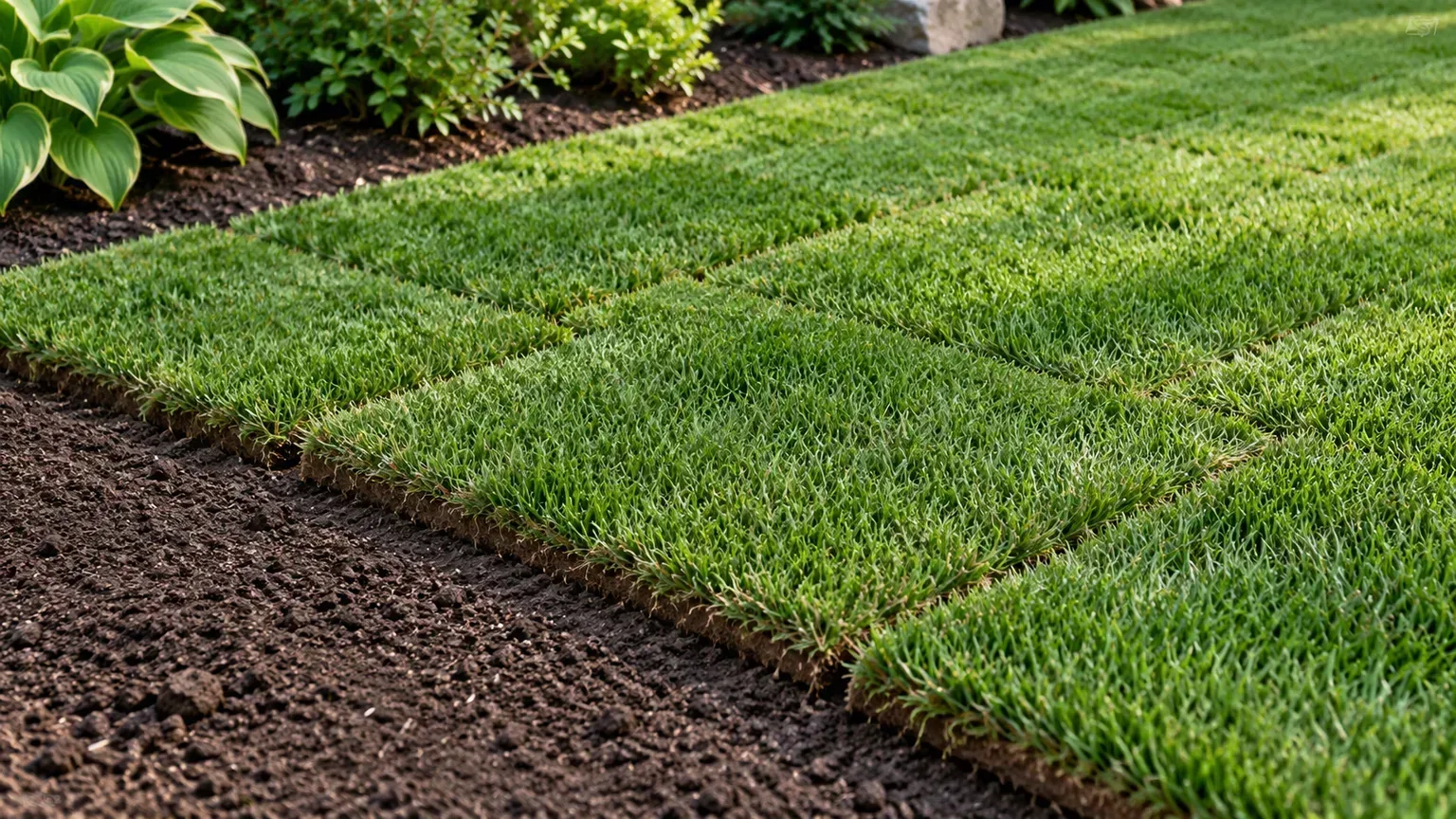
Penn State Extension describes sod as usually the most expensive way to establish cool-season turf but the quickest route to a mature-looking lawn; it also notes that proper soil preparation is still necessary (Penn State Extension, “Lawn Establishment”). That distinction is important: hydroseeding may cover a bare site quickly on installation day, but it does not give you a walkable lawn that afternoon. If immediate cover is the priority, compare sod; if minimizing upfront materials is the priority and you can do the work, dry seeding may be enough.
A method comparison should start with what is on the ground now: bare soil, stable existing turf, or drainage and grade problems each call for different work. For a newly graded lot, bare slope, or large open yard, hydroseeding can make application faster and more uniform. Cost should follow the work the site actually needs; paying for a slurry over a surface that first needs drainage or soil correction is not a shortcut.
What happens before, during, and after application
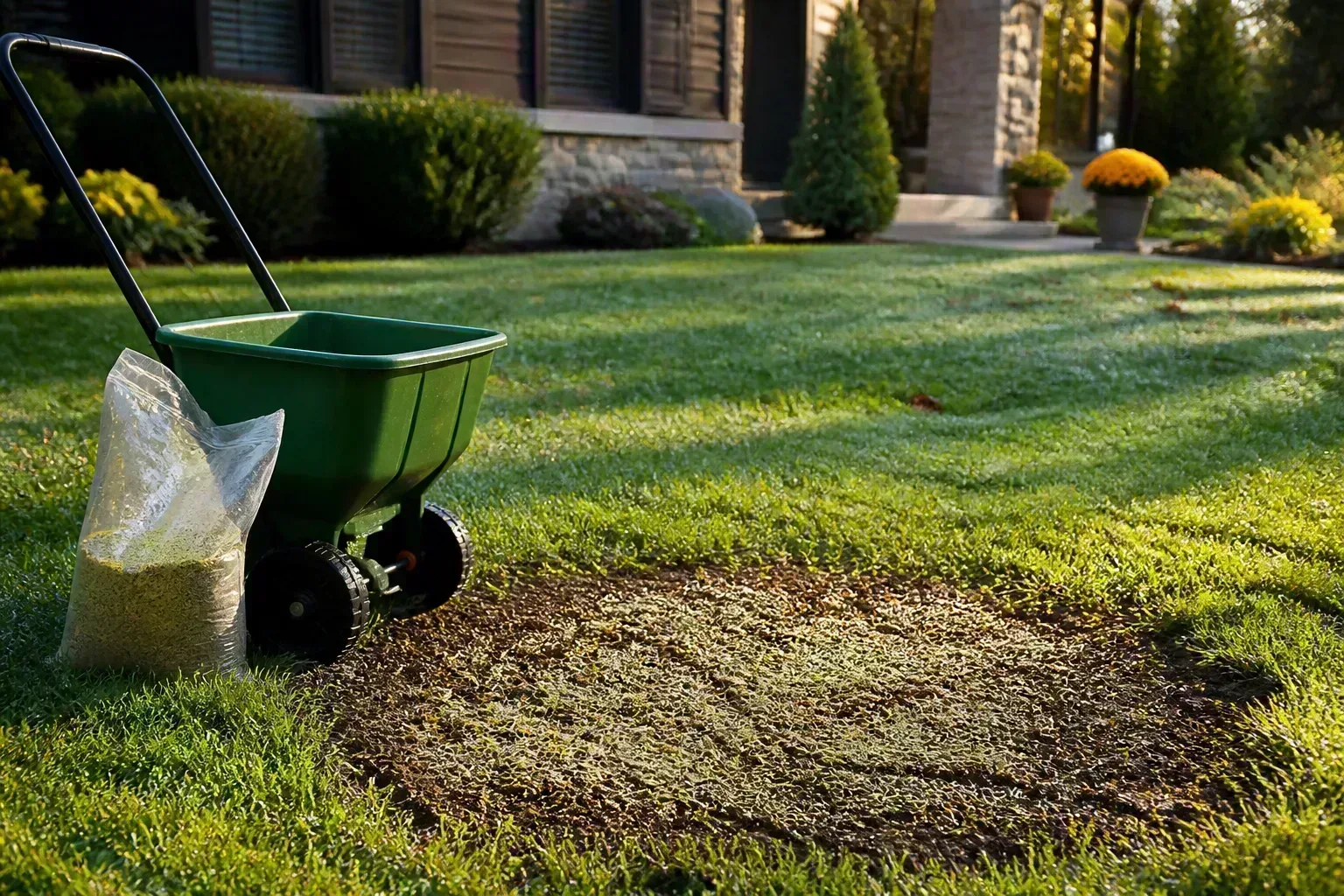
Before the crew arrives, the usable lawn area should be measured and the surface should be ready for seed. This usually means removing debris, addressing weeds or unwanted vegetation, correcting grade and drainage, loosening compacted soil where needed, and producing a firm, reasonably even seedbed. Have irrigation heads, buried utilities, trees, and other obstacles marked so preparation equipment does not damage them.
The operator loads water and the selected materials into the hydroseeder, agitates the tank so the mix stays suspended, and sprays an even layer over the prepared ground. On larger sites, the hose or spray gun lets the crew cover ground quickly, but uniform coverage still depends on application rate and operator technique. A temporary colorant can help the crew spot missed strips as they spray.
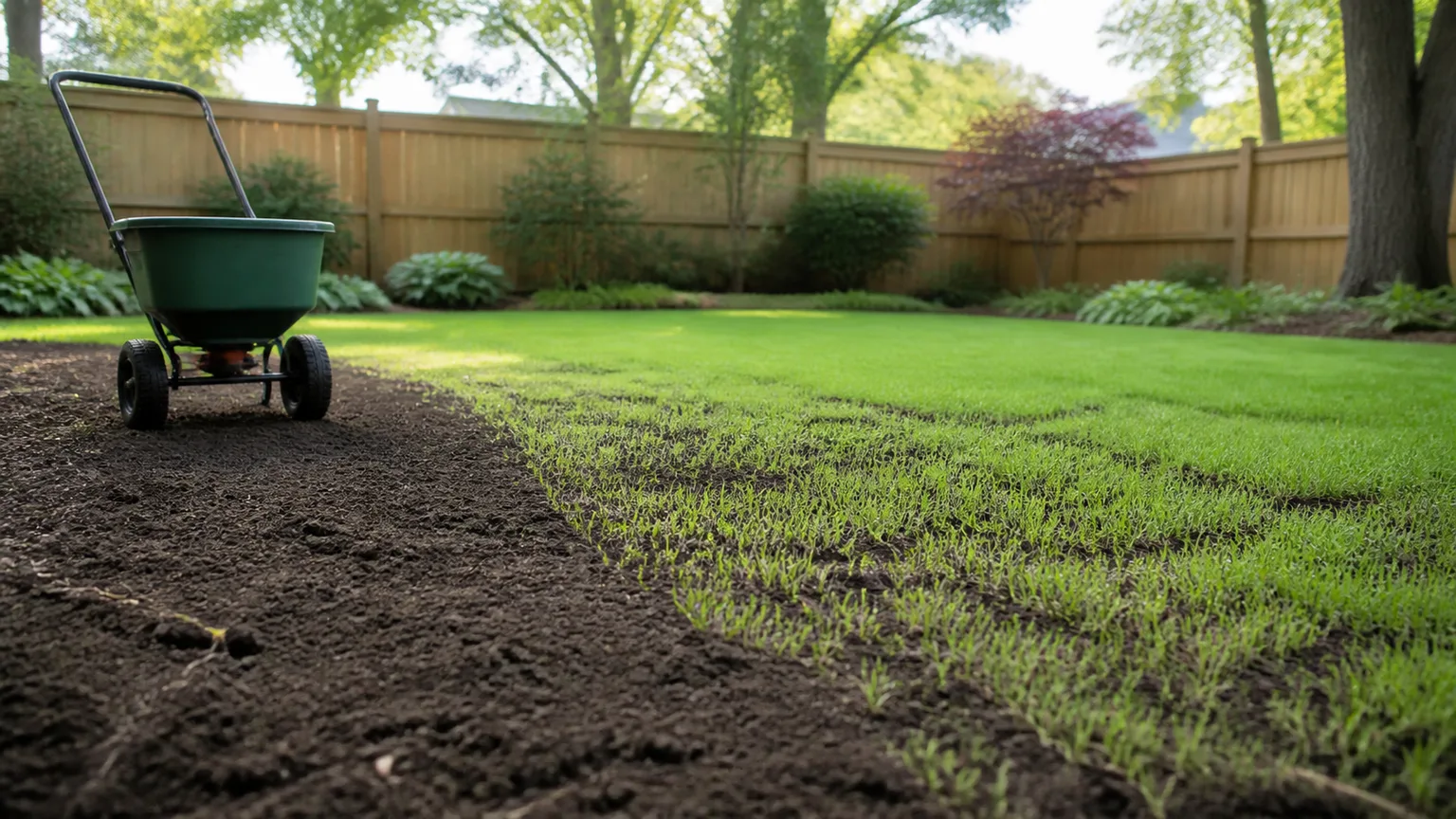
After installation, follow the contractor’s instructions for irrigation, mowing, and traffic because the correct schedule changes with seed species, weather, soil, and mulch. The new grass is vulnerable while it has shallow roots. Penn State Extension describes the first four to eight weeks after seeding or sodding as a critical establishment period and advises keeping soil moist without making it excessively wet (Penn State Extension, “Lawn Establishment”).
Watering and protecting young seedlings
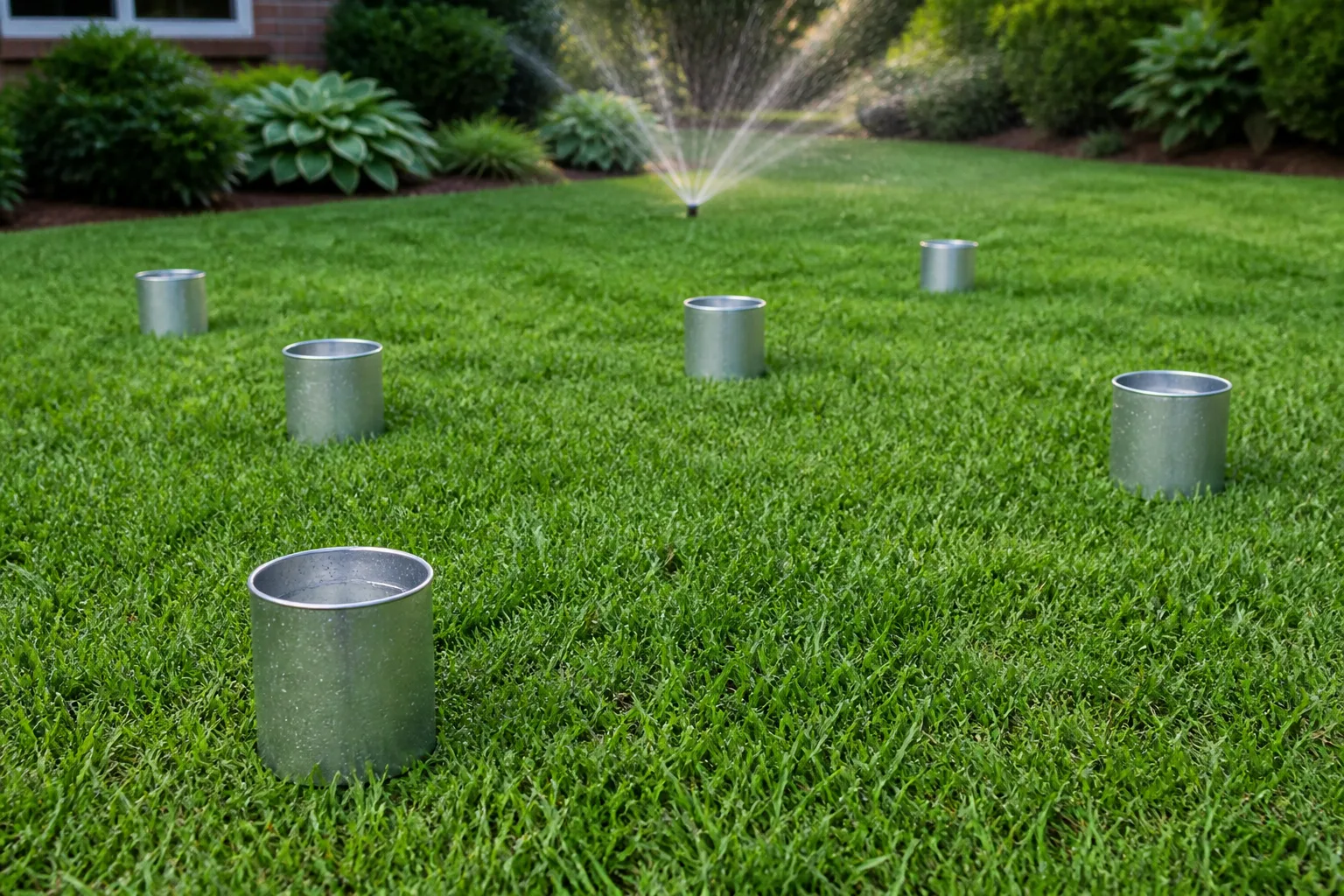
Plan to water before booking, not after the truck leaves. Newly seeded surfaces generally need frequent, light irrigation at first so the upper soil stays moist; the goal is damp seedbed, not puddles, runoff, or a constantly saturated mulch layer. Rainfall, temperature, sun, wind, soil texture, and the seed blend all change how often you need to run sprinklers, so an automatic timer is only useful if you inspect the surface and adjust it.
As seedlings appear and begin rooting, gradually move toward less frequent, deeper watering rather than continuing a shallow schedule indefinitely. Reduce irrigation during rain or cool, overcast weather, and avoid a sprinkler pattern that washes slurry toward the low side of the yard. The RHS likewise advises gentle watering for a new seeded lawn and ongoing attention when rain is absent, while noting that timing and maintenance vary by season (RHS, “Starting a Lawn from Seed”).
Keep foot traffic, pets, and equipment off the area while the young grass is vulnerable, and follow the installer’s guidance about the first mow. A calendar promise such as “ready in four weeks” is not a reliable substitute for checking growth and root hold; grass species, temperature, weather, and irrigation can shift the timeline. Ask the contractor to explain what signs show the seedlings are ready for mowing and how to change the watering schedule as they establish.
When hydroseeding makes sense—and when it doesn’t
Hydroseeding is a strong candidate when you have a sizable area of bare, prepared soil and want a crew to apply a chosen seed blend and protective mulch quickly. It can also be useful when a broad but manageable slope makes hand spreading awkward, or when new construction leaves a large space to establish. The value is usually in speed and coverage—not in turning seed into mature turf overnight.
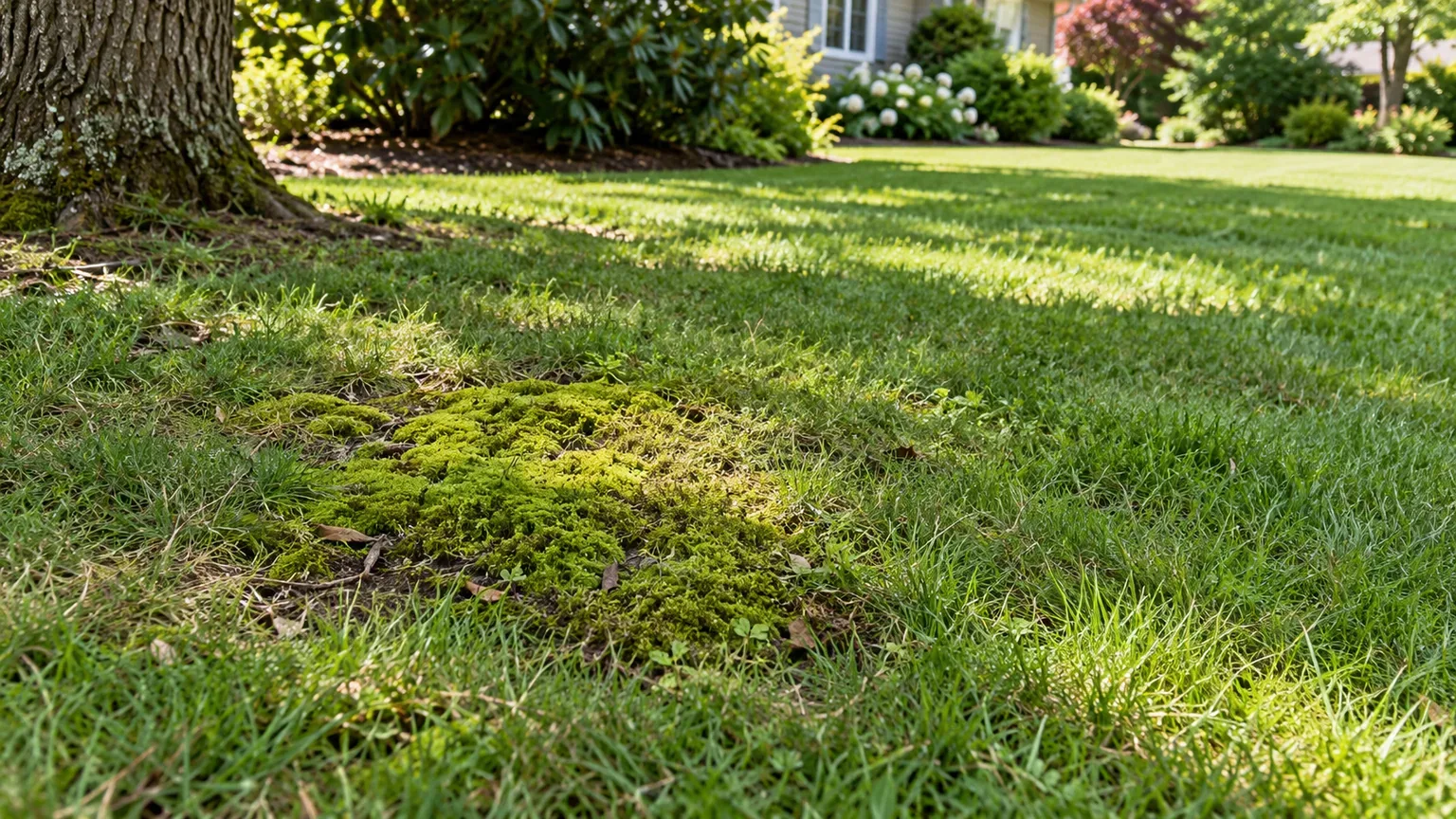
It is less compelling for a tiny patch if the contractor has a high minimum, for a yard that needs major grading before any seed can be applied, or for an owner who cannot keep the seedbed moist during establishment. It is also a poor substitute for diagnosing why a previous lawn failed. If the site is shaded beyond what the chosen grass tolerates, compacted, poorly drained, or repeatedly washed by runoff, replacing seed without correcting that condition can repeat the failure at a higher cost.
Timing matters, but there is no one date that works for every lawn. Penn State’s guidance for cool-season turf in Pennsylvania favors late summer in many settings, while the RHS gives autumn and mid-spring windows for its UK conditions (Penn State Extension; RHS). Those recommendations differ because climate and grass types differ. Use local extension guidance for your region and the seed blend in the quote, and schedule for a period when you can keep up with irrigation.
Common mistakes that turn a low quote into a costly lawn
Comparing only the per-square-foot rate is the fastest way to misread a bid. One company may include final grading, starter fertilizer, fiber mulch, and cleanup; another may price the slurry application alone. Compare exact areas, materials, preparation, minimum fees, water responsibilities, and reseeding terms side by side.
Assuming the whole property is seedable lawn can inflate a budget or leave the contractor short on coverage. Subtract the house, driveway, patios, beds, paths, and areas that should remain natural before estimating square footage. Then confirm the contractor used that lawn area rather than the gross lot size.
Skipping soil and drainage corrections shifts risk to the establishment stage. Hydroseeding does not repair compacted subsoil, fill low spots, create a stable grade, or change a site that stays wet. If the estimate includes a vague “soil prep” allowance, ask what work and quantities it covers before signing.
Treating mulch as erosion insurance is another costly assumption. Mulch helps hold moisture and reduce seed movement, but the right rate matters; a steep slope or concentrated runoff may call for additional stabilization. Ask the installer how water will move across and off the seeded area, especially where it could carry soil into a drain or neighboring property.
Failing to plan for irrigation can waste the application cost. If you are away, lack a working sprinkler system, face watering restrictions, or cannot reach a remote slope, resolve that constraint before scheduling. The seed mix can be perfectly reasonable and still fail if the surface dries repeatedly before roots establish.
Conclusion
Hydroseeding commonly pencils out around $0.07–$0.21 per square foot in current published cost estimates, but a trustworthy budget also accounts for the contractor’s minimum, site preparation, seed and mulch choices, slope, access, and the weeks of irrigation that follow. For 10,000 square feet, use roughly $700–$2,100 as a broad planning range, then add any work the estimate excludes.
Choose the method after checking the yard, not just the price. Hydroseeding can be a practical middle ground for a large bare area or manageable slope, dry seed may suit a small level lawn, and sod may be worth its higher price when immediate cover matters. Get written, itemized bids with the same scope and a clear aftercare plan; that is the best way to know whether the lowest quote is truly the best value.